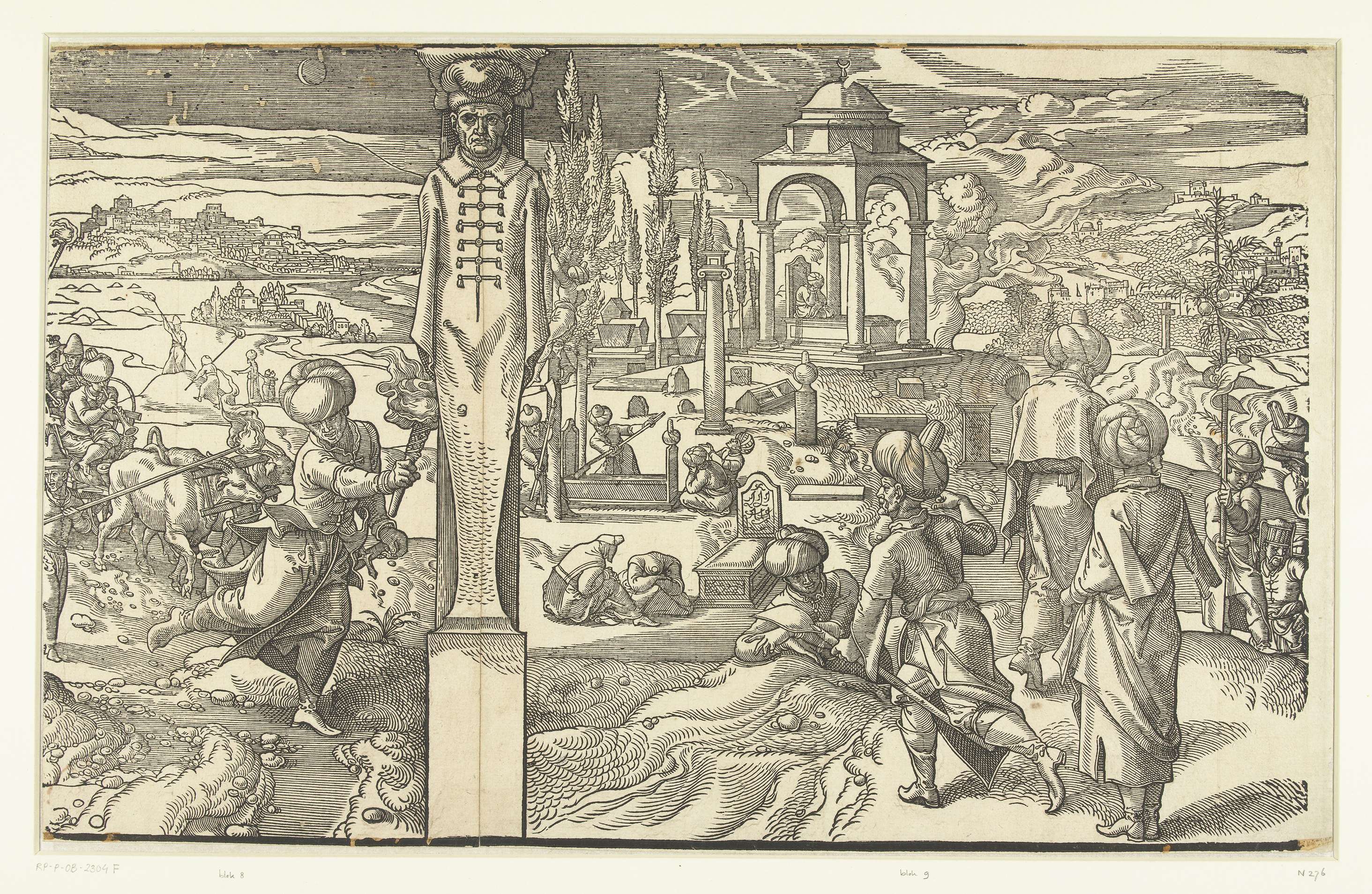
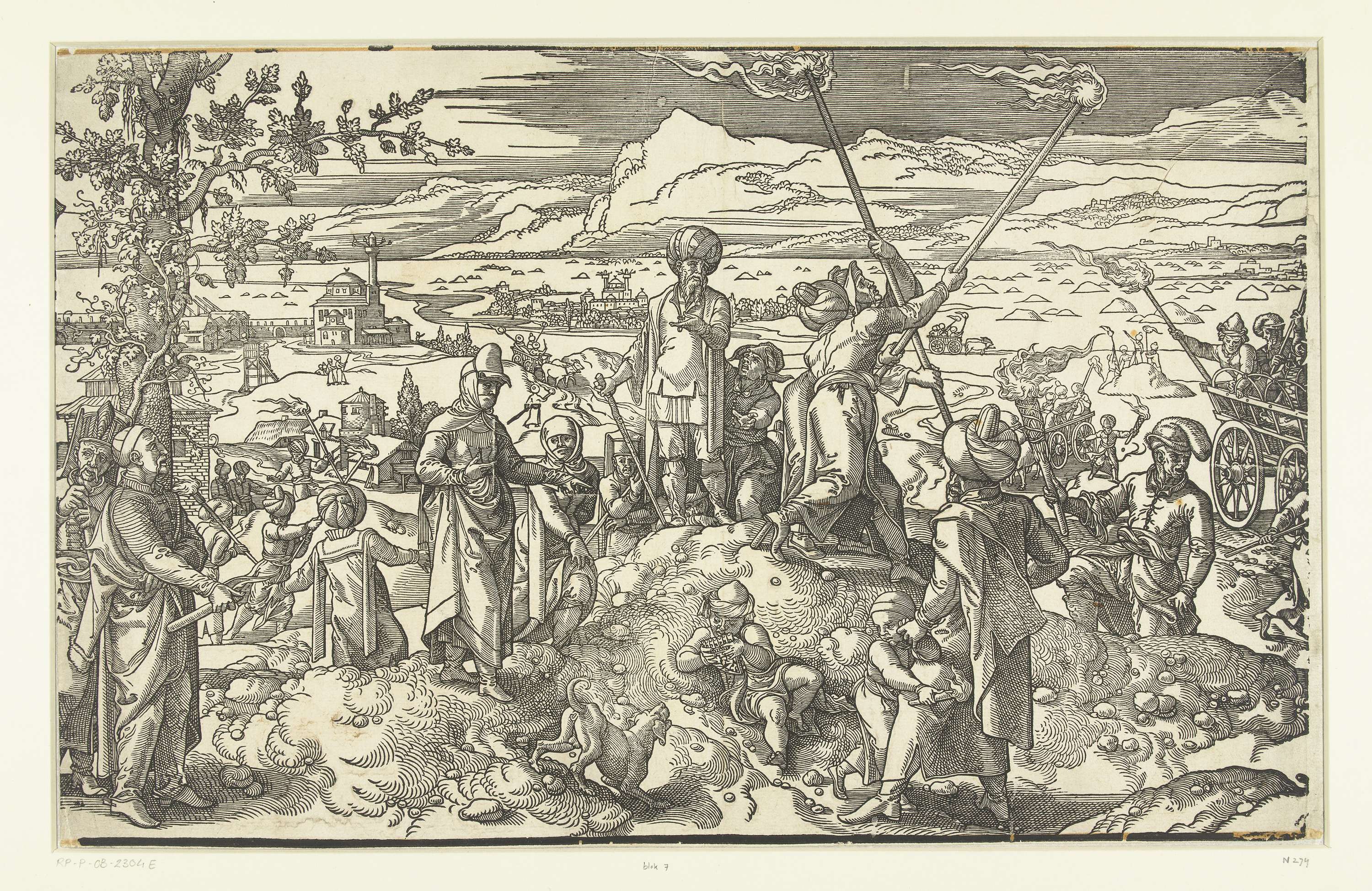
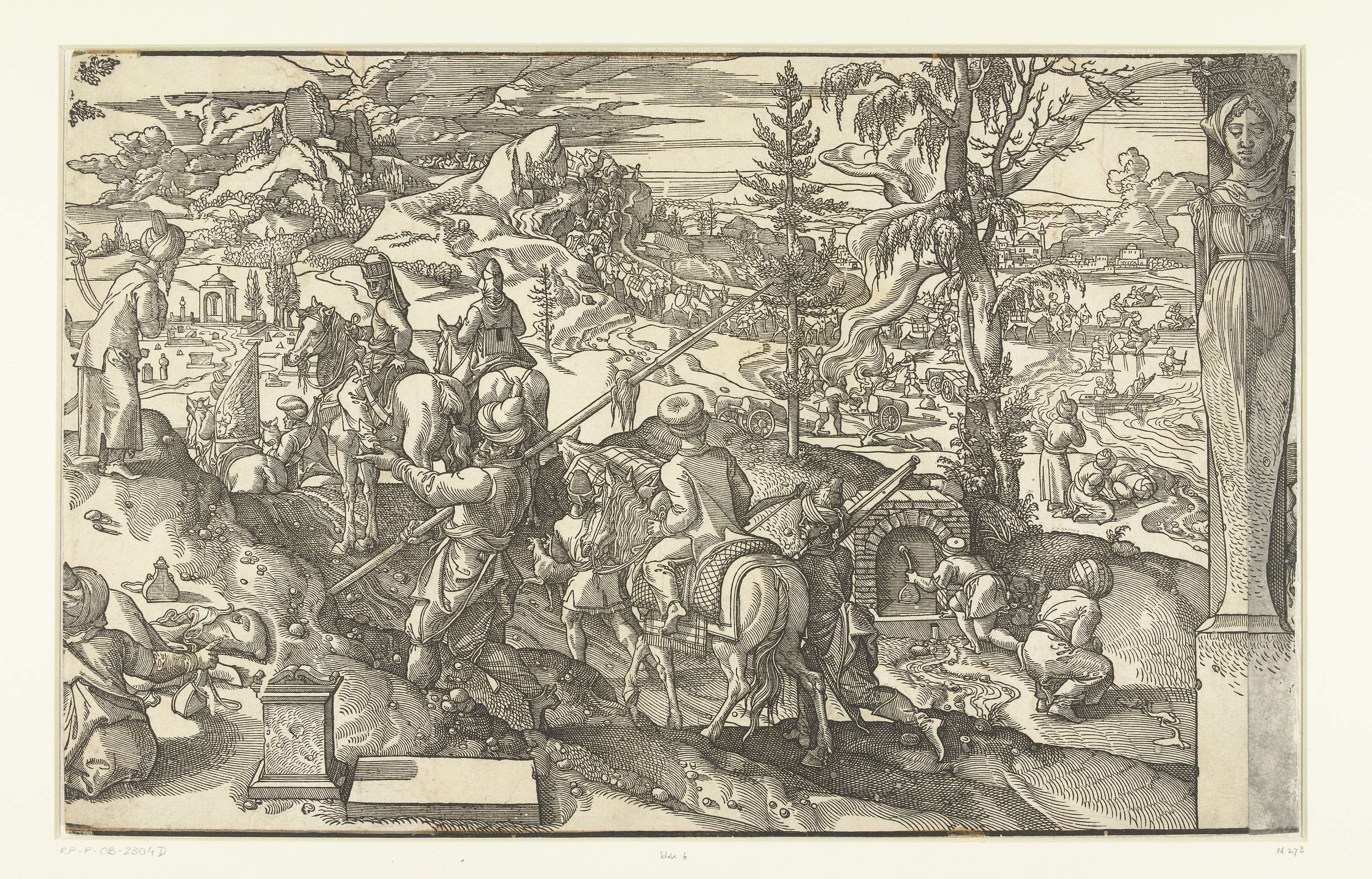
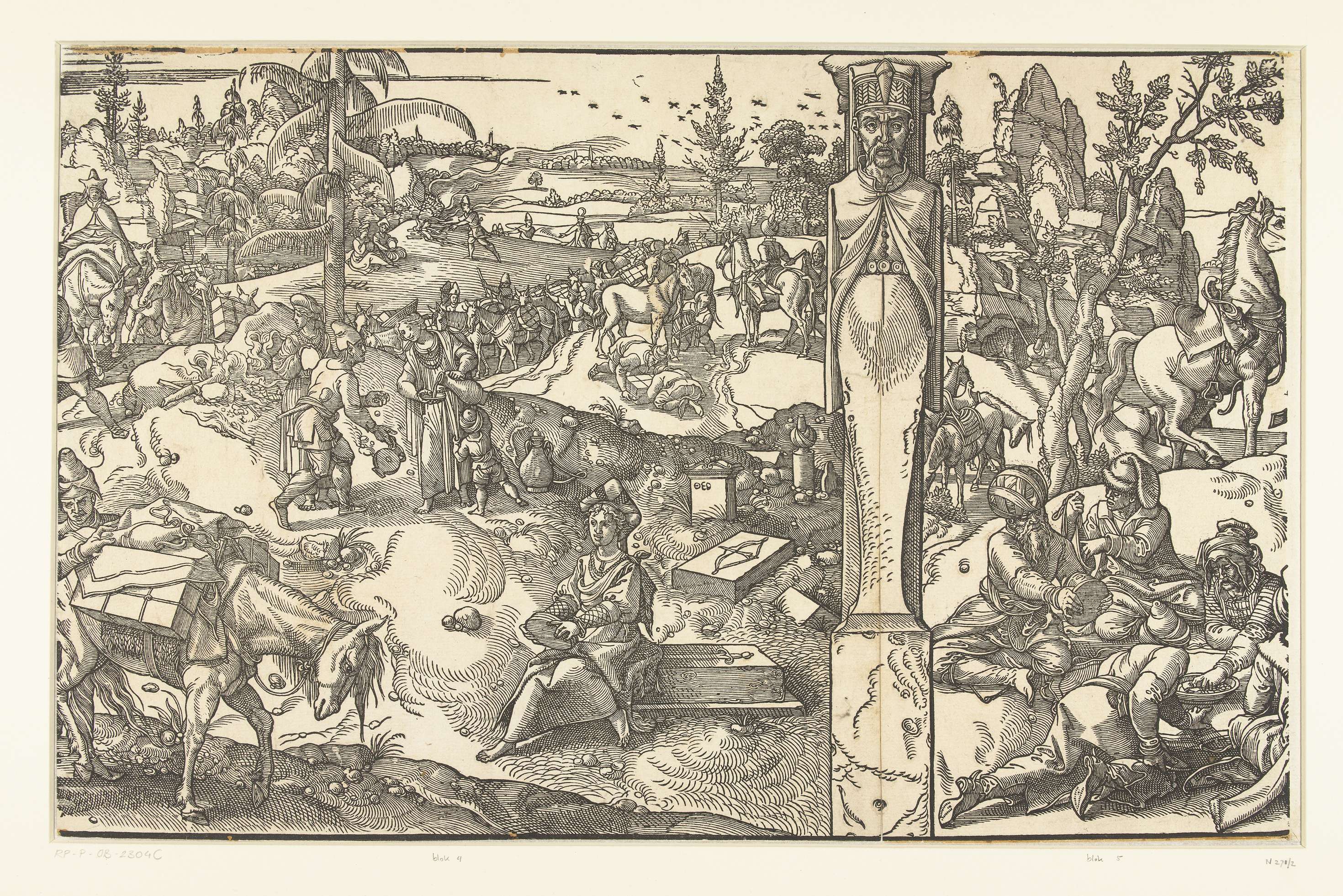
Soldaten rond een kampvuur — History & Analysis
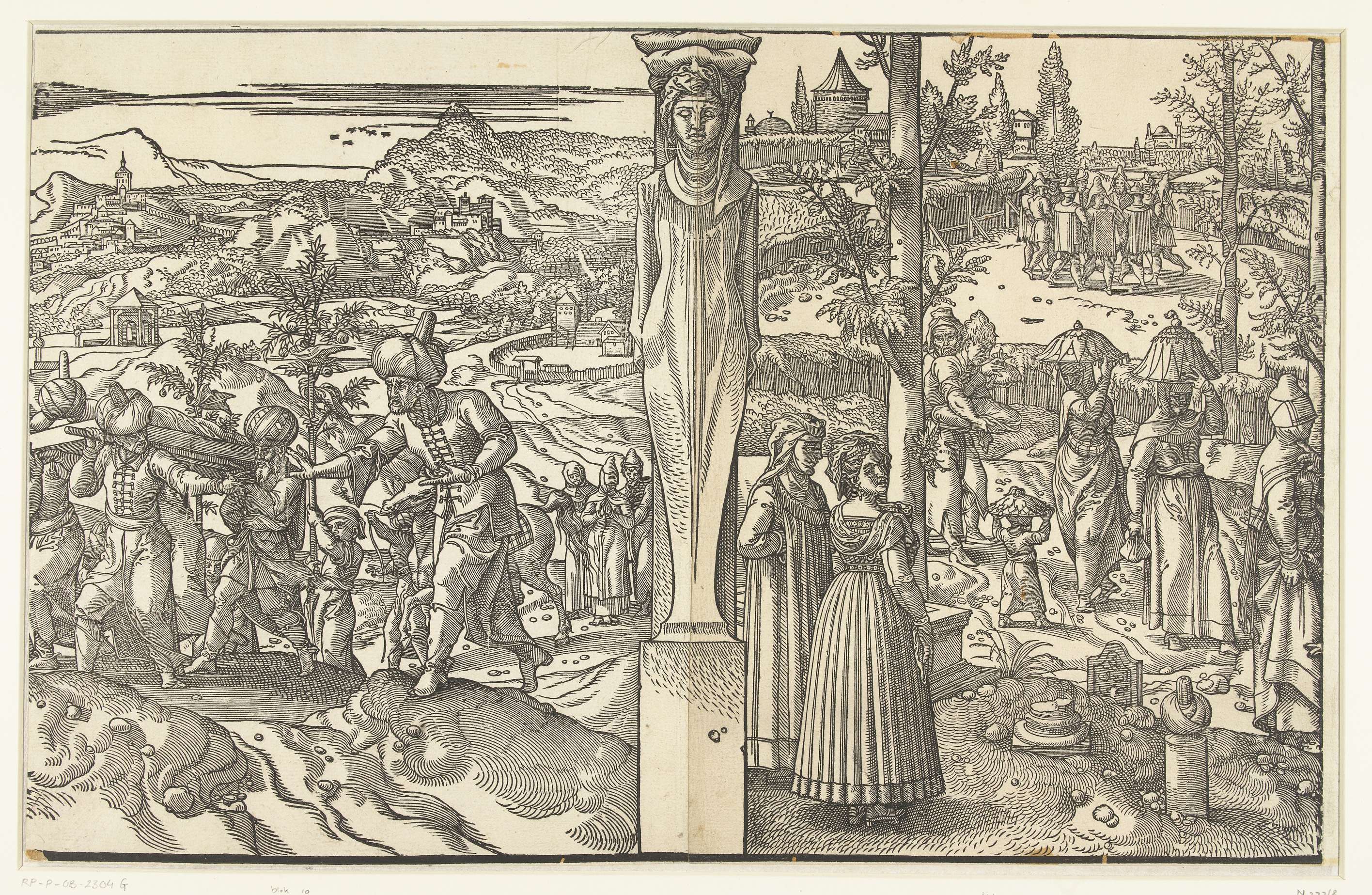
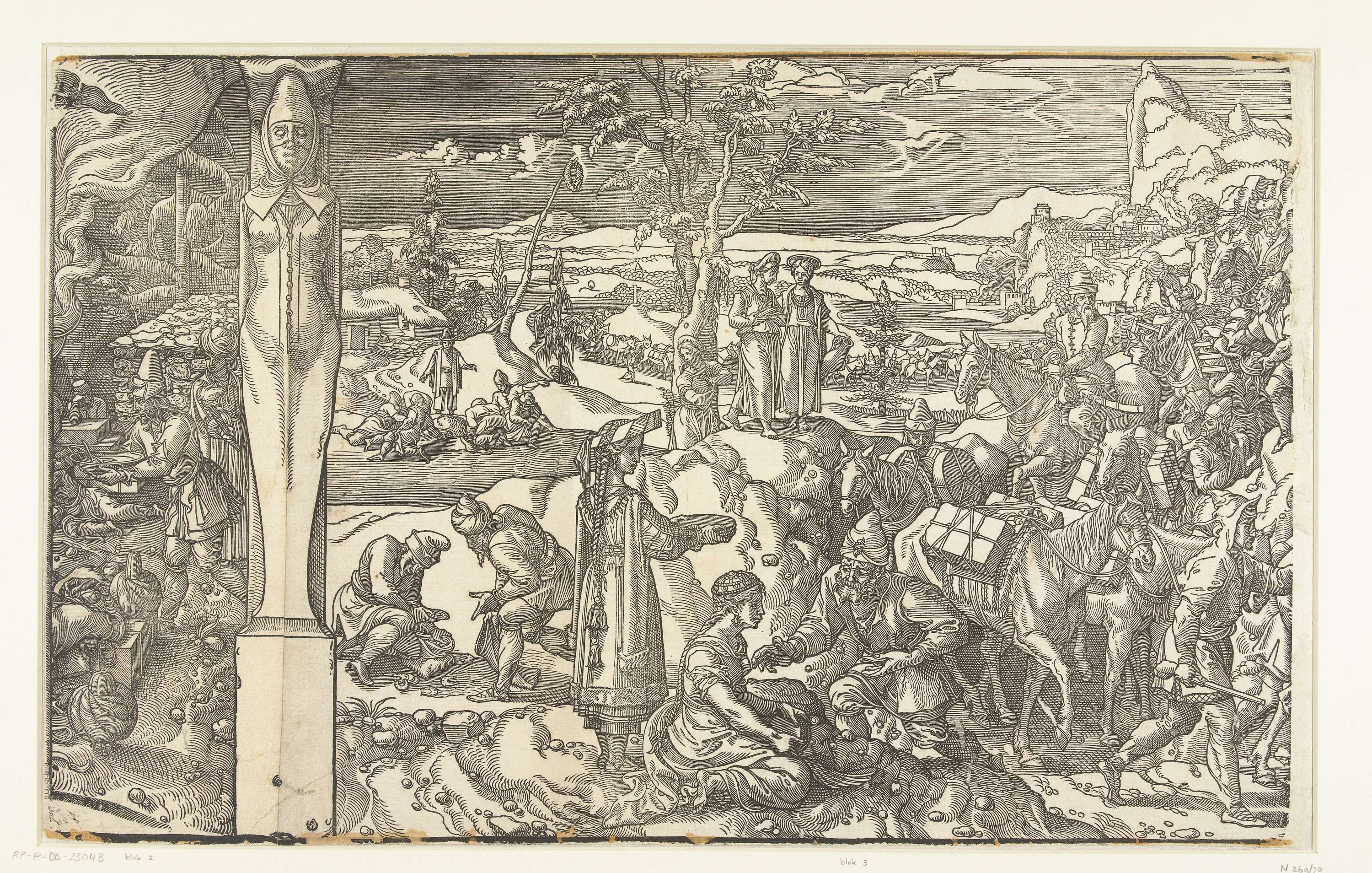
“Every silence here is a confession.” In the stillness of the night, the flicker of a campfire casts long shadows, revealing the quiet struggles and camaraderie of weary soldiers. Their faces, illuminated by the warm glow, tell stories of faith — not just in survival, but in each other amidst the chaos of war. Look to the center of the composition where the fire crackles, drawing the soldiers into its embrace. Notice the contrasting light and dark; the flames dance with warmth, while the surrounding shadows cloak the figures in mystery. The artist employs rich earth tones, accentuated by the golden hues of the fire, to create a sense of intimacy.
Each soldier's gesture speaks volumes — some lean in, while others gaze into the distance, lost in thought, inviting the viewer to ponder their silent hopes and fears. In this poignant moment, the interplay of light and shadow symbolizes the duality of human experience. The fire represents both the brutality of conflict and the flicker of faith that sustains them. The weary expressions capture the toll of battle, yet their shared presence conveys a unity that transcends words.
It is this delicate balance between despair and resilience that resonates deeply, allowing us to grasp the gravity of their silent confessions. Pieter Coecke van Aelst created this work in 1553 amidst the backdrop of the religious upheaval characteristic of the period. As a prominent figure in Northern Renaissance art, he was influential in bridging Flemish traditions with Italian influences. During this time, he was involved in a vibrant artistic community in Antwerp, where the tension between faith and war was palpable, reflecting the very essence of the human condition captured in this piece.