Karavaan van reizigers en vier rustende mannen — History & Analysis
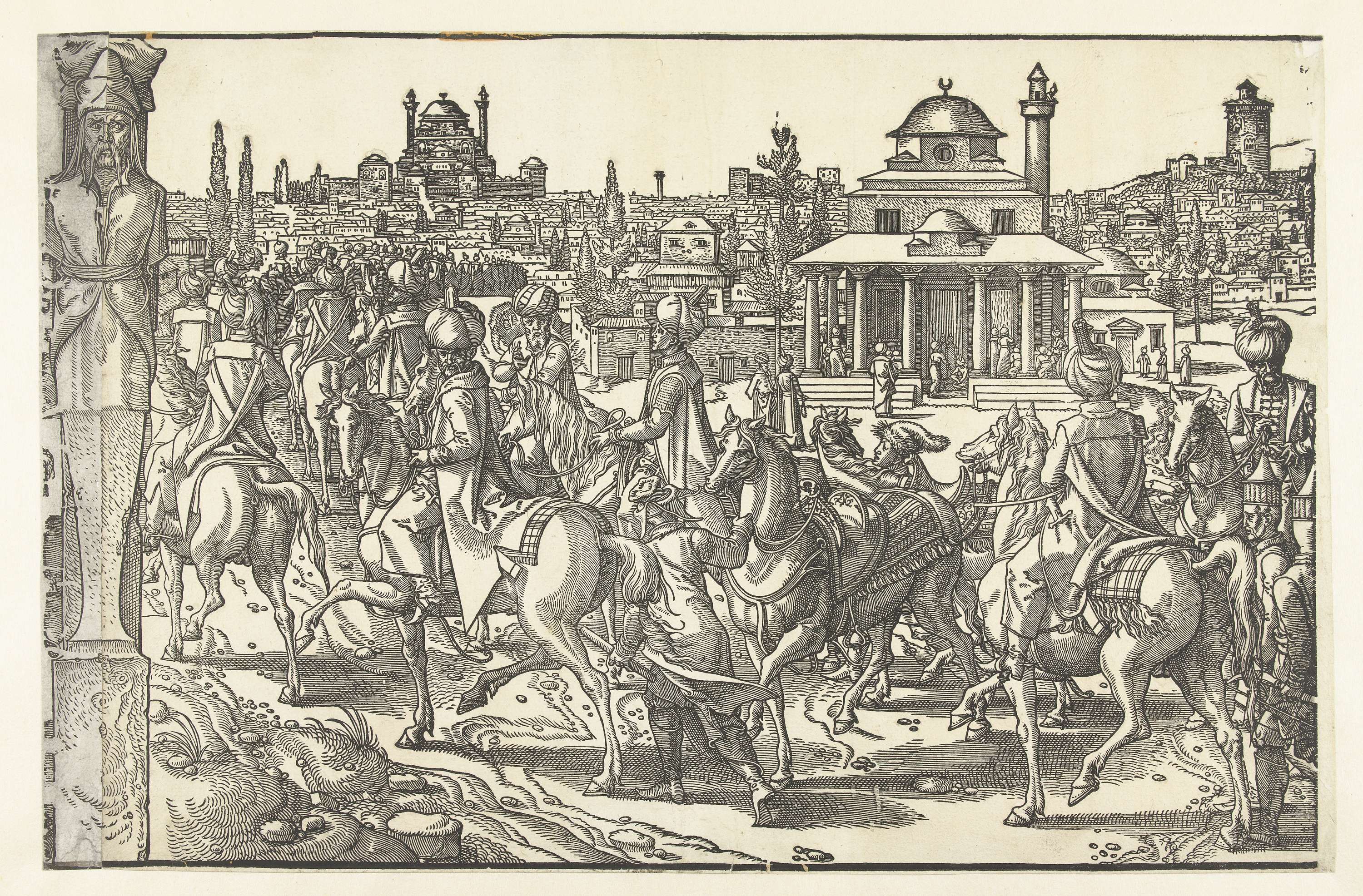
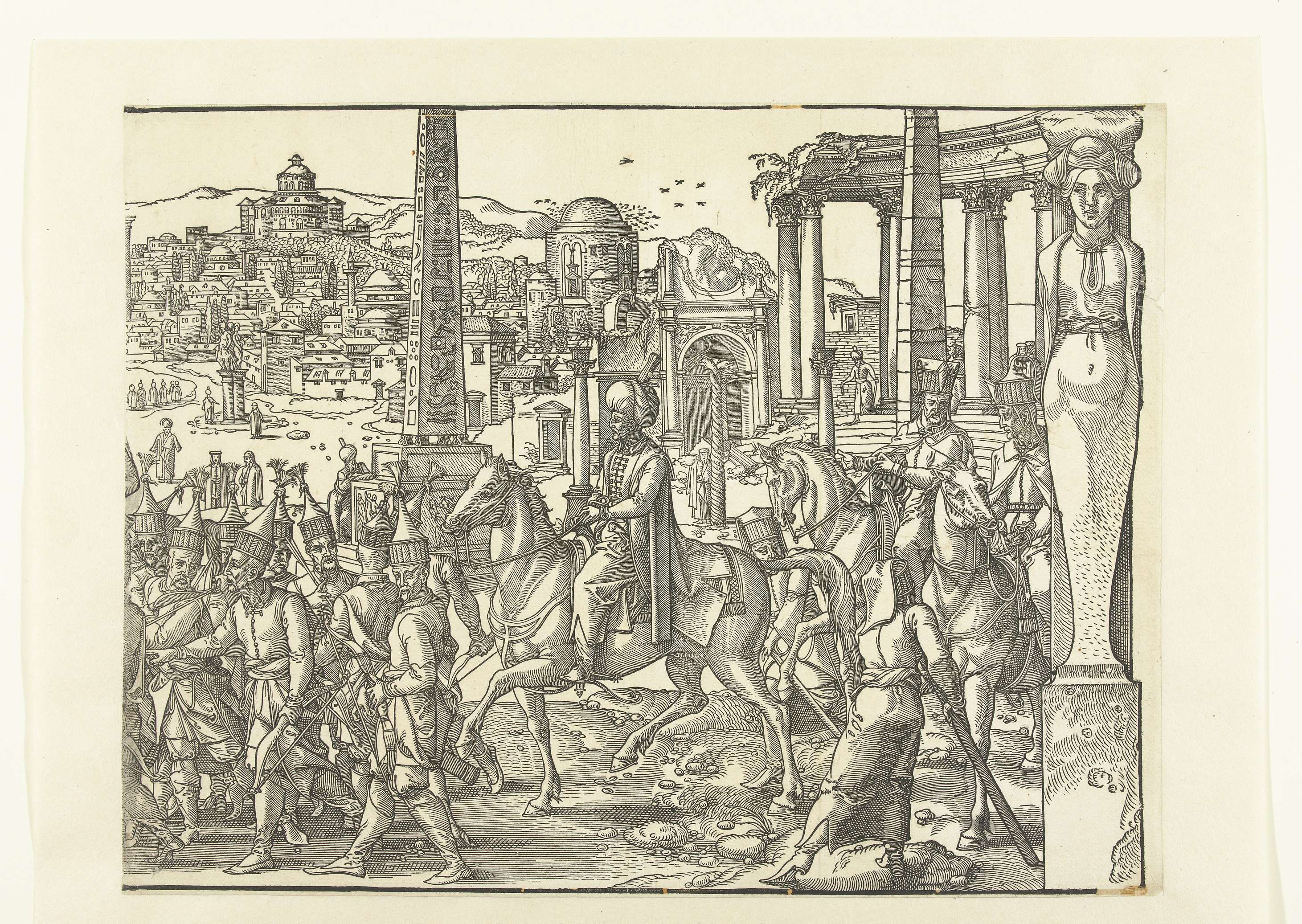
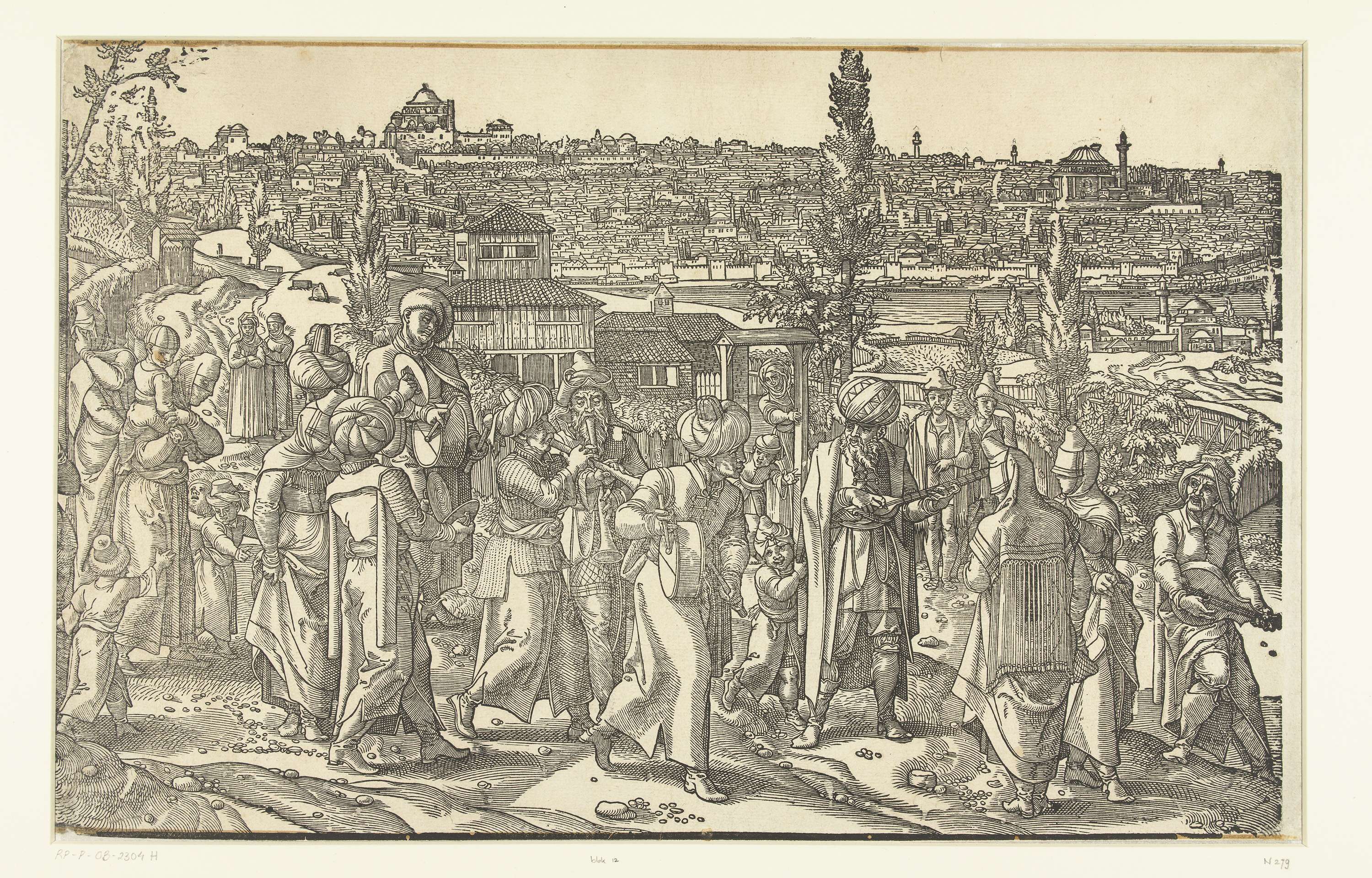
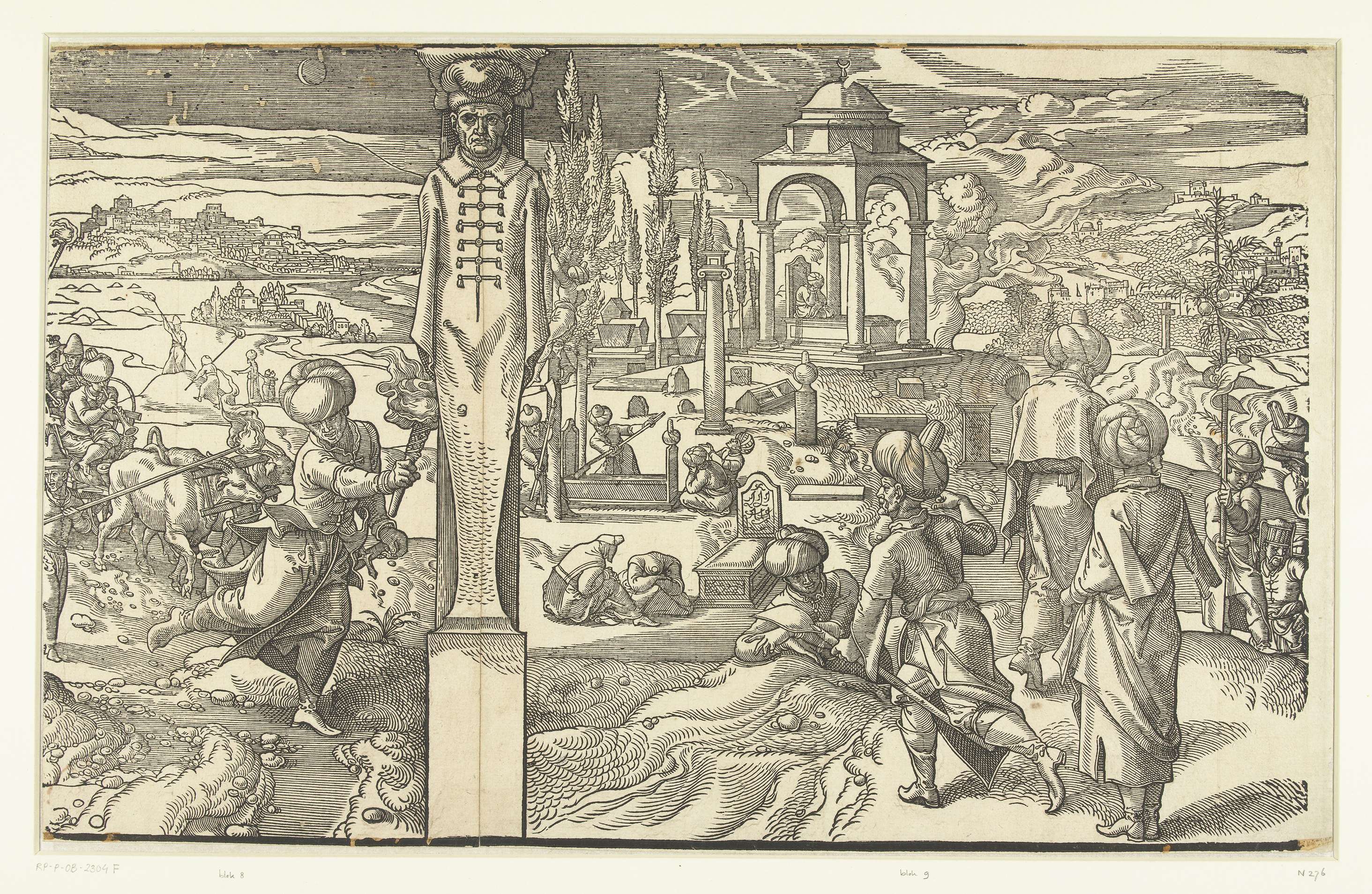
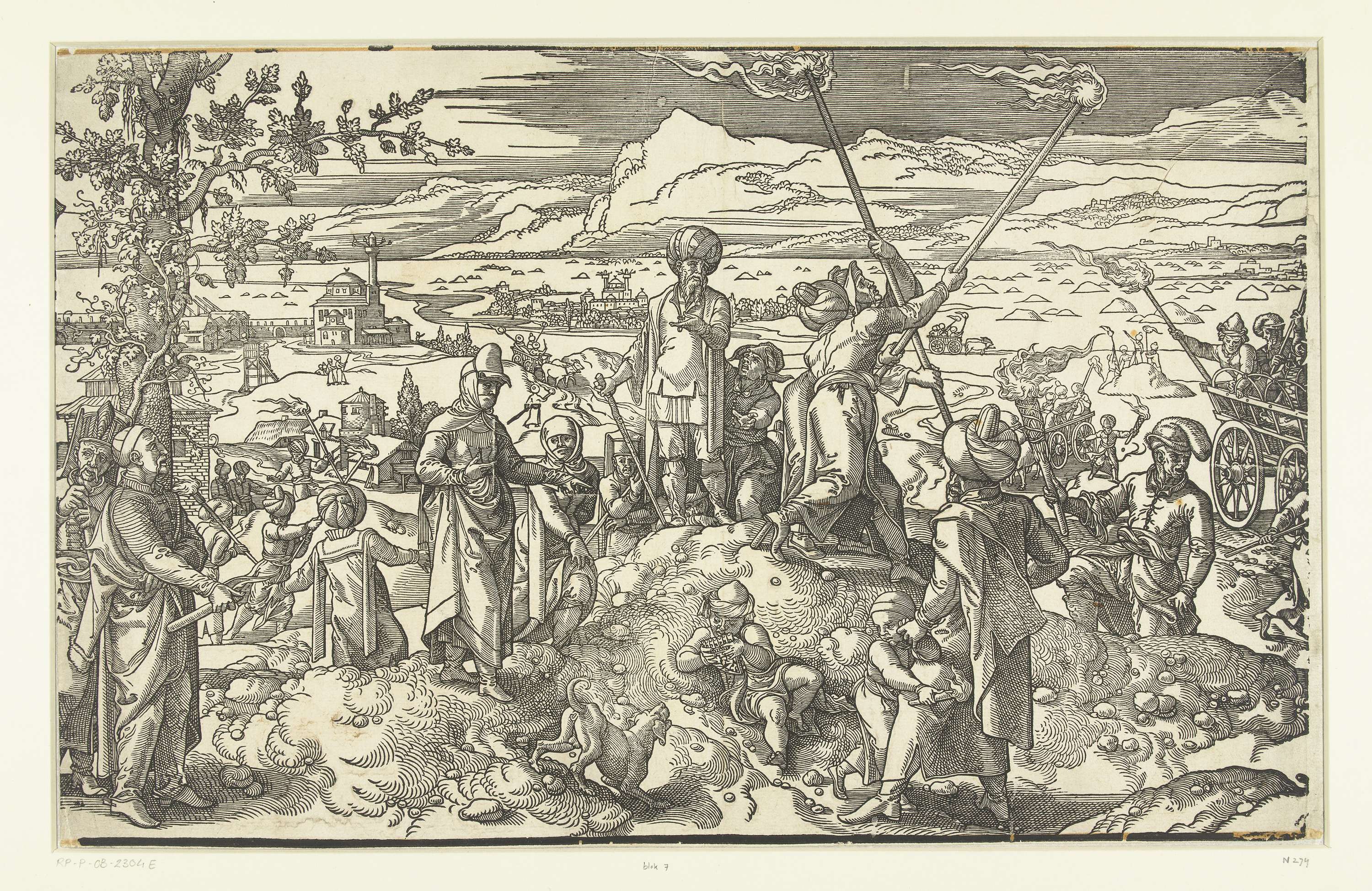
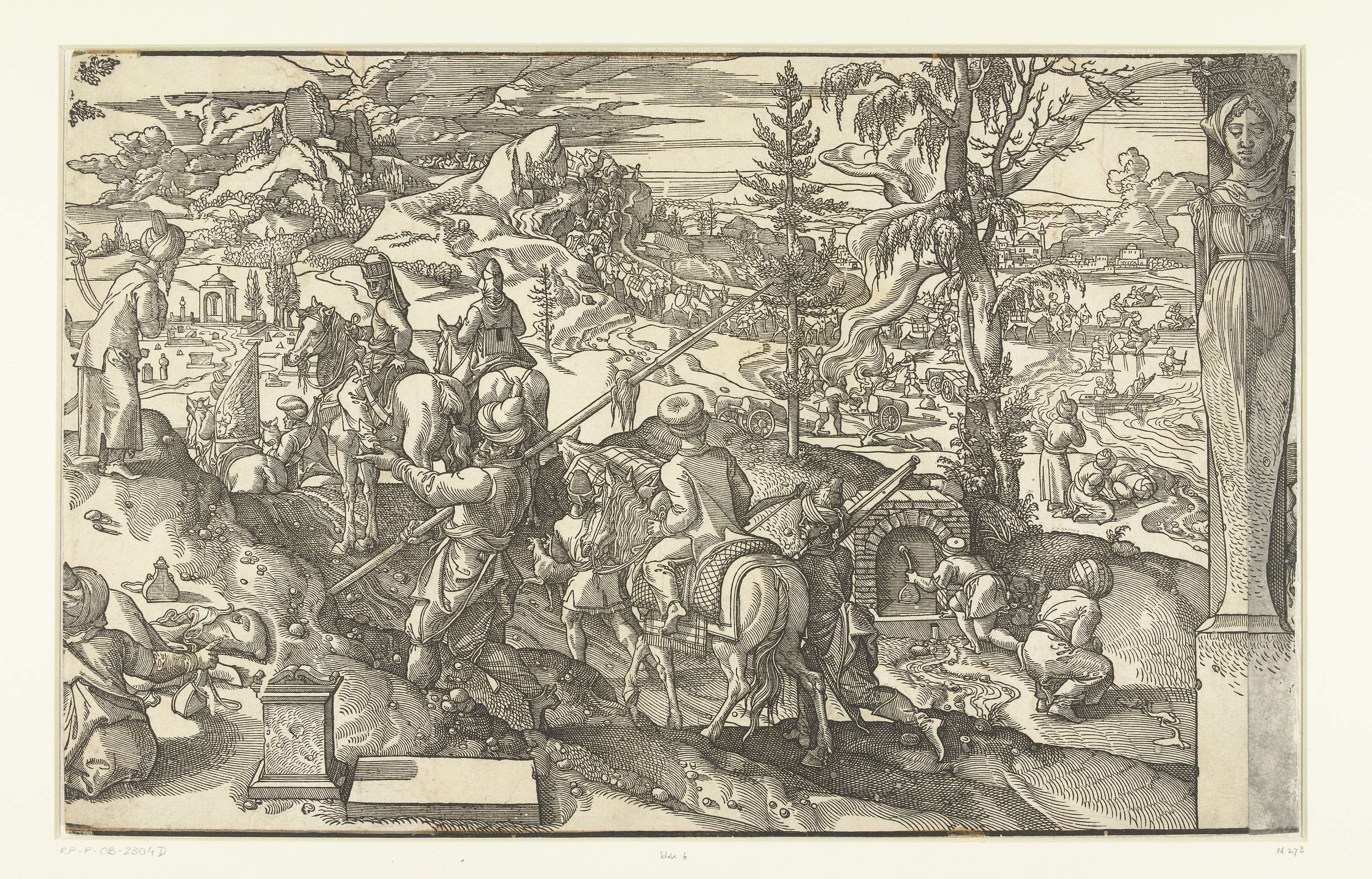
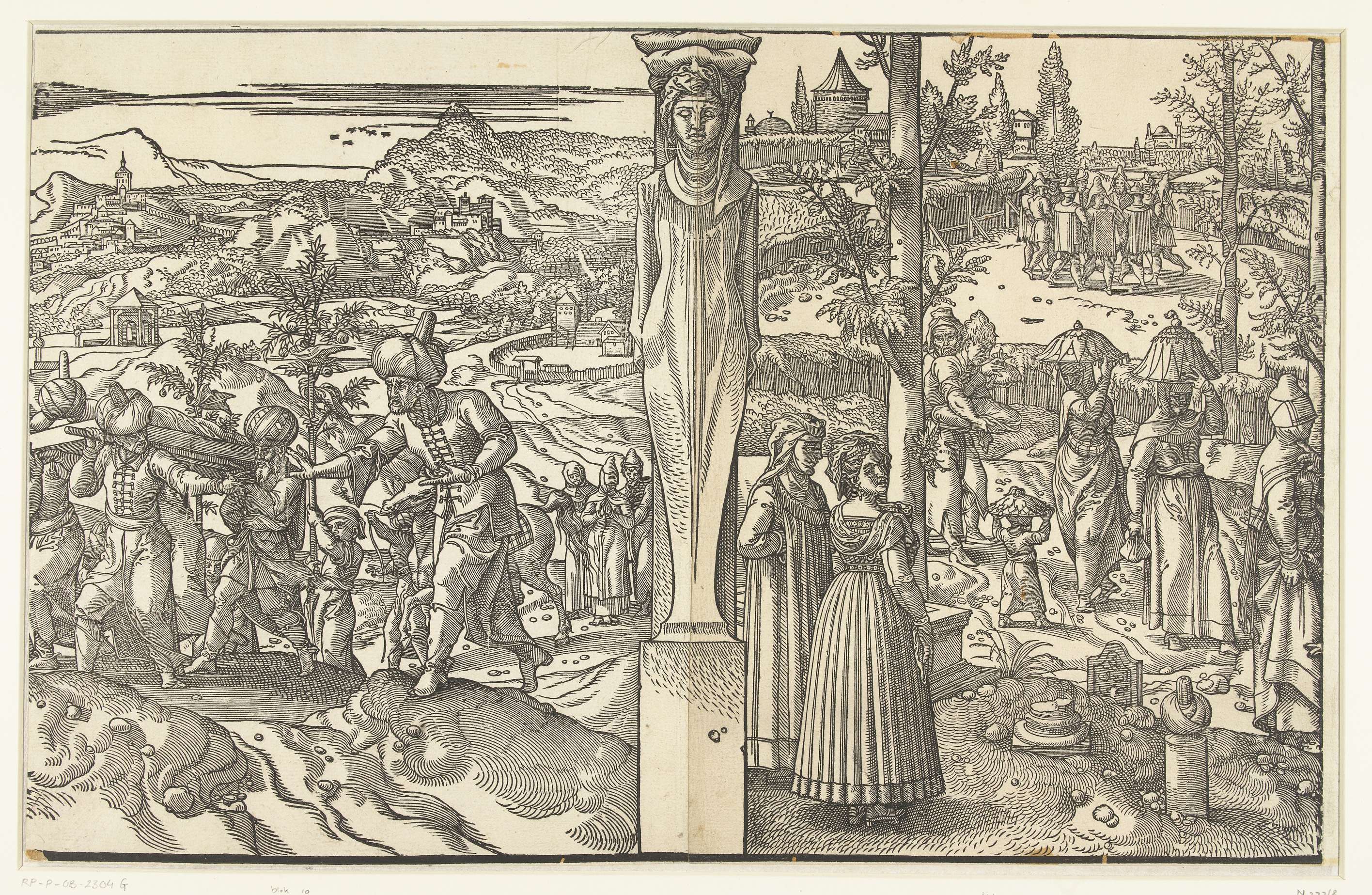
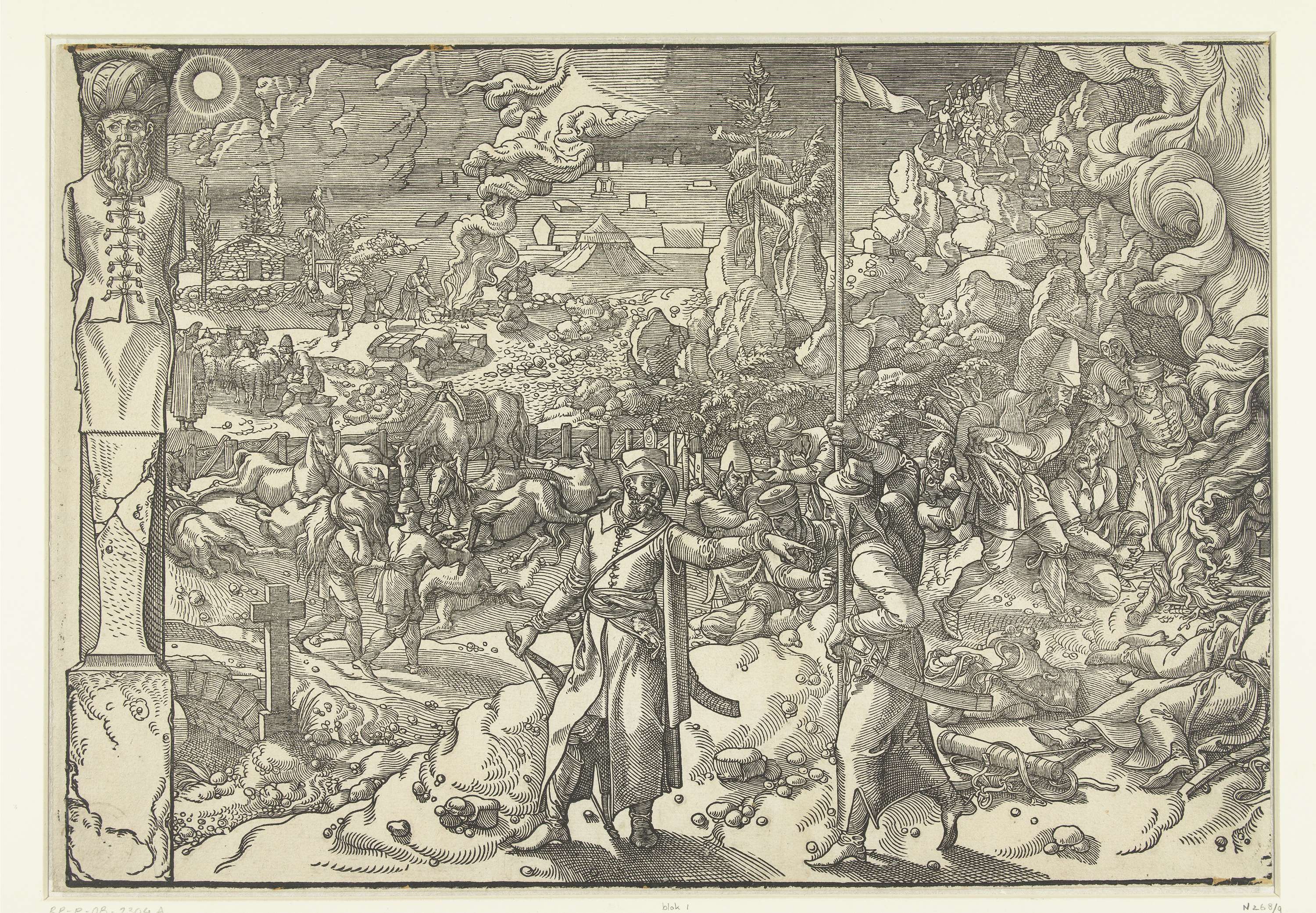
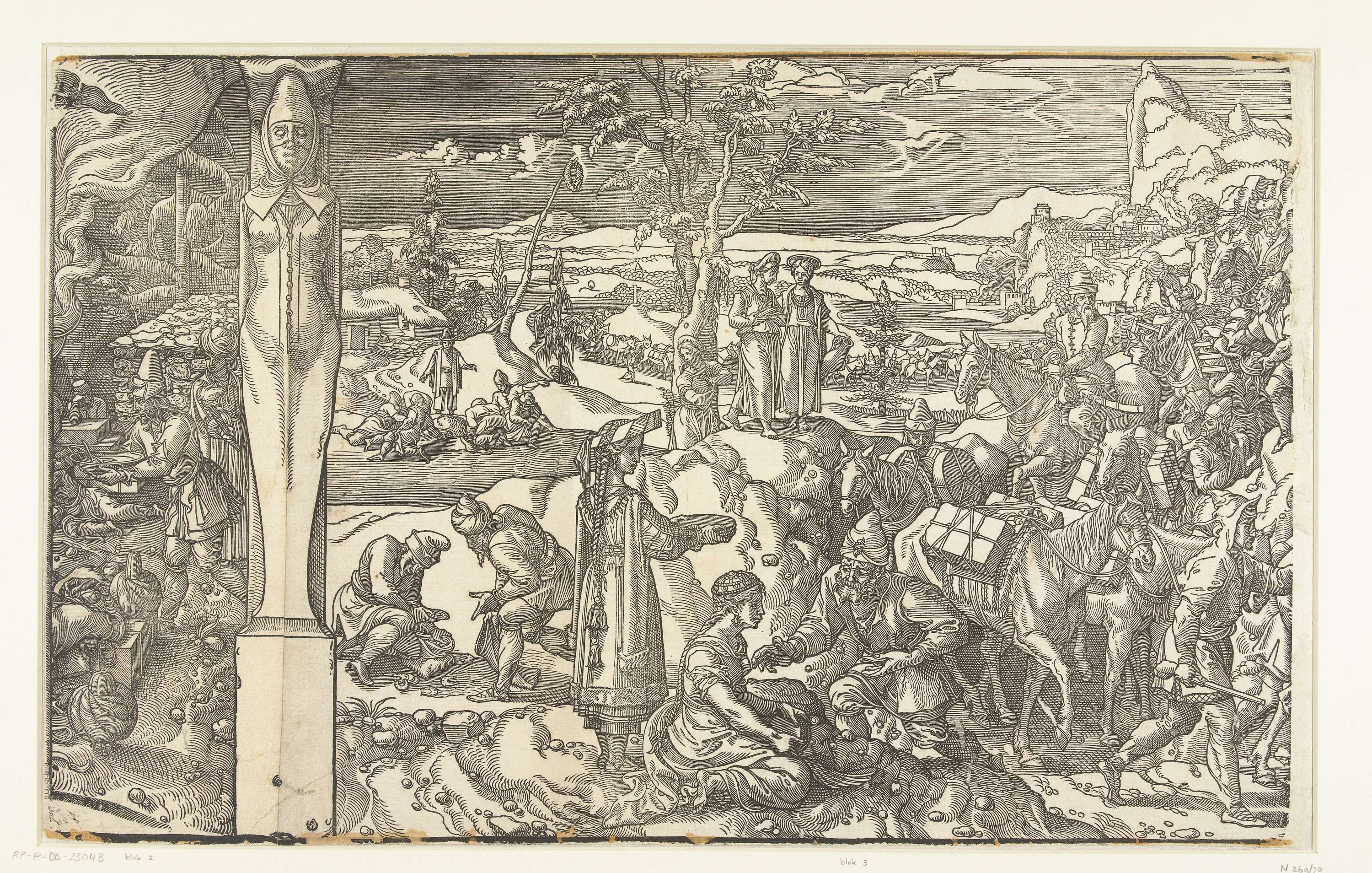
Where does light end, and longing begin? This question resonates deeply within the essence of Karavaan van reizigers en vier rustende mannen, as it captures a moment suspended between journey and destination—a poignant awakening from the everyday. Look to the center of the canvas, where a group of weary travelers rests, their faces illuminated by soft, golden light. Each figure, draped in richly colored fabrics, evokes a sense of quietude amidst the exertion of the road. The varied hues, from the deep reds to earthy browns, harmonize beautifully, suggesting a world vibrant yet tinged with the melancholy of distant places.
Notice how the interplay of light and shadow emphasizes the contours of their expressions, revealing both exhaustion and camaraderie as they momentarily pause in their journey. The tableau speaks volumes about the passage of time and the shared human experience. The resting figures convey a sense of fraternity, united by their fatigue yet distinctly individual in their gestures and postures. The landscape that cradles them whispers of adventure and uncertainty, as if inviting viewers to ponder their own journeys and the significance of rest.
Here, the stillness contrasts with the implied movement of the caravan, forming a poignant dialogue between action and reflection. Created in 1553, this work emerged during a transformative period in Northern Renaissance art. Pieter Coecke van Aelst, a prominent figure in Antwerp, was known for bridging the gap between traditional Flemish painting and the emerging influences of Italian Renaissance. It was a time when the exploration of nature and human emotion began to gain momentum, shaping a new narrative in art that would resonate for generations.