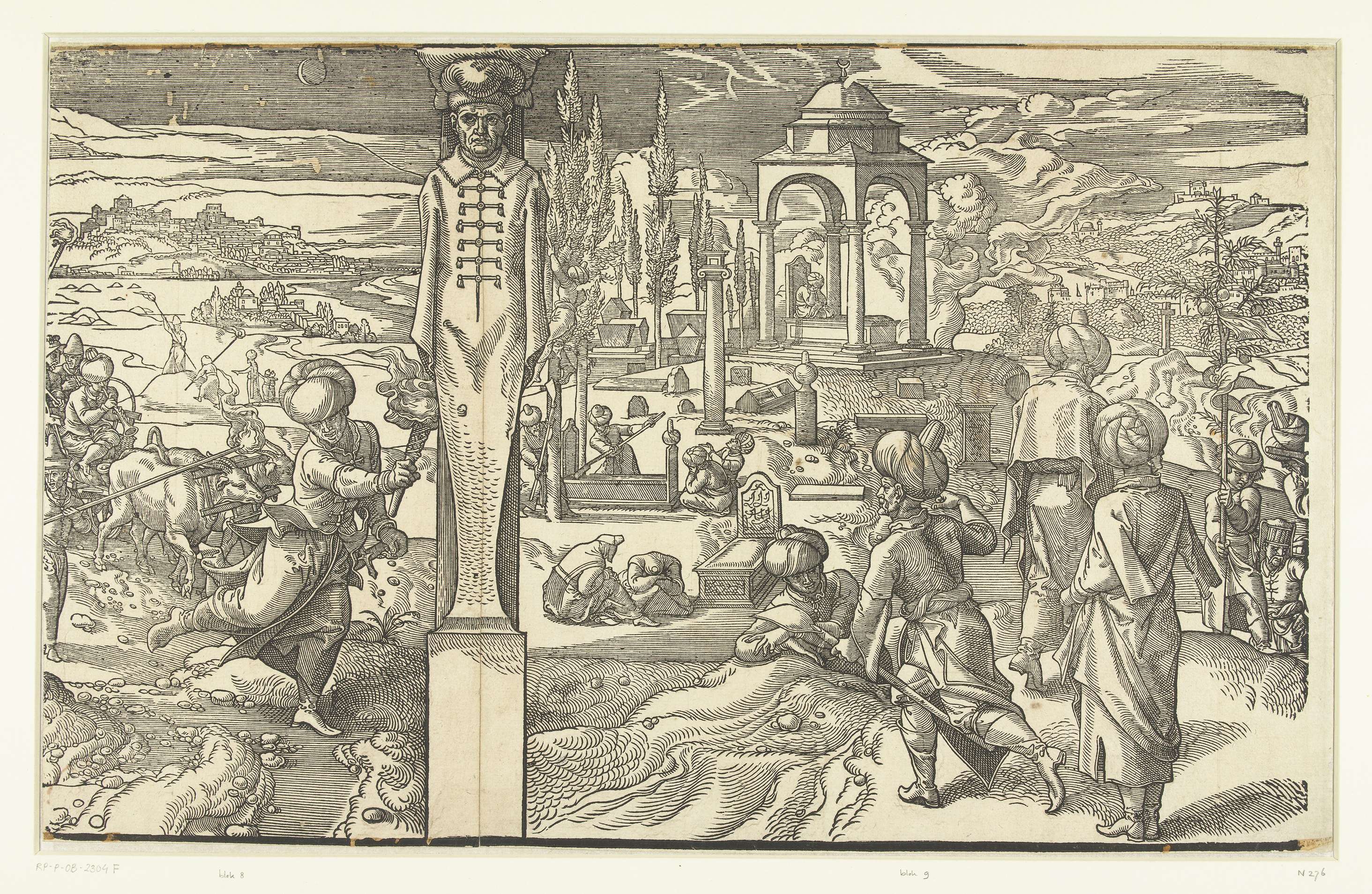
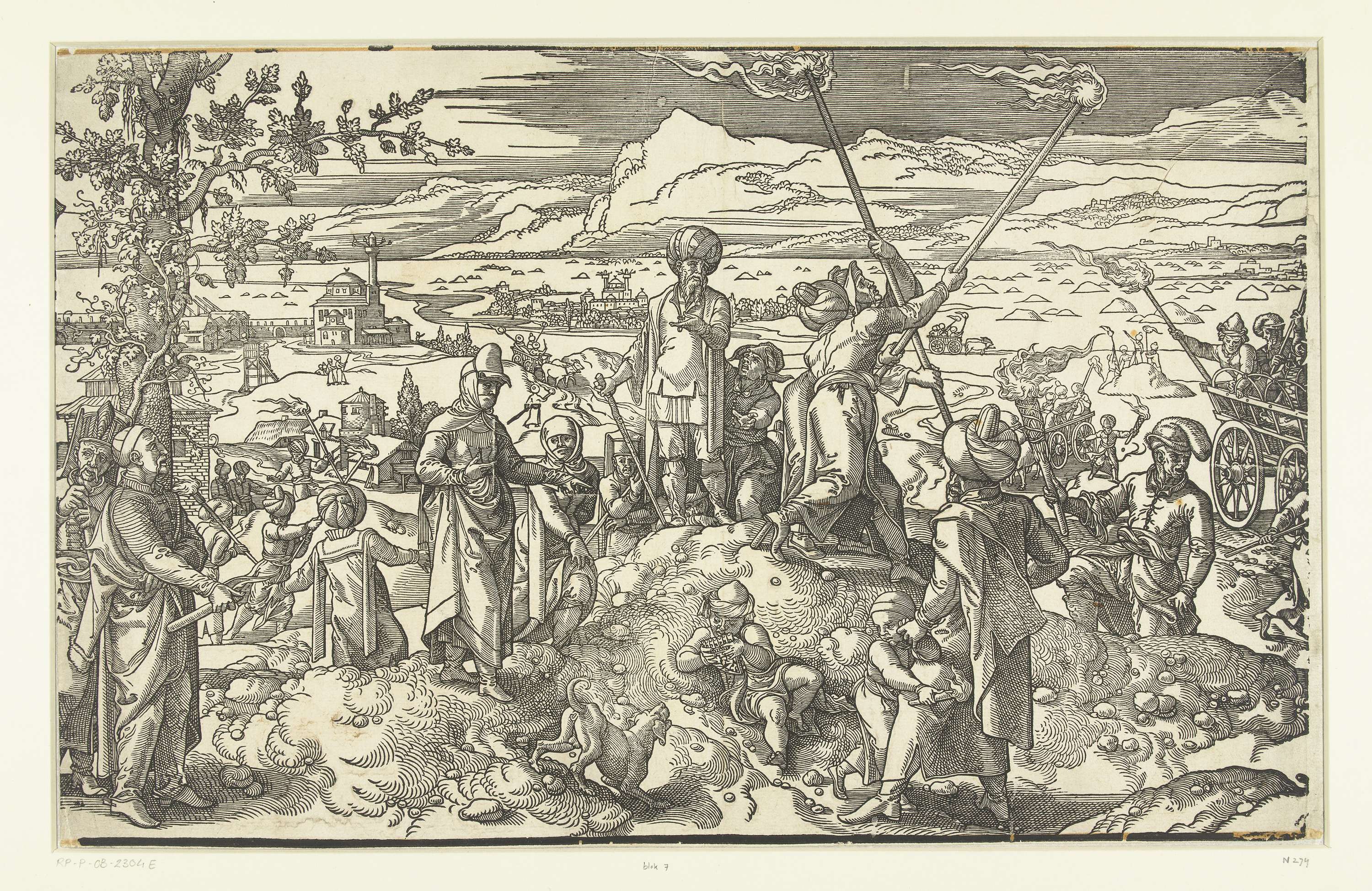
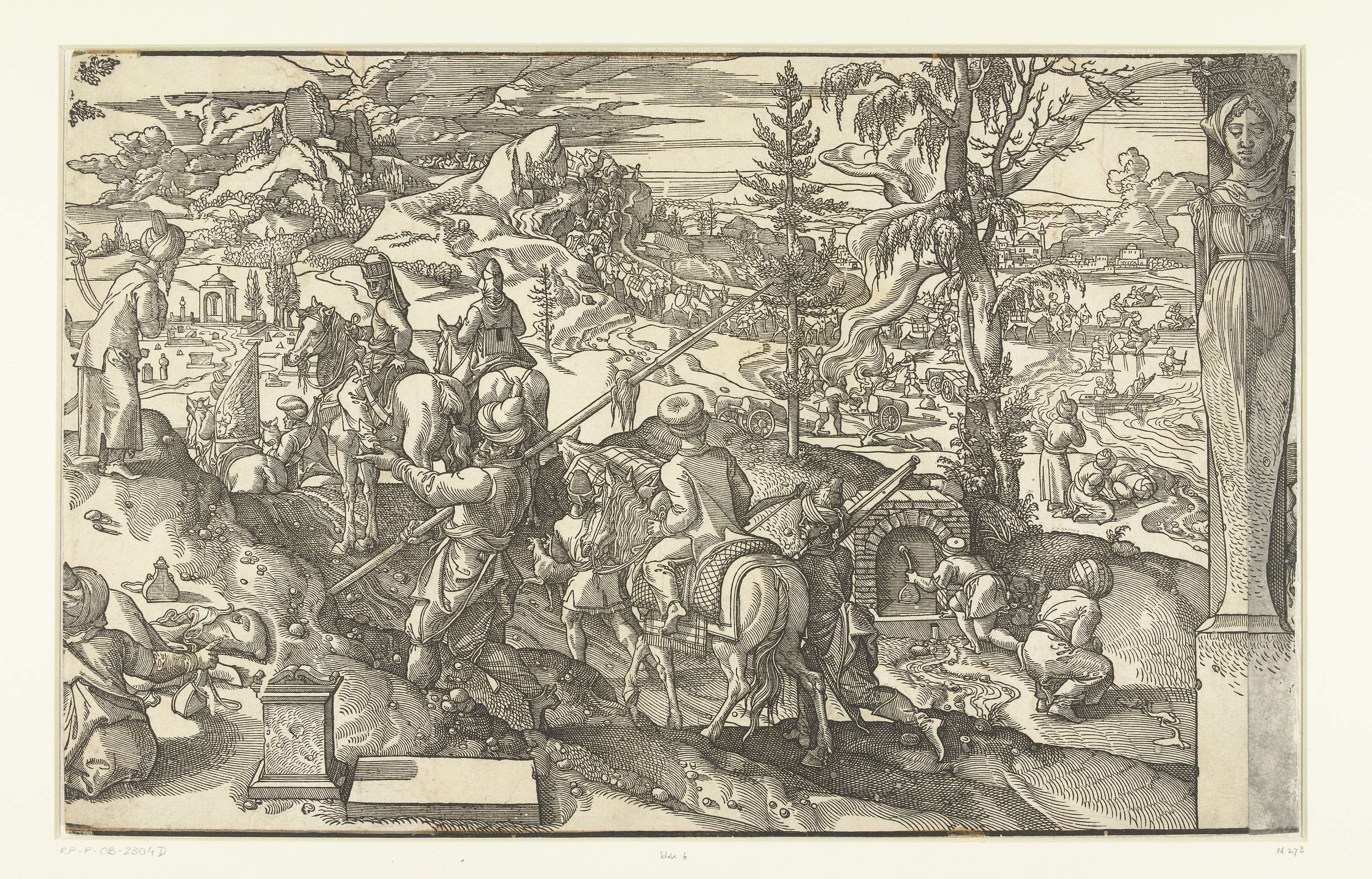
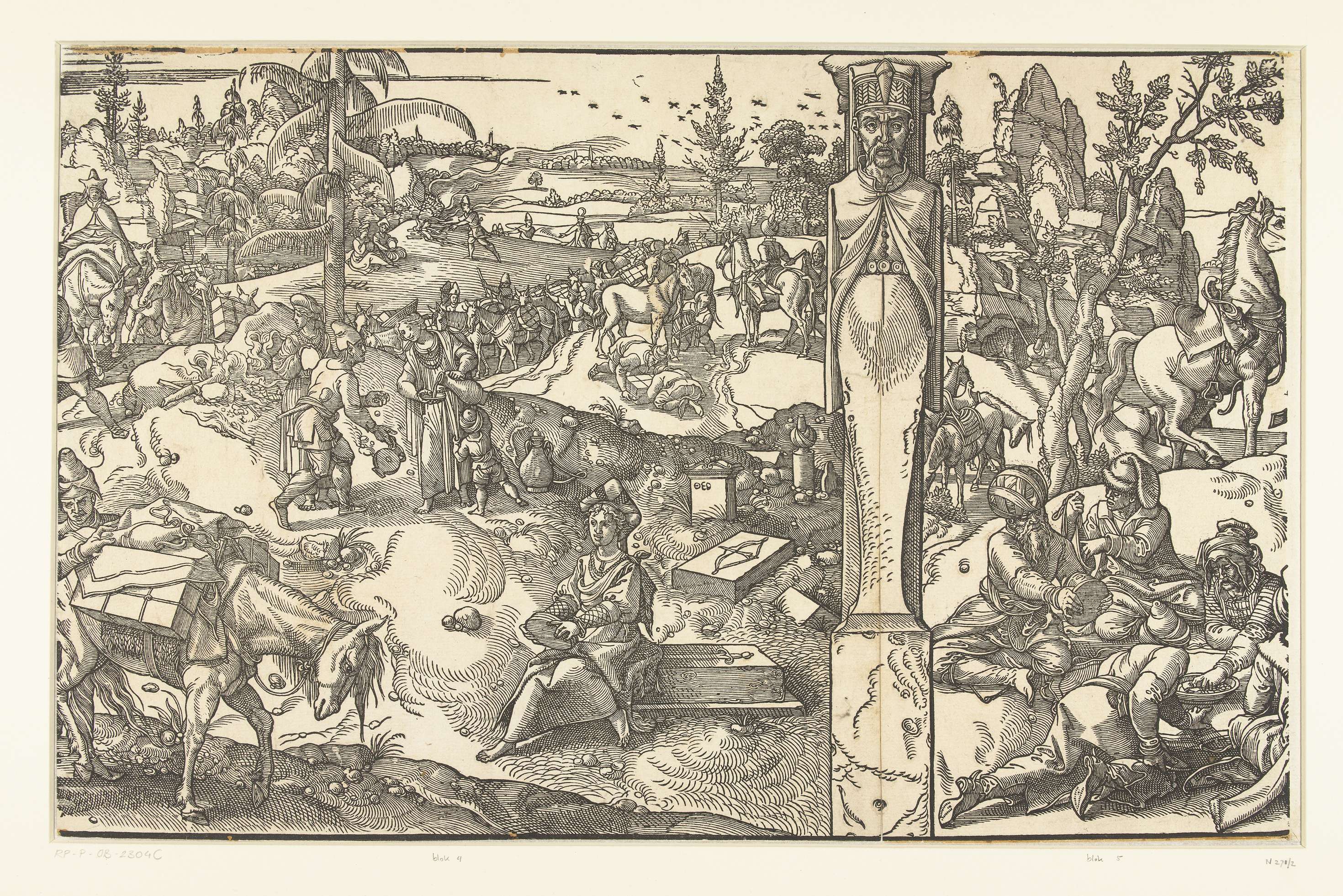
Karavaan van reizigers — History & Analysis
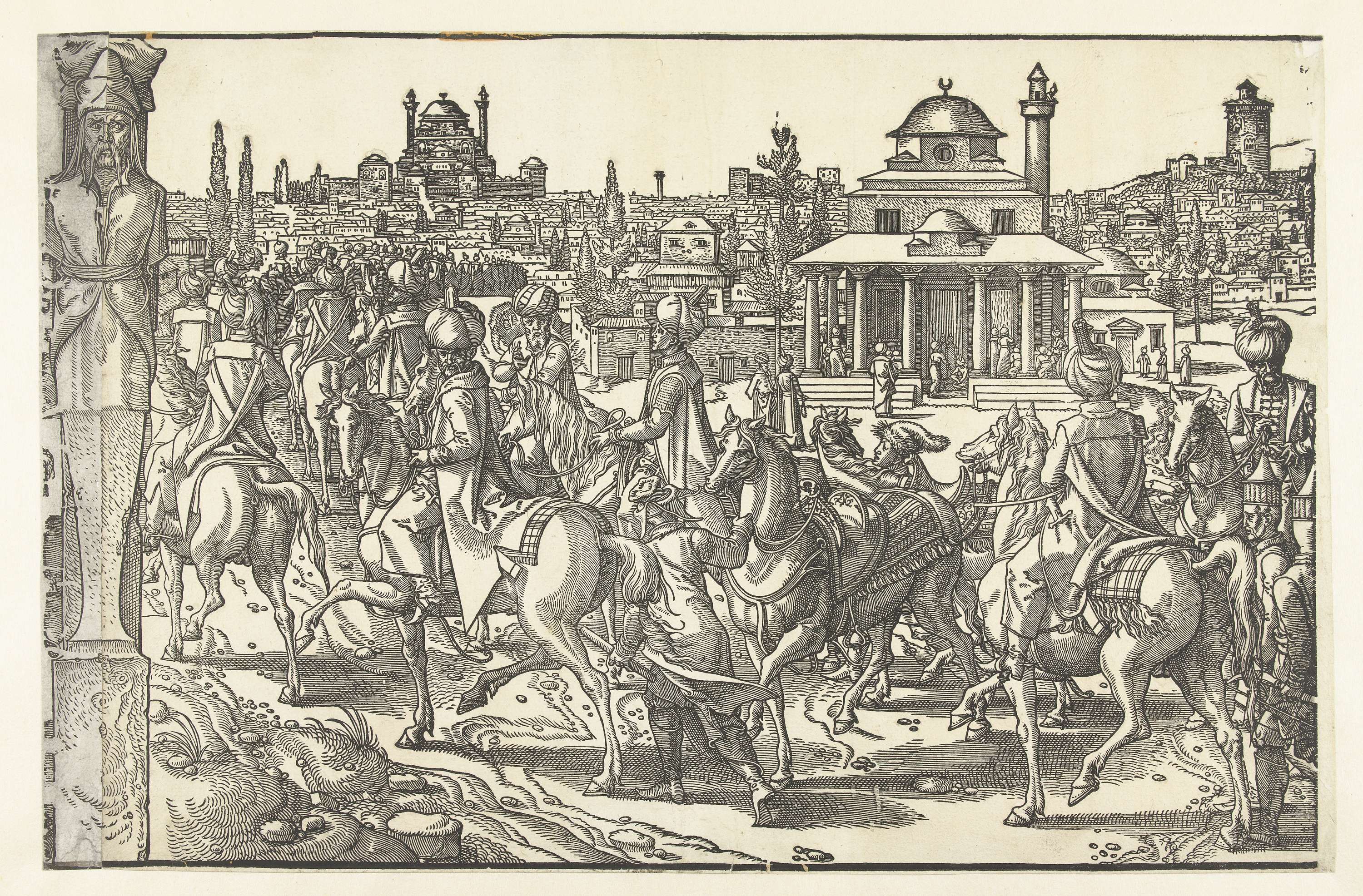
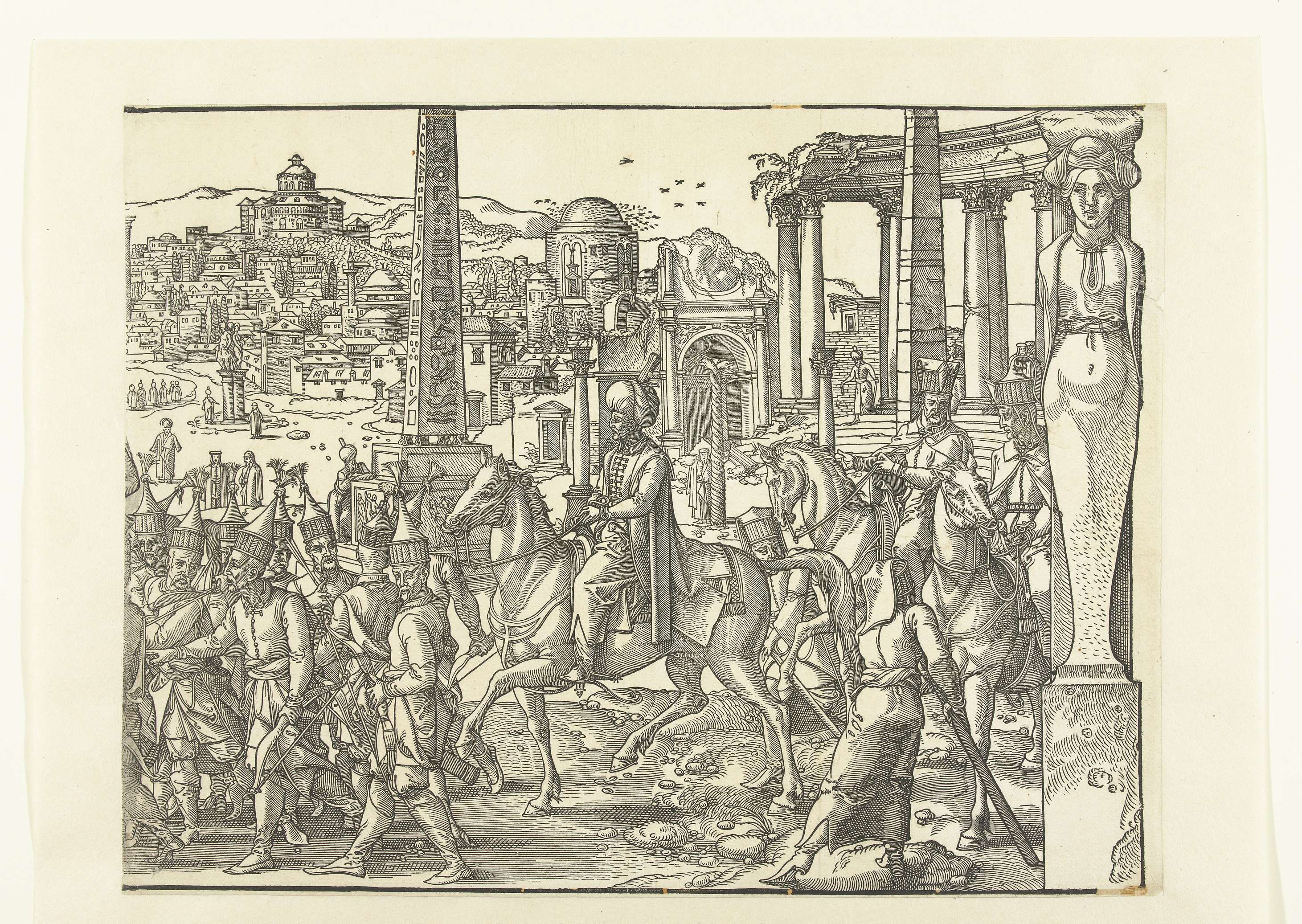
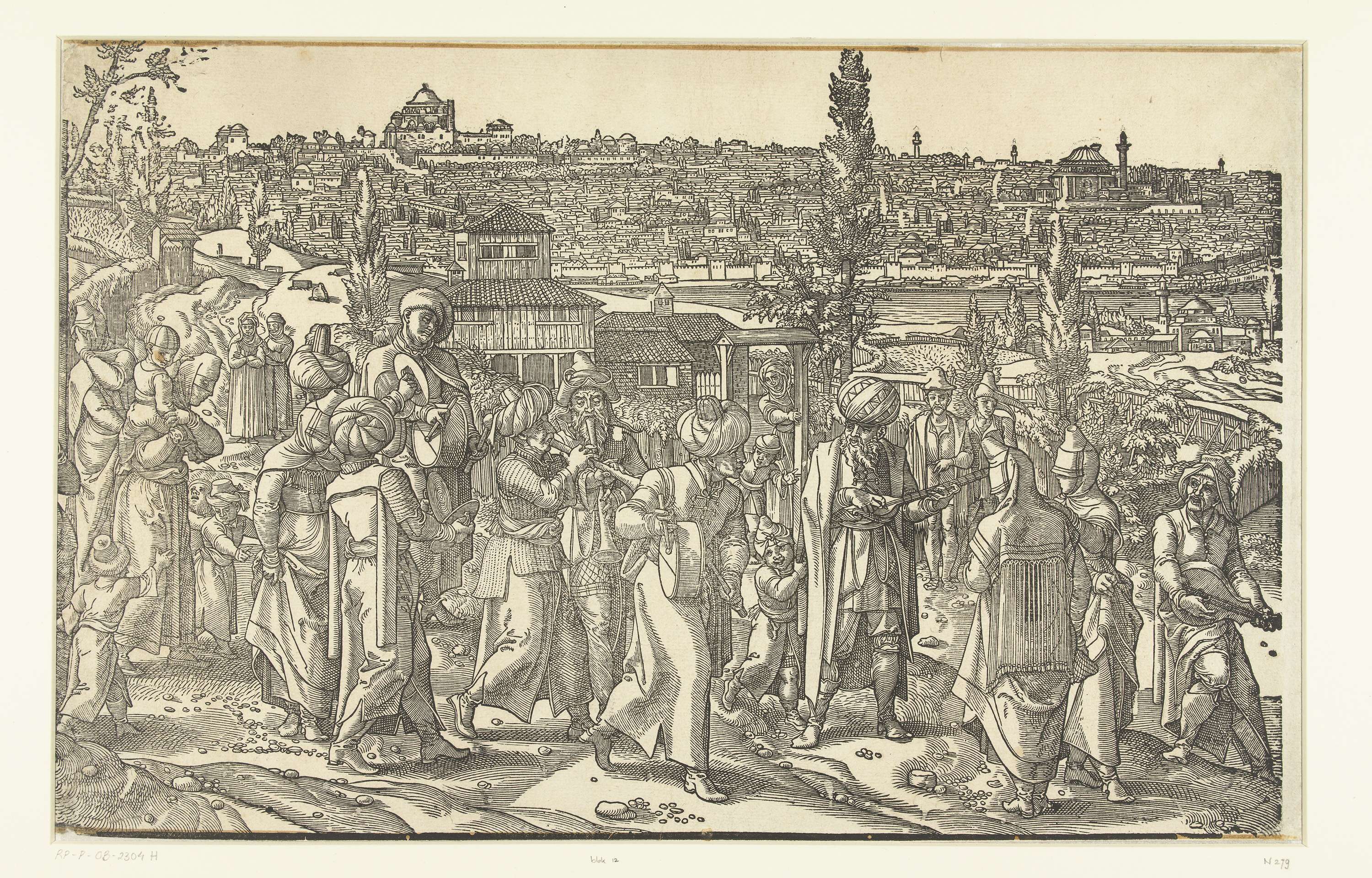
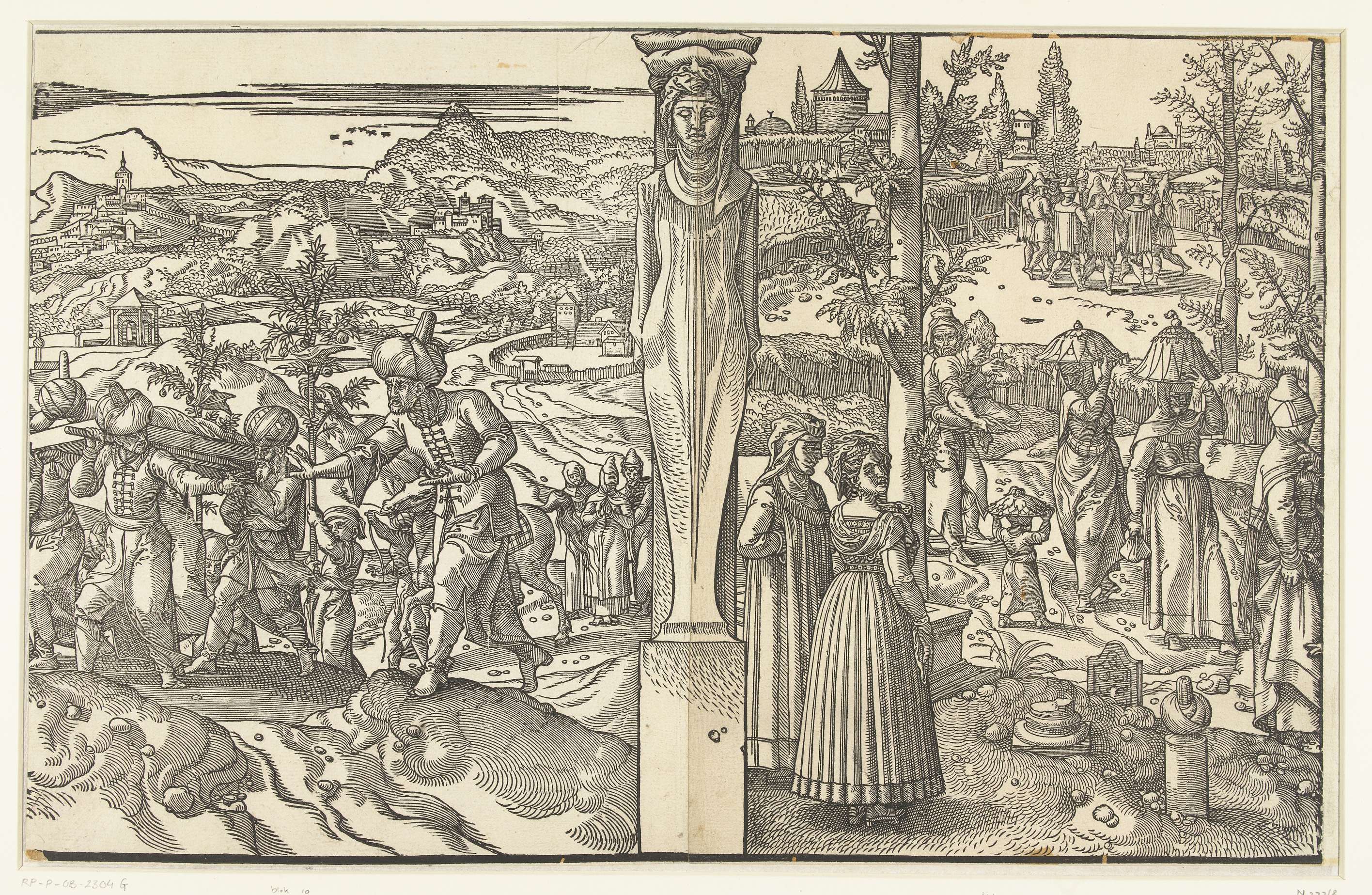
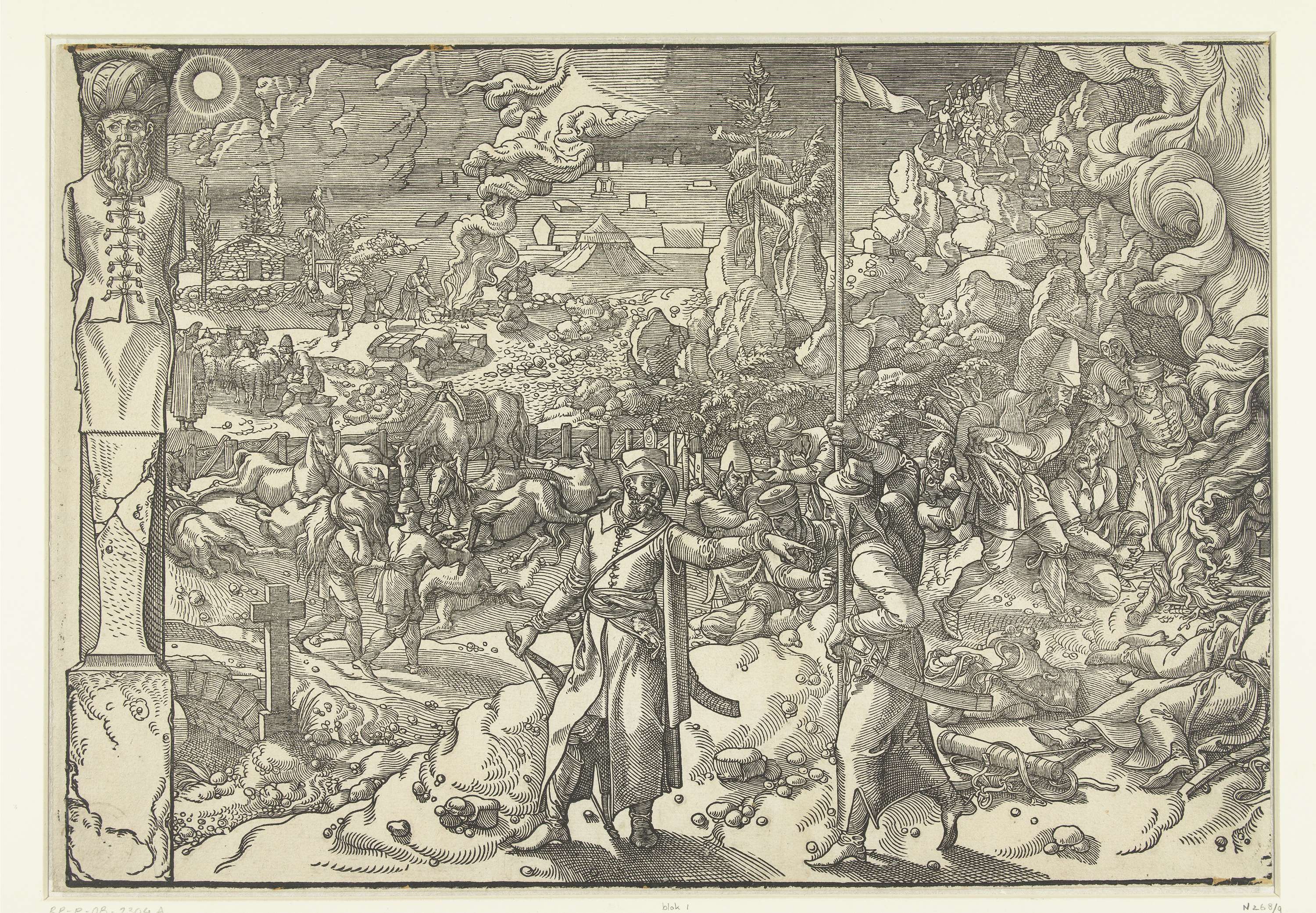
“The canvas doesn’t lie — it simply waits.” In its embrace, it holds grief in delicate brushstrokes, whispering the stories of those who traverse an uncertain path. Each painted figure embodies a silent longing, a journey shadowed by loss that resonates deeply within the heart. Look to the foreground, where travelers in varied attire gather, their faces etched with expressions that speak volumes. Notice how the muted earth tones of their garments contrast against the vibrant greens and browns of the landscape, emphasizing their isolation amidst the natural world. The light cascades softly, illuminating the details of their weary expressions and the slight droop of their shoulders, suggesting the weight of their memories.
This careful interplay of light and shadow draws the viewer's gaze, creating an intimate dialogue between the figures and the viewer, each telling their own tale through the artful composition. Beneath the surface, the painting suggests a poignant commentary on the transient nature of existence. The travelers, seemingly lost in thought, reflect the ache of displacement and the lingering shadows of what once was. The subtle gestures—an outstretched hand, the tilt of a head—intensify this emotional tension, evoking a collective sense of mourning that transcends time.
Each detail invites contemplation, as if the figures are united in their shared journey of grief. In 1553, Pieter Coecke van Aelst (I) painted this work during a period of personal loss, following the death of his wife. The artist, rooted in a vibrant artistic community in Antwerp, was deeply influenced by humanist themes and the interplay of emotion in art. This piece encapsulates that ethos, marrying the narrative of travel with an exploration of grief, echoing the complexities of the human experience in a world that was rapidly changing.