Triomf van de Faam — History & Analysis
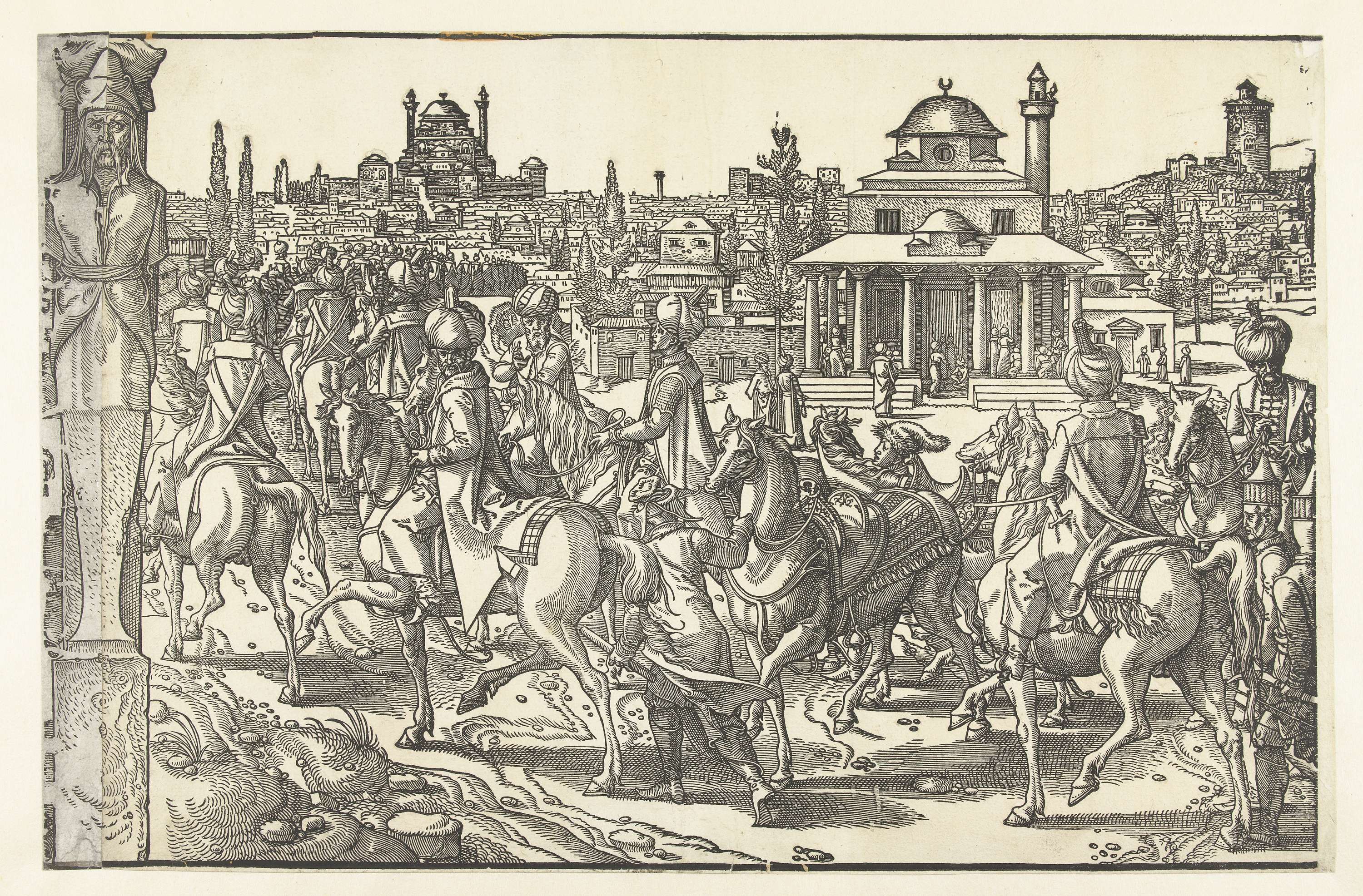
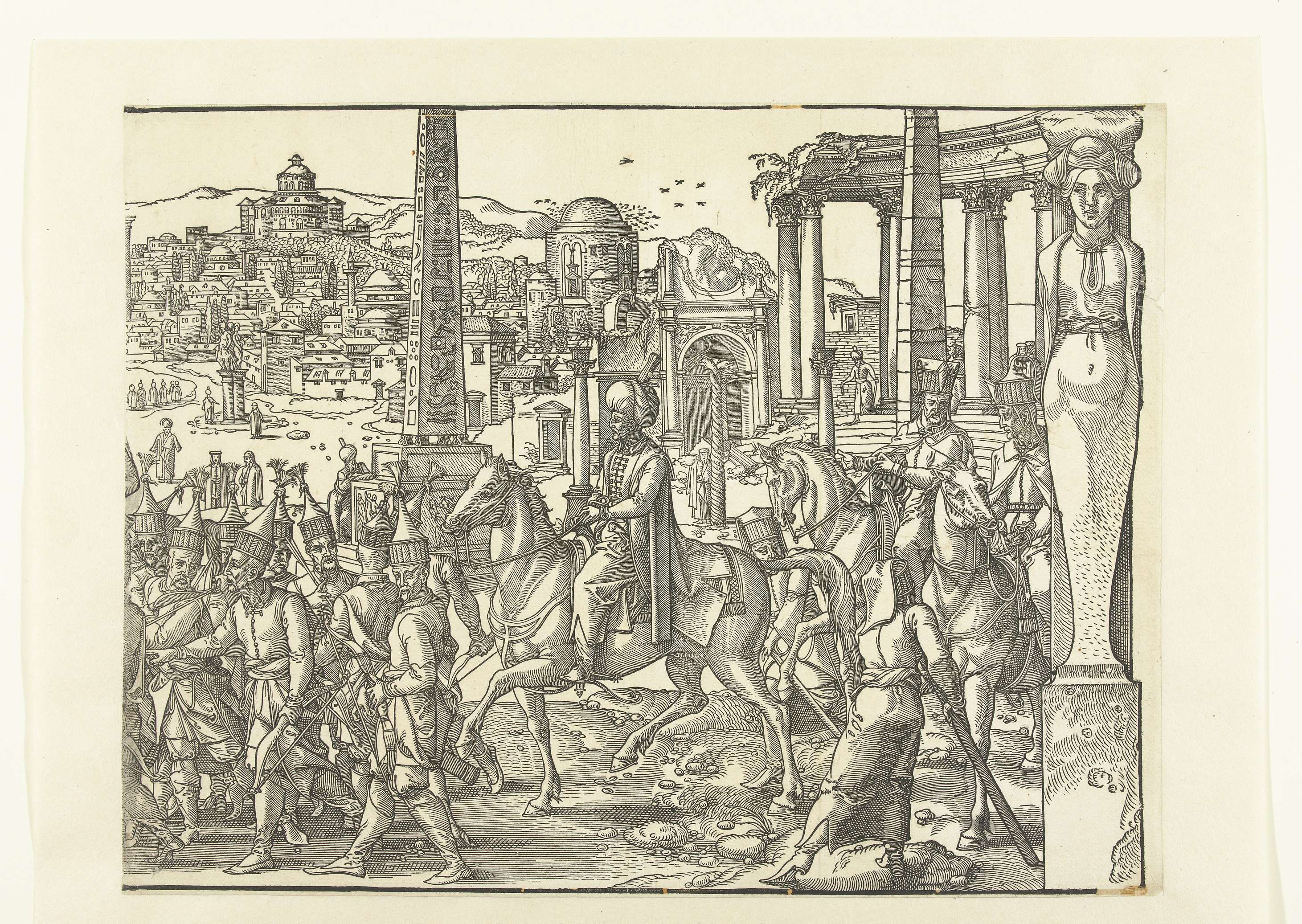
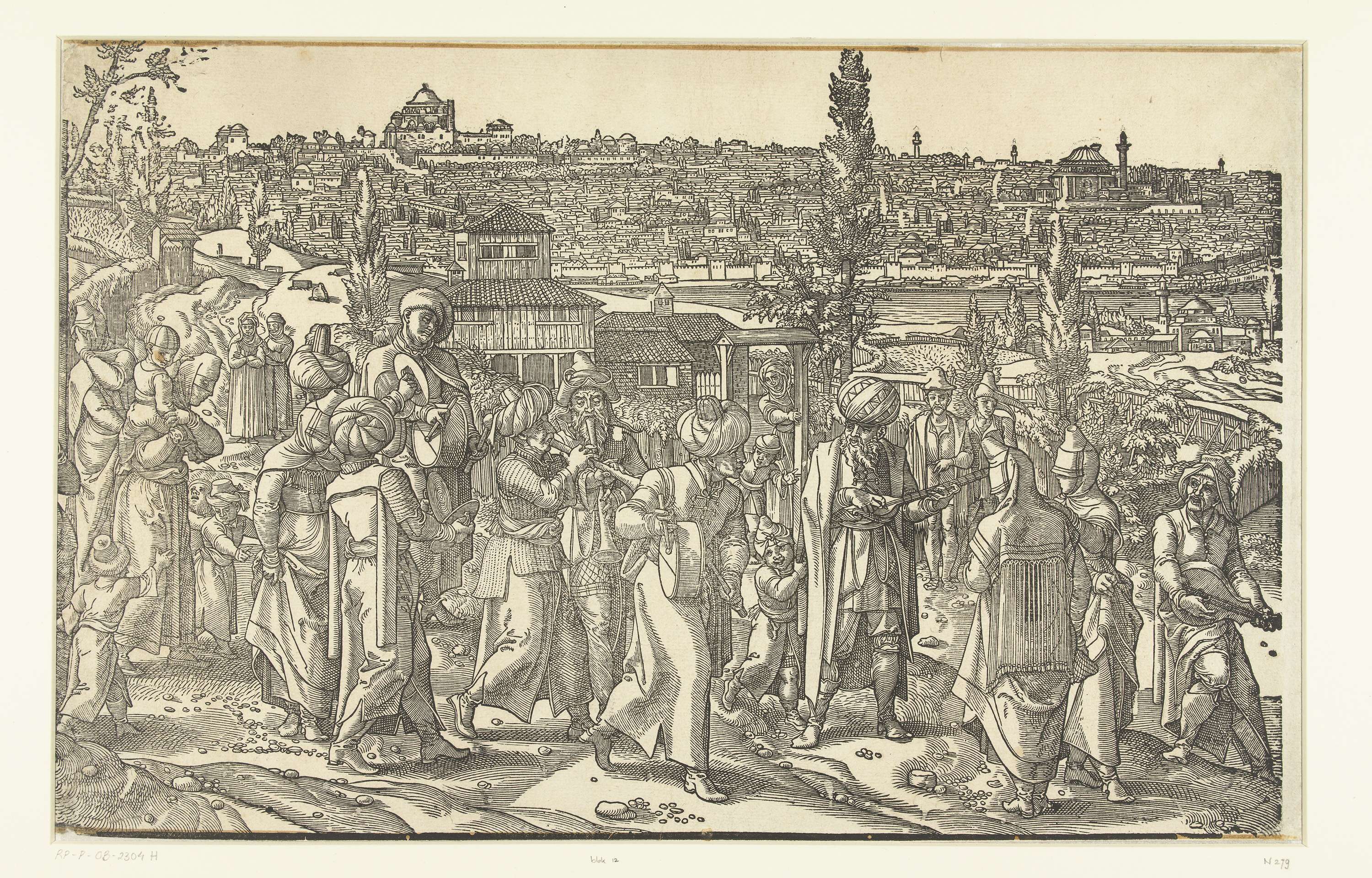
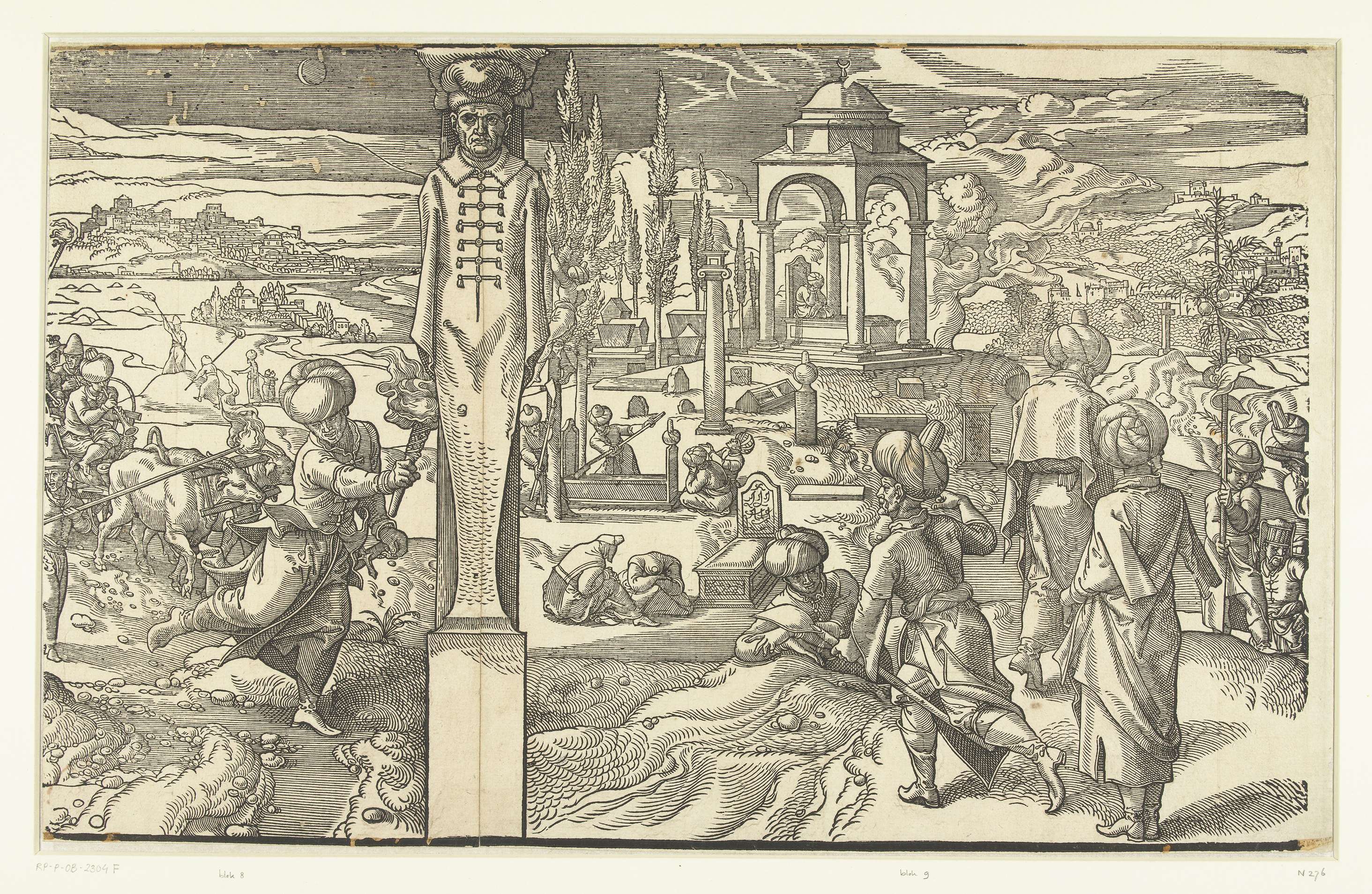
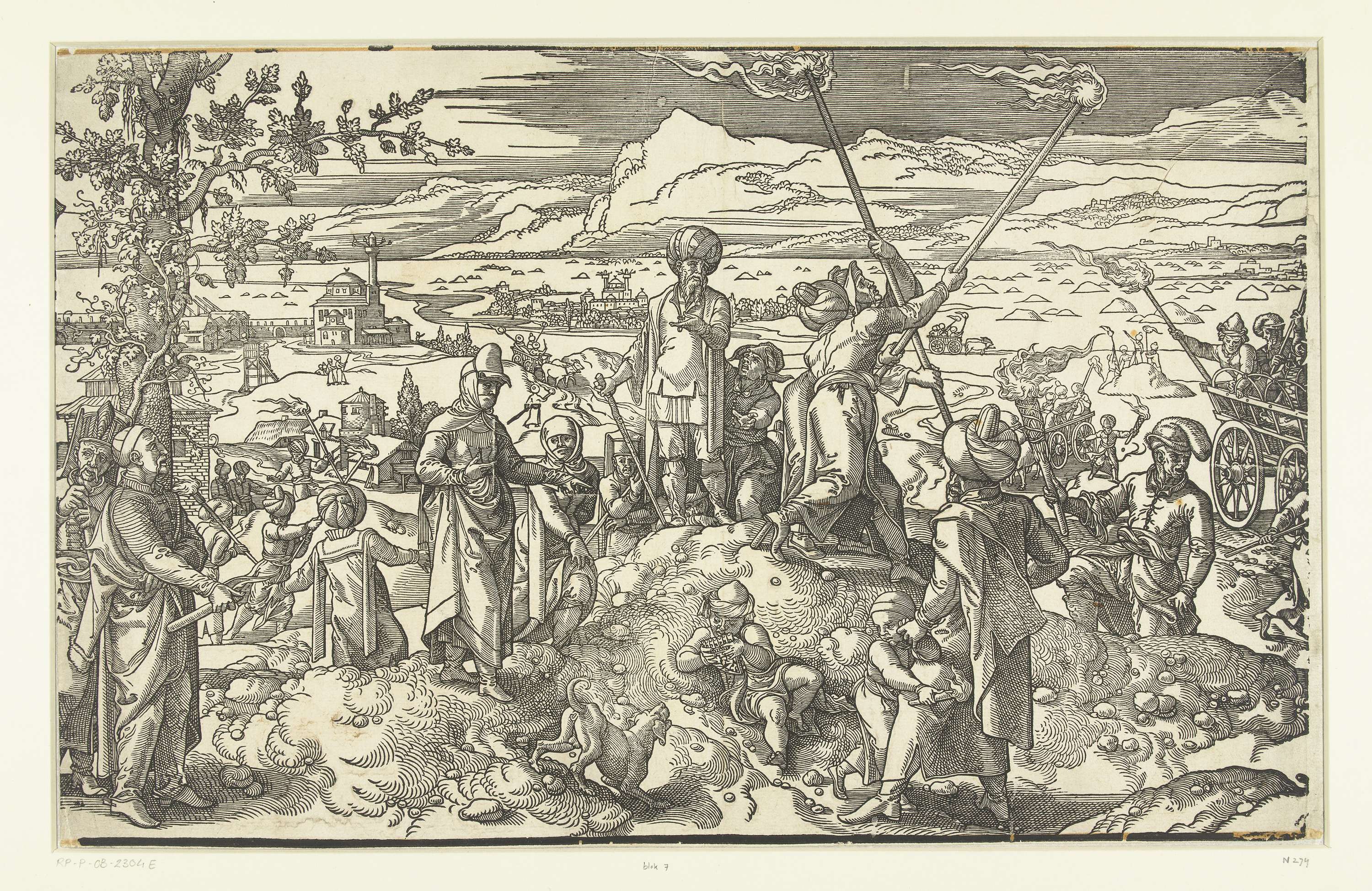
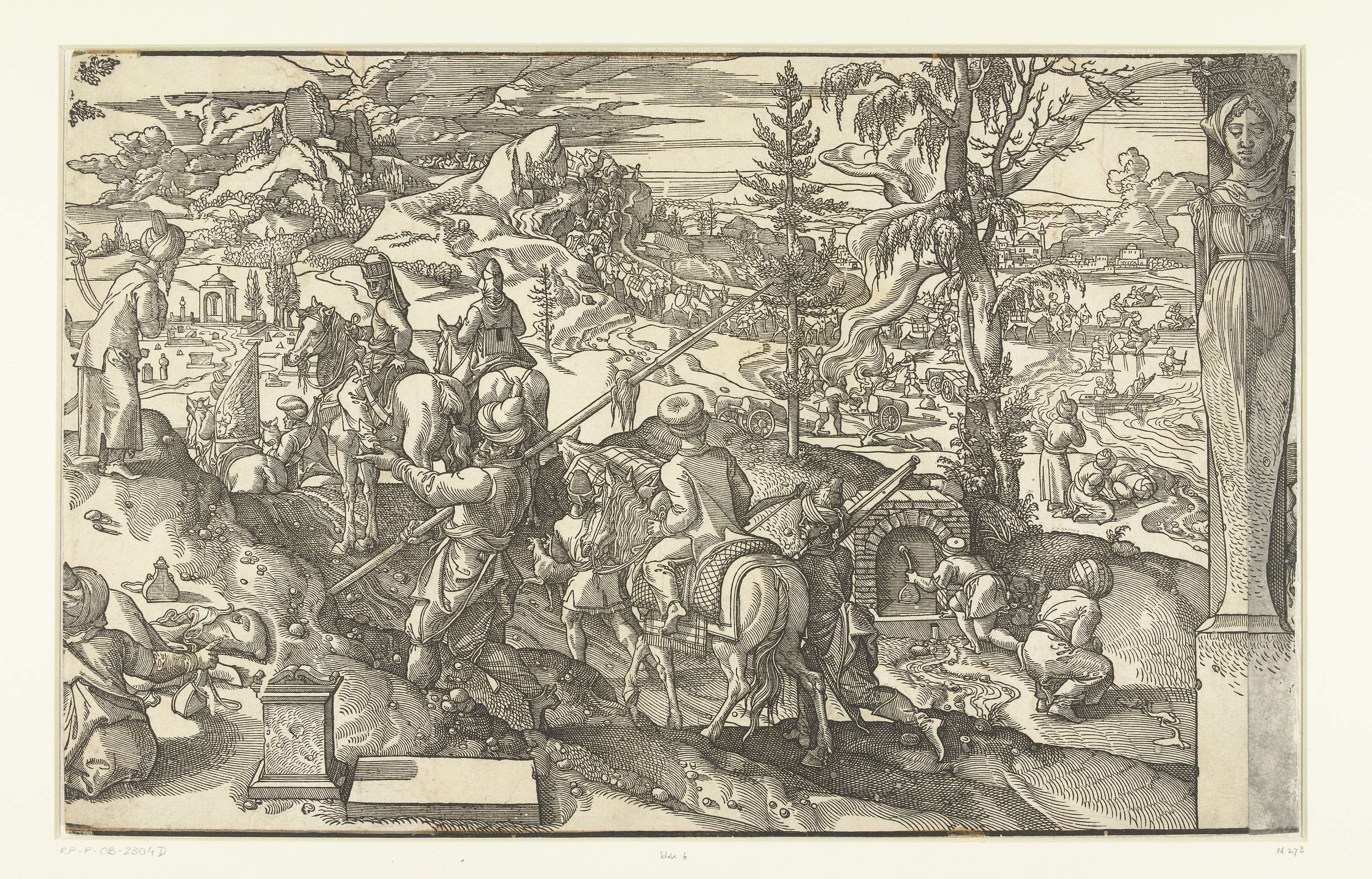
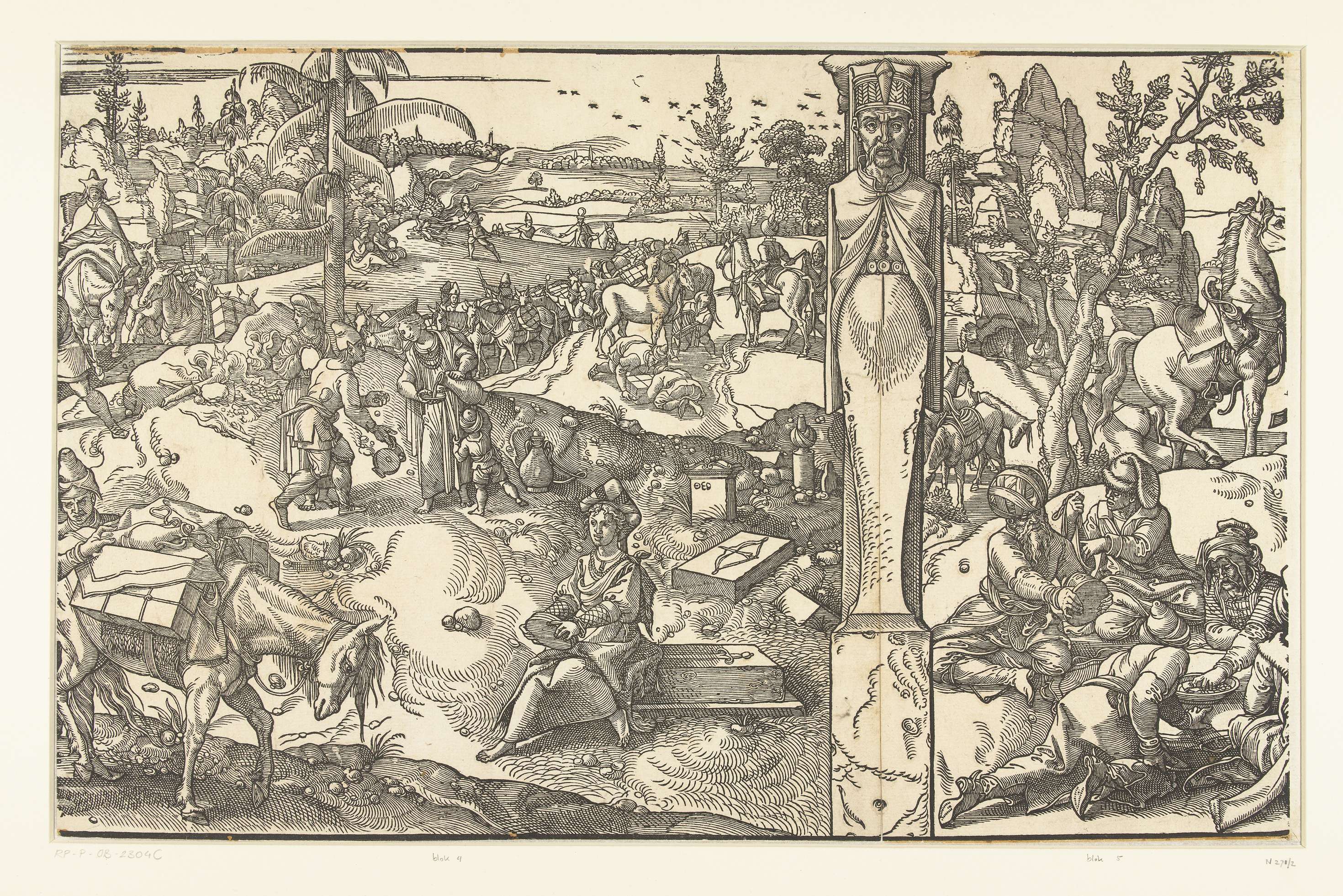
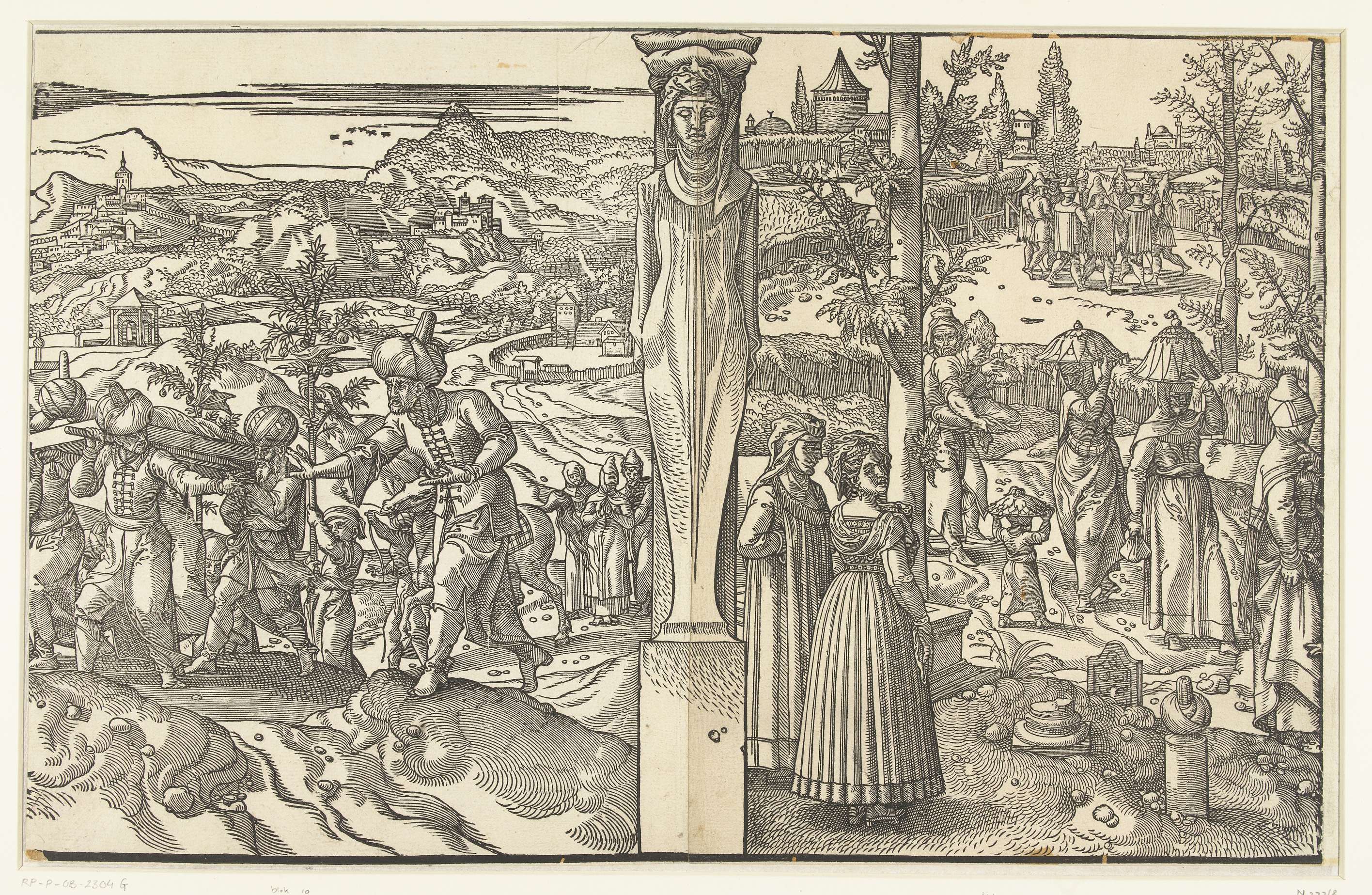
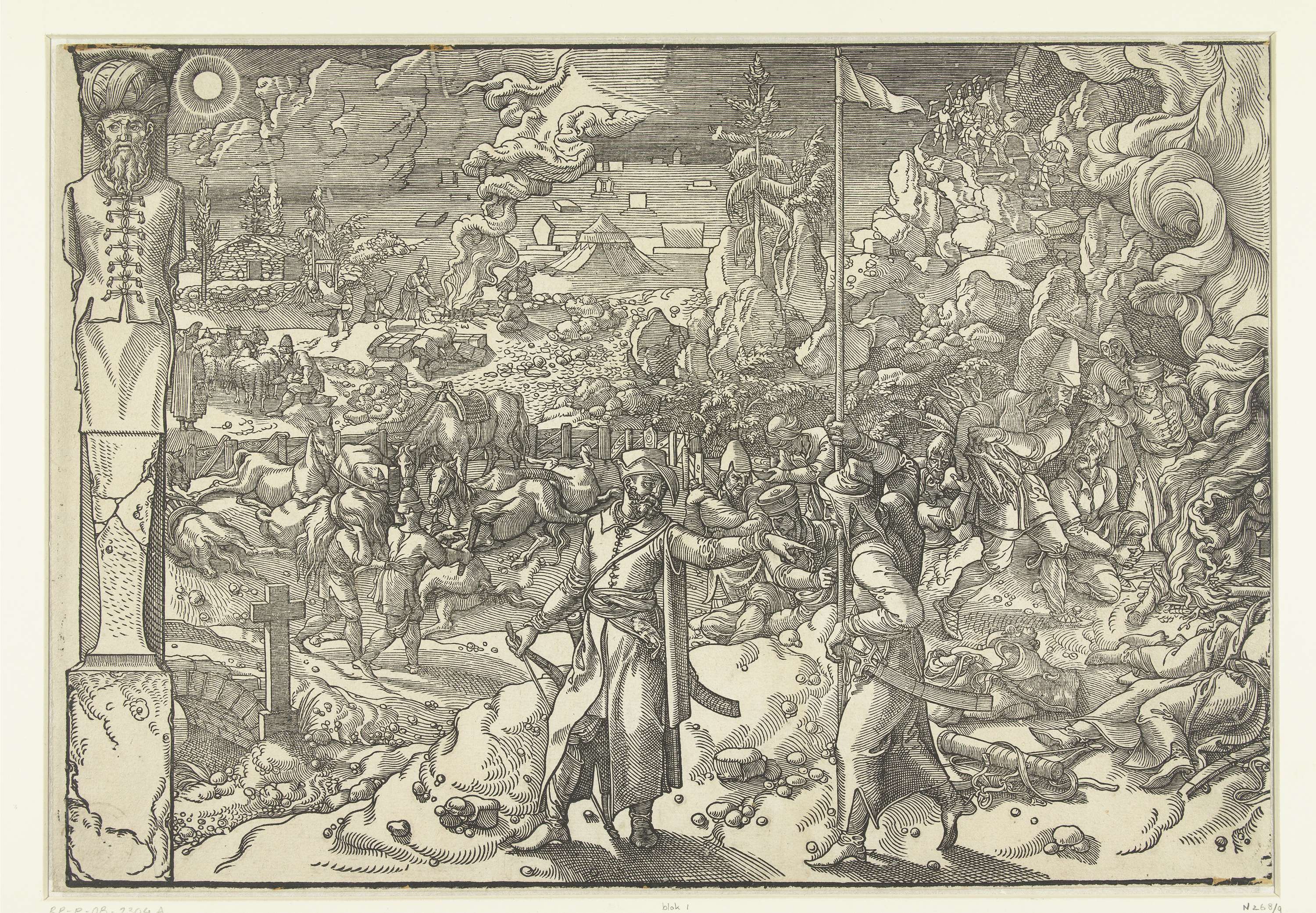
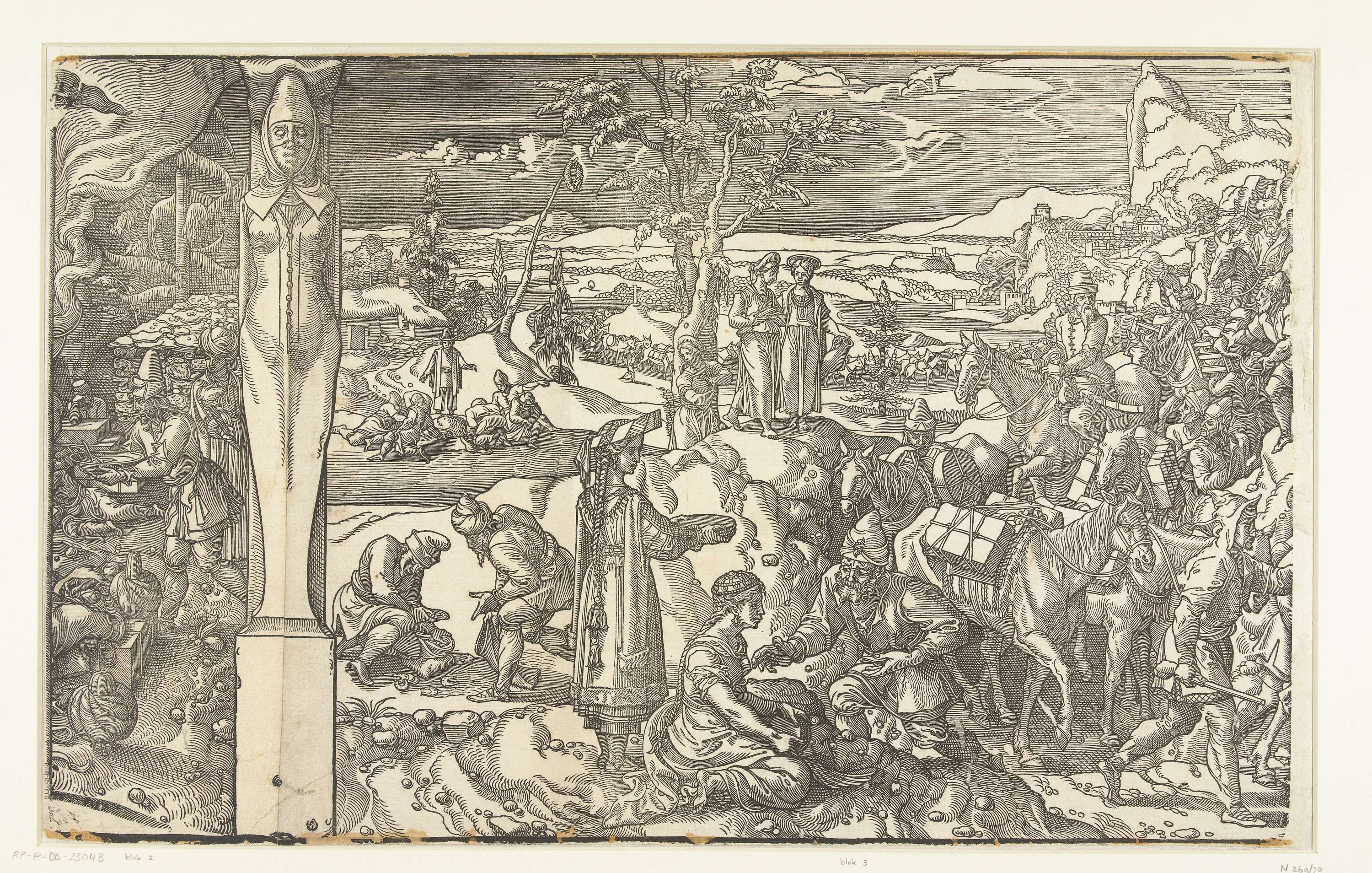
“Art reveals the soul when the world turns away.” In the quiet moments that follow chaos, creation becomes a mirror reflecting our innermost truths. Coecke van Aelst’s work offers a window into such profound reflection, a space where beauty and meaning intertwine seamlessly. Focus on the center where a radiant figure, personifying Fame, dominates the composition, adorned with lush fabrics that catch the light in a dance of colors. Notice how the interplay of golds, reds, and greens not only frames the scene but also ignites a story of triumph and celebration.
The intricate details of the garments, along with the delicate expressions of the surrounding figures, invite you to explore their relationships and the emotions at play, revealing an atmosphere thick with anticipation and reverence. What lies beneath this magnificent display is a commentary on the transient nature of fame and the human spirit's yearning for recognition. The varied expressions among the figures surrounding Fame juxtapose joy and envy, drawing attention to the complexity of success.
Furthermore, the faint shadows that linger in the background hint at the consequences of ambition, a reminder that the pursuit of glory is often intertwined with sacrifice. Created during a prosperous period in the Netherlands, this piece emerged between 1512 and 1549, a time when Coecke van Aelst was at the forefront of the Northern Renaissance. Influenced by the burgeoning humanist ideals and the shifting dynamics of art, he synthesized the techniques of Flemish painting with narratives that spoke to the heart of his audience, defining the era's rich tapestry.