Belvedere Allee in Weimar — History & Analysis
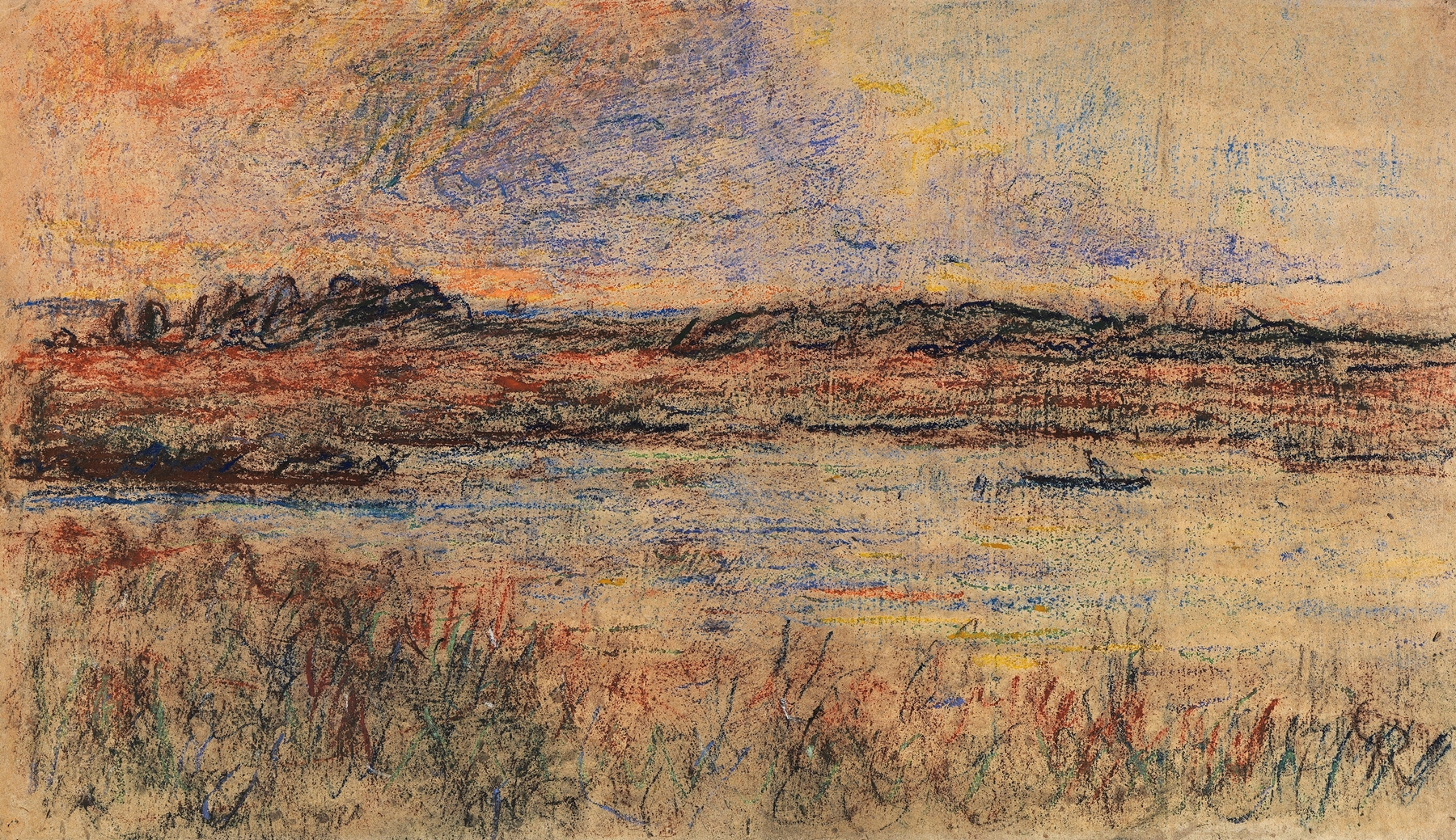
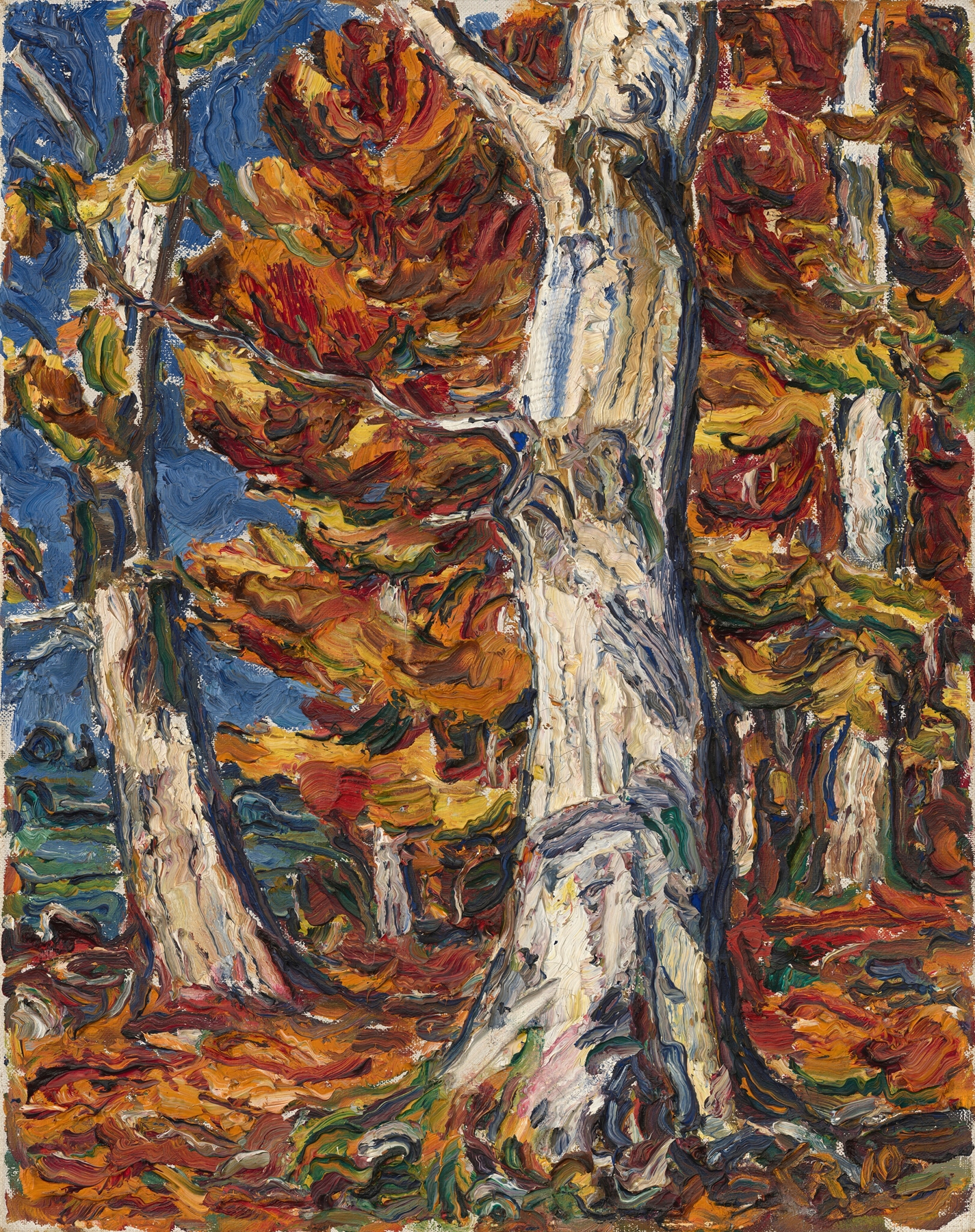
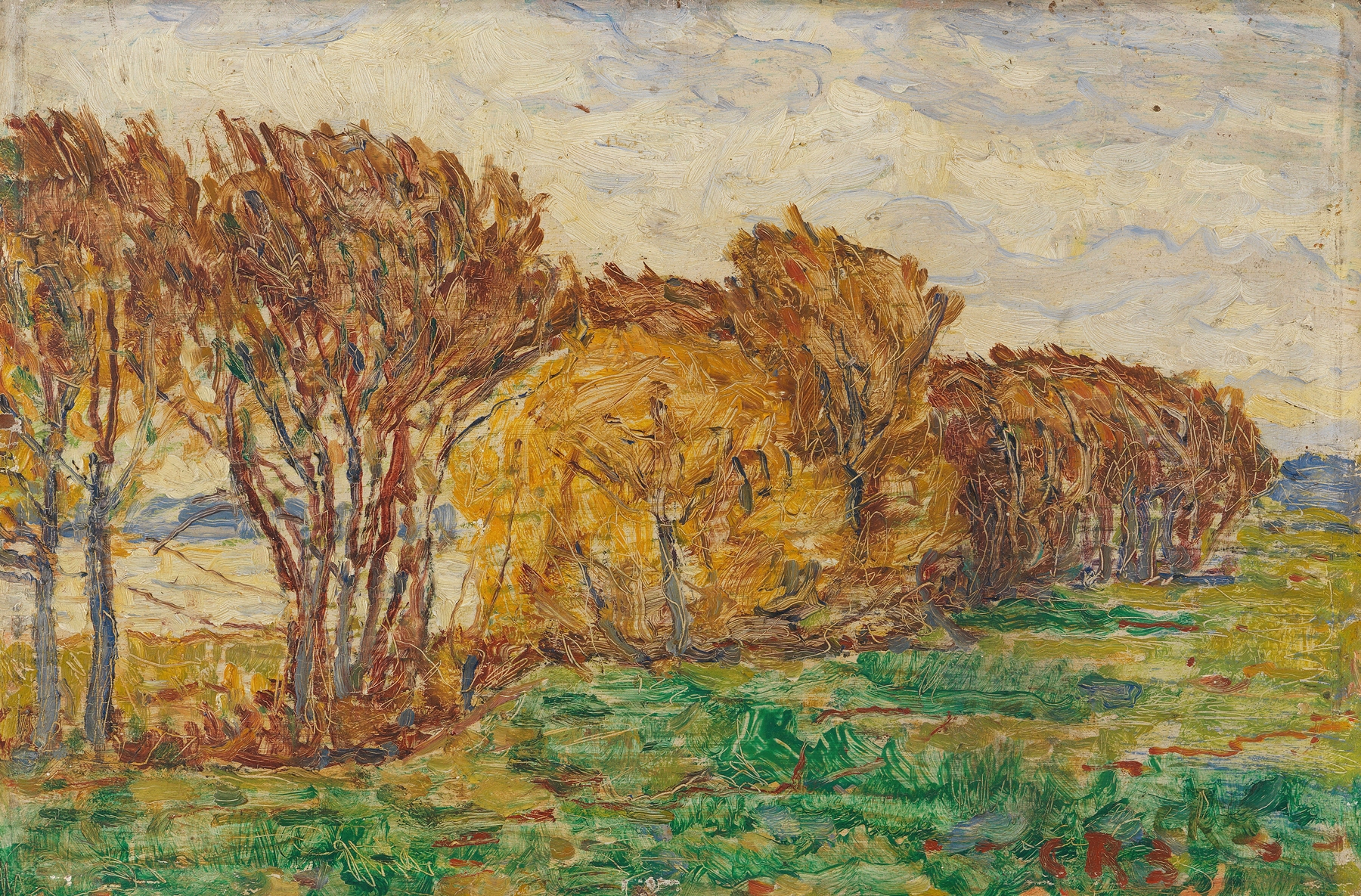
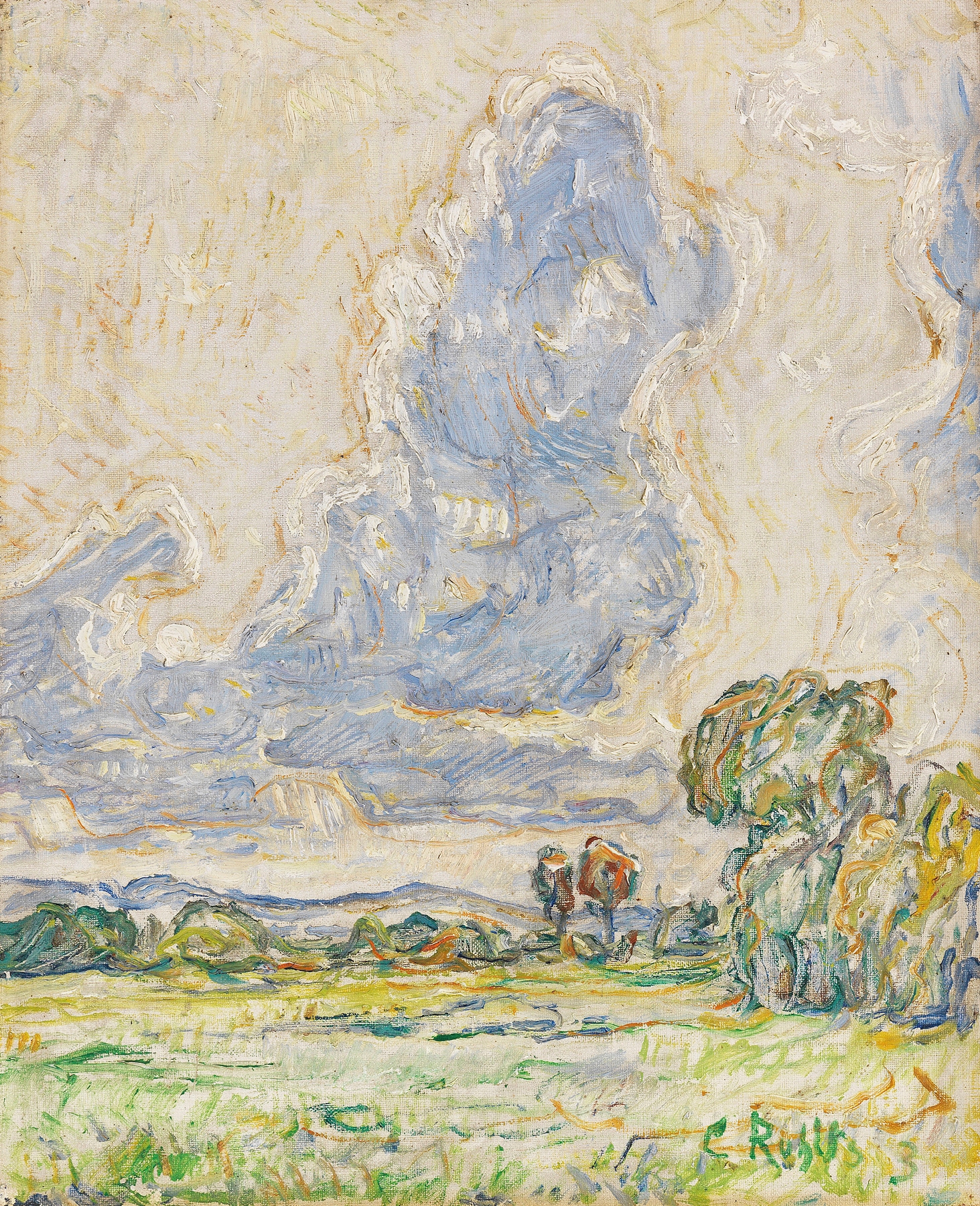
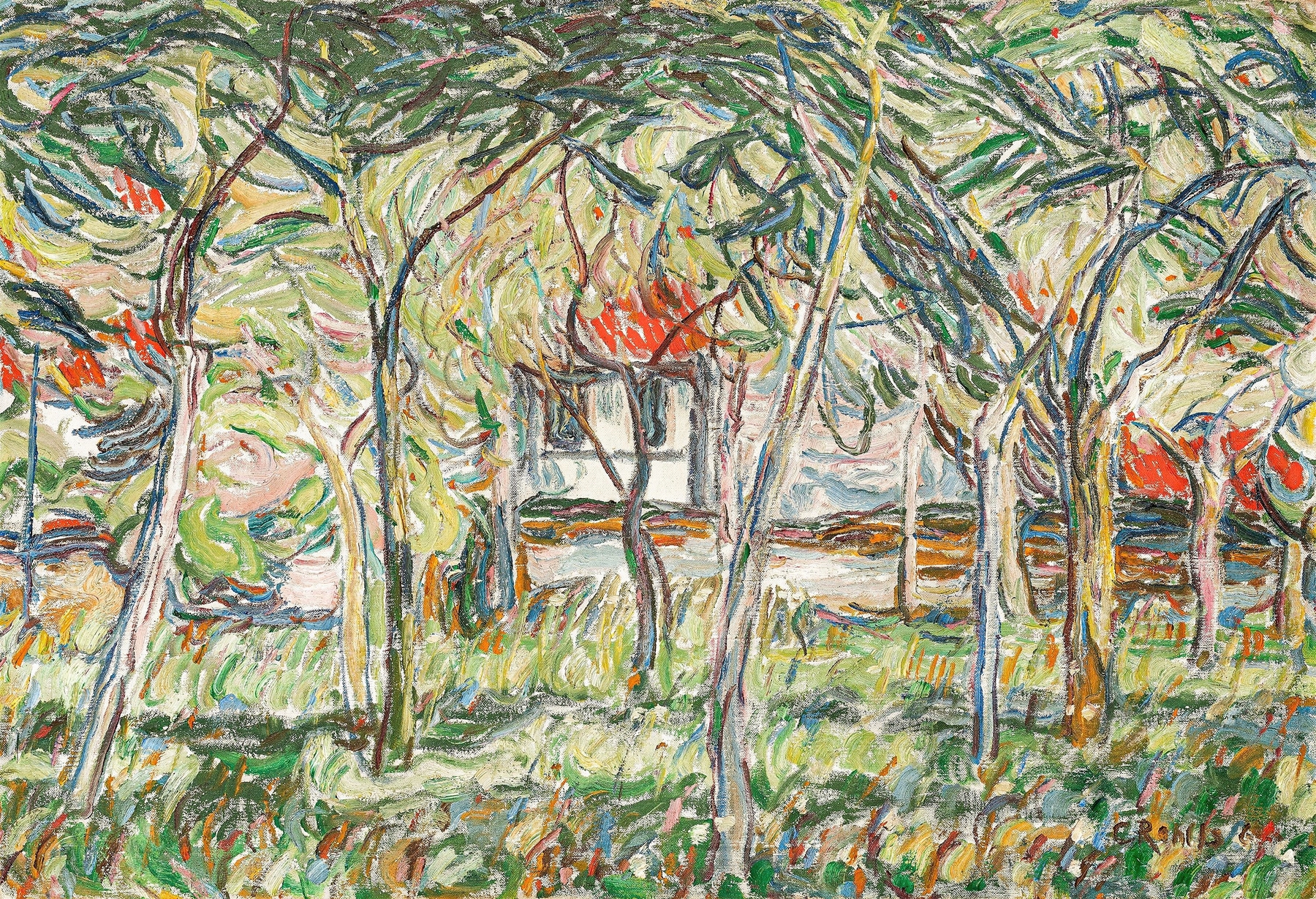
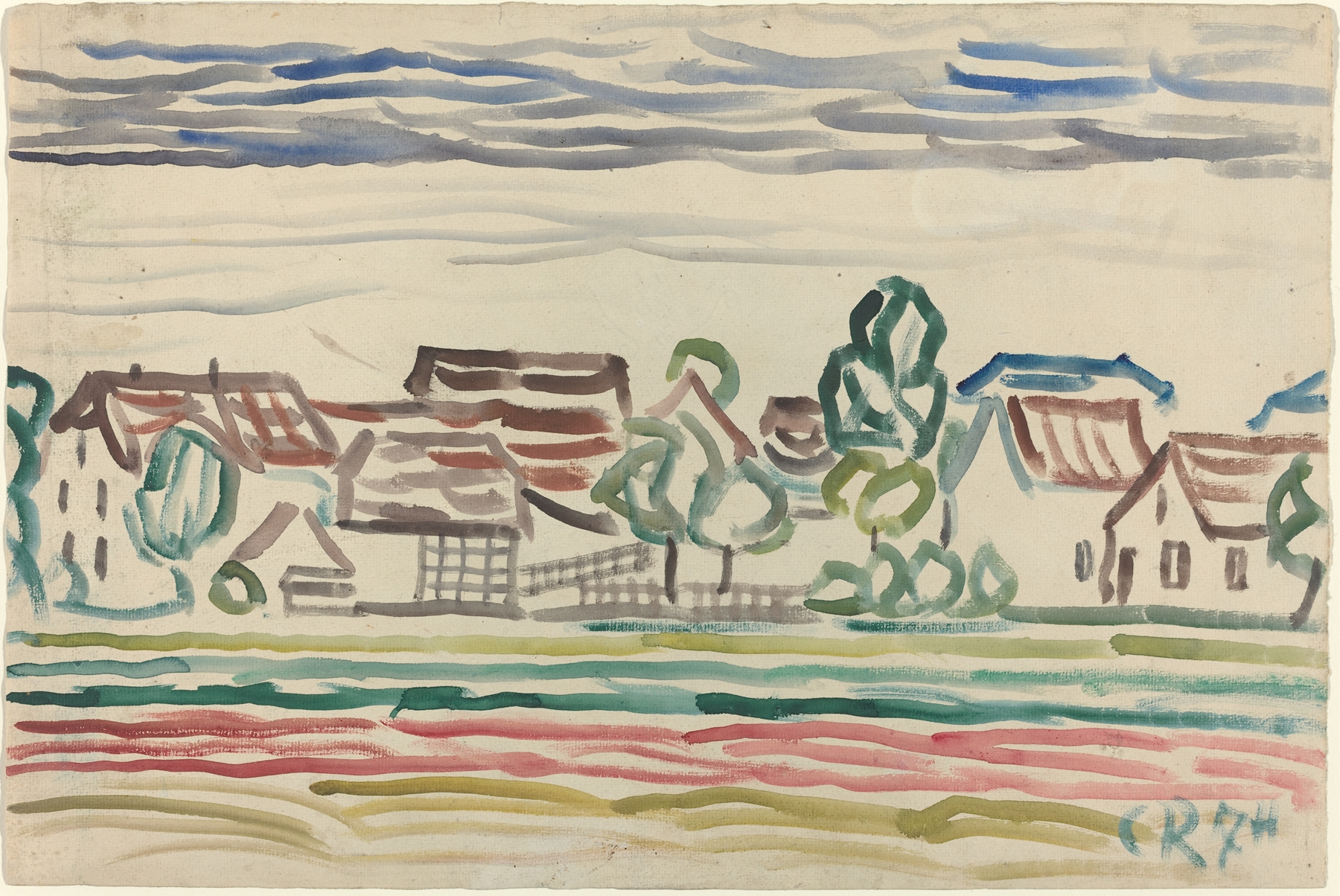
“Between color and silence, truth hides.” In the quiet spaces of a serene landscape, tranquility resonates, inviting contemplation and connection. Focus first on the vibrant greens that dominate the canvas, where lush trees arch gracefully over a winding alley. The sunlight dapples through the foliage, casting playful shadows on the path below. As your gaze drifts along the sweeping lines of the composition, notice the delicate balance between the cool hues of the foliage and the warm tones of the earth.
This interplay of color creates a sense of harmony that draws you deeper into the painting’s embrace. Yet, there is more beneath the surface. The solitary path, flanked by towering trees, evokes a journey not only through the landscape but also into the inner realms of reflection and solitude. Each brushstroke whispers stories of quiet contemplation and nature’s enduring beauty.
The absence of figures reinforces the sense of isolation and peace, creating an emotional landscape where time seems to stand still, inviting introspection and serenity amidst life's chaos. In 1889, while residing in Weimar, Christian Rohlfs painted this work during a period of personal and artistic transformation. Embracing the influence of Impressionism, he sought to express the essence of nature with a unique boldness. At this time, Rohlfs was solidifying his place in the art world, exploring the depths of color and light, aiming to capture not only the visual realm but also the emotional resonance found within the natural world.