Benjamin West (1738-1820) — History & Analysis
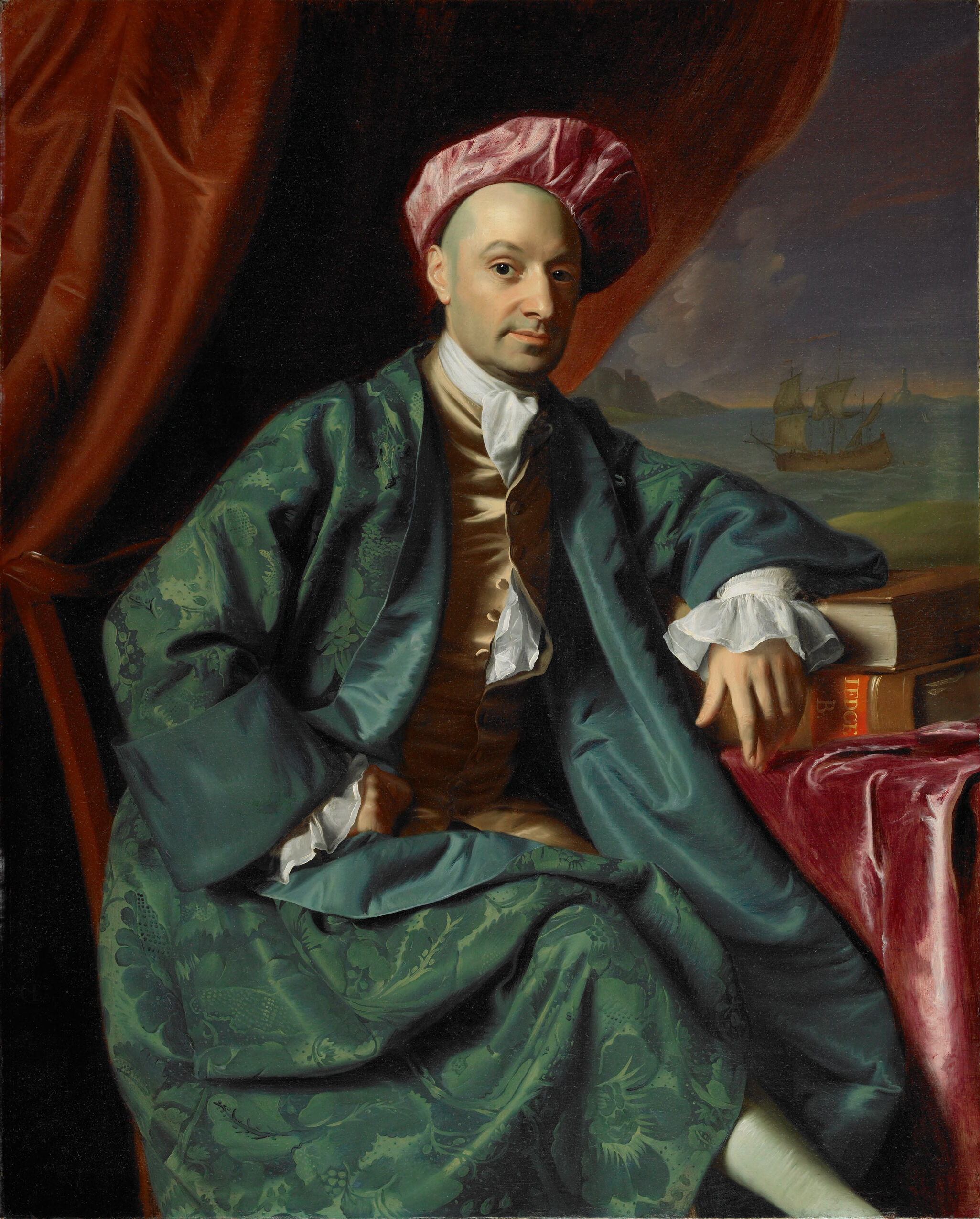
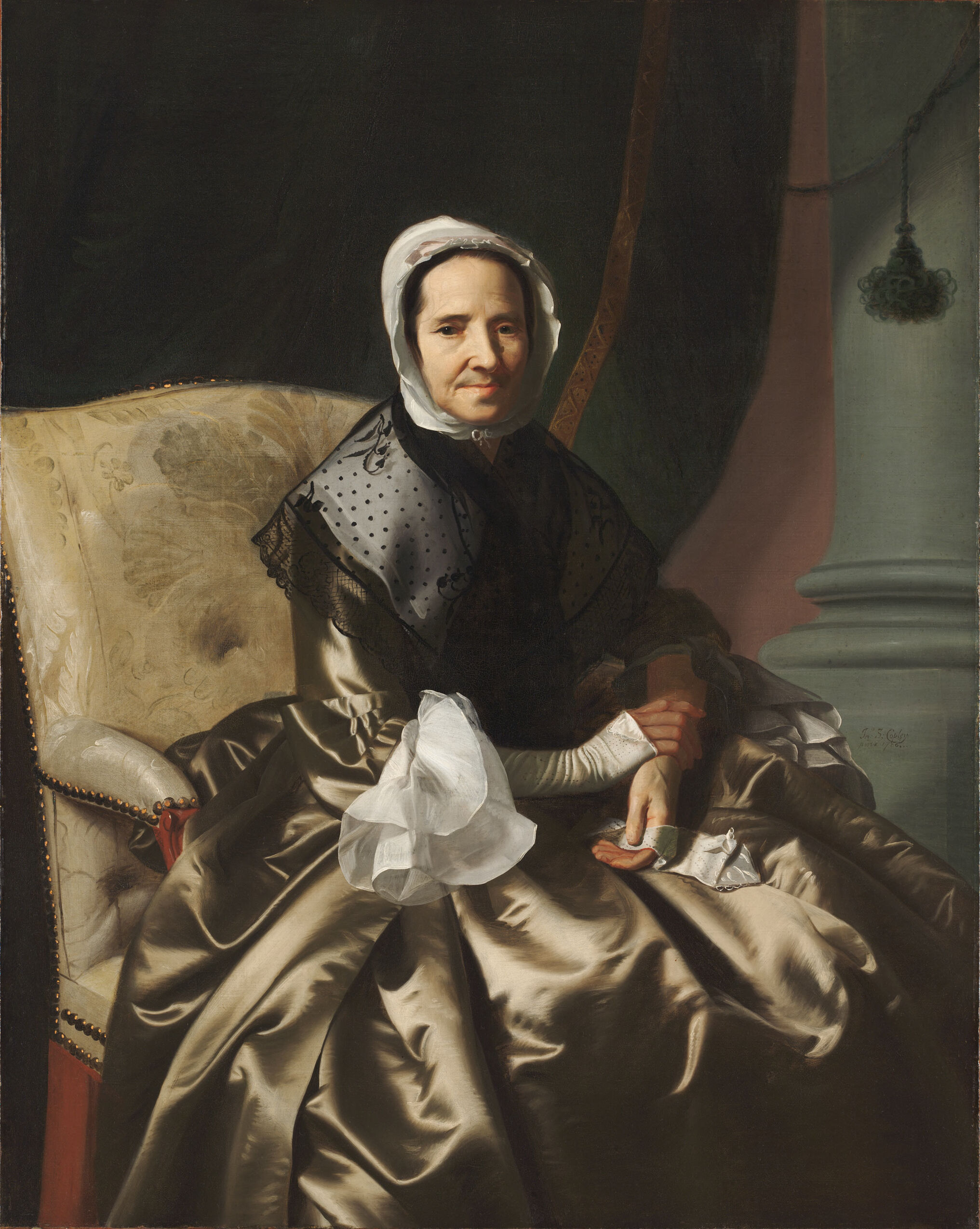
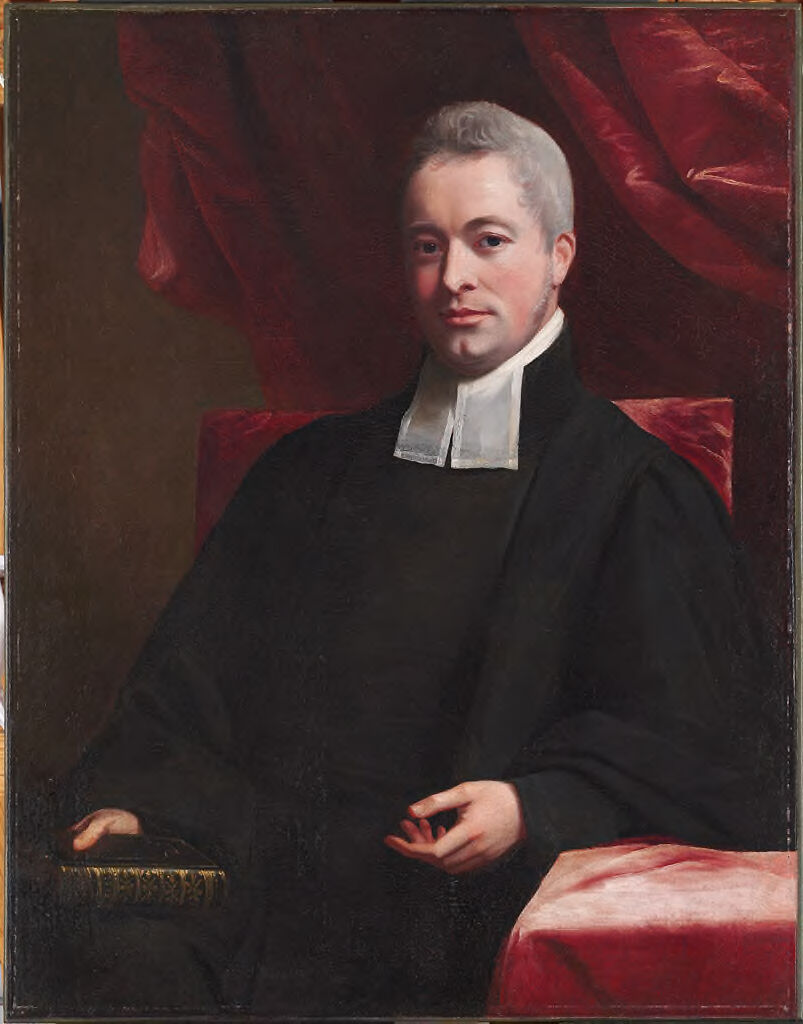
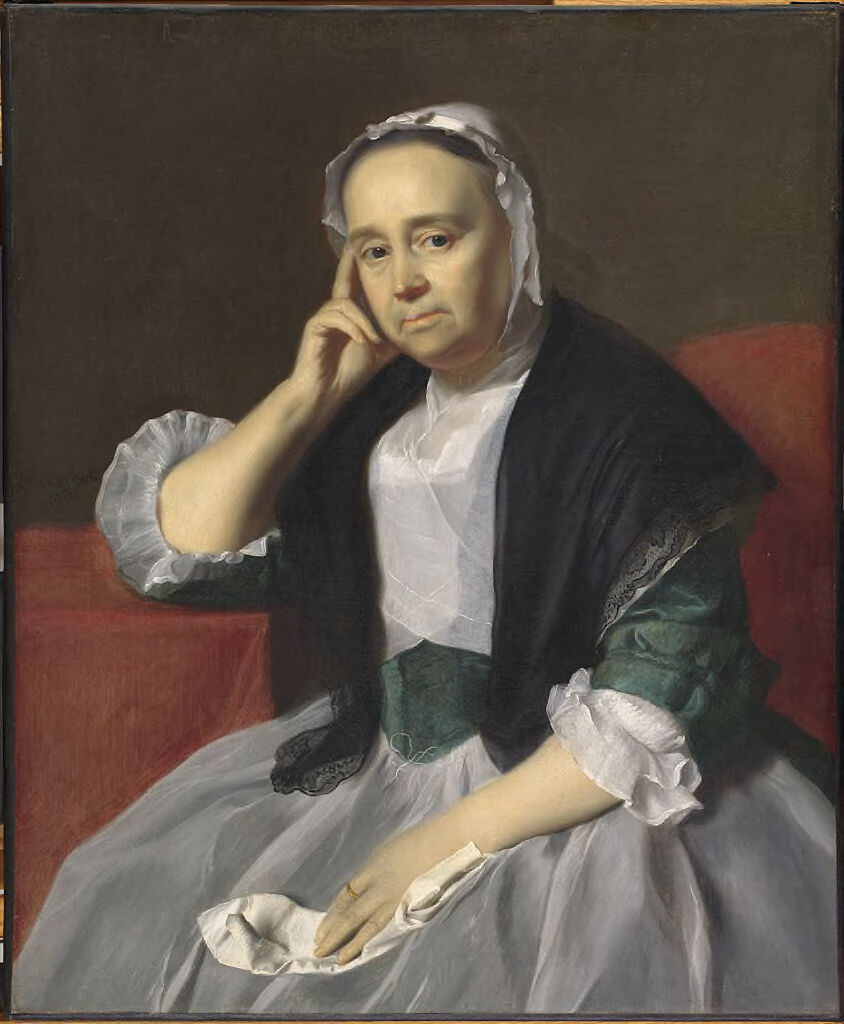
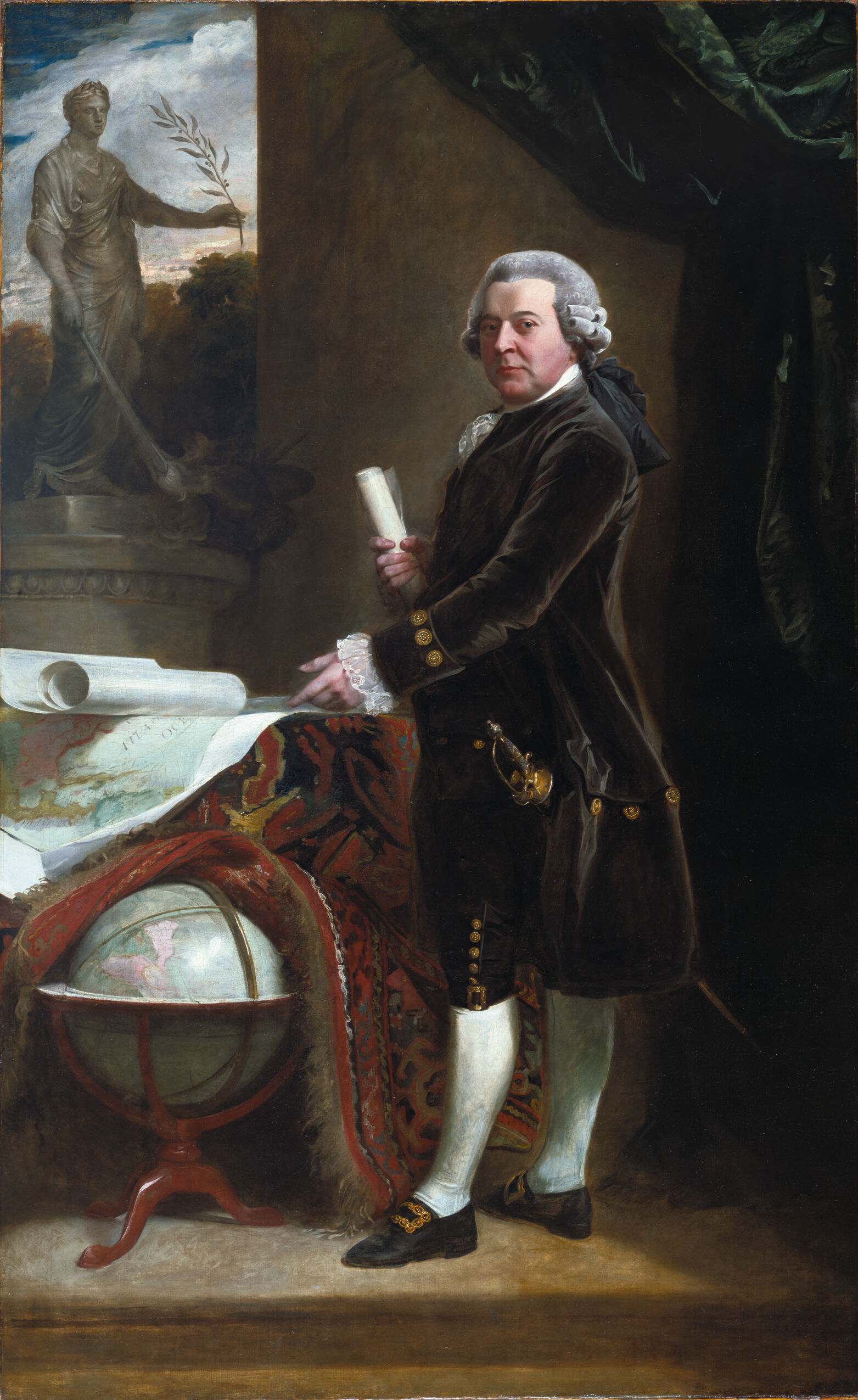
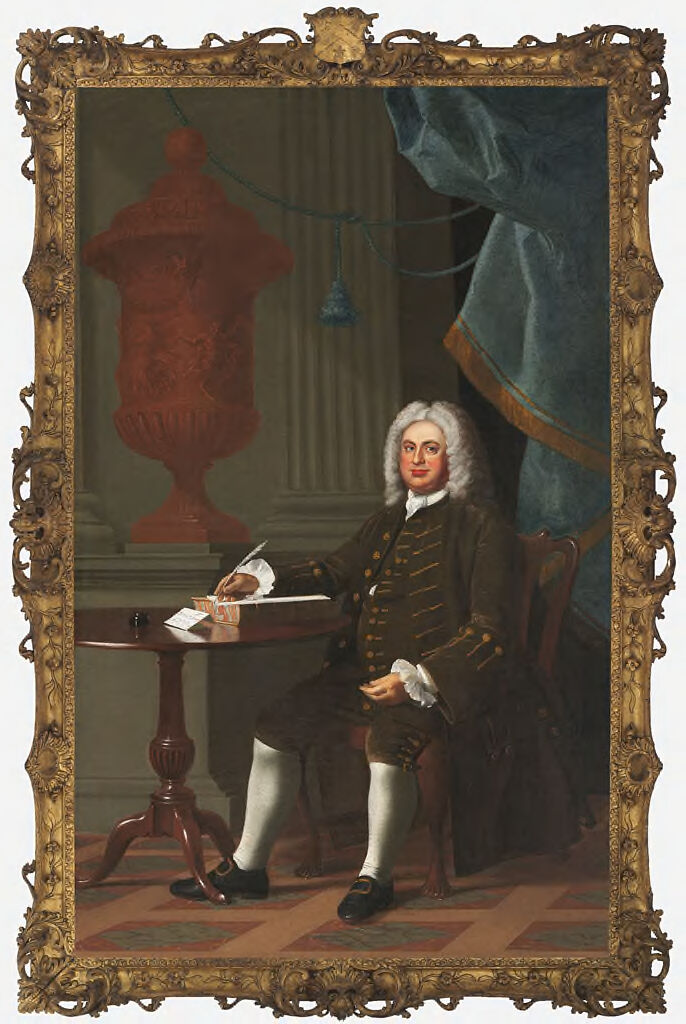
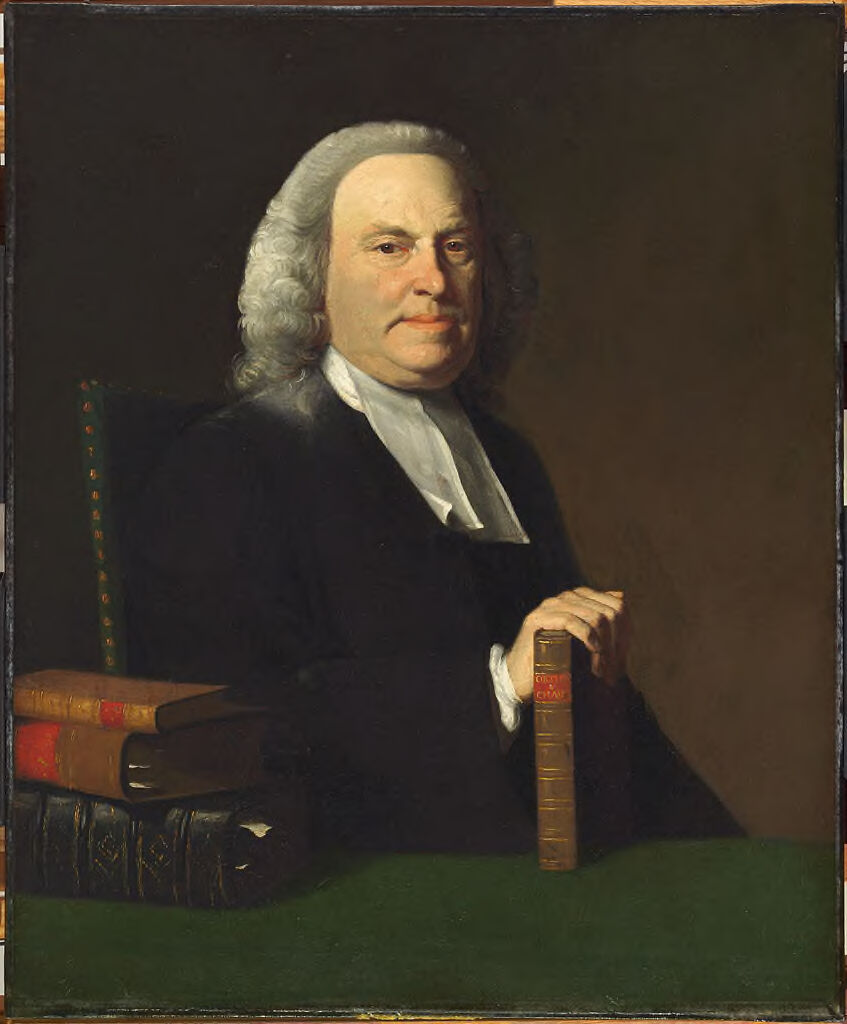
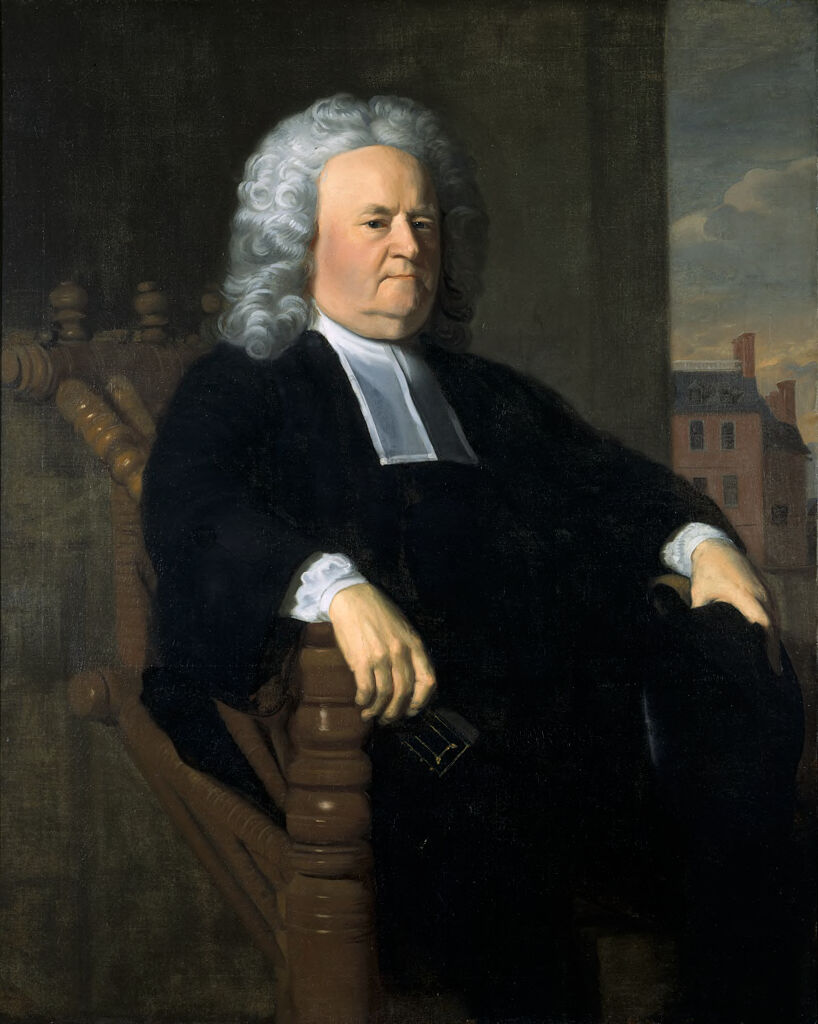
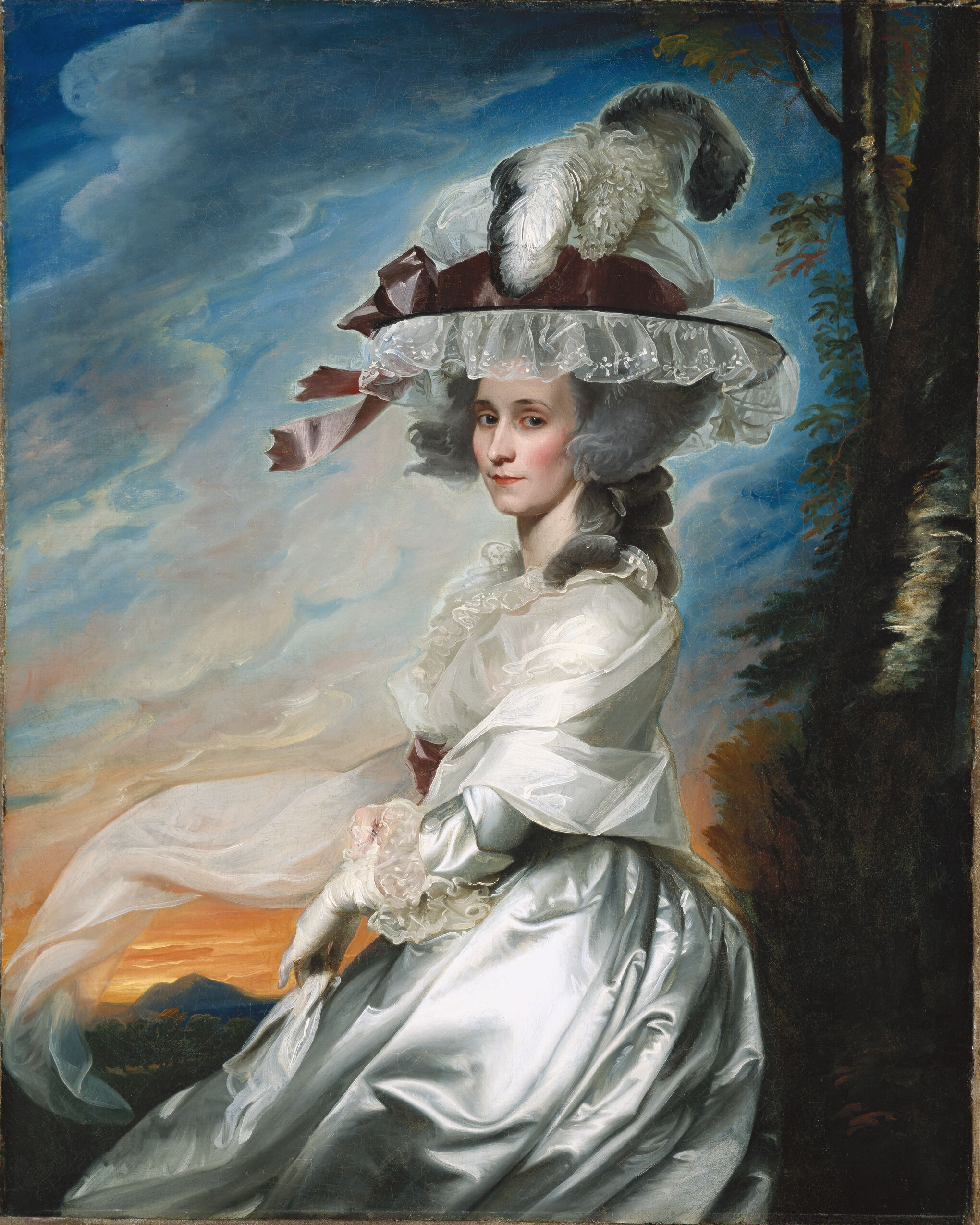
Could a single brushstroke hold eternity? In the delicate dance between moment and memory, we find the essence of life—fleeting yet eternal, vibrant yet decaying. Look to the right at the subtle play of colors, where muted earth tones fade into a whisper of brighter hues. Copley’s meticulous technique draws your gaze to the gentle contours of the figure, the soft drapery that tells a story of both grandeur and vulnerability.
Notice how the light falls upon the subject’s face, illuminating the wisdom etched in every line, while shadows cradle the areas of decay, hinting at the inevitable passage of time. Hidden within this composition lies a profound tension between life and decay. The elegant posture of the figure contrasts starkly with the withering flora at their feet, symbolizing the fragility of existence. This interplay creates a poignant dialogue about legacy and mortality, urging viewers to confront the dual nature of beauty and decay in the human experience.
Each detail—be it the richness of the fabric or the careful rendering of the background—serves as a reminder that even in decline, there is an undeniable grace. During the years 1776 to 1780, Copley created this work while residing in London, having left his native Boston. At this time, he was deepening his exploration of portraiture, seeking to blend European influences with American themes. The art world was evolving rapidly, as the tensions of the American Revolution began to reshape identity and cultural narratives, providing a rich backdrop for his contemplation of life’s transient beauty.