Blick aus Münchner Atelier — History & Analysis
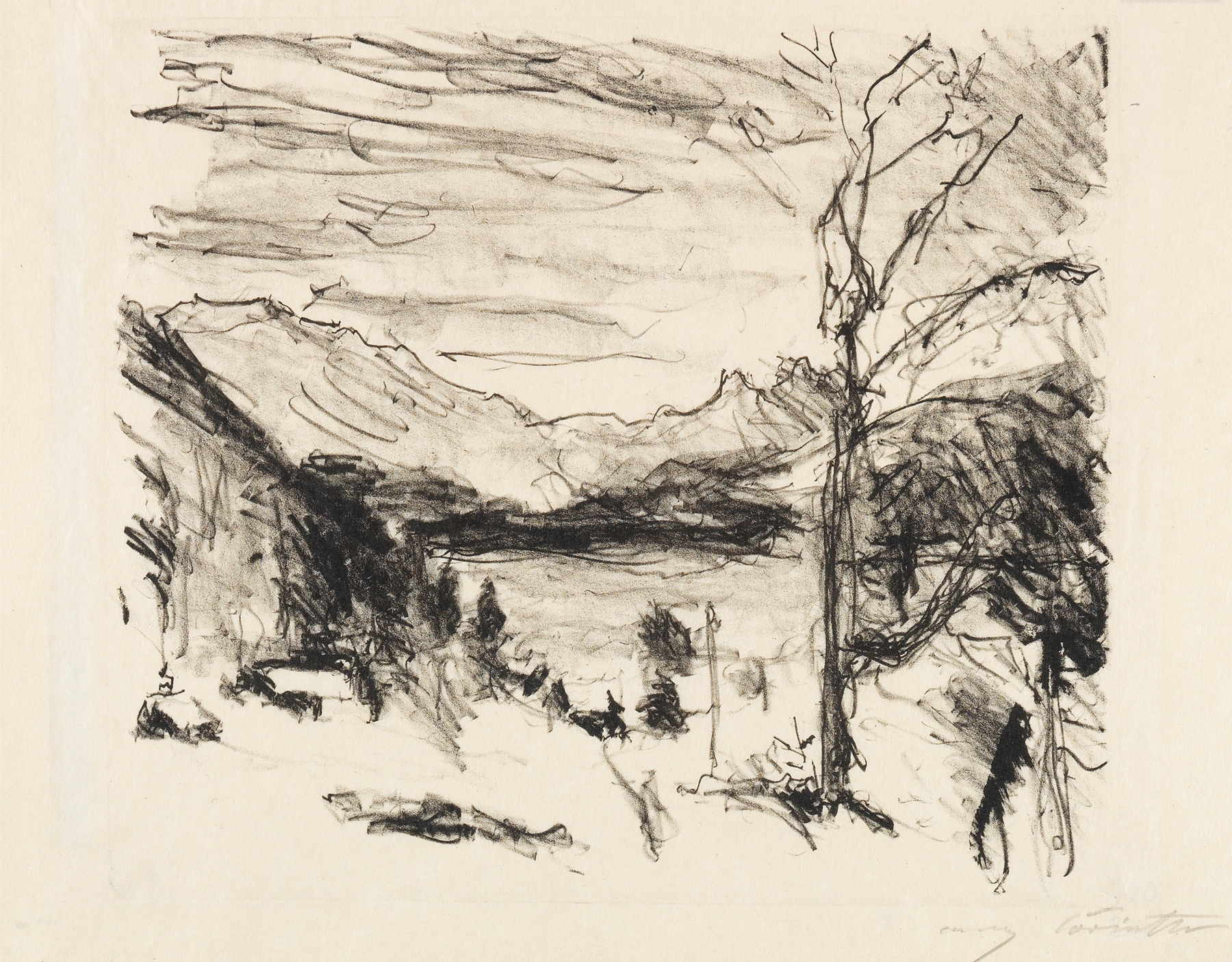
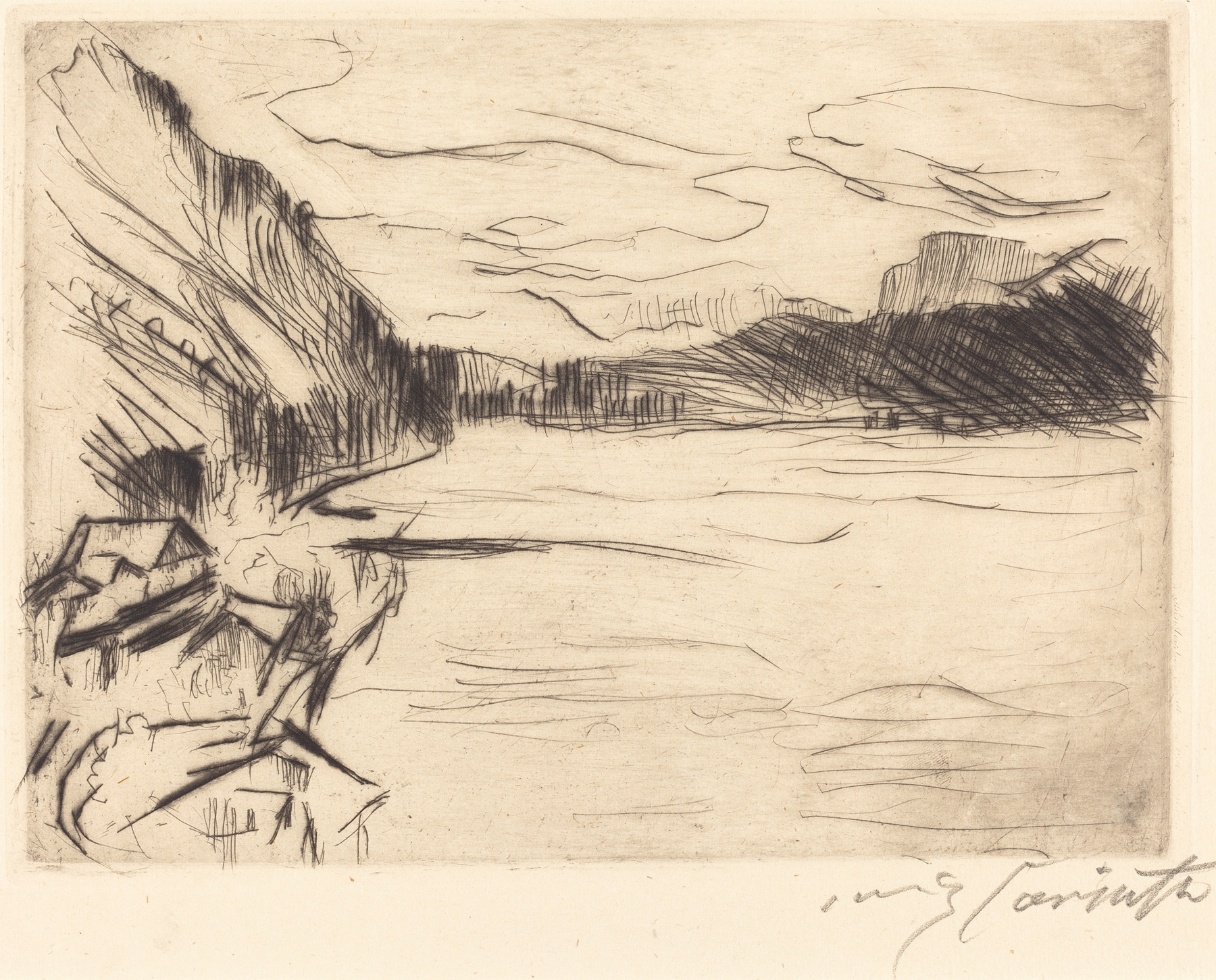
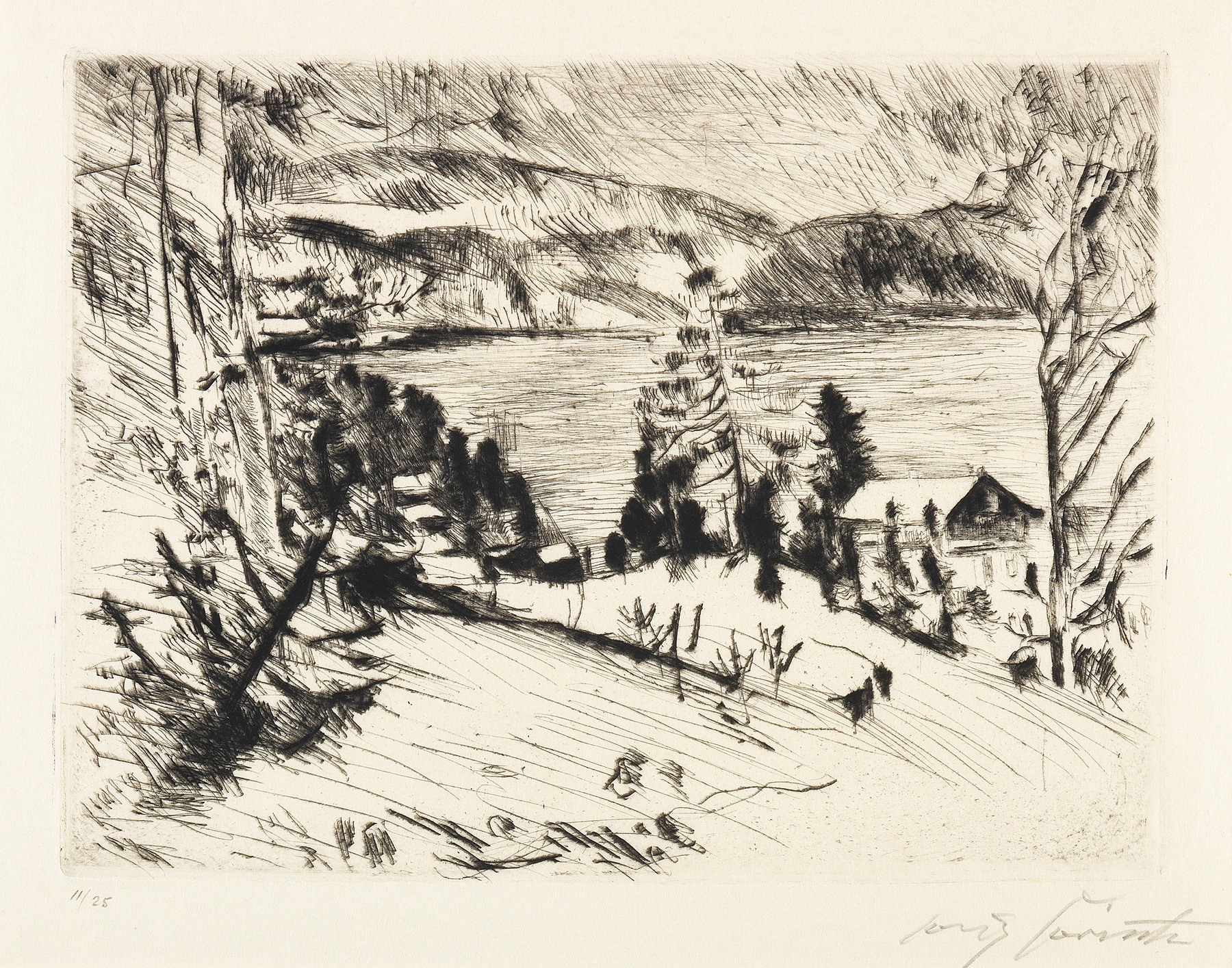
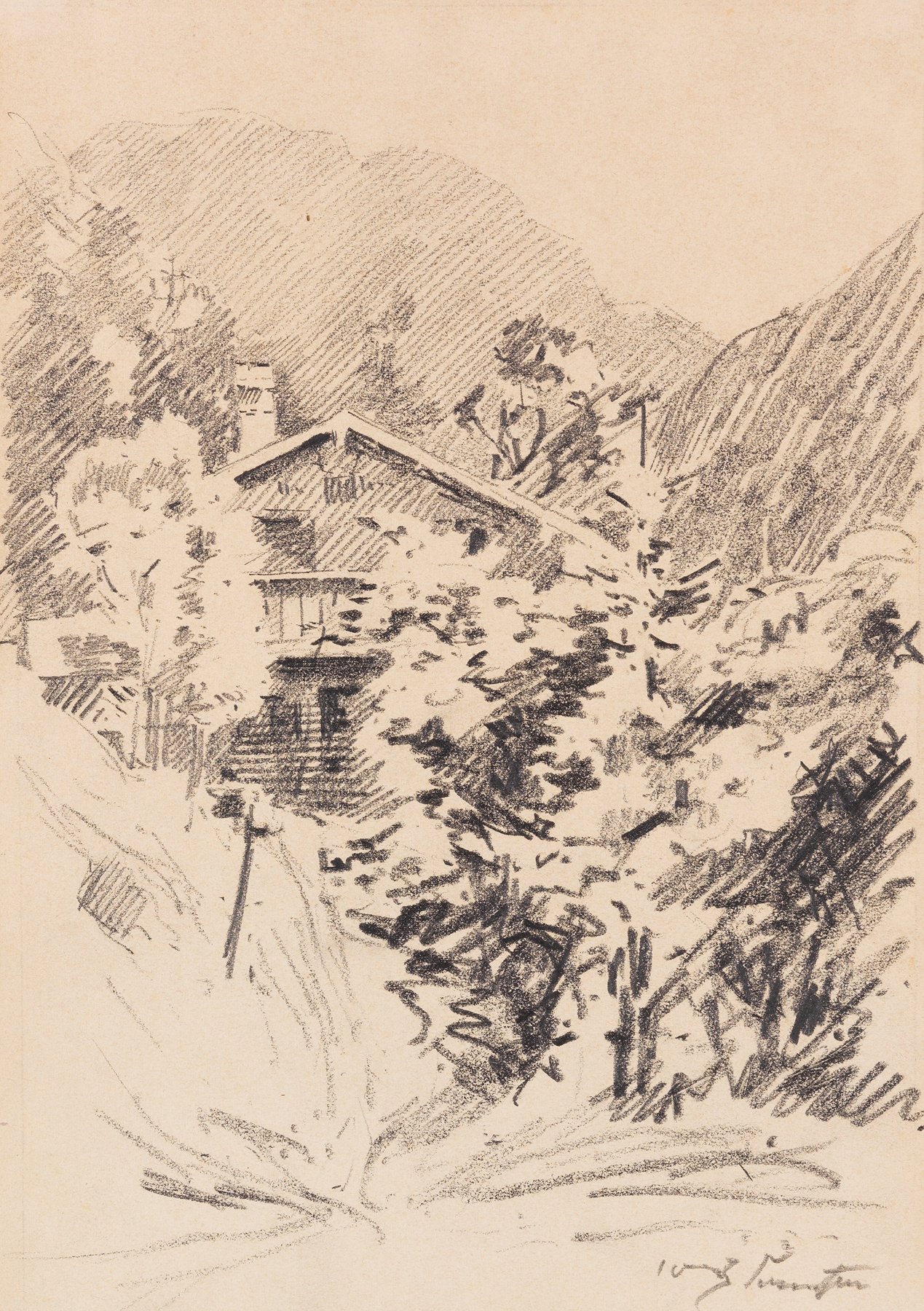
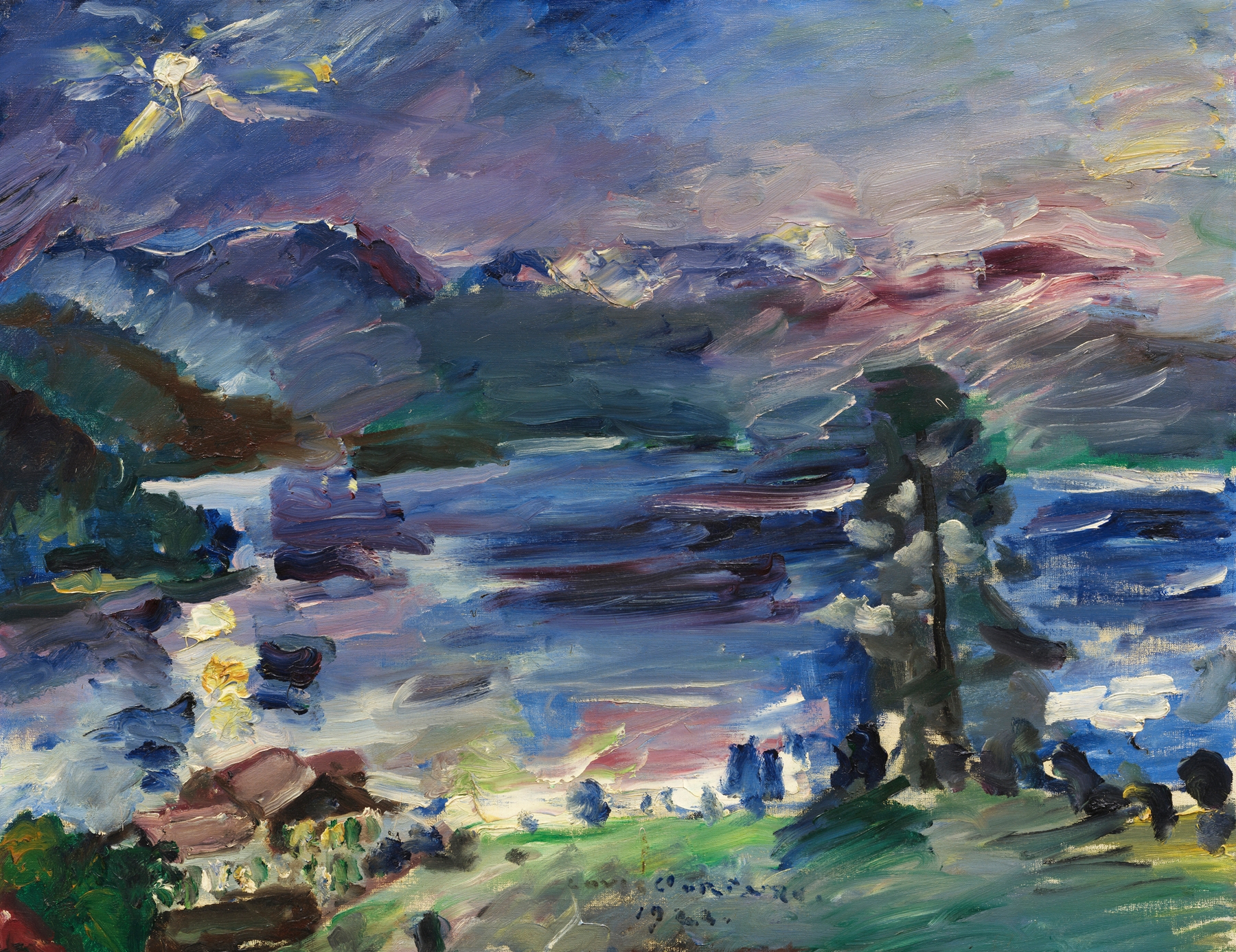
Can beauty exist without sorrow? This question resonates deeply within the evocative brushstrokes and luminous hues of the piece before you. Look to the left at the sweeping landscape that unfurls from the artist’s studio, a kaleidoscope of greens and blues. The way the sunlight dances on the foliage invites the viewer in, while the delicate play of shadow hints at the passage of time. Notice how the vibrant colors contrast with the more subdued tones of the building in the foreground, suggesting a harmony that belies an underlying tension.
Each corner of the canvas holds its own world, yet they are all united under the watchful gaze of the artist. Beneath its outward beauty lies a subtle exploration of faith. The studio, a sanctuary of creativity, contrasts with the wildness of nature outside, mirroring the dichotomy between inner peace and external chaos. The light filtering through the windows represents hope, while the shadows linger like doubts, creating a dialogue of belief and uncertainty.
This interplay suggests that beauty is intertwined with struggle, and the act of creation serves as both escape and confrontation. In 1981, Corinth was at a pivotal moment in his career, reflecting on his past experiences and the shifting landscapes of European art. Living in Munich, he sought to reconcile his artistic vision with the tumultuous changes around him, a period marked by both personal and societal challenges. This painting emerged as a testament to his enduring faith in the power of art, embodying his commitment to capturing the fleeting beauty of life amidst the shadows of uncertainty.