Boat Building — History & Analysis
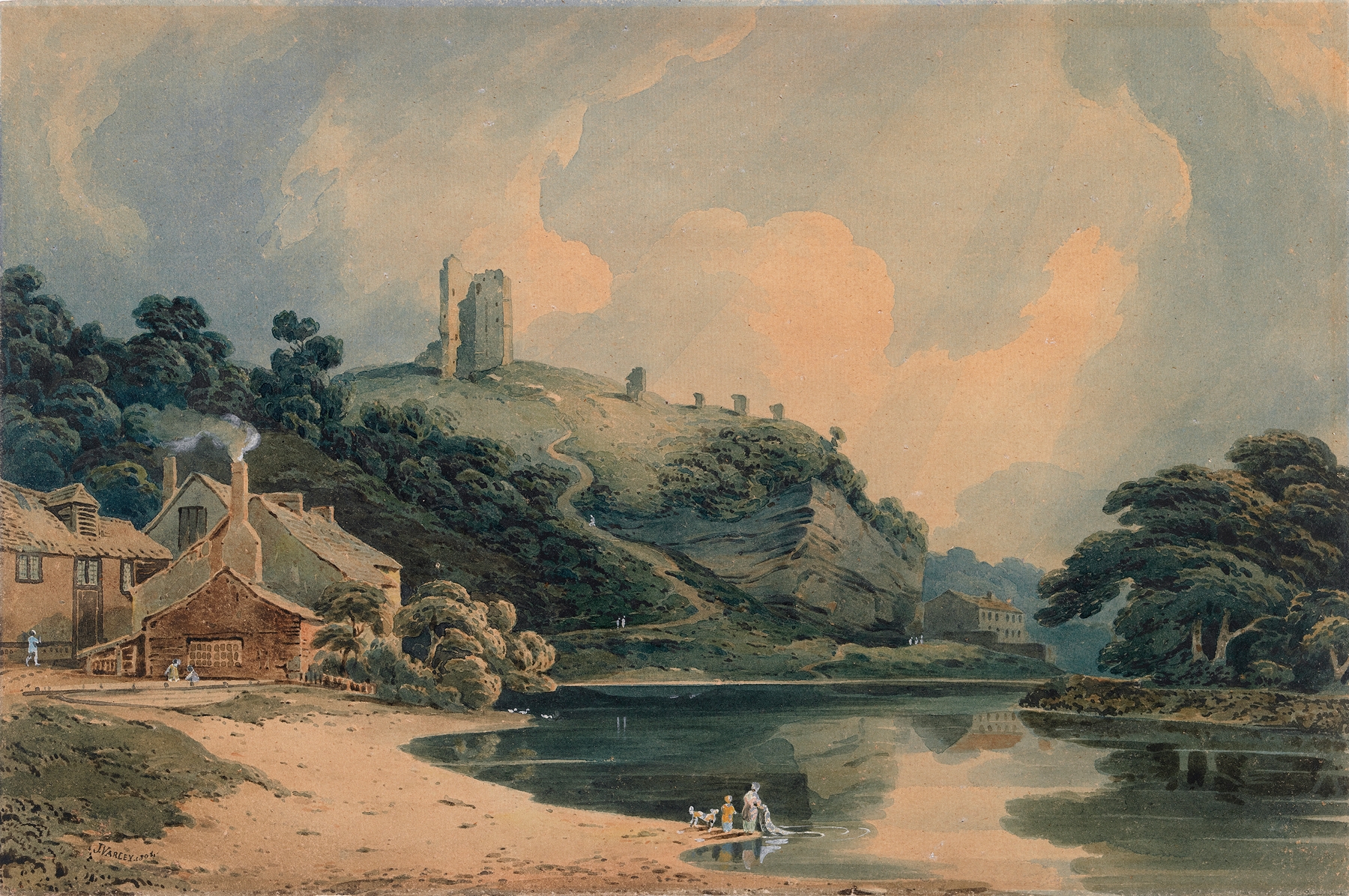
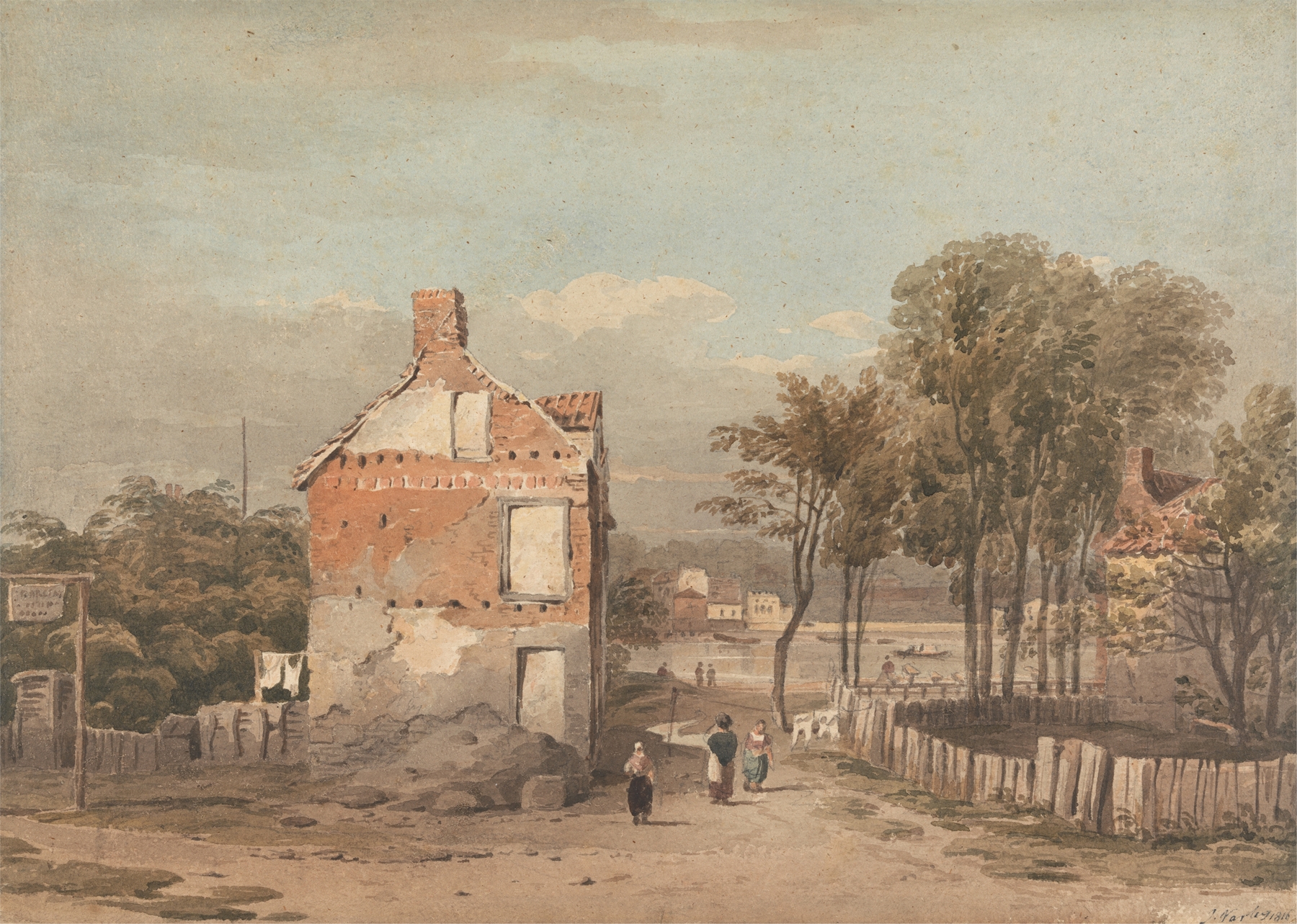
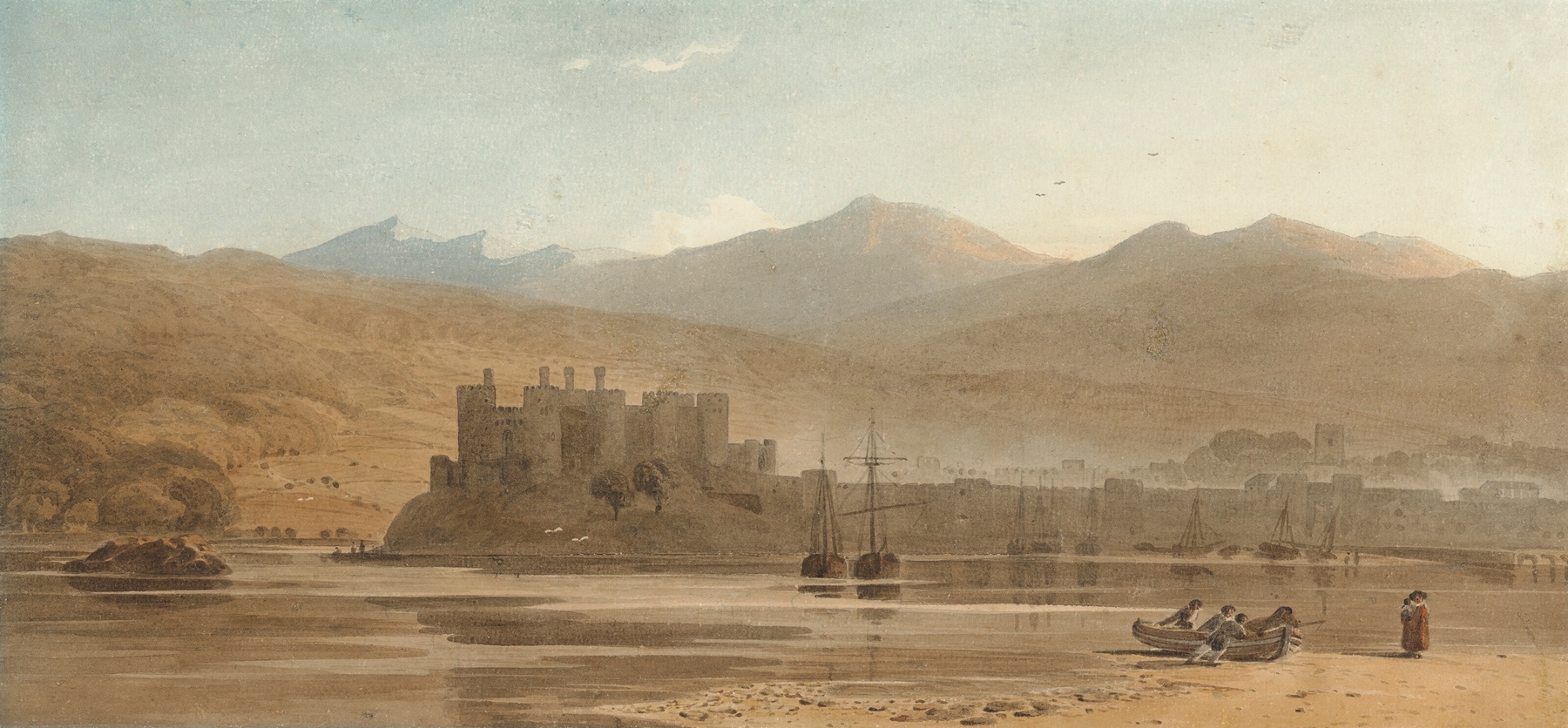
What if beauty was never meant to be finished? In Boat Building, John Varley captures the essence of creation, hinting at the cycles of life and rebirth woven into every act of craftsmanship. The canvas warps the boundary between labor and art, inviting us to ponder the journey rather than the destination. Look to the center of the painting, where a group of figures bends over a half-constructed vessel. Notice how the warm earth tones envelop the workers, their forms both defined and softened by the gentle light that pours in from the left.
The play of light and shadow highlights the textures of wood, skin, and fabric, drawing the viewer’s eye to the meticulous details—each nail, each stroke of paint—celebrating the labor that transforms raw materials into something transcendent. As you explore further, consider the contrast between the finished and unfinished elements of the boat. The hull stands strong and proud, a symbol of potential, while the scattered tools and unrefined timber signify the ongoing nature of creation. This duality reflects not only the process of craftsmanship but also the broader themes of growth and transformation inherent in human existence. Here, beauty is not a solitary moment, but rather an ever-evolving journey.
In 1806, Varley painted this piece amidst a burgeoning Romantic movement that valued emotion and nature. He was in England, where interest in the picturesque and the sublime was taking root. At this time, Varley was establishing himself as a notable landscape artist, integrating his love for nature with the human experience. The act of building a boat becomes a metaphor for life itself, a reminder that each undertaking, like each moment, is a step toward rebirth.