Boating Before Lambeth Palace, London — History & Analysis
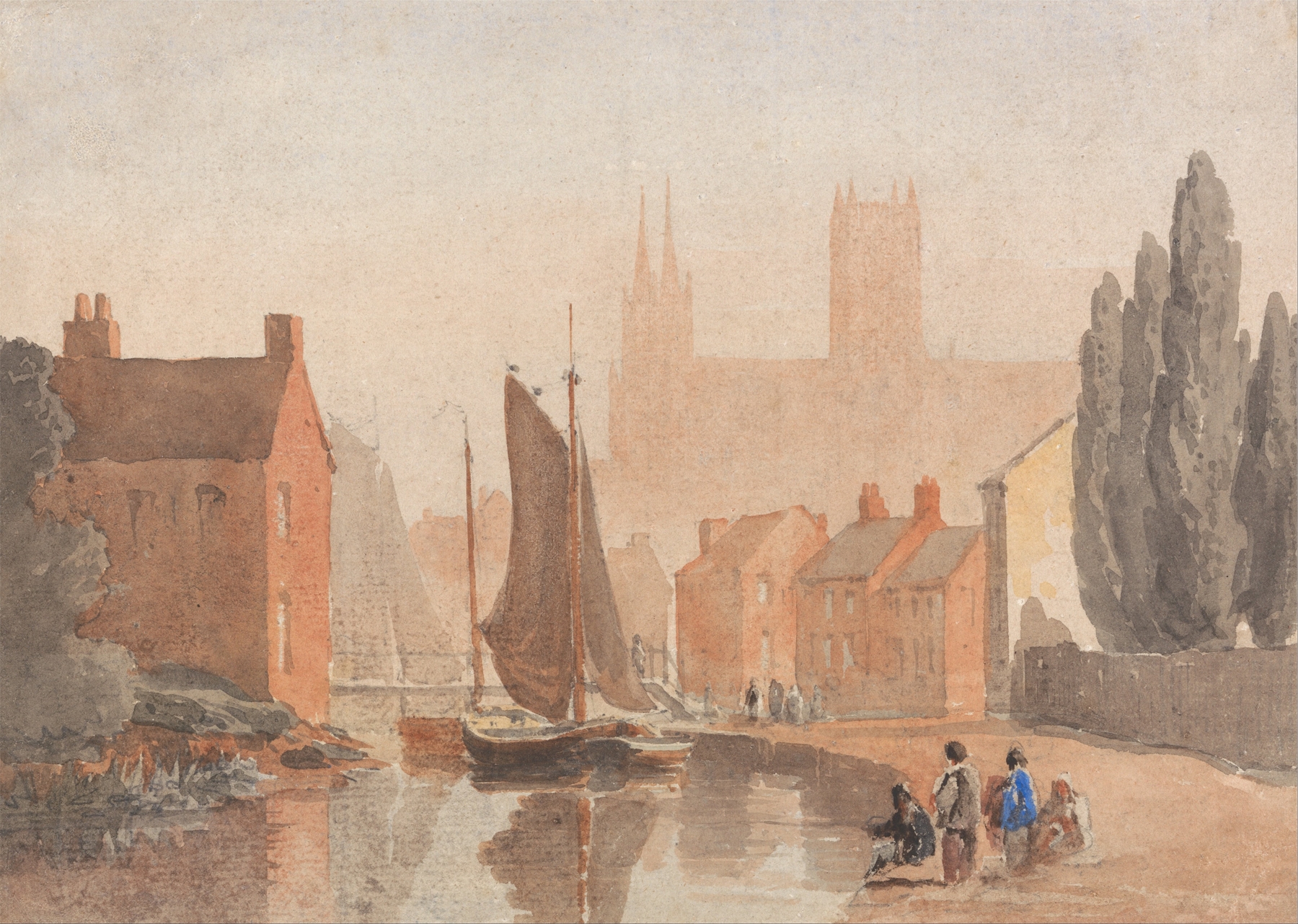
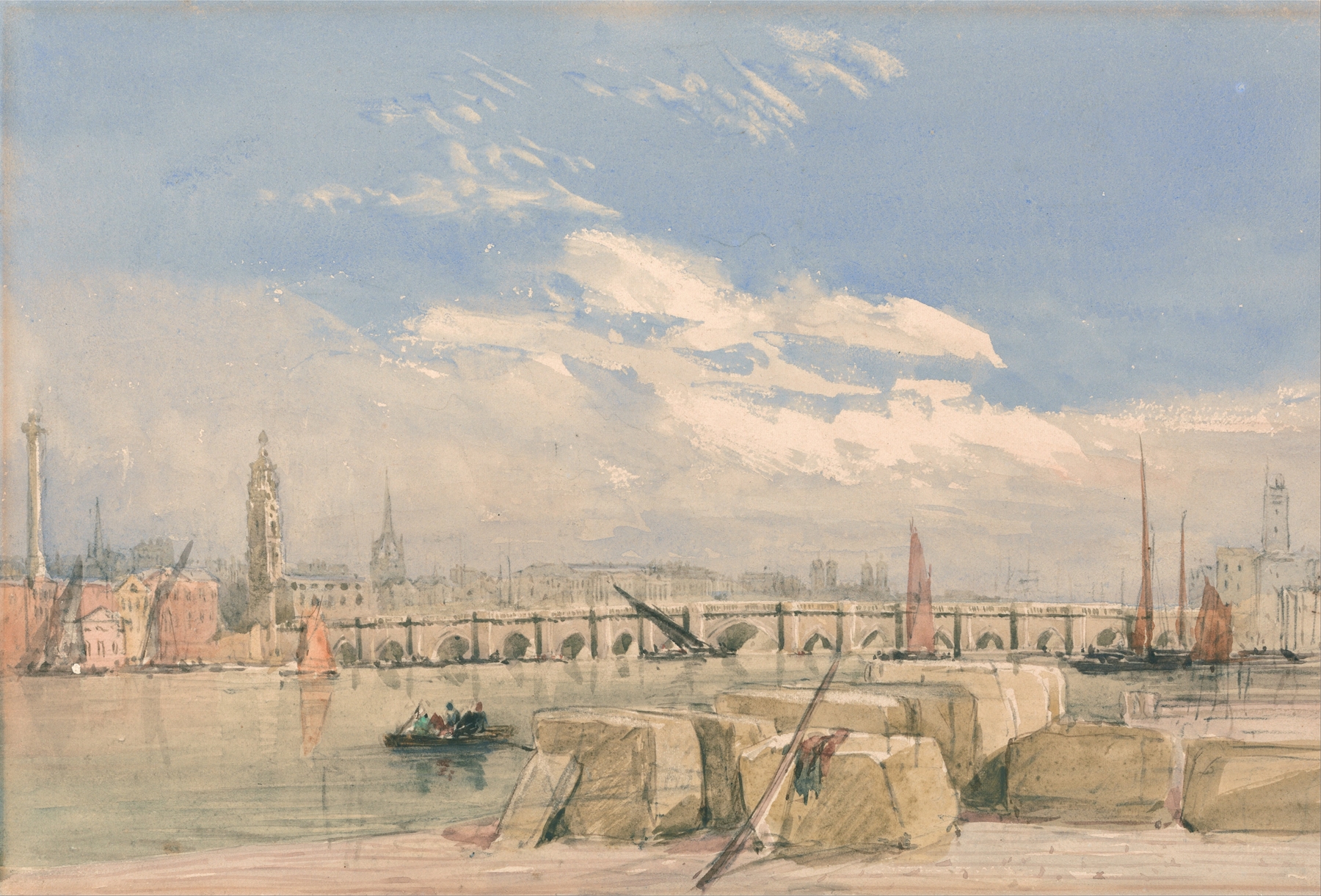
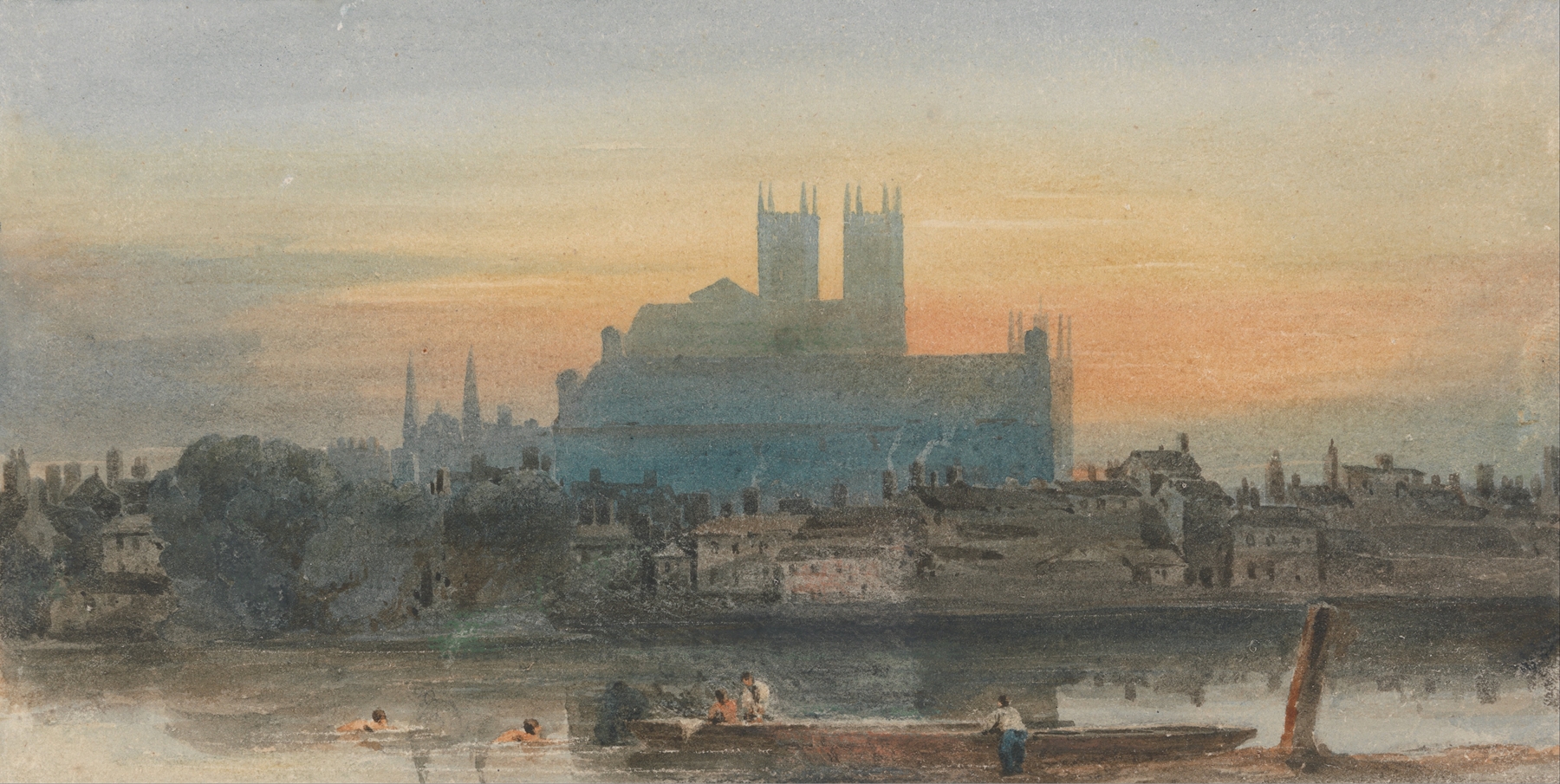
“Under the brush, chaos becomes grace.” How does one capture a moment teetering on the edge of transformation? In a world where tumult meets tranquility, the strokes of a paintbrush can reveal the silent symphony of change. Look closely at the canvas, where the viewer’s gaze is drawn first to the shimmering river, reflecting the soft hues of a fading sky. The gentle strokes of blues and greens swirl together, creating a sense of movement that mimics the rhythm of the water itself.
Notice how the boats, seemingly stationary, are anchored in a moment of anticipation, while the distant silhouette of Lambeth Palace looms—an unyielding structure against the backdrop of nature’s fluidity, evoking a tension between the stability of tradition and the desire for freedom. Delve deeper into the subtleties. The play of light on the river's surface hints at a deeper unrest, as fragmented reflections suggest the collision of personal and societal change. The boats, each carrying their occupants, symbolize the various factions of a society on the brink of revolution, their muted colors mirroring the uncertainty of the times.
The artist’s brushwork, while delicate, bears an underlying intensity, reflecting not just the serene beauty of the scene but also the profound transformations simmering just below the surface. David Cox painted this work in a period marked by upheaval and transition, likely in the early to mid-19th century. As he navigated his own struggles within the art world, including the tension between traditional landscapes and emerging Romantic ideals, he found refuge in capturing the world around him. The era was charged with the spirit of change, highlighting the contrast between the established power of institutions like Lambeth Palace and the emerging currents of modernity that would soon reshape society.