Lincoln Cathedral from Brayford Pool — History & Analysis
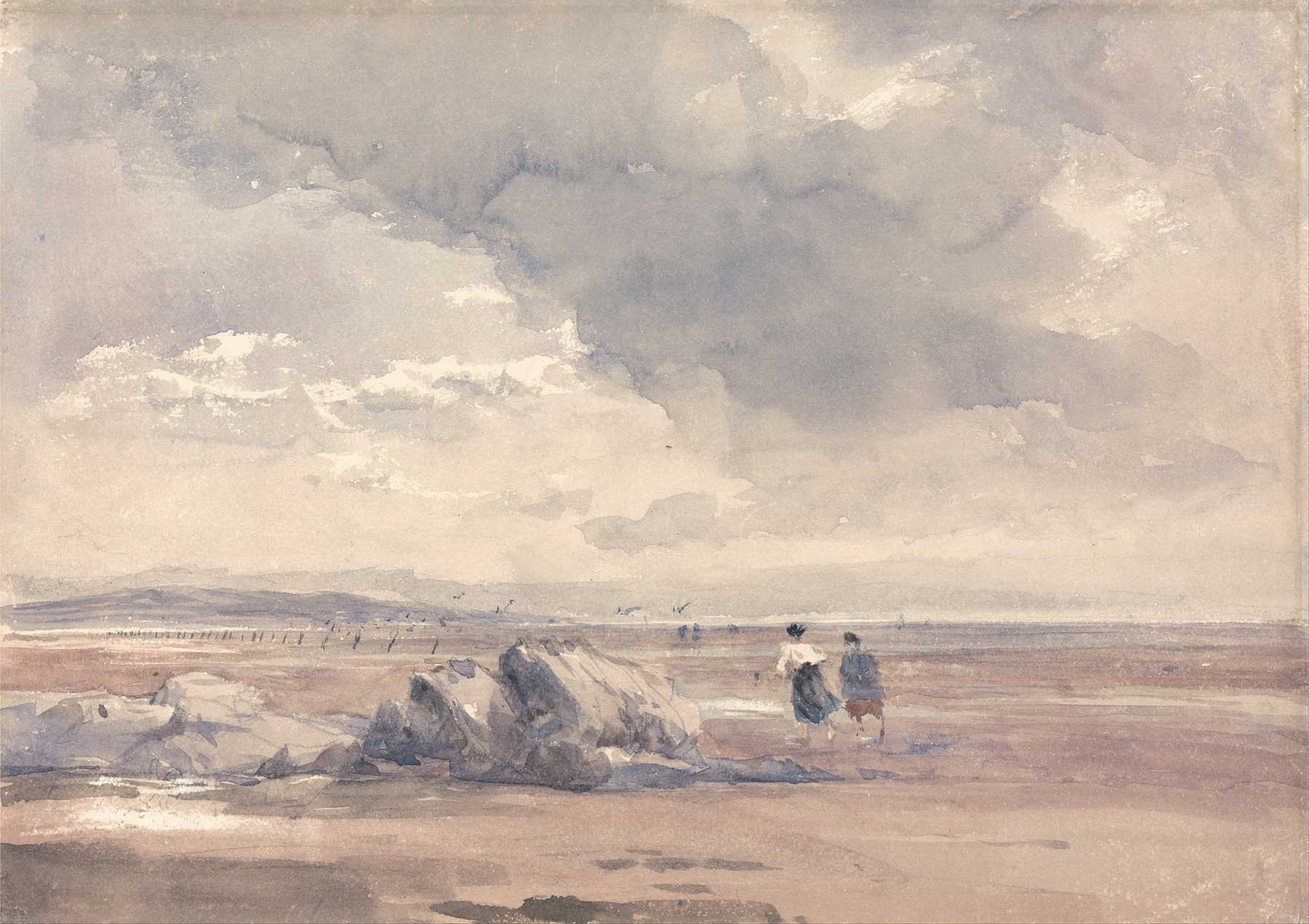
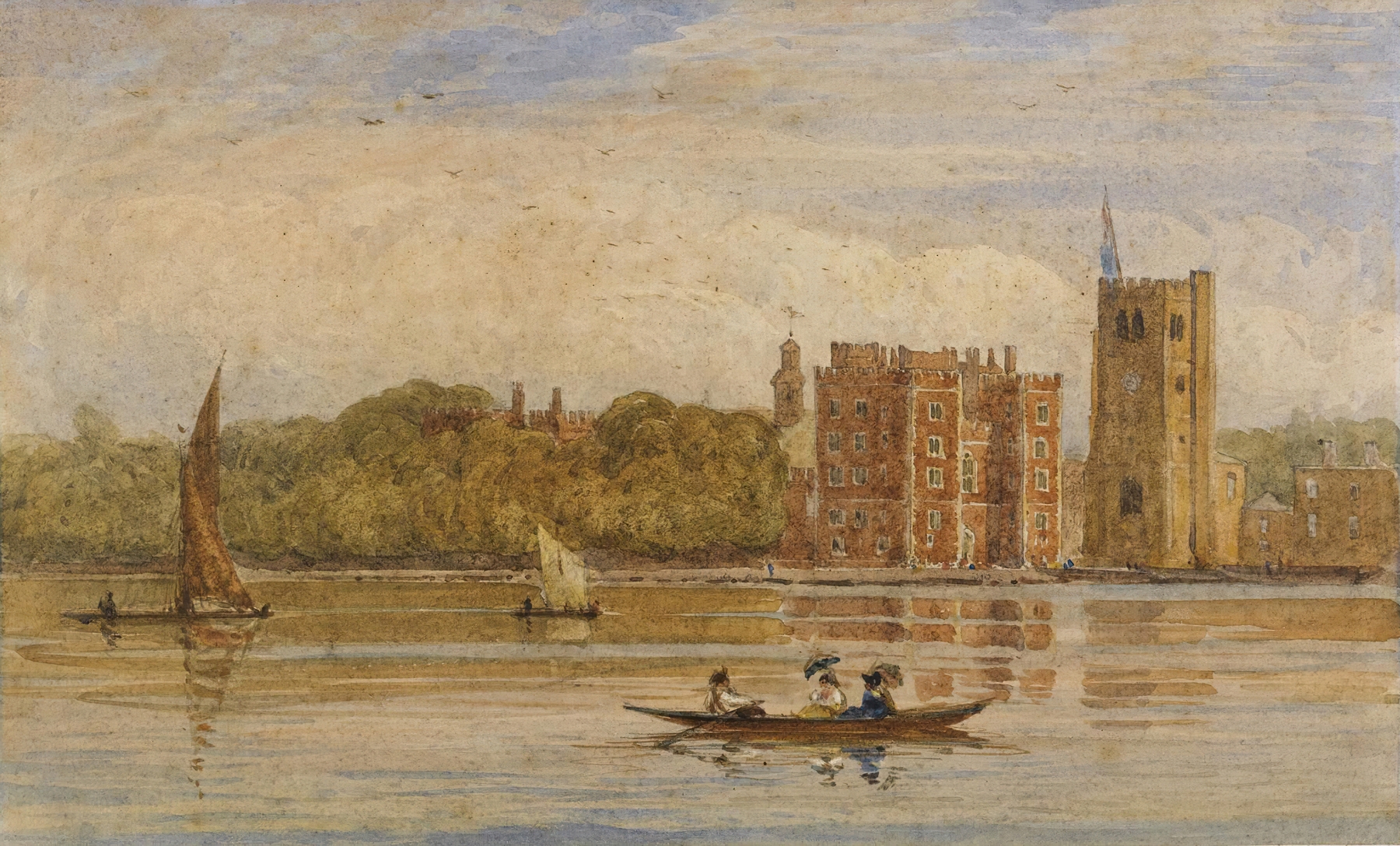
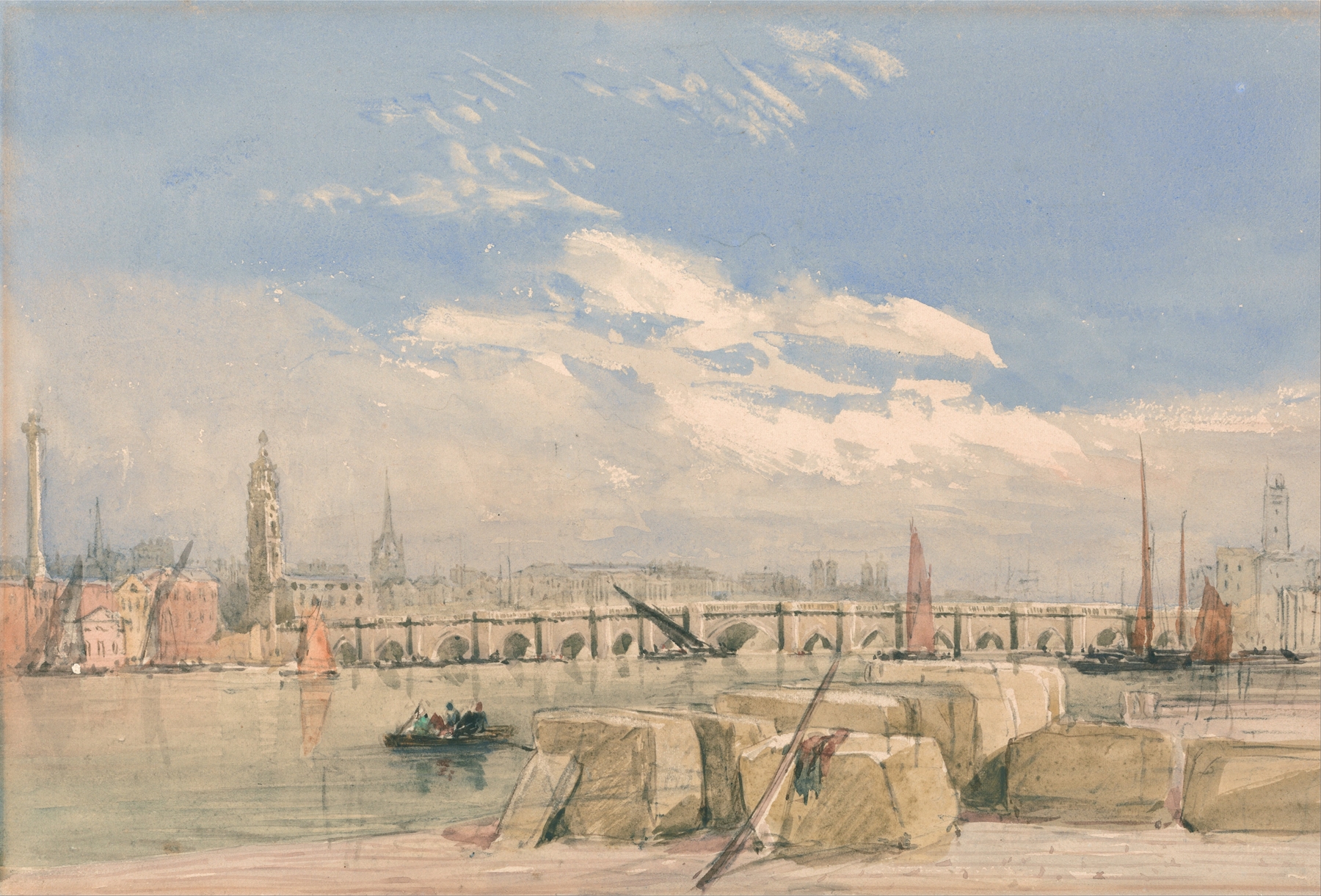
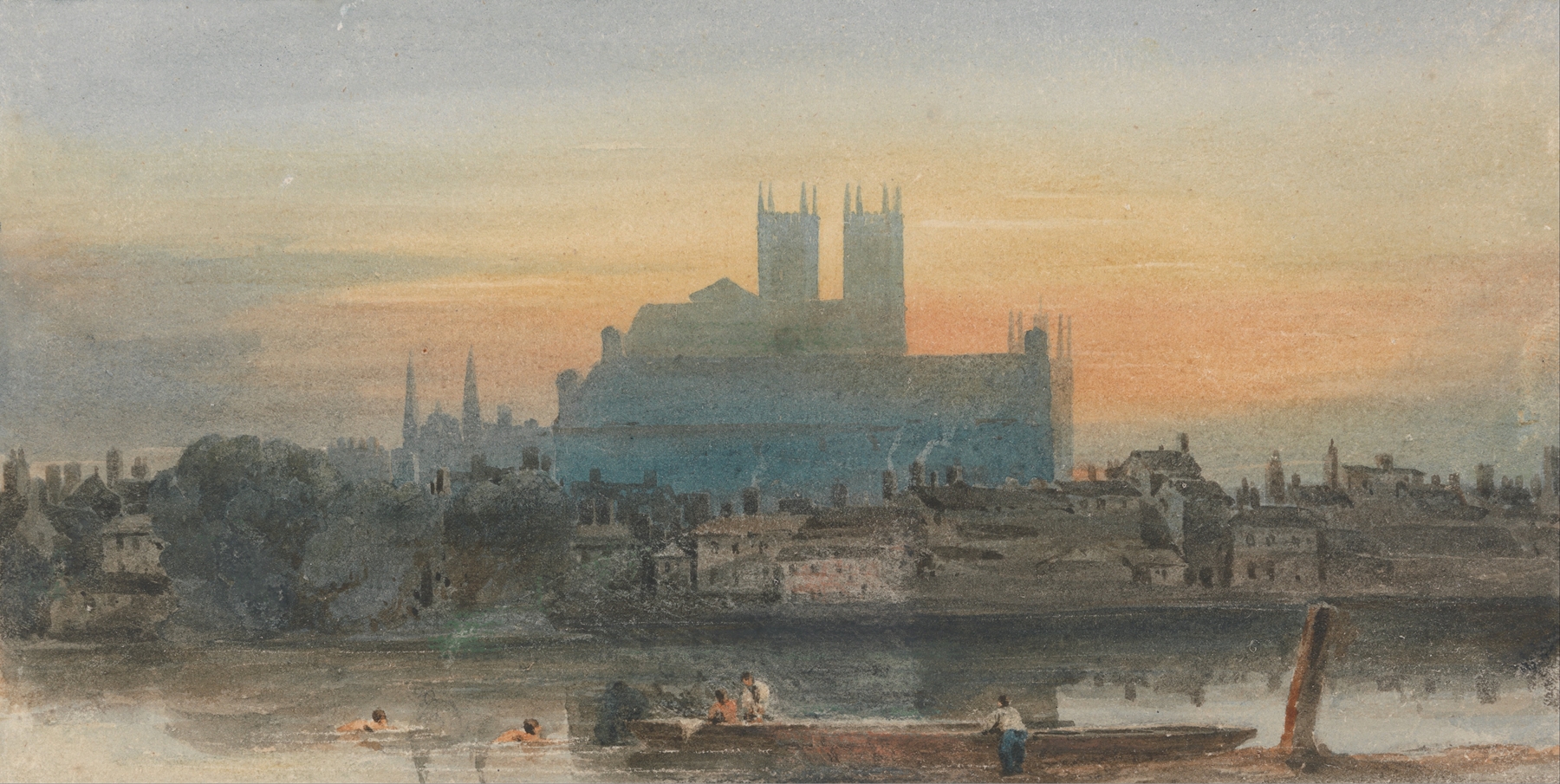
“Art reveals the soul when the world turns away.” In the quietude of 1808, a revolution of thought was unfolding, and in the midst of it, the landscape whispered secrets that would endure beyond time. Look closely at the foreground, where the tranquil waters of Brayford Pool cradle reflections of the majestic Lincoln Cathedral. The interplay of light and shadow creates a dance upon the surface, enhancing the cathedral’s intricate spires that rise gracefully against the horizon. Notice how Cox employs a delicate palette of soft blues and earthy browns, evoking a sense of peace while simultaneously inviting the viewer to ponder the divine.
Yet beneath this serene surface lies a tension between the natural and the manmade, as the cathedral stands sentinel over the landscape, embodying both faith and the relentless march of progress. The soft ripples of the water hint at the underlying currents of change, a reminder that while the world may appear calm, tumultuous thoughts are always at play. The contrast between the solidity of the cathedral and the fluidity of the water speaks to the struggle between tradition and innovation.
In 1808, David Cox was emerging as a pivotal figure in British landscape painting, influenced by the romantic ideals sweeping through Europe. This period marked a shift toward capturing the sublime beauty of nature while reflecting the anxieties and transformations of the era. As he painted this scene, Cox was not only documenting a view but also engaging with a world that was evolving, both in the realms of art and society.