Bergen op Zoom — History & Analysis
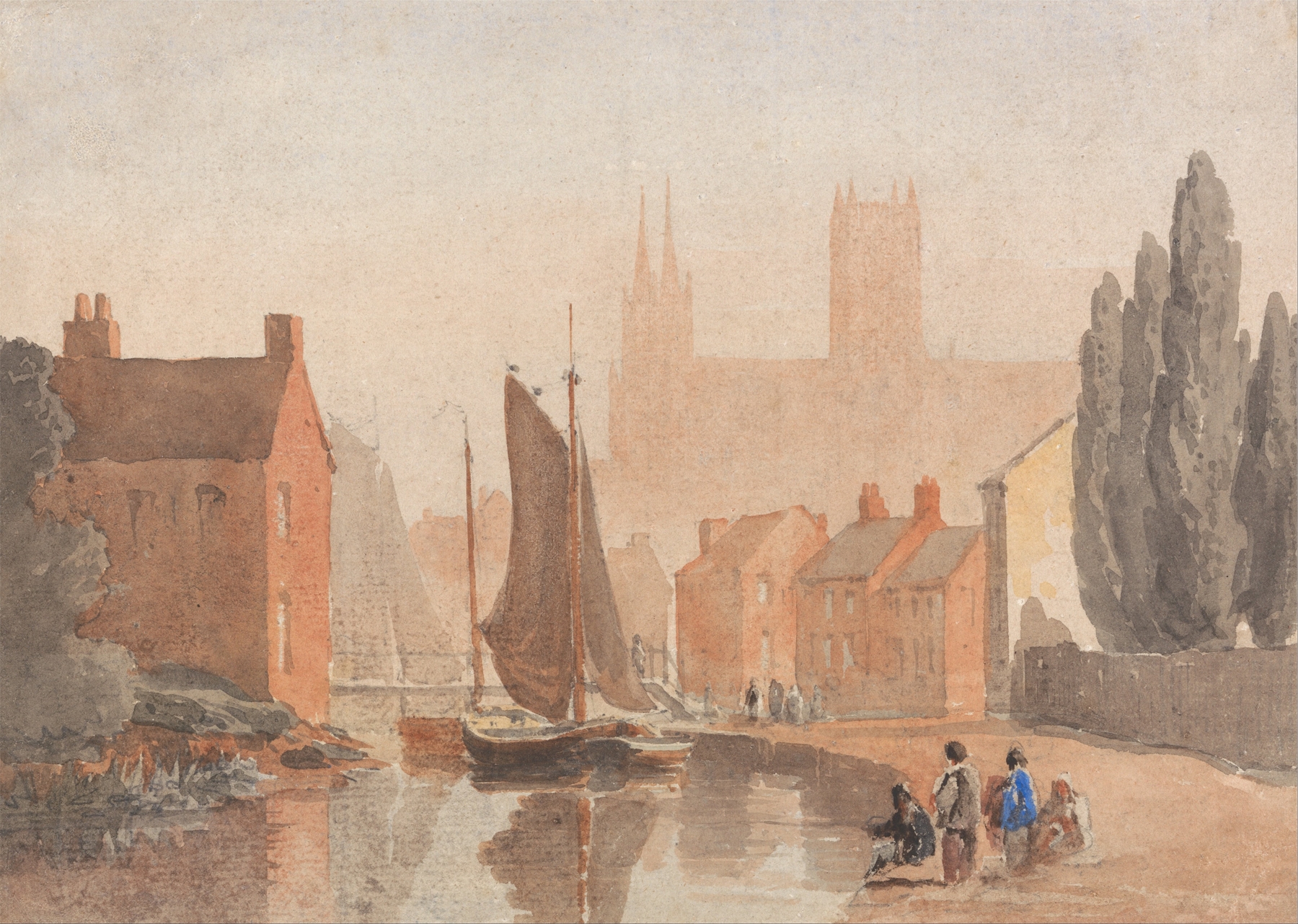
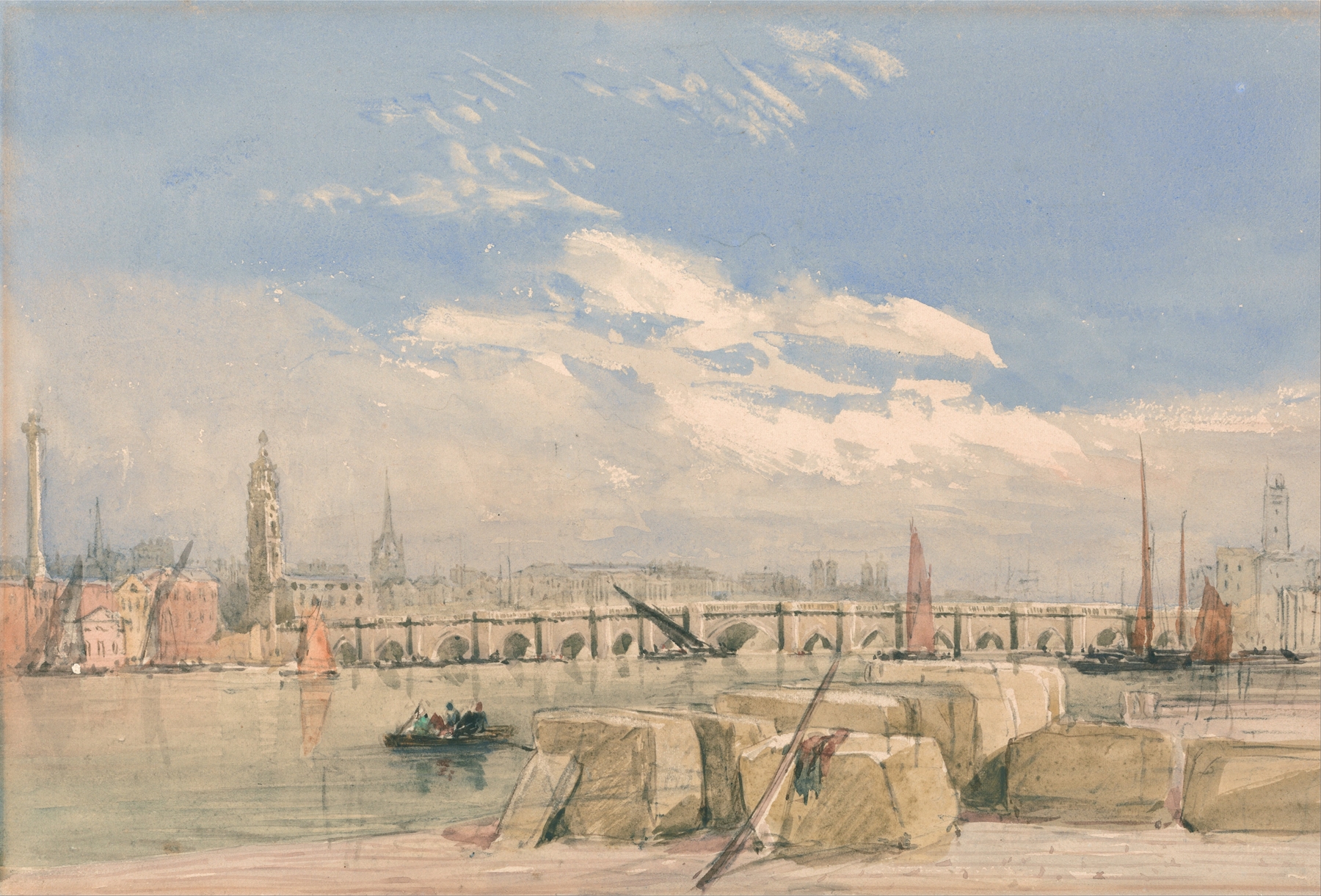
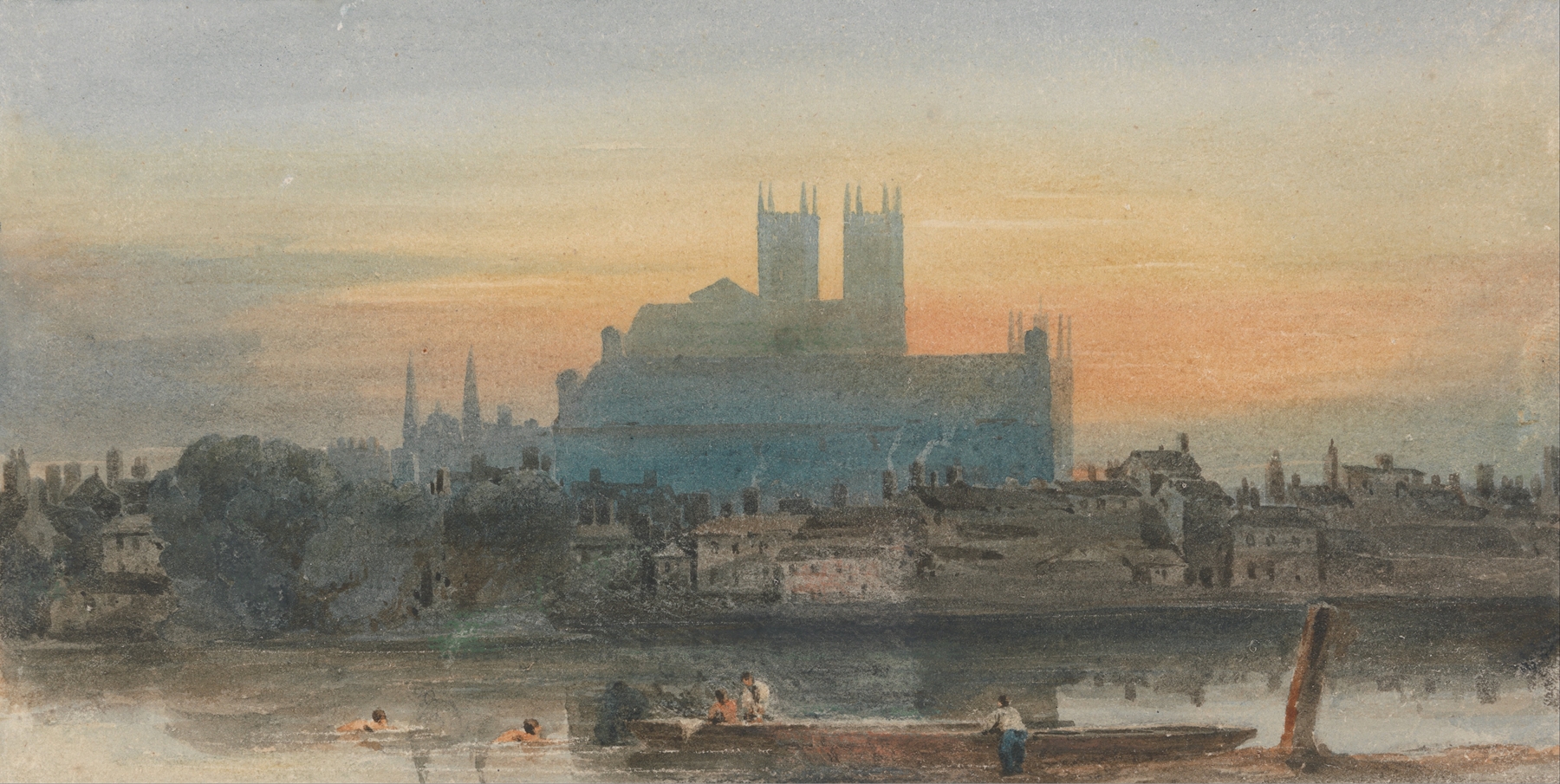
What if silence could speak through light? It has the power to transform the fragile into the profound, revealing the delicate balance between presence and absence. Look to the right at the shimmering river, where gentle ripples reflect the soft hues of dawn. The muted palette of blues and greys merges with the distant architecture of Bergen op Zoom, creating a sense of ethereal clarity.
Notice how the brushstrokes blend harmoniously, inviting the eye to wander through nature’s tranquil embrace, while the light dances delicately across the surface, bridging the gap between the viewer and the scene. The painting captures a fleeting moment, the quiet stillness of morning gliding into day. The distant figures appear almost ghostly, suggesting the fragility of human life against the vastness of nature. The soft horizon, where sky meets water, evokes a sense of longing, hinting at the transitory nature of time itself.
Each stroke seems to whisper stories of the past, as if asking what remains when everything fades away. In 1826, David Cox painted Bergen op Zoom during a period marked by his embrace of landscape art and watercolors. Living in England, he was navigating a shift within the art world, as Romanticism began to focus on the emotional power of nature. This work reflects his evolving style, characterized by a growing emphasis on atmospheric effects and the delicate interplay of light, encapsulating both his personal journey and the broader artistic movements of his time.