On Lancaster Sands, Low Tide — History & Analysis
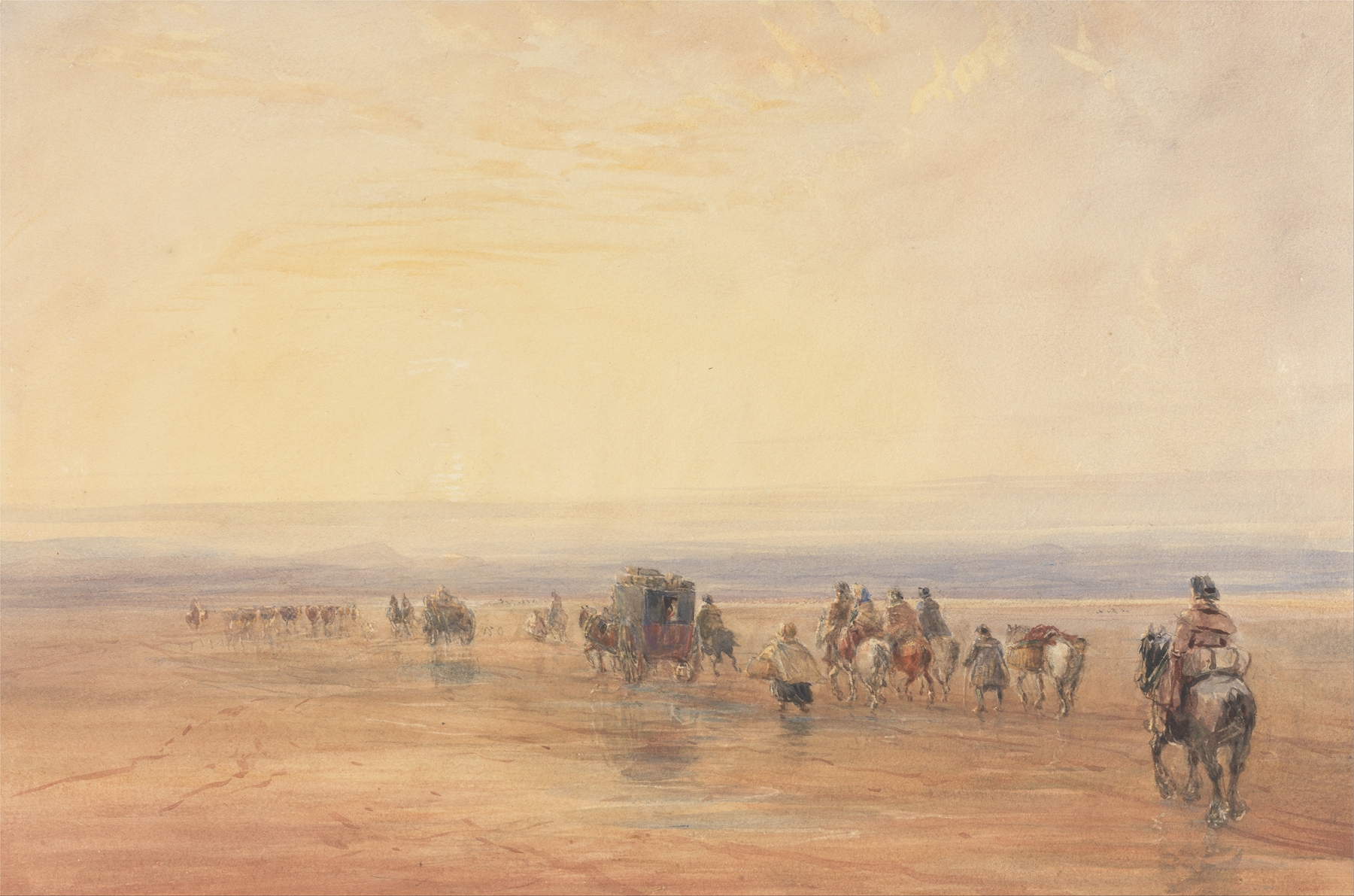
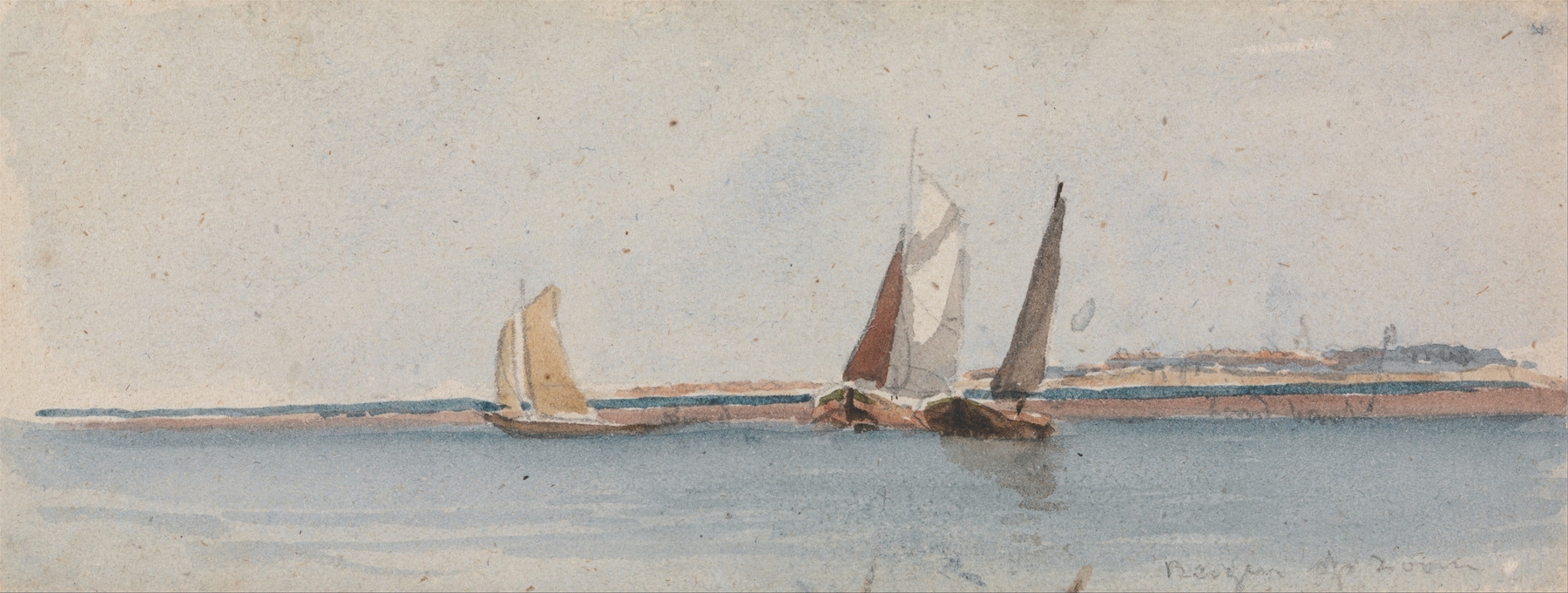
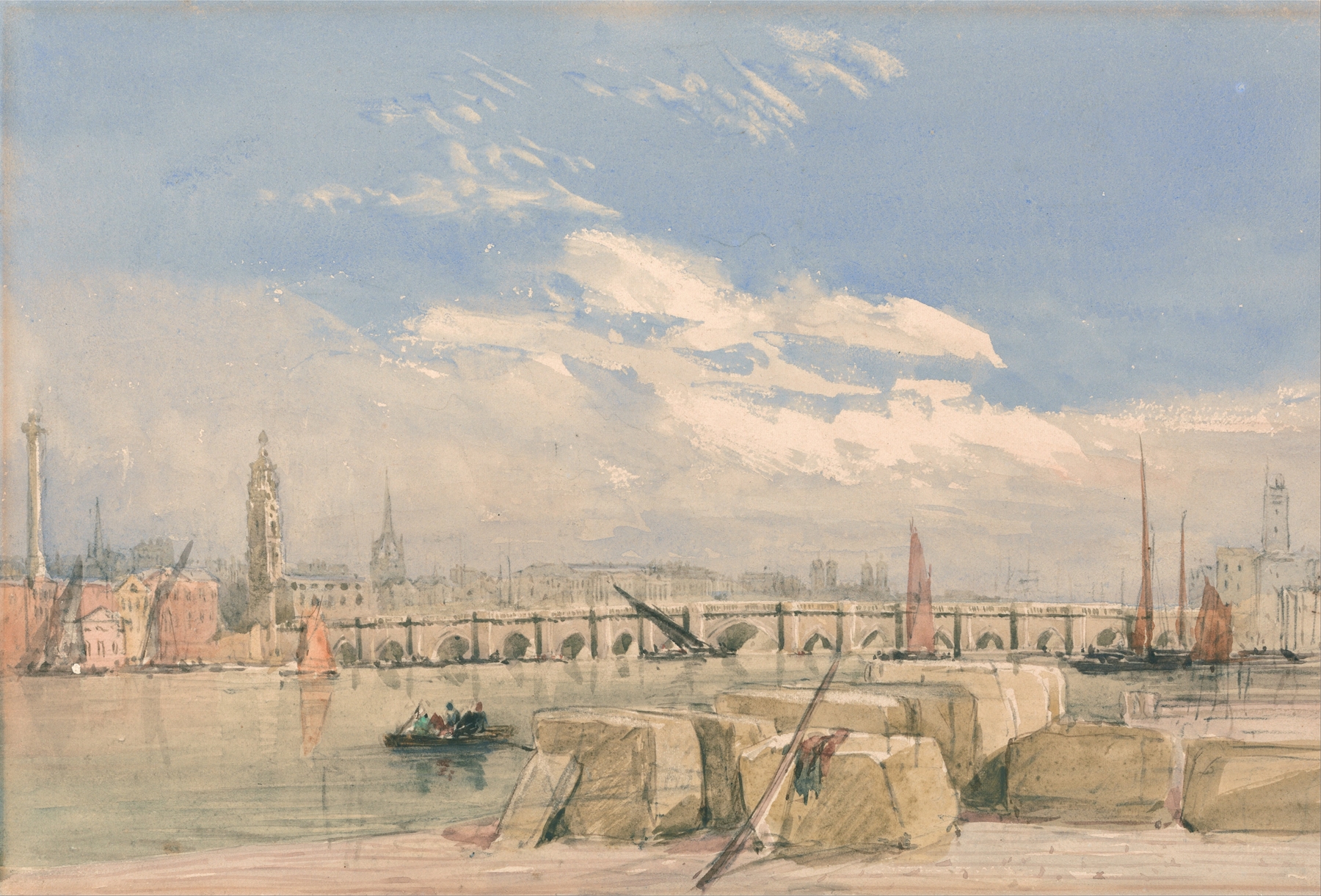
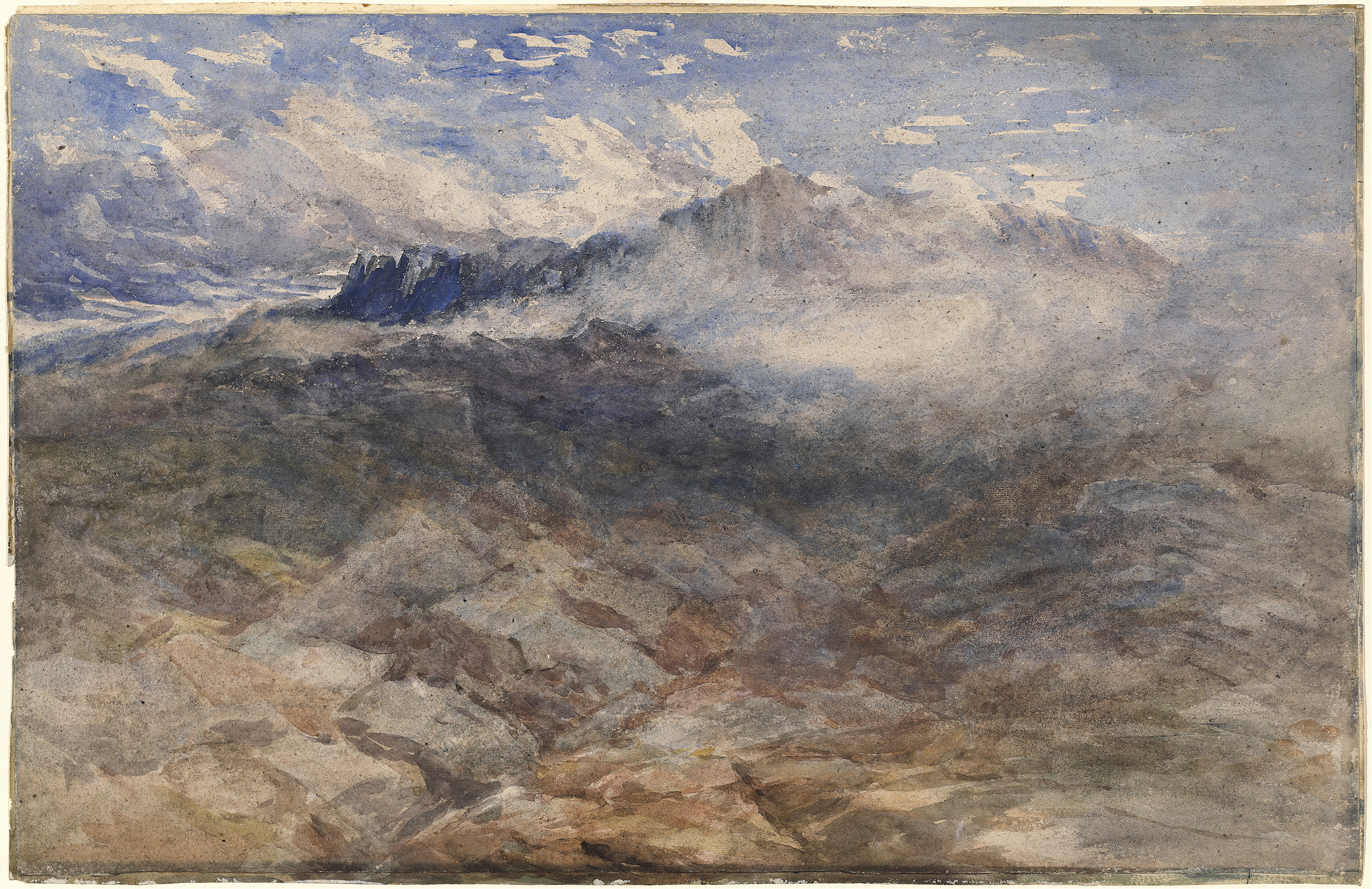
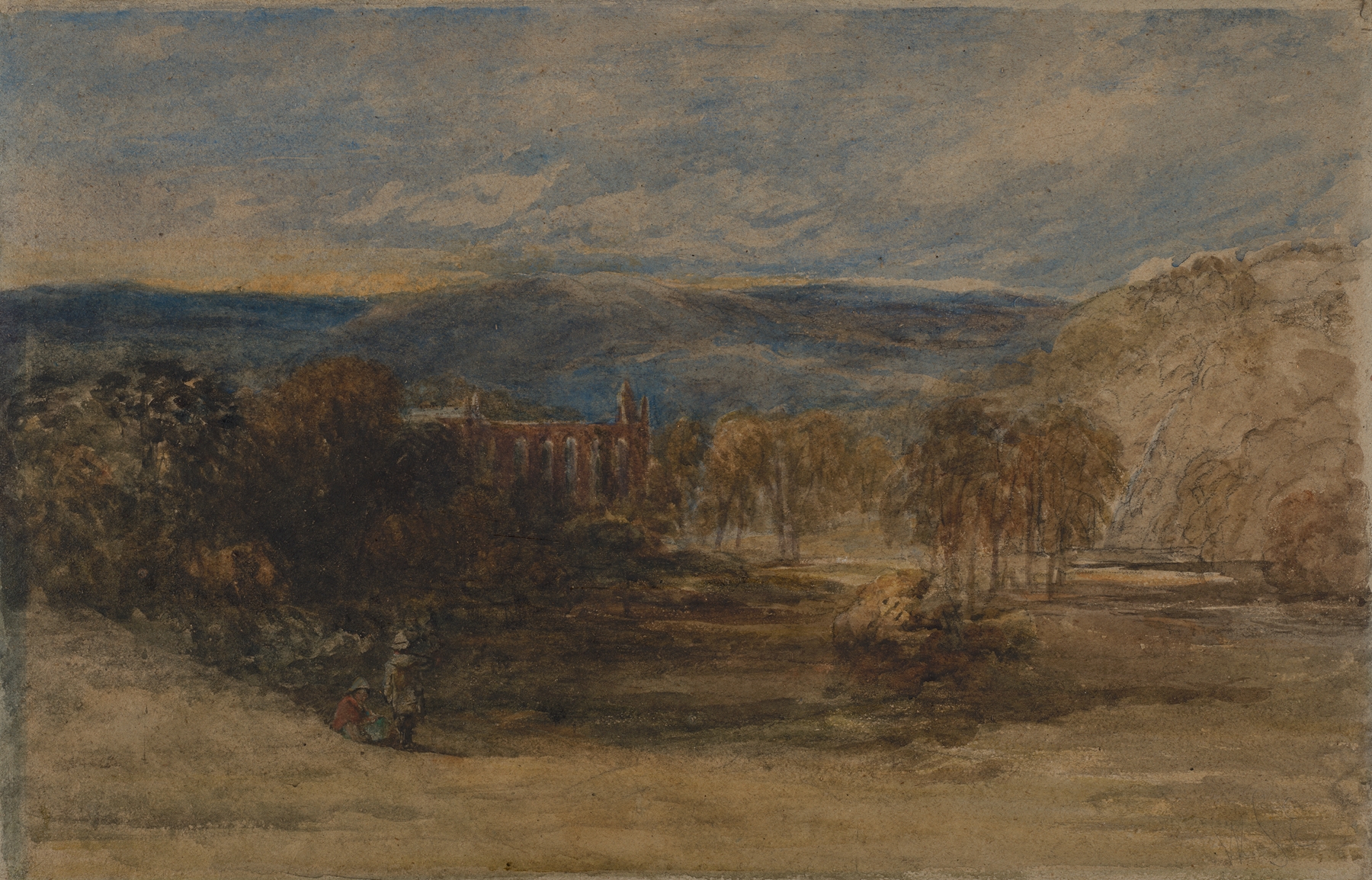
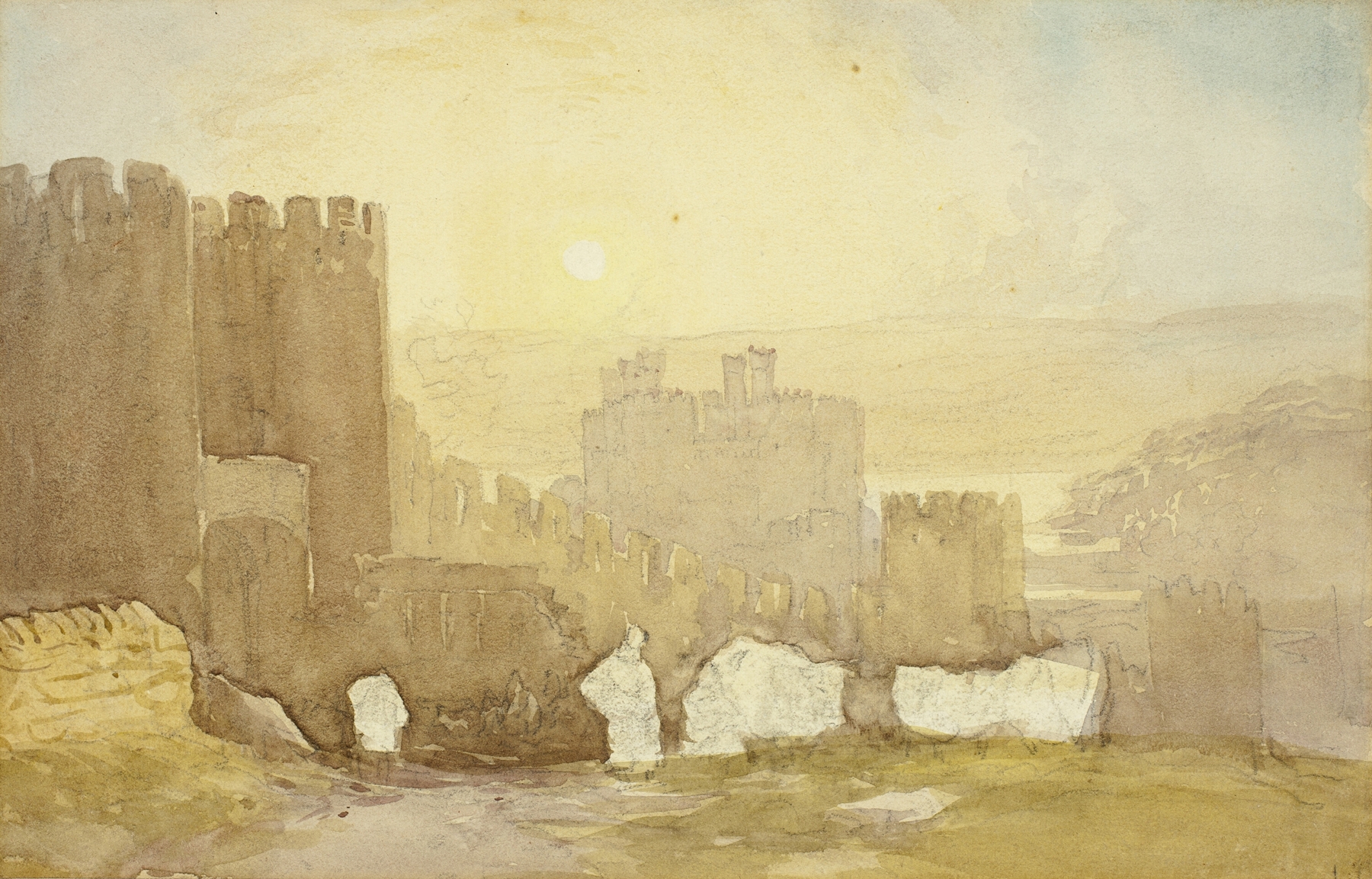
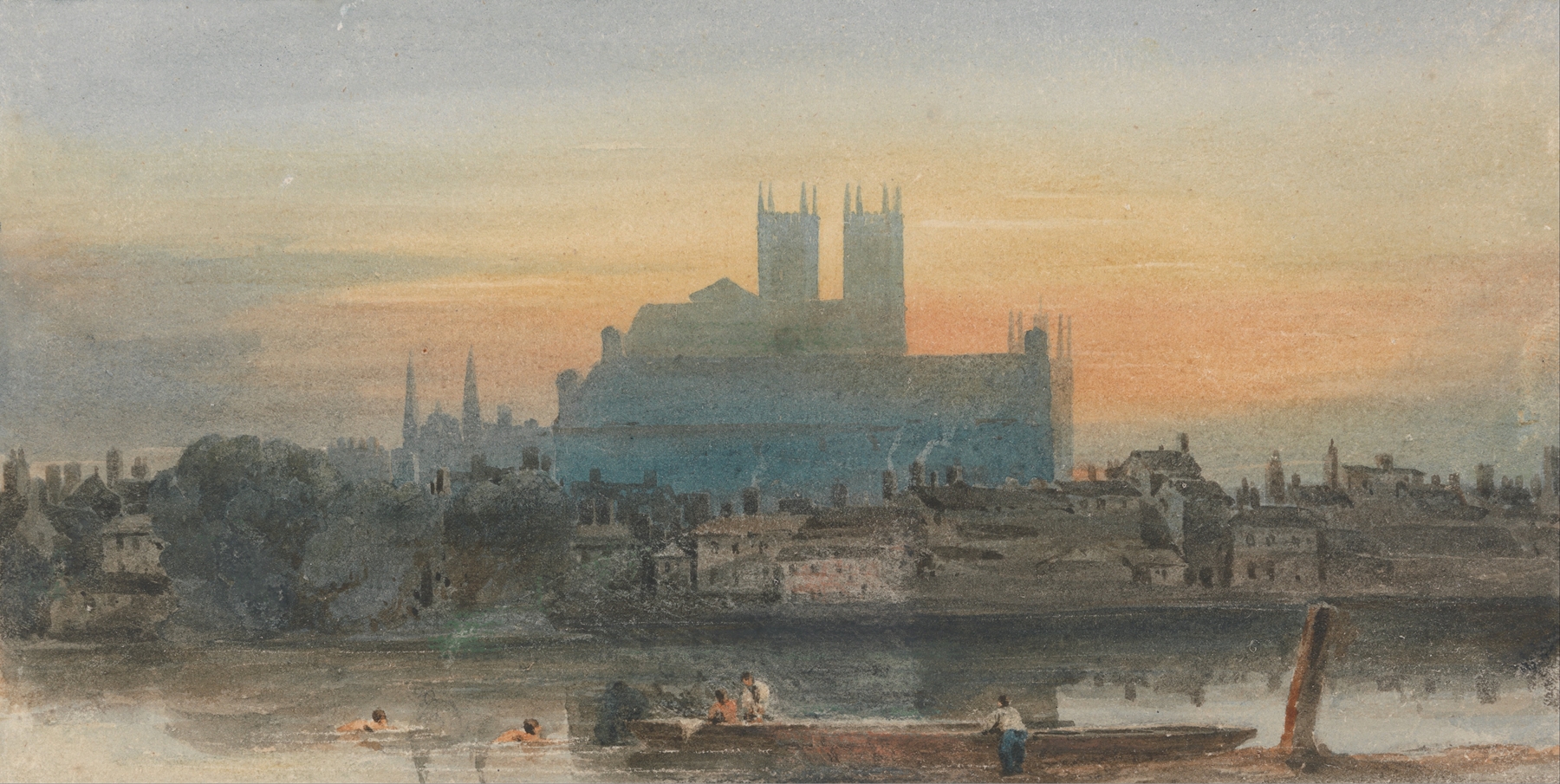
“Between color and silence, truth hides.” In the delicate interplay of horizon and shore, longing whispers through the canvas, inviting us to explore the depths of human emotion tethered to the natural world. Focus first on the expansive sky, where soft washes of blue and white meld into one another, creating an ethereal sense of calm. Look closely at the subtle gradations of color, as they transition from cerulean into the warm hues of the setting sun, illuminating the landscape below. Notice how the sand stretches out toward the tide, its texture rendered in soft strokes that evoke both warmth and emptiness, capturing the essence of low tide’s retreating whispers.
The juxtaposition of the vibrant sky against the muted sands speaks to the contrast between aspiration and solitude. Evasive streaks of light dance across the water’s surface, hinting at the promise of distant horizons yet to be reached. Each carefully placed brushstroke conveys an unfulfilled yearning, inviting contemplation of the transient beauty that surrounds us and the inherent longing for something just out of grasp.
During the 1840s, the artist found himself immersed in the picturesque landscapes of Britain, drawing inspiration from both the natural world and his own experiences. At this time, he was navigating the challenges of his career while witnessing the shifting tides of the Romantic movement, which sought to capture the sublime beauty of nature and its emotional resonance. This period influenced his approach, allowing him to translate his feelings into the vivid landscapes that would define his legacy.