Bolton Abbey — History & Analysis
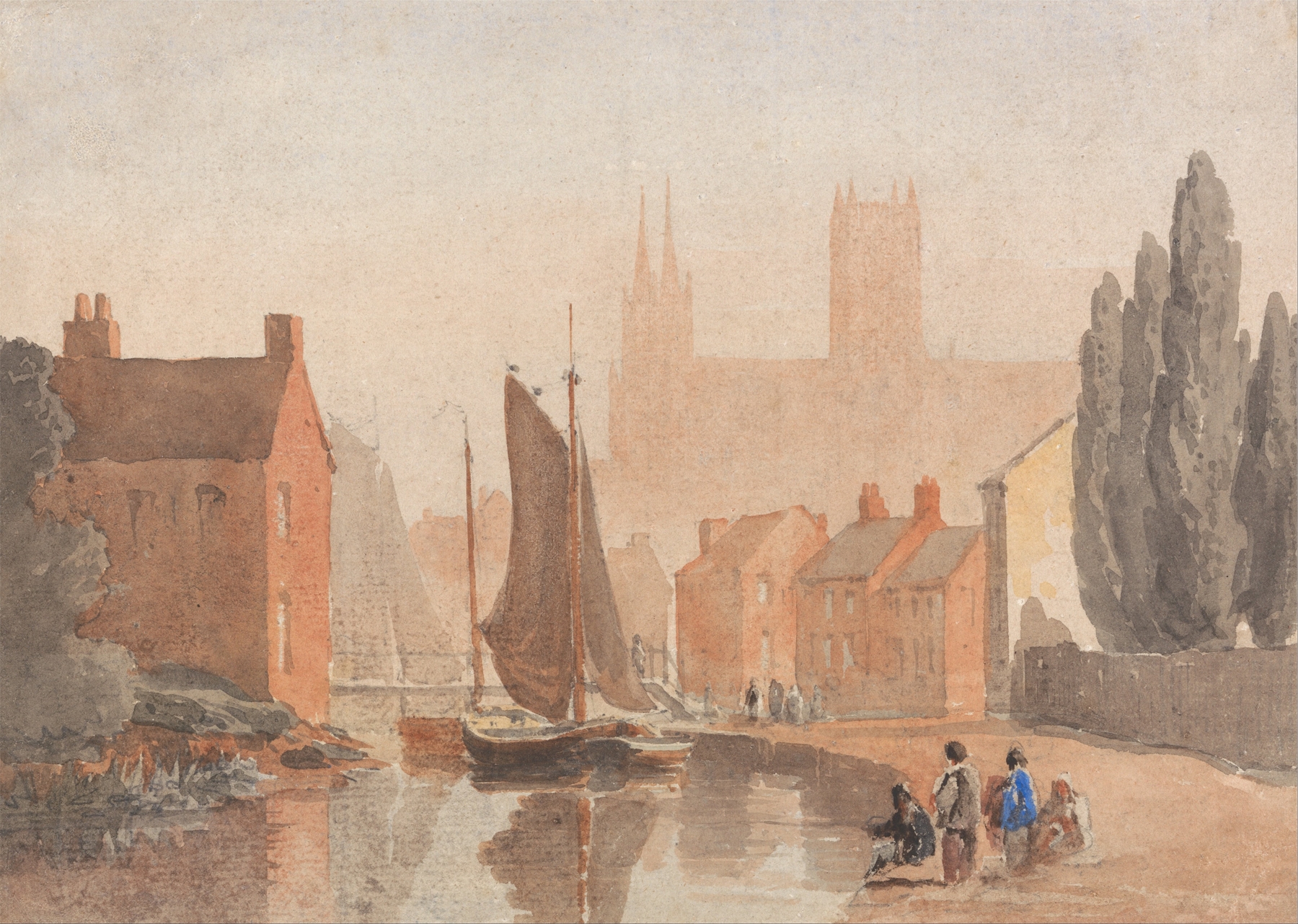
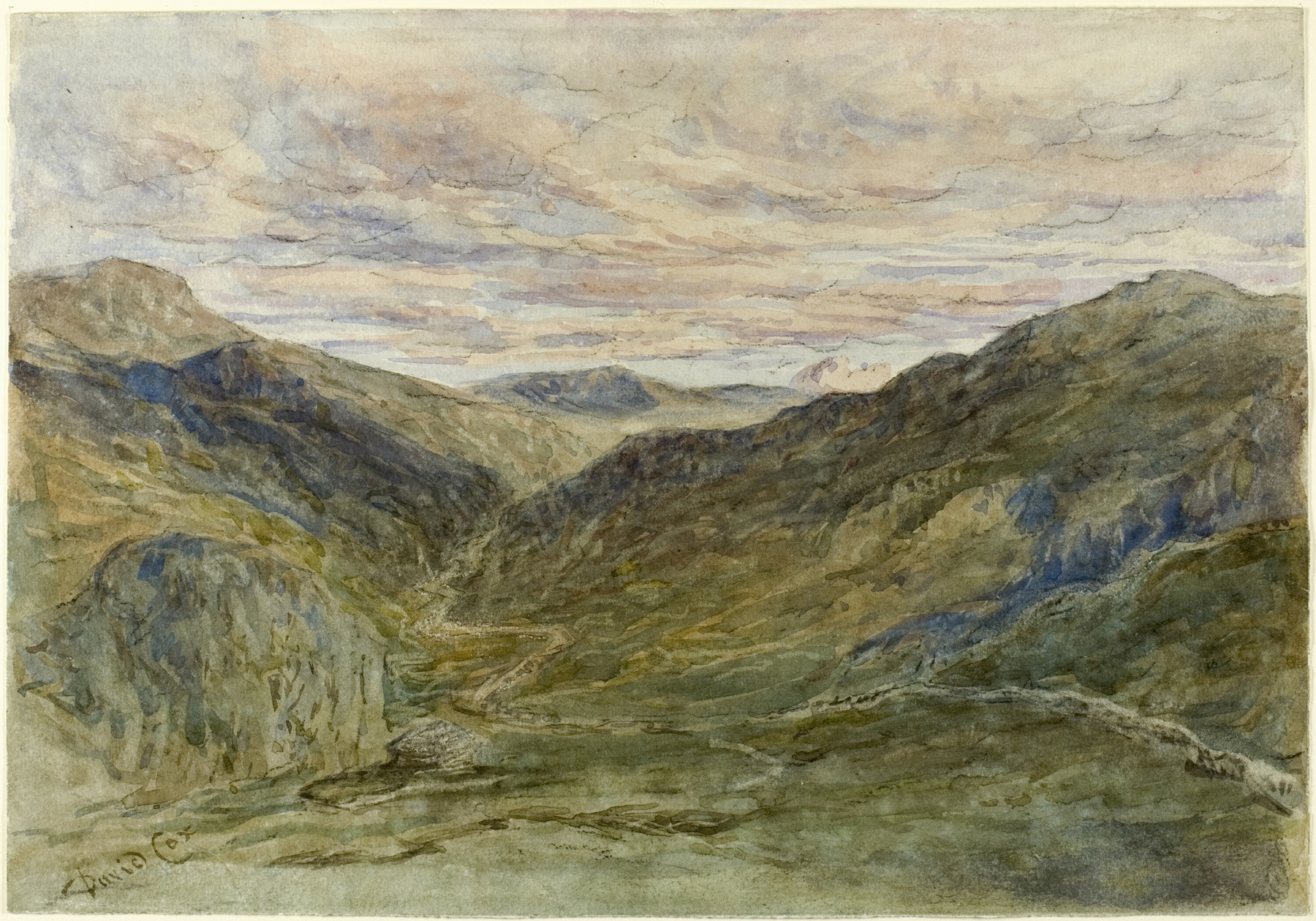
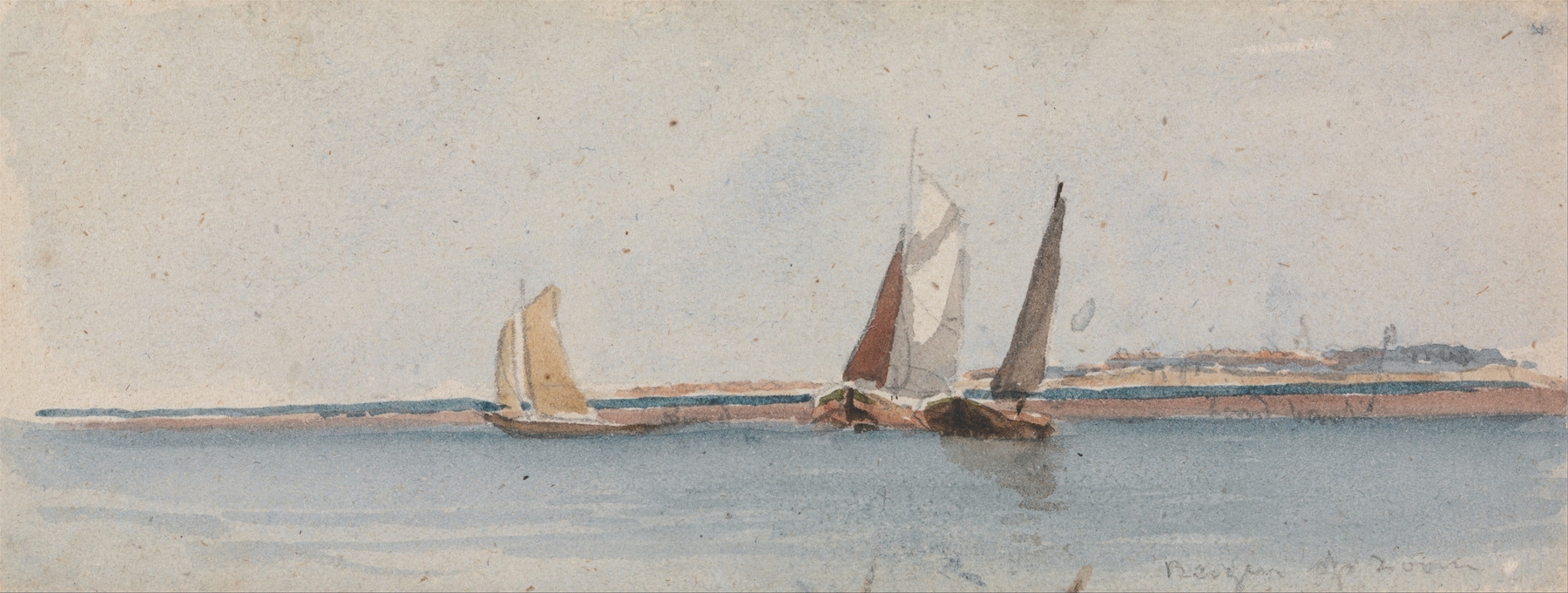
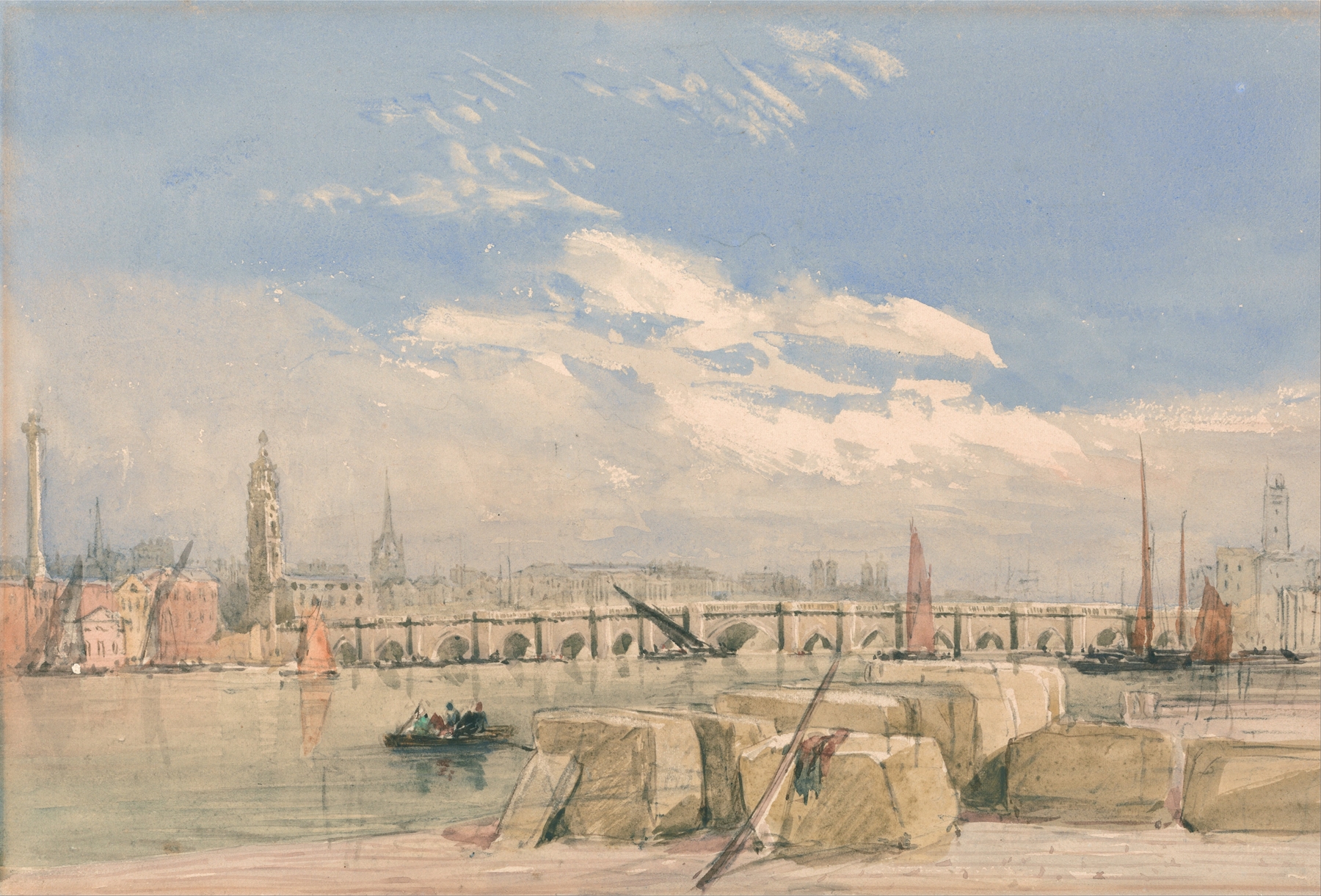
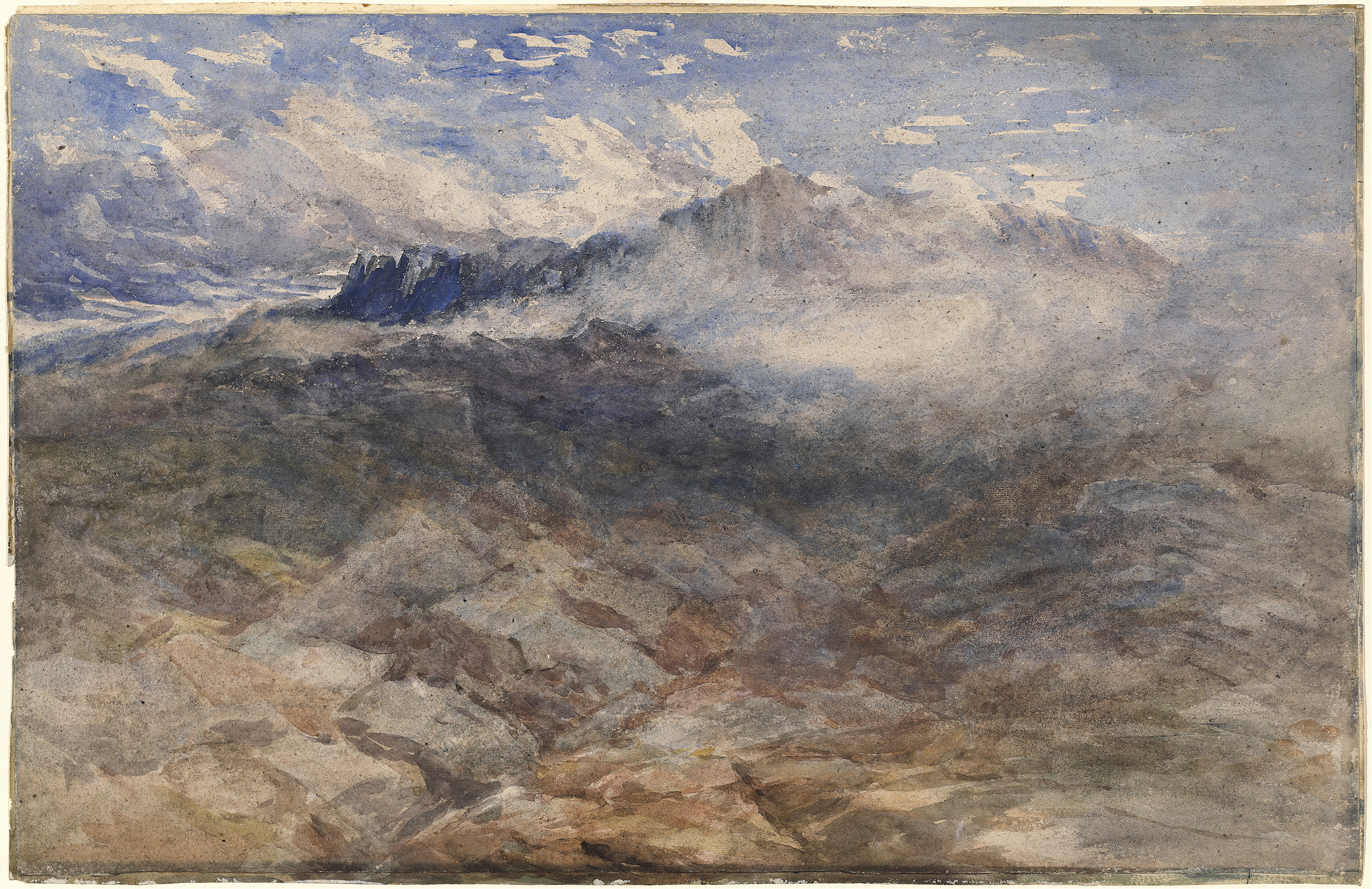
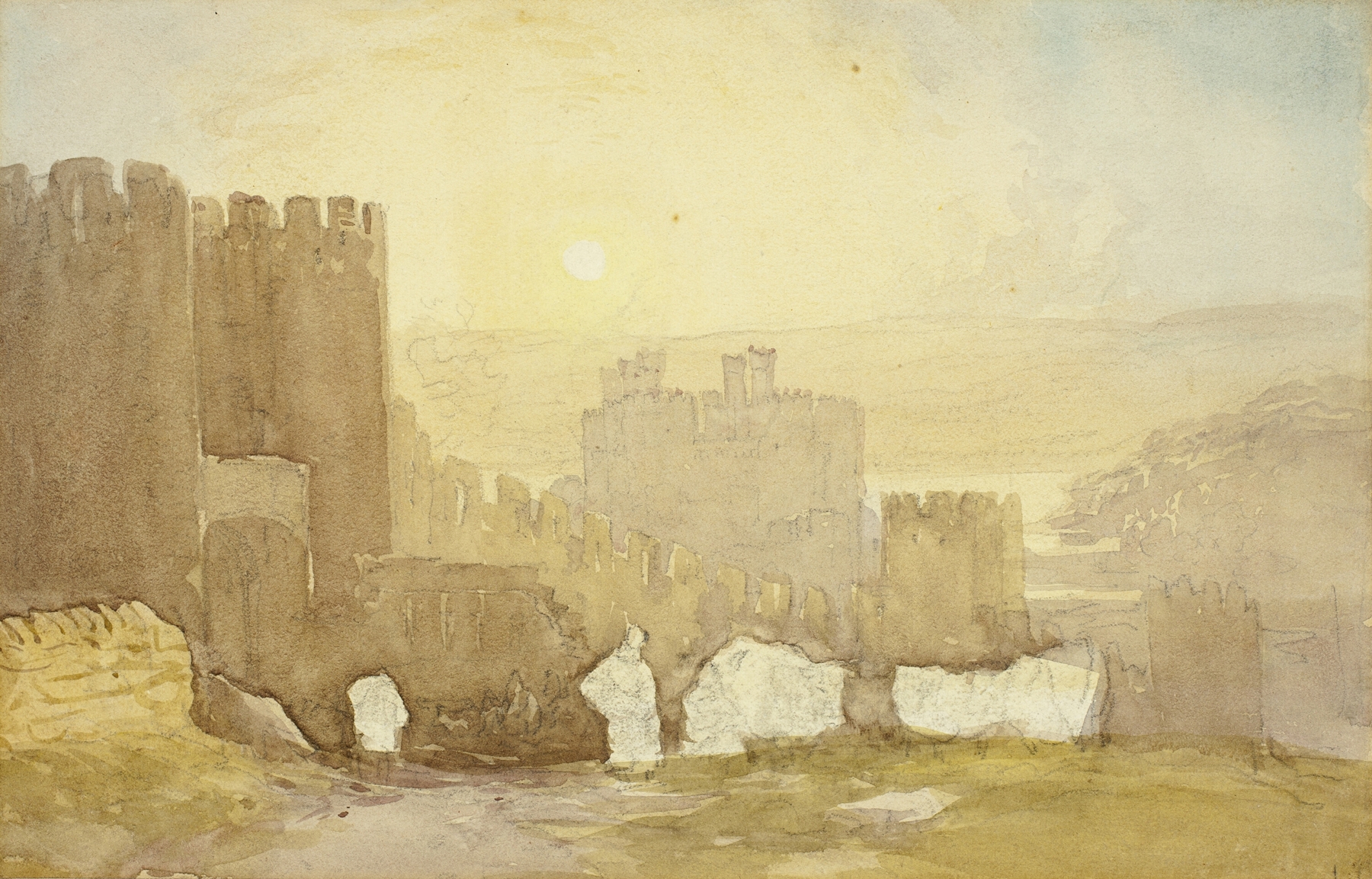
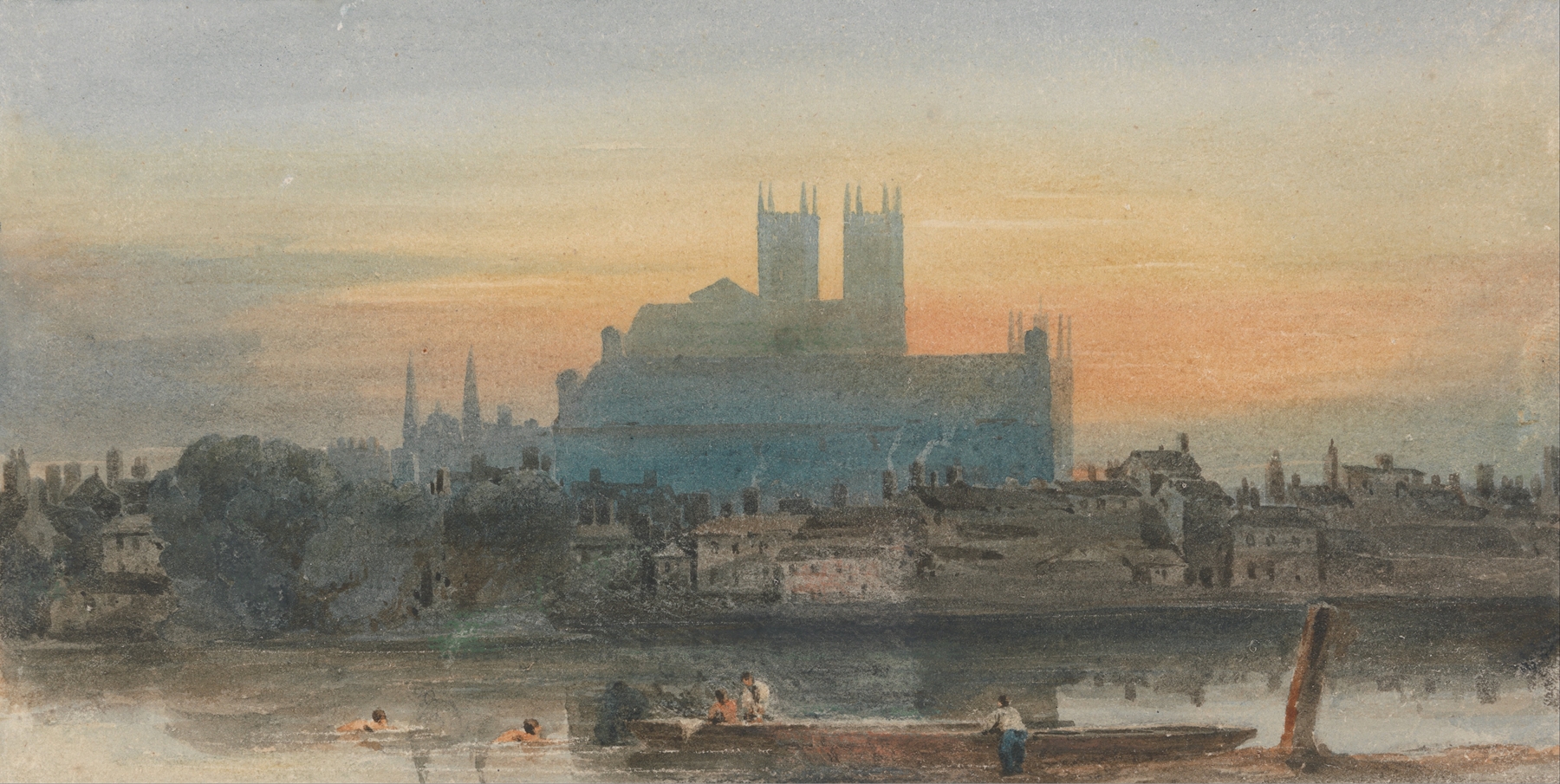
What if beauty was never meant to be finished? In the stillness of the landscape, silence envelops the viewer, inviting reflection on the nature of existence and the ephemeral moments that define it. Look to the left at the gentle curve of the river, where light dances upon the water’s surface, glistening like scattered diamonds. Notice how the distant abbey, nestled among the rolling hills, appears almost ghostly against the soft palette of muted greens and grays.
The composition draws the eye naturally from the foreground’s rich textures to the ethereal architecture, creating a harmonious balance between the vibrant earth and the serene sky. The juxtaposition of the imposing ruins and the tranquil environment evokes a poignant tension between decay and the beauty of nature's continuity. Each brushstroke reveals a story—a whisper of history lingering in the air, contrasting the abbey's permanence against the fleeting clouds drifting above. The interplay of light and shadow further amplifies this dichotomy, inviting contemplation on the passage of time and the silence that fills the spaces left behind.
David Cox painted this work in the late 1840s to 1857, a time when he was establishing himself within the British art scene. Living in a rapidly industrializing world, he sought refuge in the pastoral beauty of England, capturing the essence of nature's tranquility amid societal change. The period was marked by an appreciation for landscape painting, and Cox's work reflects a deep reverence for both the majesty of the natural world and the remnants of man’s creations, all steeped in serene silence.