Westminster from Lambeth — History & Analysis
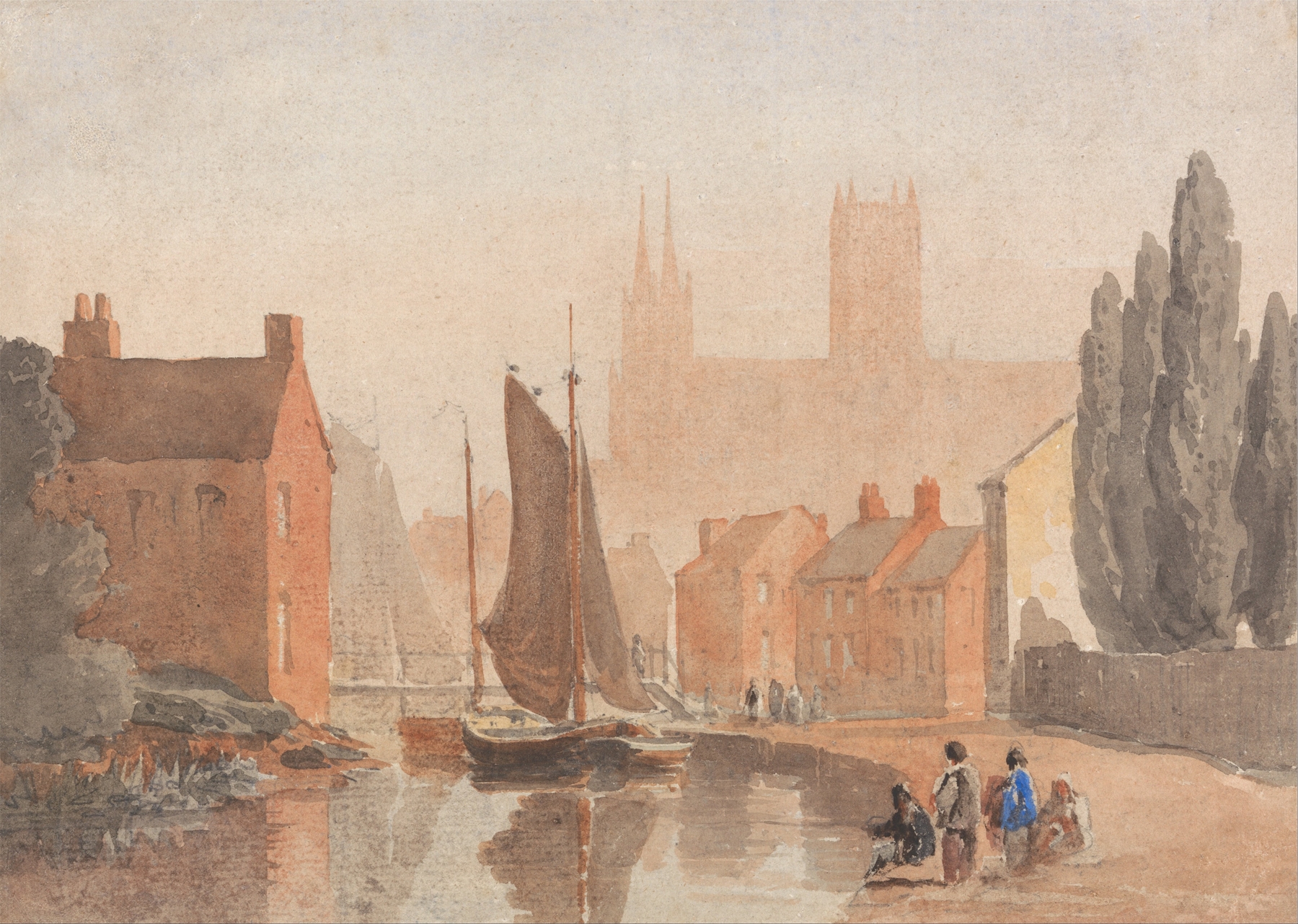
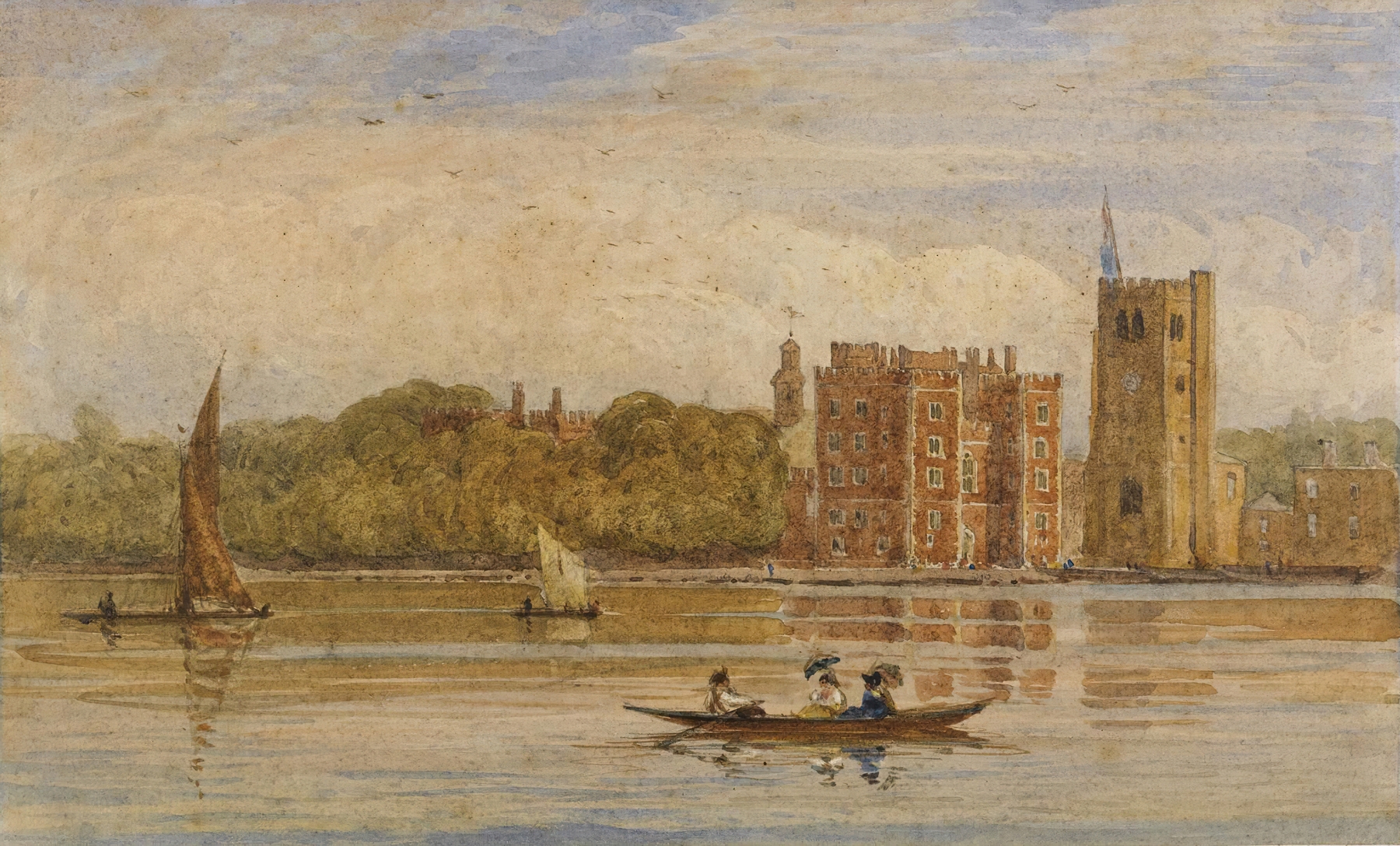
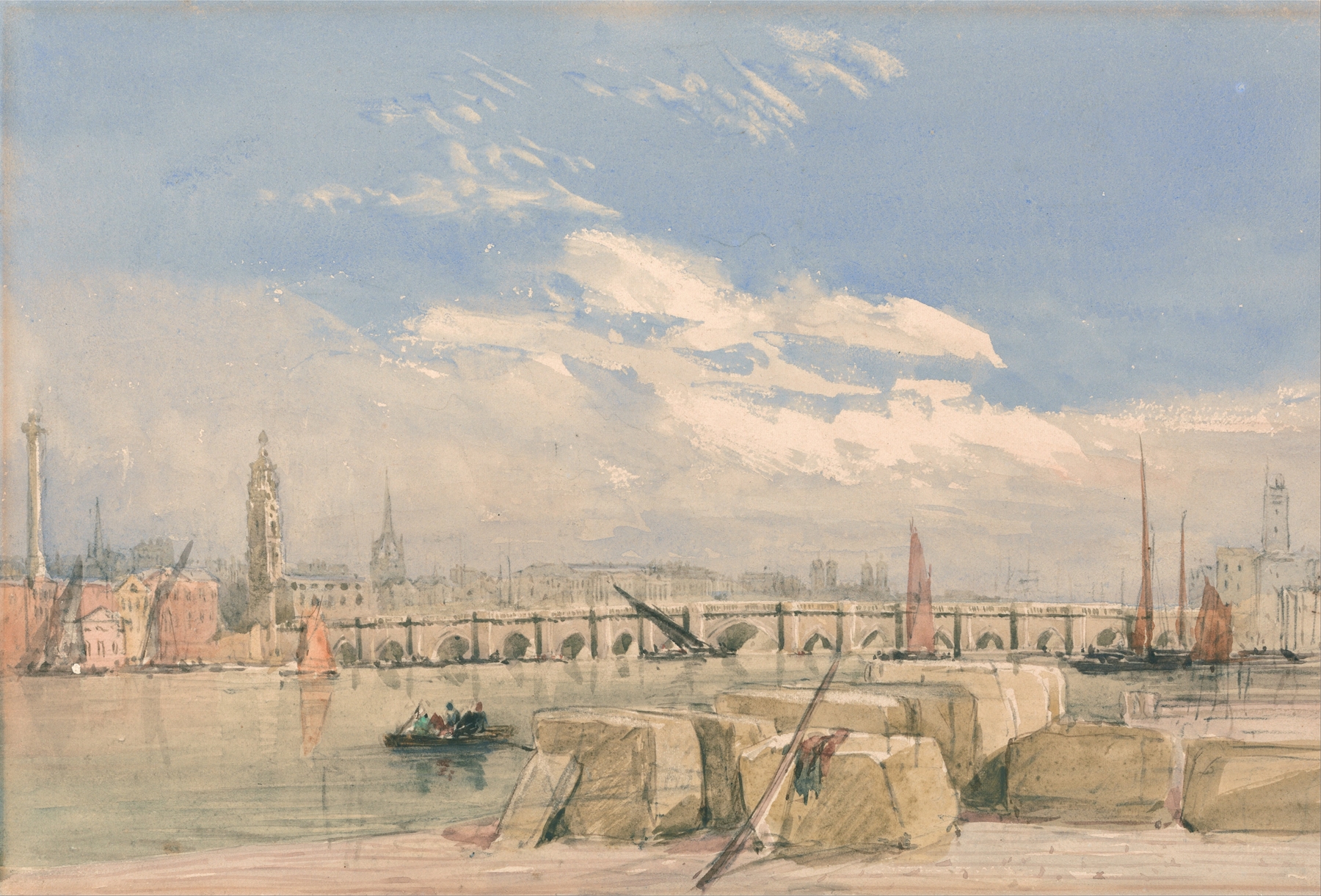
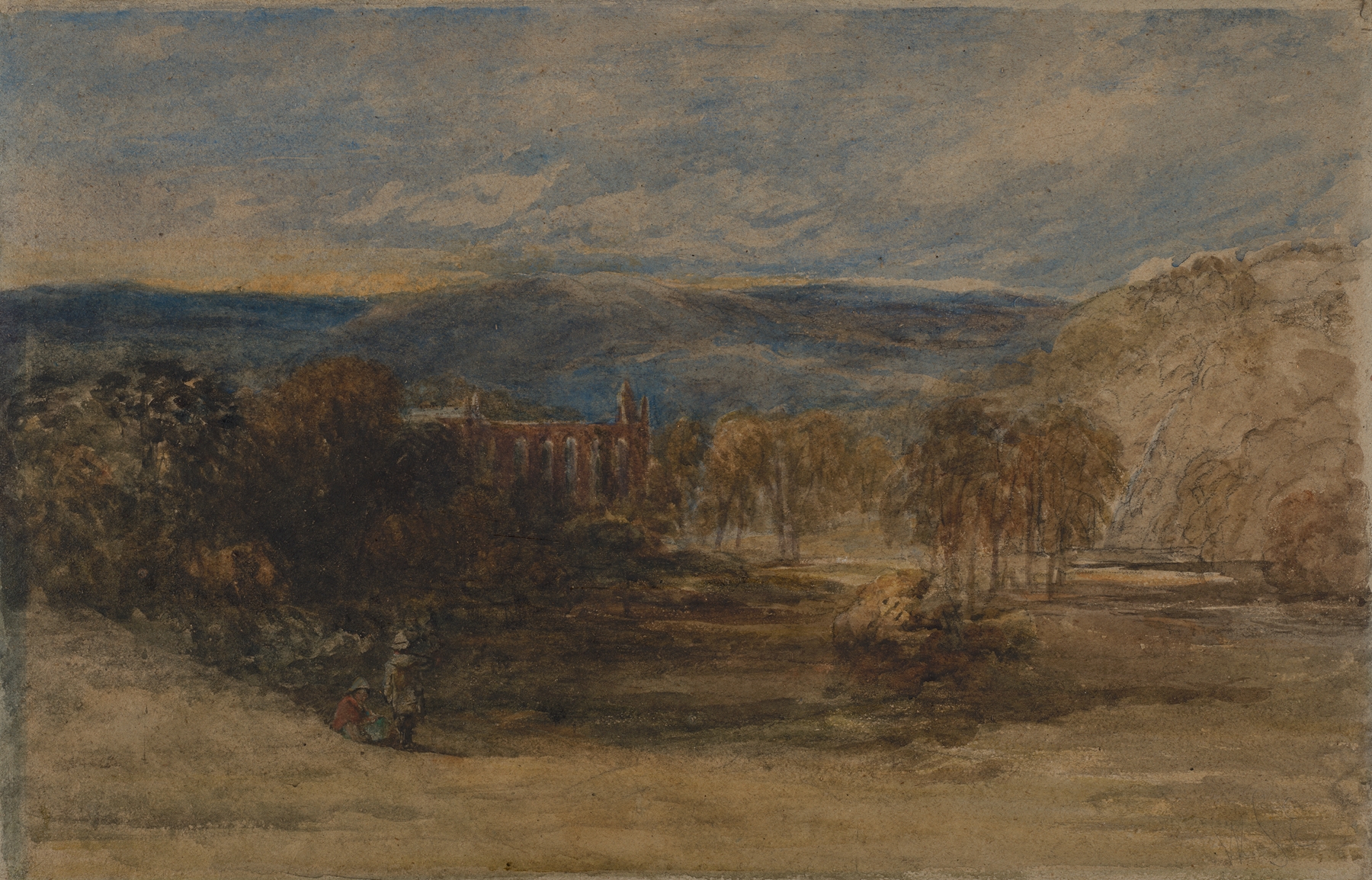
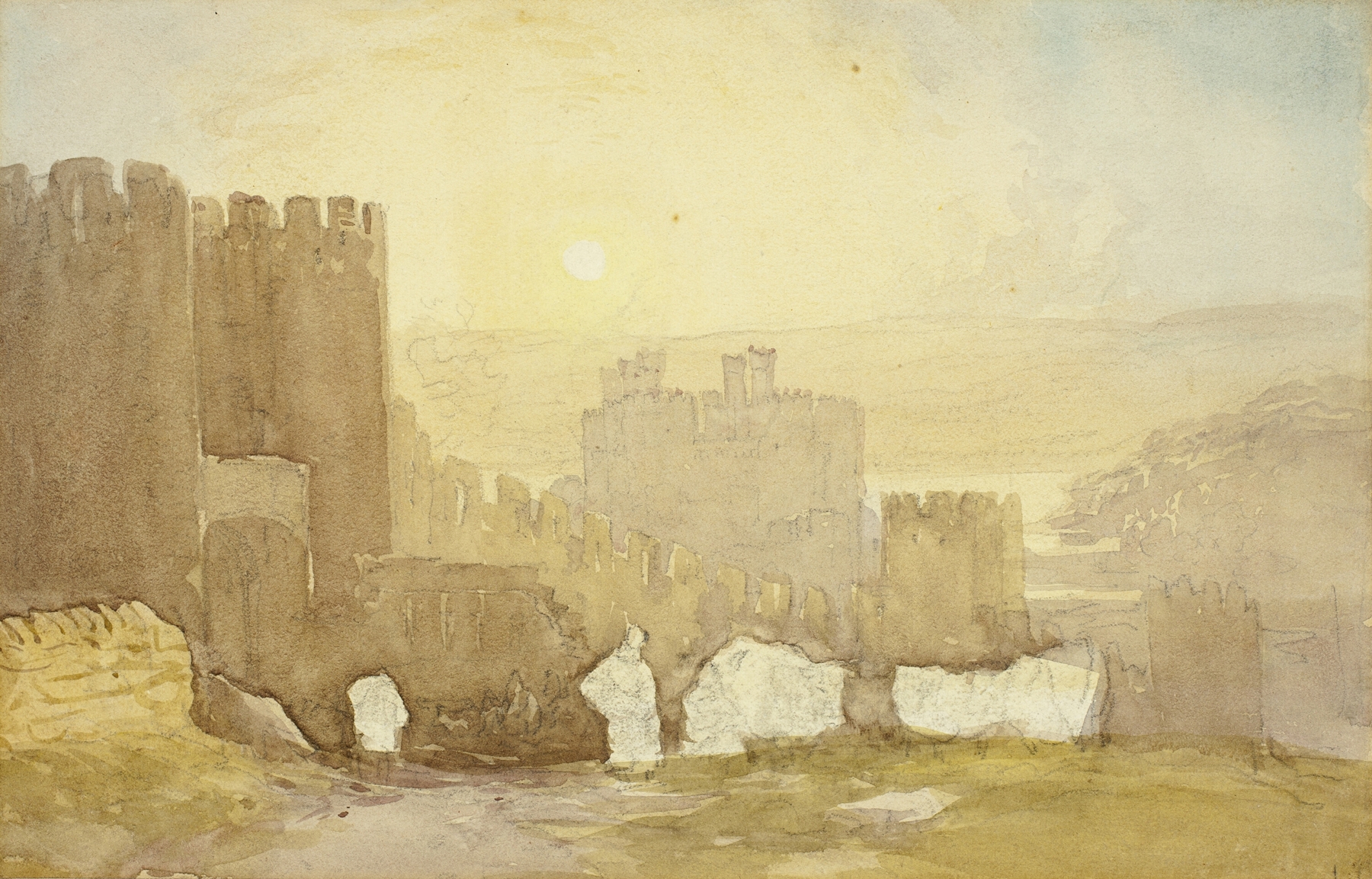
“Art reveals the soul when the world turns away.” In the tranquil embrace of twilight, a whisper of nostalgia hangs in the air, inviting us to reflect on moments both fleeting and eternal. Focus on the gentle sweep of the river as it flows through the composition, drawing your gaze toward the iconic silhouette of Westminster. The soft palette of blues and ochres evokes the warmth of a fading day, while clouds cradle the last golden rays of sunlight, casting a nostalgic glow across the scene. Notice how the brushstrokes mimic the undulating water, capturing both the stillness and movement that define life along the Thames.
Hidden within this serene vista are layers of emotional tension. The juxtaposition of the bustling city against the peaceful water hints at the passage of time and the dichotomy of human progress versus nature's calm. The shadows cast by the foreboding buildings contrast sharply with the luminous sky, suggesting an underlying longing for the simplicity of bygone days, a yearning that resonates deeply with the viewer.
In 1813, David Cox was carving out a reputation as a landscape painter in England, navigating the artistic currents of the Romantic movement. His focus on natural beauty and the emotional depth of scenery was gaining popularity, reflecting a society caught between industrialization and a desire for pastoral nostalgia. This work stands as a testament to his ability to convey the profound connection between humanity and nature during a time of significant change.