London Bridge — History & Analysis
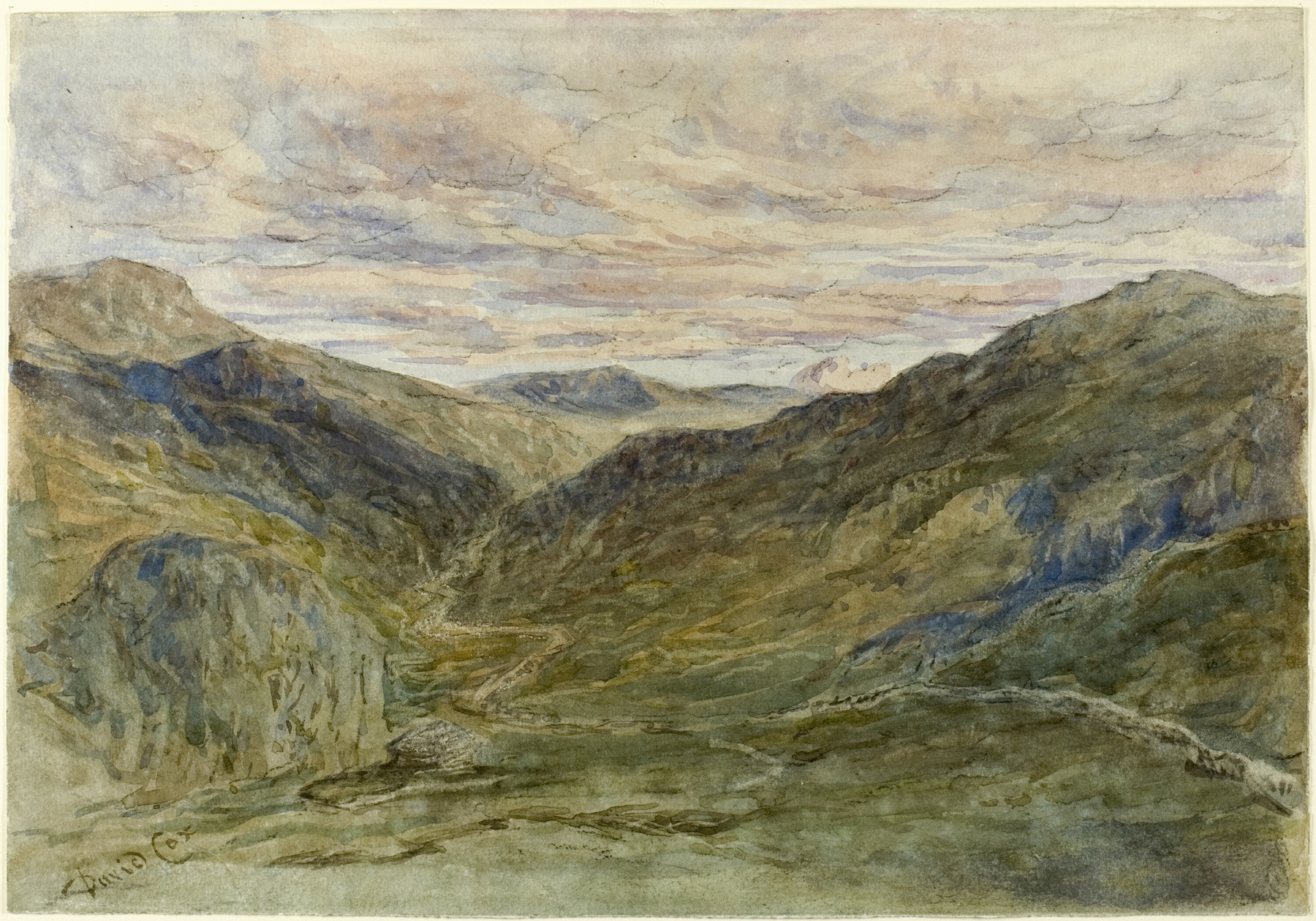
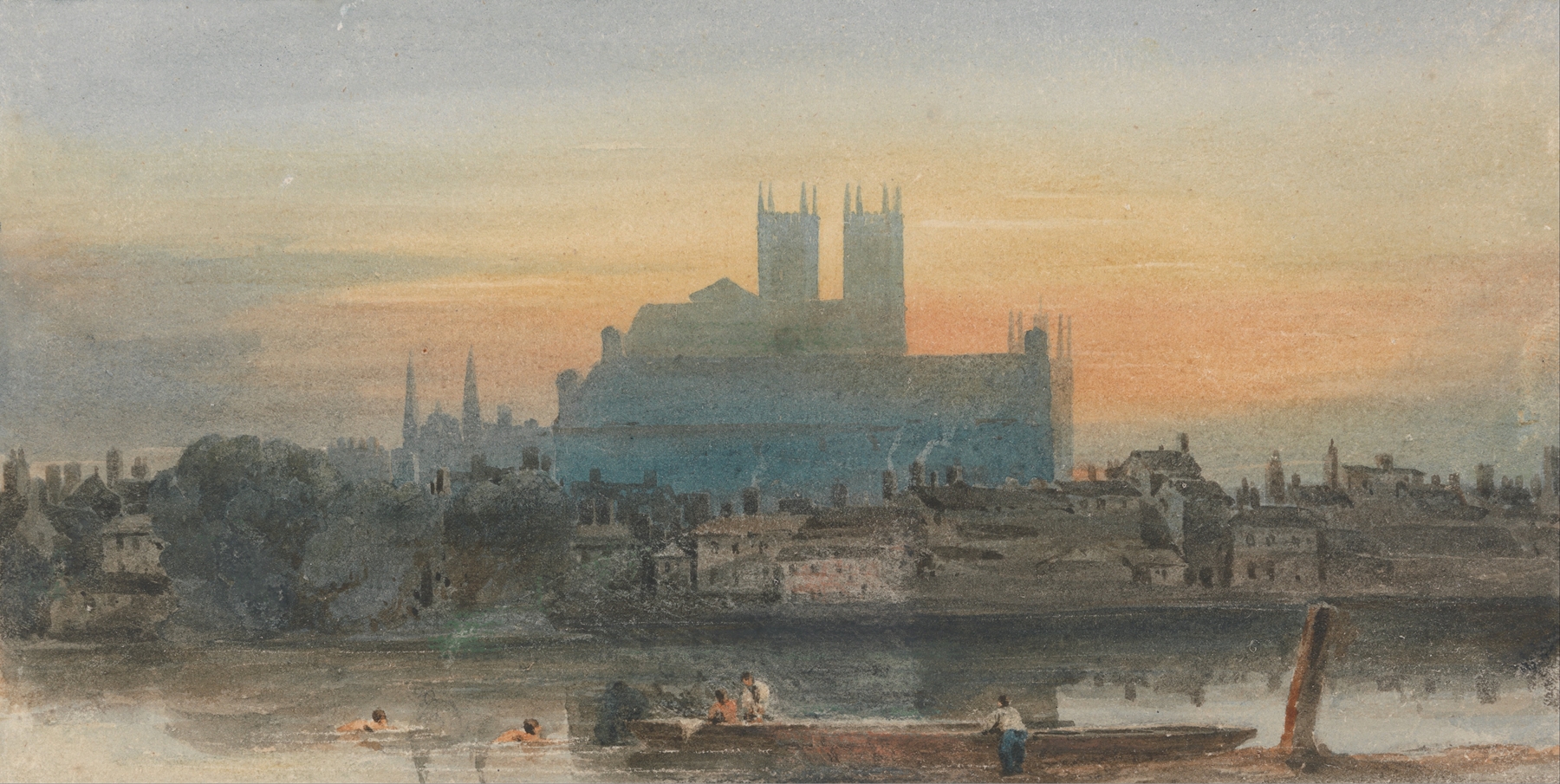
“Between color and silence, truth hides.” In the embrace of solitude, we find a poignant reflection of the human experience. Focus your gaze on the muted hues of gray and blue that envelop the canvas, establishing an atmosphere steeped in melancholy. Look to the center, where the skeletal structure of London Bridge rises against an expansive sky, hinting at the ghosts of countless stories it has witnessed. The brushstrokes are fluid yet deliberate, imparting a sense of motion to the water below, while the distant figures appear as mere shadows, emphasizing a profound loneliness amidst the grandeur of the bridge.
Hidden within this scene is the contrast between the bustling life surrounding the iconic structure and the poignant solitude that lingers in its presence. The bridge, a symbol of connection, stands as a paradox—inviting yet isolating, a witness to both the passage of time and the solitary figures navigating their paths. The interplay of light and shadow accentuates this emotional tension, revealing layers of human experience intertwined with a sense of yearning for connection.
Before 1831, David Cox was immersing himself in the vibrant yet challenging landscape of British art, where Romanticism began to flourish. During this period, he captured the evolving nature of the natural world alongside the man-made structures that defined society. The artist, grappling with personal and artistic transformations, sought to bridge the gap between the grandeur of his subjects and the intimate emotions they elicited, allowing London Bridge to resonate deeply with the viewer’s own experiences of solitude and reflection.