Sunrise, Conway Castle — History & Analysis
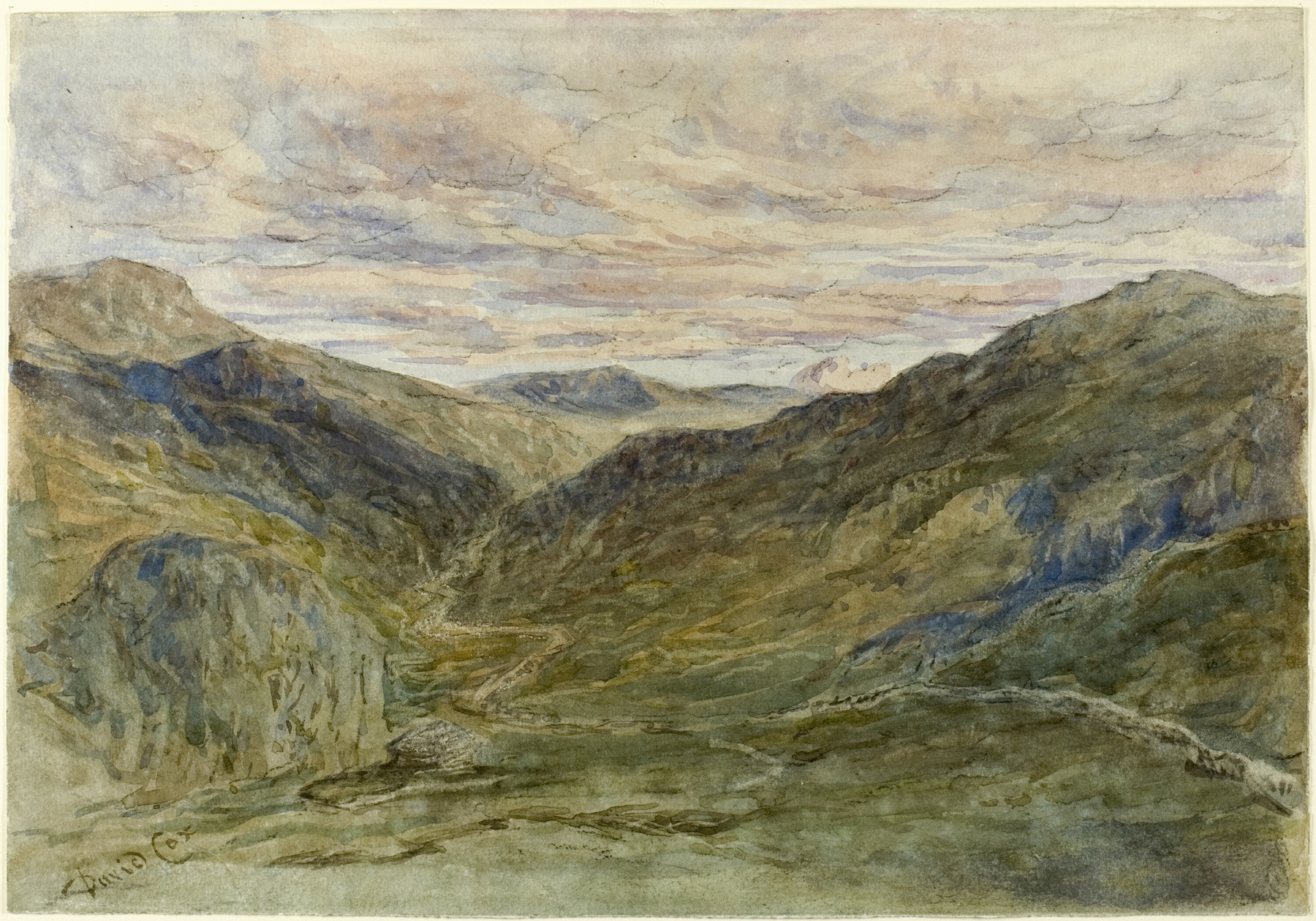
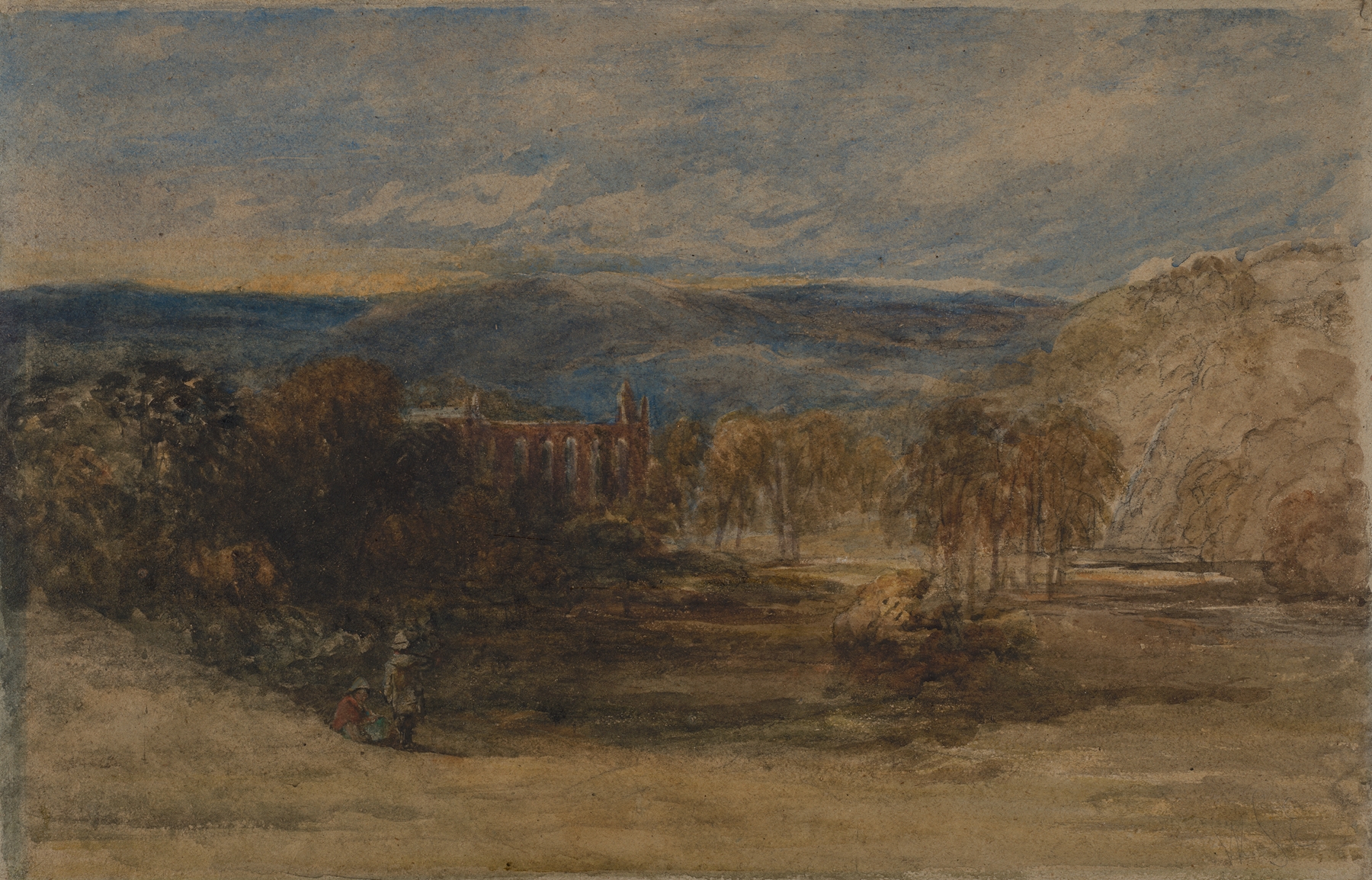
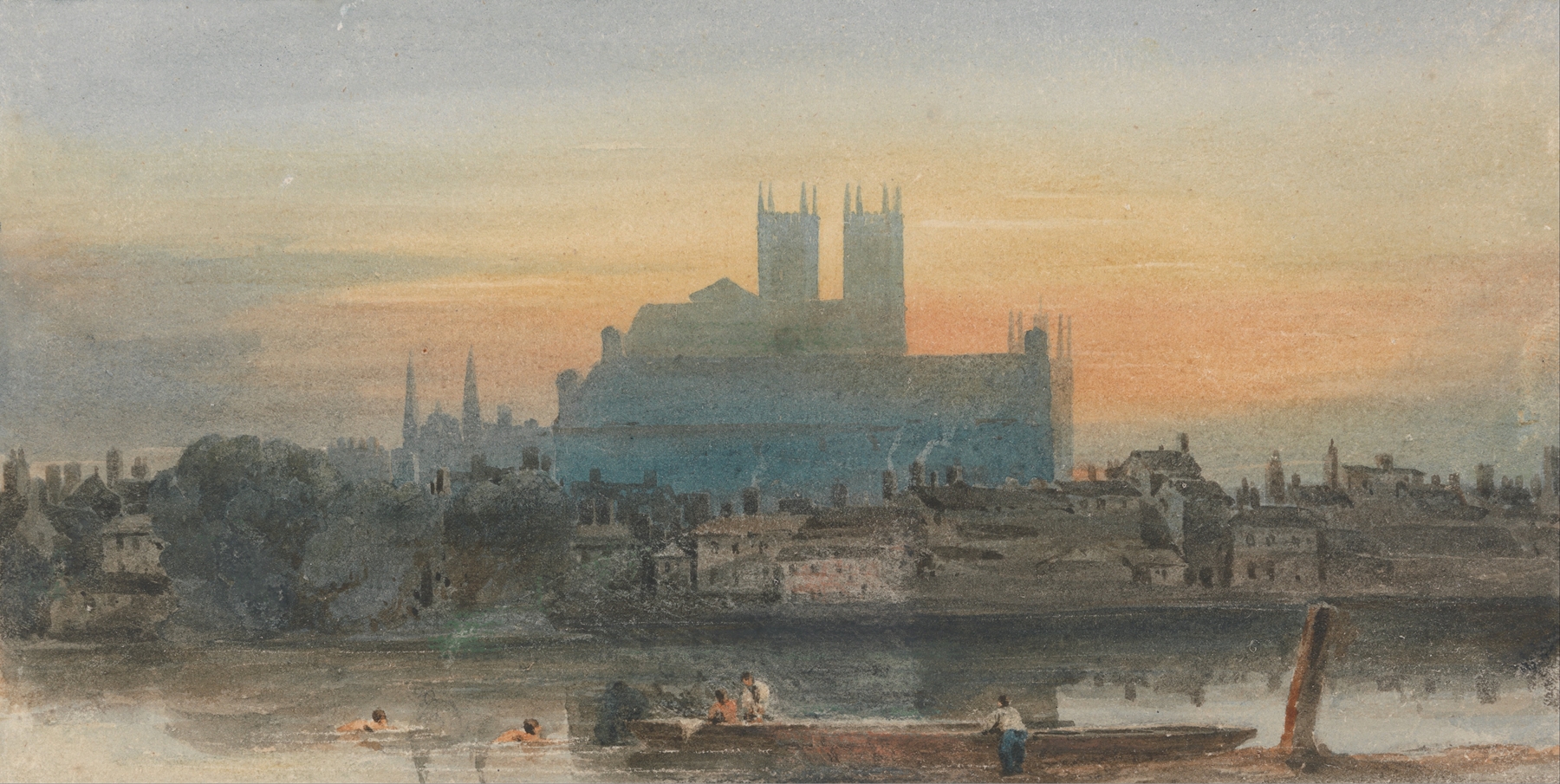
“To paint is to remember what time wants us to forget.” In Sunrise, Conway Castle, the fleeting beauty of dawn envelops history, urging us to contemplate the ephemeral nature of existence. Here, the rising sun casts a golden hue over the ancient stone, hinting at moments long past yet ever-present, as if inviting us to witness the transition between night and day, memory and reality. Look to the left at the castle’s towering spires, silhouetted against a sky brushed with soft pastel colors. Notice how the light dances on the water’s surface, creating shimmering reflections that mirror the ethereal quality of dawn.
The delicate blending of warm oranges, gentle pinks, and cool blues evokes a sense of tranquility, while the intricate details on the castle’s architecture speak to the artist's meticulous technique and keen observation of light. Within this serene landscape, tensions emerge between permanence and transience. The castle, steadfast yet softened by the morning light, embodies the weight of history, while the delicate interplay of light and shadow captures the fleeting moment of sunrise. This contrast elicits a contemplative reflection on our own passage through time—beautiful yet fragile, ever-changing yet rooted in the past.
In 1830, David Cox created this evocative scene during a period marked by a shifting artistic landscape in Britain, grappling with the rise of Romanticism. His focus on nature and emotional resonance mirrored broader movements of the time, as artists sought to break free from convention and embrace a more personal, expressive style. It was a moment of transformation, where the natural world became a canvas for transcendent reflection.