Crossing Lancaster Sands — History & Analysis
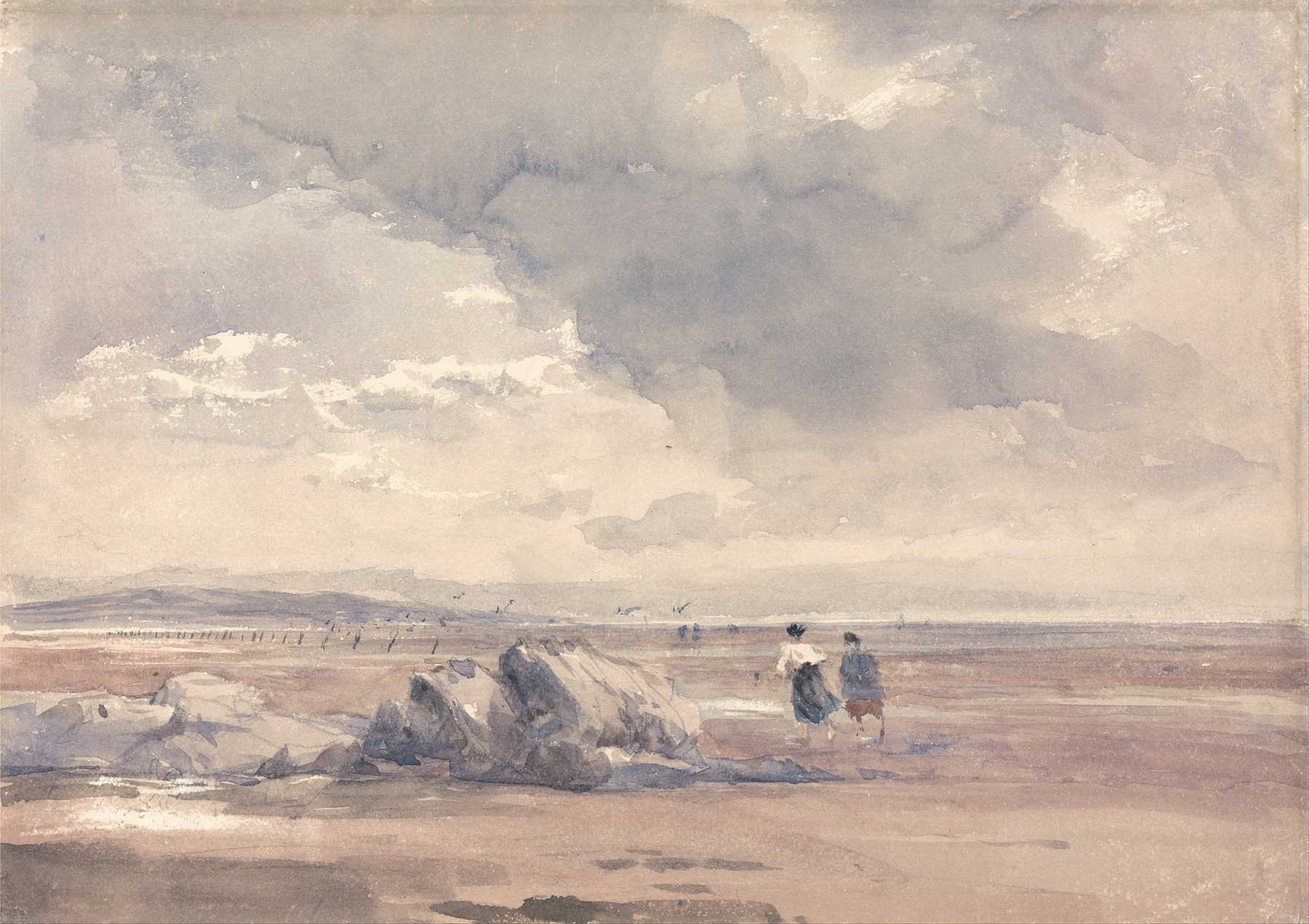
“Every silence here is a confession.” In the quiet realms of art, madness often lurks beneath the placid surface, begging for release. Crossing Lancaster Sands captures a moment suspended between reality and the echoes of the mind’s chaos. Look closely at the distant figures trudging across the vast, shifting sands. Their weary forms are dwarfed by the expansive sky, a tapestry of tumultuous clouds swirling with hues of gray and ochre.
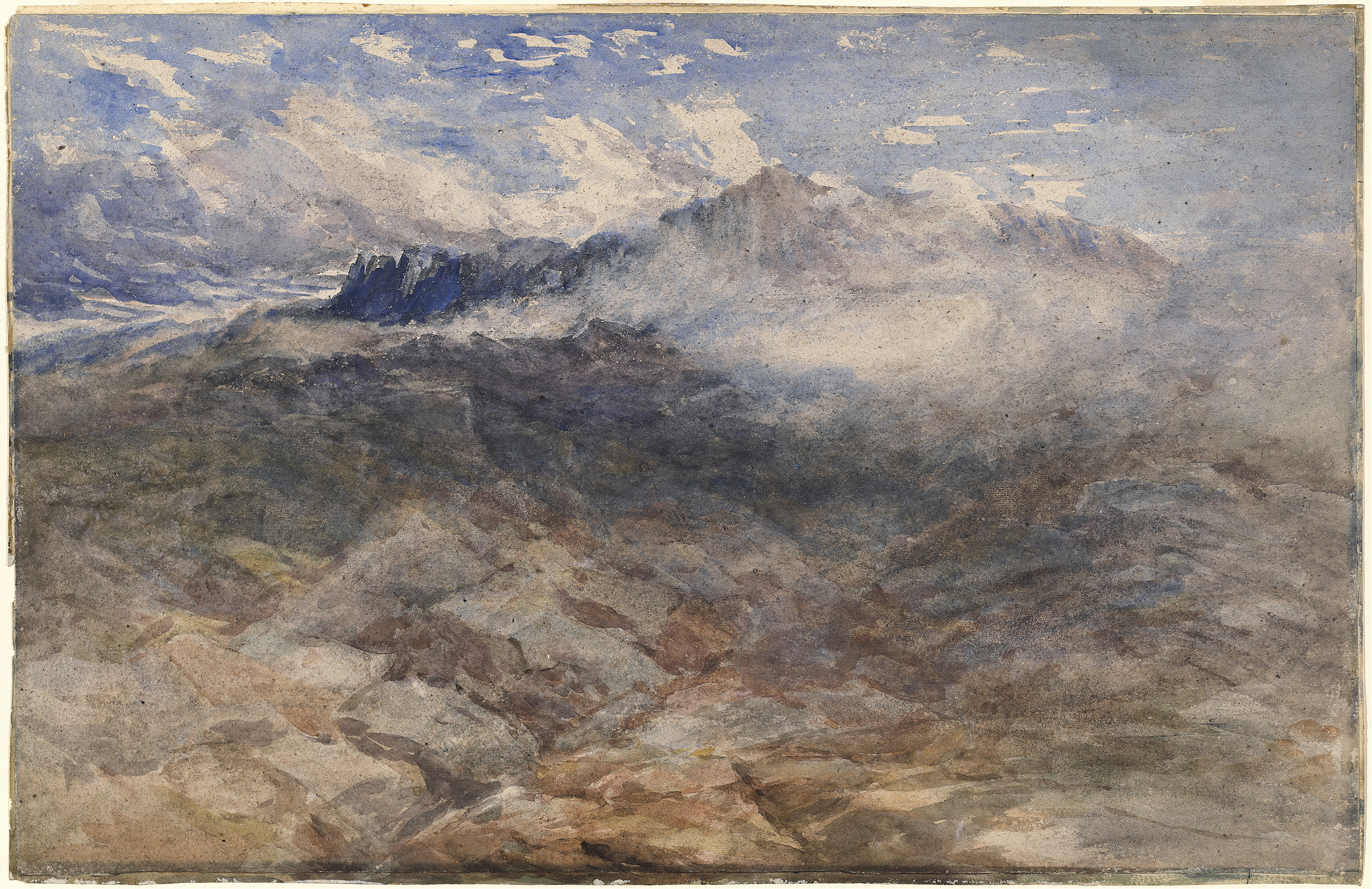
Notice how the brush strokes create a sense of movement, the clouds looming ominously above, hinting at an impending storm that threatens to engulf the fragile human presence below. The subtle interplay between light and shadow amplifies the tension, reflecting a struggle that transcends mere physicality. In the midst of this pastoral scene, the juxtaposition of human vulnerability against nature's indifference emerges strikingly. The figures, seemingly lost in their journey, evoke a sense of isolation and frenzy, as if the landscape itself is a manifestation of their inner turmoil.
Each footstep on the sands reverberates with the weight of overwhelming solitude, suggesting that madness isn’t always loud; sometimes, it whispers in the silence of the vast expanse. During the mid-1830s, while creating this piece, David Cox was navigating his own artistic evolution in the wake of Romanticism’s rise. Living in England, he was influenced by the burgeoning interest in landscape painting, often exploring the raw power of nature. This work reflects the emotional depth and uncertainty of the period, capturing not just the beauty of the landscape, but also the psychological conflicts that accompany human existence.