Brazilian Landscape with a Worker’s House — History & Analysis
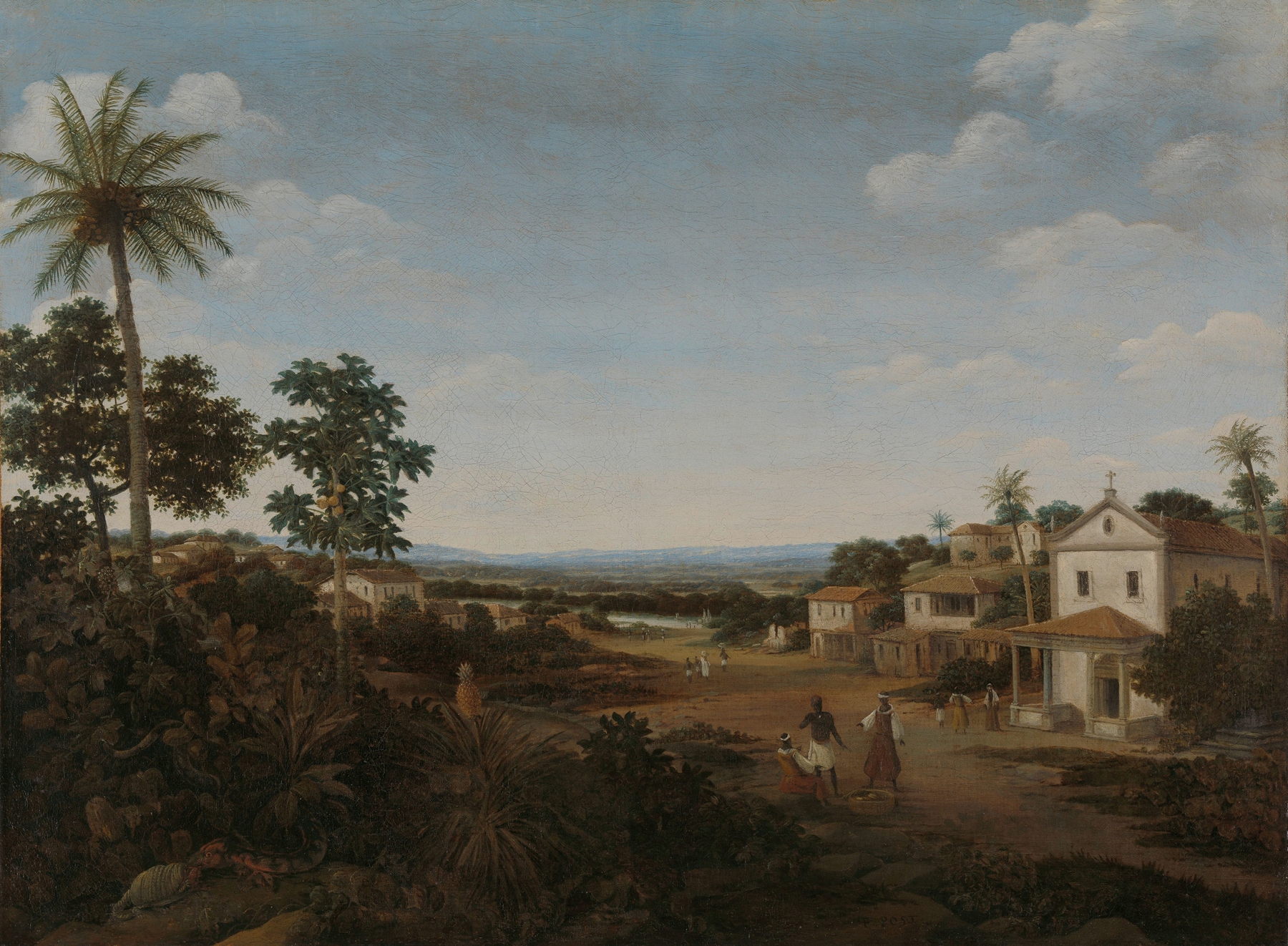
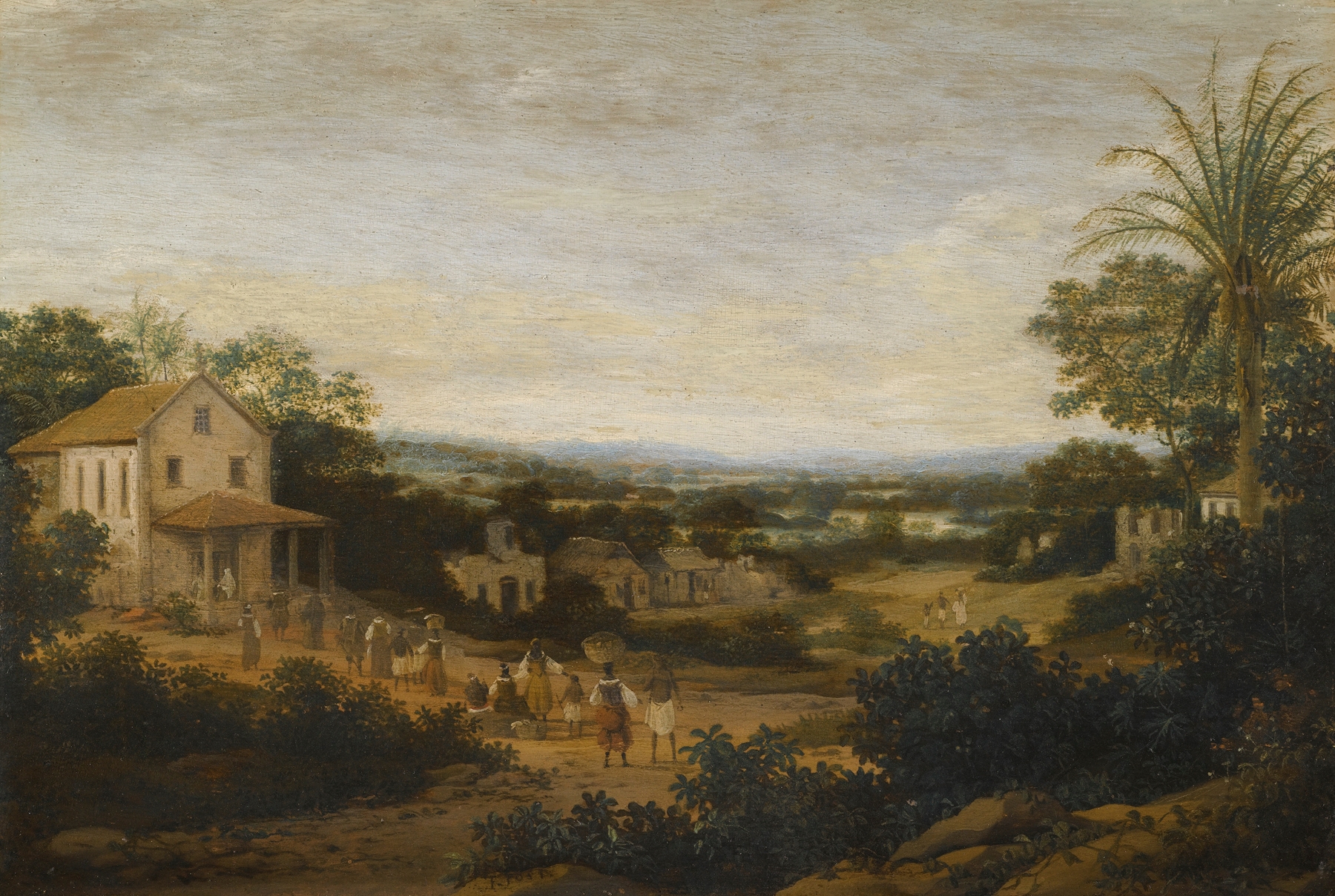
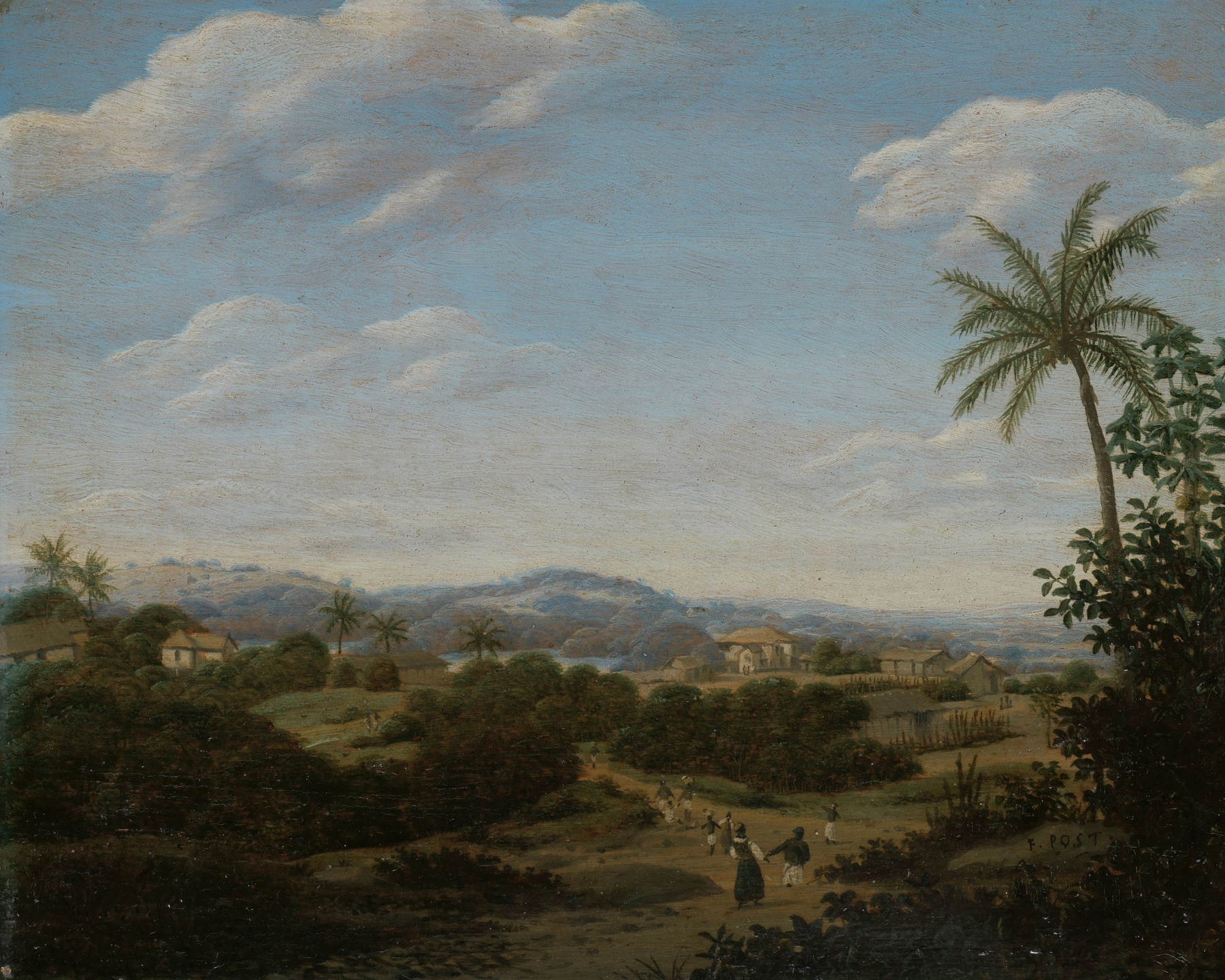
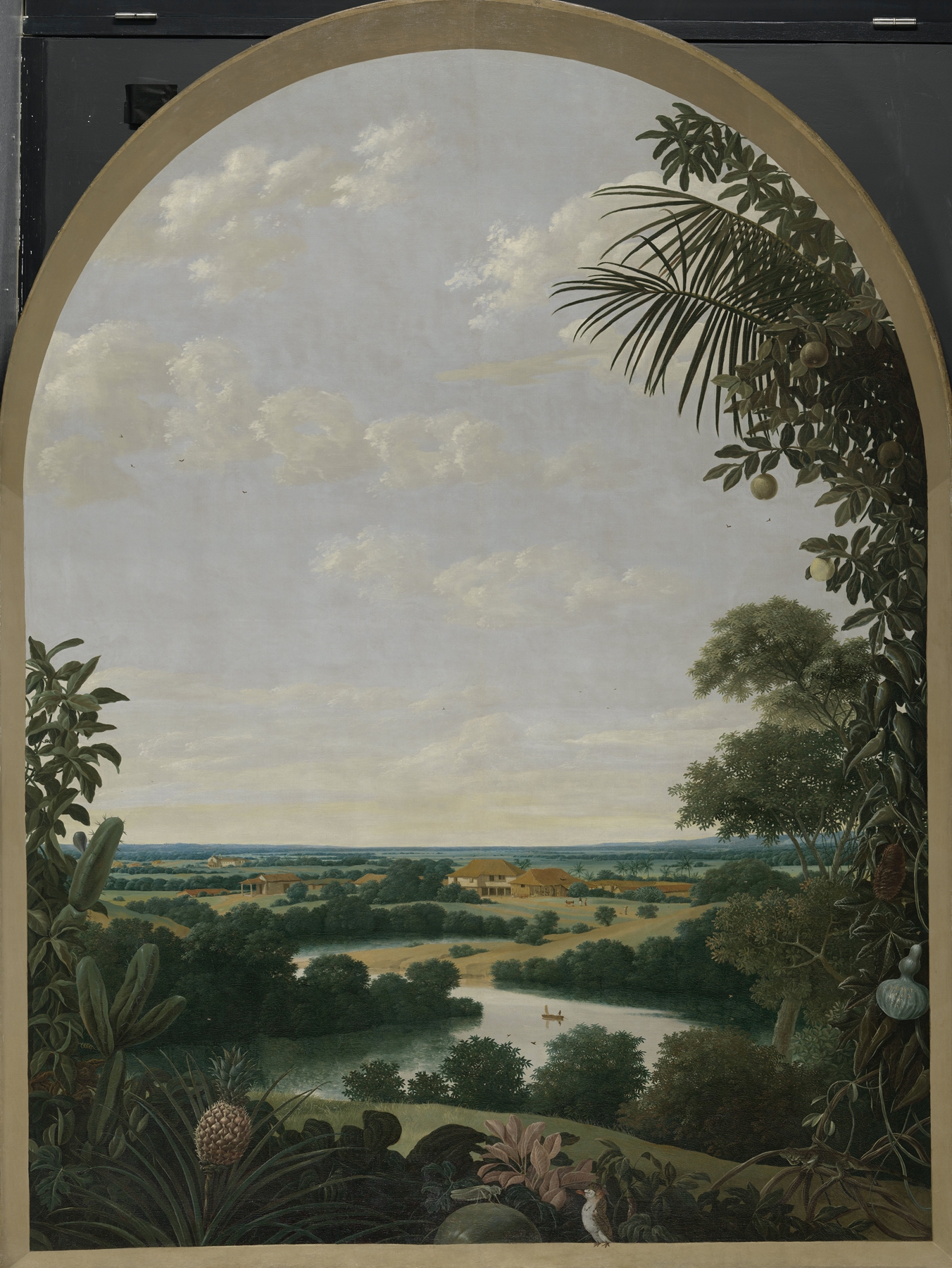
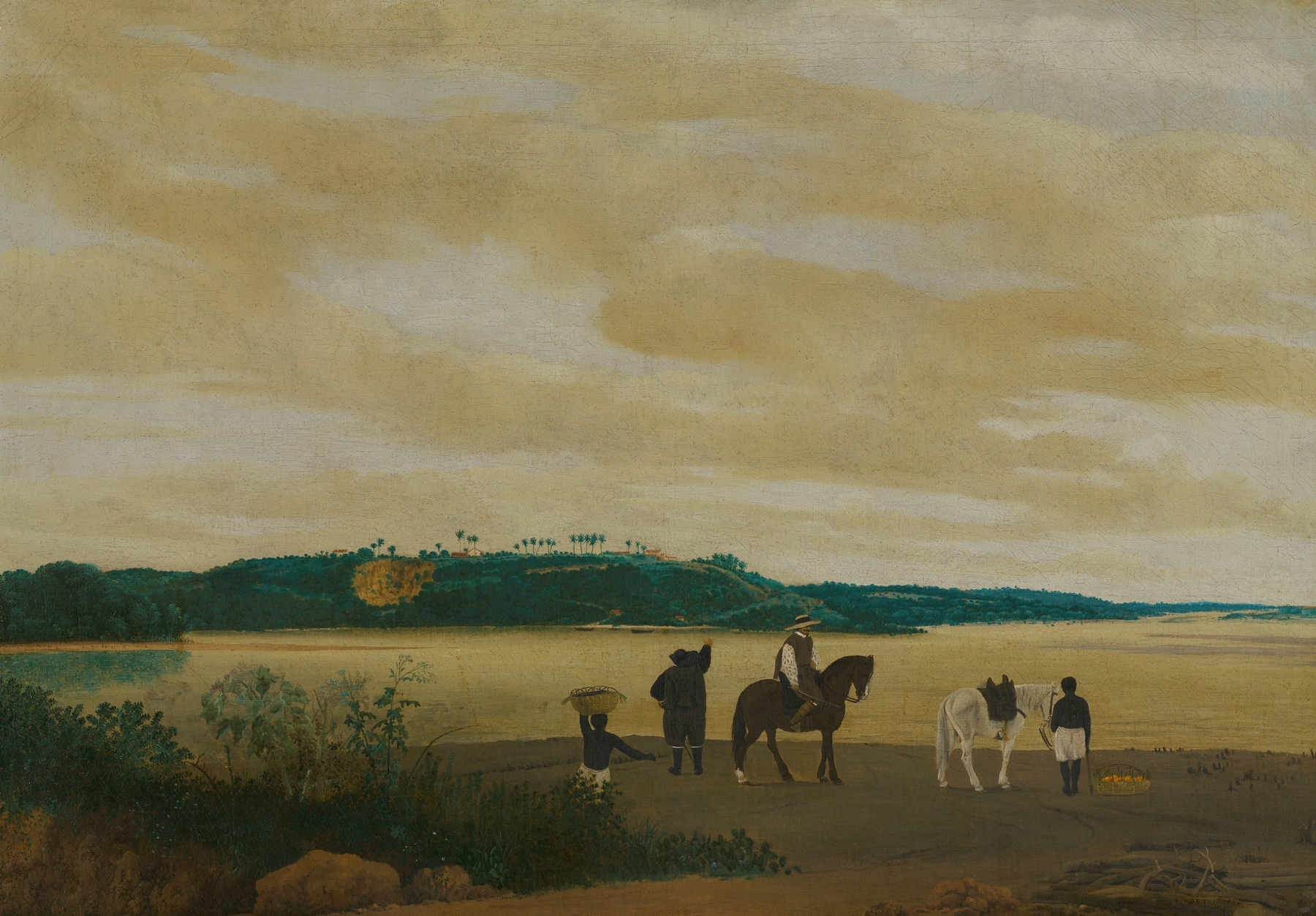
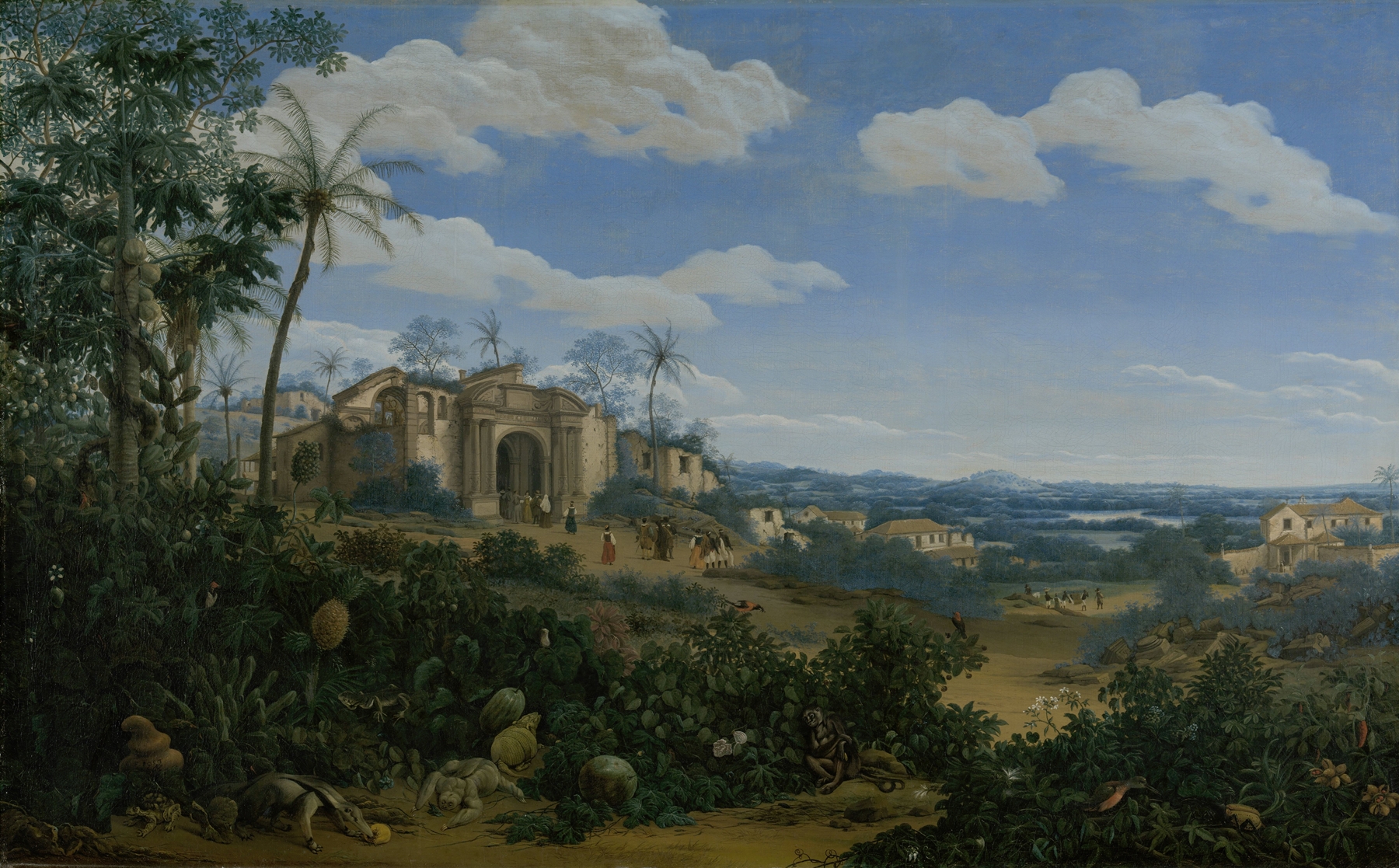
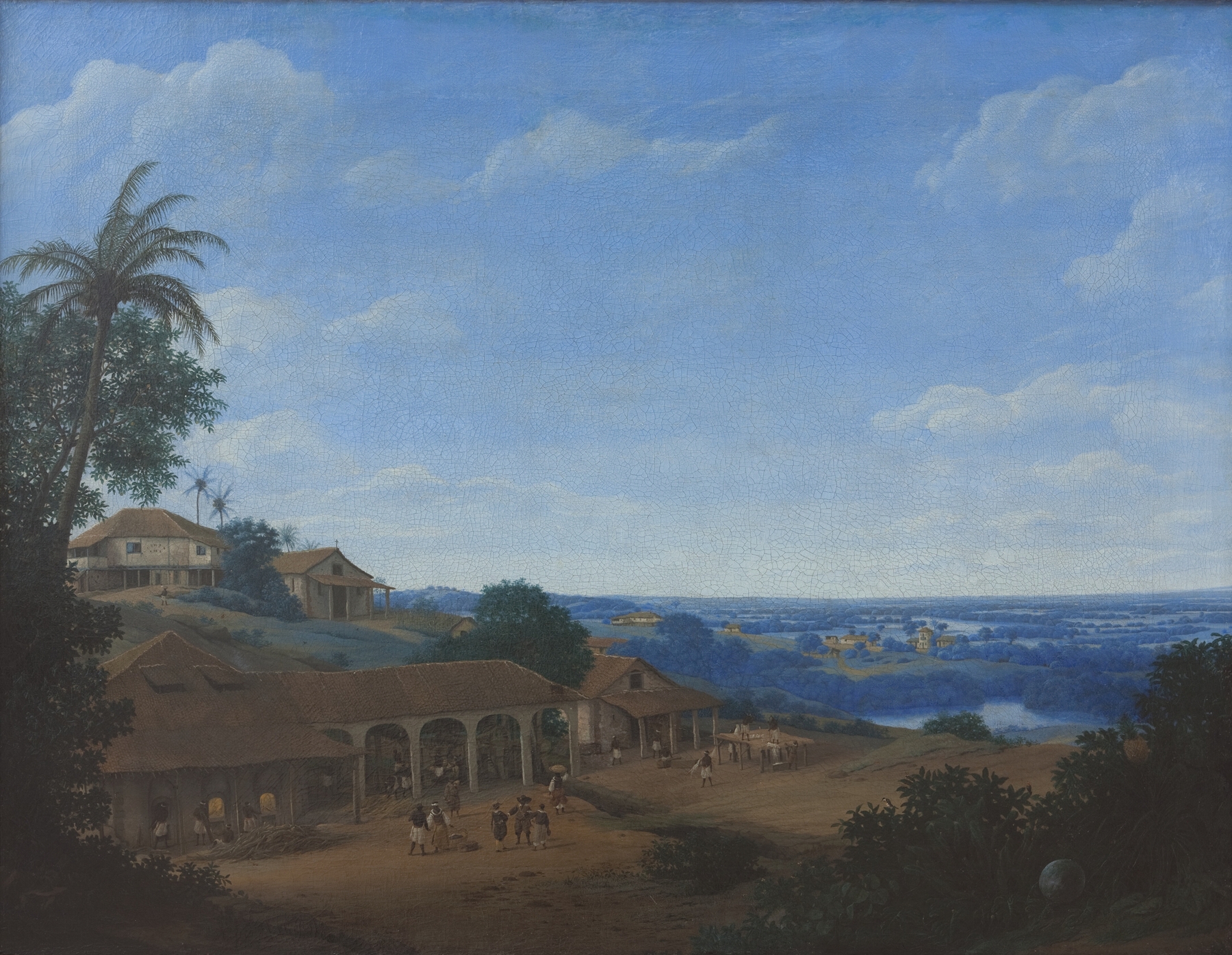
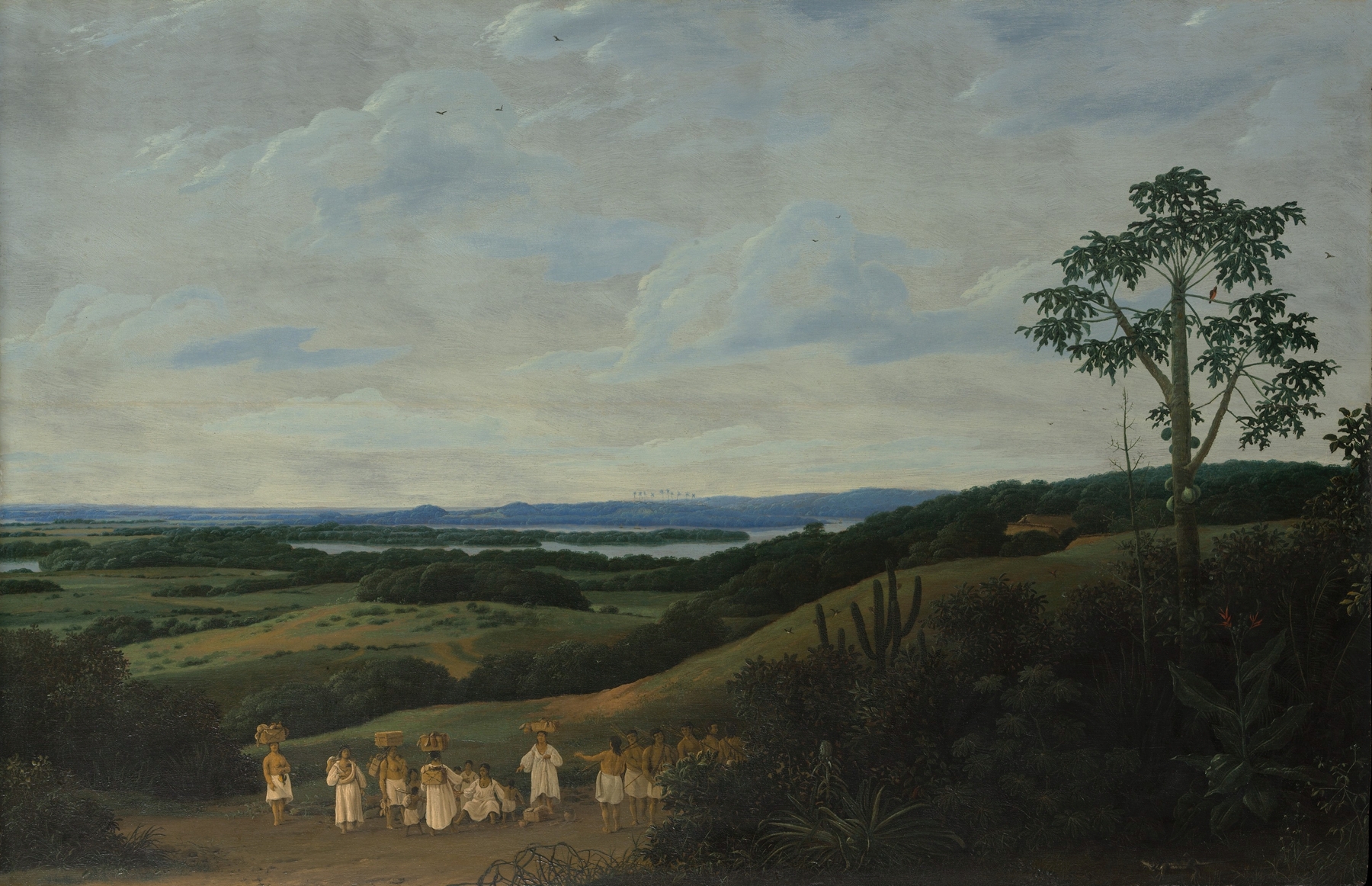
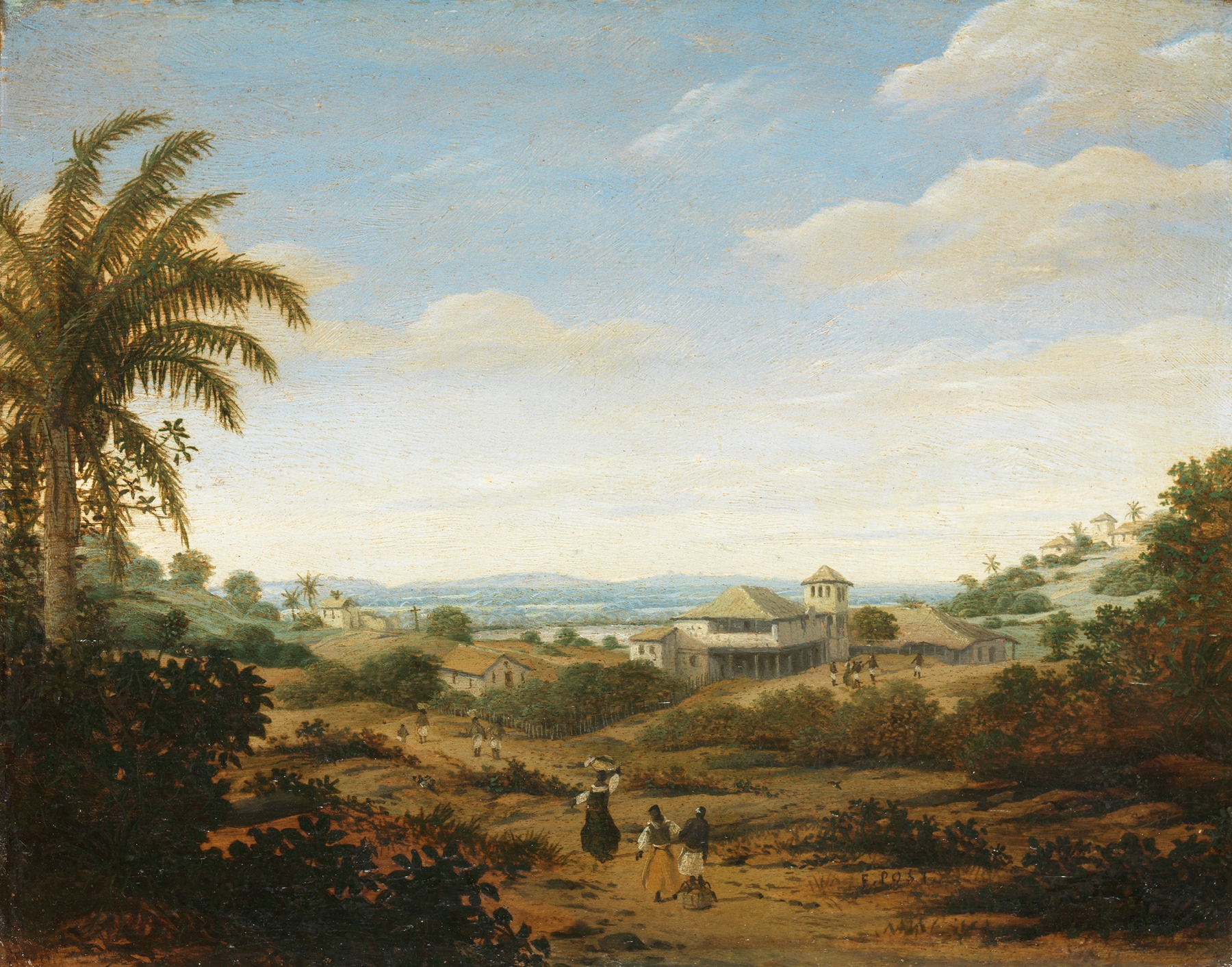
What if silence could speak through light? In Brazilian Landscape with a Worker’s House, the canvas resonates with a divine stillness that invites contemplation and reverence. Focus your gaze on the tranquil horizon where lush greenery meets the expansive sky, an interplay of soft blues and warm earth tones. Notice how the gentle brushstrokes create a harmonious blend of natural elements, with the worker's house nestled among palm trees, a testament to human existence within the vast wilderness.
The light, filtering through the branches, casts delicate shadows that breathe life into the scene, drawing your attention to the calm yet industrious spirit of the land. Delve deeper into the contrasts present in this work. The modest worker's house stands as a symbol of resilience amidst the grandeur of nature, highlighting the relationship between humanity and the environment. The vibrant foliage juxtaposes the subtle hues of the structure, suggesting a nurturing coexistence rather than domination.
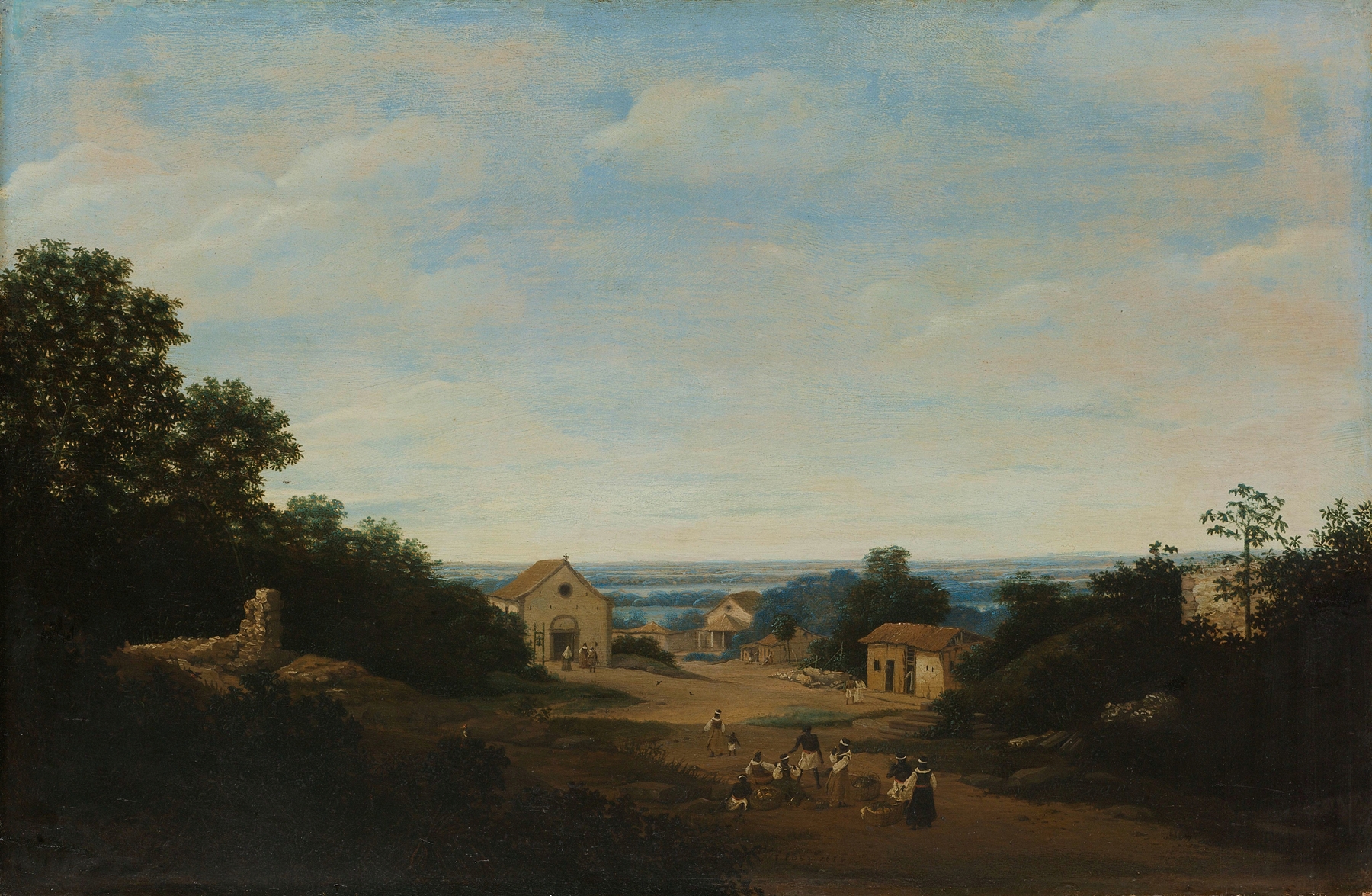
Herein lies a reflection of divinity, where every element contributes to the overarching theme of harmony, evoking a sense of peace and balance. Frans Post painted this work in 1655 while living in the Netherlands. At that time, the Dutch were fascinated with landscapes from their overseas colonies, leading to a burgeoning interest in depicting the New World. Post’s unique position as one of the first European artists in Brazil allowed him to capture an authentic vision of its beauty and complexity, bridging the divide between cultures through his art.