Landscape in Brazil with Sugar Plantation — History & Analysis
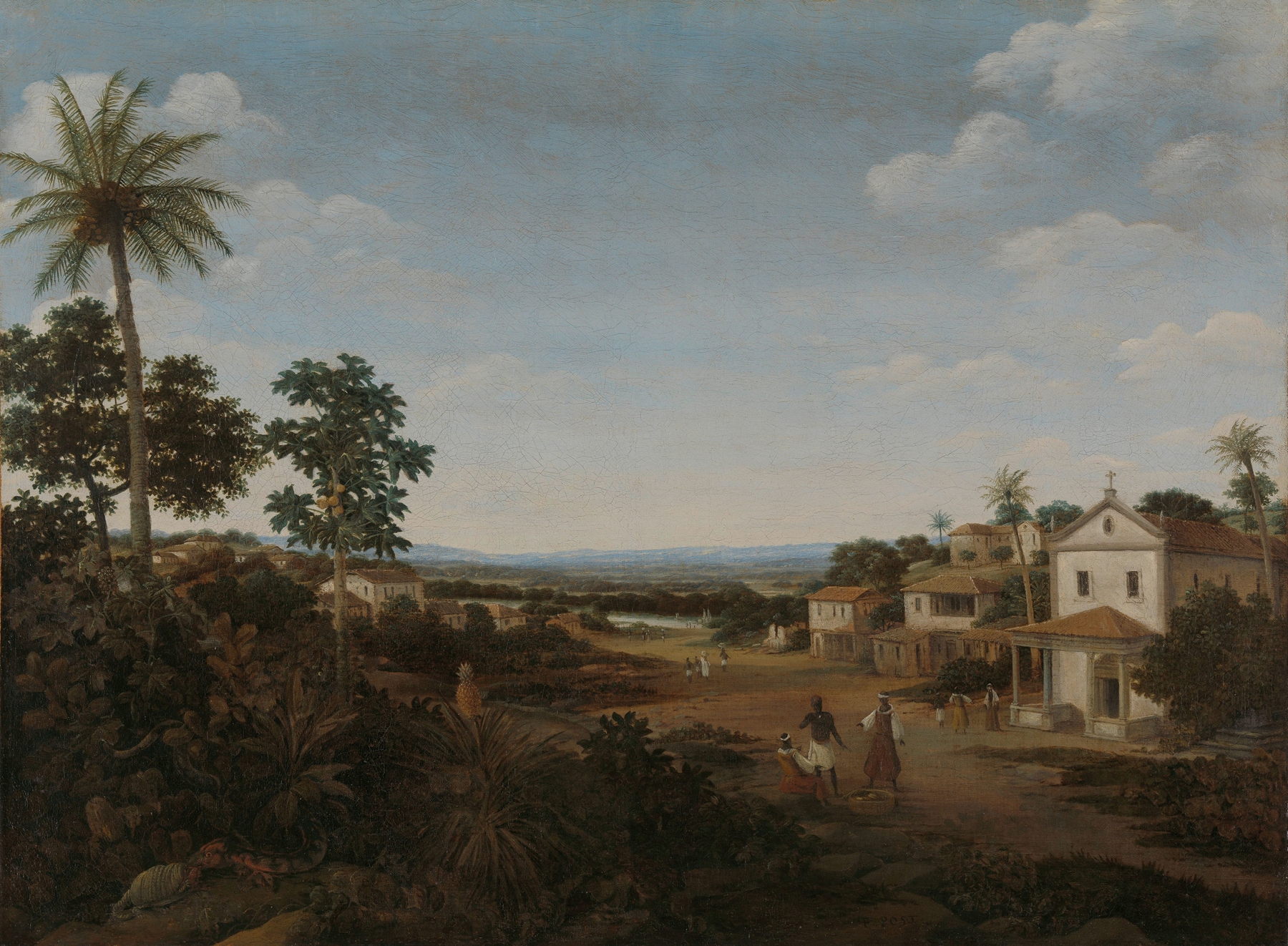
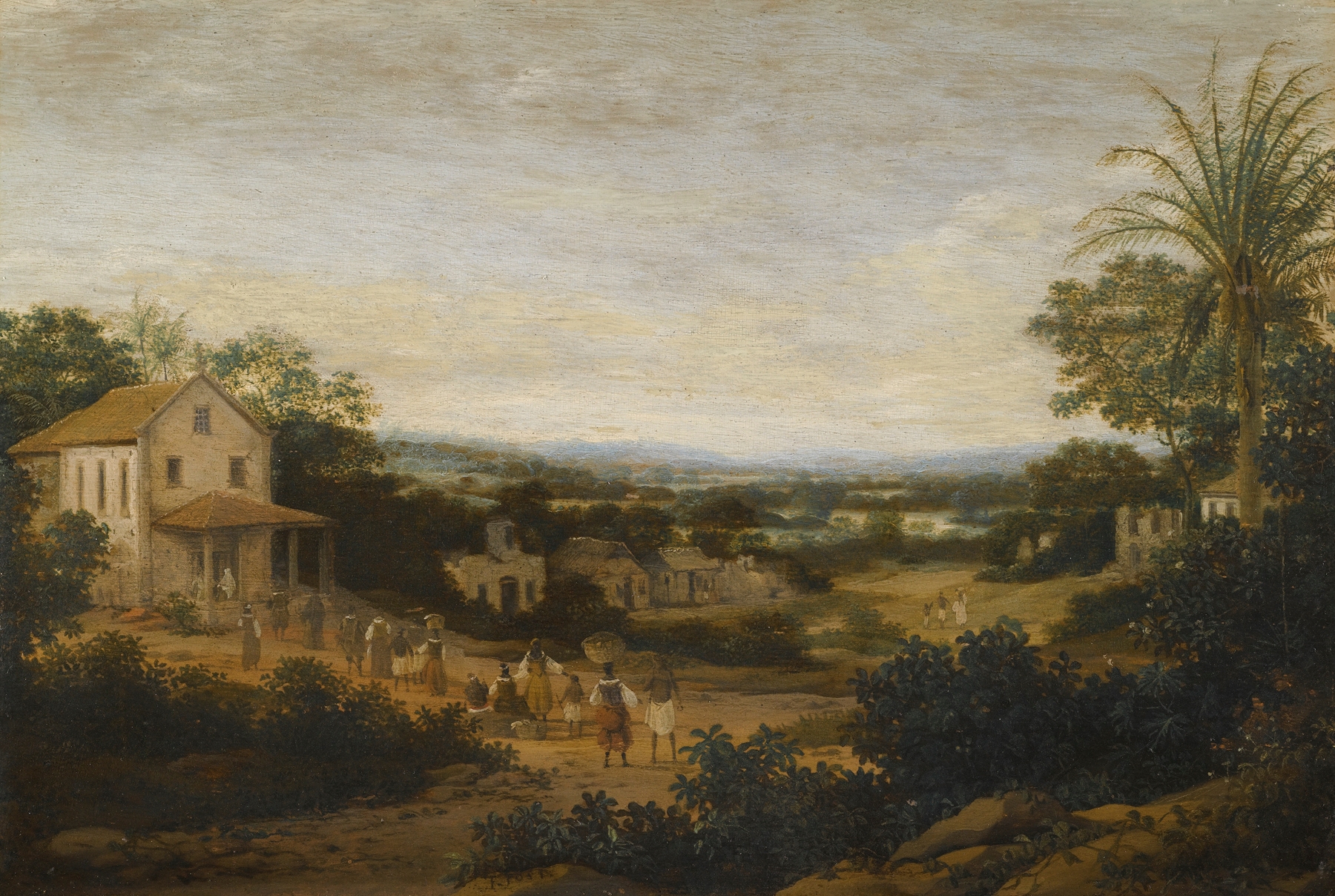
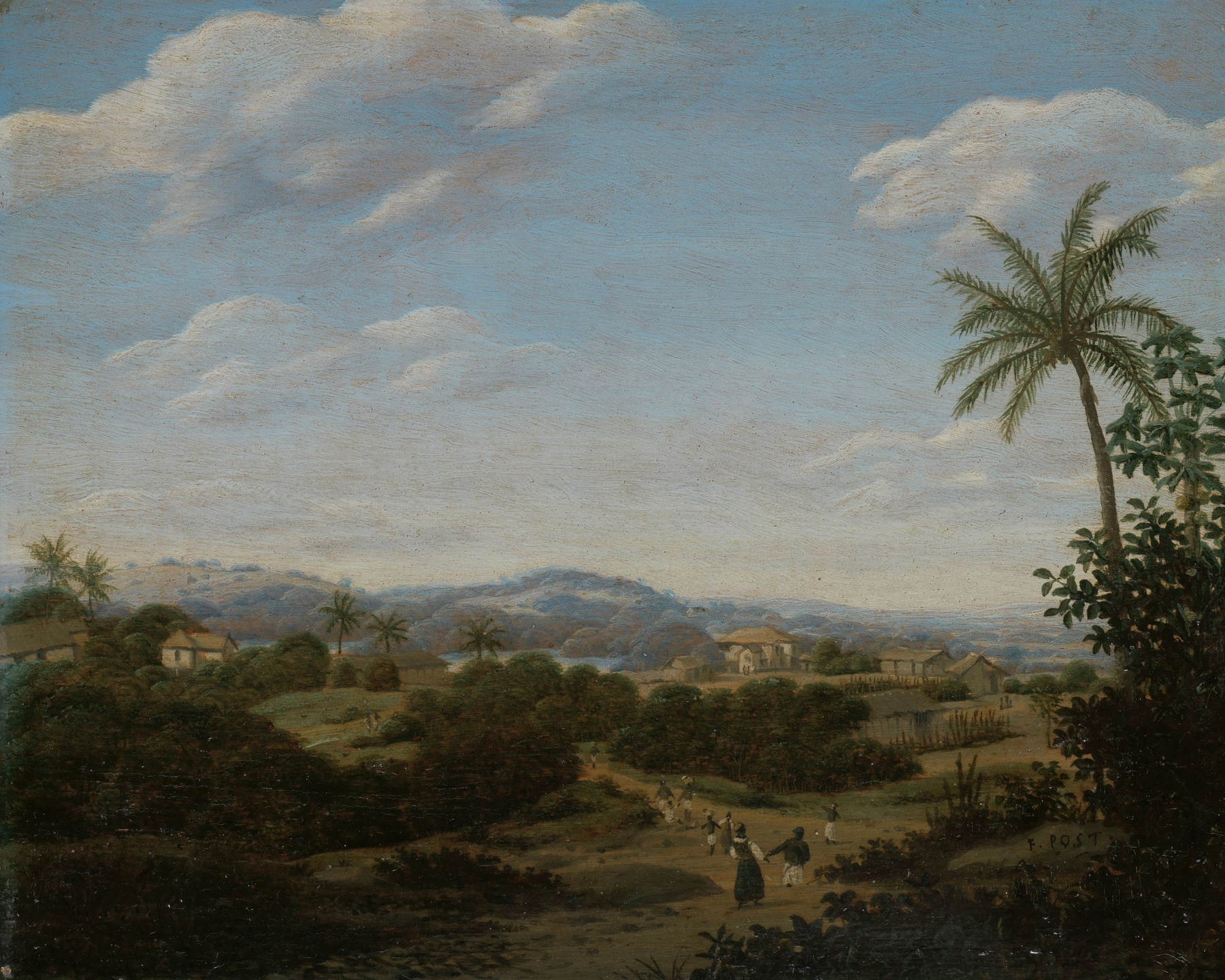
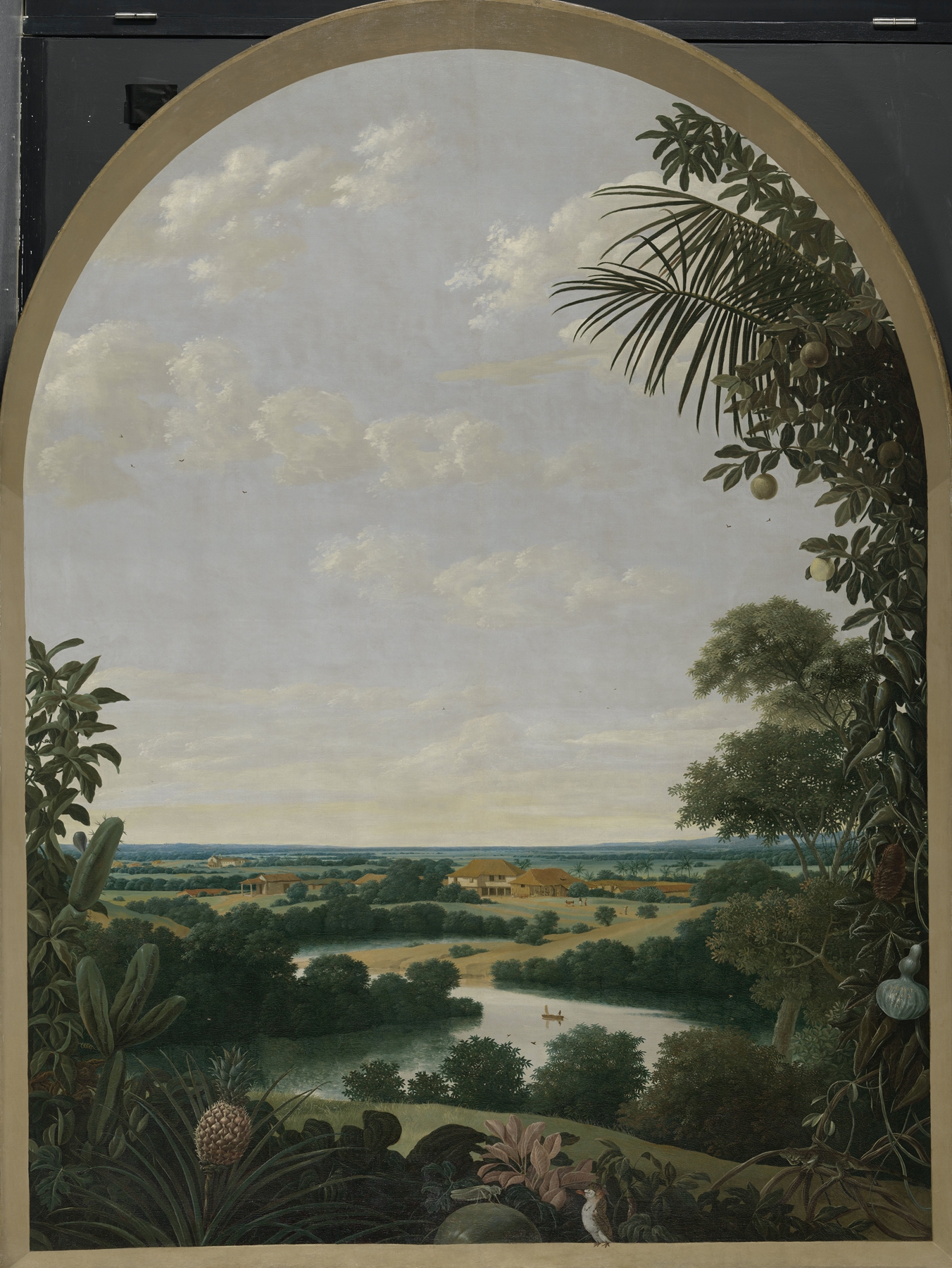
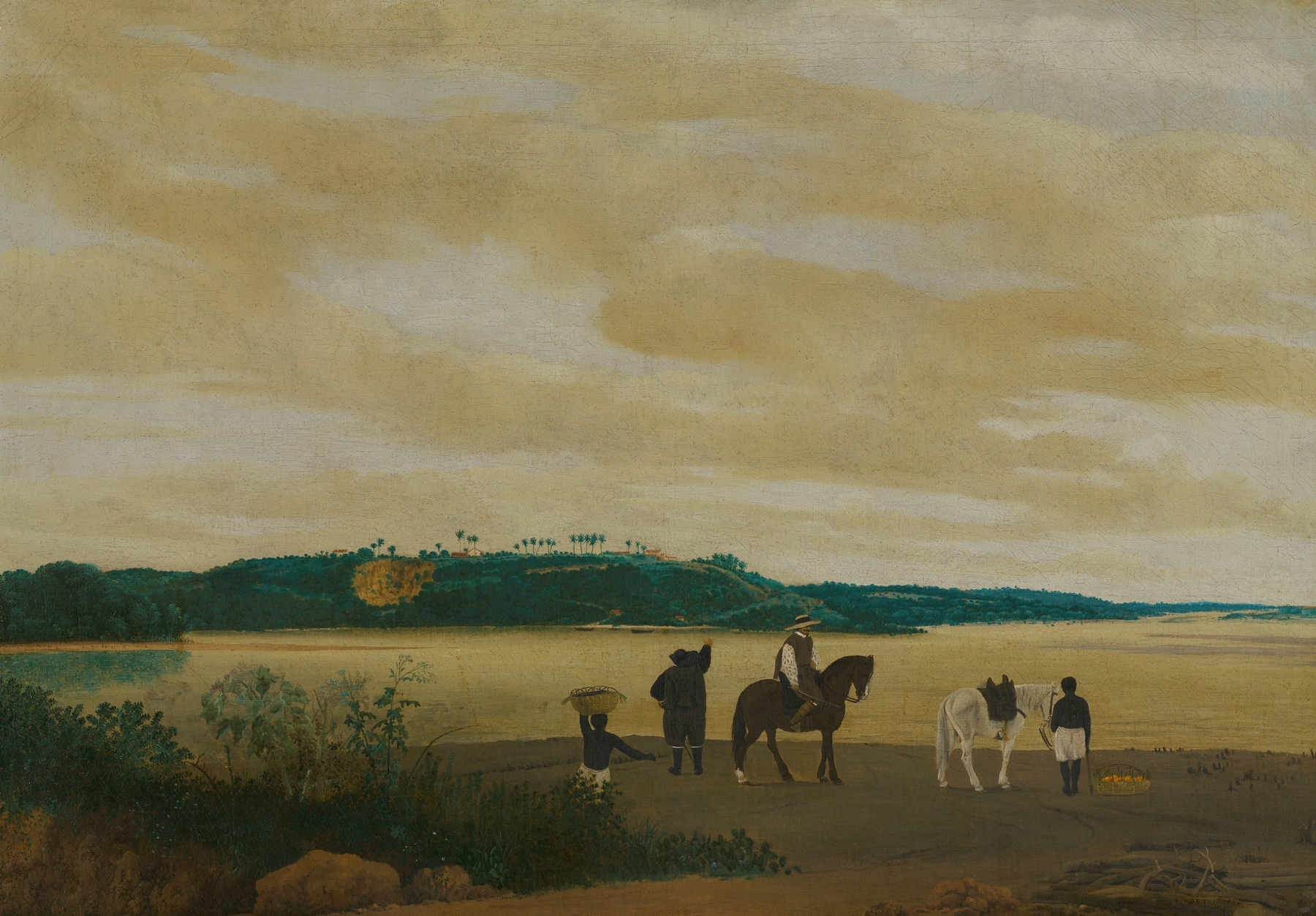
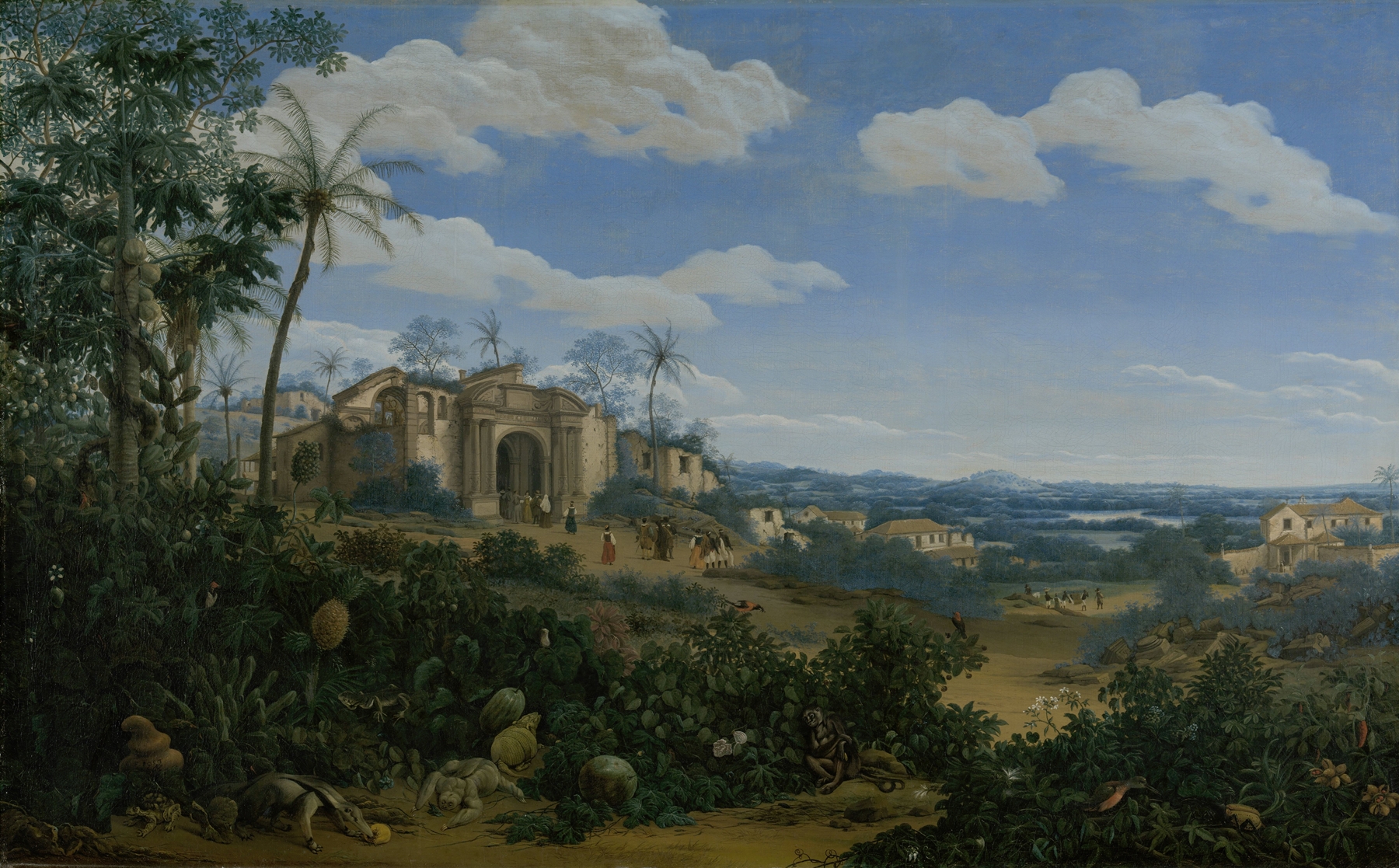
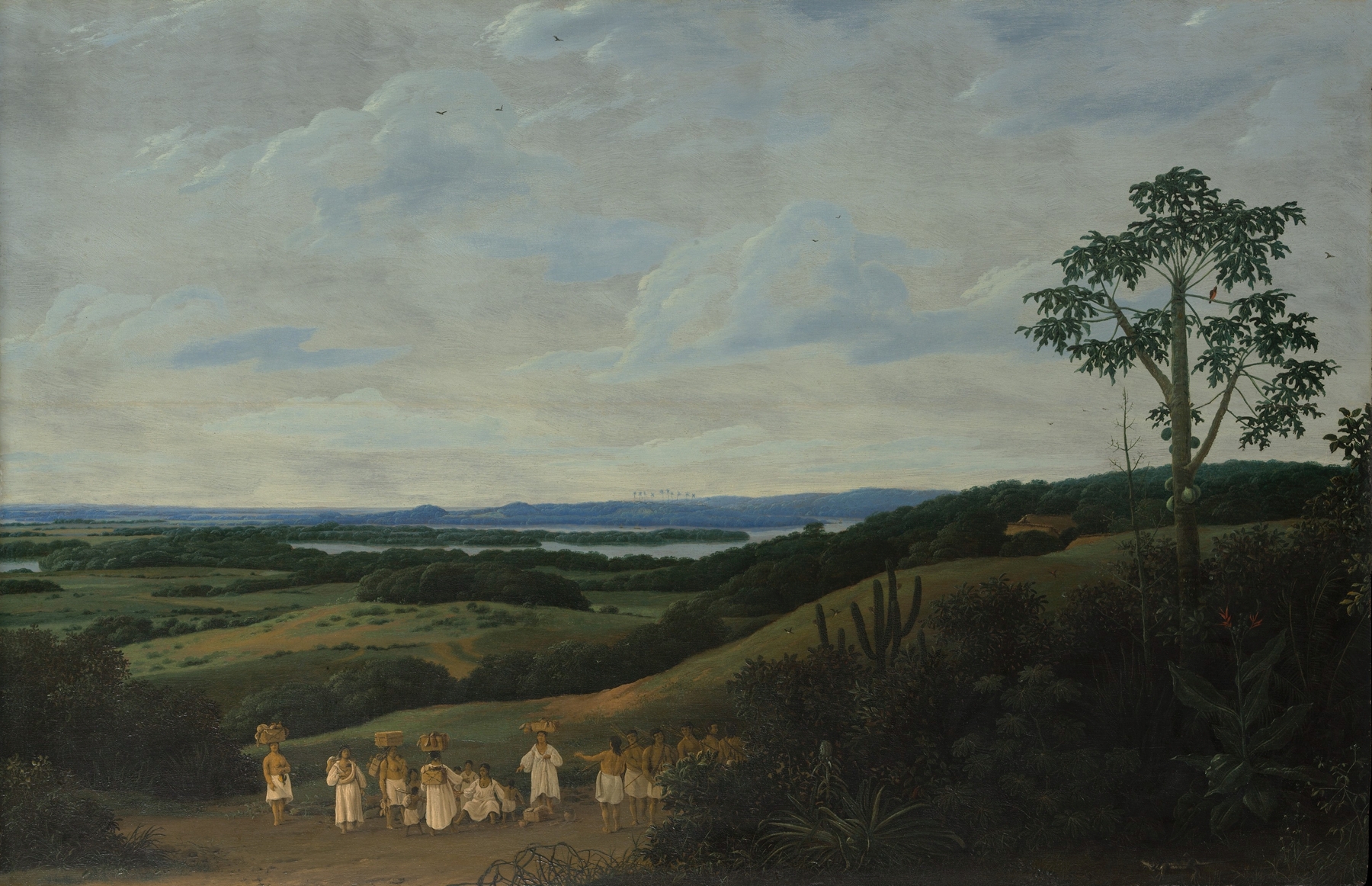
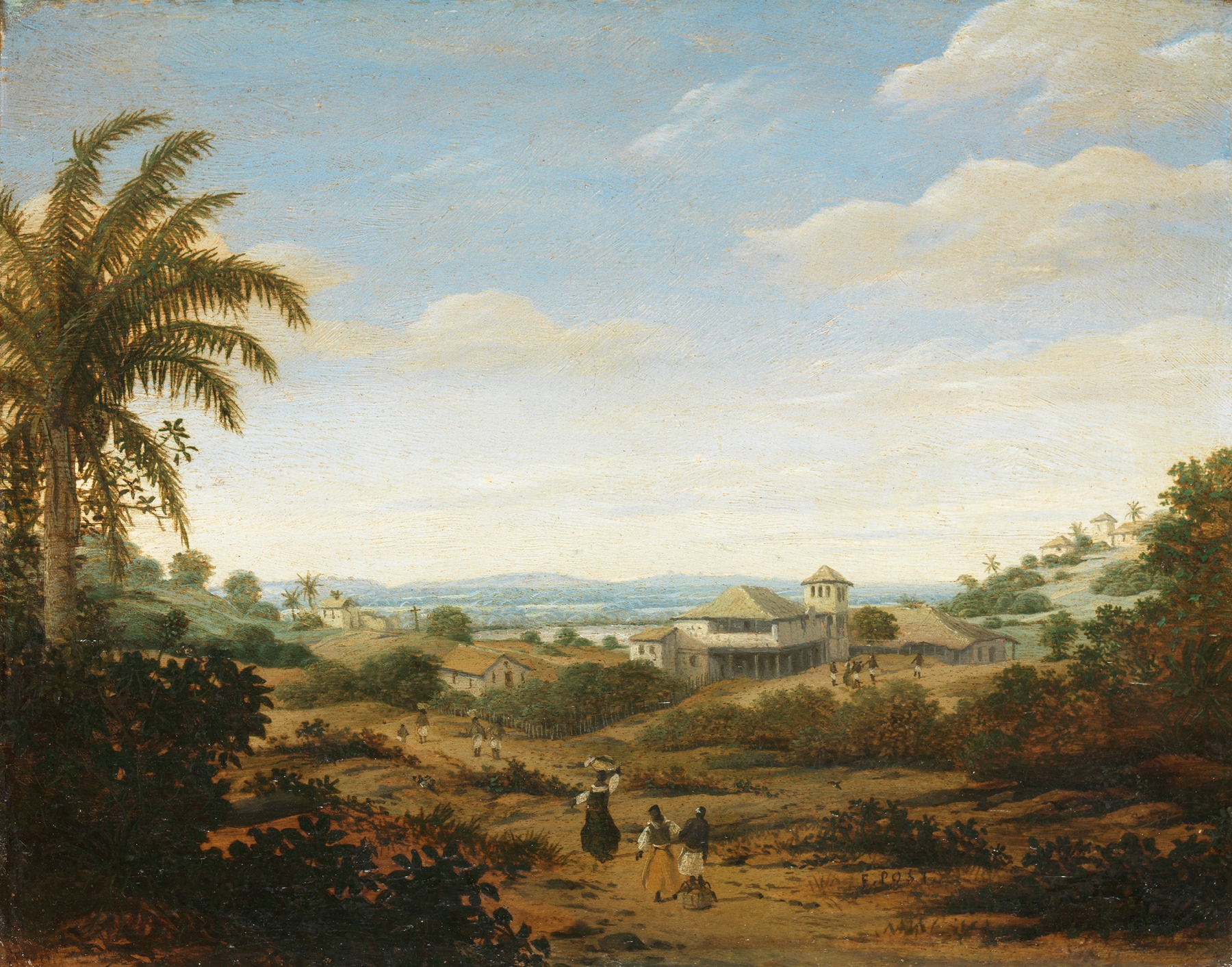
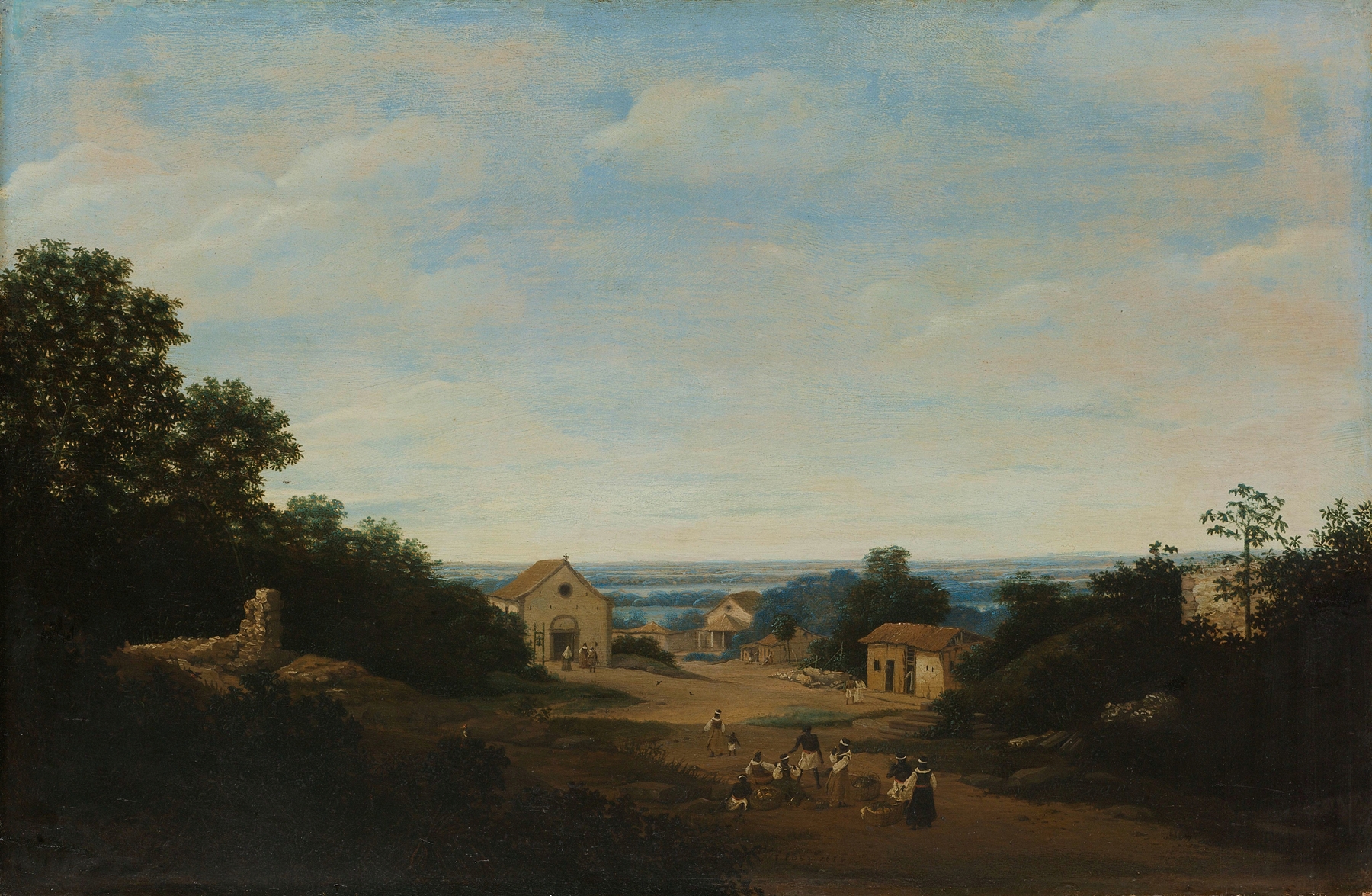
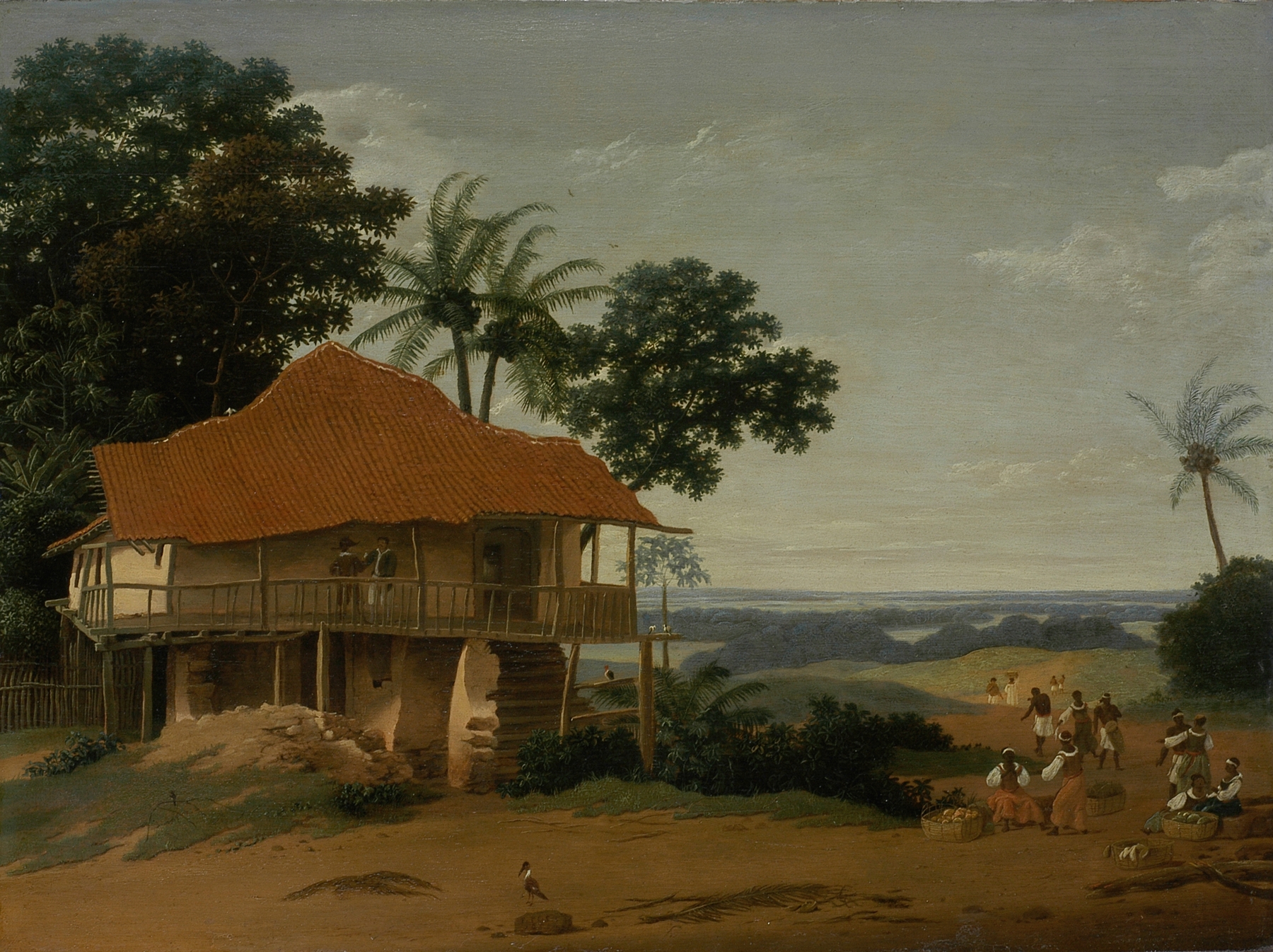
Did the painter know this moment would outlive them? In a world teetering on the brink of revolution, Landscape in Brazil with Sugar Plantation captures a fleeting serenity that now feels almost haunting. Look to the foreground where meticulously arranged sugarcane sways gently in the wind, their green hues contrasting with the golden sky. The plantation stretches across the canvas, drawing the eye to the laborers, small figures dwarfed by the sprawling landscape. Notice how the light filters through the foliage, illuminating patches of soil and emphasizing the toil behind the lush exterior.
The precise brushwork reflects the artist's commitment to detail, anchoring the viewer’s gaze in this vibrant, yet complex scene. Within this tranquil image lies a simmering tension. The juxtaposition of the natural beauty and the labor-intensive cultivation hints at the exploitation that underpins such prosperity. The plantation is a symbol of wealth and colonial ambition, while the small figures suggest the lives irrevocably tied to this land, hinting at the struggles for freedom that would rise in generations to come.
Every blade of grass, every beam of light, speaks to the duality of existence — both the idyllic and the oppressive. Frans Post created this work in 1660, during a period when Brazil was a battleground for colonial powers, particularly amidst the relationships of the Dutch and Portuguese. Having settled in Haarlem, Post was deeply influenced by his travels in Brazil, where he documented the landscape with a mix of admiration and critical insight. At this time in art history, the focus on landscapes was evolving, reflecting not only the beauty of nature but also the complex narratives woven into the fabric of human endeavor.