Landscape in Brazil — History & Analysis
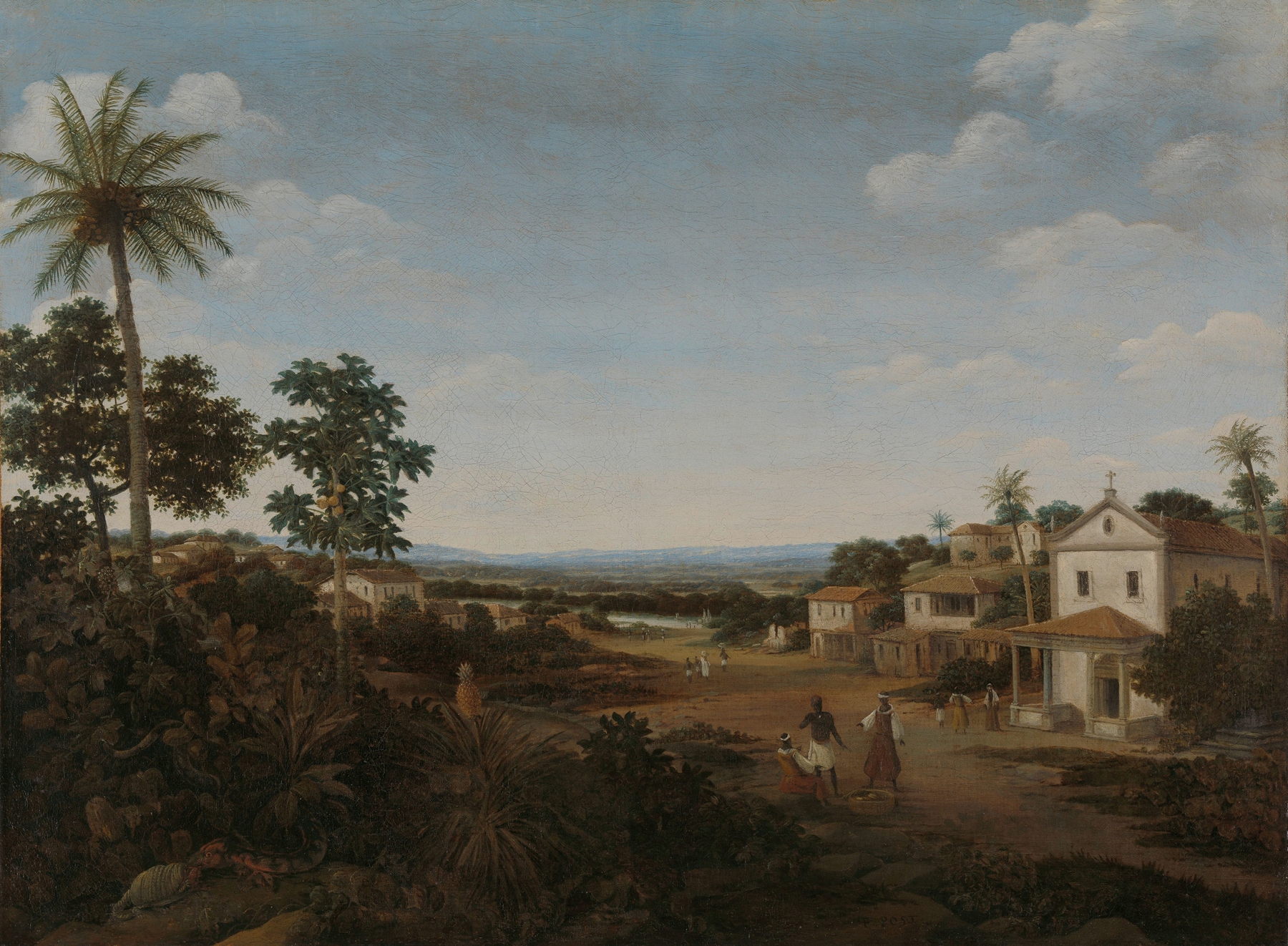
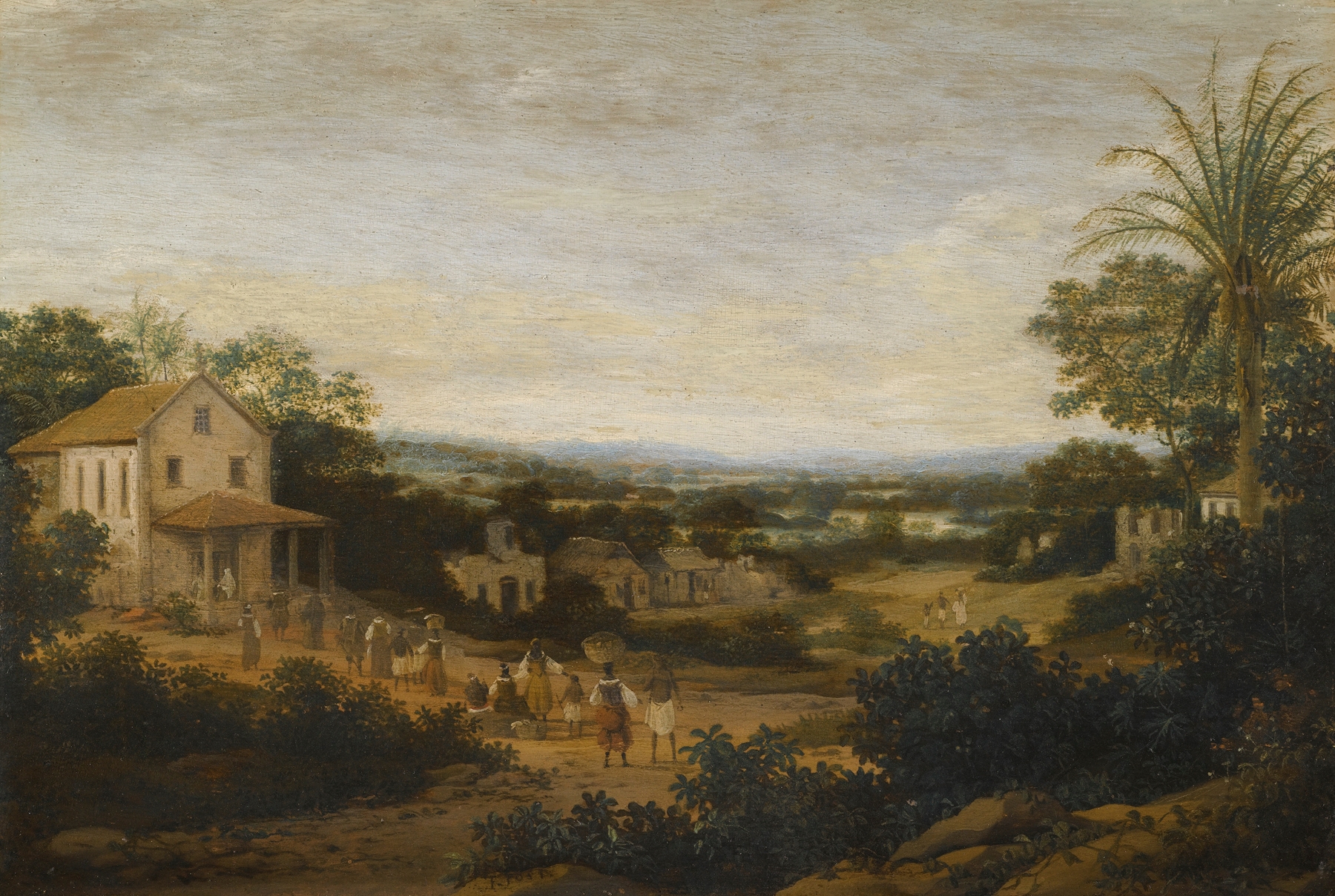
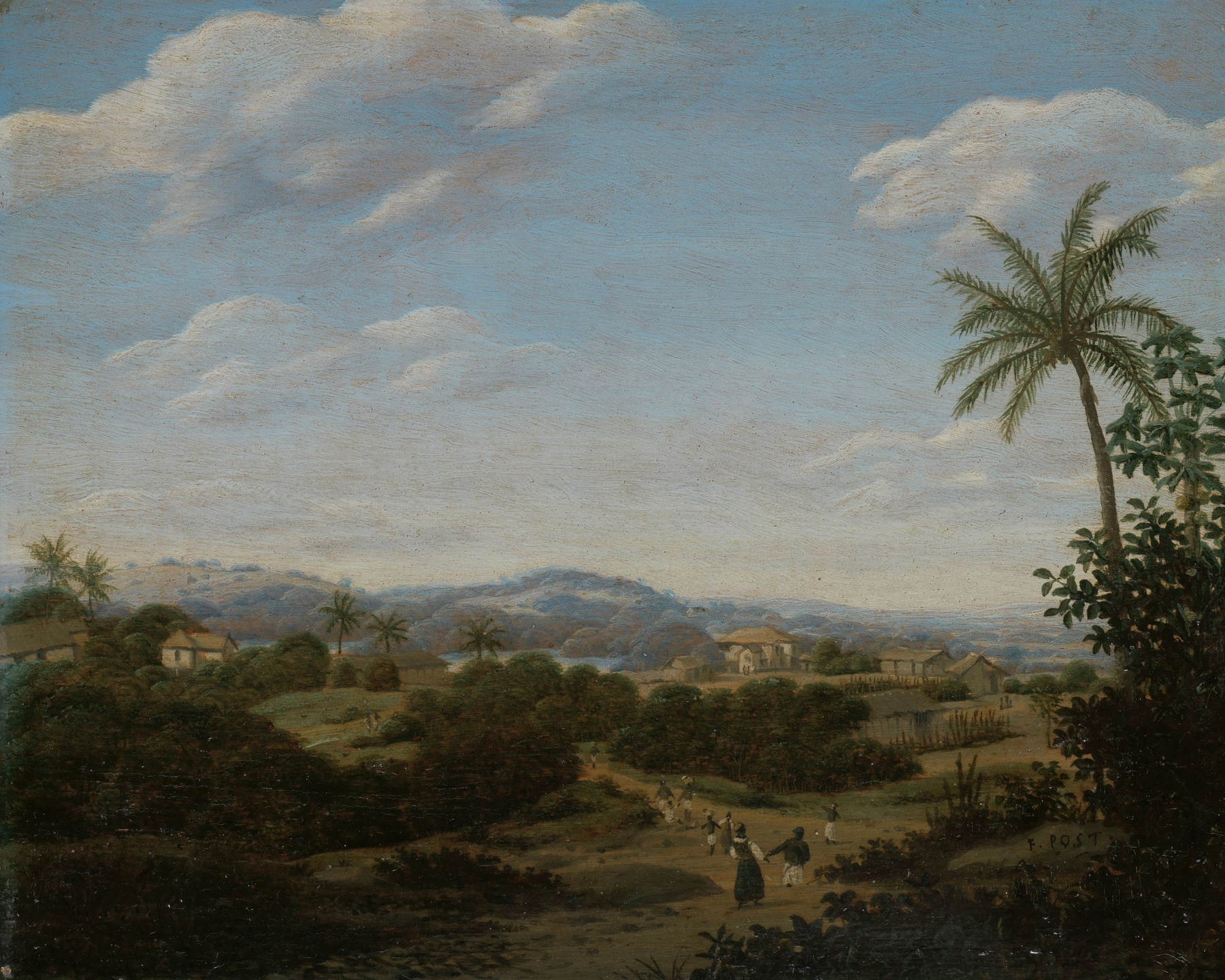
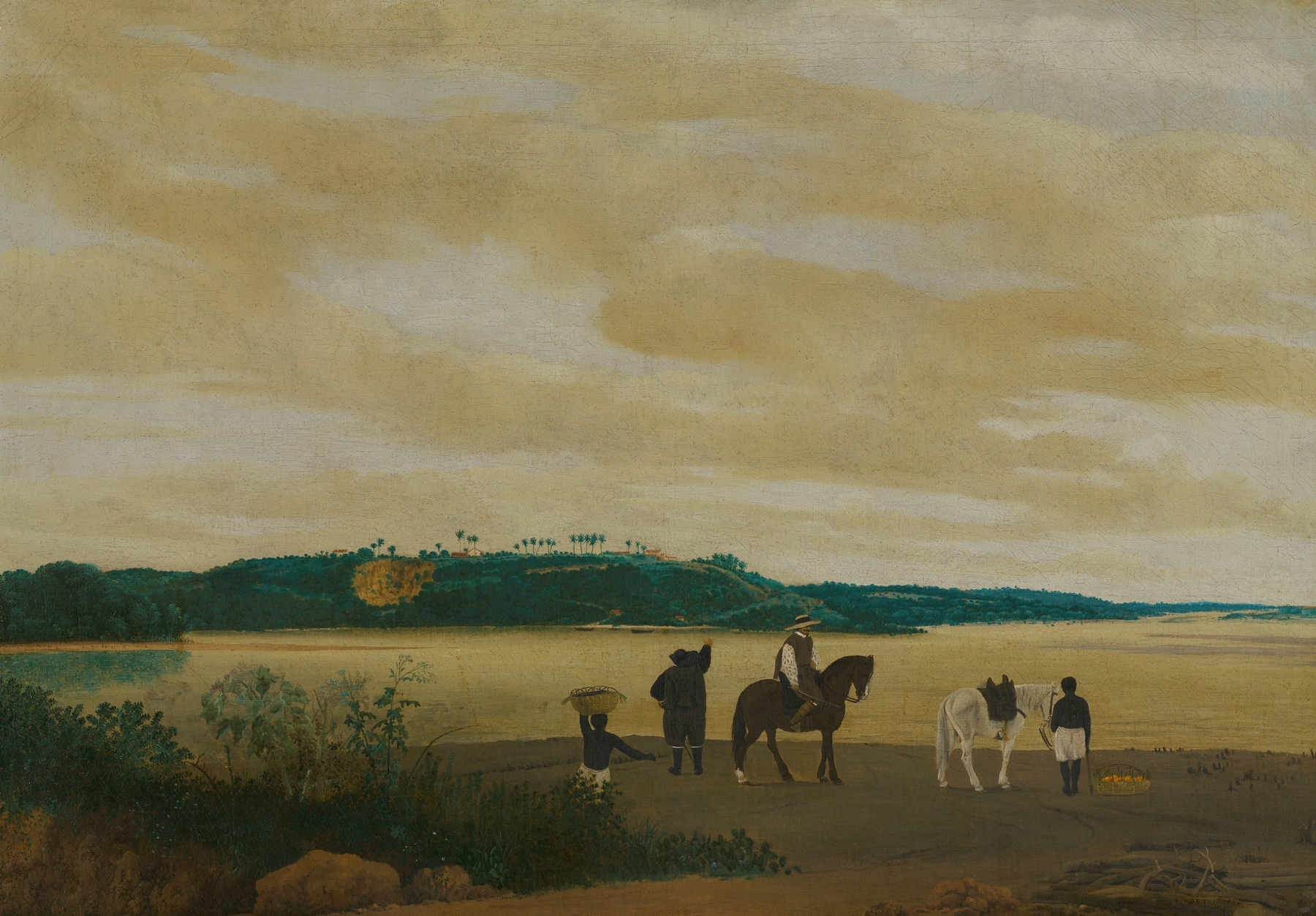
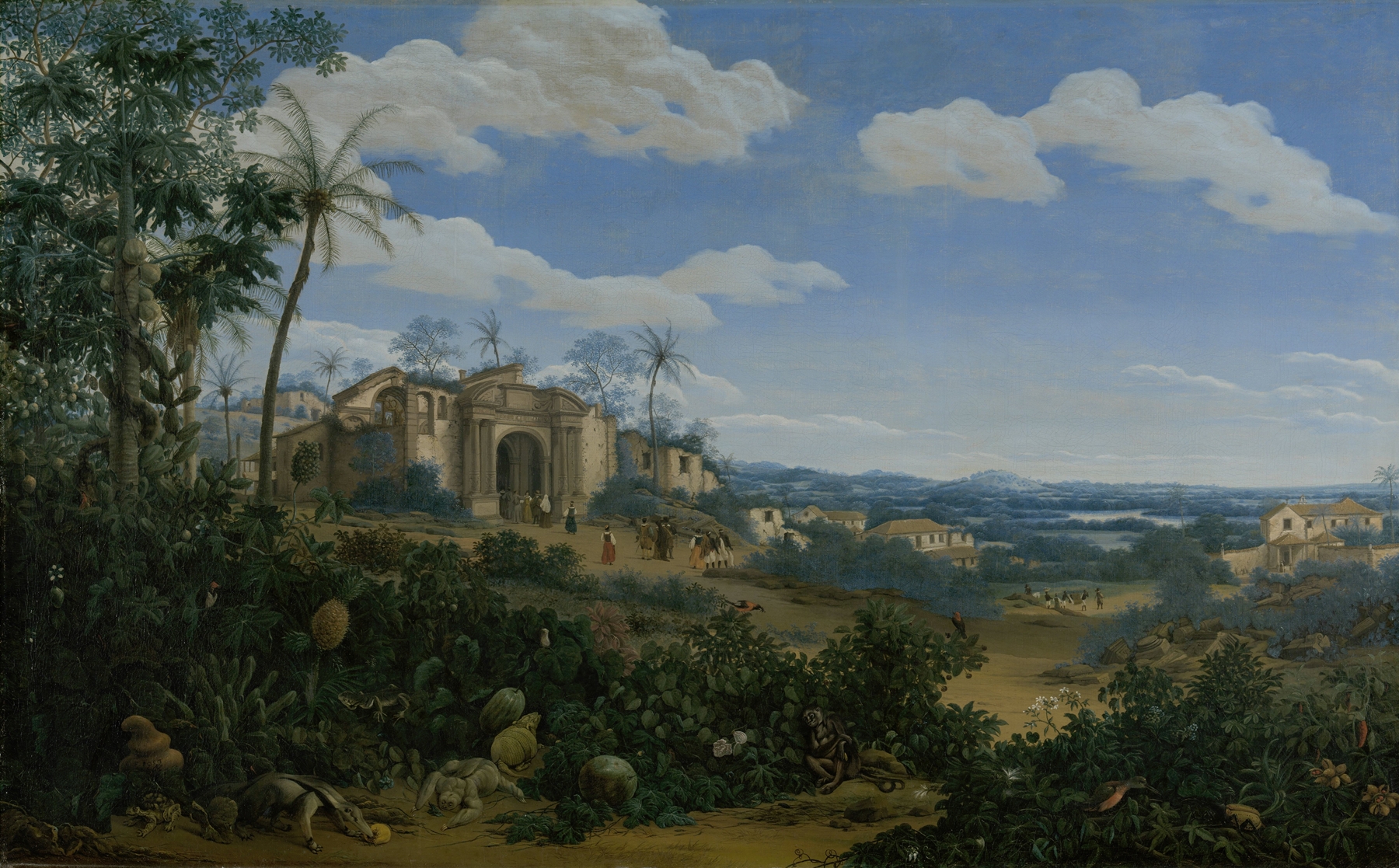
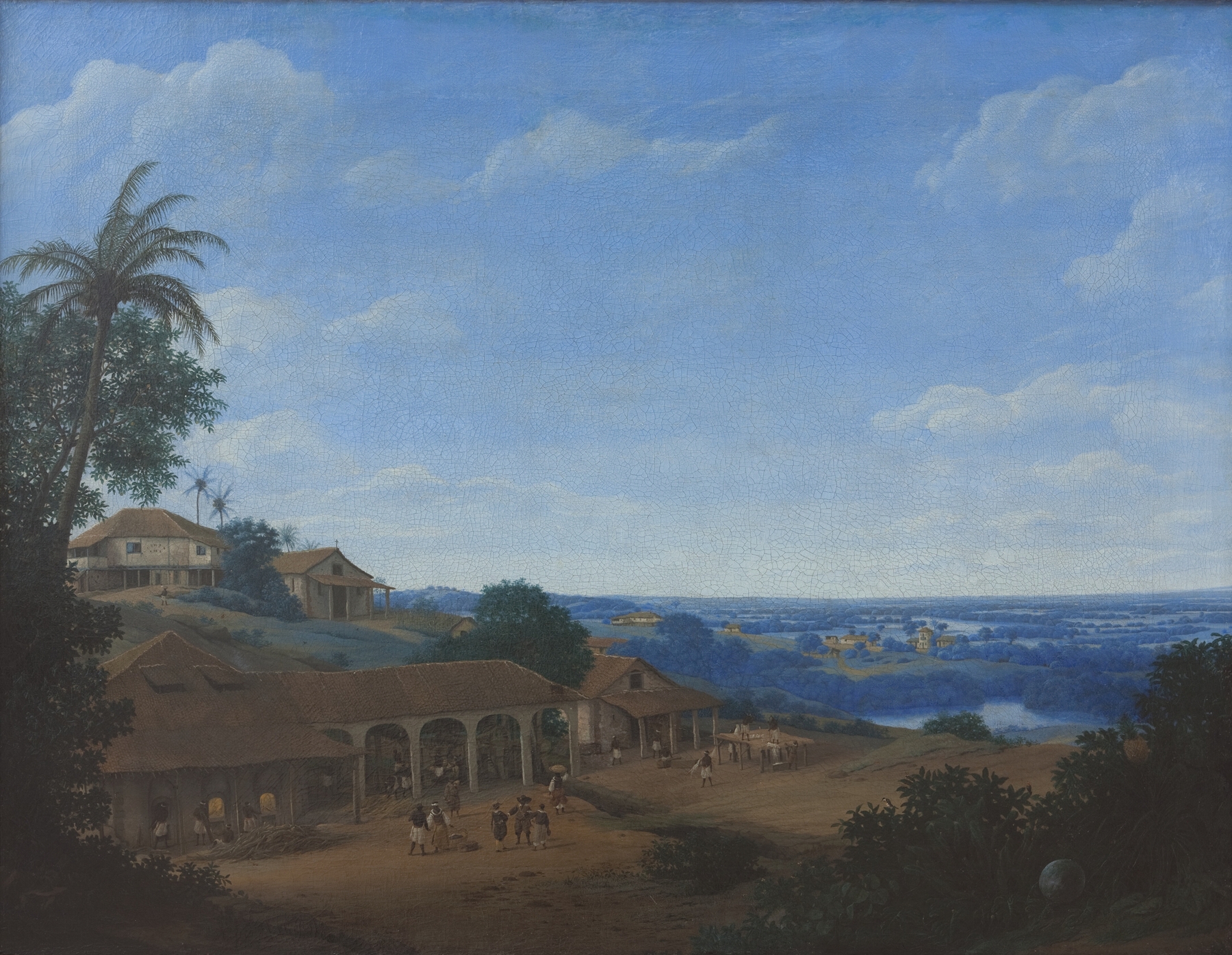
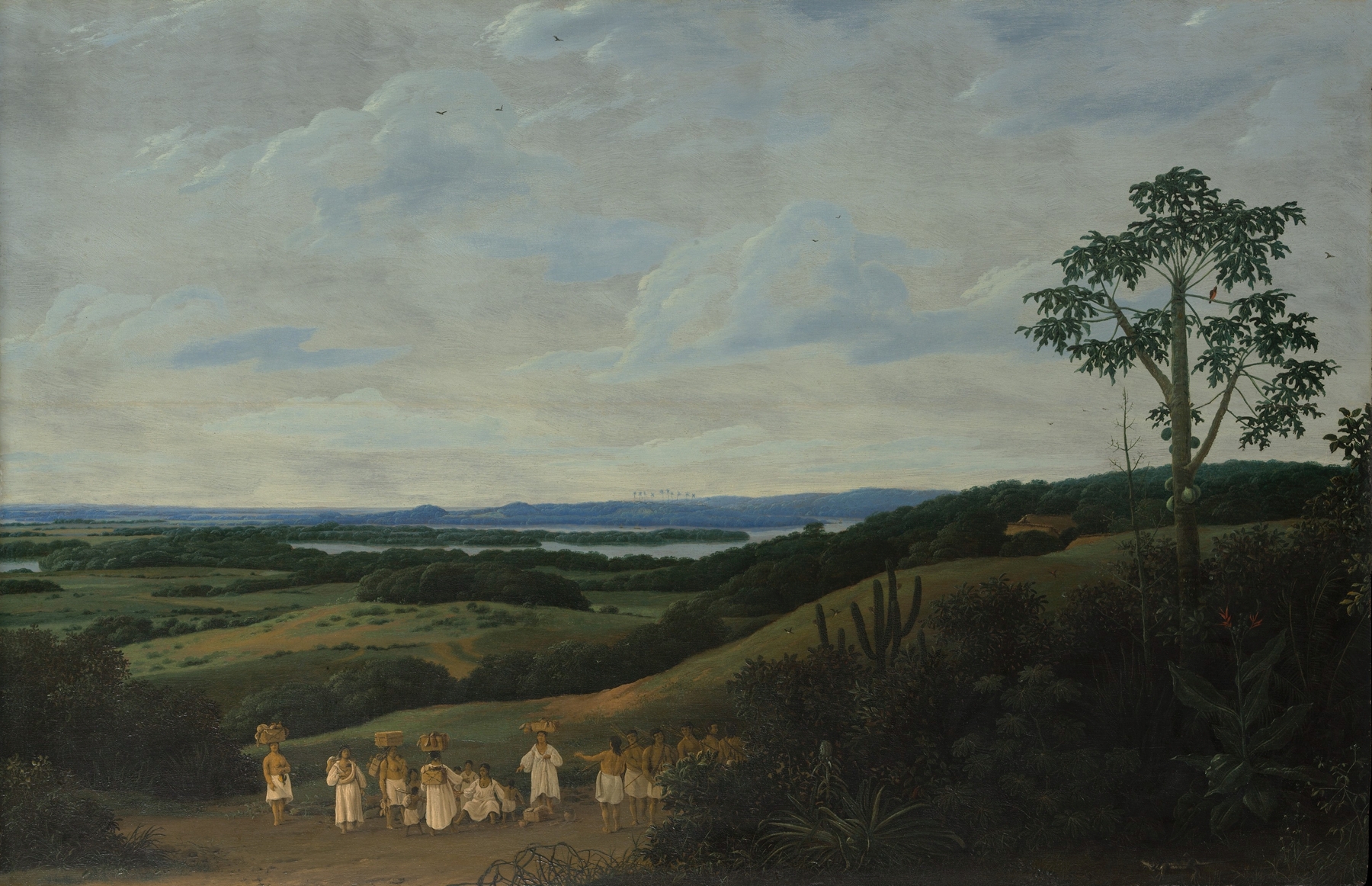
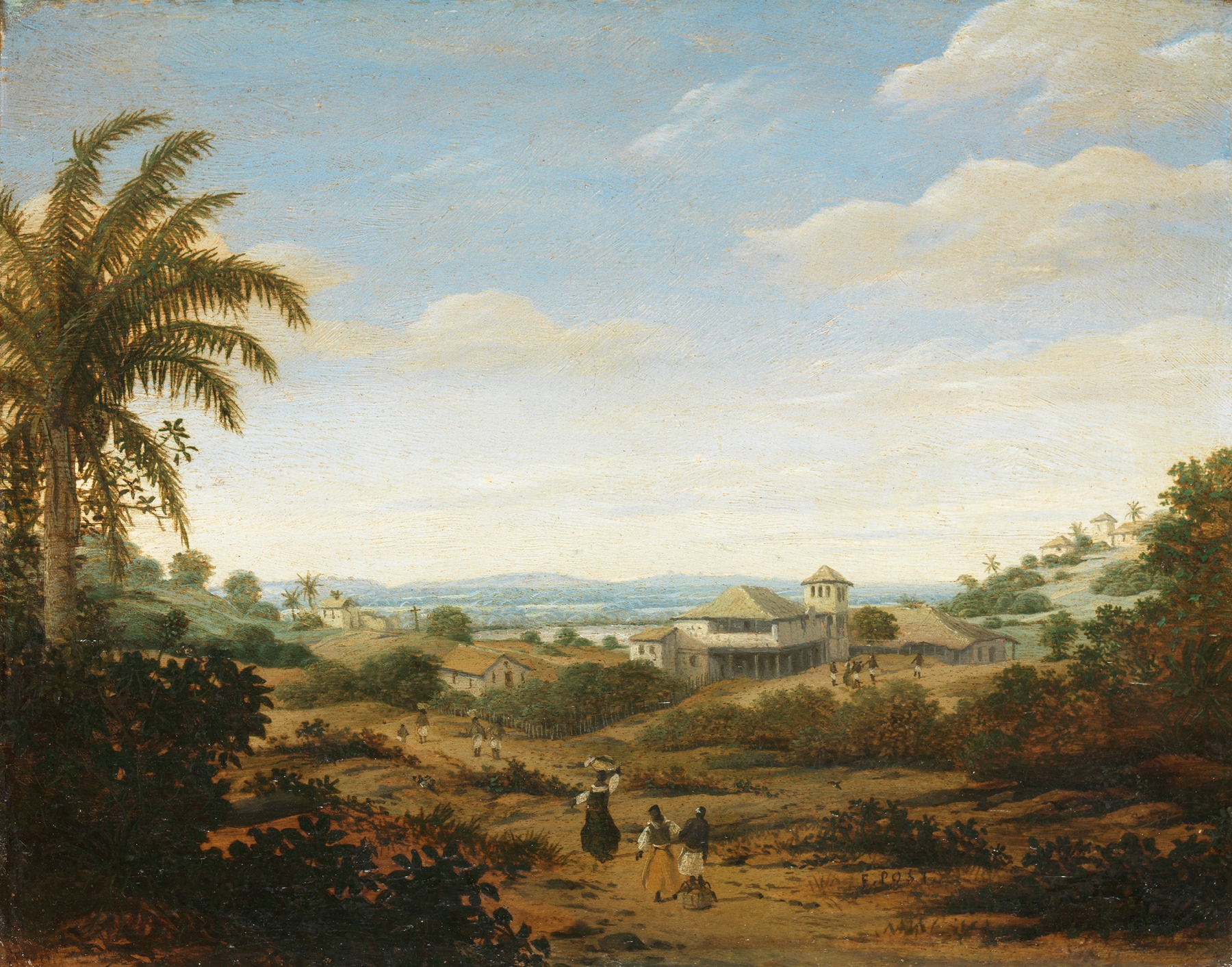
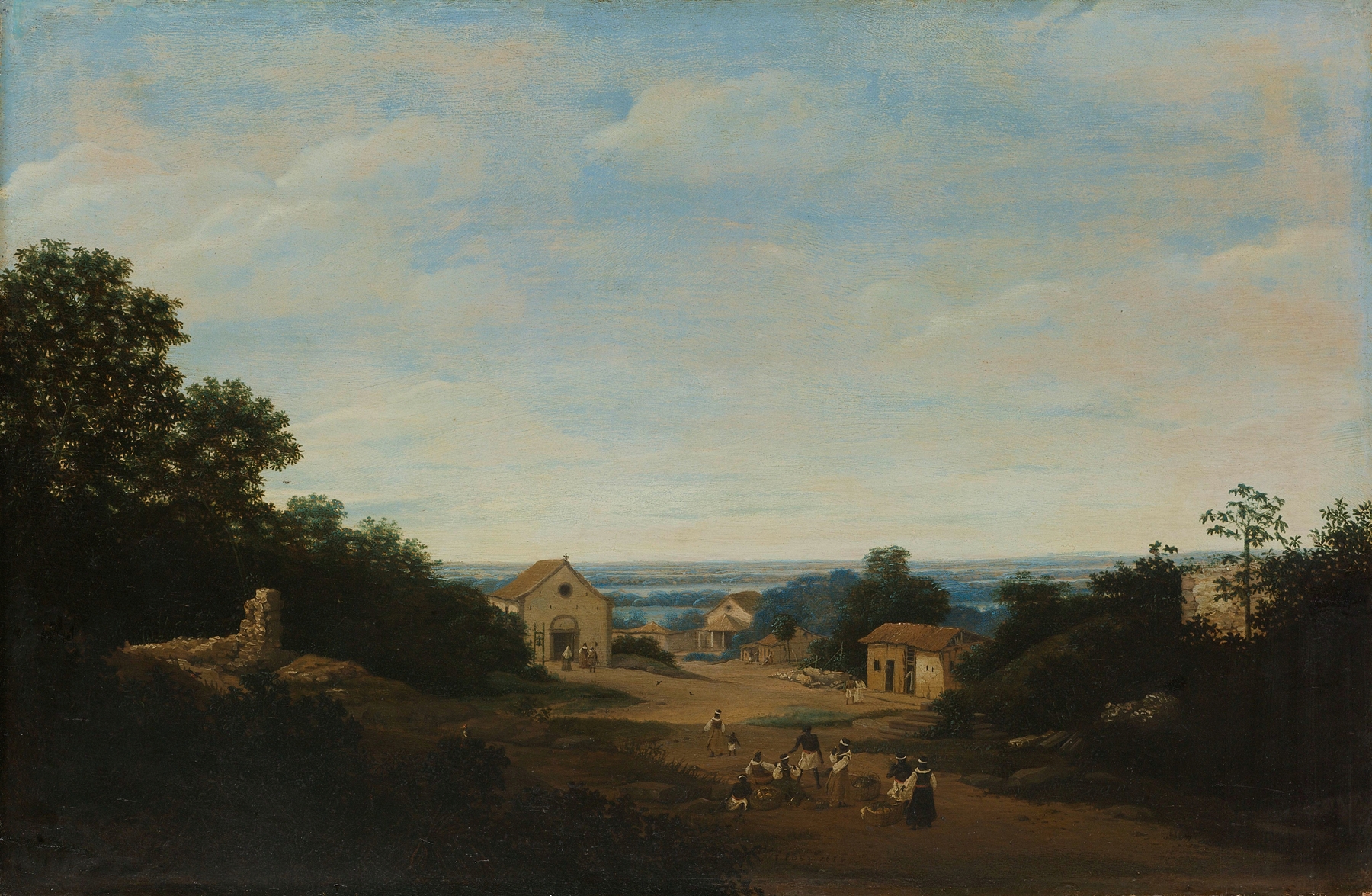
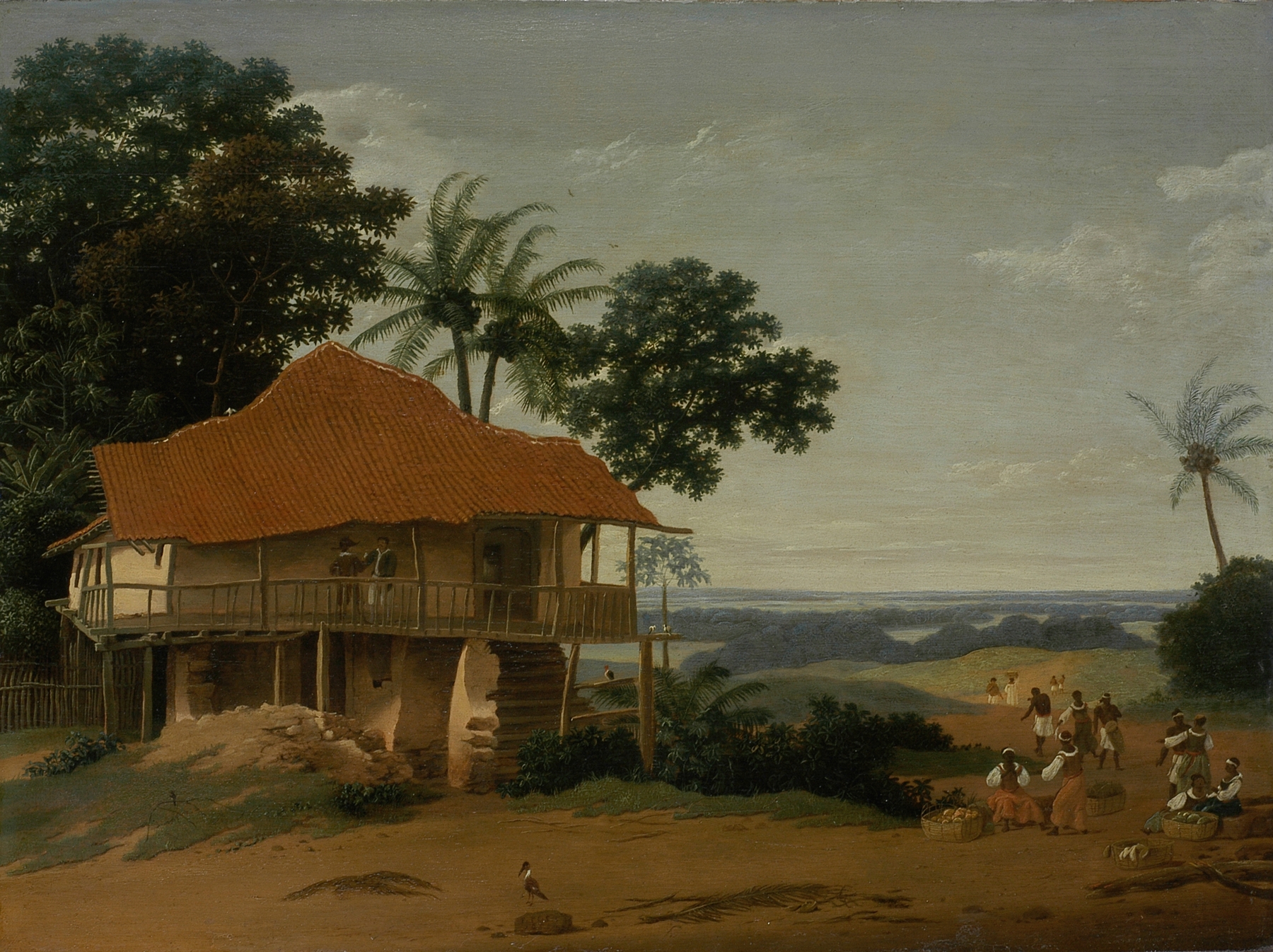
Could a single brushstroke hold eternity? In Landscape in Brazil, the essence of grief is entwined with the beauty of nature, revealing a world caught in a delicate balance of loss and hope. Look to the horizon where the lush, verdant hills roll gracefully under a sky brushed with soft hues of teal and gold. The foreground reveals a gentle stream, its reflective surface capturing the fleeting colors of twilight.
Notice how the vibrant greens of the foliage contrast with the muted earth tones of the land, creating a symphony of color that draws your eye deeper into the tranquil scene, inviting reflection on its hidden depths. Amidst this picturesque landscape lies an undercurrent of emotional tension. The expansive sky suggests both freedom and isolation, while the stillness of the water evokes a sense of longing and melancholy. The trees, though abundant, seem to stand watch over a forgotten past, hinting at the grief of a world altered and lost.
Each element whispers stories of those who once inhabited it, leaving echoes of their presence lingering in the air. Frans Post painted Landscape in Brazil in 1652, during his time in the Dutch colony of Brazil. This period was marked by a fascination with exotic landscapes and the burgeoning interest in portraying the New World. Immersed in a vibrant yet tumultuous colonial milieu, he sought to capture the unique beauty of the Brazilian landscape, reflecting both the allure and complexities of a rapidly changing world.