A Brazilian Landscape — History & Analysis
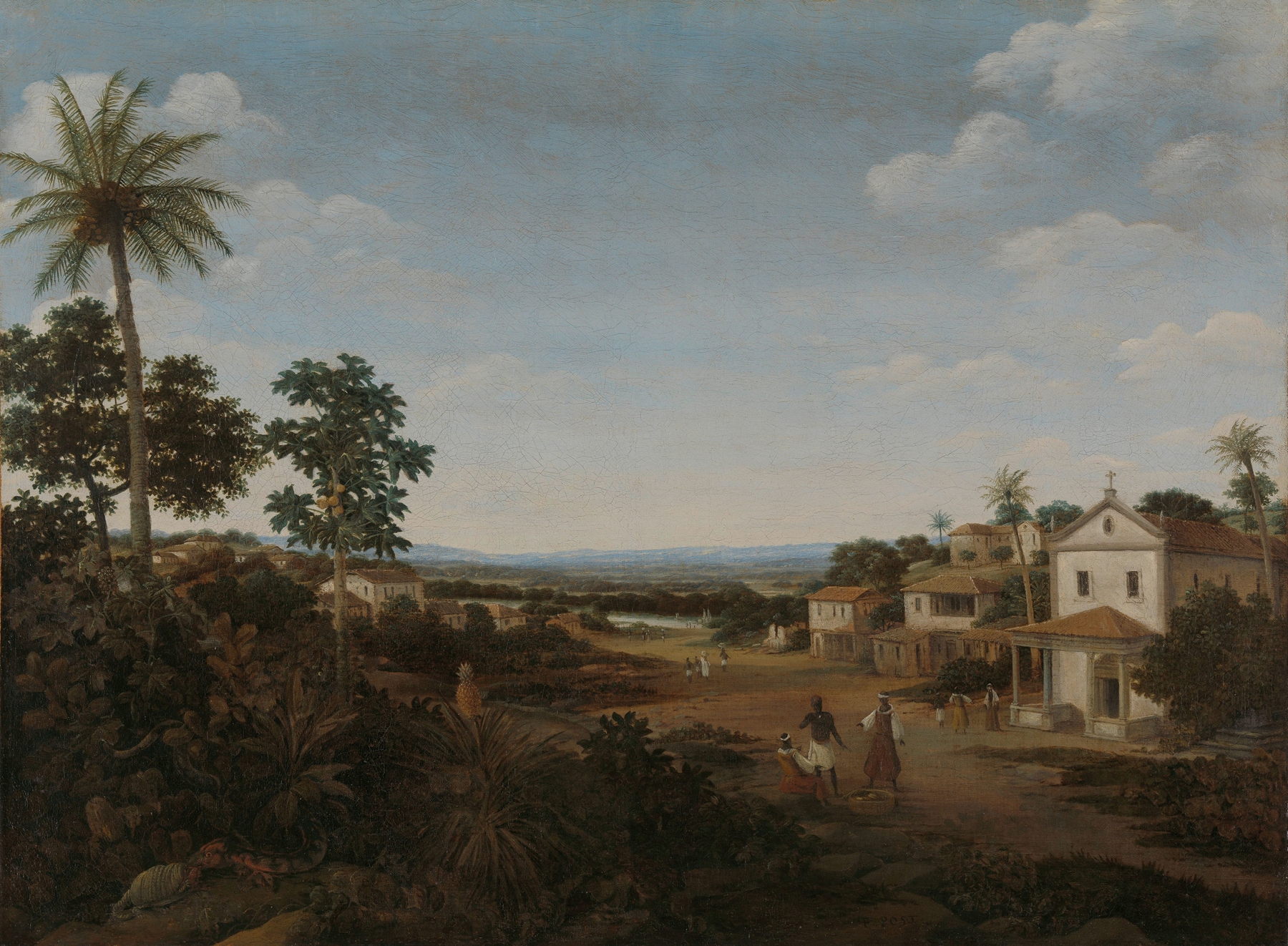
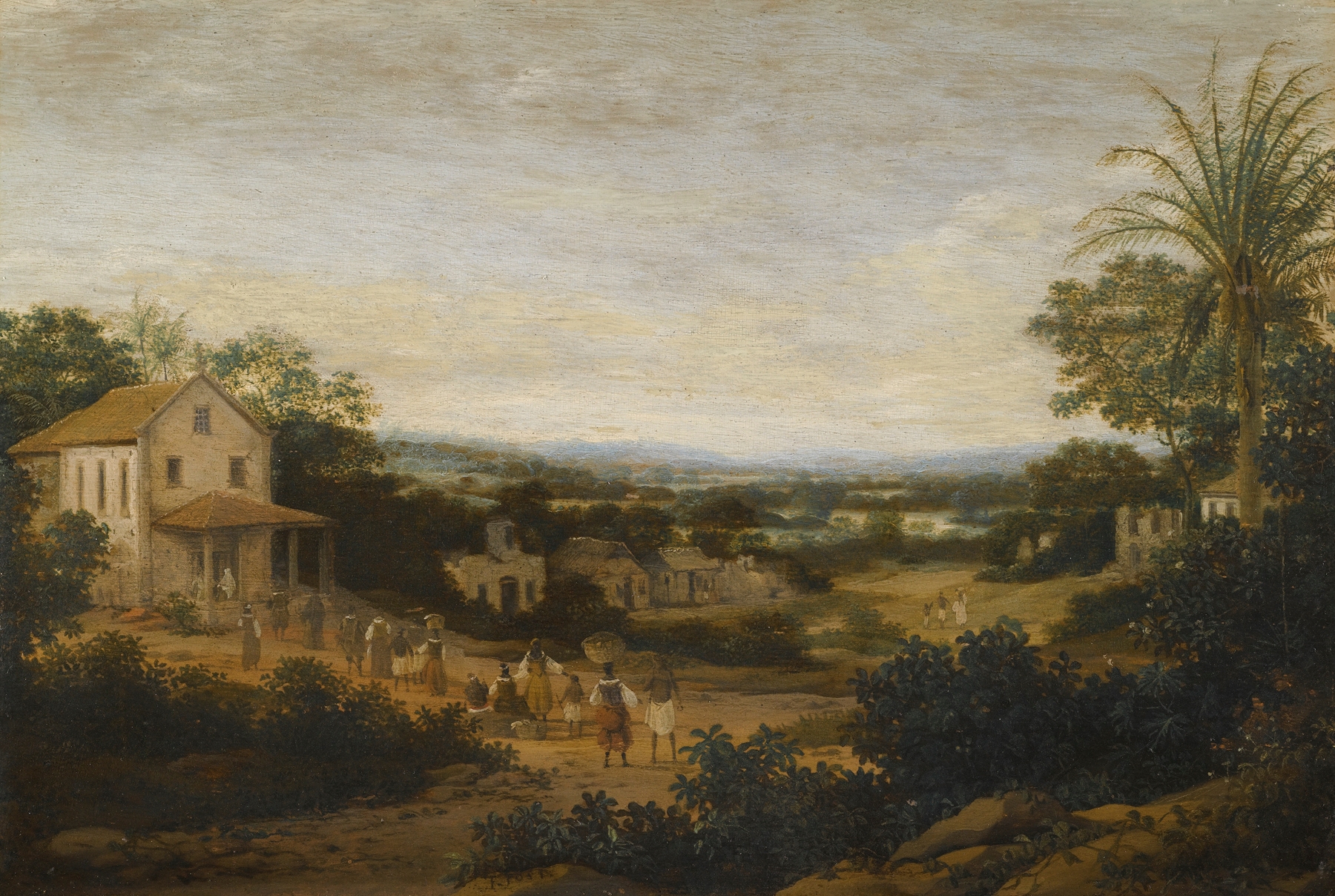
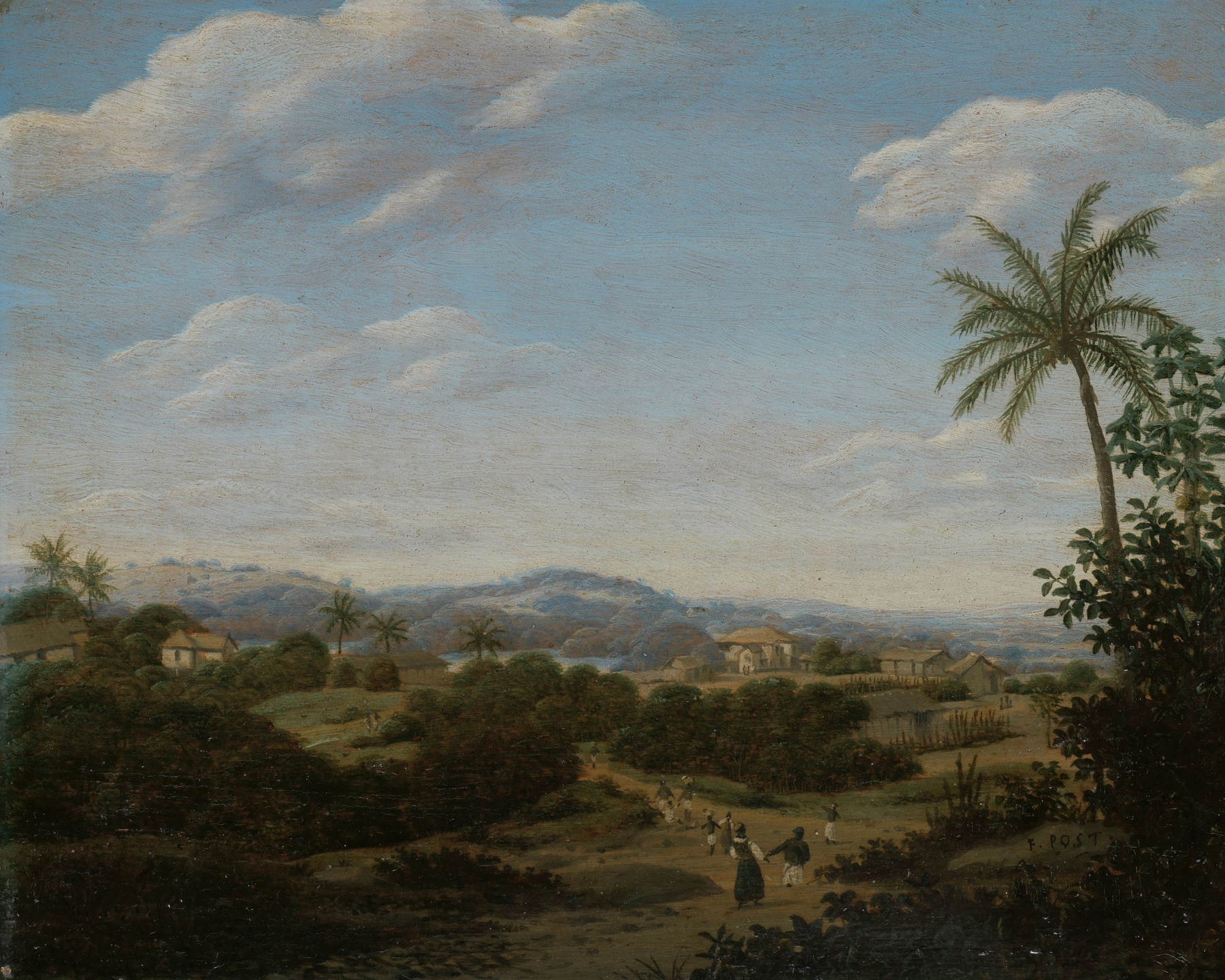
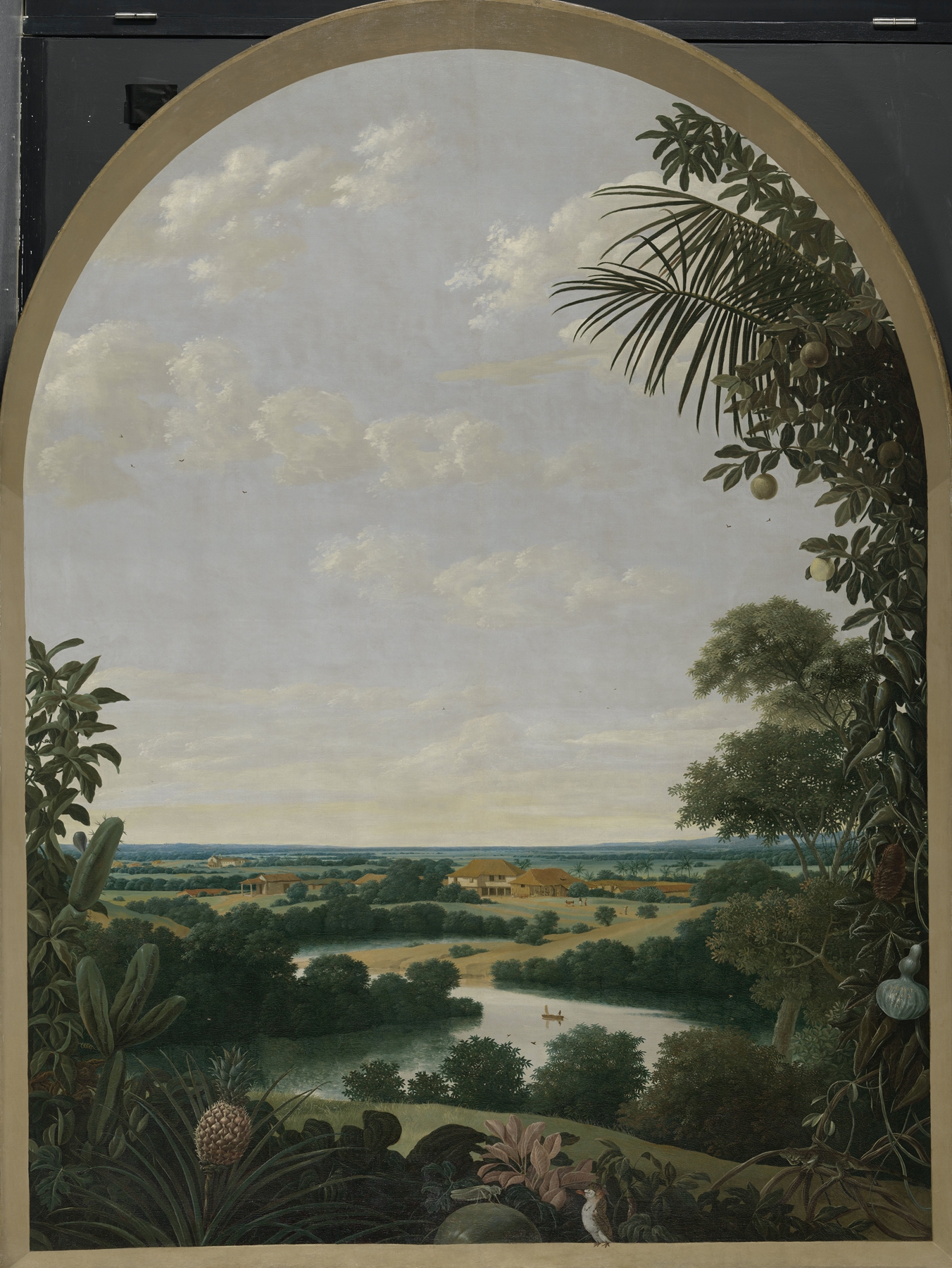
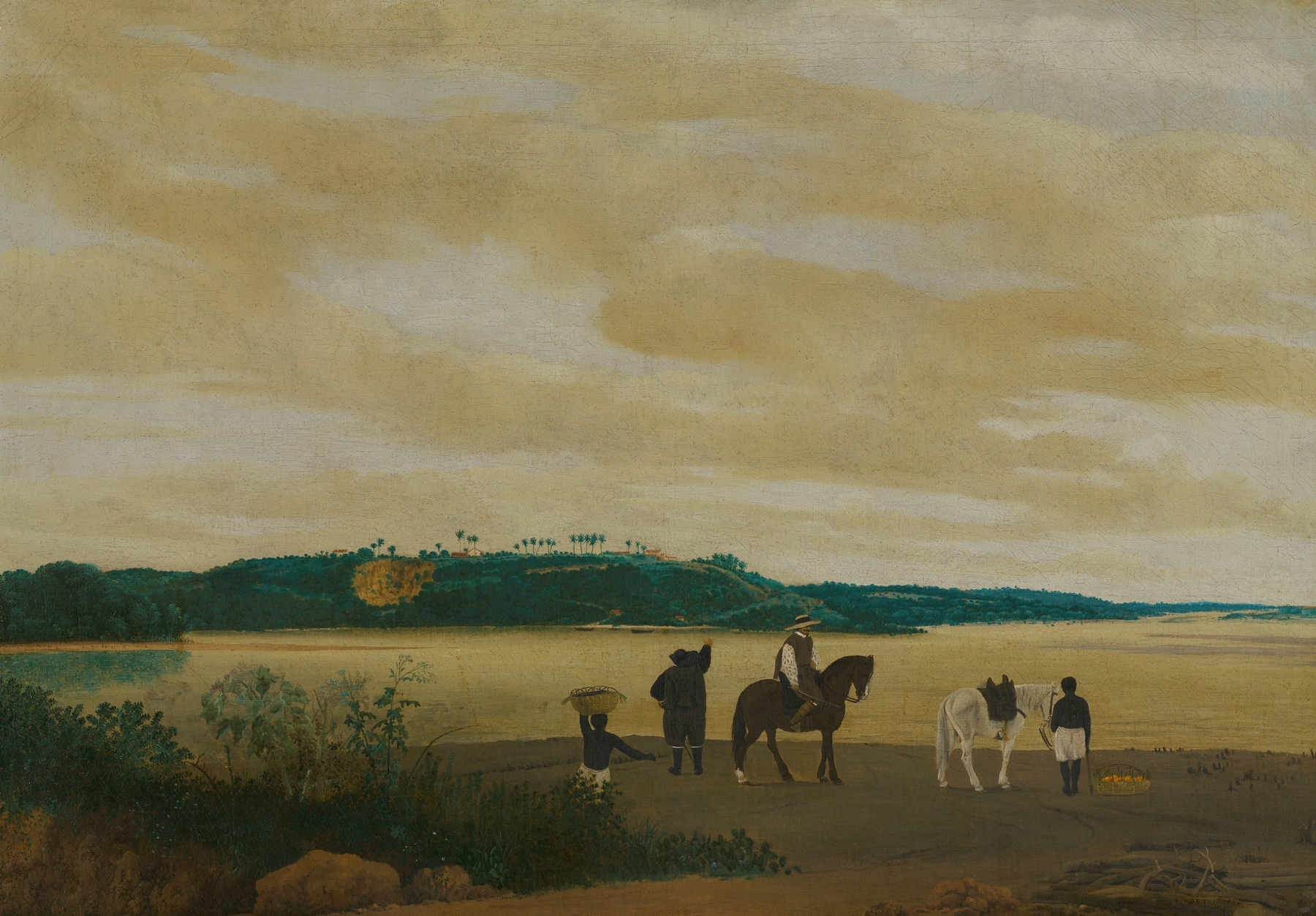
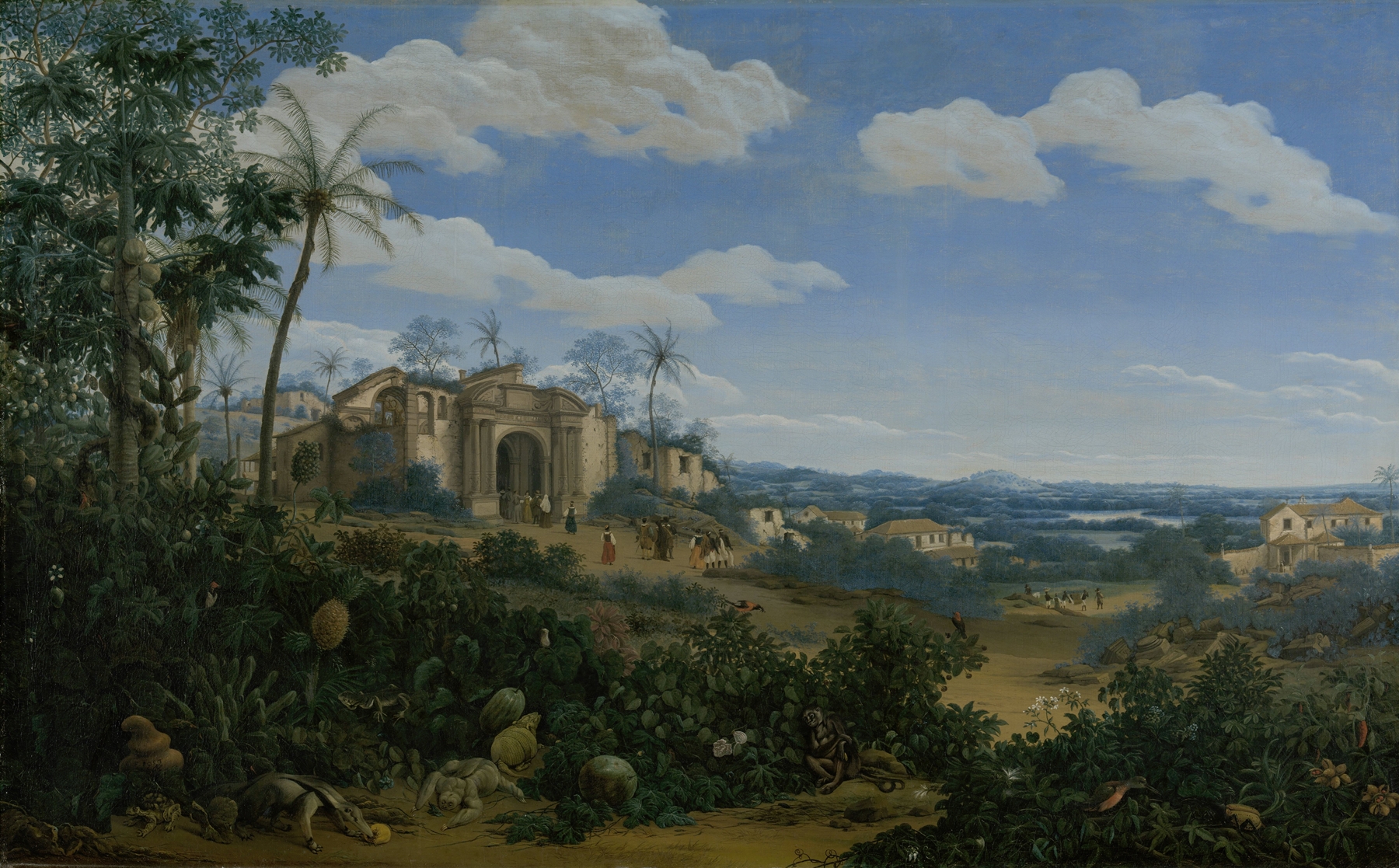
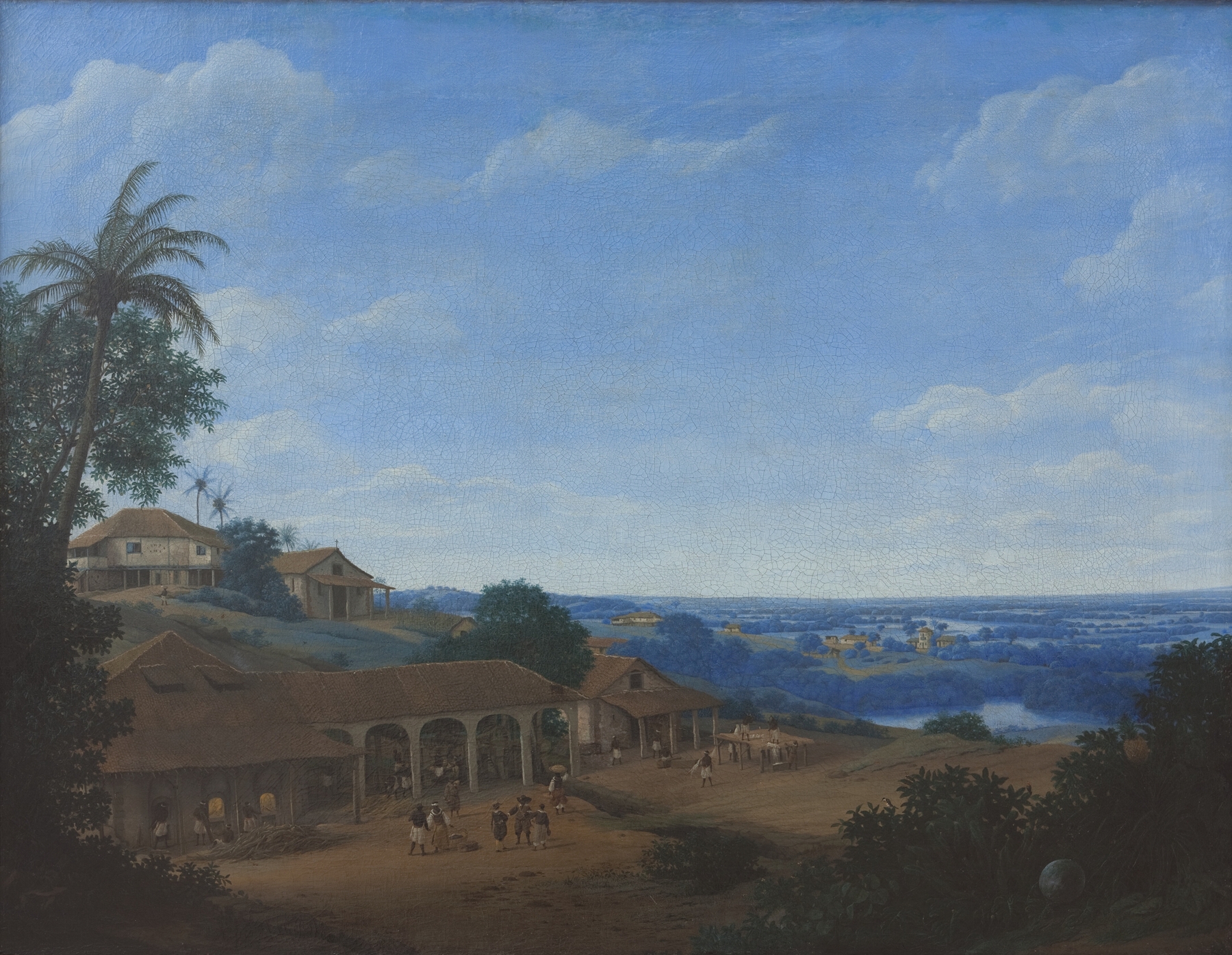
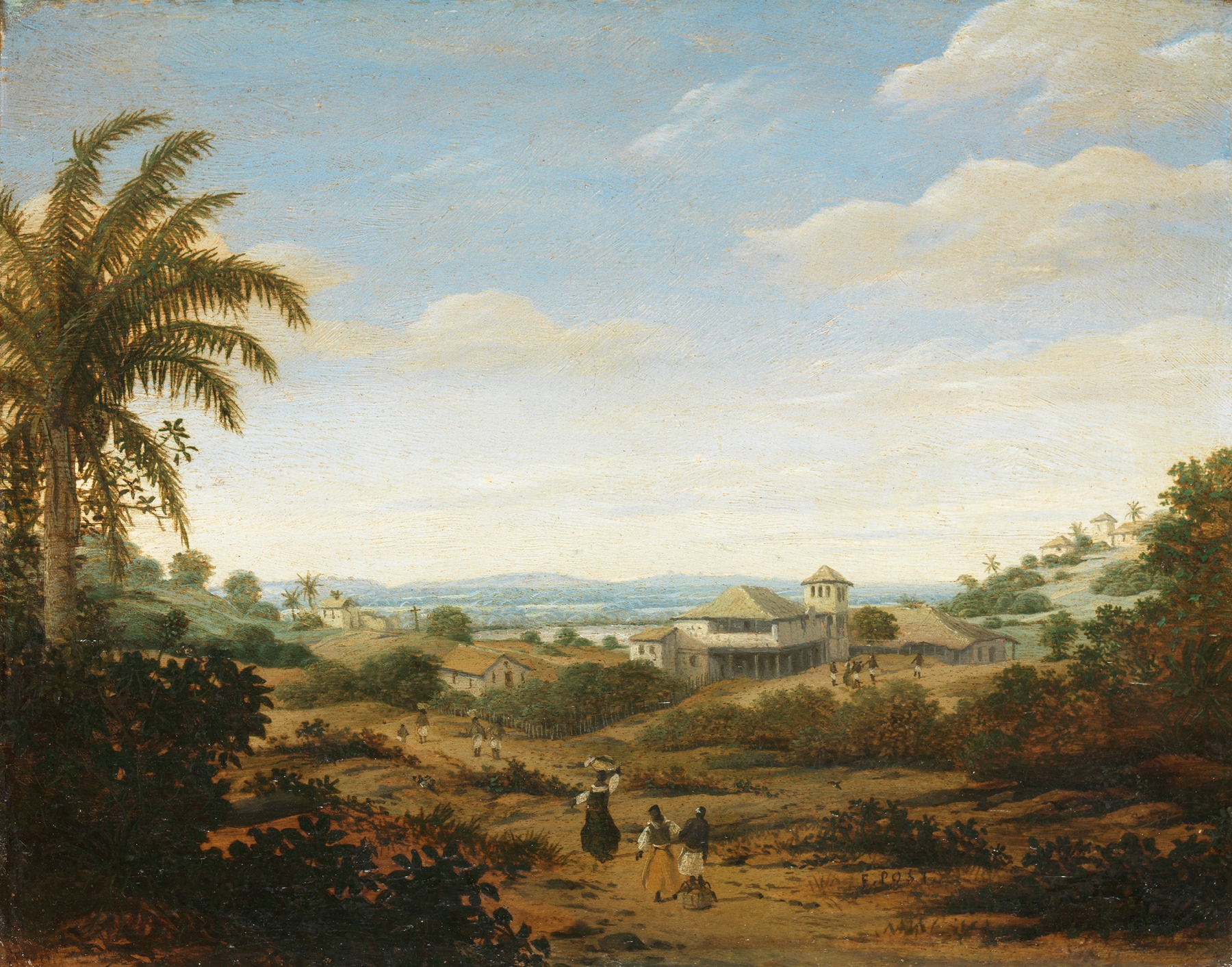
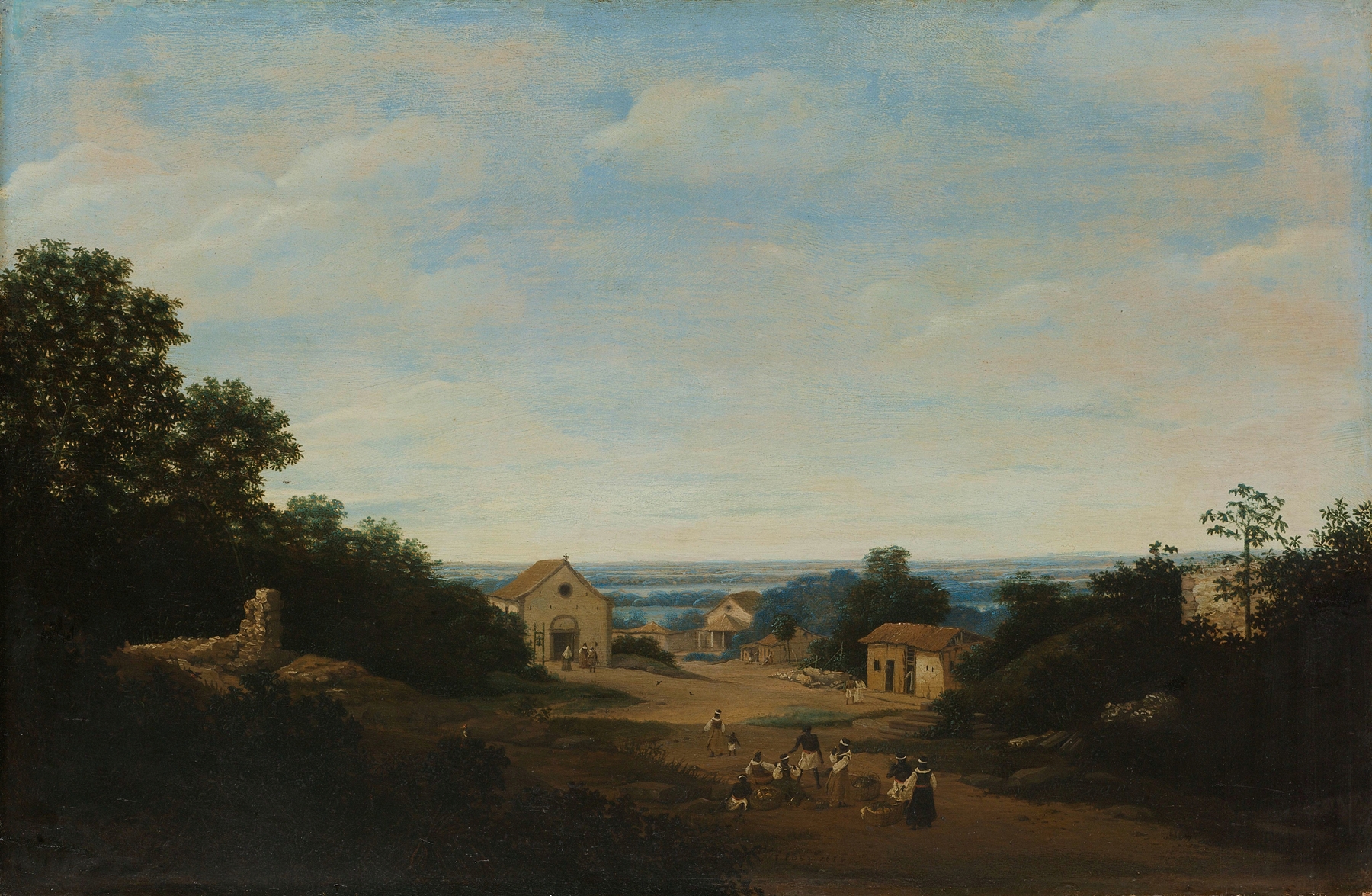
Could a single brushstroke hold eternity? In A Brazilian Landscape, the essence of decay intertwines with beauty, inviting us to ponder the impermanence of nature. Look to the left, where lush greenery unfurls in a cascade of verdant hues. Notice how the artist captures the delicate interplay of light and shadow, each brushstroke meticulously defining the foliage and revealing the textures of both the land and the water.
The warm earth tones blended with cooler greens create a vivid contrast, drawing the eye to the tranquil river that snakes through the composition, a lifeline flowing amidst the wilderness. Yet, amid the vibrancy lies a subtle tension; the remnants of a decaying structure peeking through the dense vegetation hint at the passage of time. This juxtaposition of flourishing life and the slow reclamation by nature evokes a poignant reflection on the cycle of existence. The distant mountains, softened by a haze, suggest not only distance but also the insurmountable forces of time that shape the landscape, creating an emotional resonance that lingers long after viewing.
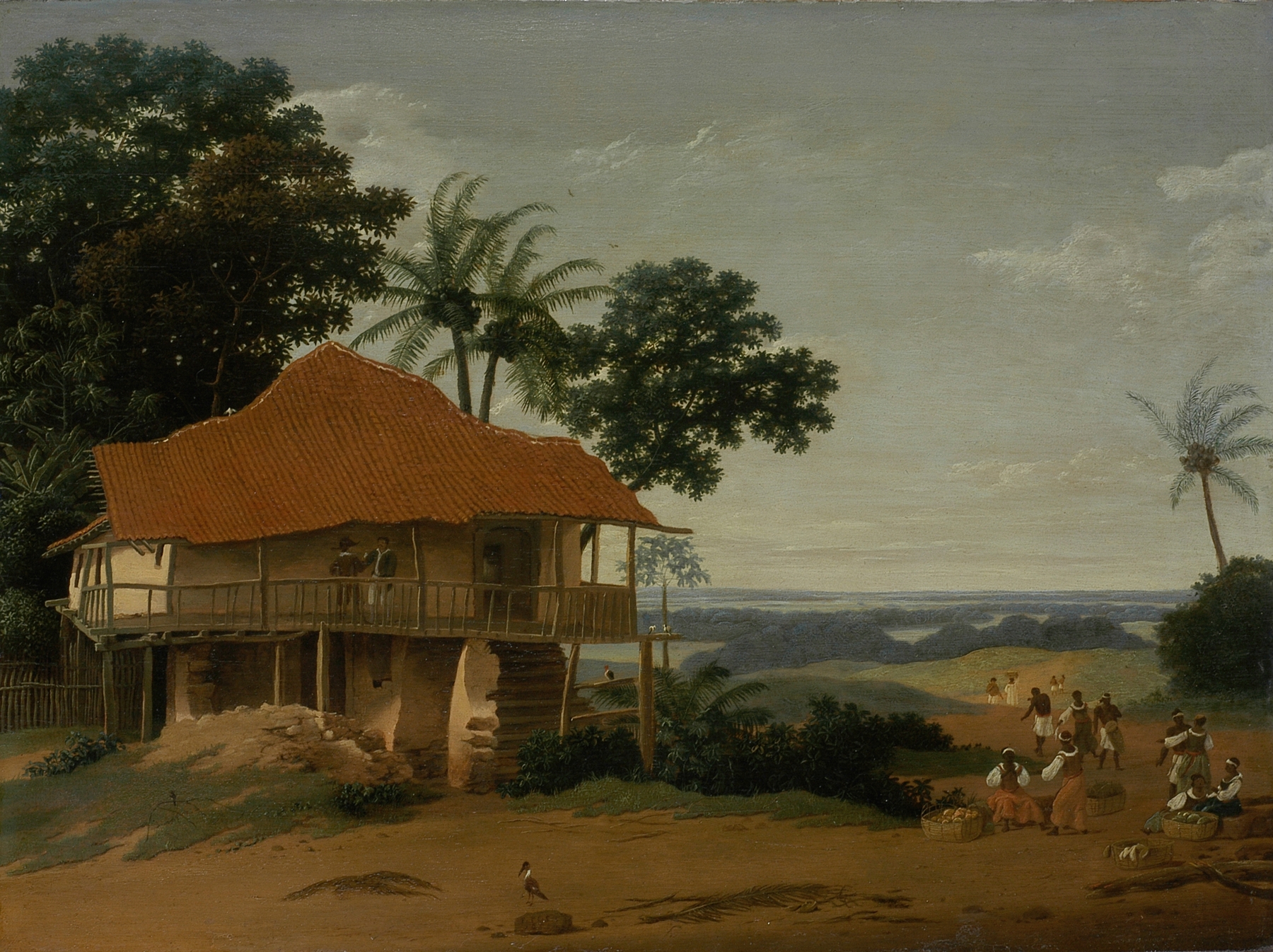
In 1650, Frans Post painted this scene during his stay in Brazil, a time when the Dutch were expanding their influence in South America. He immersed himself in the rich landscapes, yet his works also bore witness to the complexities of colonization. The imagery reflects both the allure and the underlying decay of nature, capturing a world in flux, and establishing Post as a pivotal figure in landscape painting during the Dutch Golden Age.