Brazilian Landscape — History & Analysis
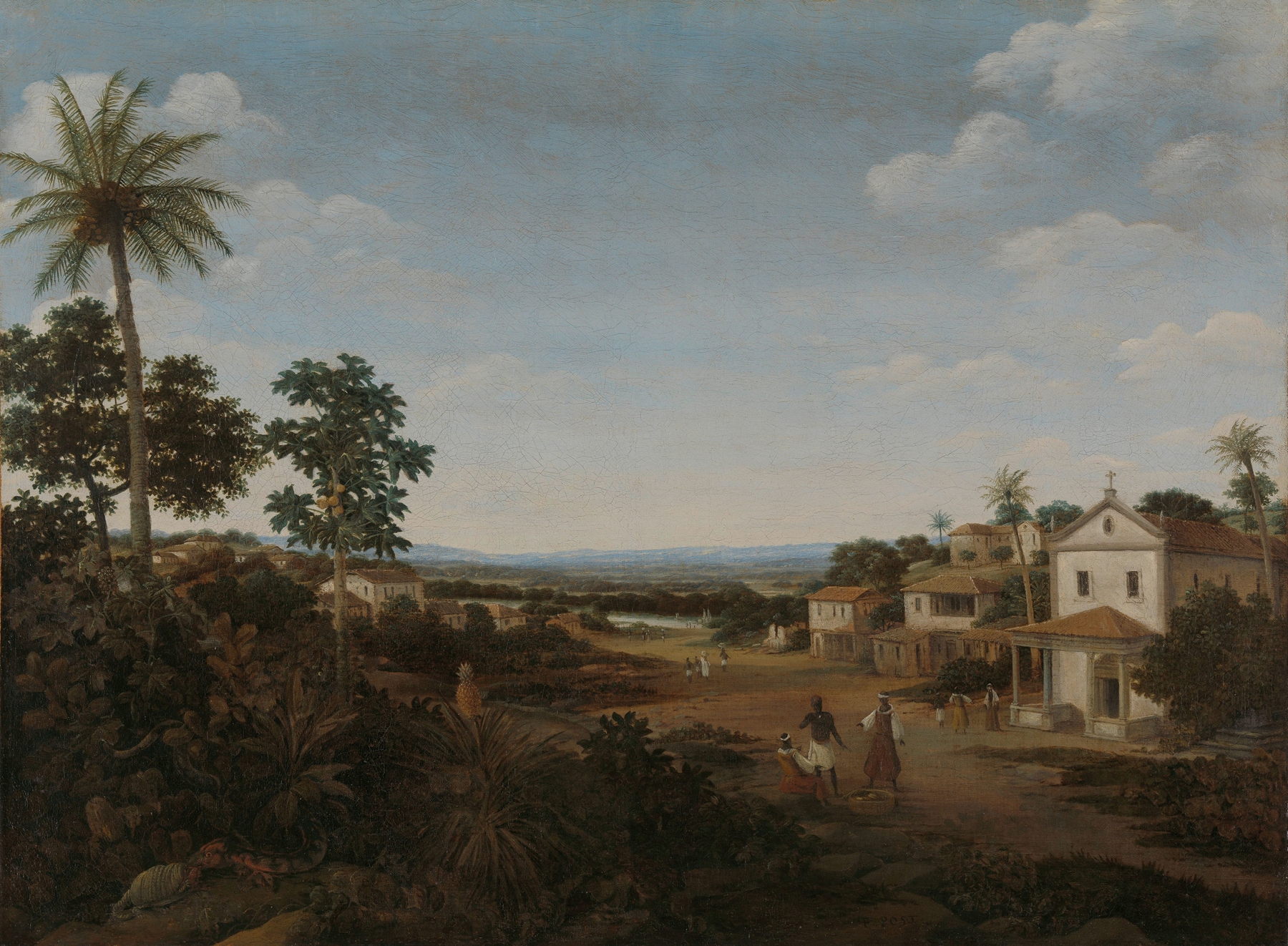
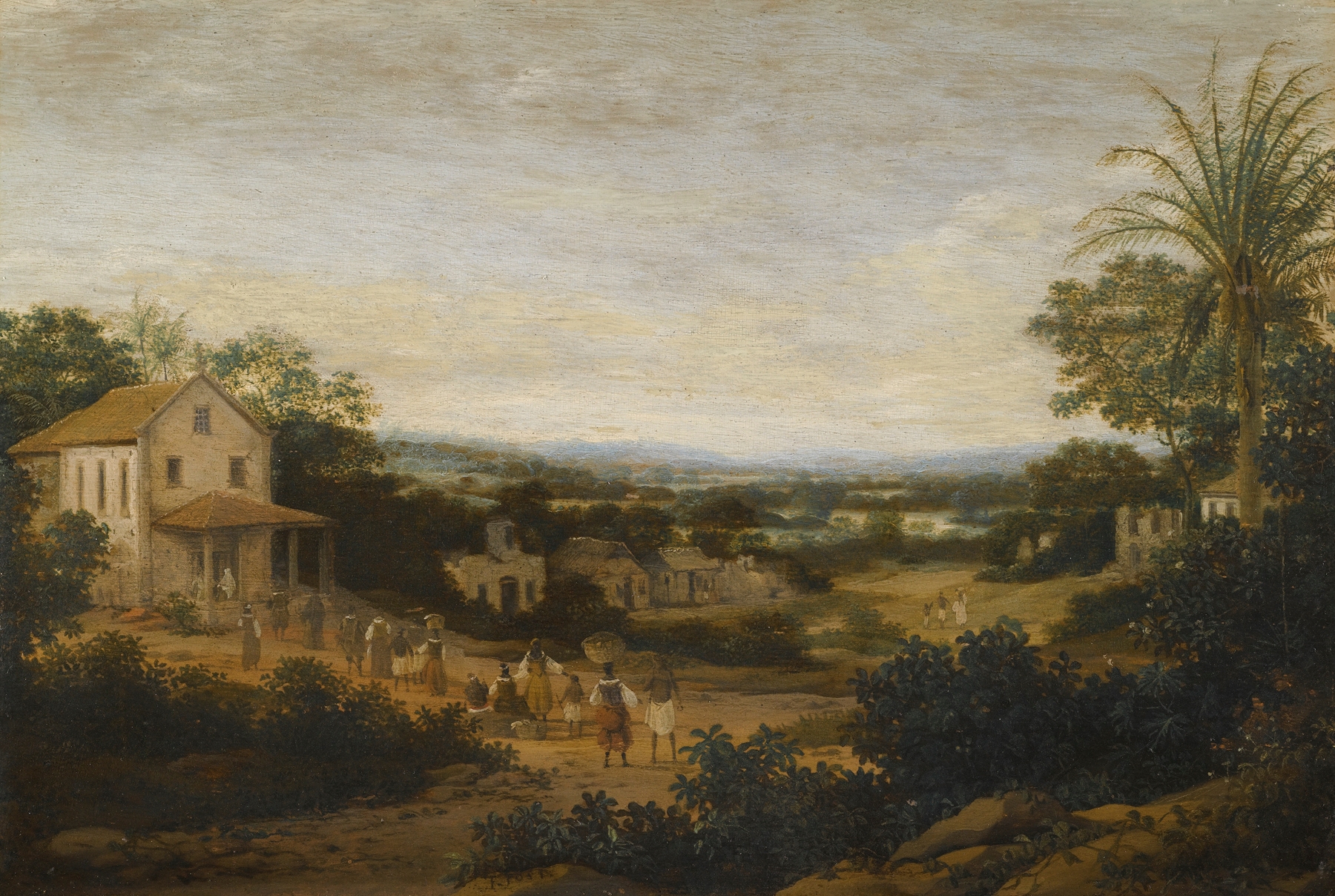
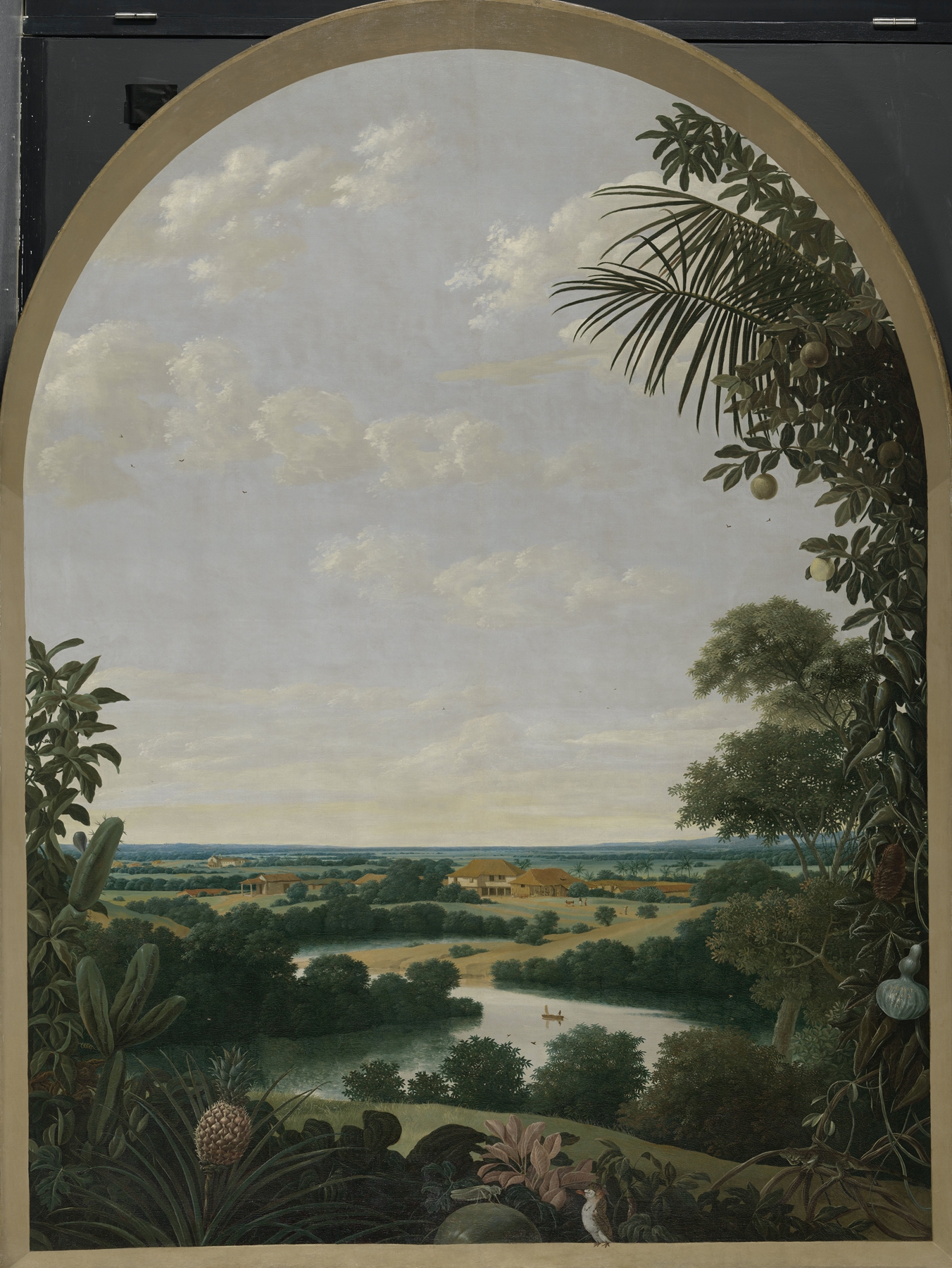
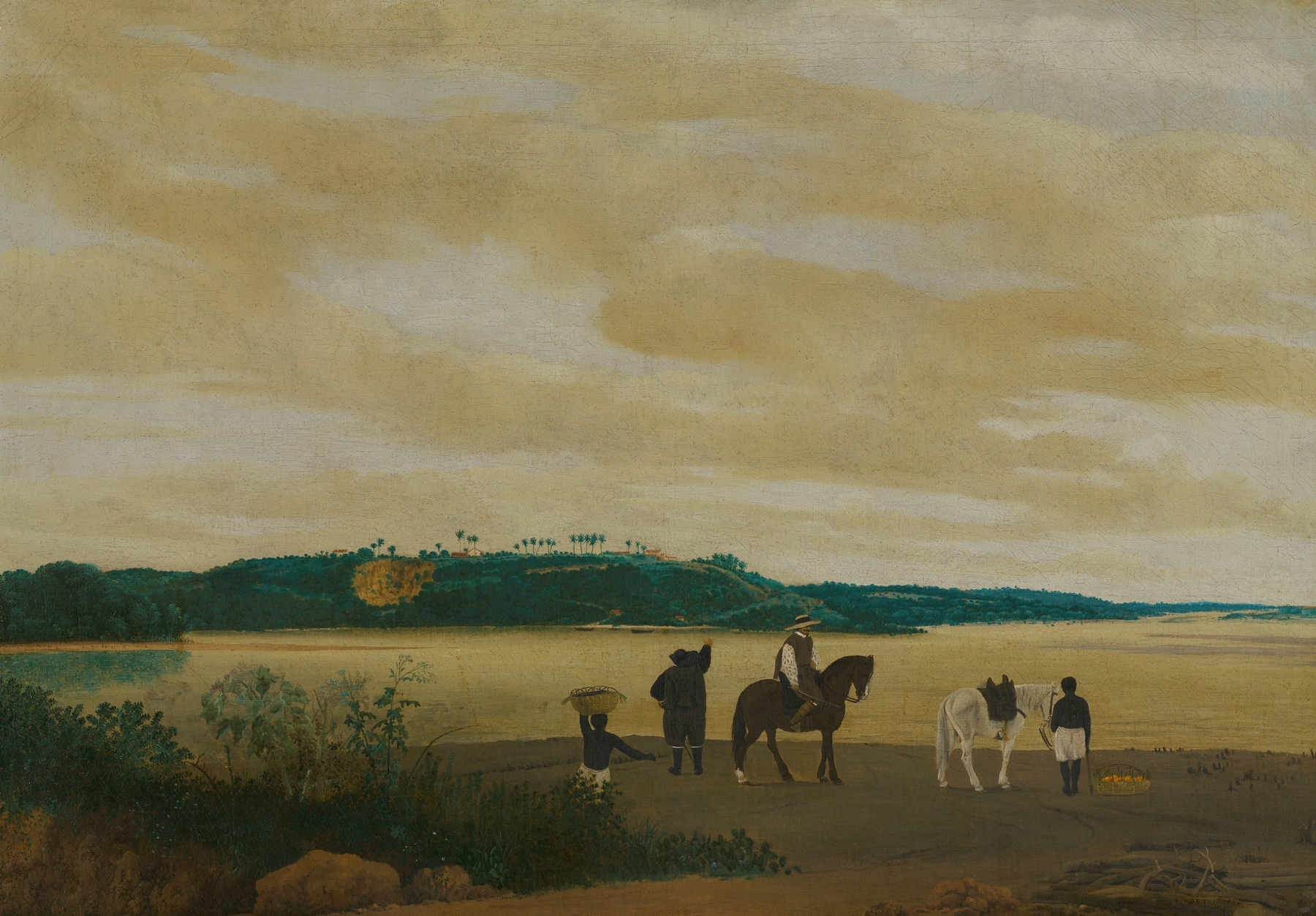
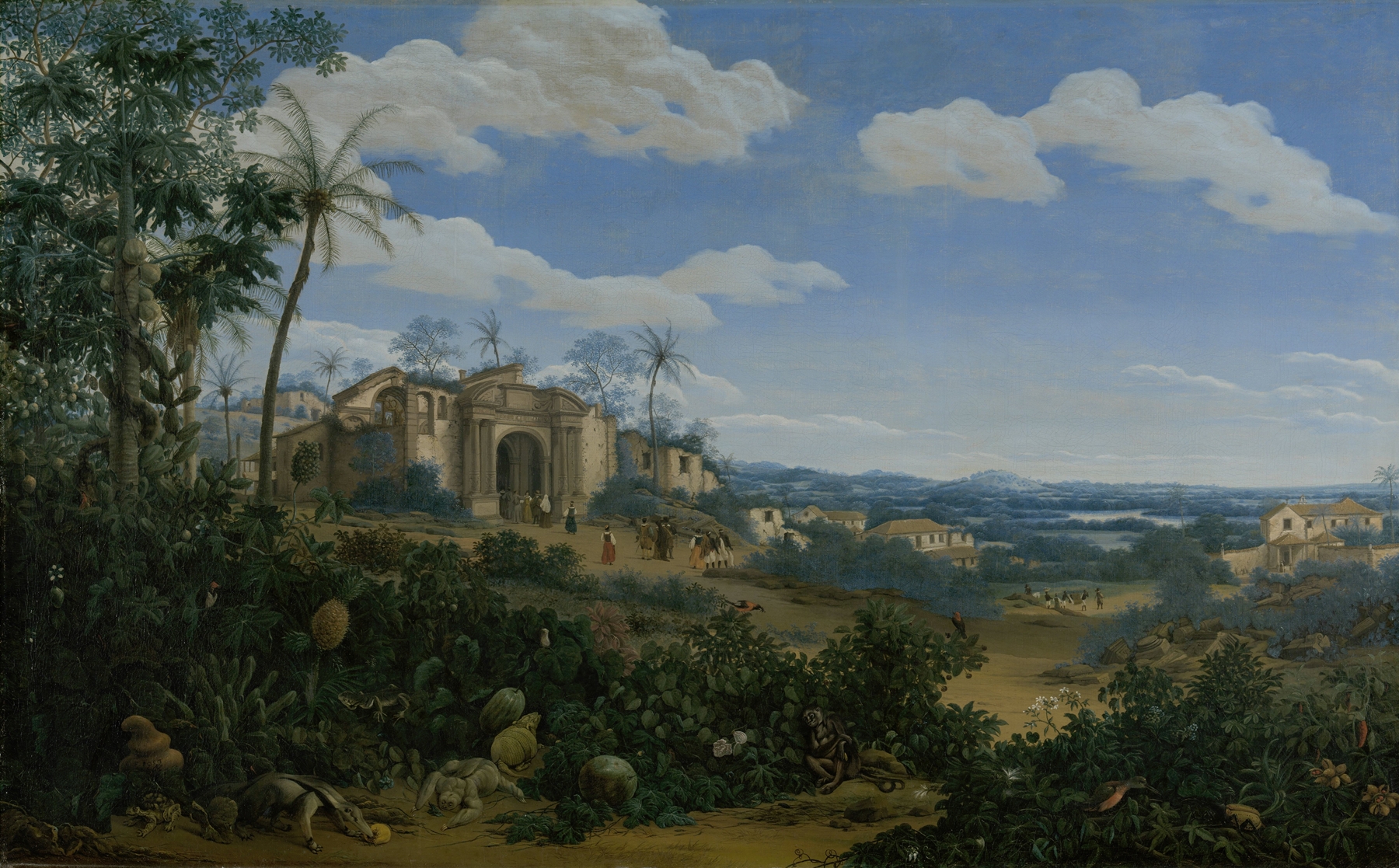
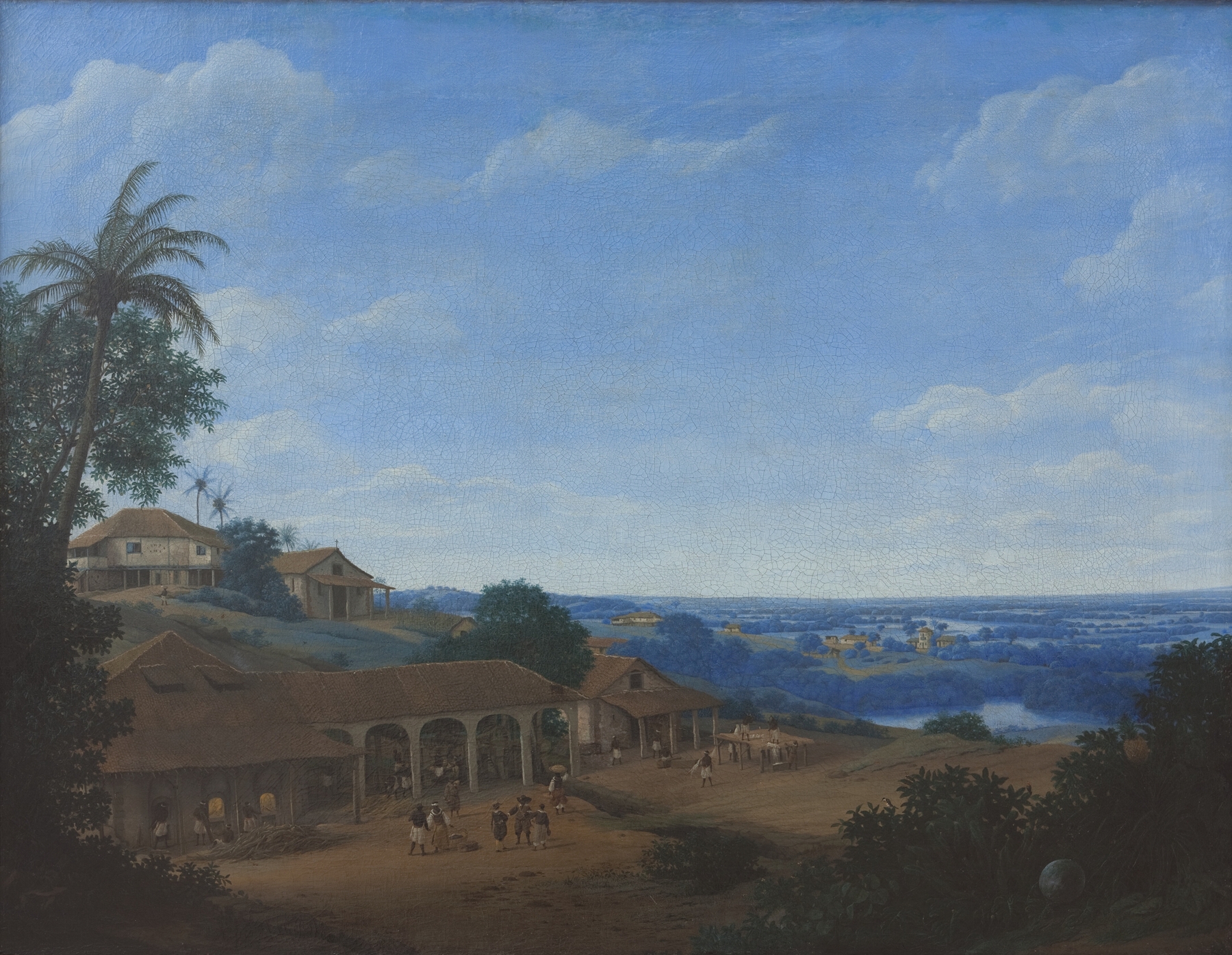
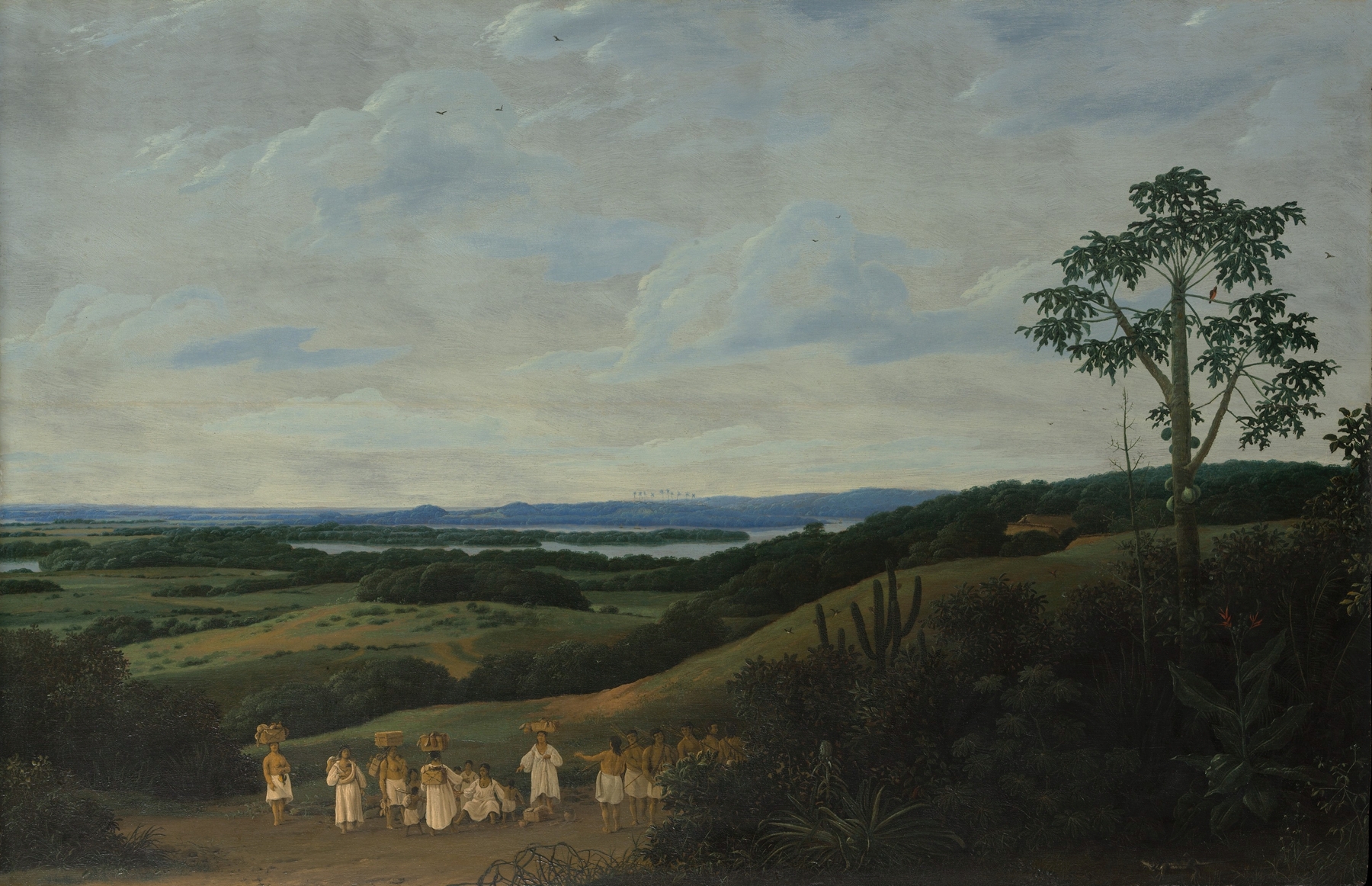
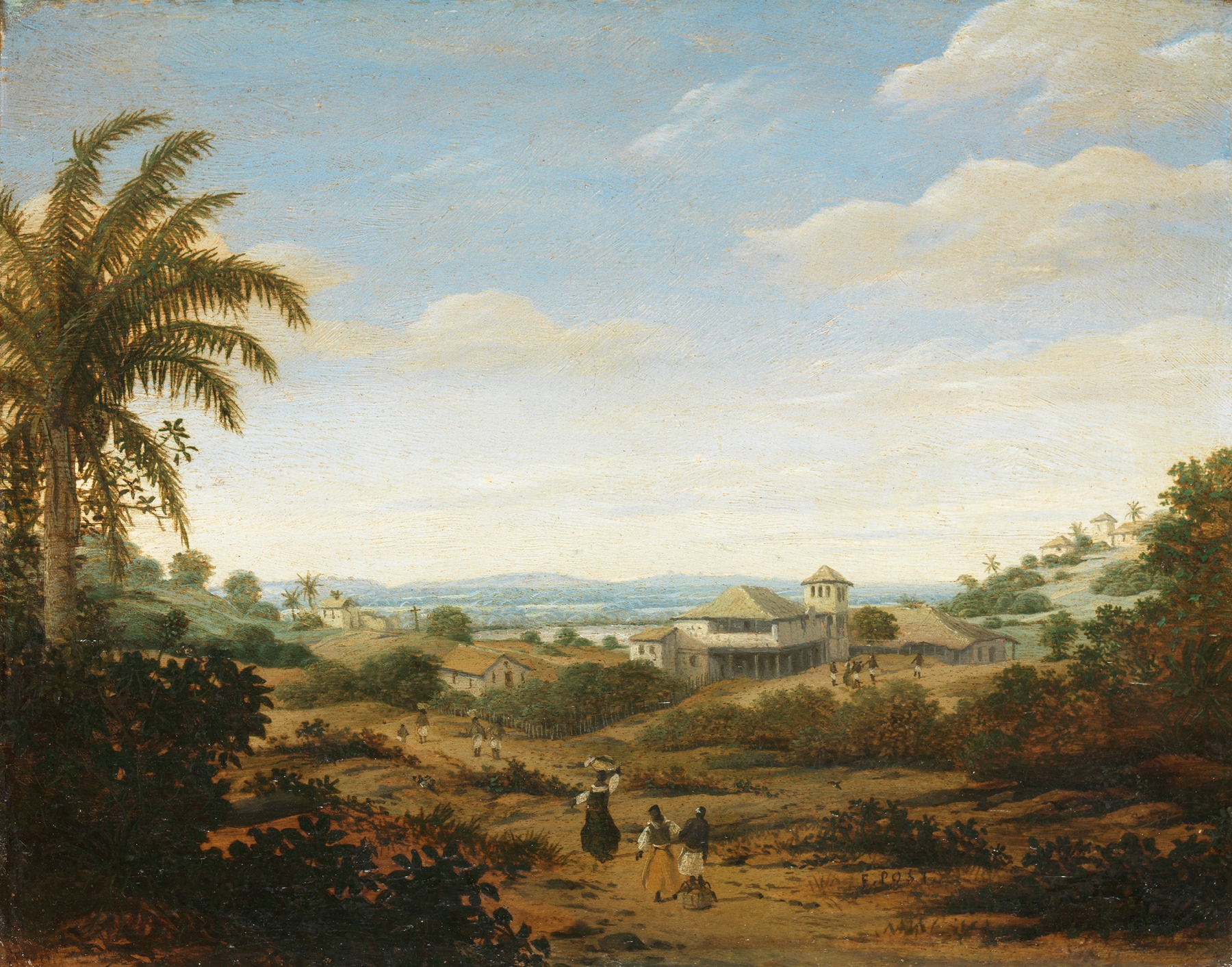
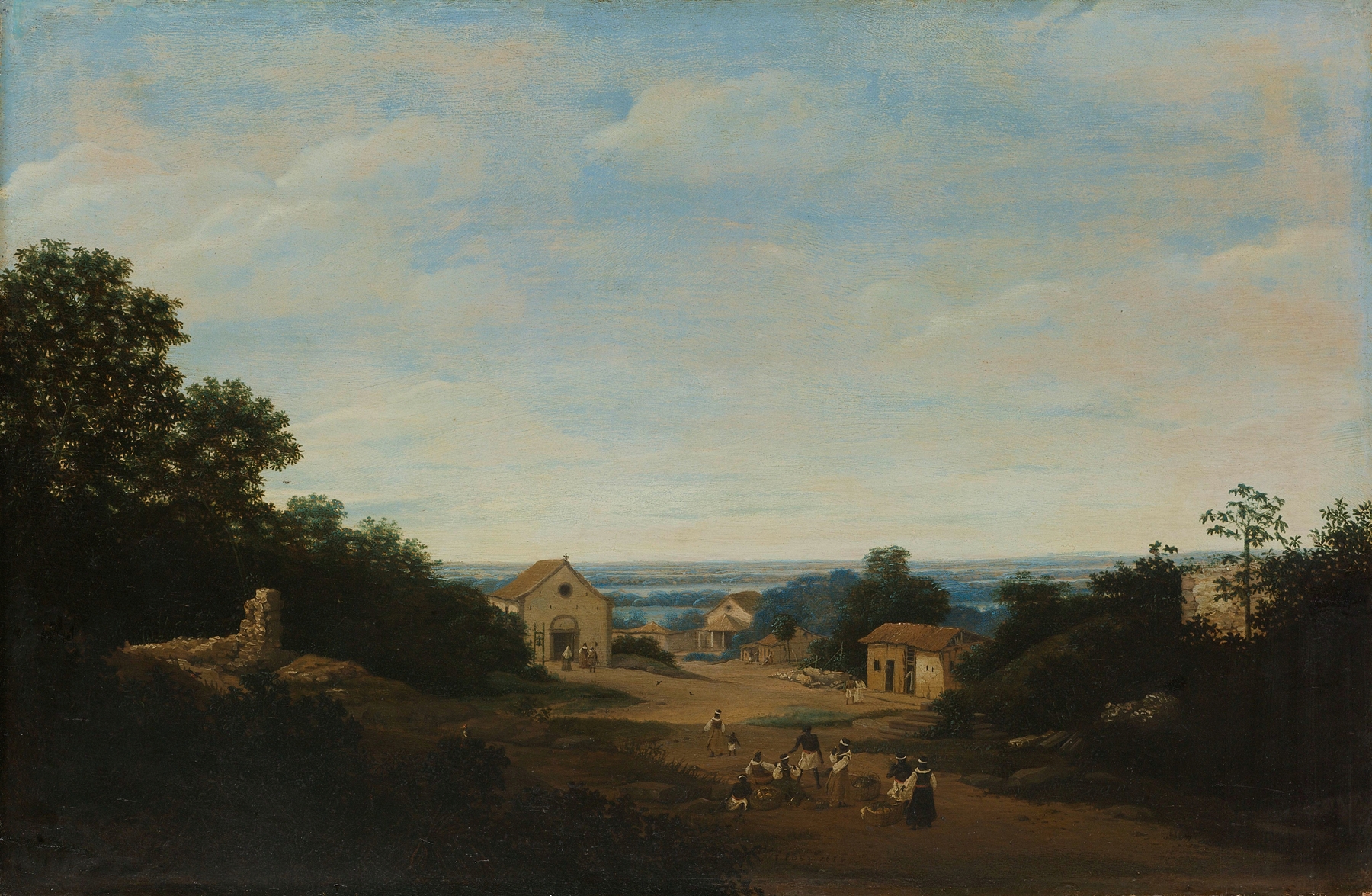
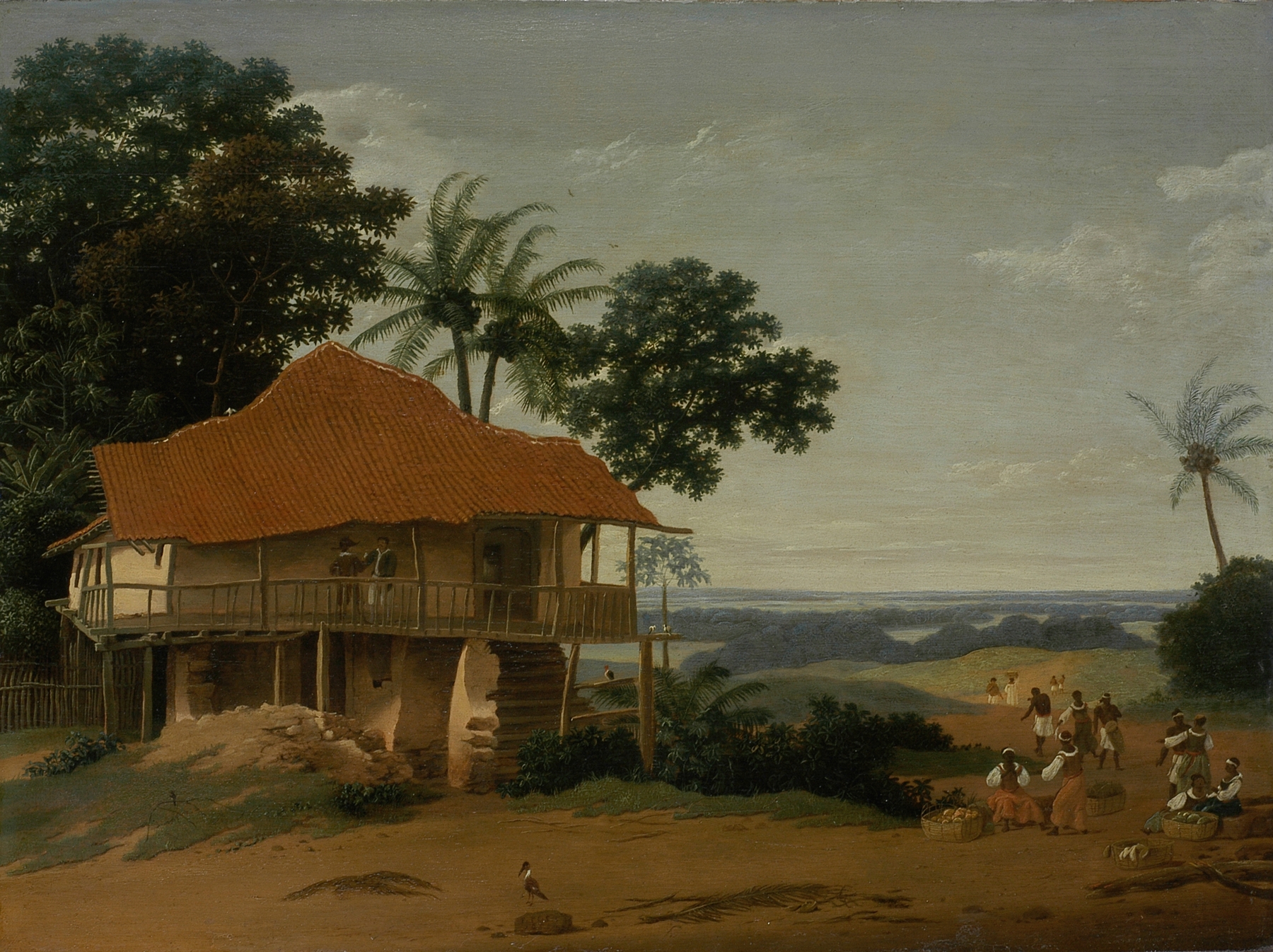
Can paint confess what words never could? In Brazilian Landscape, nature breathes a quiet elegy, whispering the transient beauty of life and mortality through its vibrant strokes. Look to the foreground where lush greenery unfurls, a tapestry of vivid greens and earthy browns inviting your gaze. The delicate brushwork captures the movement of leaves swaying in a gentle breeze, while the sunlight filters through, casting dappled shadows that dance across the terrain. Notice how the majestic mountains rise in the distance, their muted blues and grays suggesting both grandeur and the inevitability of decay.
The balance between light and shadow evokes a sense of harmony and fragility, inviting reflection on the passage of time. As you delve deeper, consider the sense of isolation in the scene. The vastness of the landscape conveys a loneliness that parallels the beauty depicted, hinting at the ephemeral nature of human existence. The absence of figures allows for introspection, urging the viewer to confront their own transience amidst the backdrop of a world teeming with life.
Each vibrant hue is a reminder that beauty, while arresting, is deeply intertwined with the notion of mortality. Frans Post painted this work between 1670 and 1680, during a time when he was deeply influenced by the Brazilian landscapes he encountered while traveling. Emigrating from Holland, Post found himself amidst a world that was both exotic and bold—a stark departure from the familiar Dutch countryside. His explorations laid the groundwork for later artists, establishing a genre that married the natural world with the emotional weight of human experience.