Landscape in Brazil — History & Analysis
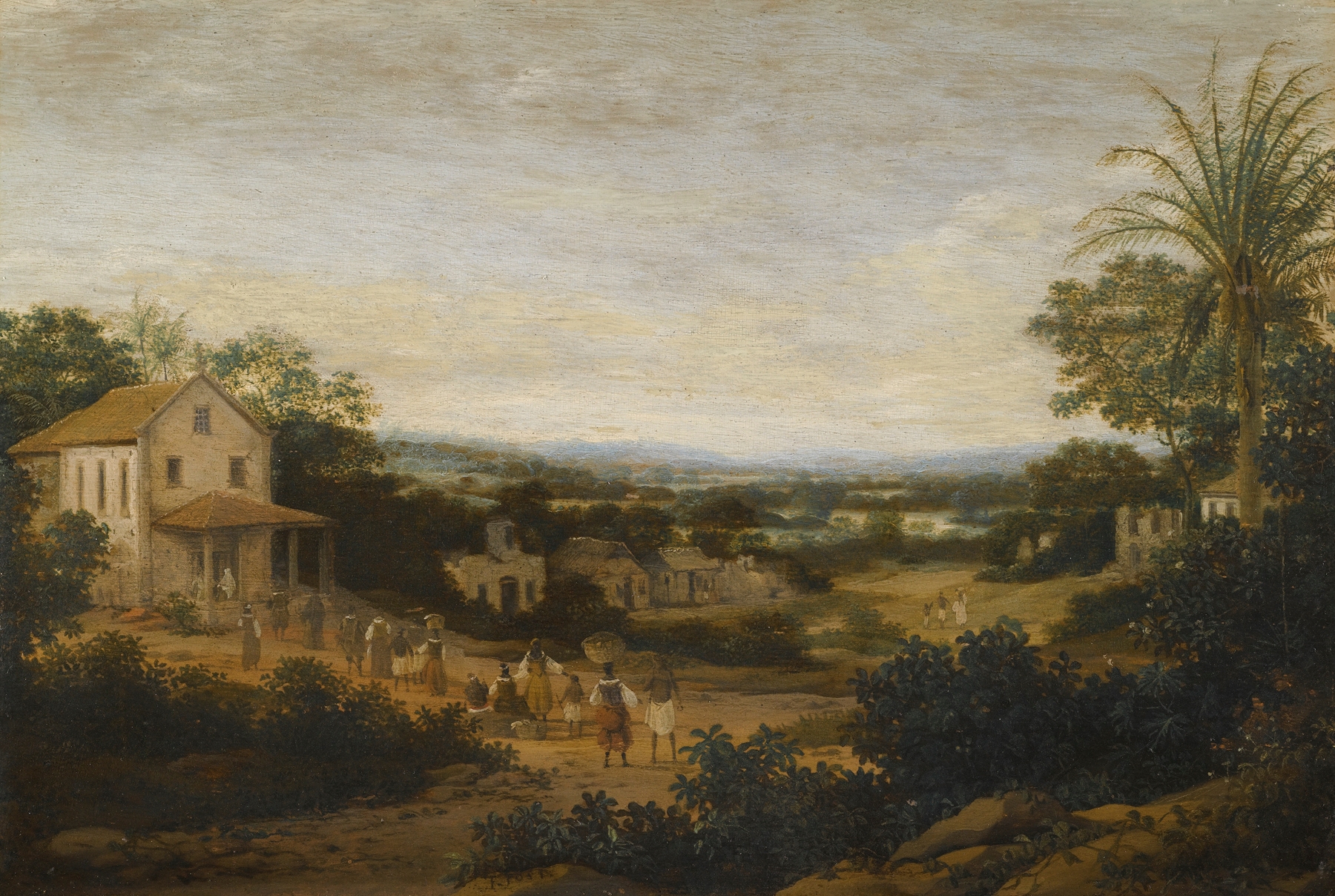
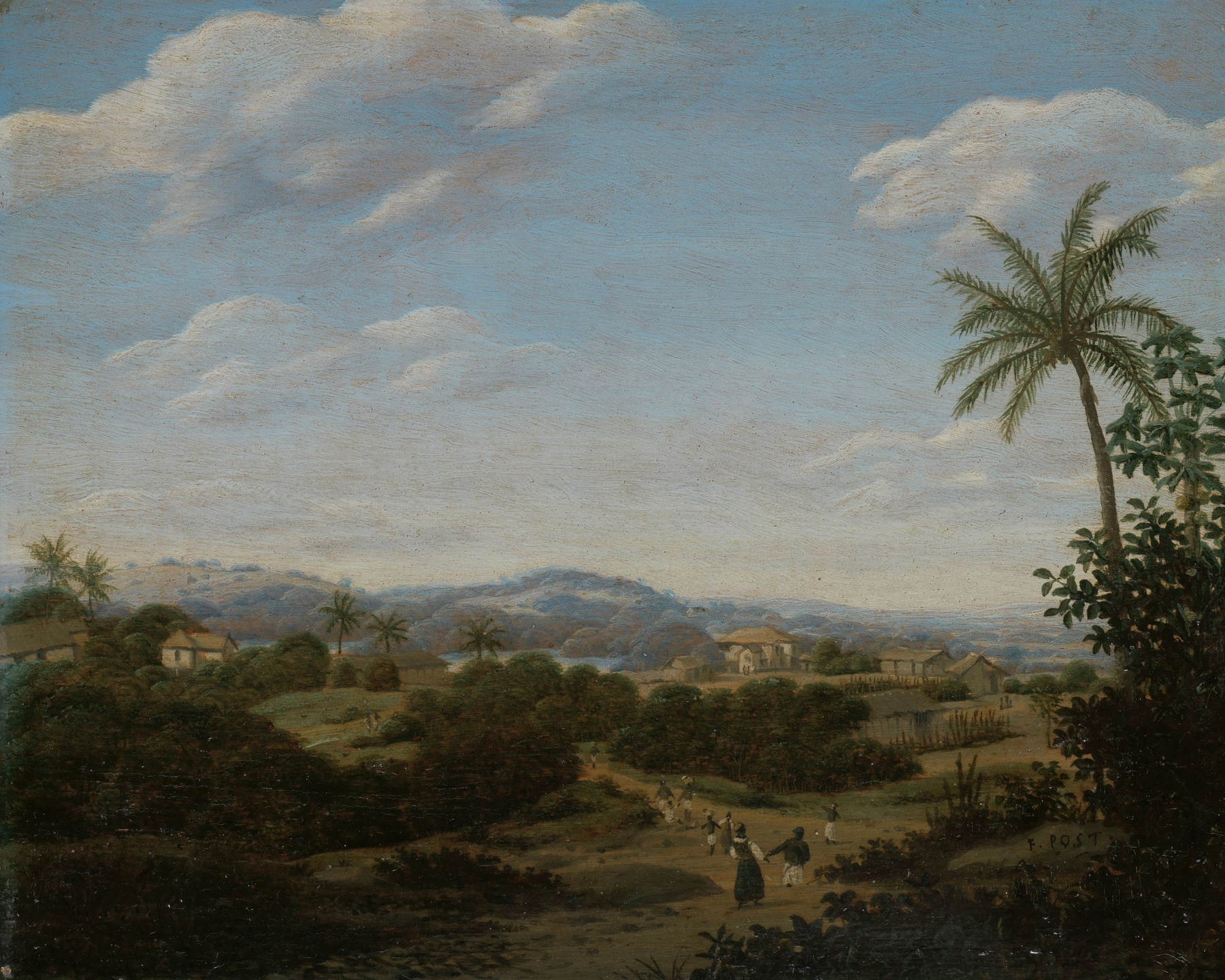
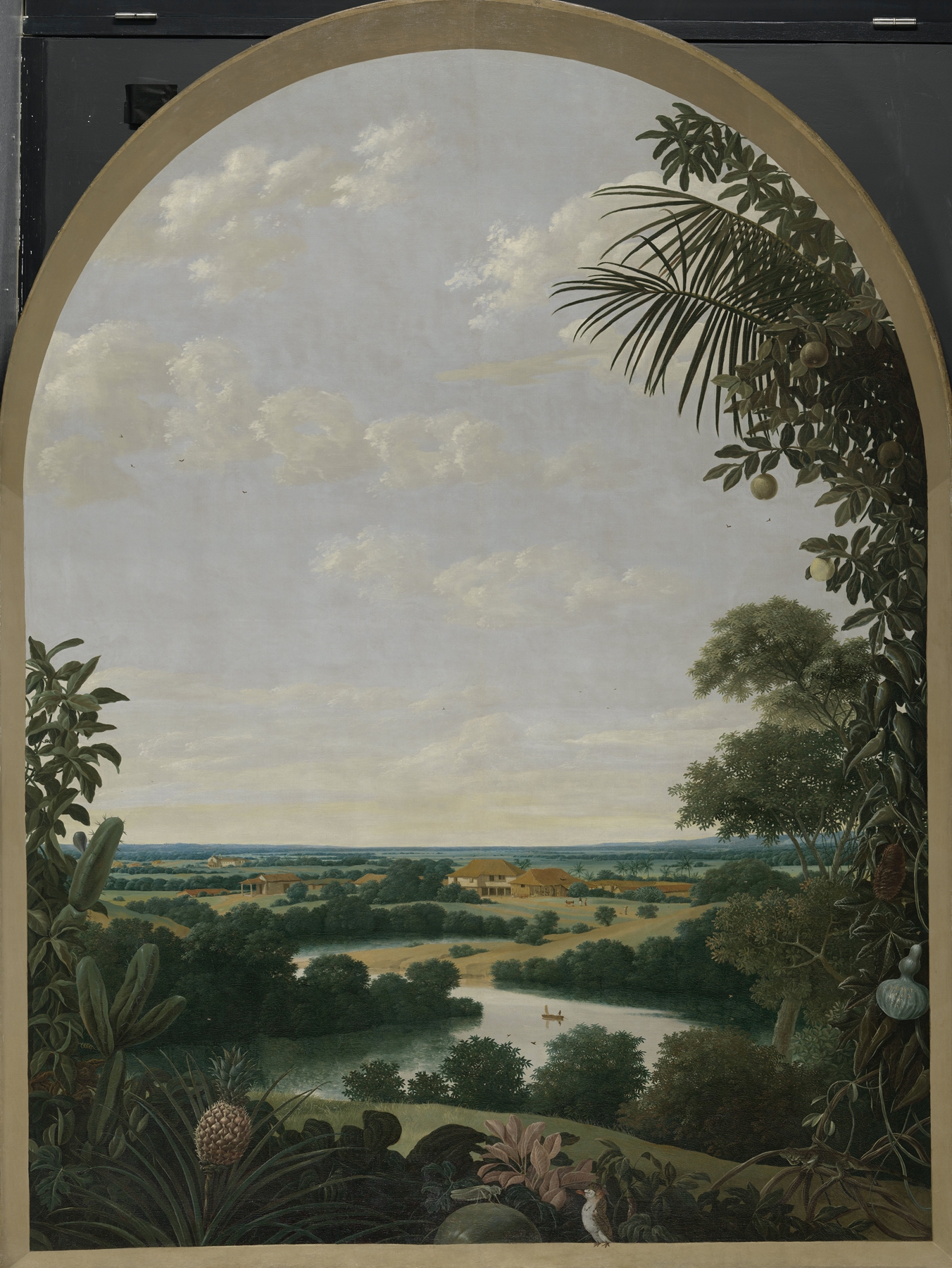
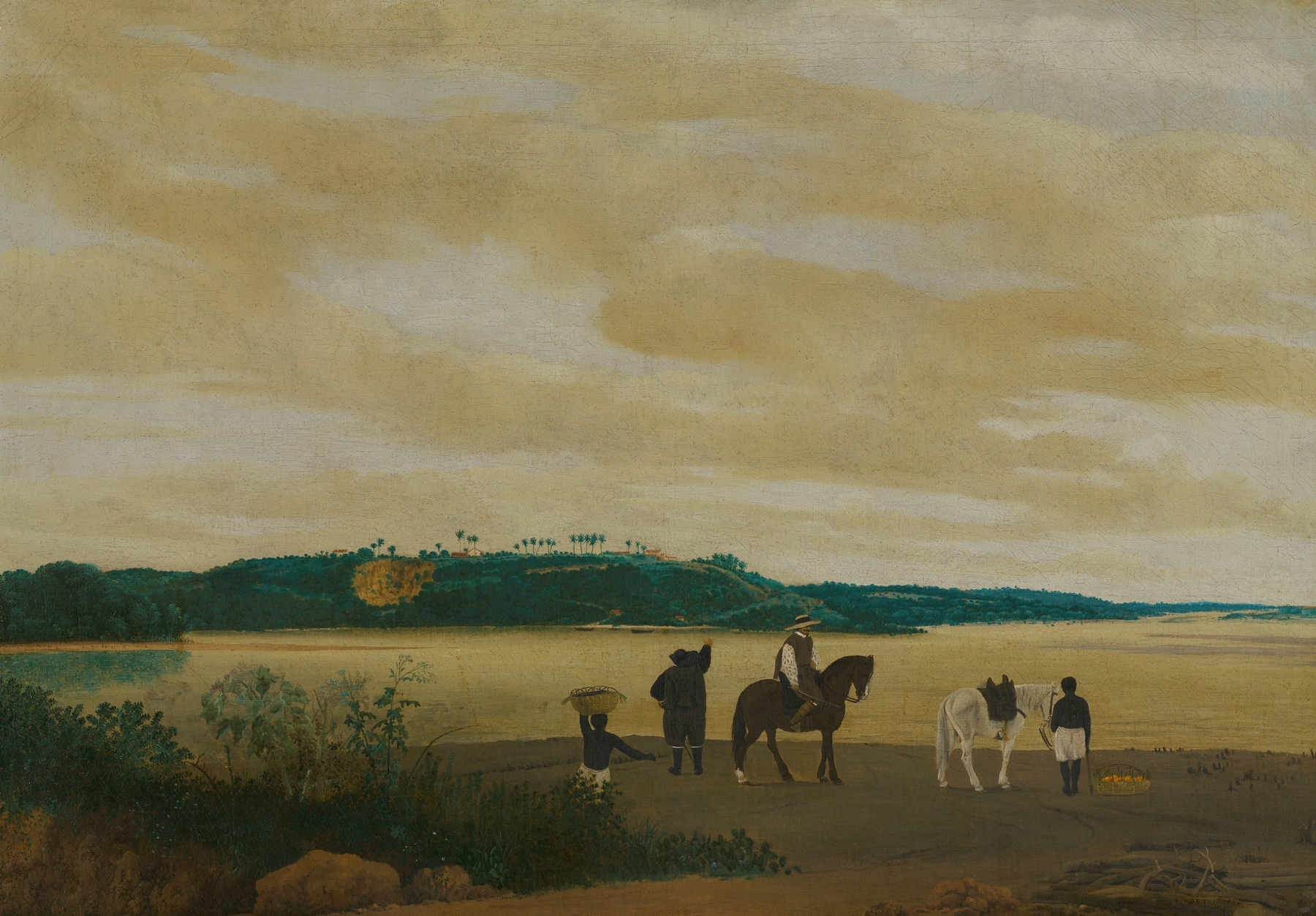
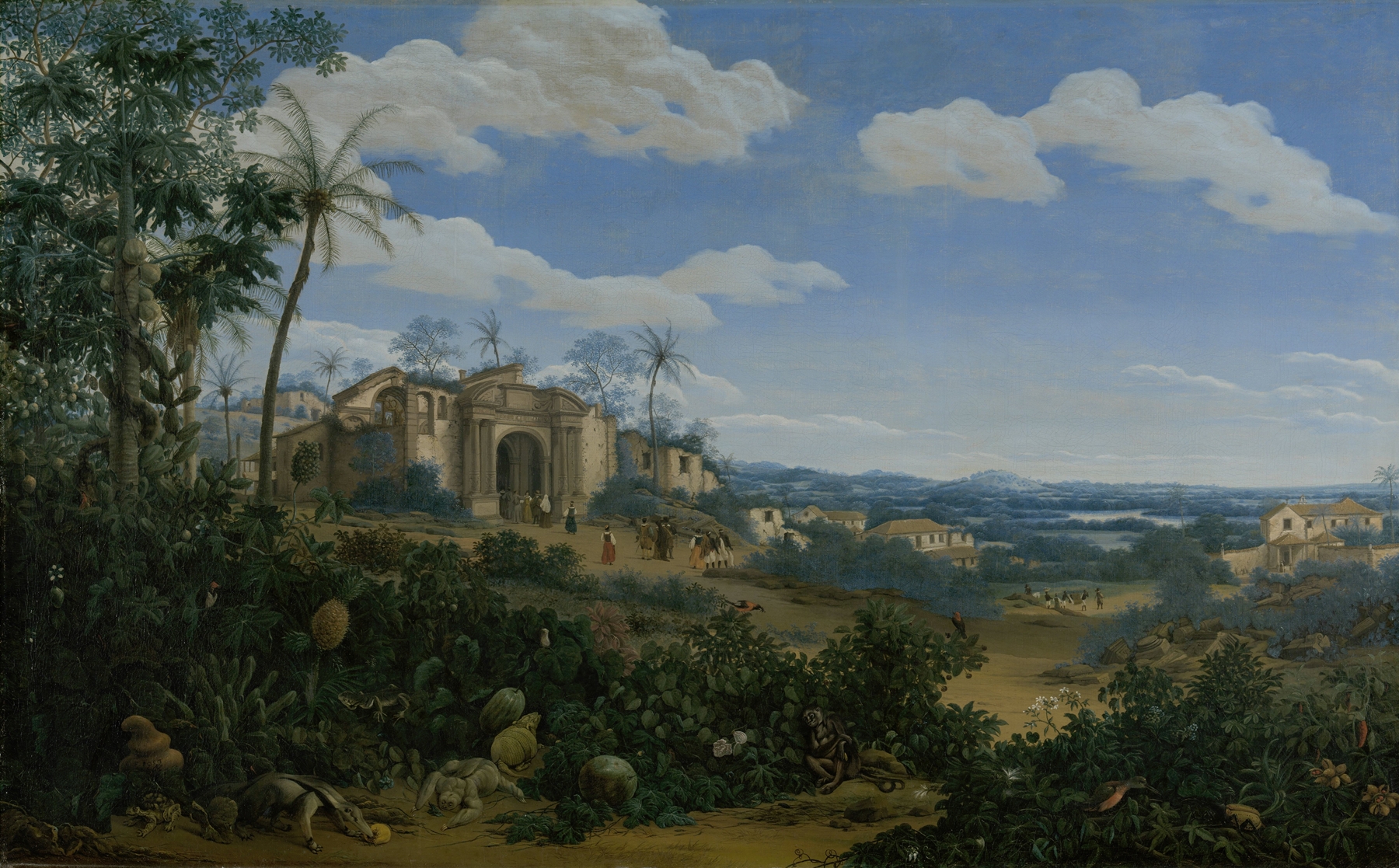
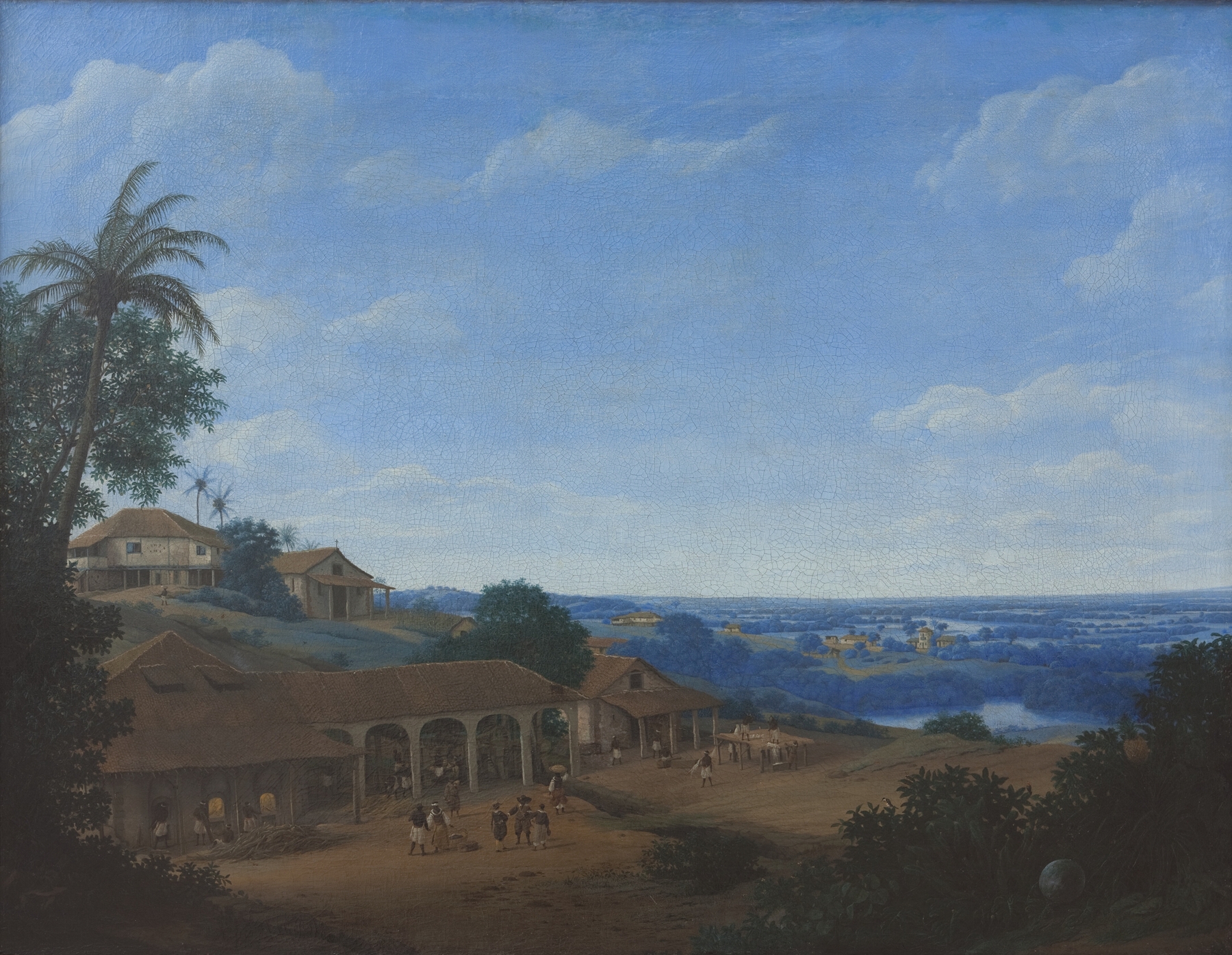
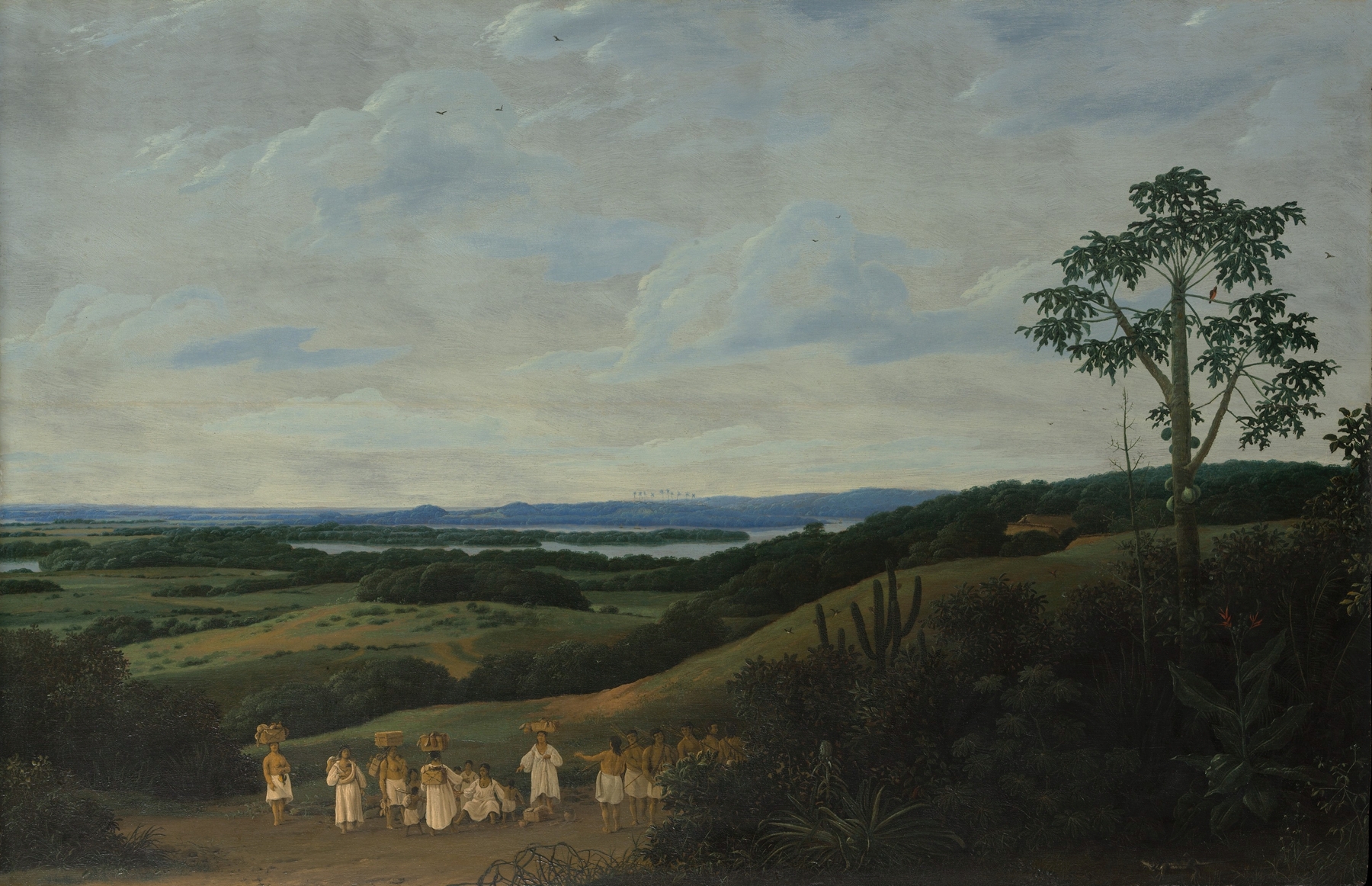
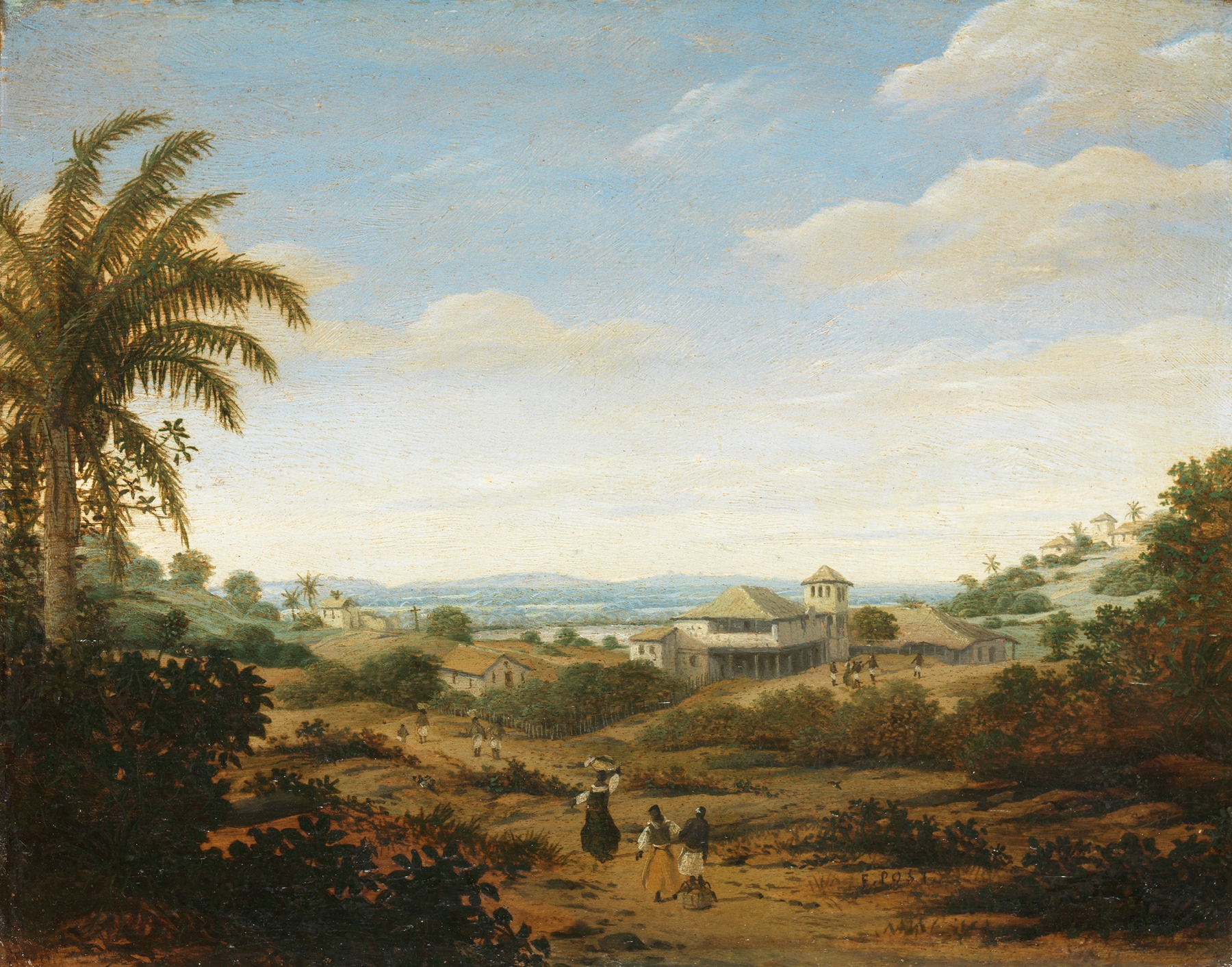
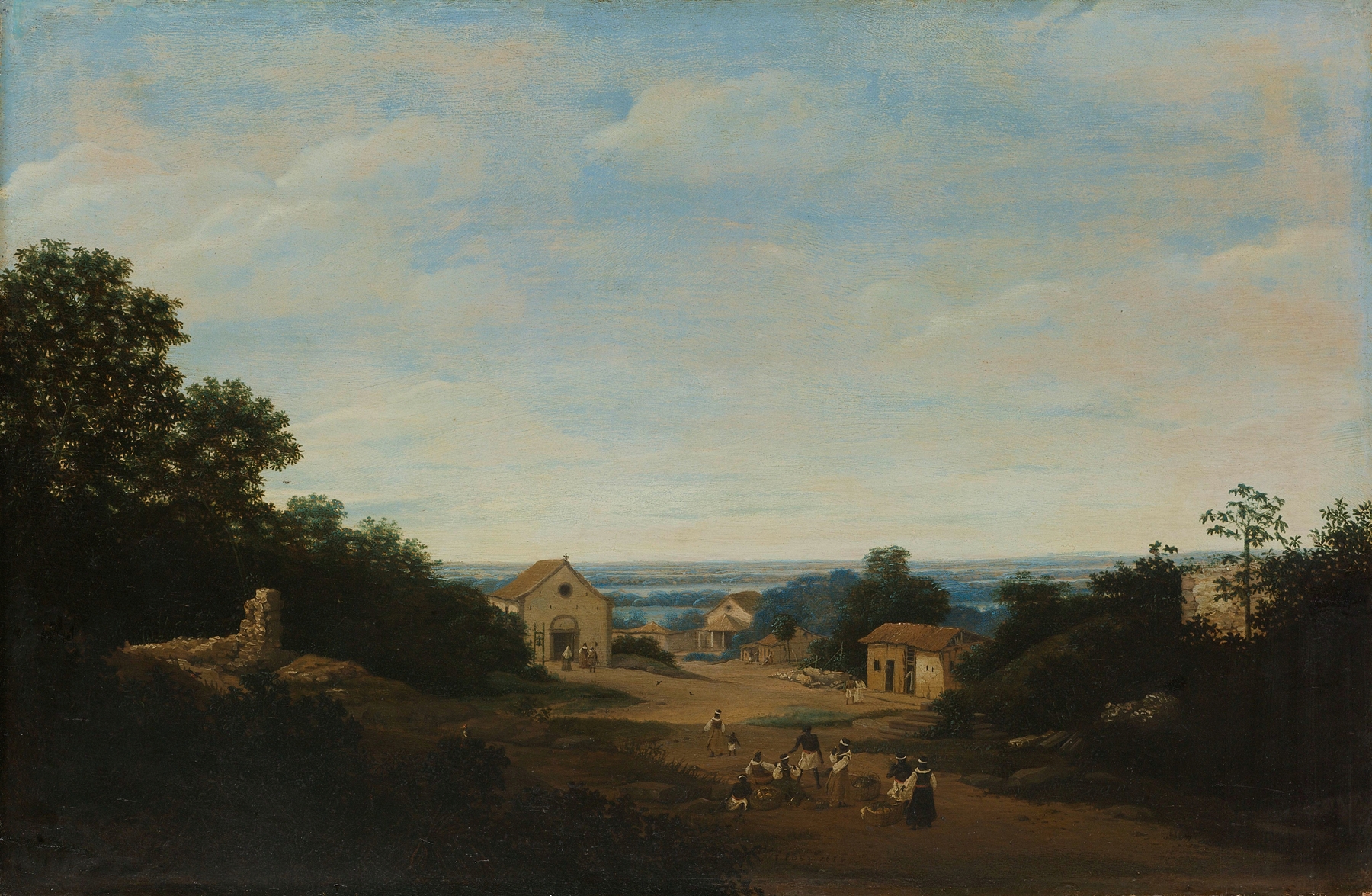
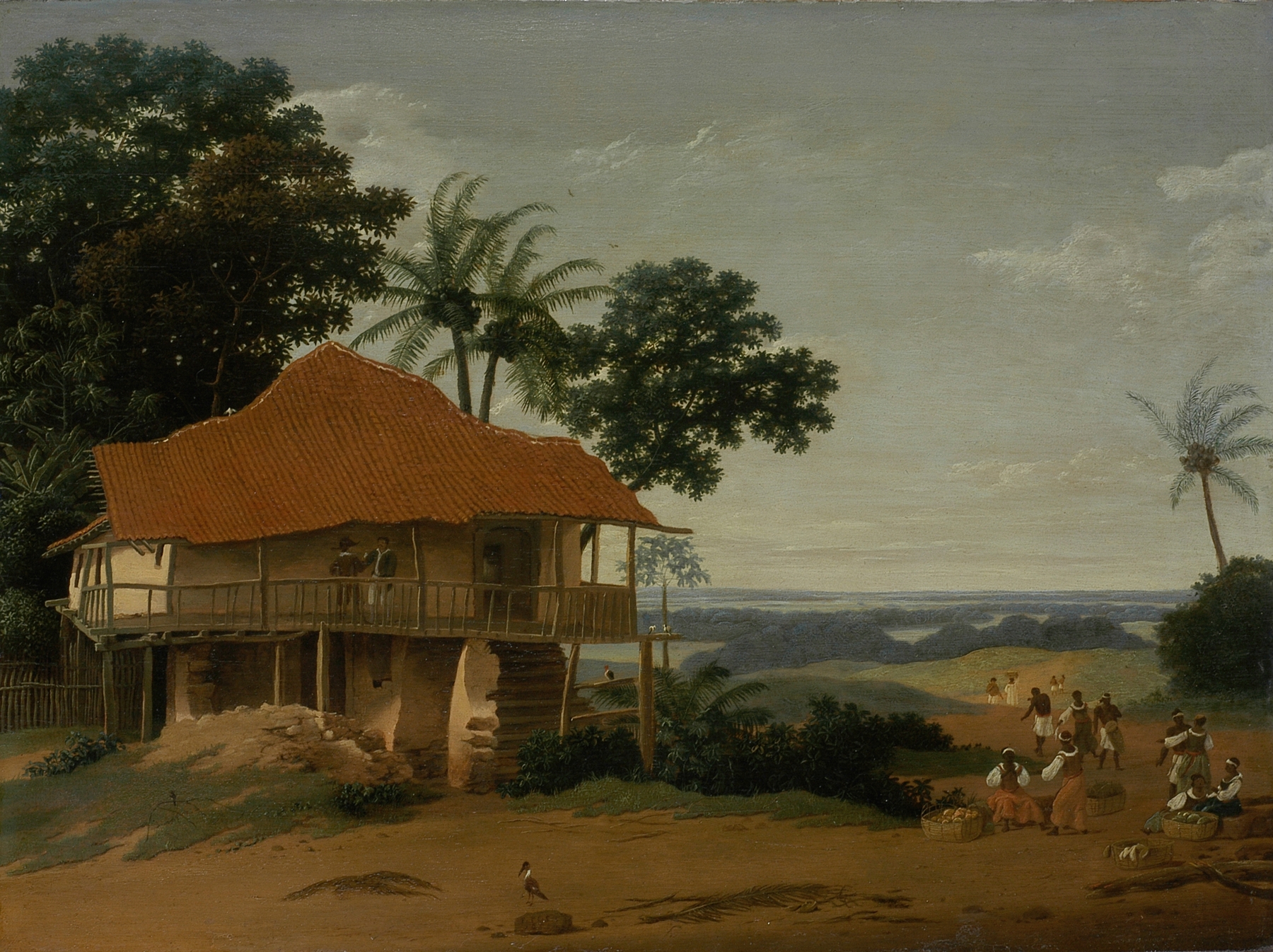
Who listens when art speaks of silence? In the stillness of Landscape in Brazil, beauty unfolds in intricate details, inviting an introspective dialogue with nature itself. Look to the left at the sweeping curves of the lush hills, where verdant greens bleed into soft earth tones under a vast, luminous sky. The horizon breathes with subtle brushwork, capturing the interplay of light and shadow that defines the landscape. Notice how the clouds, almost weightless, drift lazily across the canvas, their ethereal quality contrasting against the ruggedness of the terrain below.
Each stroke reveals the artist's meticulous attention, inviting viewers to linger and absorb the tranquil scene. Beneath the surface, this landscape reveals deeper layers of emotional tension—a juxtaposition of solitude and splendor. The isolated figures dotting the land hint at human existence, yet they are dwarfed by nature's grandeur. This contrast evokes a sense of humility and reflection, prompting a consideration of humanity’s relationship with the environment.
The calming palette speaks of serenity, yet there lies an undercurrent of longing—a desire to connect with the natural world that surrounds us. Frans Post painted Landscape in Brazil during a pivotal moment in the mid-17th century, as the Dutch expanded their influence in South America. Living in Amsterdam, he translated the exoticism of a distant land into familiar aesthetics, reflecting both the allure of the unknown and the artistic trends of his time. This period was marked by a fascination with the natural world, as artists sought to capture its beauty and complexity, paving the way for future explorations in landscape painting.