Landscape on the Rio Senhor de Engenho, Brazil — History & Analysis
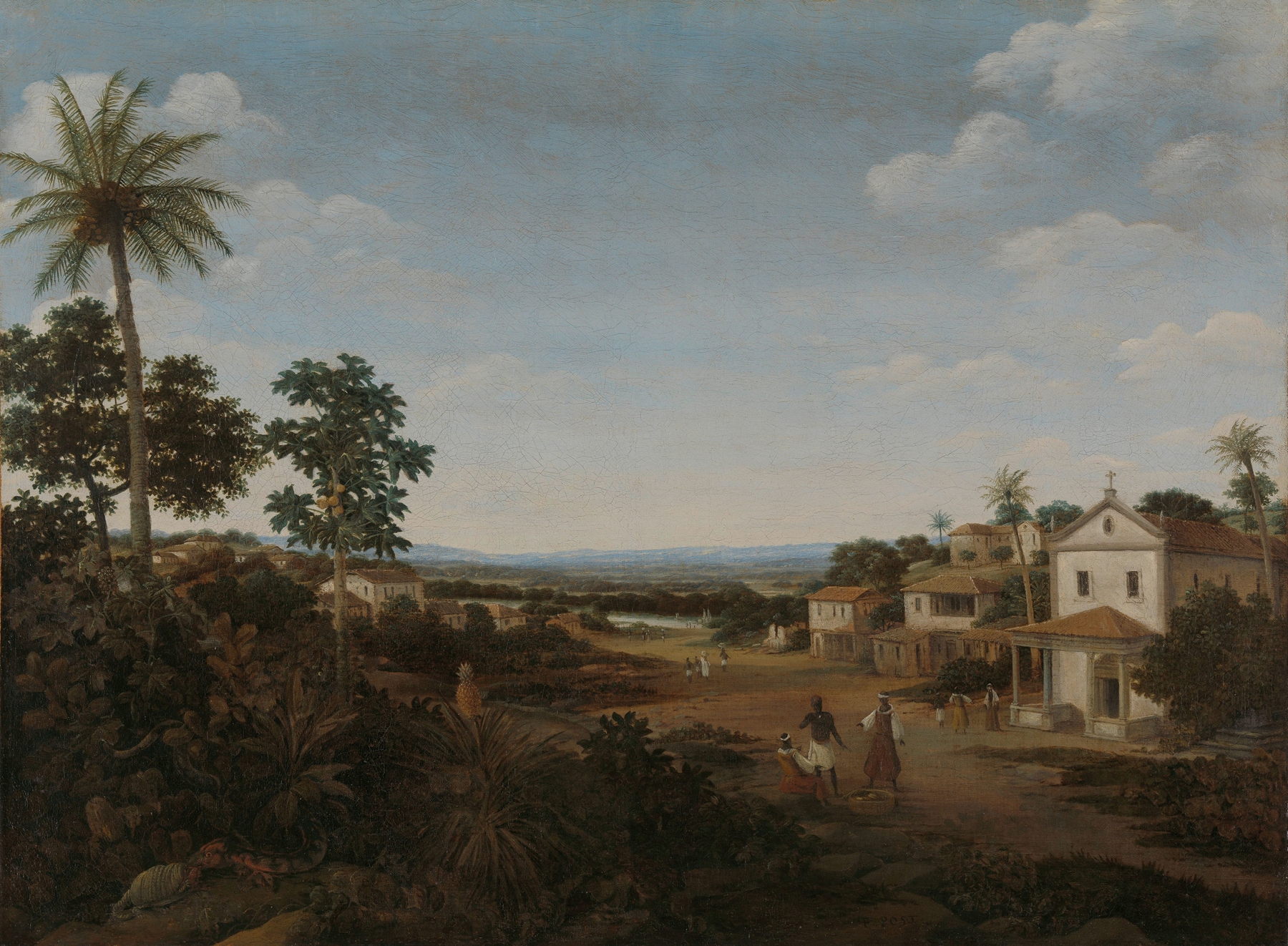
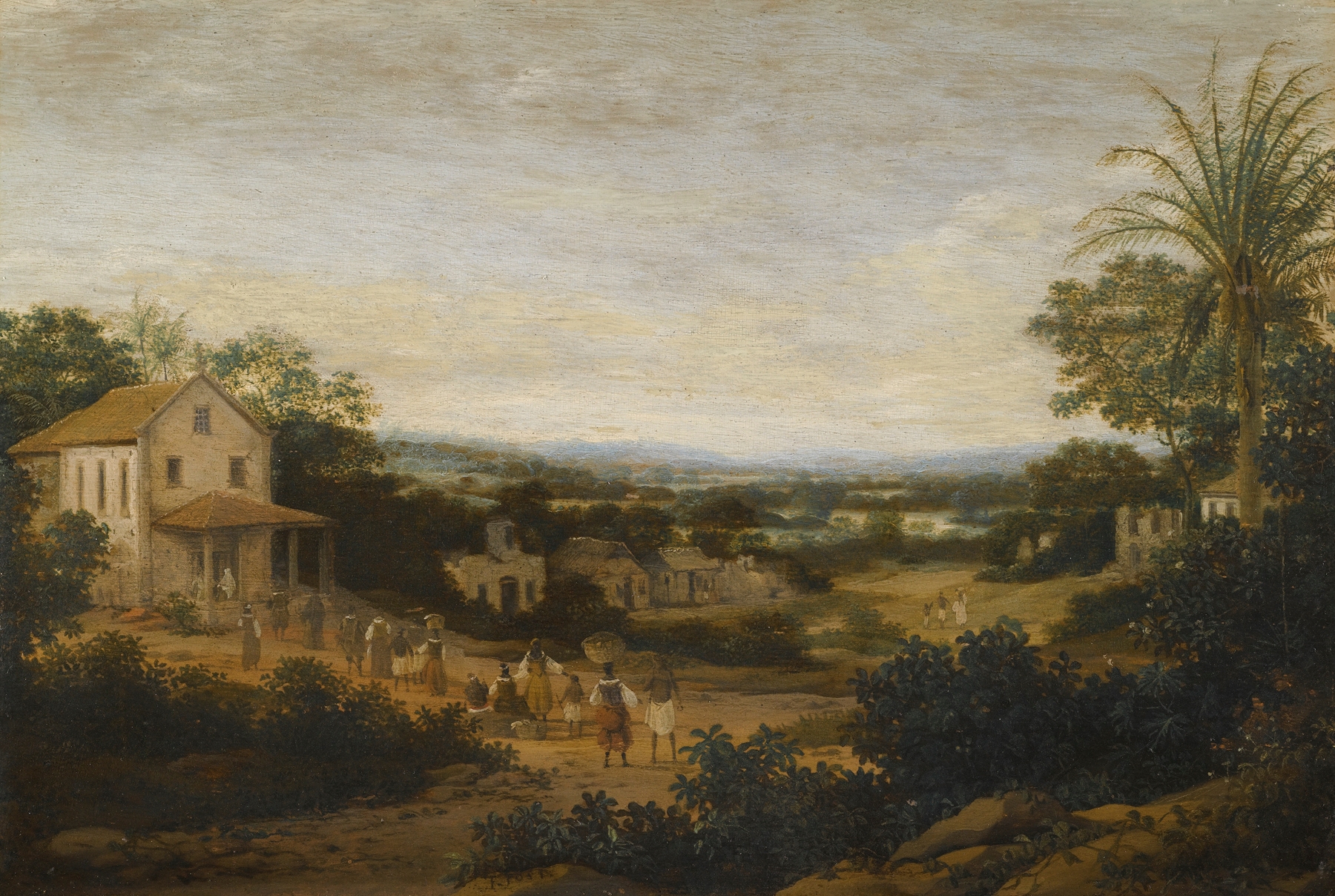
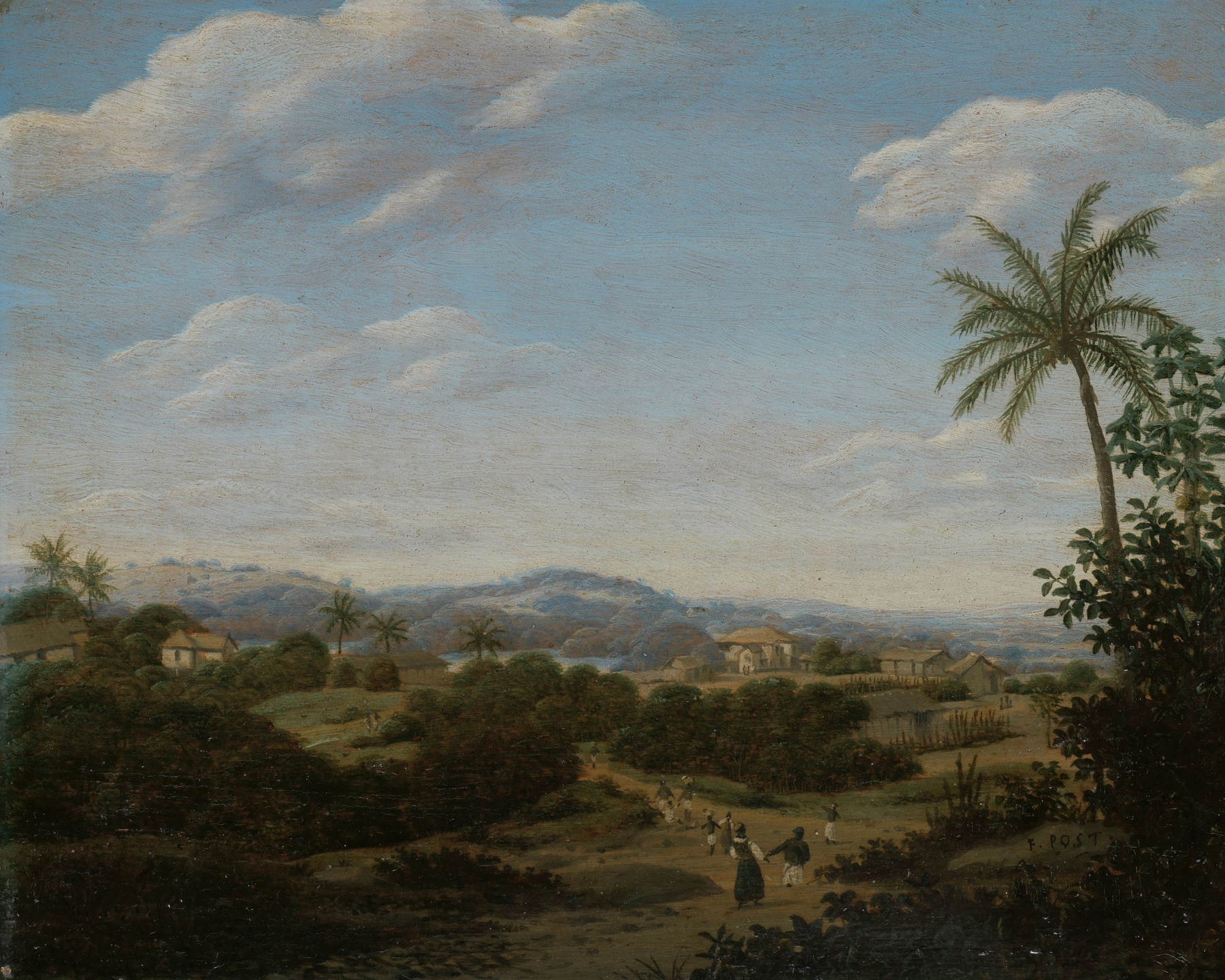
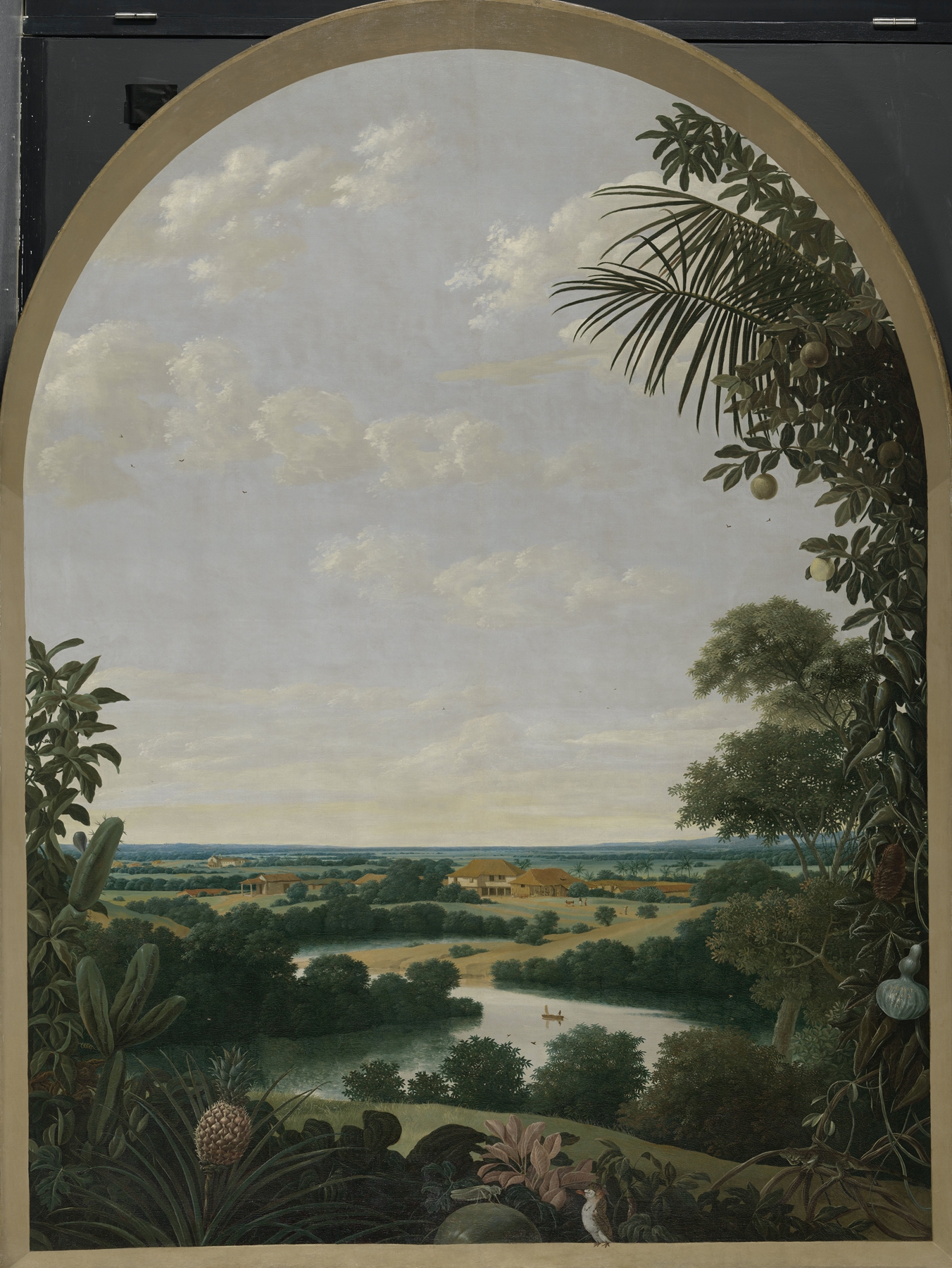
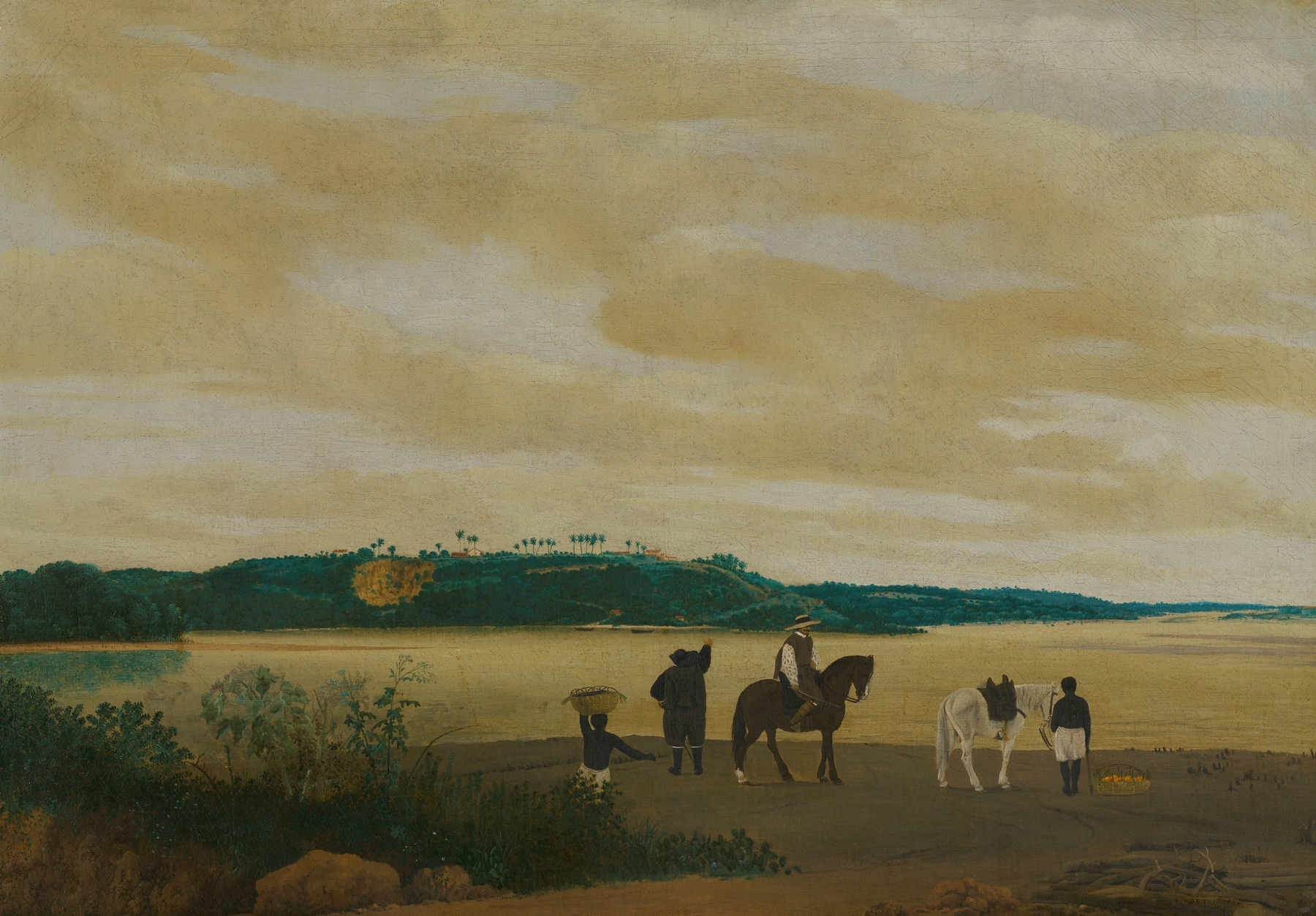
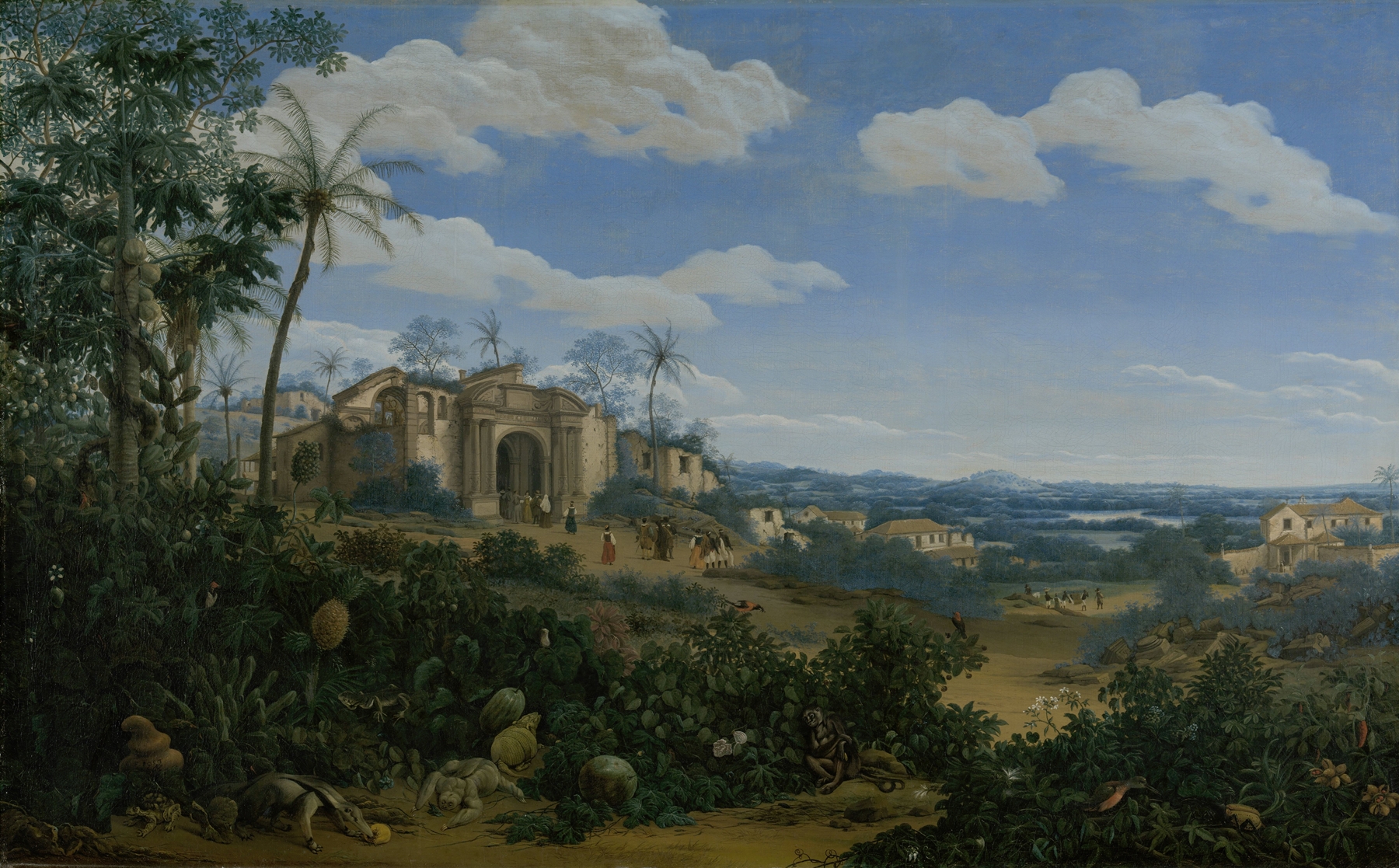
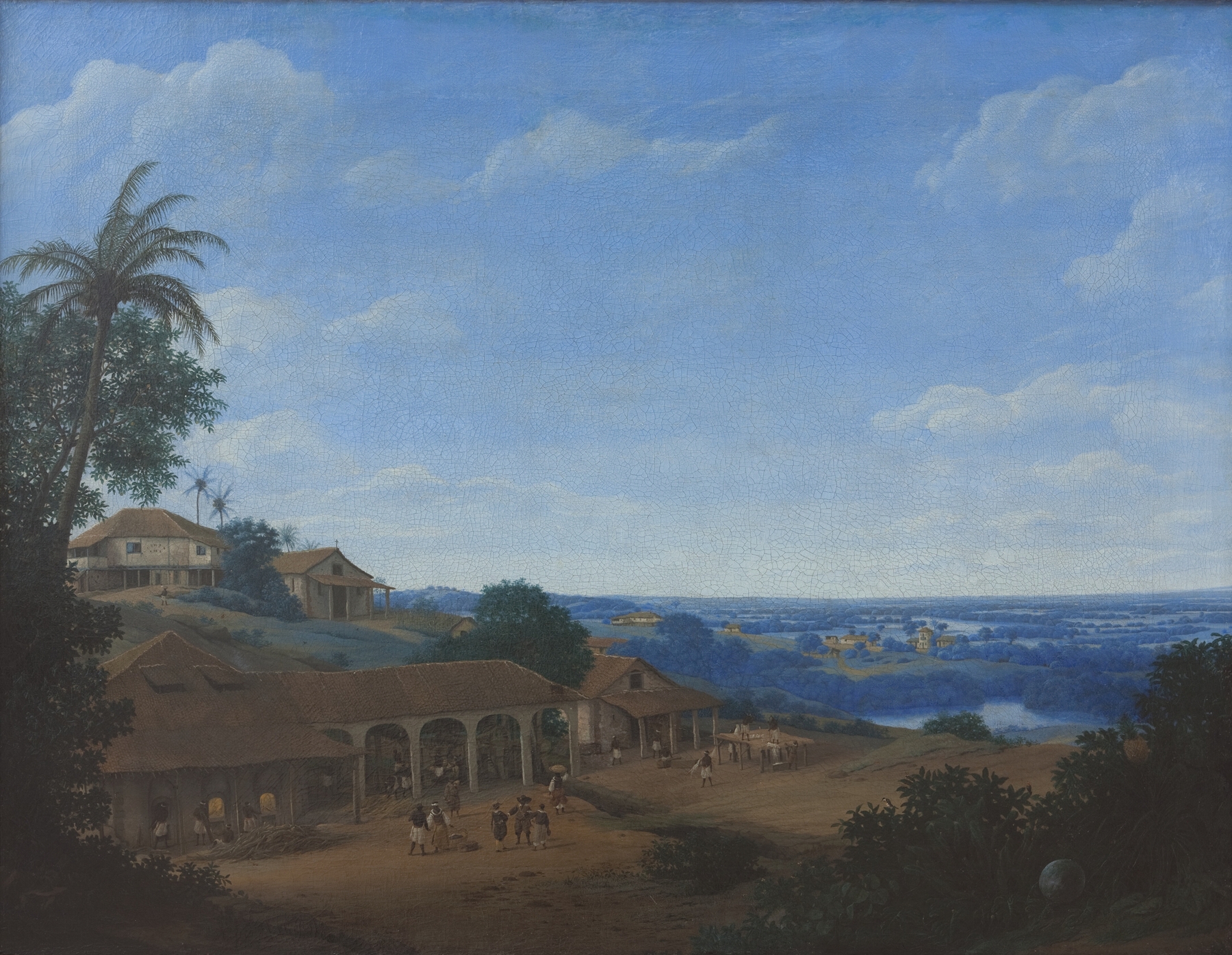
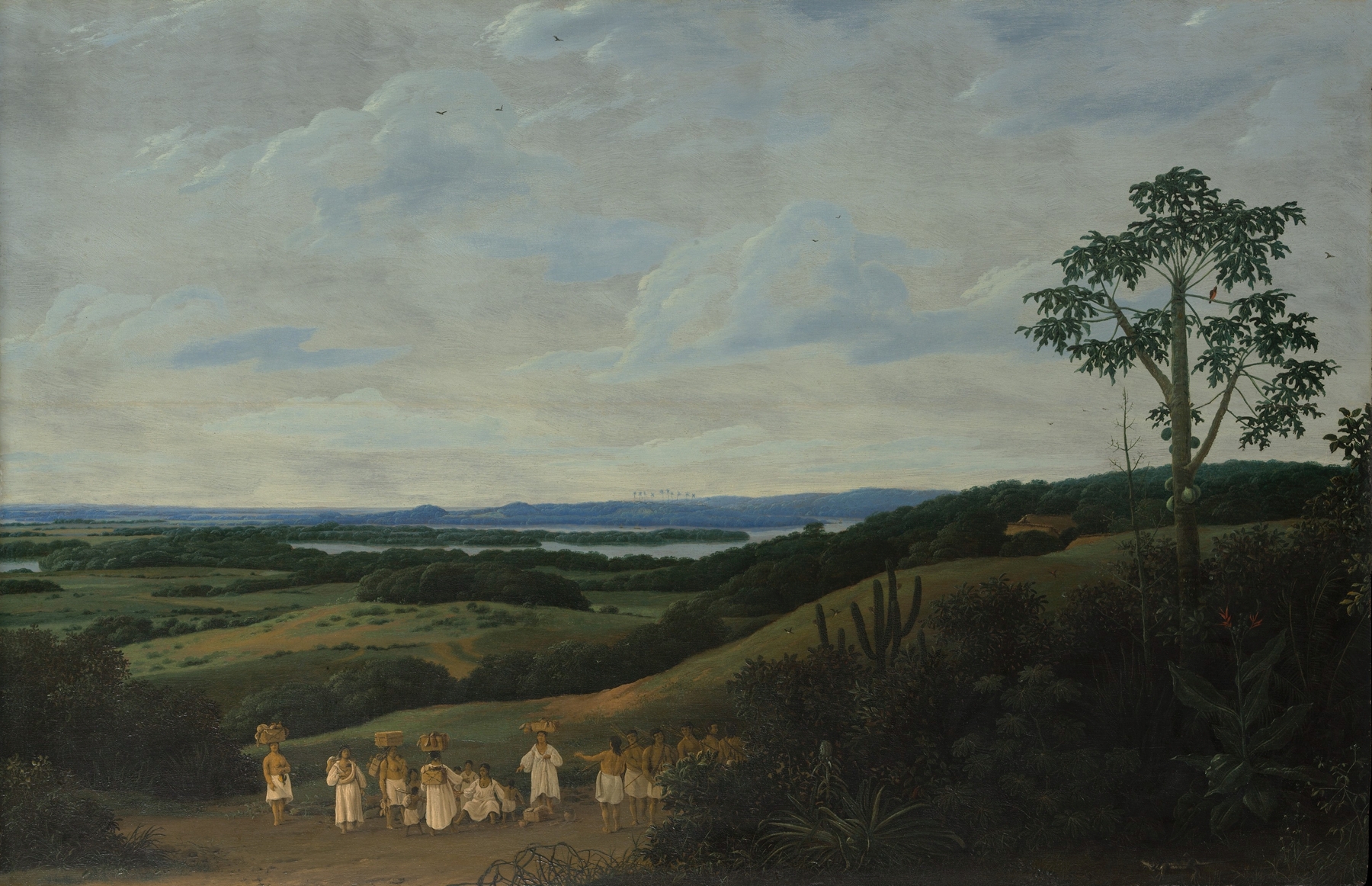
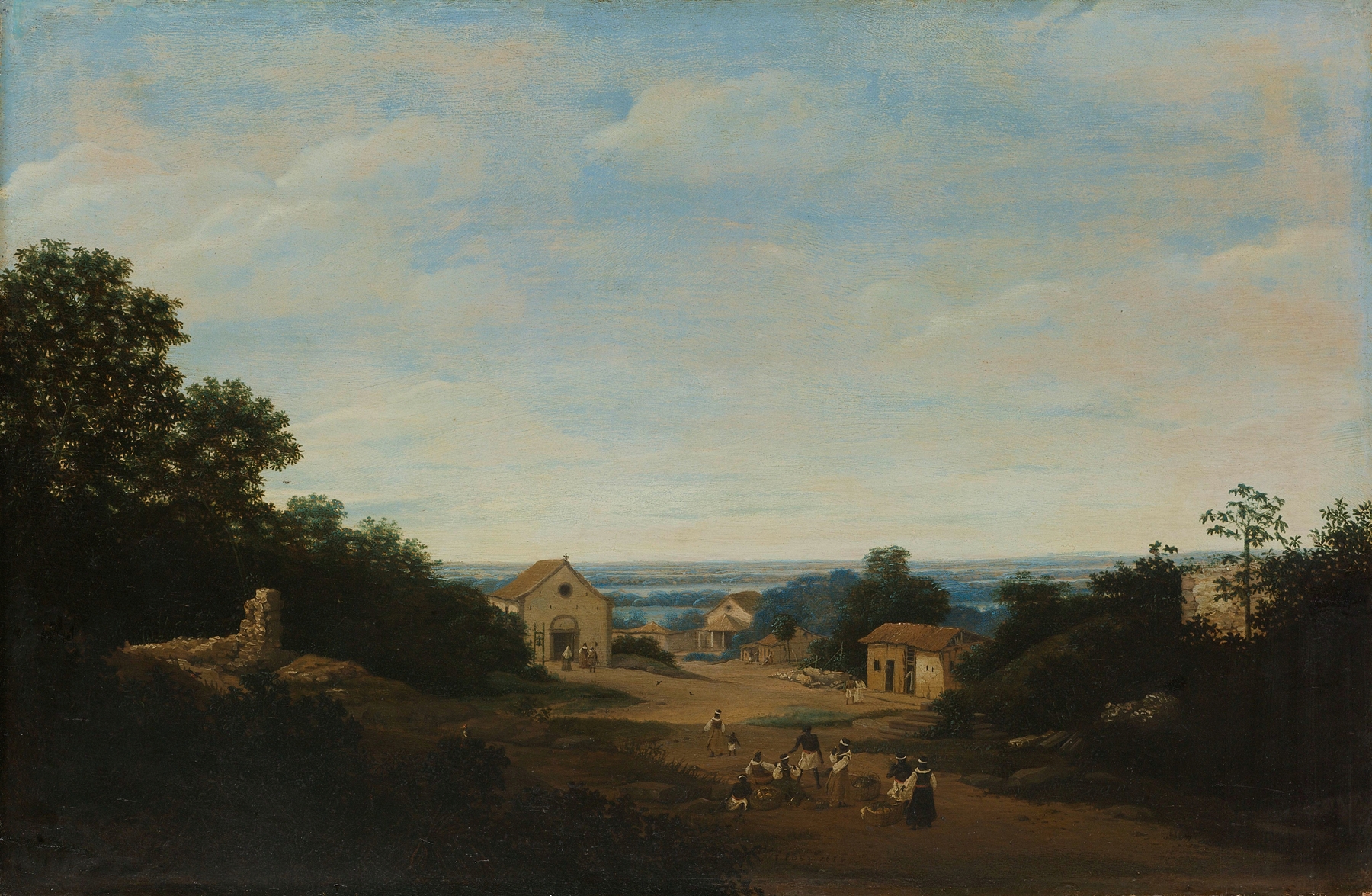
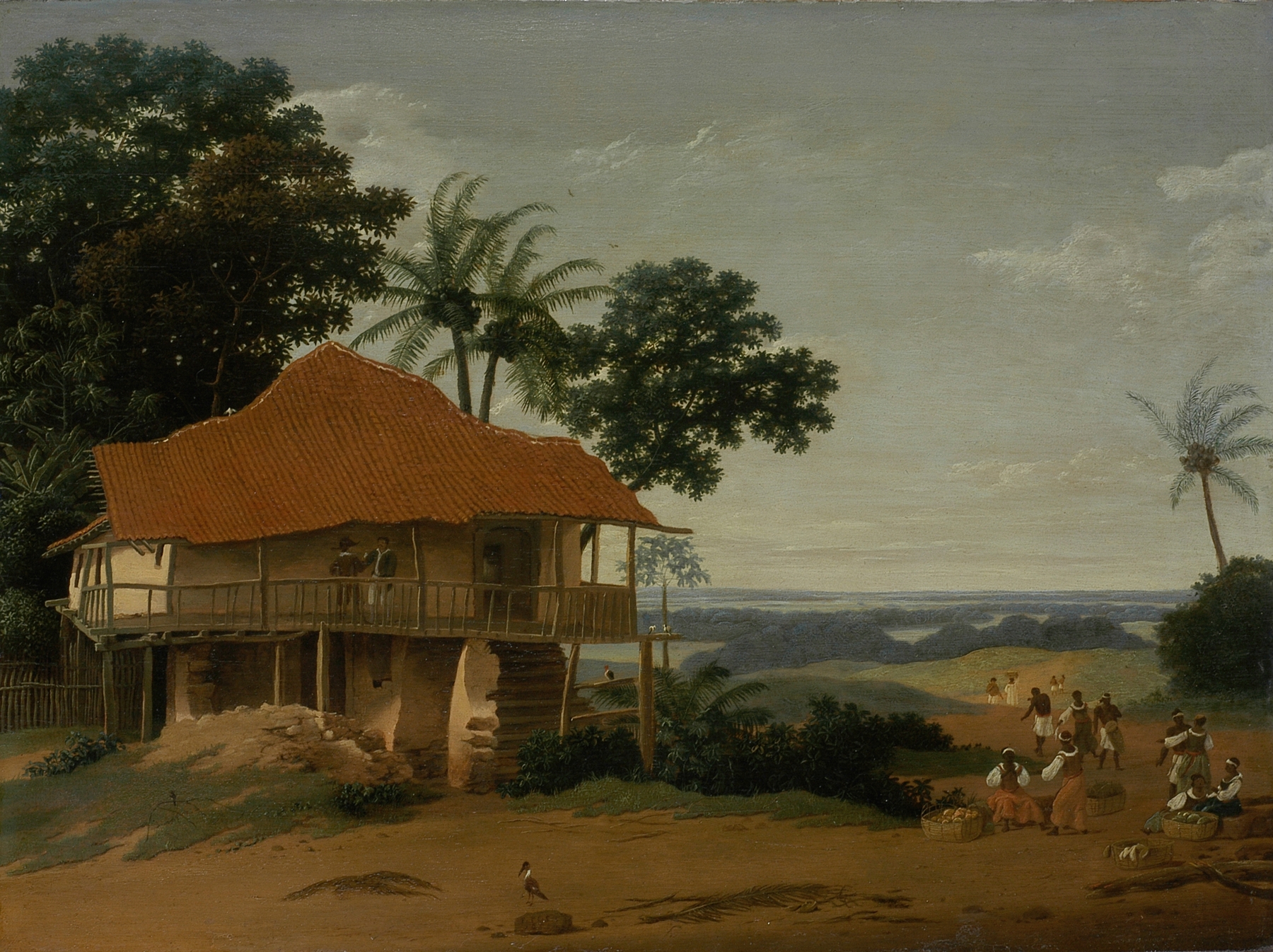
“To paint is to remember what time wants us to forget.” In every stroke lies a whisper of the past, a testament to the beauty of a world that slips away beneath our feet. Look to the horizon, where verdant hills roll gently under a sprawling sky, their lush greens contrasting with the warm, golden hues of the sun setting behind them. Notice how the painter has masterfully captured the play of light, casting soft shadows across the land and illuminating the winding Rio Senhor de Engenho as it snakes through the scenery. The brushwork is both delicate and deliberate, drawing the eye toward the intricate details of foliage and the distant silhouettes of figures, wrapped in the embrace of nature’s splendor.
Beneath the serene surface lies a deeper narrative — the juxtaposition of tranquility and the inevitable passage of time. The shimmering river holds memories of countless lives, while the expanse of landscape reminds us of nature’s resilience. The figures, seemingly small against the vastness, embody the fragile harmony between humanity and the wild, inviting contemplation of our transient existence within this boundless realm.
Frans Post created this work during the late 1670s, a period when he was living in the court of Johan Maurits of Nassau-Siegen in Brazil. This era marked a flourishing of artistic expression inspired by the exotic landscapes and vibrant cultures of the New World. Post’s dedication to capturing the Brazilian scenery not only reflects his personal journey but also the broader ambitions of European colonization and exploration at the time, highlighting a moment when art served as both documentation and an invitation to awe.