View of Olinda, Brazil — History & Analysis
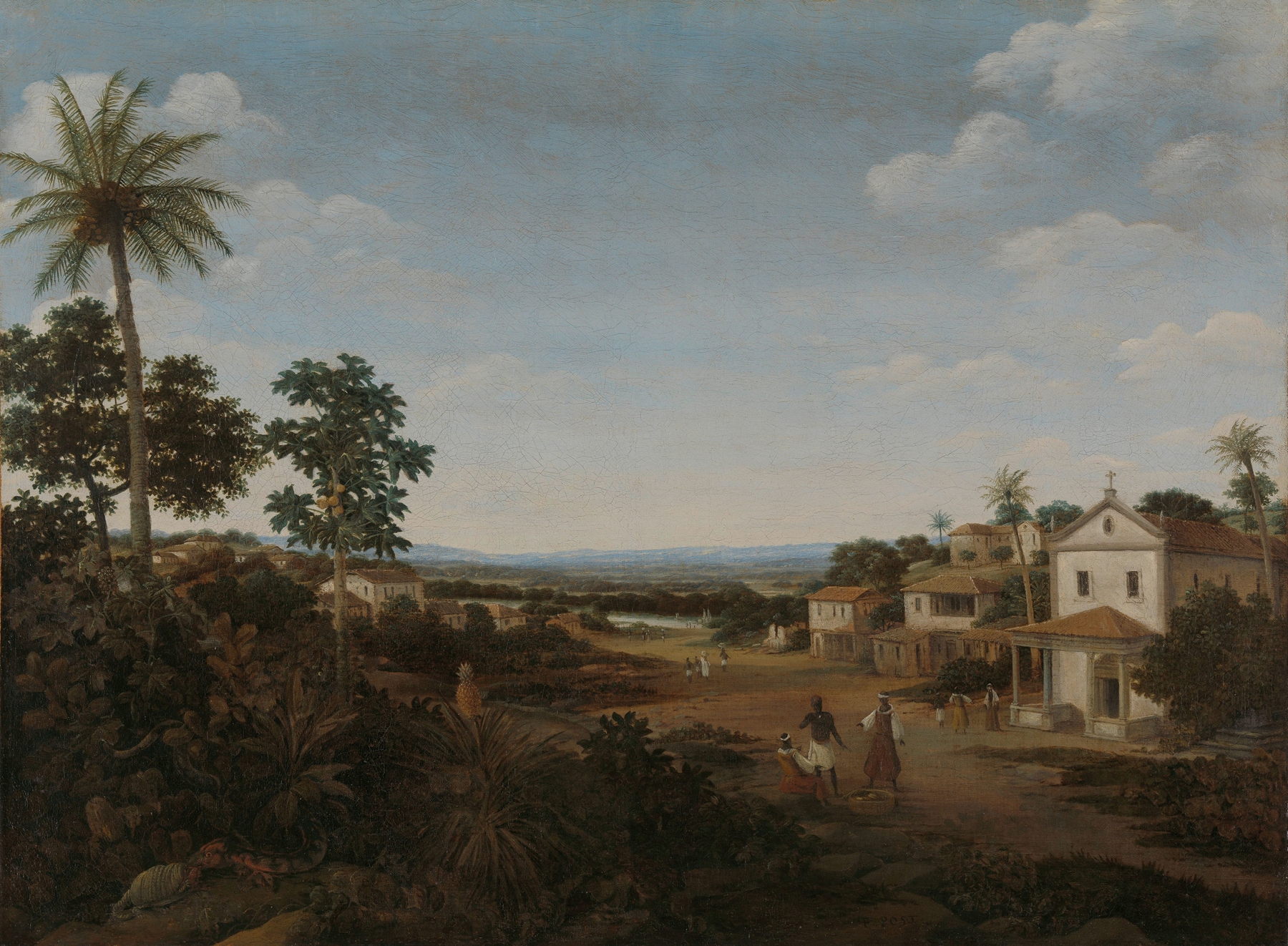
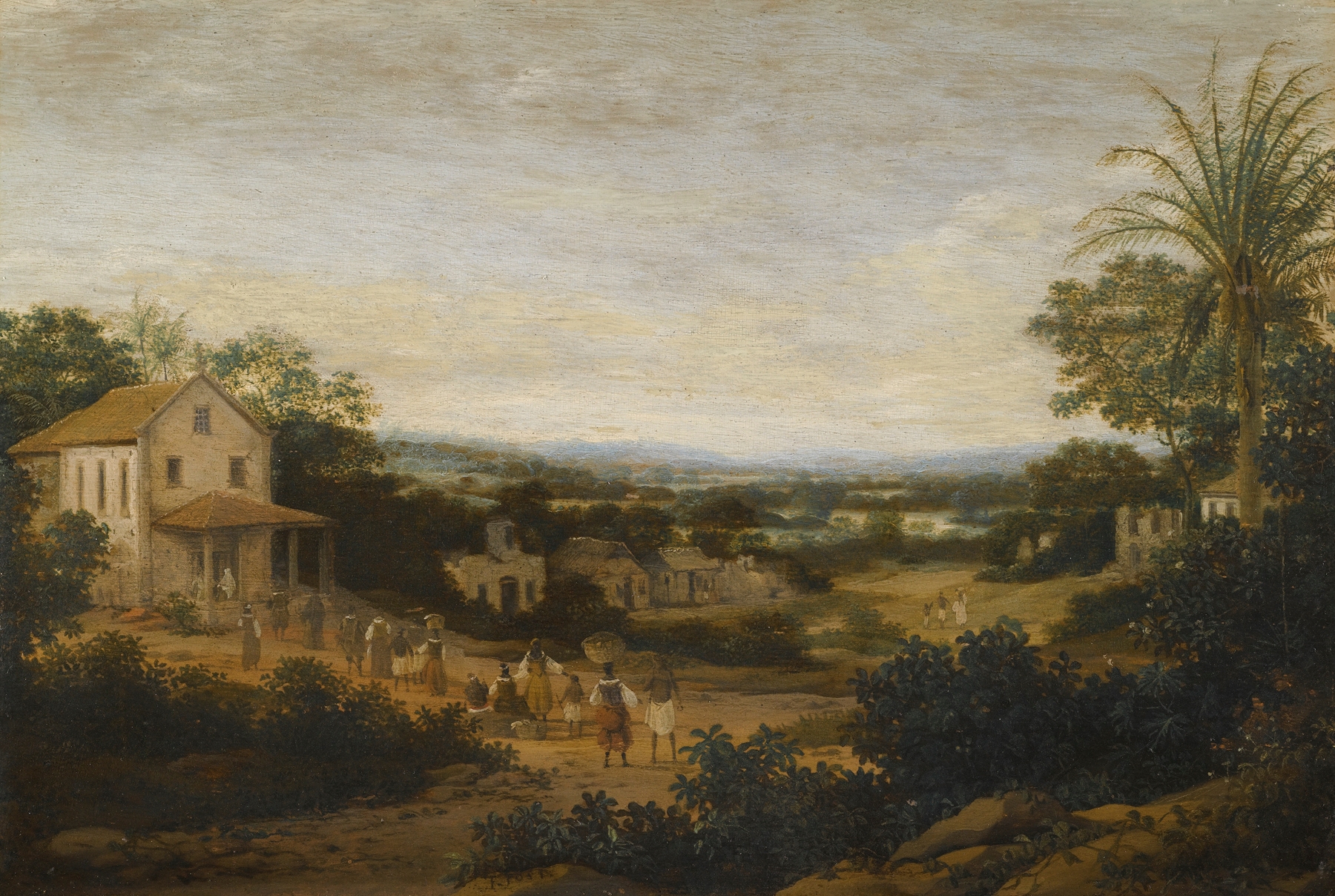
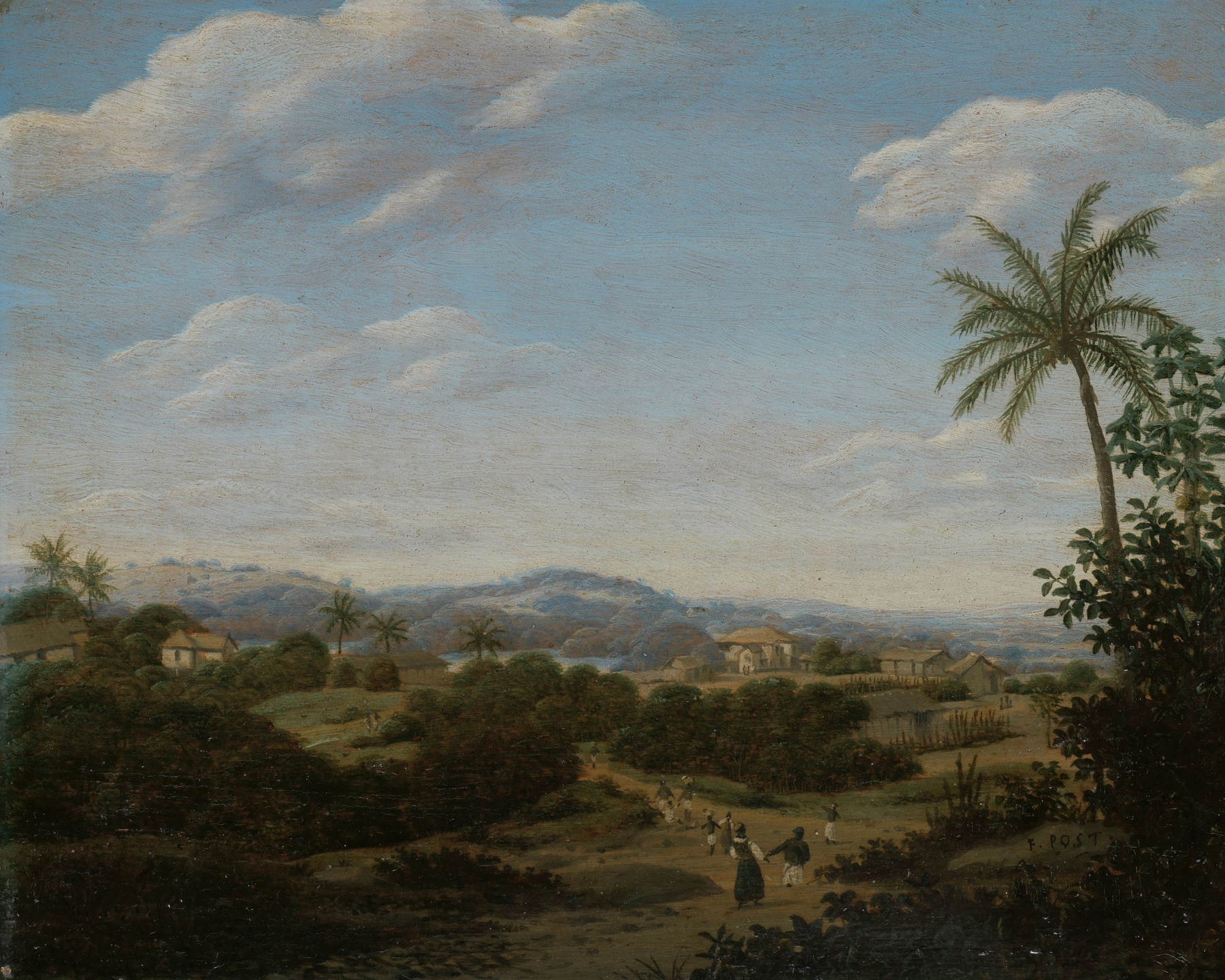
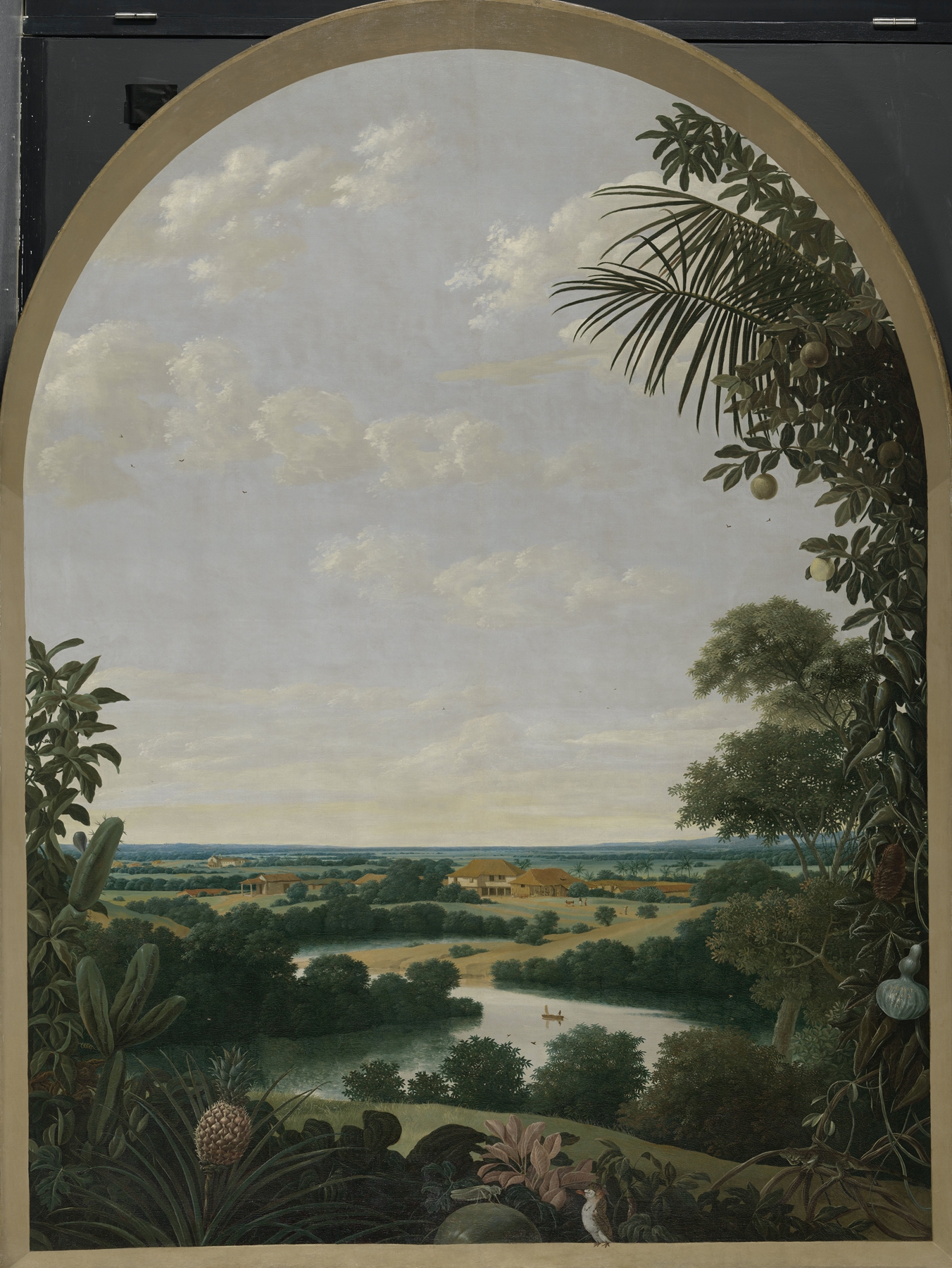
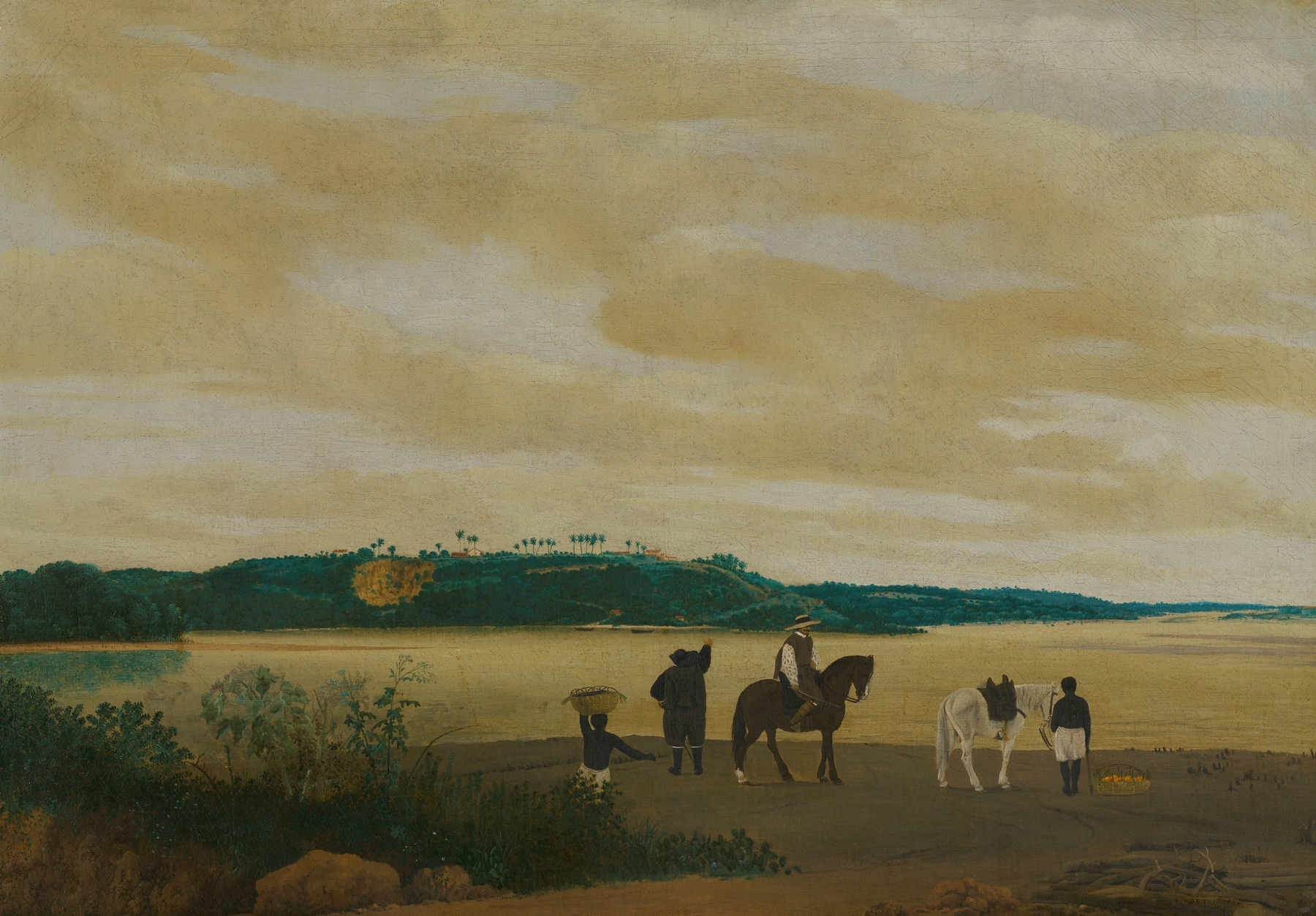
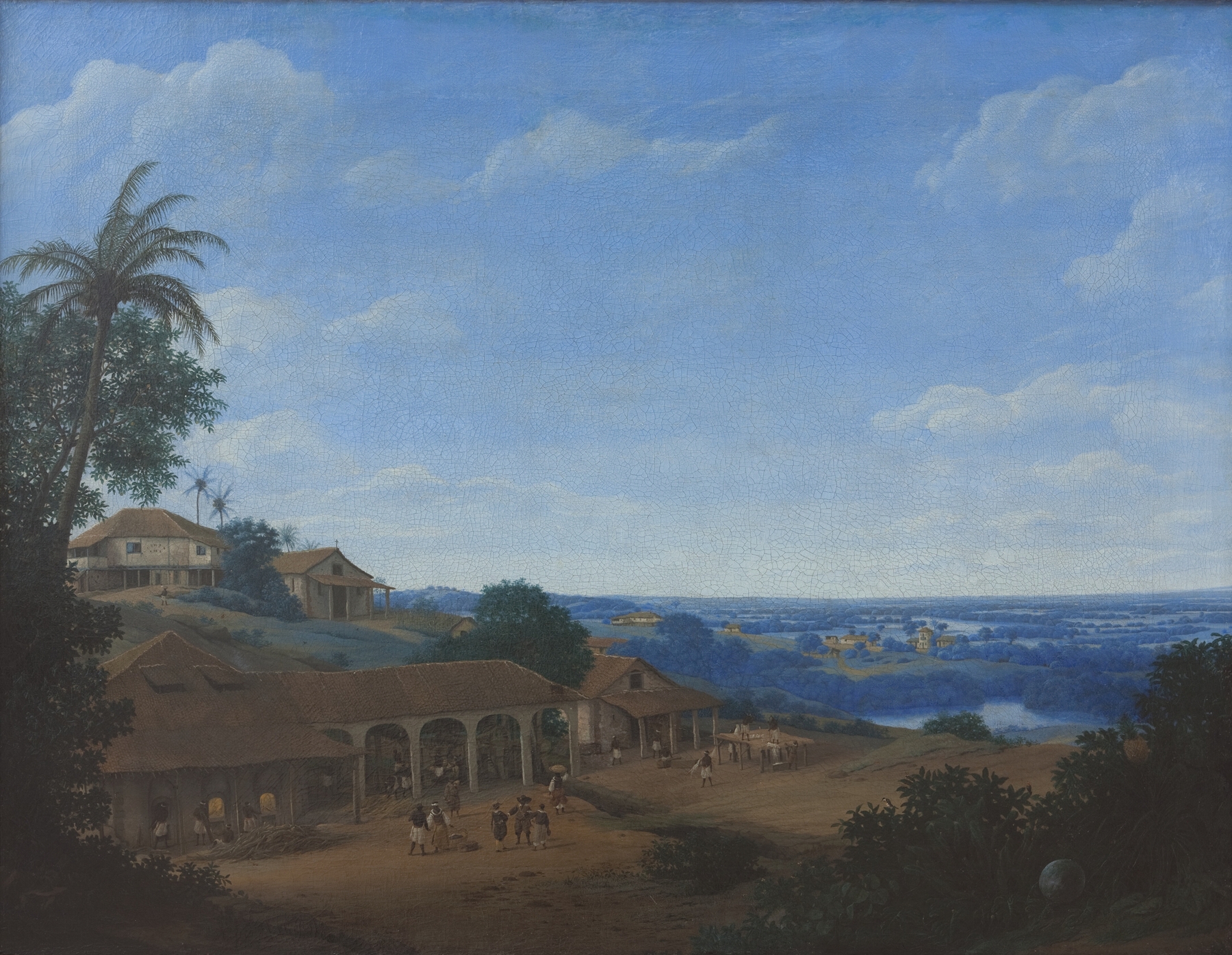
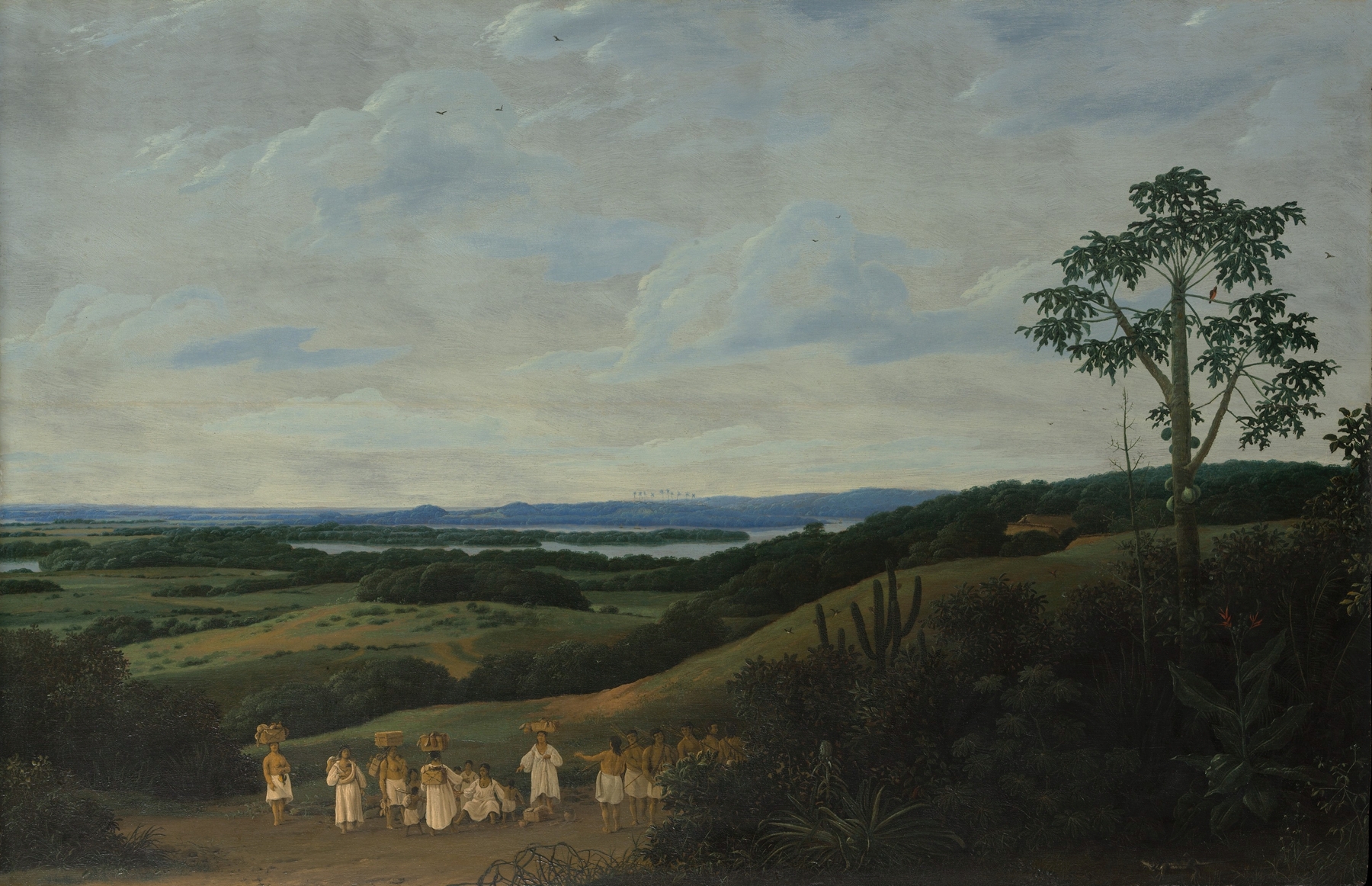
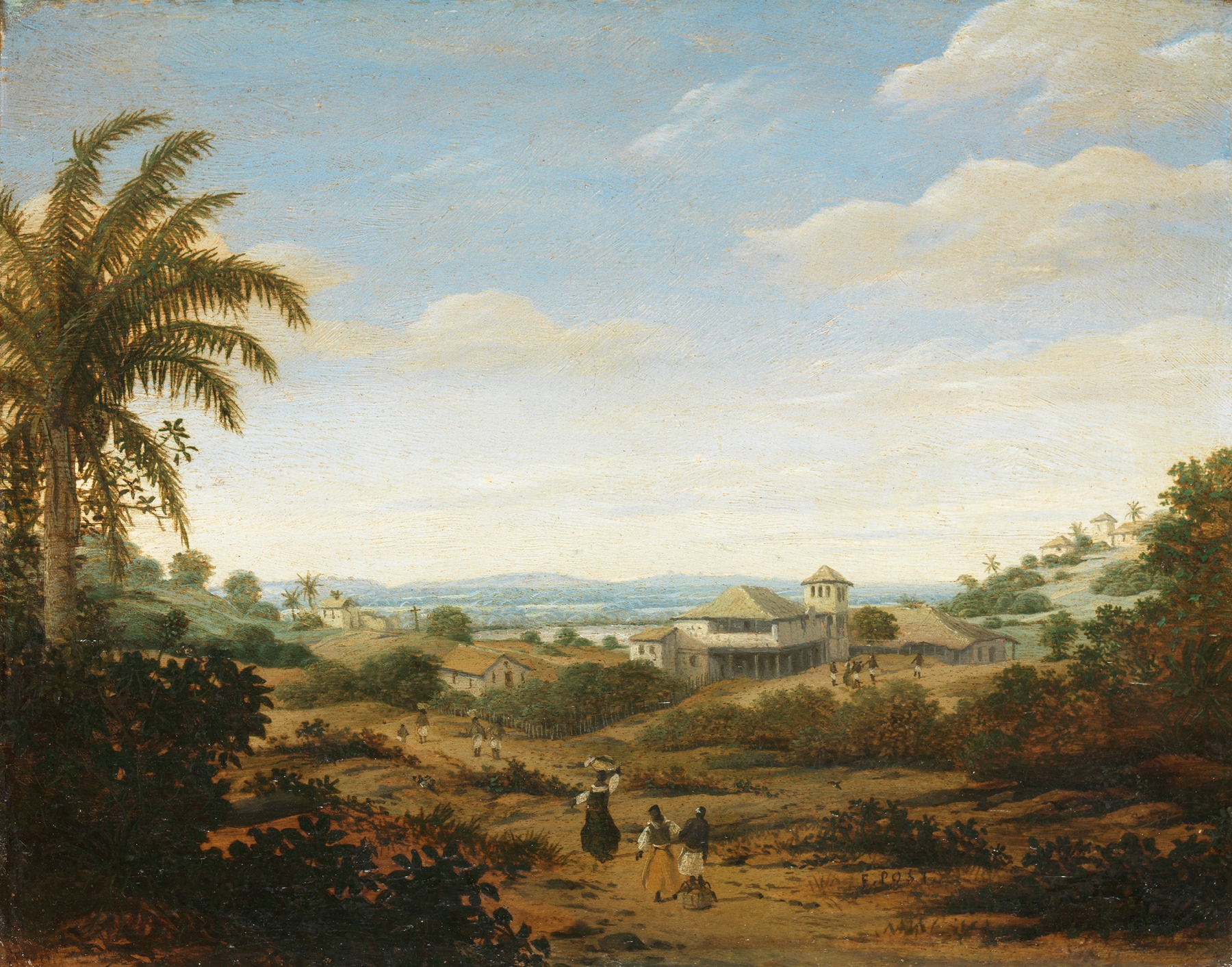
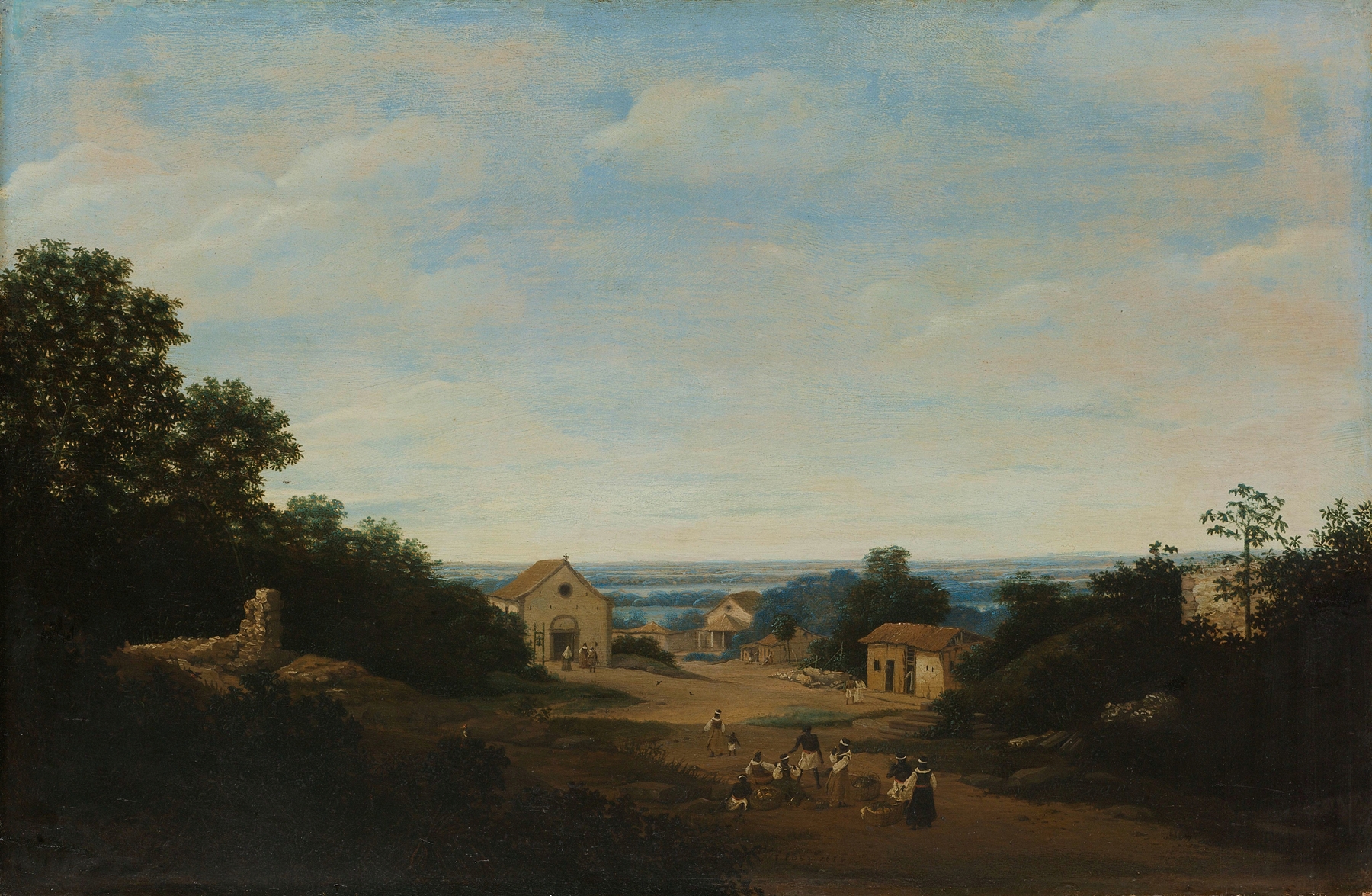
“Every silence here is a confession.” In the verdant expanse of the New World, where lush landscapes meet the horizon, awe lingers in the air. It whispers of nature's grandeur and hums the complex history of human endeavor intertwined with it. Look to the left of the canvas, where the cascading hills cradle the charming town of Olinda. The artist’s careful brushwork captures the vibrant greens and browns of the terrain, inviting your gaze to meander through the layered depths of the scene. Notice how the sunlight bathes the rooftops, casting a warm glow that radiates against the deep blue sky, accentuating the delicate balance between civilization and nature.
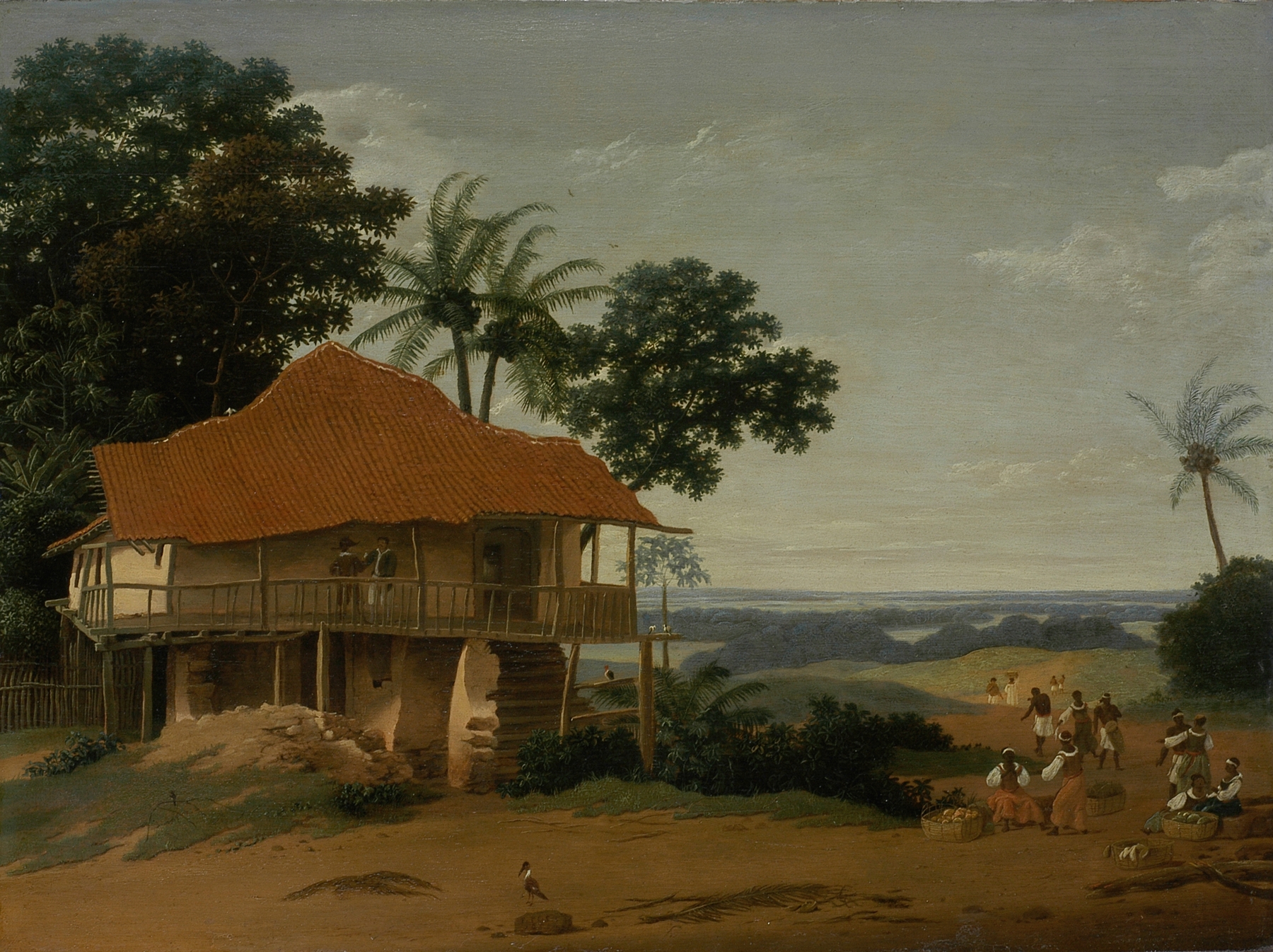
Each stroke reveals the meticulous care with which he rendered the thatched roofs and the dense tropical foliage, creating a harmonious blend of architecture and landscape. Yet beneath this picturesque beauty lies an underlying tension. The vividness of the colors contrasts sharply with the weight of colonial history looming over the scene. The tranquility of Olinda is a quiet façade, masking the complexities of colonialism, where the lush paradise was not just a backdrop for life but a theater of struggle and resilience.
Every element in the painting speaks of a fleeting moment; the palm trees sway gently, as if trying to forget the stories entrenched in their roots. Frans Post created this work in 1662, while residing in the Dutch colony of Brazil, amidst the rise of Baroque influences in art. This period saw him exploring the landscapes that would inspire his later works, reflecting both the beauty and the cultural complexities of the land. It was a time when European artists were increasingly drawn to the exotic, capturing not only visual splendor but also the intricate narratives woven into the fabric of their subjects.