Building on a Hill — History & Analysis
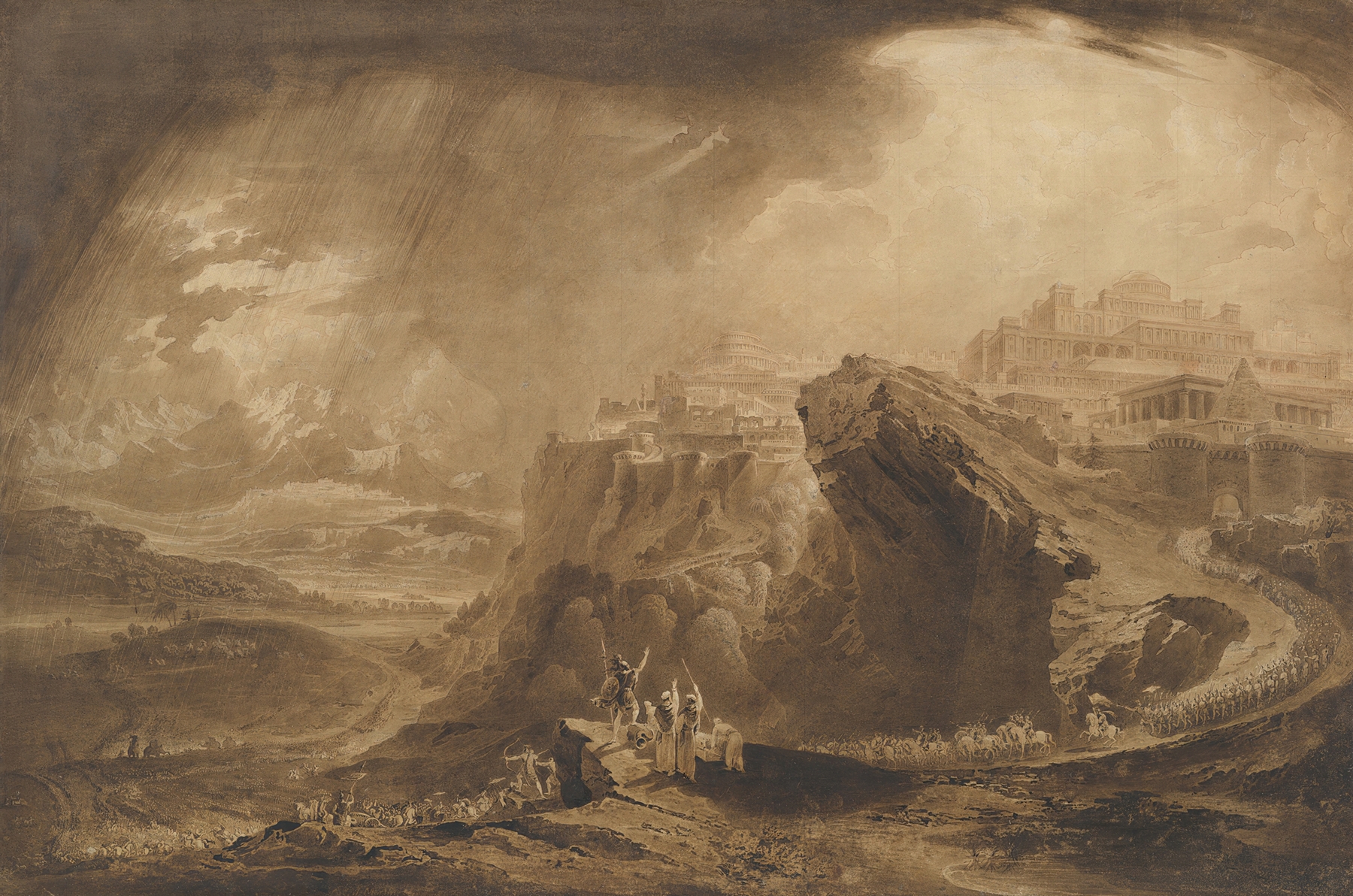
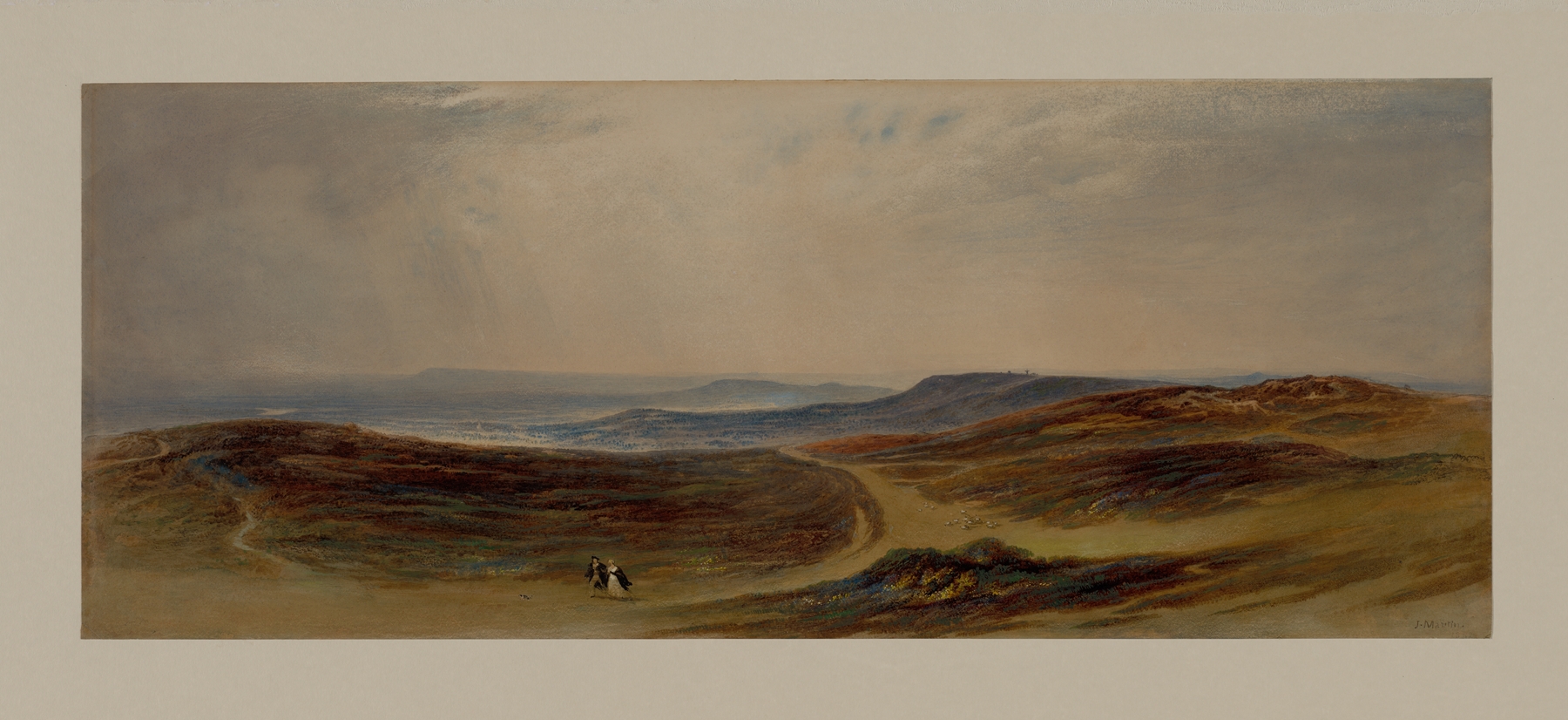
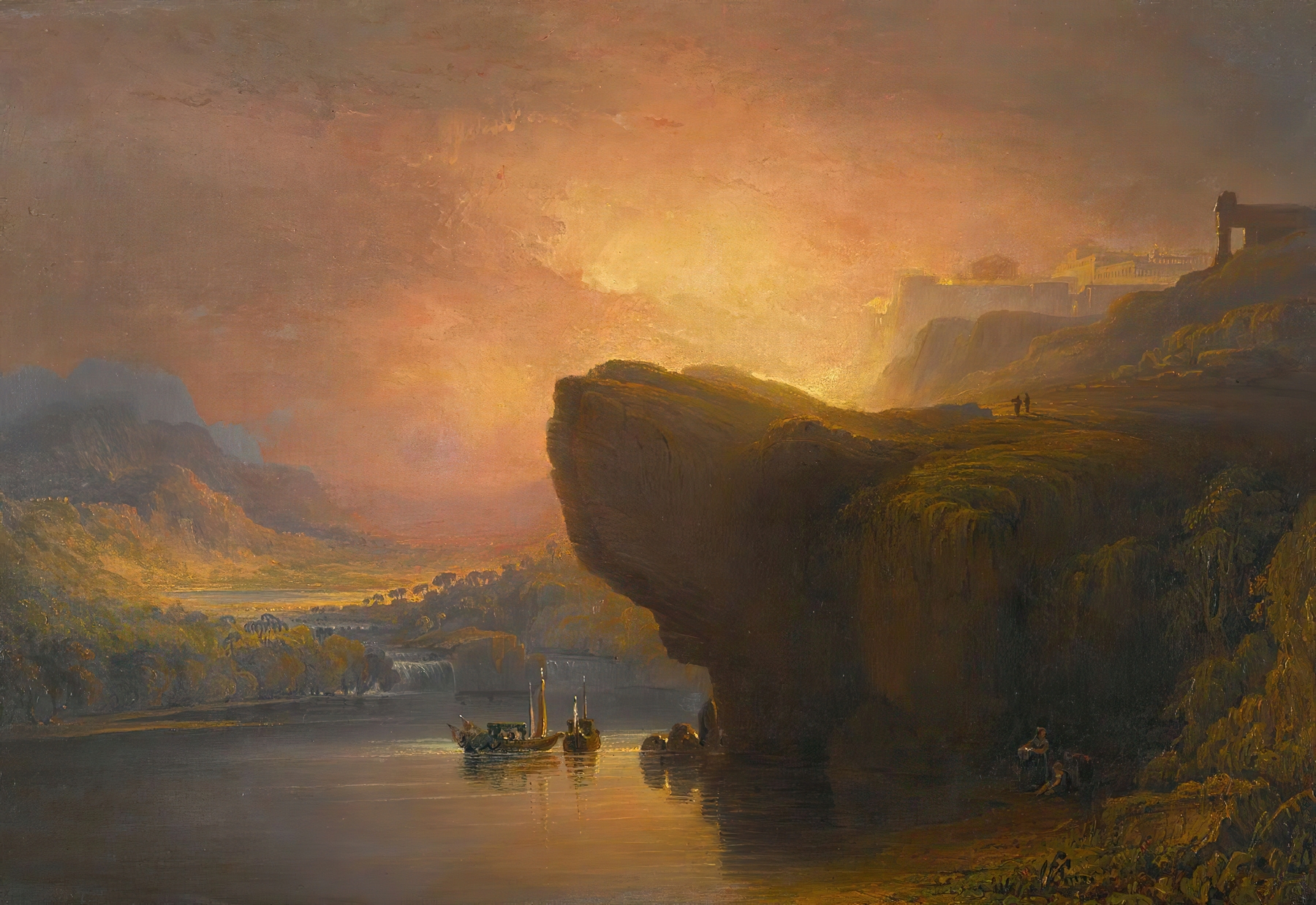
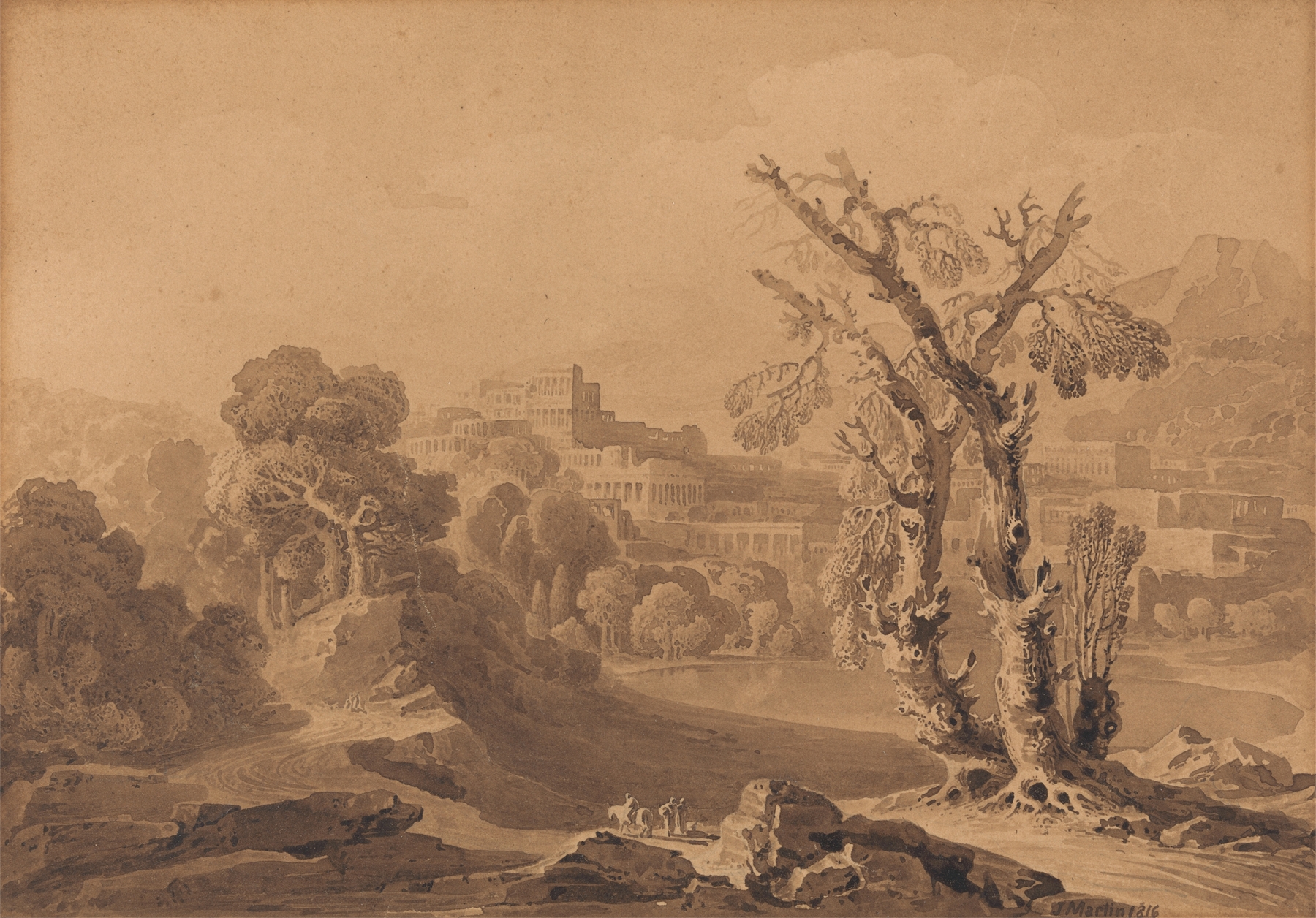
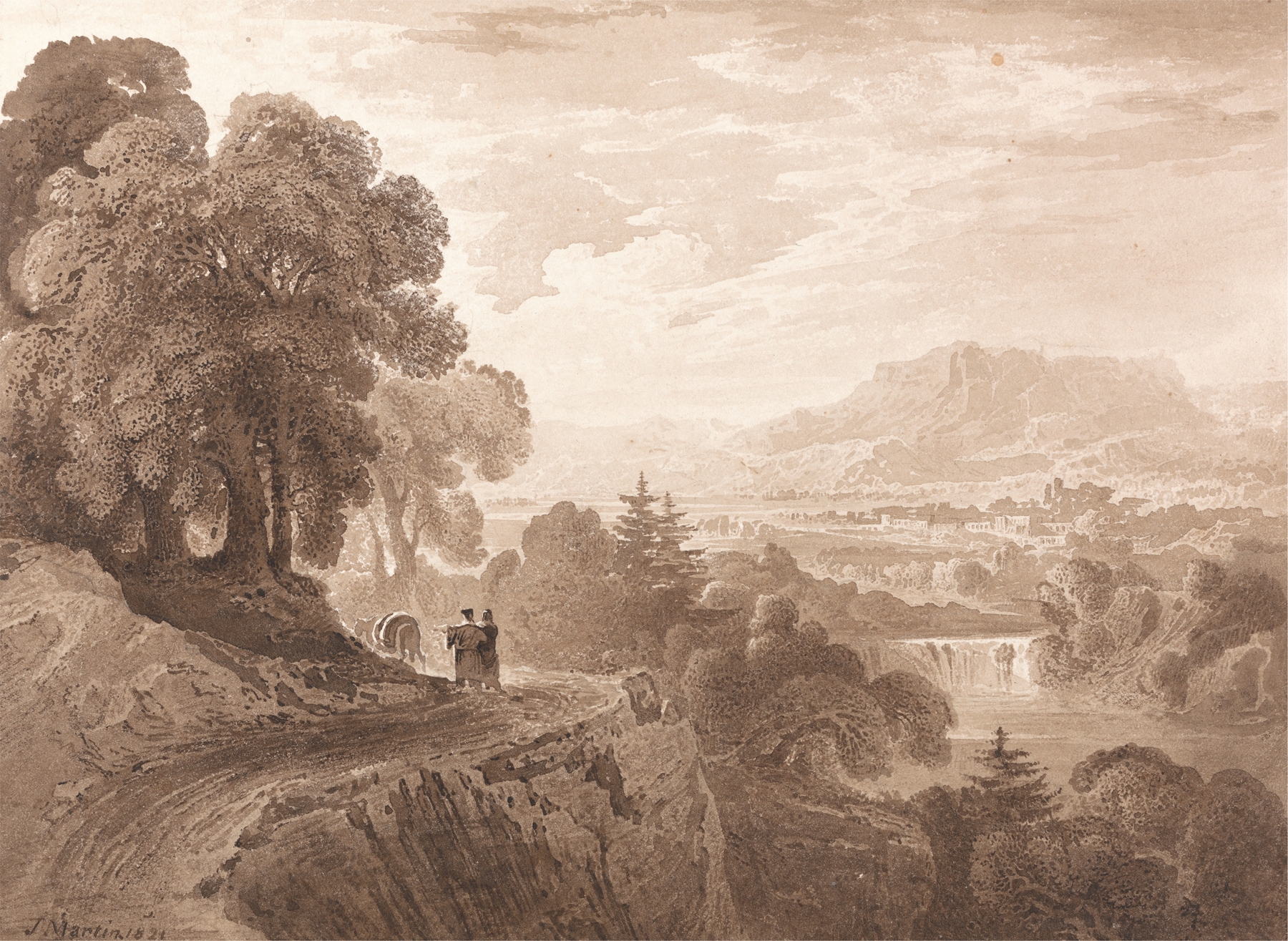
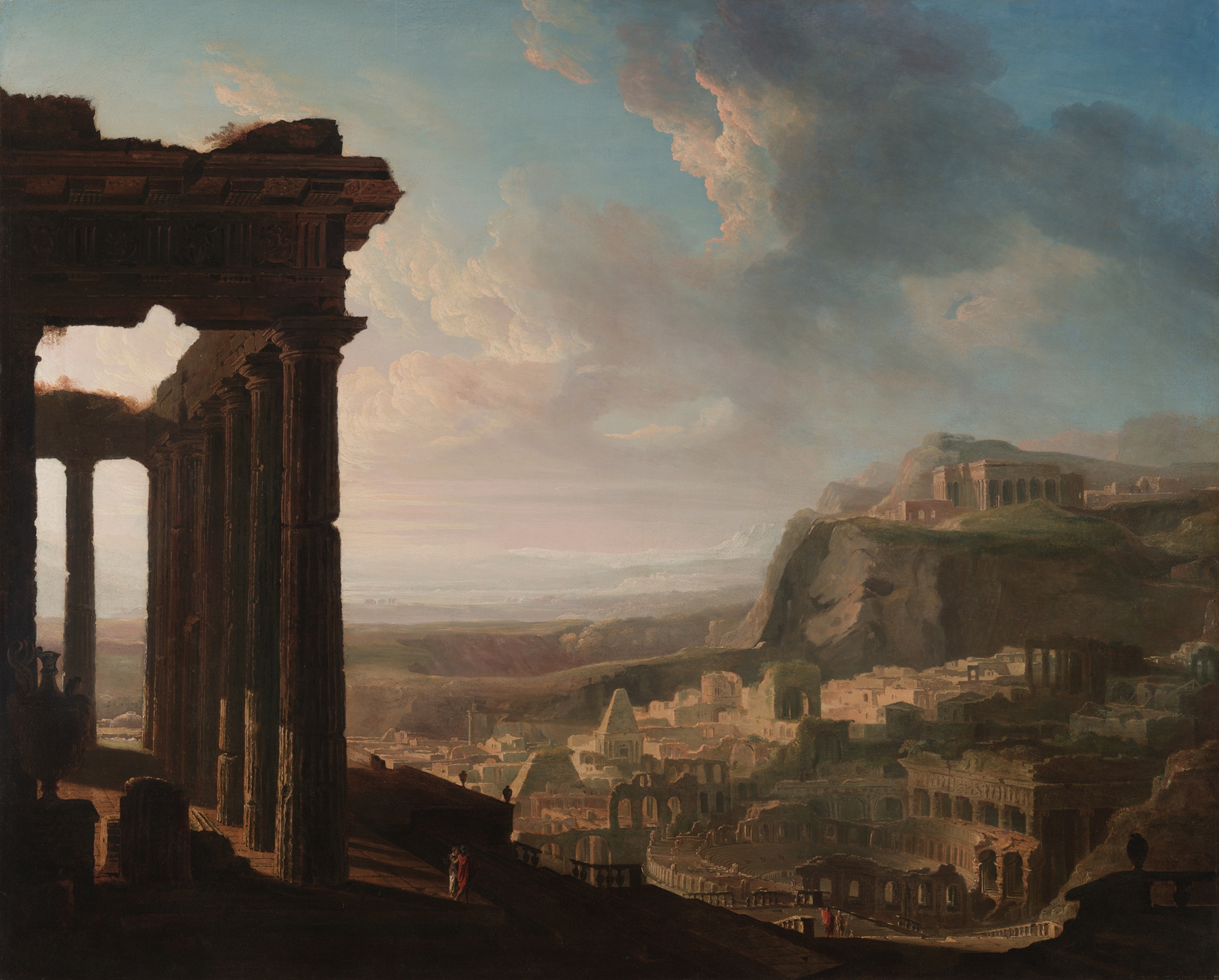
What secret hides in the quiet of the canvas? In Building on a Hill, a profound yearning resonates, inviting viewers to explore the delicate interplay between aspiration and solitude. Look to the center of the composition, where a grand edifice rises against a dramatic sky. The carefully rendered stonework catches the light, highlighting the craftsmanship and ambition of its creators. The surrounding landscape, awash in earthy tones, contrasts sharply with the ethereal glow of the building, creating a visual dialogue of earthly toil versus celestial aspiration.
The sweeping curves of the hill lead your gaze upward, suggesting an inherent tension between the earthly realm and the lofty dreams symbolized by this magnificent structure. Delve deeper into the subtleties within the painting. The expansive sky, filled with tumultuous clouds, evokes a sense of foreboding, hinting at challenges that may accompany lofty ambitions. The lone figure on the hilltop stands dwarfed by the architectural wonder, embodying the smallness of human endeavor against nature’s vastness.
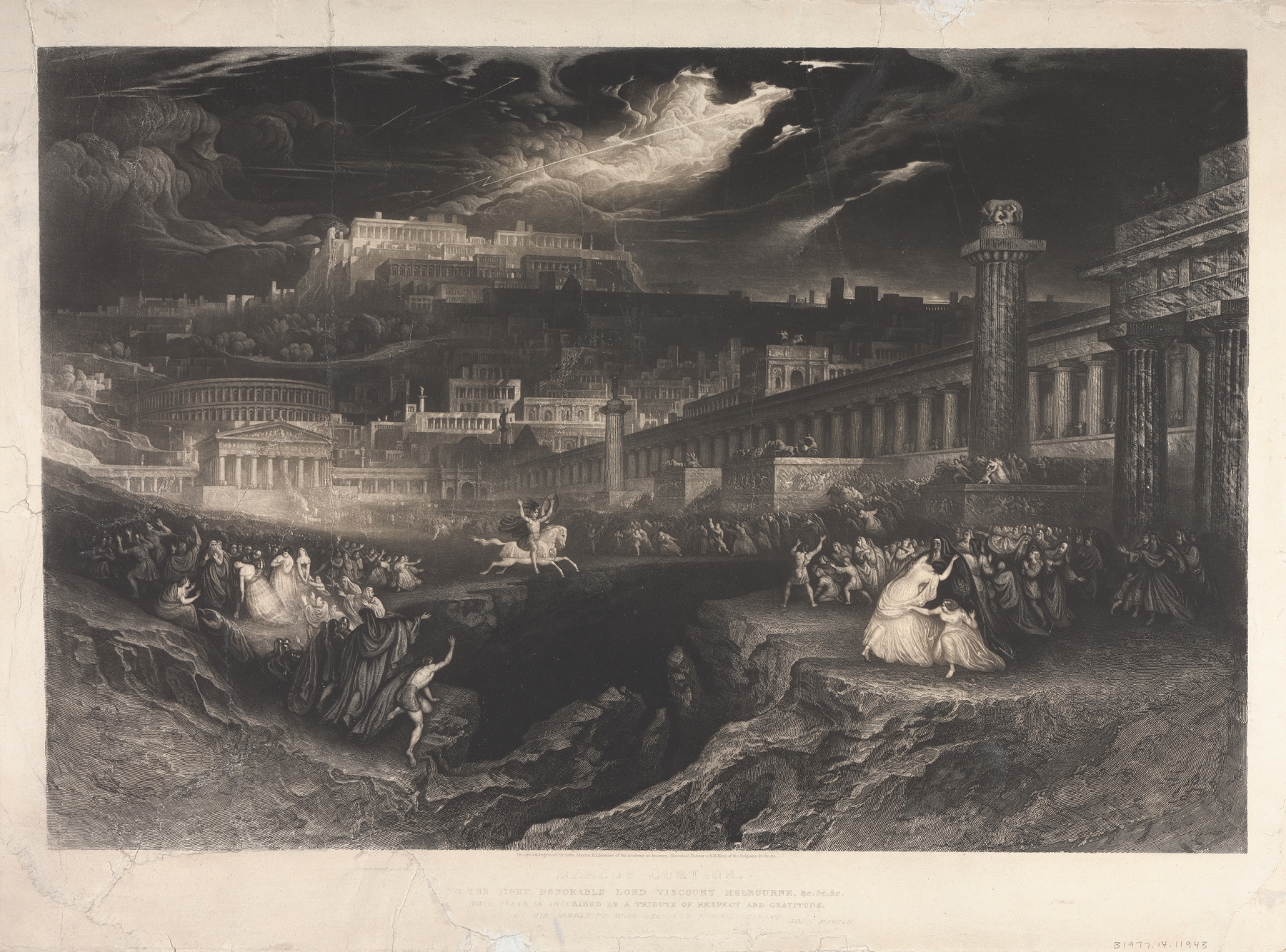
This contrast between the individual and the monumental raises questions about the nature of our pursuits and the costs that accompany our aspirations. During the period John Martin created this piece, he was immersed in the Romantic movement, which celebrated the sublime, the vastness of nature, and human emotion. Painted in the mid-19th century, a time when industrialization was reshaping landscapes and lives, Martin's work reflects a complex dialogue about progress, ambition, and the inevitable solitude that accompanies grand endeavors. The painting serves as both a product of its time and a timeless meditation on the human condition.