Capriccio view on the Thames near Windsor — History & Analysis
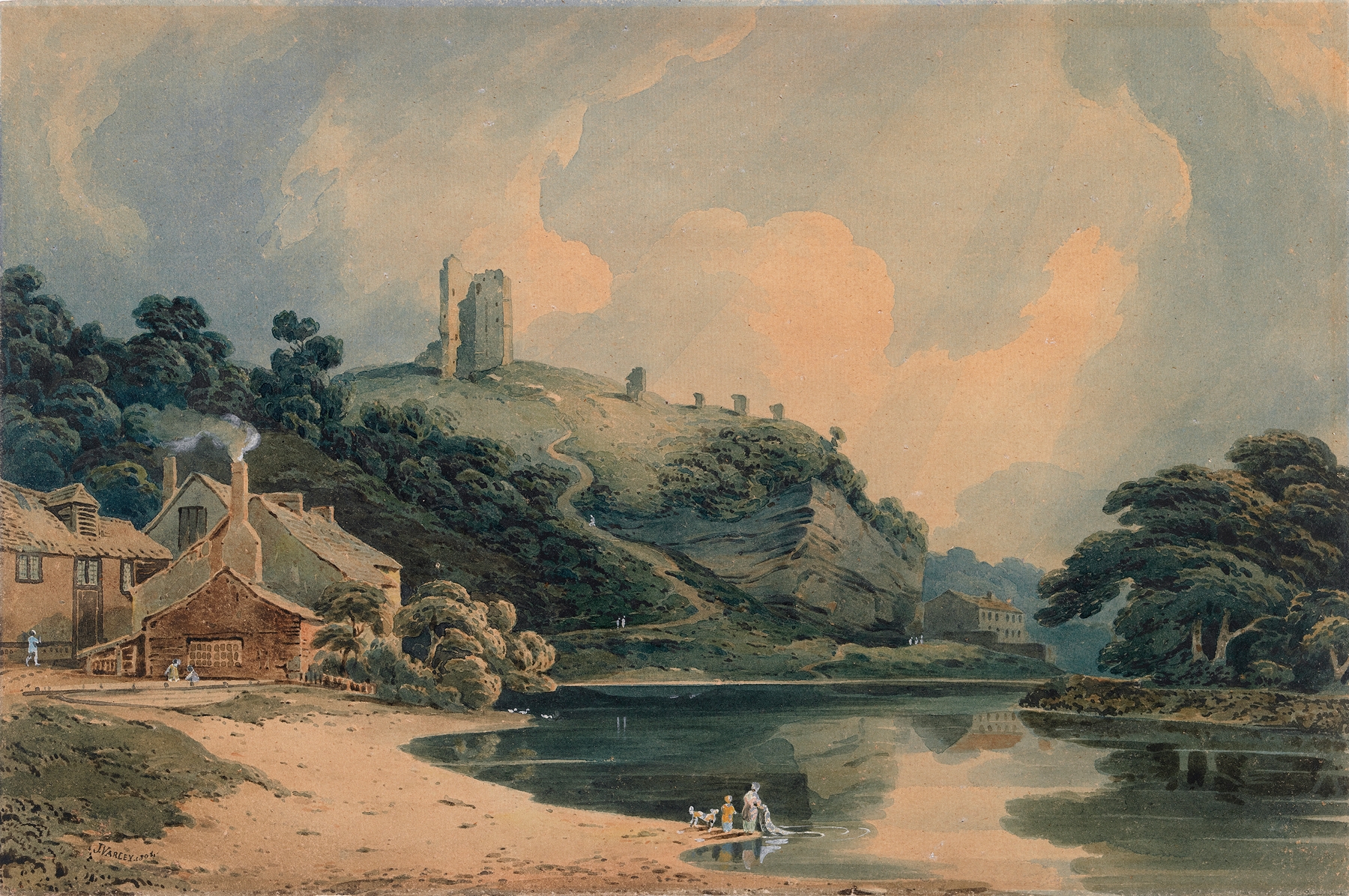
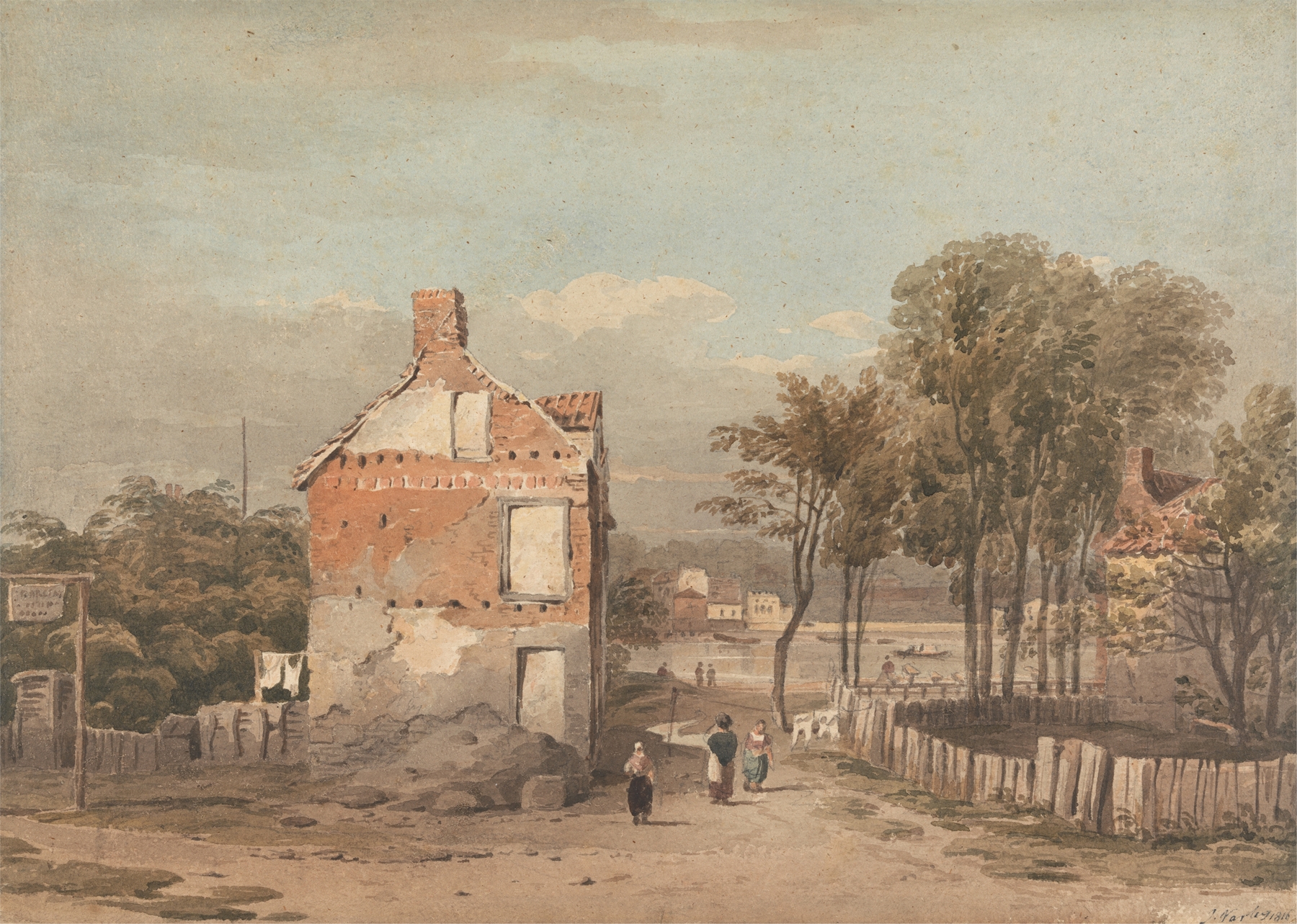
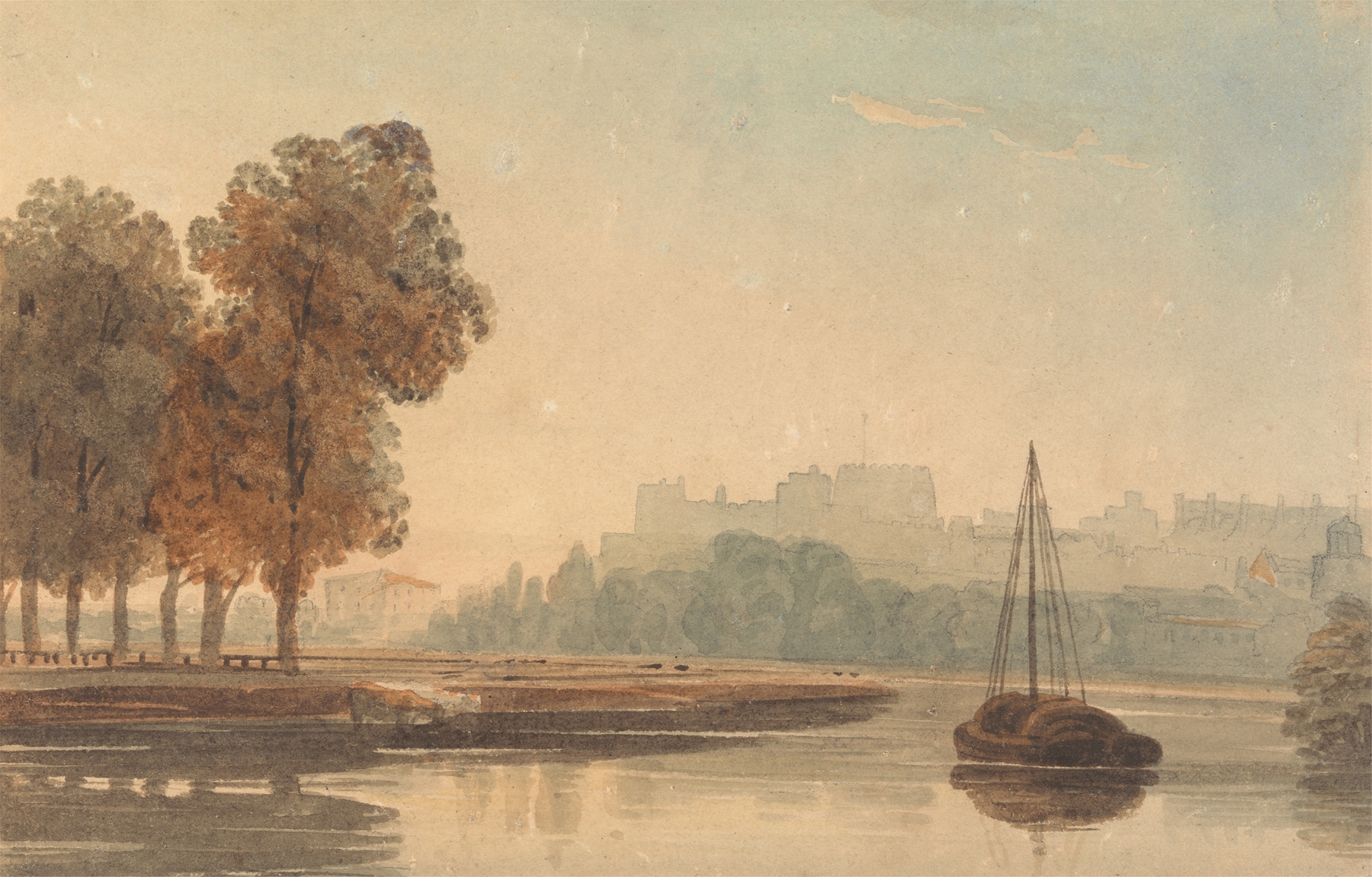
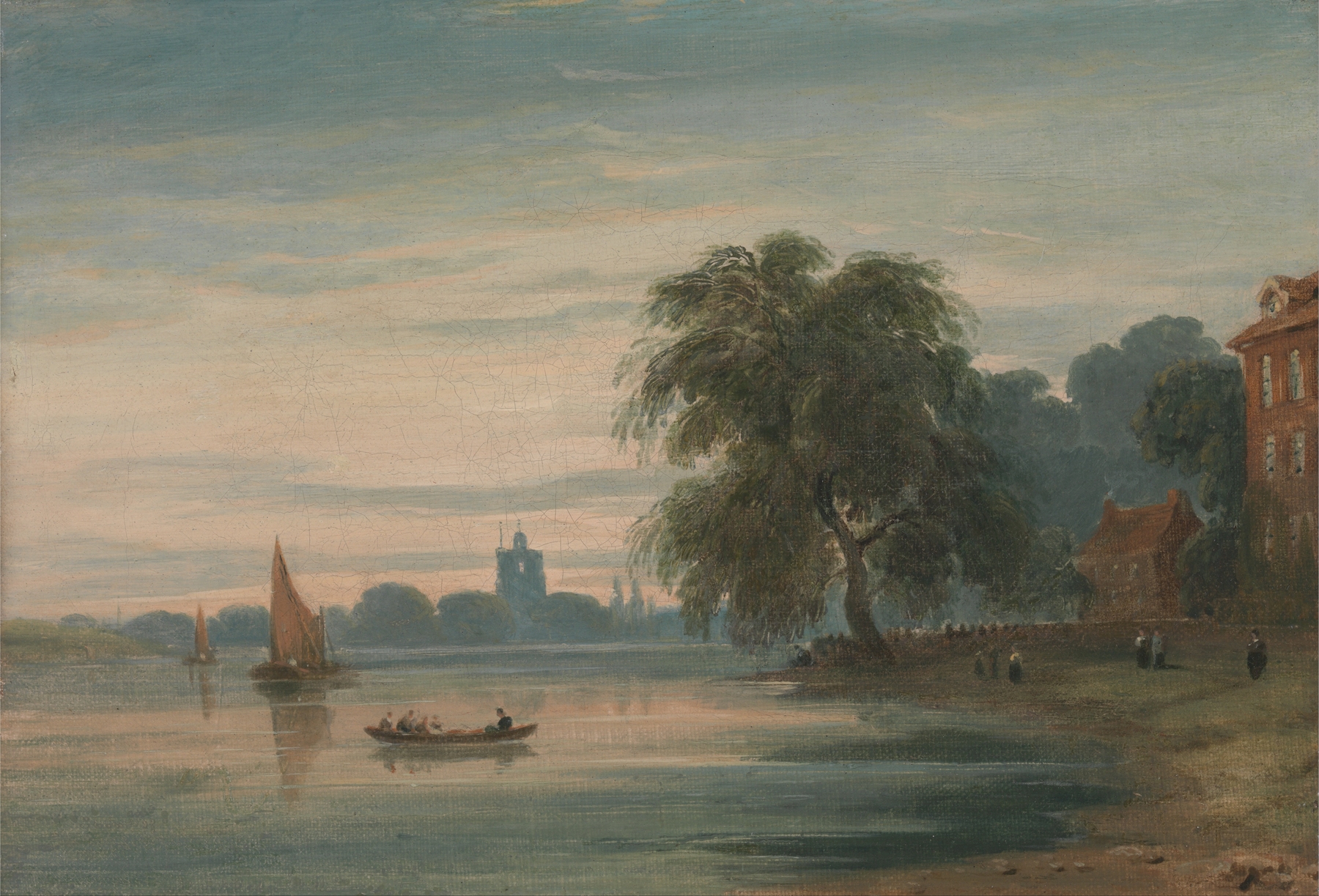
What if beauty was never meant to be finished? In a world where reflections ripple like dreams upon water, we find both an invitation and an enigma, captured in a fleeting moment along the Thames. Focus your gaze on the center of the canvas where the water glistens, mirroring the soft hues of a setting sky. The brushwork is delicate yet confident, leading your eyes through a tapestry of blues and greens.
Notice how the gentle undulations of the river are punctuated by dappled light, creating an interplay between reality and illusion that makes each color vibrate with life. The distant banks rise gracefully, cradling quaint structures that seem to breathe alongside the natural beauty. Delve deeper into the composition, and you’ll find a dialogue between the tranquil water and the robust, tactile forms of the trees and buildings. This contrast suggests a harmony in chaos, as if the tranquility of the river is a momentary respite from the world’s complexities.
The scattered clouds above begin to dissolve into twilight, hinting at the transient nature of both time and beauty—a reminder that reflections can never fully capture the essence of their source. In this period, Varley created this work amidst the Romantic movement, drawing inspiration from the picturesque landscapes of England. While the exact date remains uncertain, it is likely produced in the early 19th century, a time when he was deeply engaged with exploring the interplay of nature and emotion. His works reflected a shifting perspective in art, emphasizing personal experience and the sublime, which would resonate through future generations.