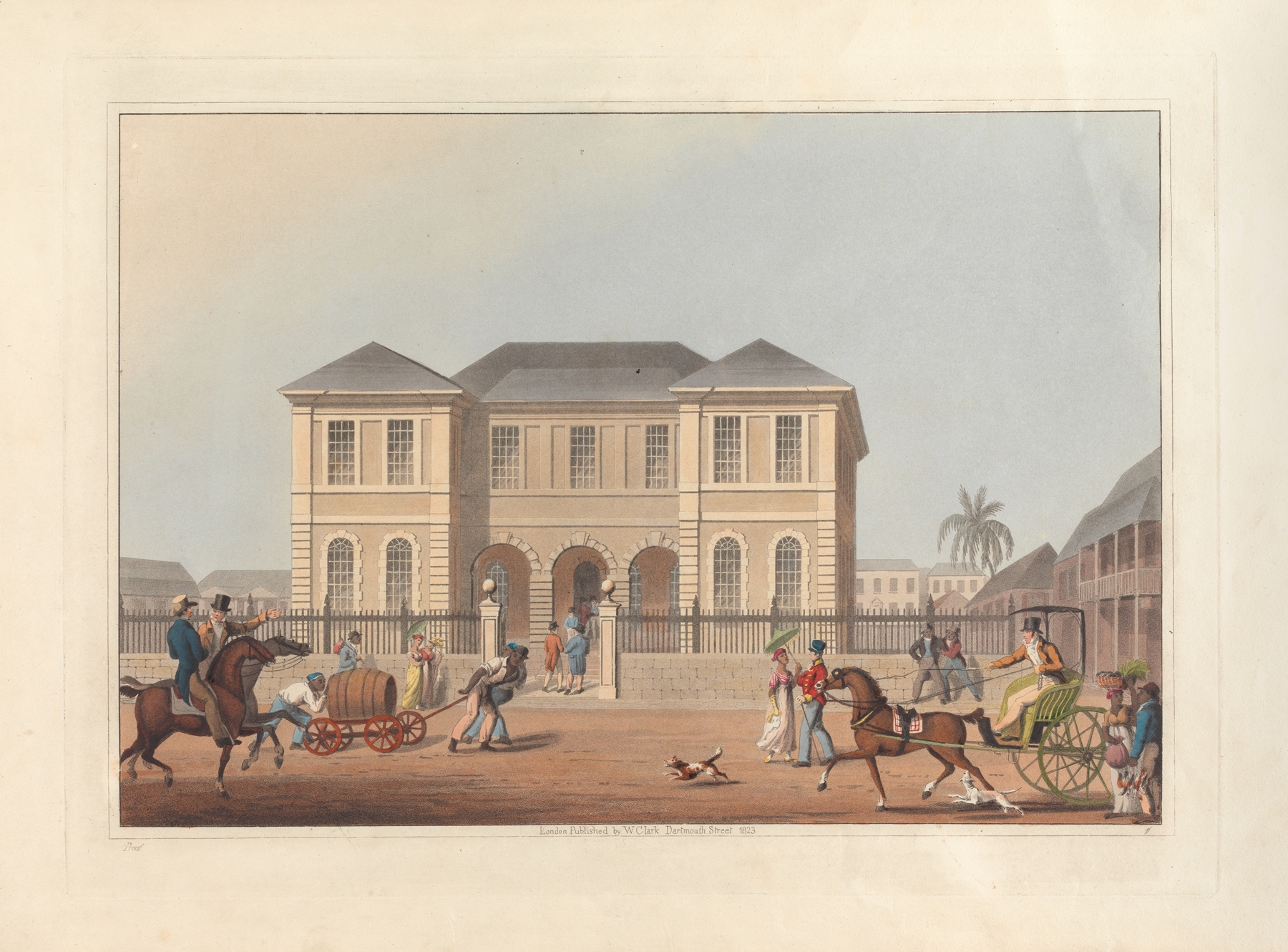
Carting and putting Sugar-Hogsheads on board — History & Analysis
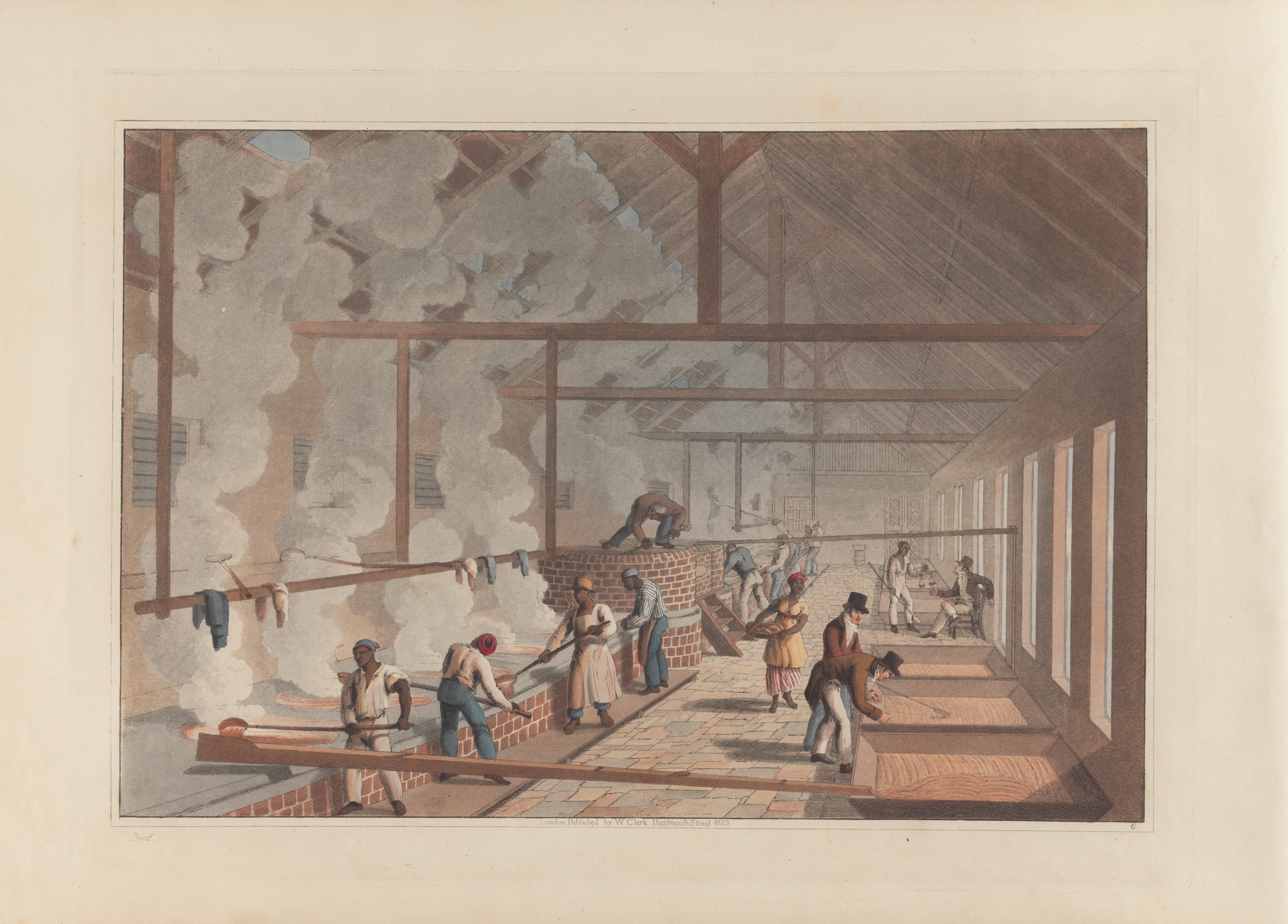
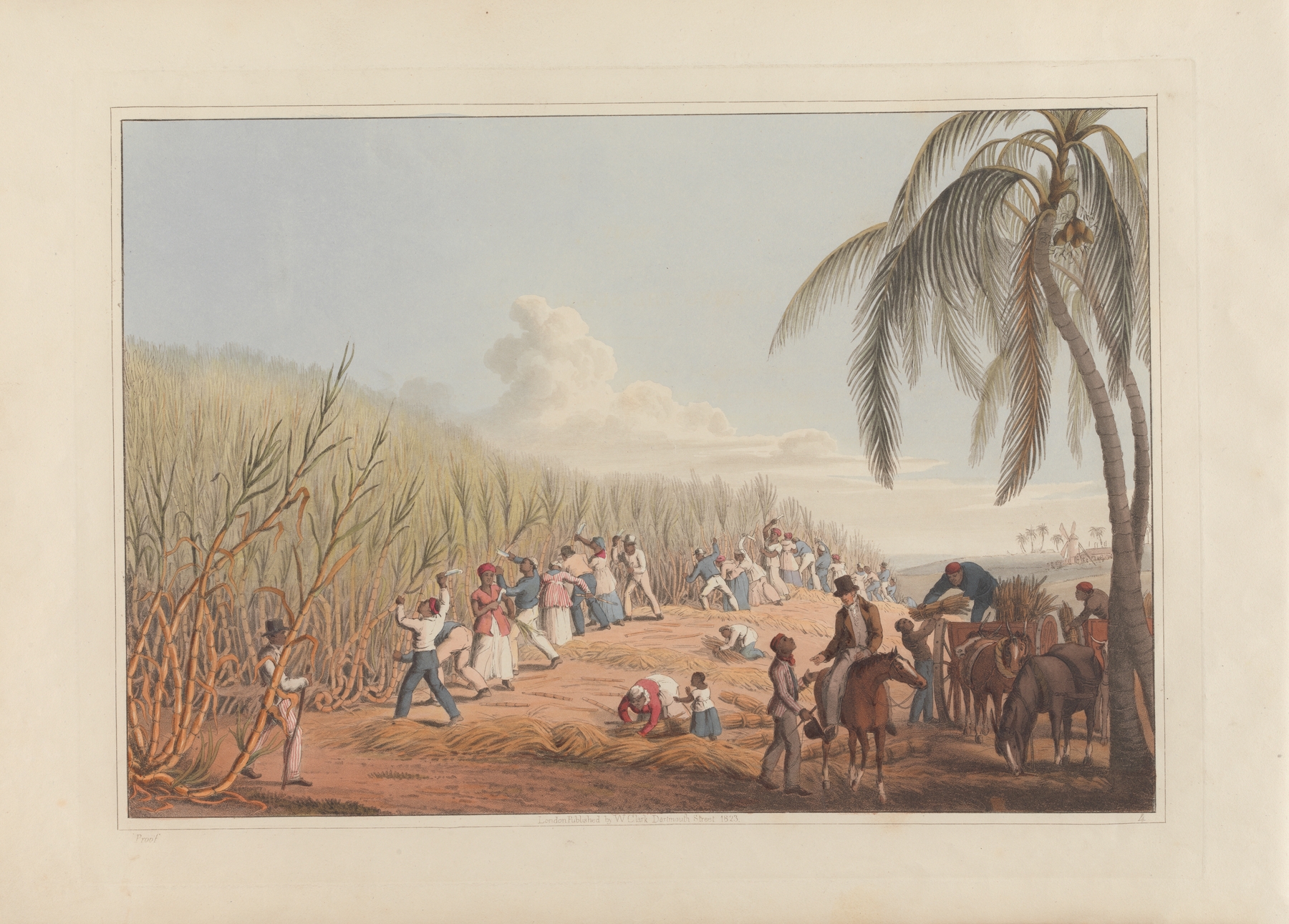
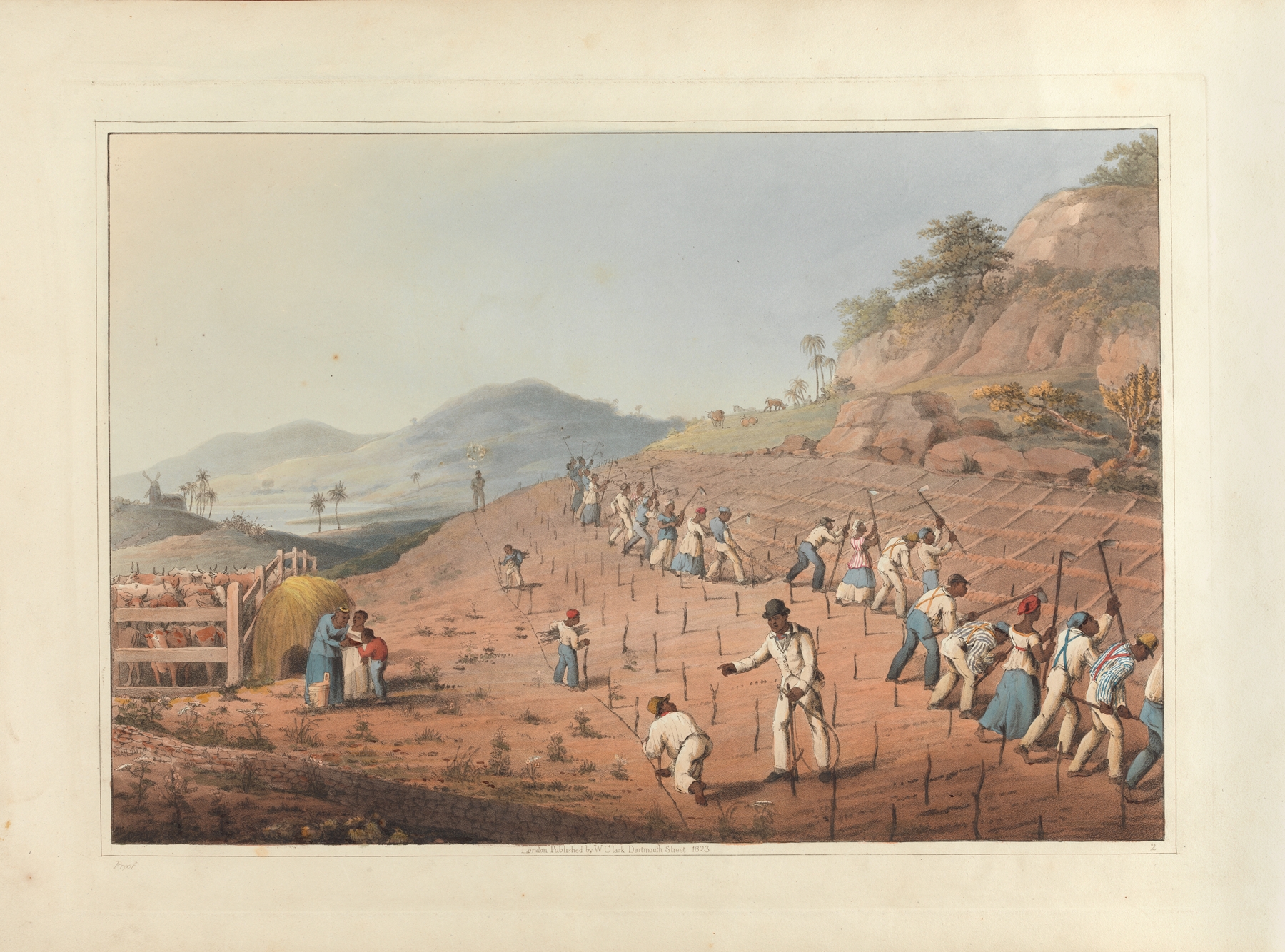
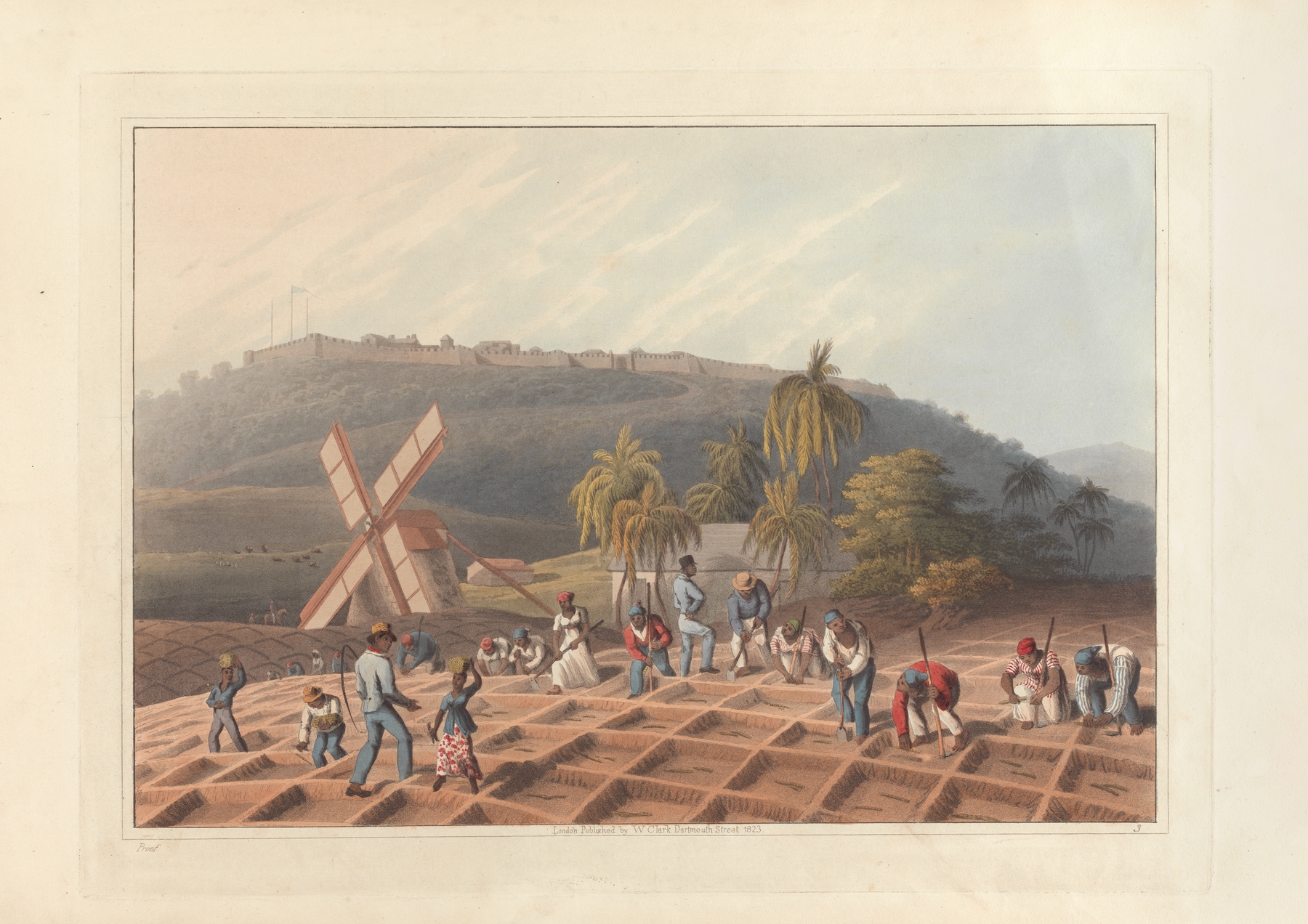
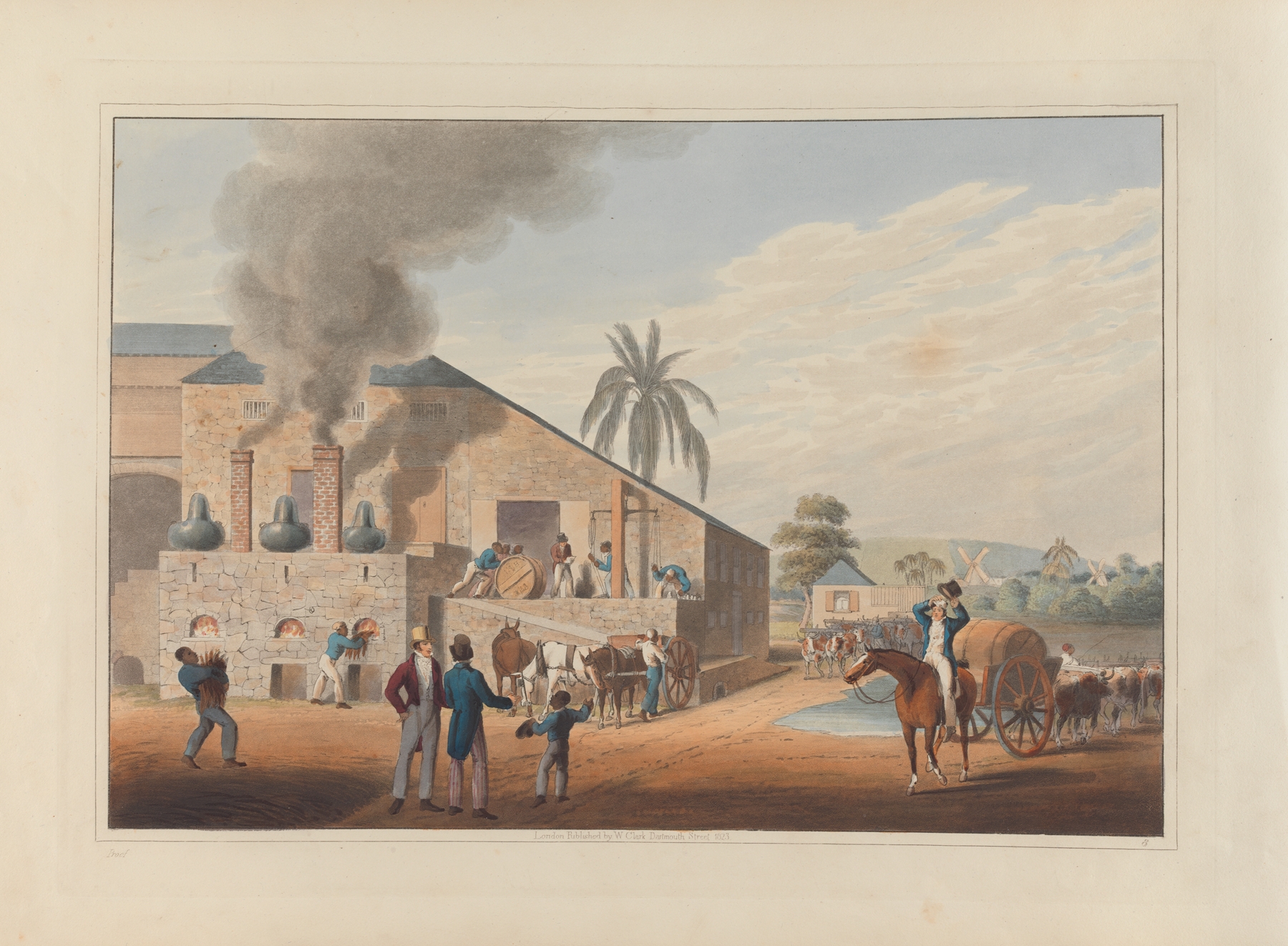
Could a single brushstroke hold eternity? In the delicate interplay of light and shadow, the beauty of daily labor transcends mere representation, inviting reflection on the essence of existence. Look to the left, where a group of workers engages in the rhythmic task of carting sugar-hogsheads. Their figures are rendered with a palpable weight, yet their motions imbue the scene with a sense of purpose and vitality. The earth beneath them is bathed in warm, golden hues, contrasting with the deep, rich tones of the sugar barrels.
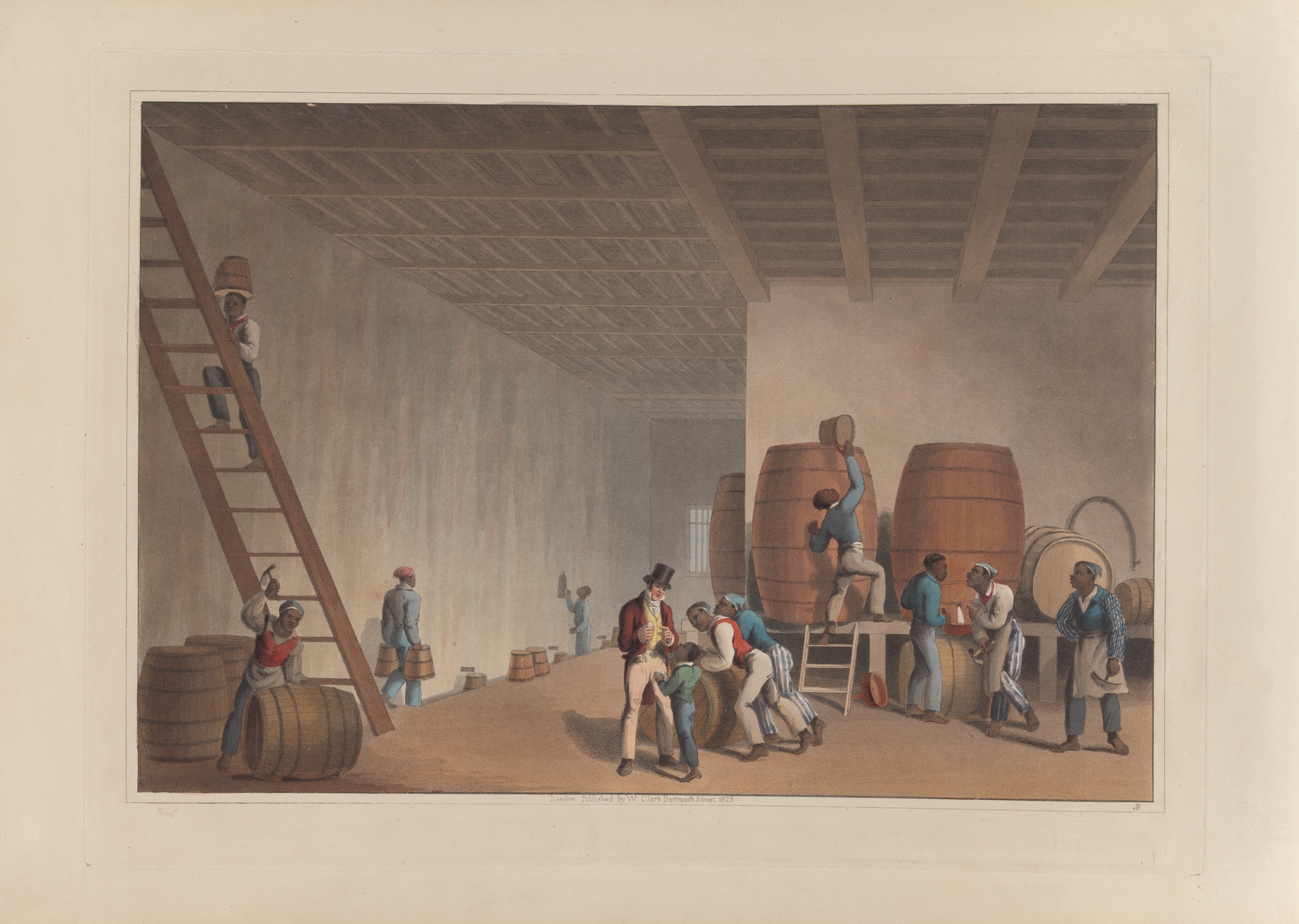
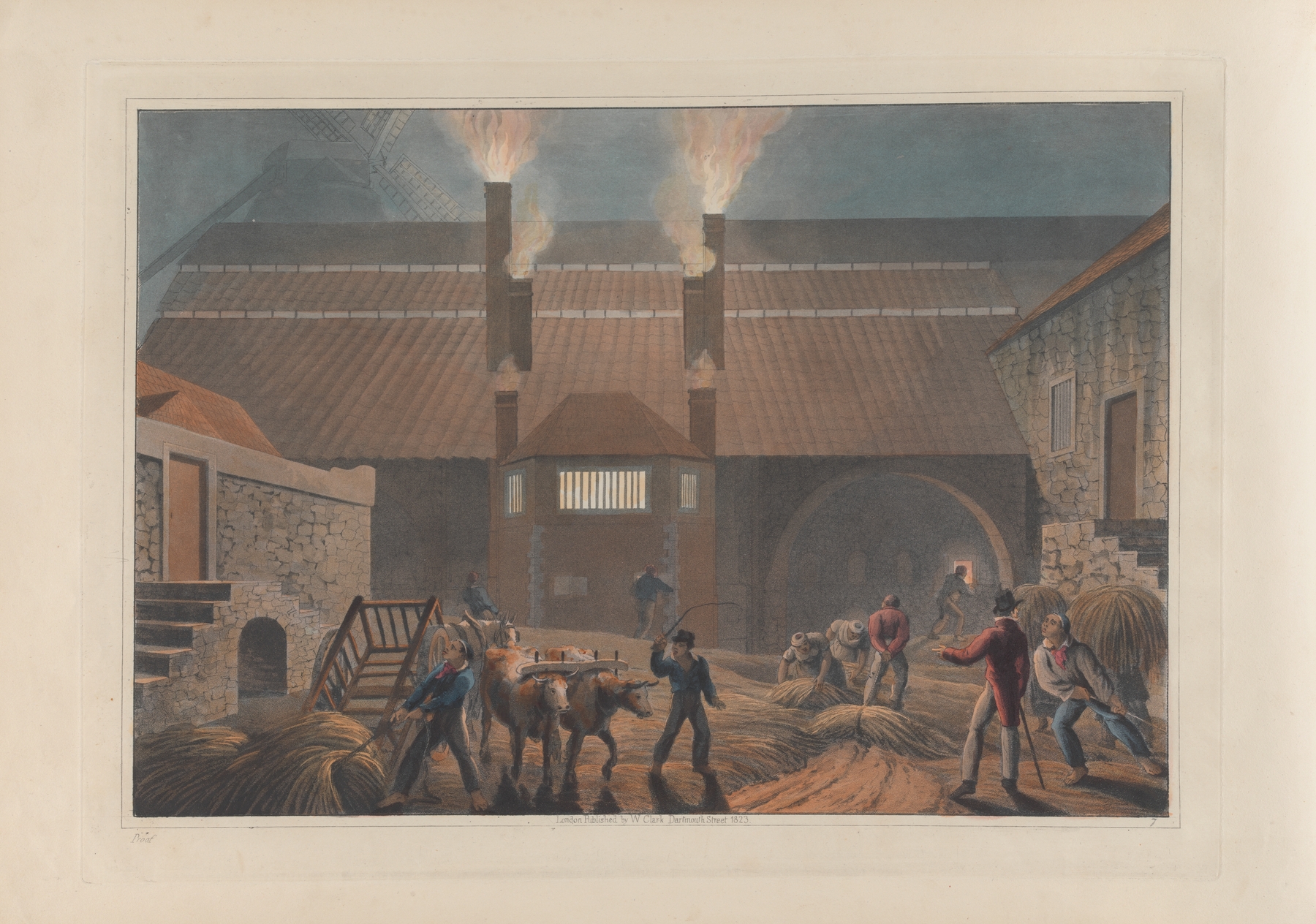
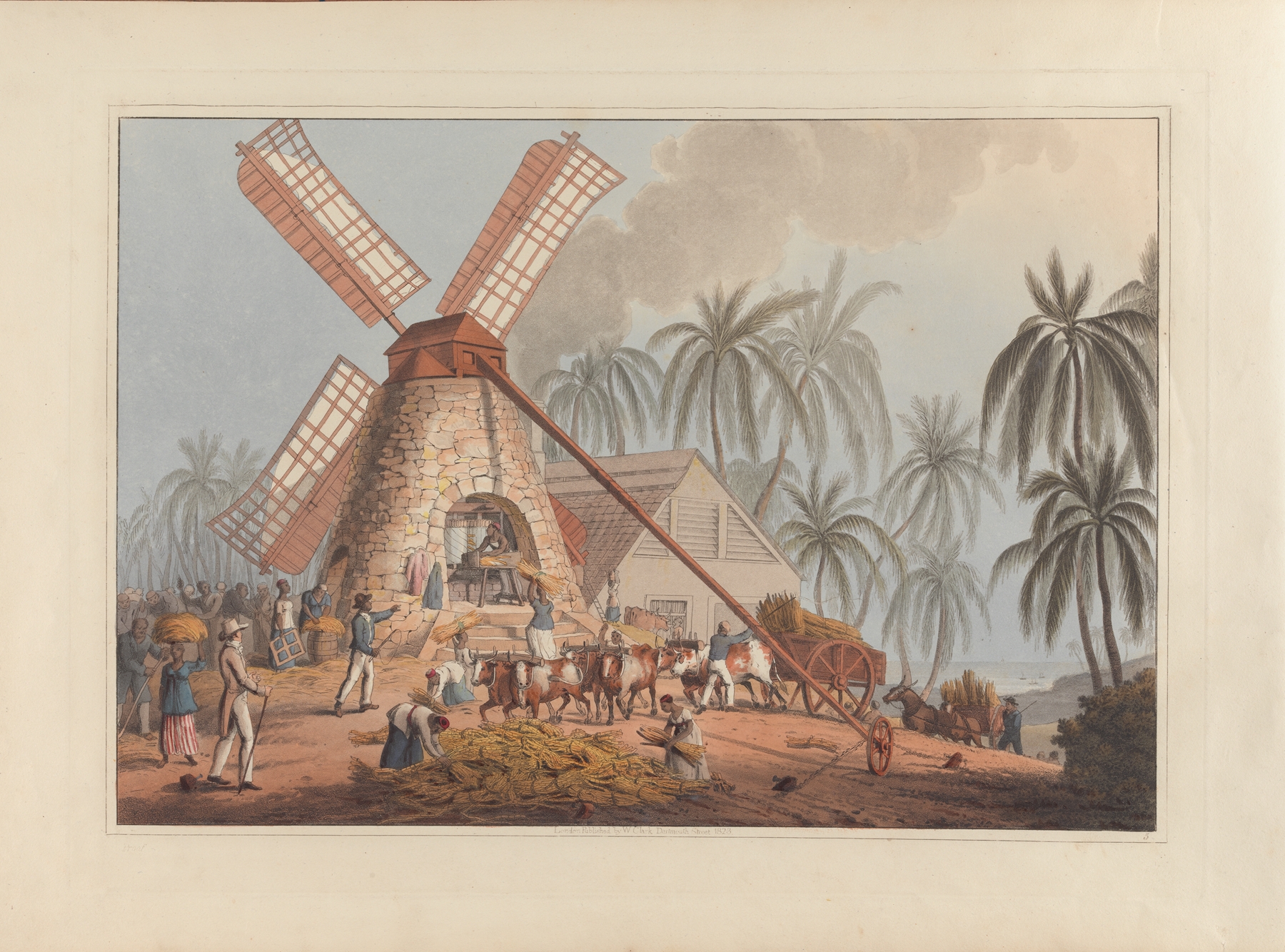
Notice how the artist employs subtle gradations of color and meticulous brushwork, bringing depth to the composition while guiding your gaze across the bustling tableau. Beyond its surface, this painting reveals deeper narratives of labor, industry, and beauty intertwined. The juxtaposition of hard work against the backdrop of rich, luxurious sugar hints at larger themes of economic exploitation and the value of craftsmanship. The figures, though anonymous, embody the dignity of their toil, suggesting that beauty emerges not just in finished products but in the sweat and struggle behind them. Here, every brushstroke encapsulates the heartbeat of a thriving world.
William A. V. Clark crafted this work in 1823, a period marked by the expansion of the sugar industry. Living in London, he witnessed the burgeoning economic changes that came with industrialization and the complexities of labor. This painting reflects not only his artistic style but also the societal shifts at the time, offering a glimpse into the world of commerce and its impact on everyday life.