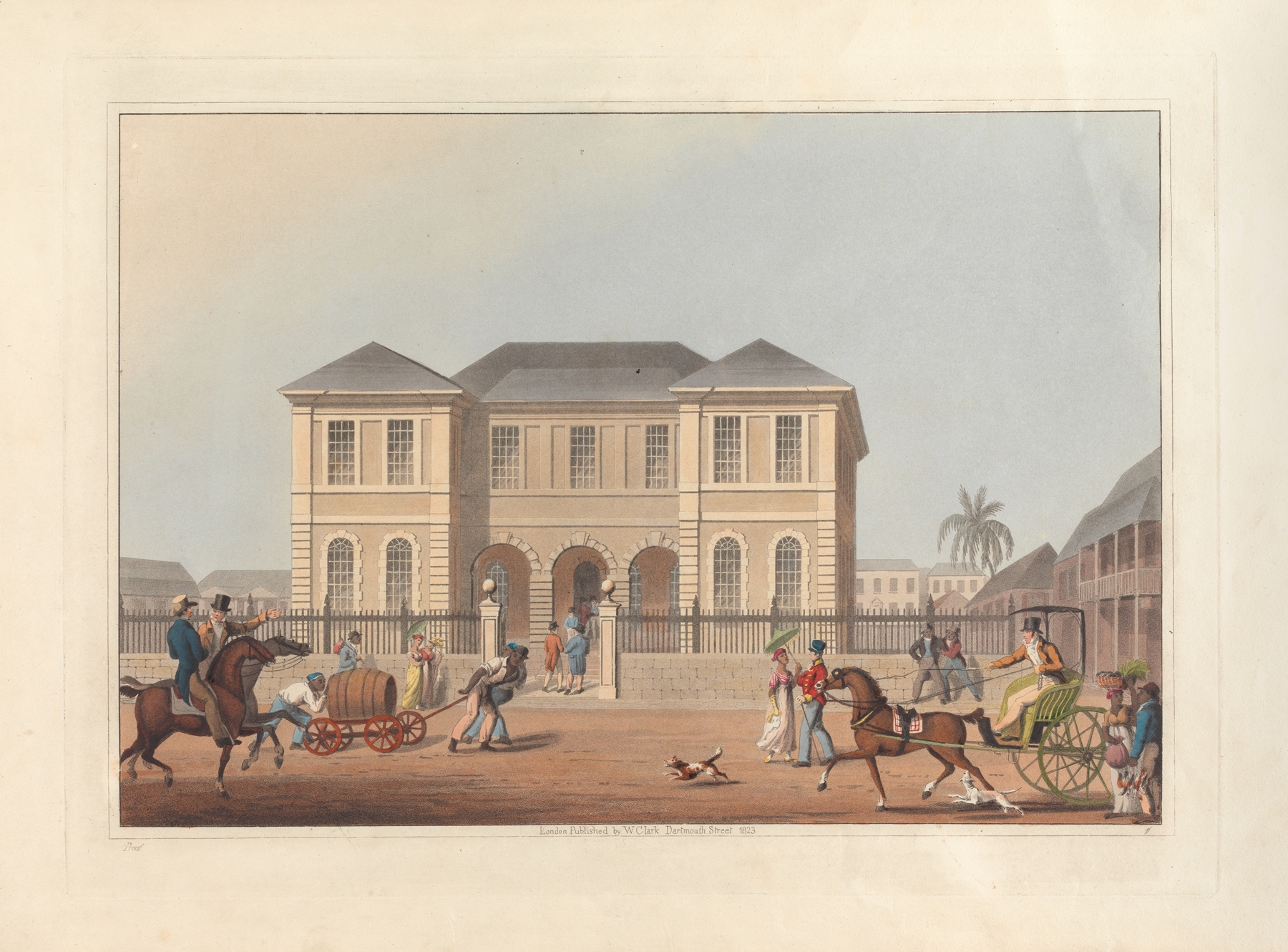
Interior of the Distillery — History & Analysis
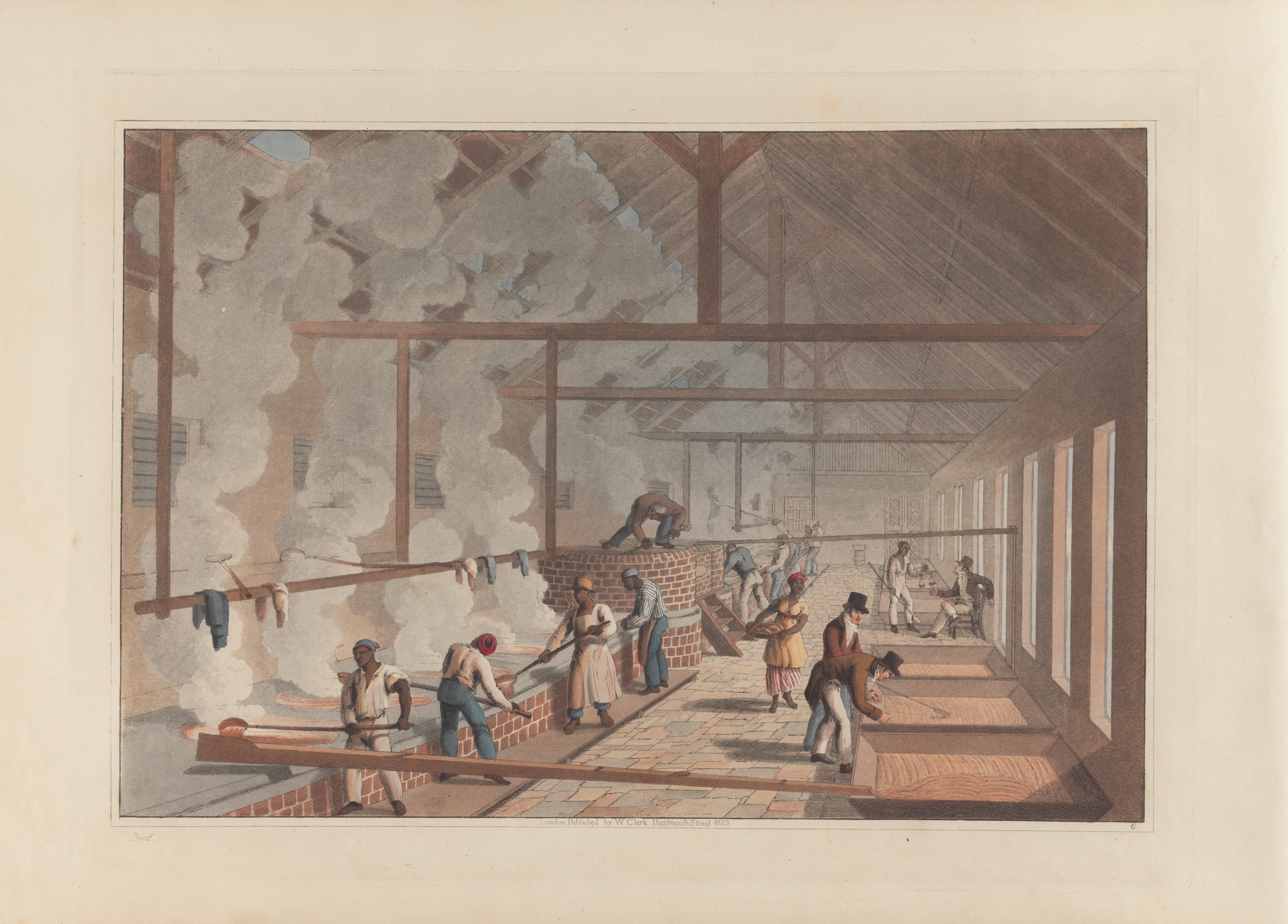
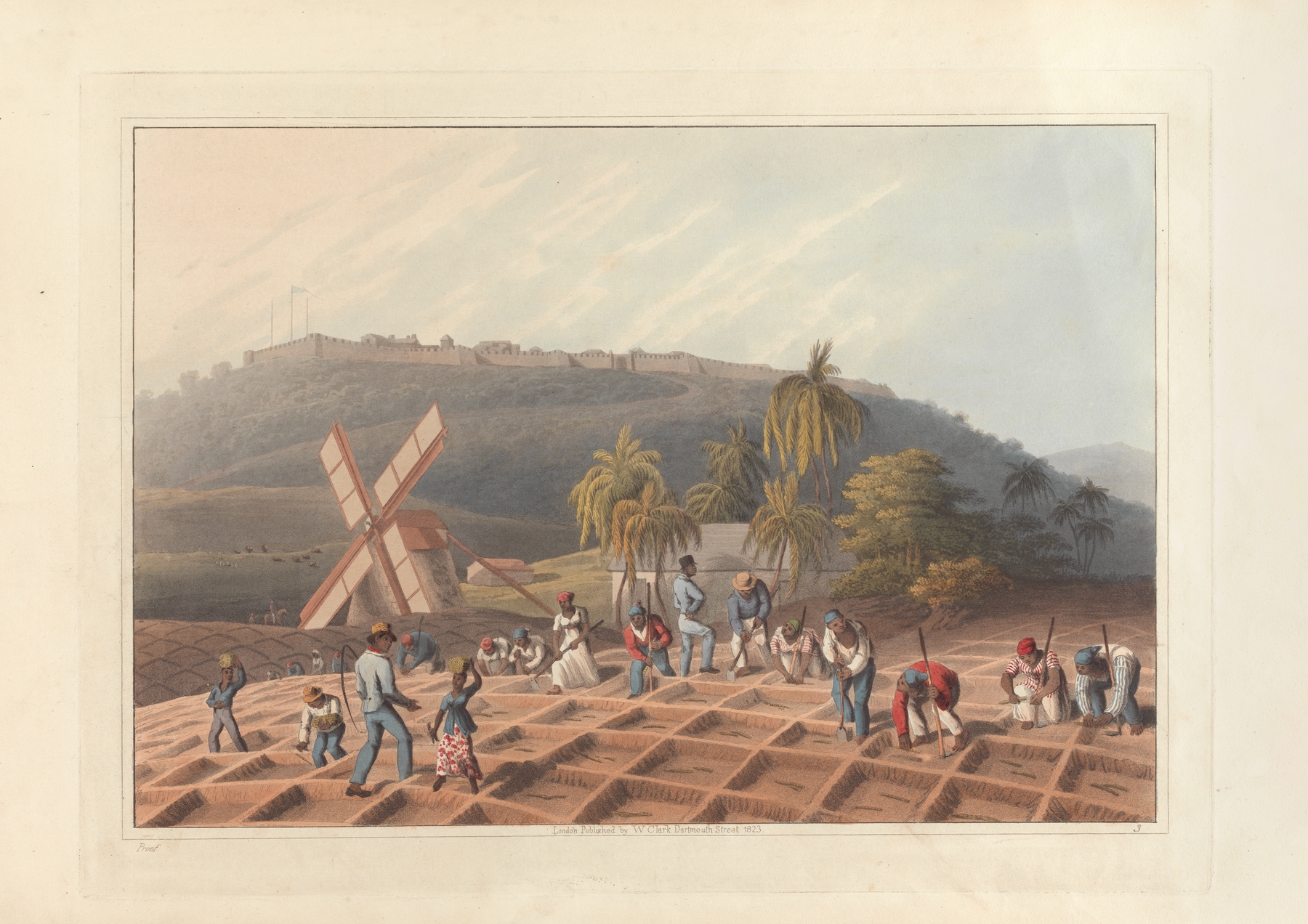
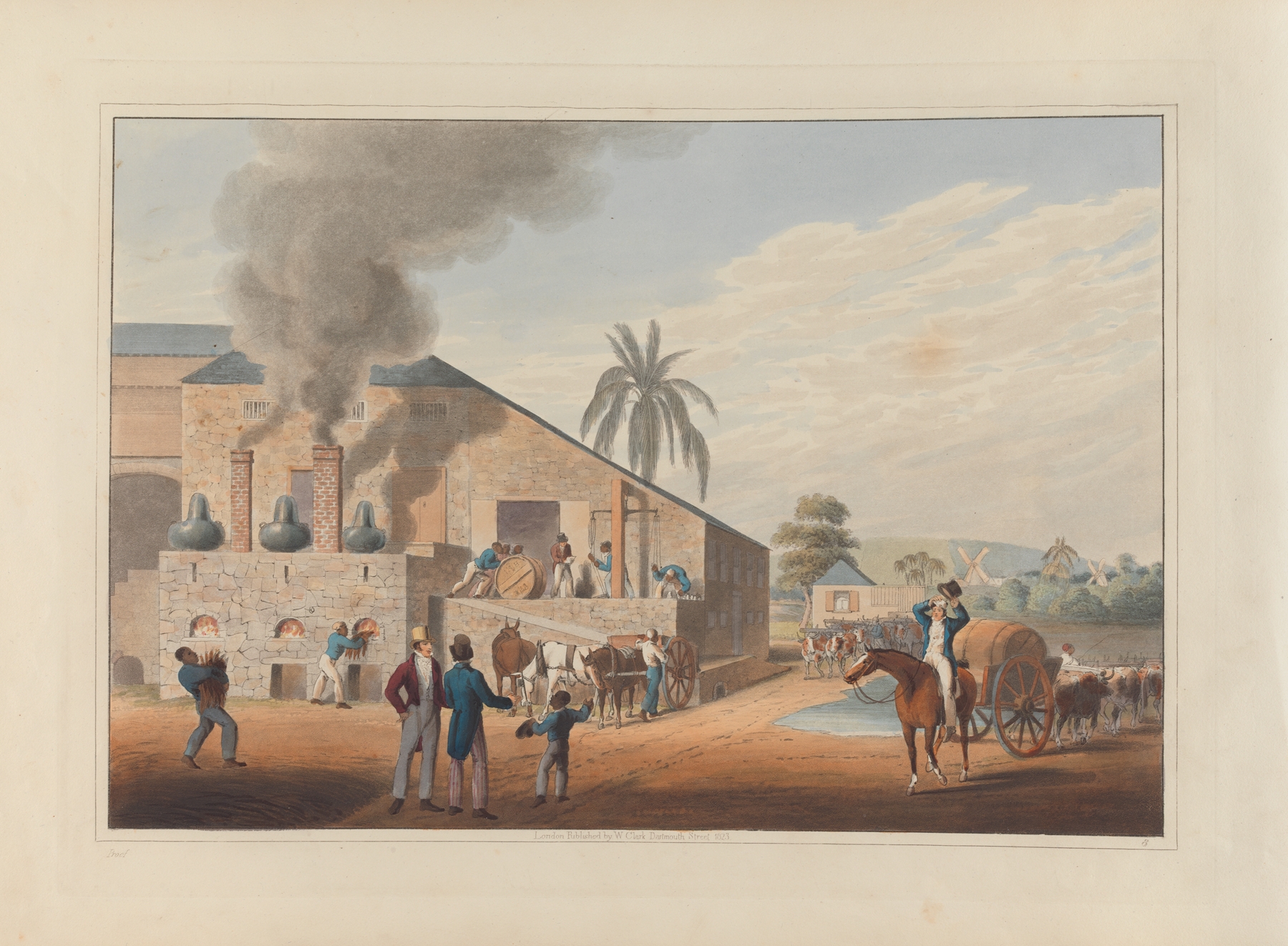
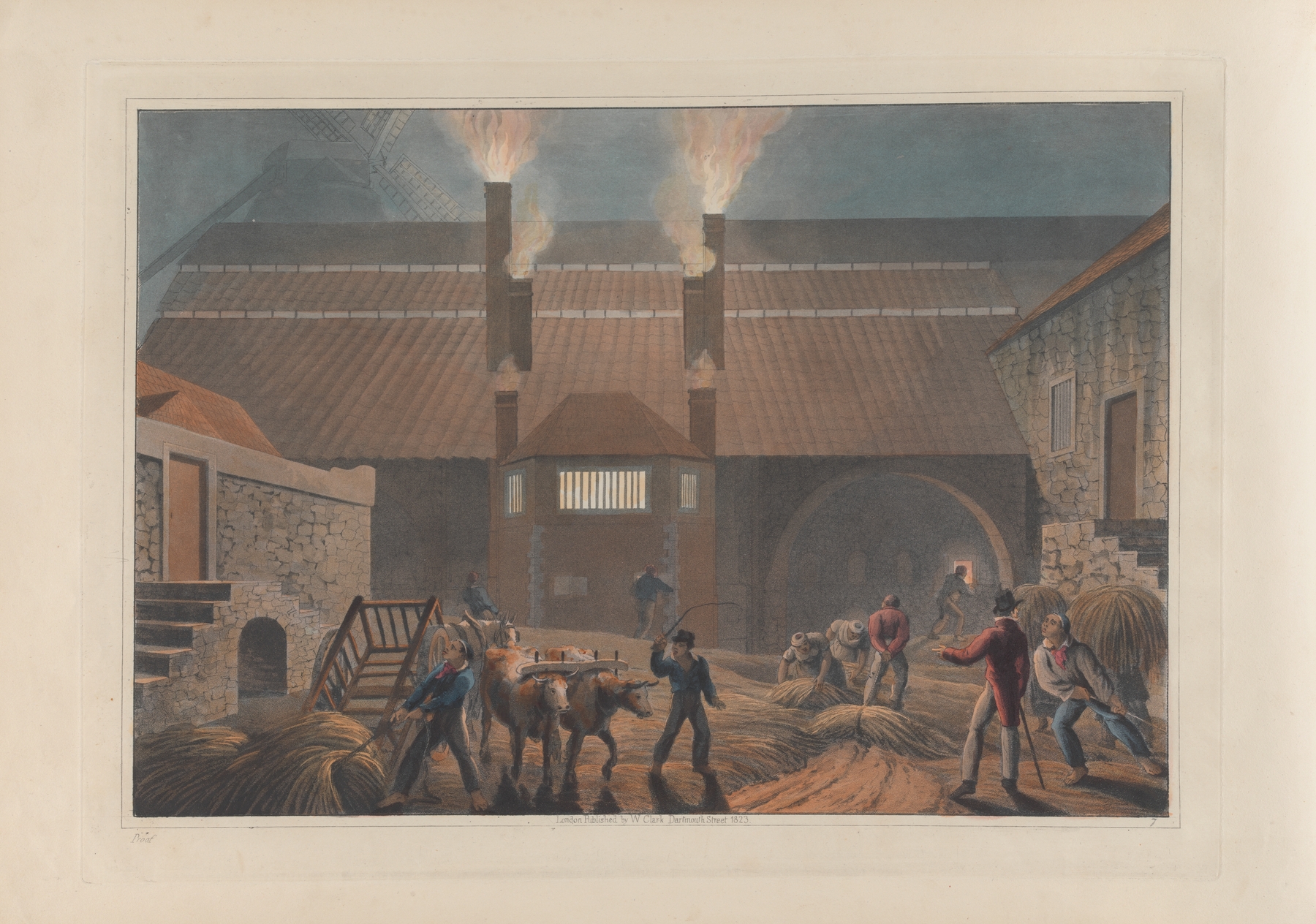
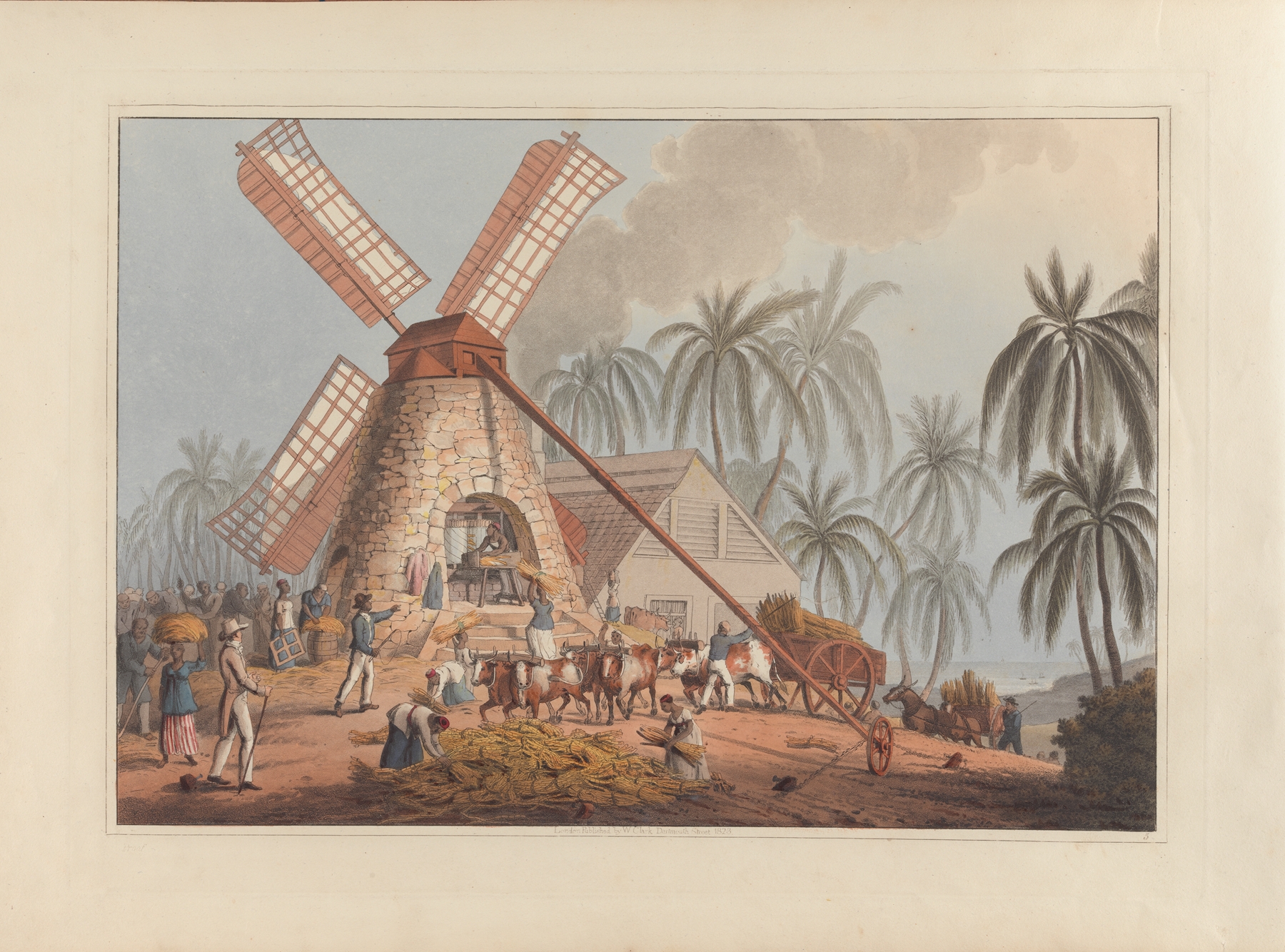
What secret hides in the quiet of the canvas? As the viewer gazes upon Interior of the Distillery, they are invited to explore a hidden world where destiny brews in the still air. Look to the left at the large wooden barrels, their dark, textured surfaces illuminated by the soft glow of light filtering through the windows. Notice how the artist employs rich browns and ochres, evoking warmth while simultaneously hinting at the solemnity of labor. The arrangement of the distillery’s interior creates a sense of depth, drawing our eyes deeper into the scene, where workers tend to their meticulous tasks, encapsulating both the industrious spirit and the reverence for craft.
Yet, beneath the surface, there is an emotional tension present. The figures, absorbed in their labor, appear isolated, each consumed by their own thoughts and toil. This silence tells a story of hope and struggle, hinting at the bittersweet nature of their labor, as the promise of the final product brings light to their darkened surroundings. The juxtaposition of the warm light and the cool shadows further emphasizes this contrast, a metaphor for ambition entwined with the weight of expectation. William A.
V. Clark painted this piece in 1823 during a pivotal time in the art world, where Romanticism was influencing many artists to delve into themes of the everyday and the sublime. At this time, Clark was establishing his reputation in England, surrounded by a shifting landscape of industrial growth and societal change. His work reflects not only the physical space of the distillery but also the deeper aspirations and realities of the people who inhabit it.