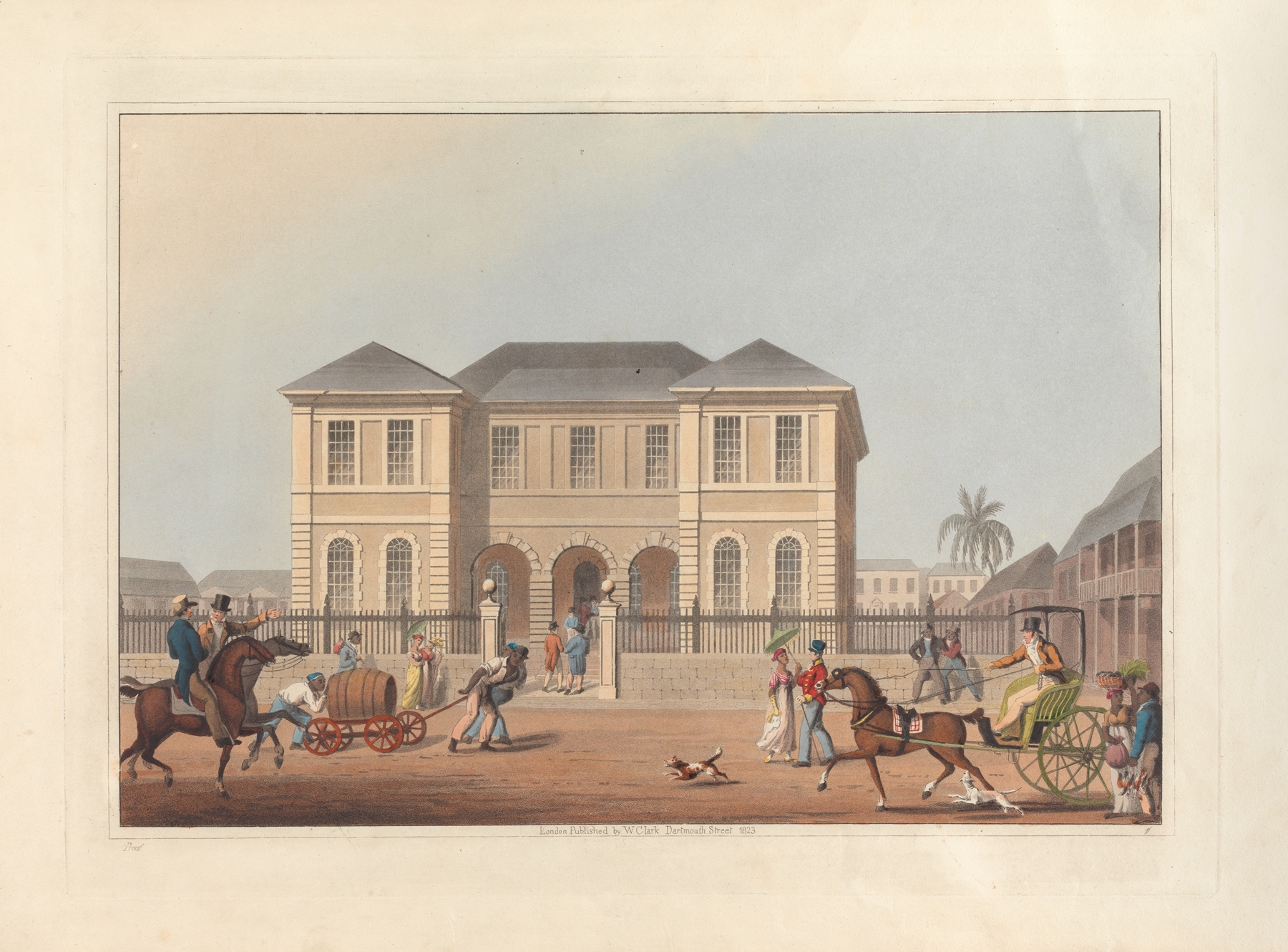
Cutting the Sugar-Cane — History & Analysis
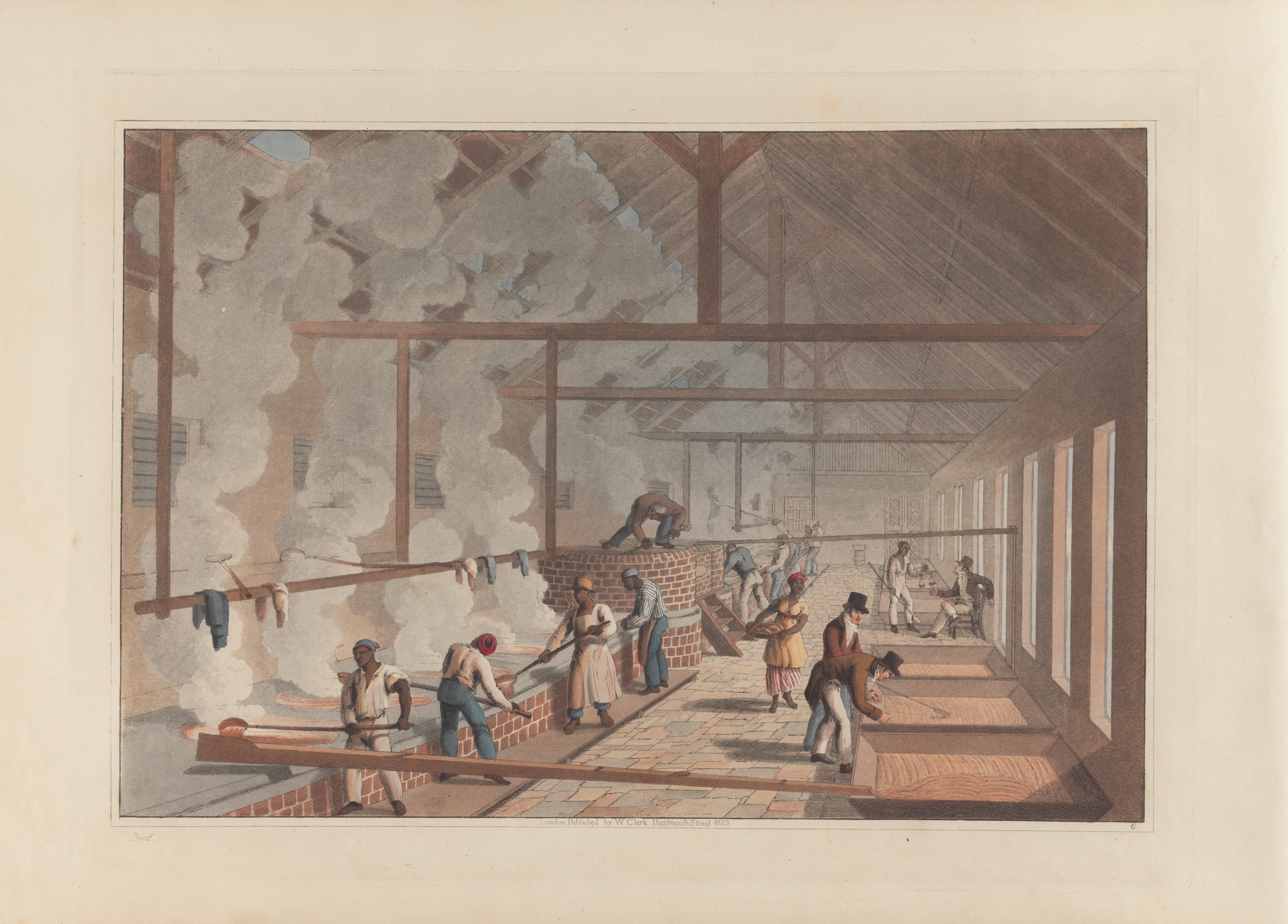
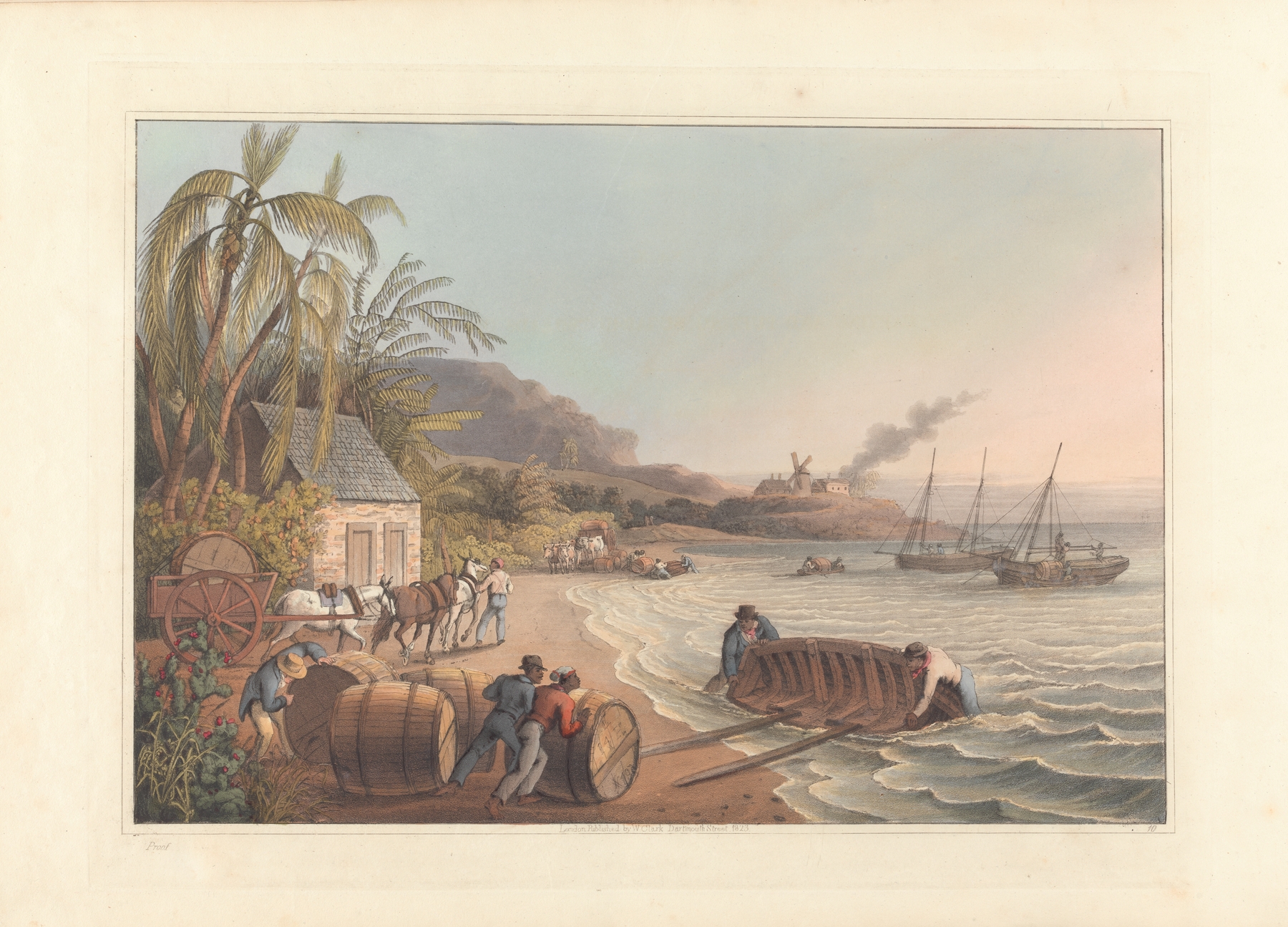
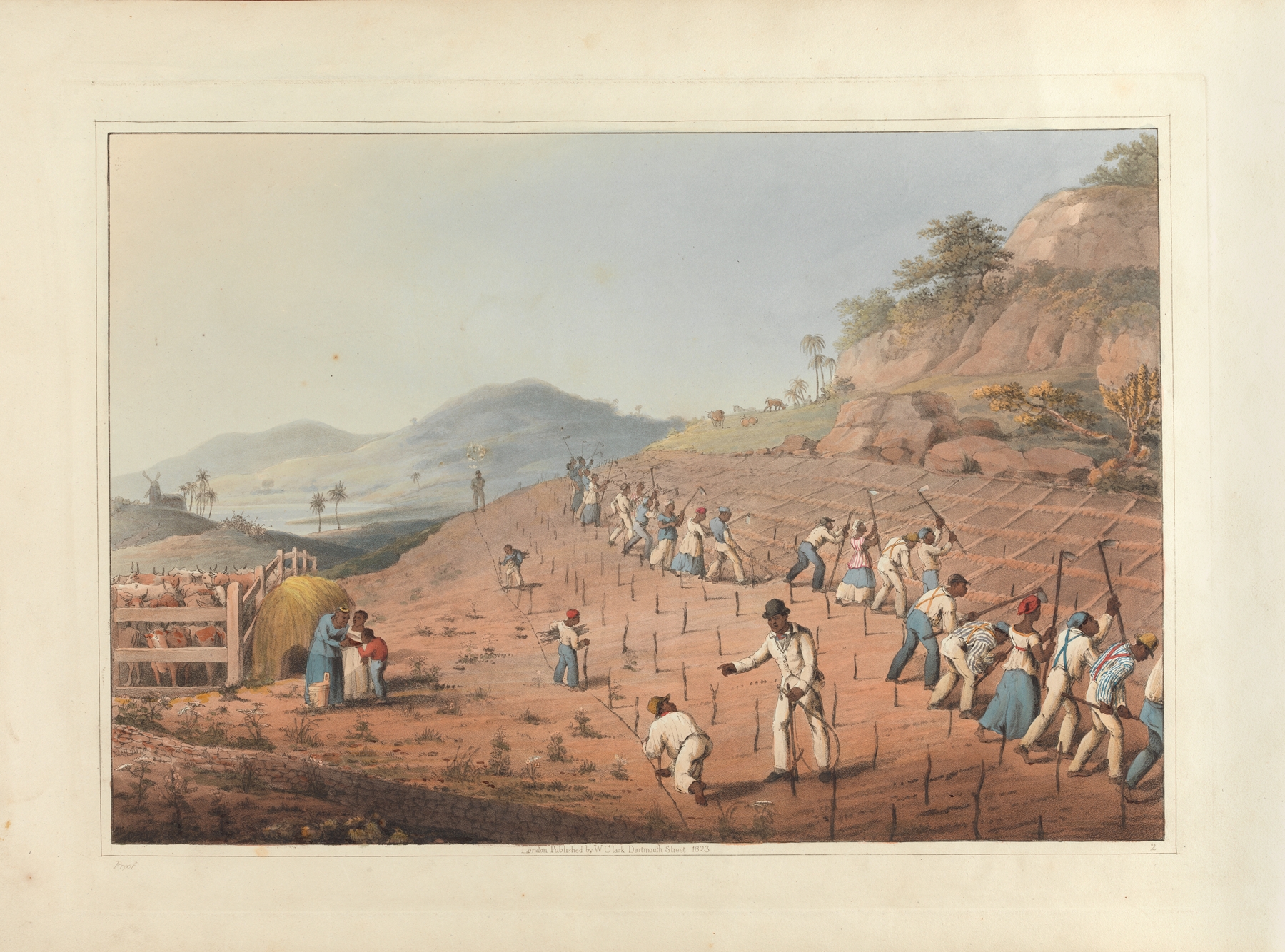
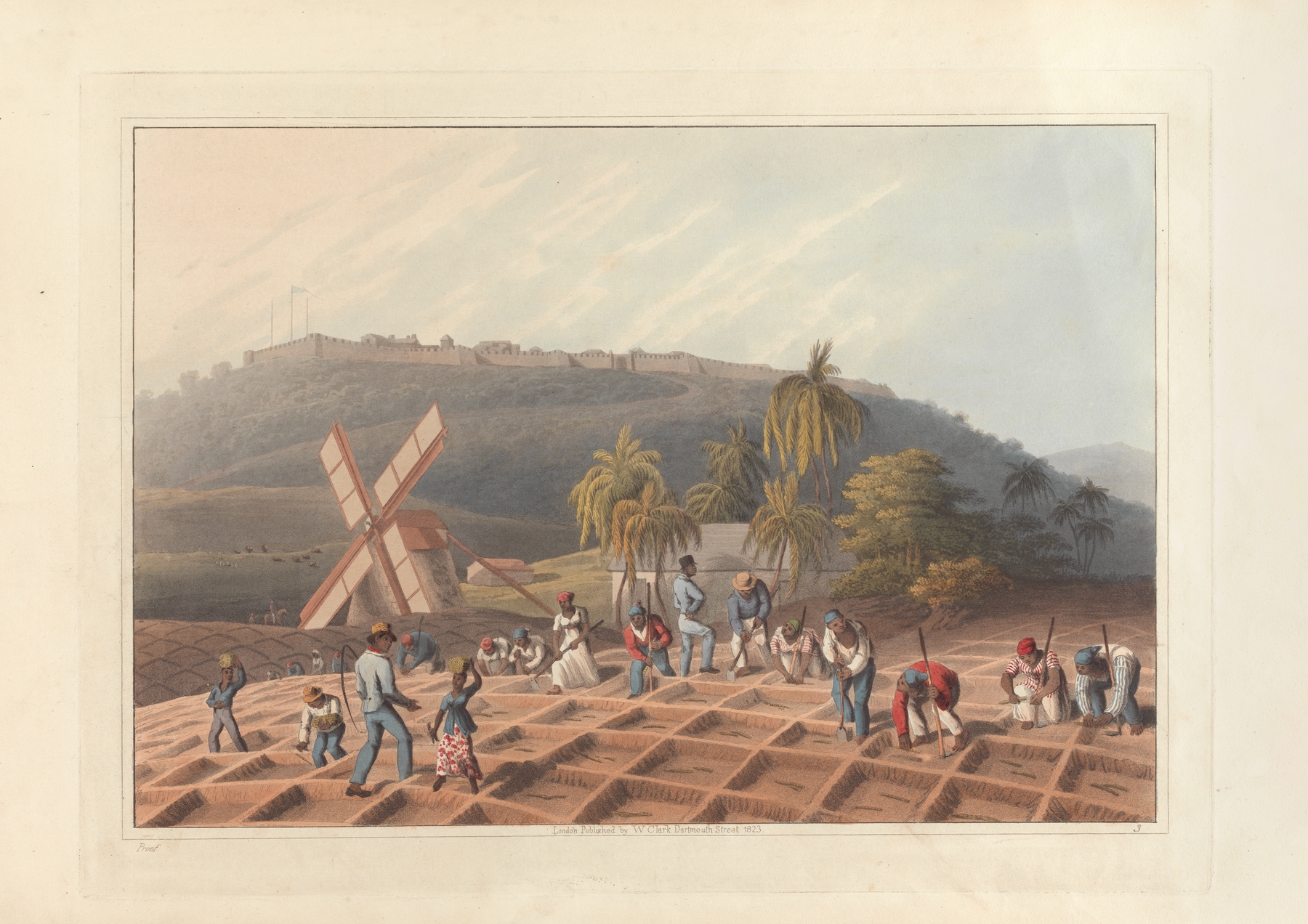
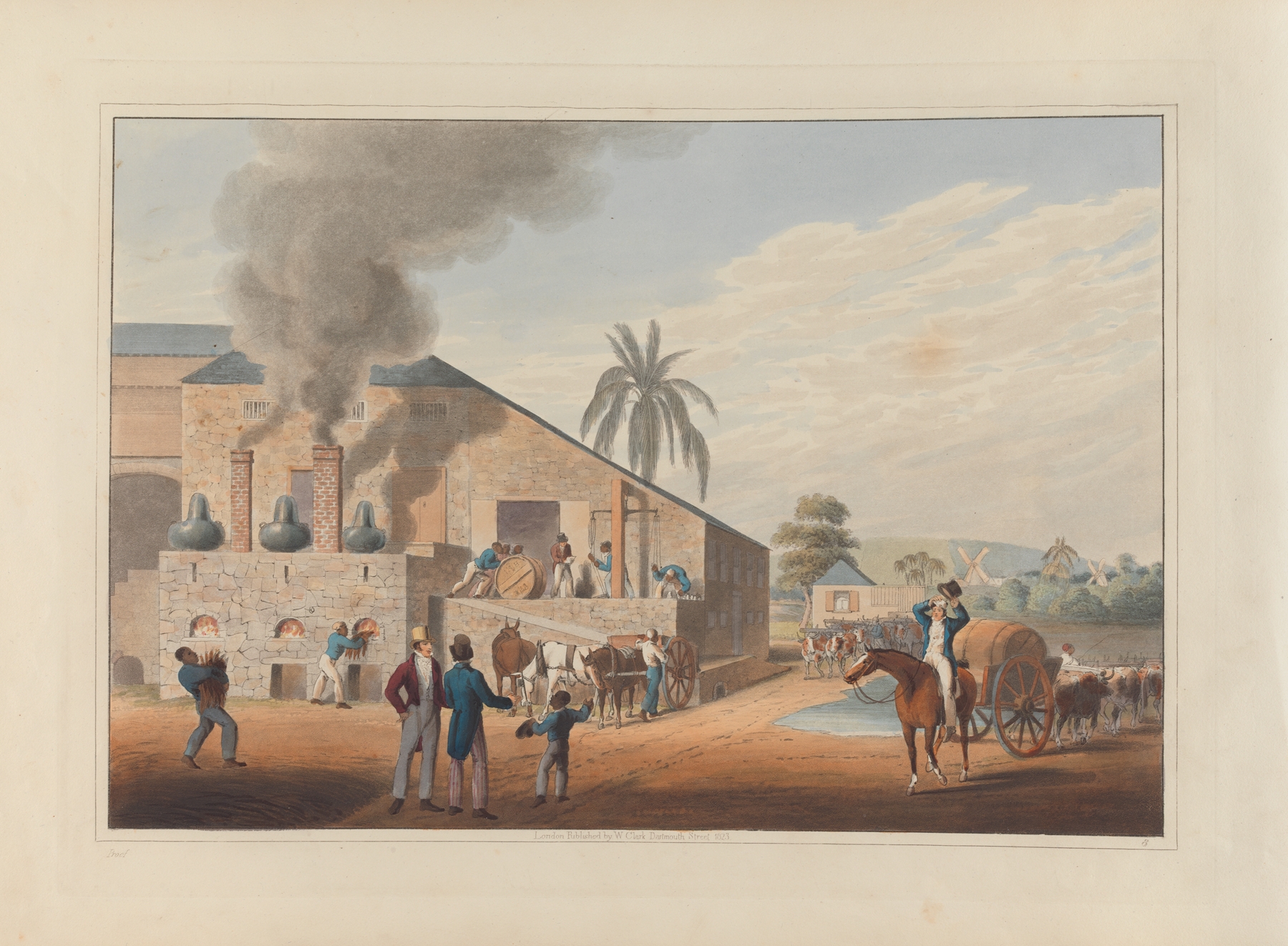
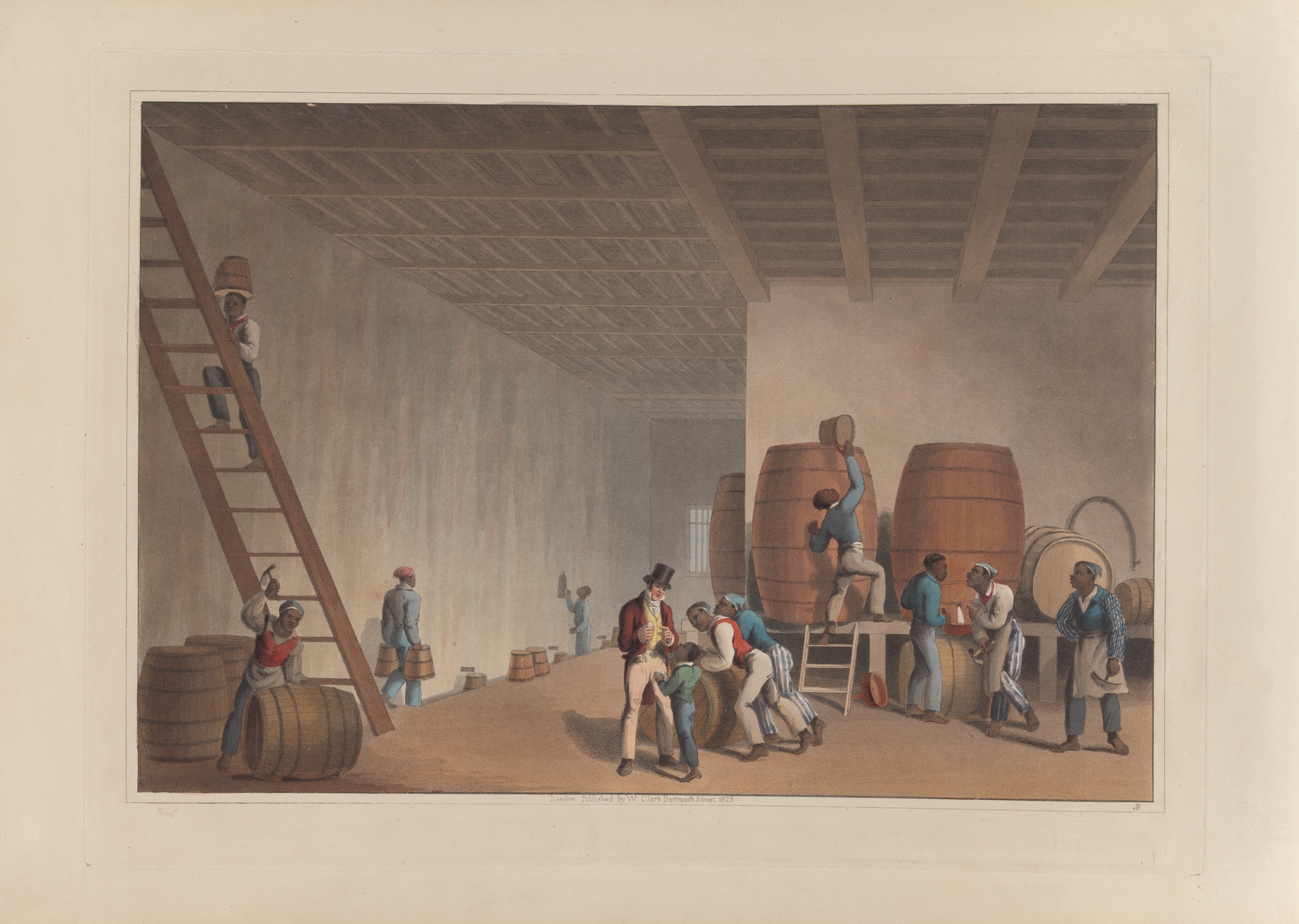
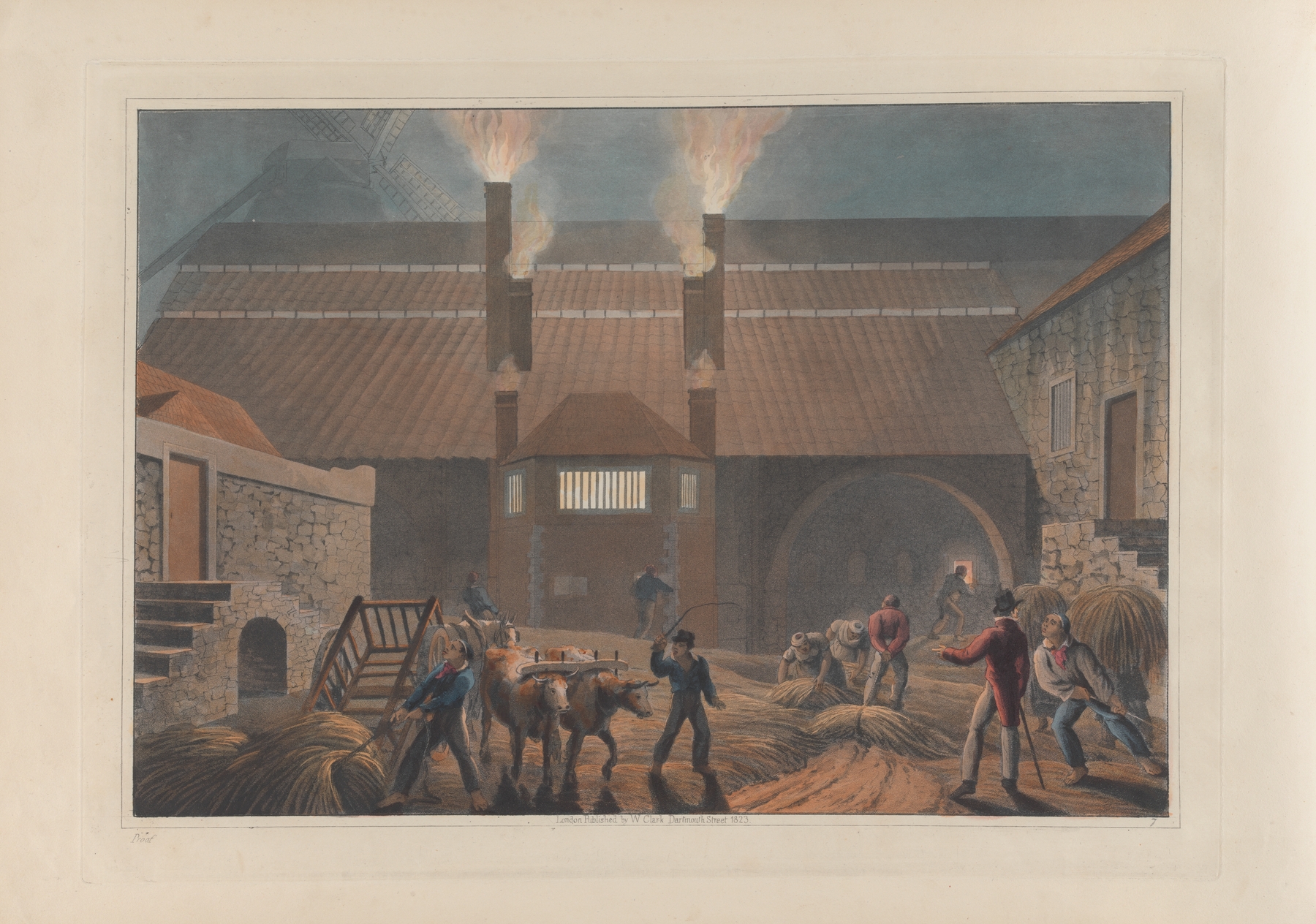
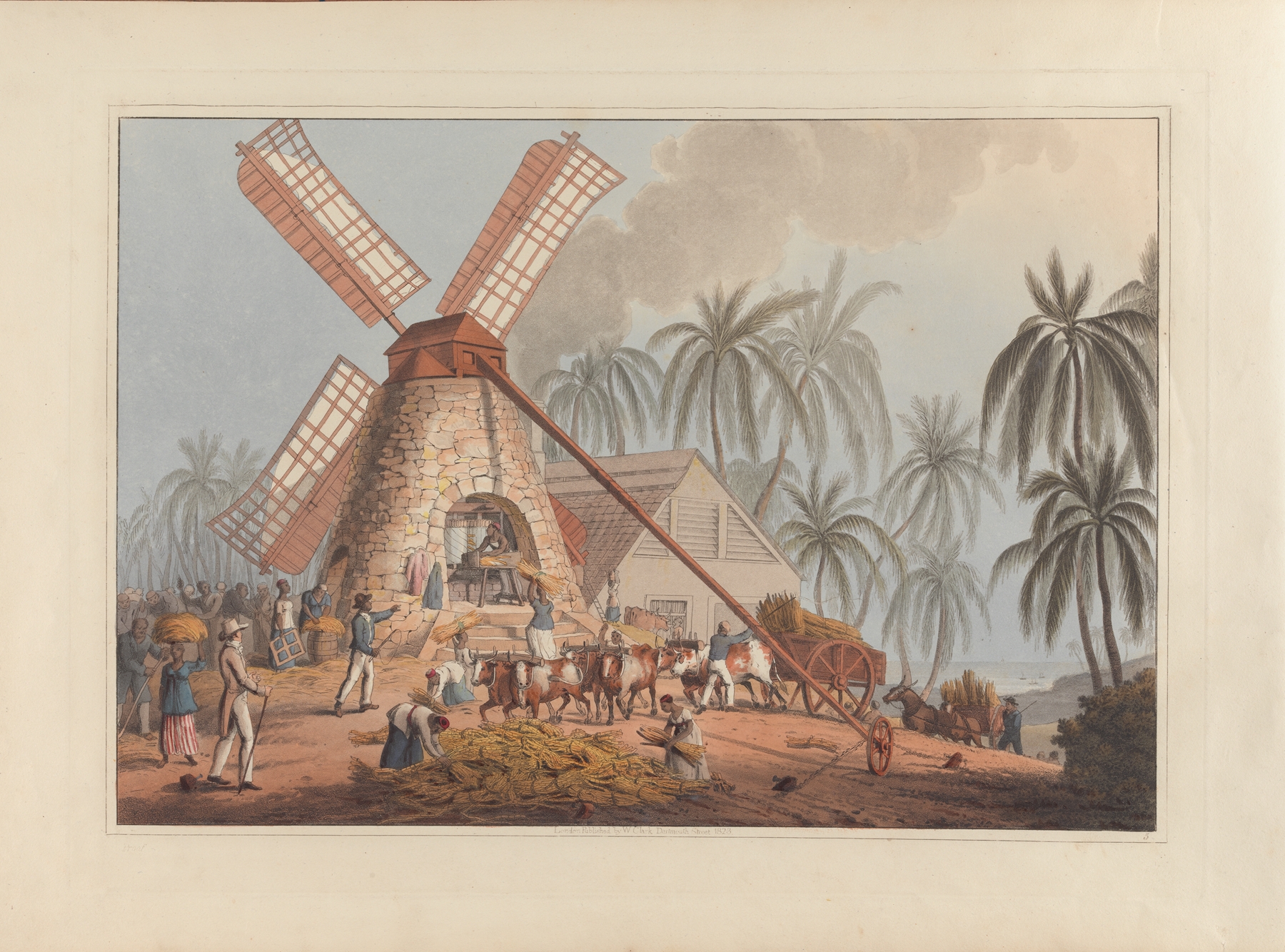
Who listens when art speaks of silence? In Cutting the Sugar-Cane, a profound stillness resonates beneath the vibrant rhythms of labor, whispering tales of grief and resilience. Focus your gaze on the figures at work, their bodies bent and worn, illuminated by the gentle glow of the afternoon sun. Notice the details of their hands, weathered yet strong, gripping their tools with both determination and heaviness. The rich greens of the sugarcane fields contrast sharply with the earth tones of their clothing, framing a poignant narrative of toil that speaks to both a shared purpose and a shared sorrow.
Hidden beneath the bright surface are layers of emotional tension. The act of cutting the sugar-cane becomes a metaphor for loss—loss of freedom, of family, of the life that once was. Each slice through the stalks echoes a painful history, while the camaraderie among workers hints at their collective strength. The viewer can feel the weight of their shared struggle, understanding that this labor is more than just work; it is a testament to survival amid adversity. William A.
V. Clark painted this piece in 1823, a time when the world was grappling with the ramifications of colonialism and the plantation economy. Living in a period marked by social upheaval and artistic innovation, Clark's work reflects not only his personal experiences but also the broader struggle of those affected by the sugar trade. This painting illuminates a moment that transcends time, inviting contemplation on the enduring impact of art in addressing the complexities of life and loss.