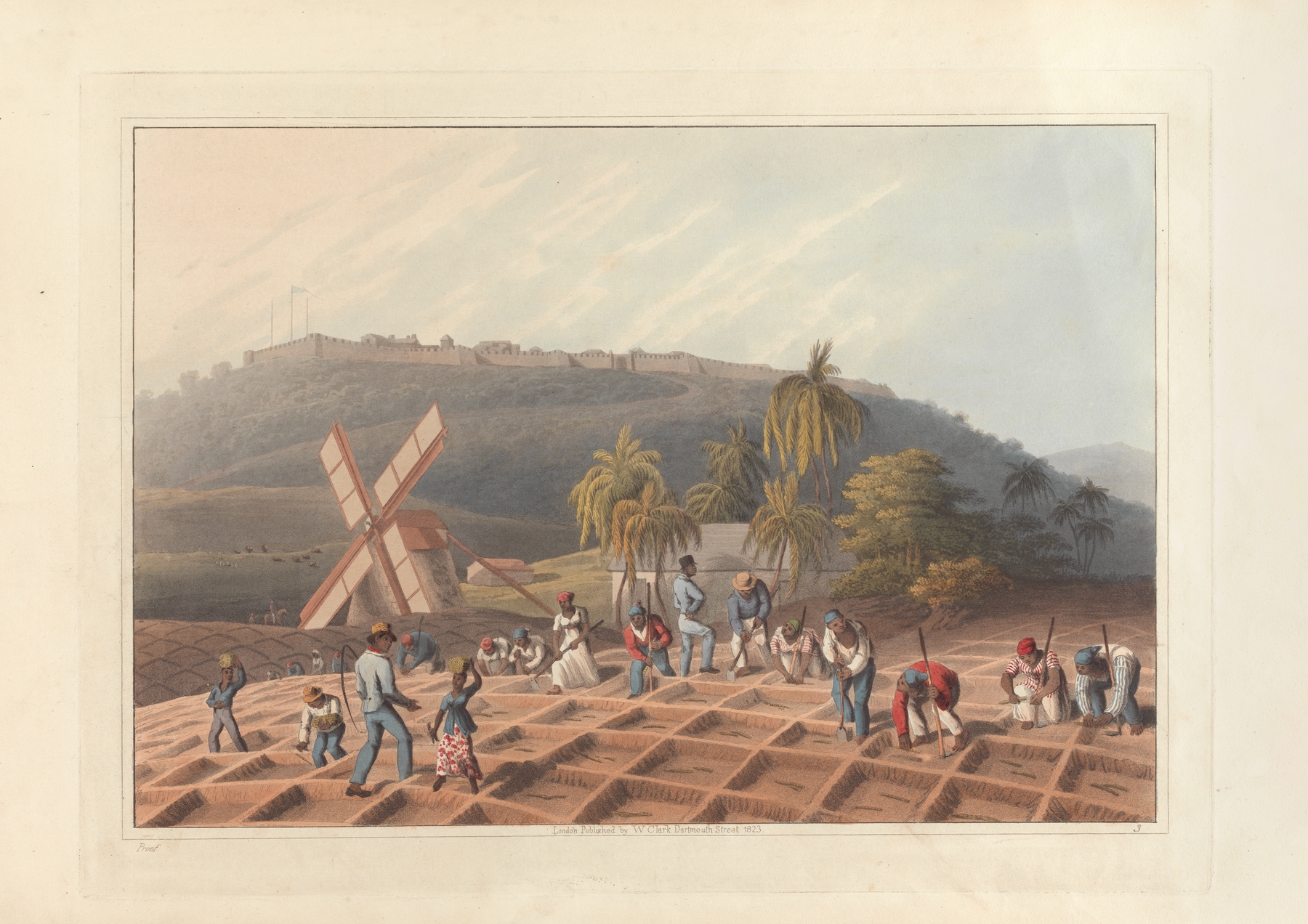
Digging, or rather Hoeing the Cane-Holes — History & Analysis
“Every brushstroke is a heartbeat remembered.” In the quiet moments of toil, shadows tell stories of labor and resilience. Look to the upper left of the canvas, where a soft yet deliberate light illuminates a figure engaged in the arduous task of hoeing cane-holes. The earthy tones of the soil contrast with the vibrant greens of the cane, each color choice reflecting the harmony of nature and human effort. Notice how the shadows stretch across the ground, hinting at the time of day, and guiding your gaze toward the laborer’s strong, defined posture, which conveys both fatigue and determination.
This piece captures the duality of struggle and hope. The worker’s focused expression reveals a deep connection to the land, while the shadows around him symbolize the weight of toil—both personal and collective. The meticulous detail in the hoe lies in its idle moment, representing the quietude between bursts of labor, evoking a sense of contemplation amidst the toil.
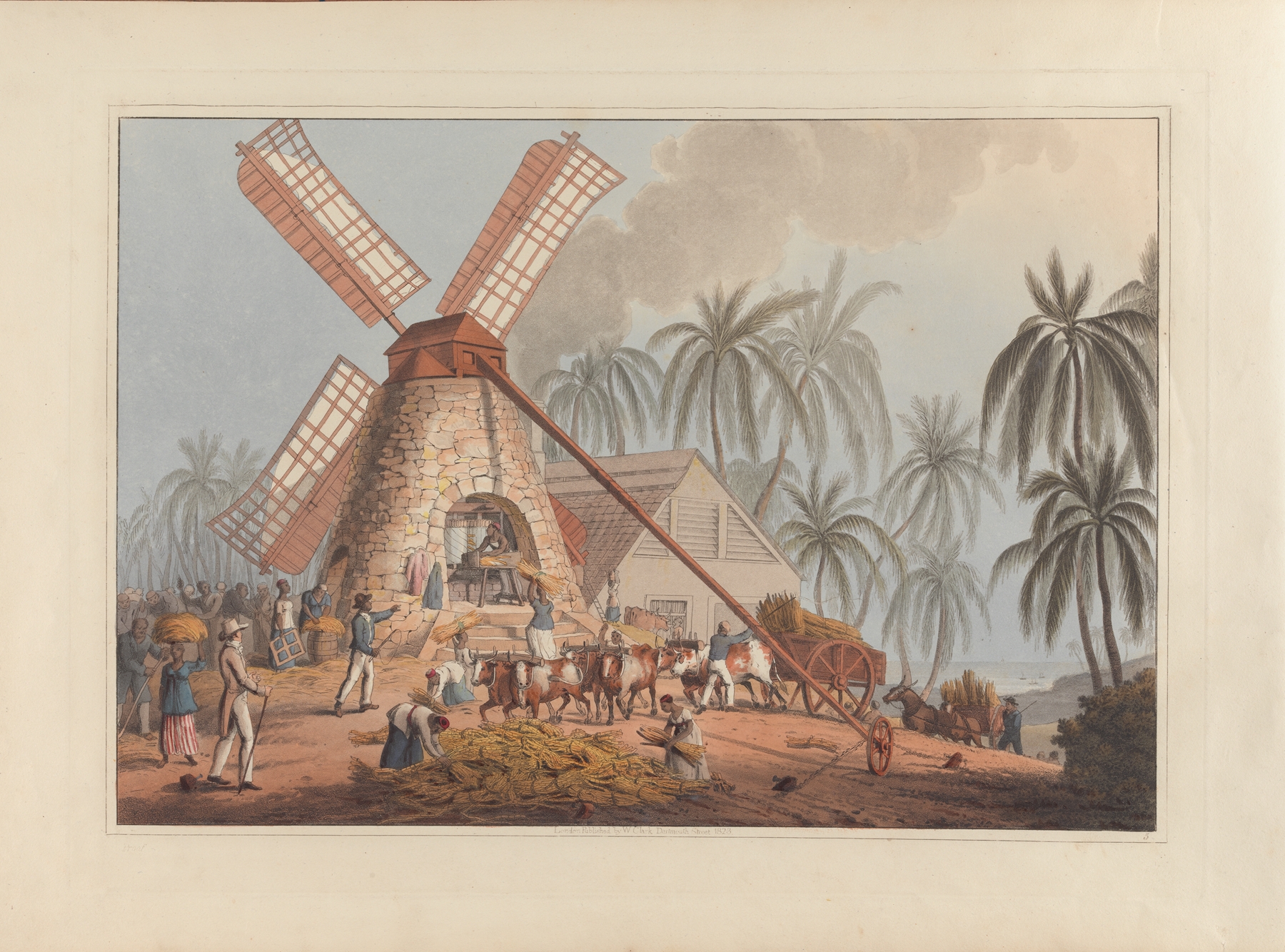
In 1823, the artist created this work during a period marked by significant shifts in agricultural practices and social structures. Living in a time of growing industrialization, he sought to document the everyday lives of laborers, reflecting both the struggles they faced and the importance of their work. The artwork emerges as a testament to a pivotal era in art that began to celebrate realism, highlighting the dignity found in labor.