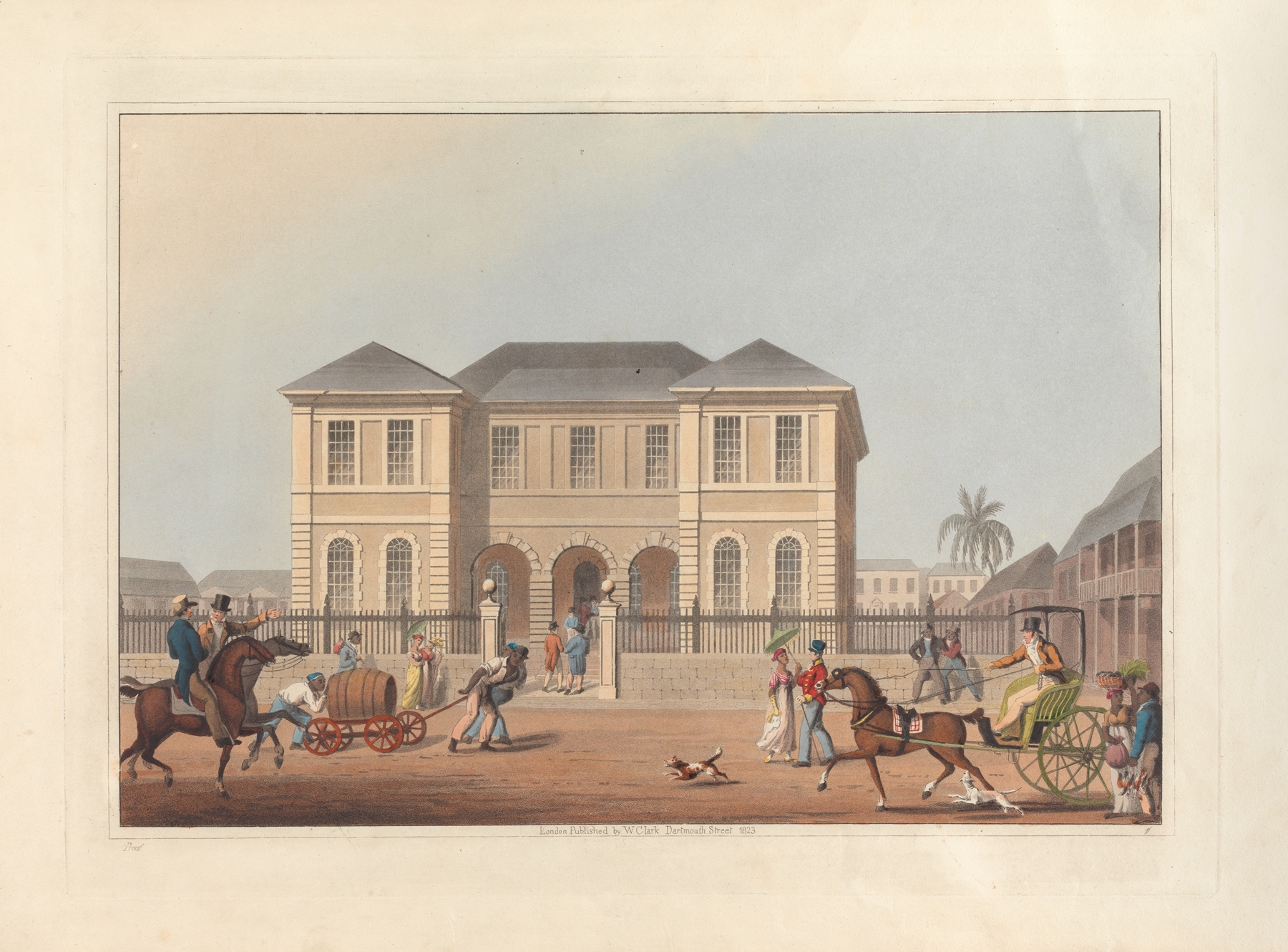
Exterior of Curing-House and Stills — History & Analysis
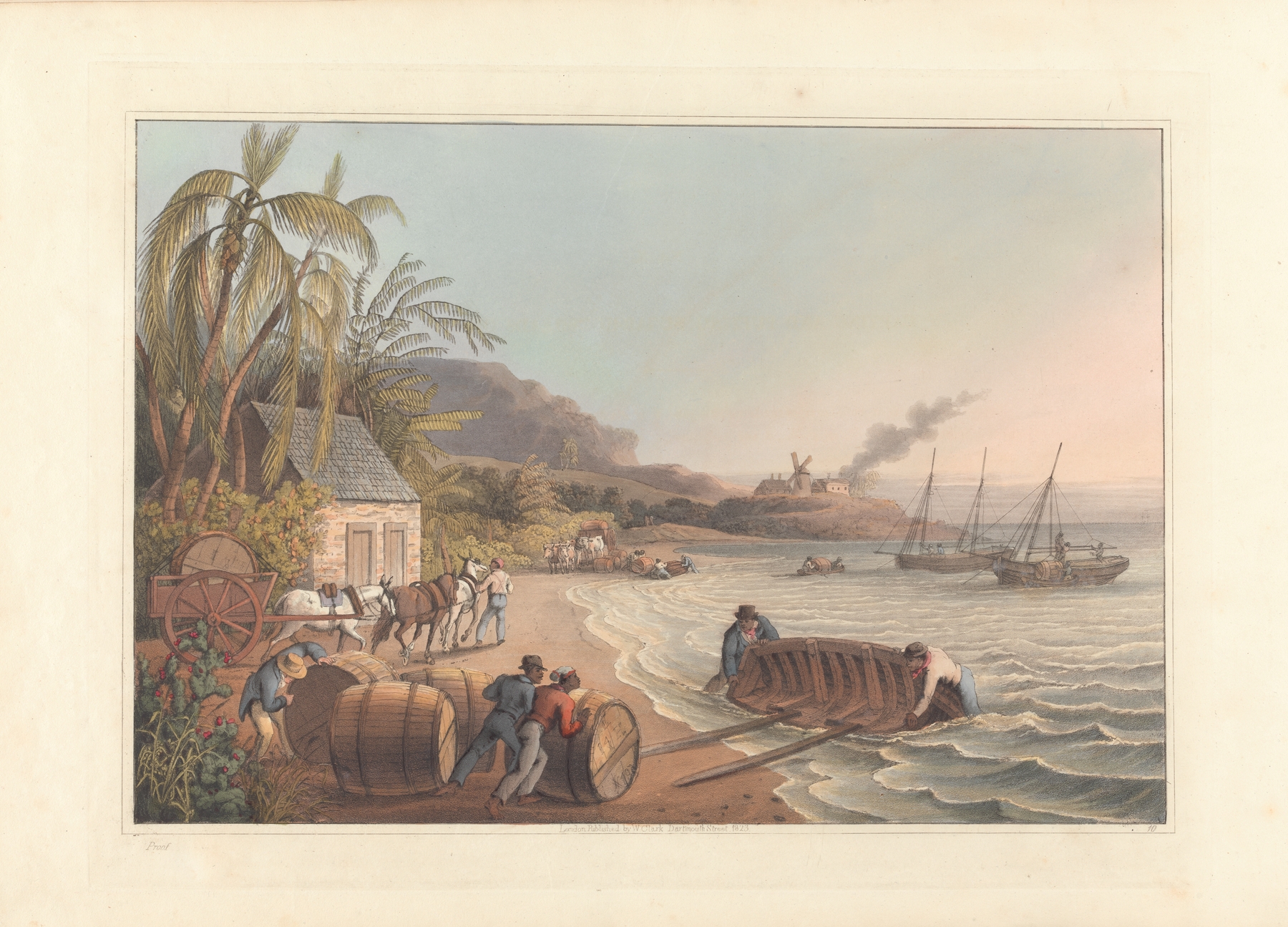
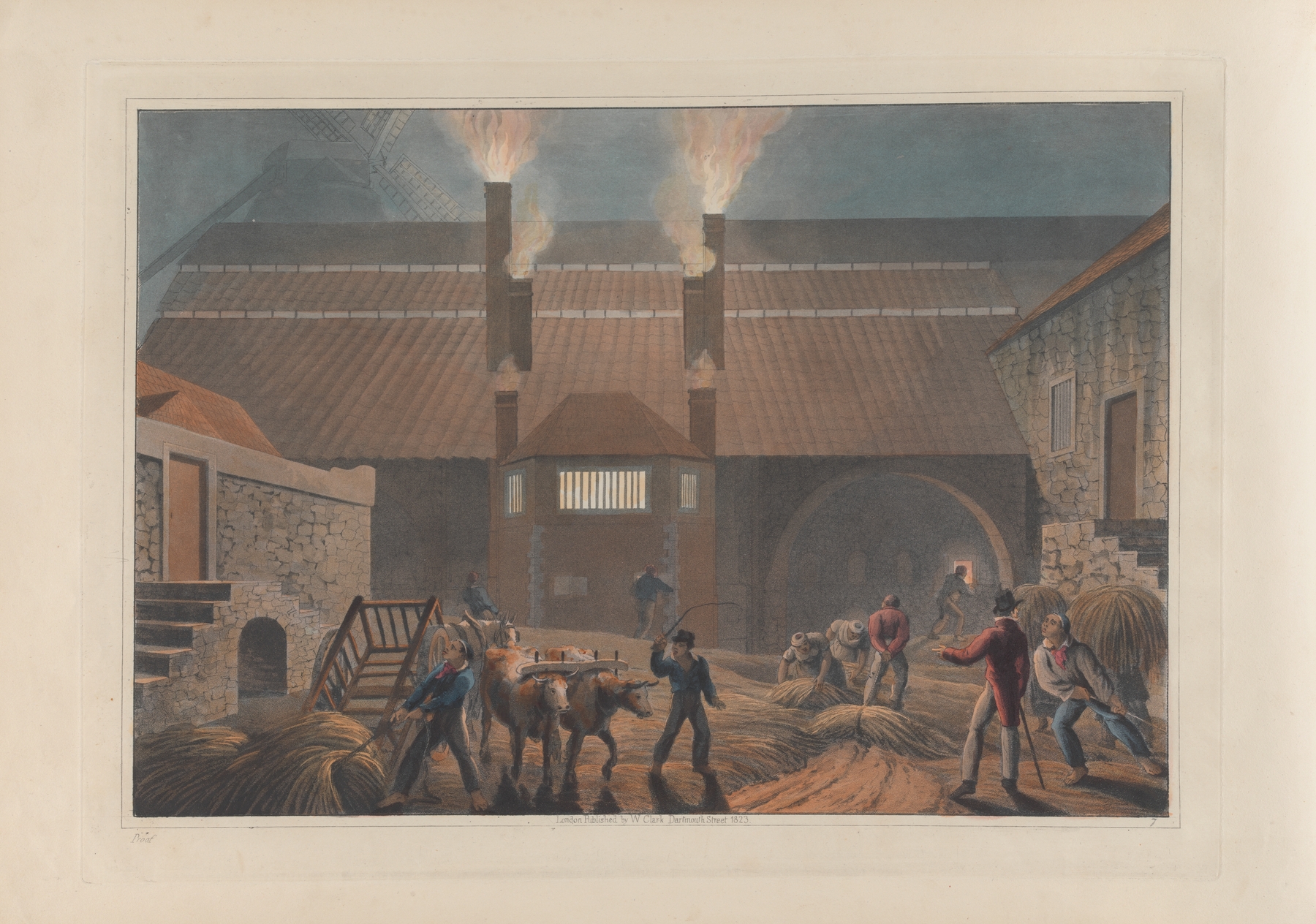
What if silence could speak through light? In Exterior of Curing-House and Stills, the starkness of the landscape seems to whisper secrets of madness, inviting viewers into its quiet chaos. Look to the left at the weather-beaten wooden structure, its slatted walls bathed in the soft, golden hues of late afternoon sun. Notice how the shadows elongate across the ground, creating a tension between light and dark that encapsulates the duality of the scene. The careful brushwork reveals the texture of both the aged wood and the surrounding earth, while the muted palette of browns and greens evokes a sense of stillness laced with an underlying anxiety.
Hidden in the details are echoes of desperation; the sprawling stills suggest a relationship with the land that borders on obsession. The industrial elements loom like specters, hinting at the madness that can accompany the pursuit of knowledge and production. The juxtaposition of nature and industrialization hints at an inner turmoil, questioning whether progress should come at the expense of sanity and serenity. Created in 1823, this piece reflects a pivotal moment in the artist's life, as William A.
V. Clark was grappling with the burgeoning world of industry while seeking to carve his identity within it. At a time when Romanticism was shifting toward realism, he sought to depict not only the physical landscape but also the psychological complexities inherent in it. The artwork stands as a testament to the struggle between the calm of nature and the cacophony of human ambition that defined this era.