Planting the sugar cane — History & Analysis
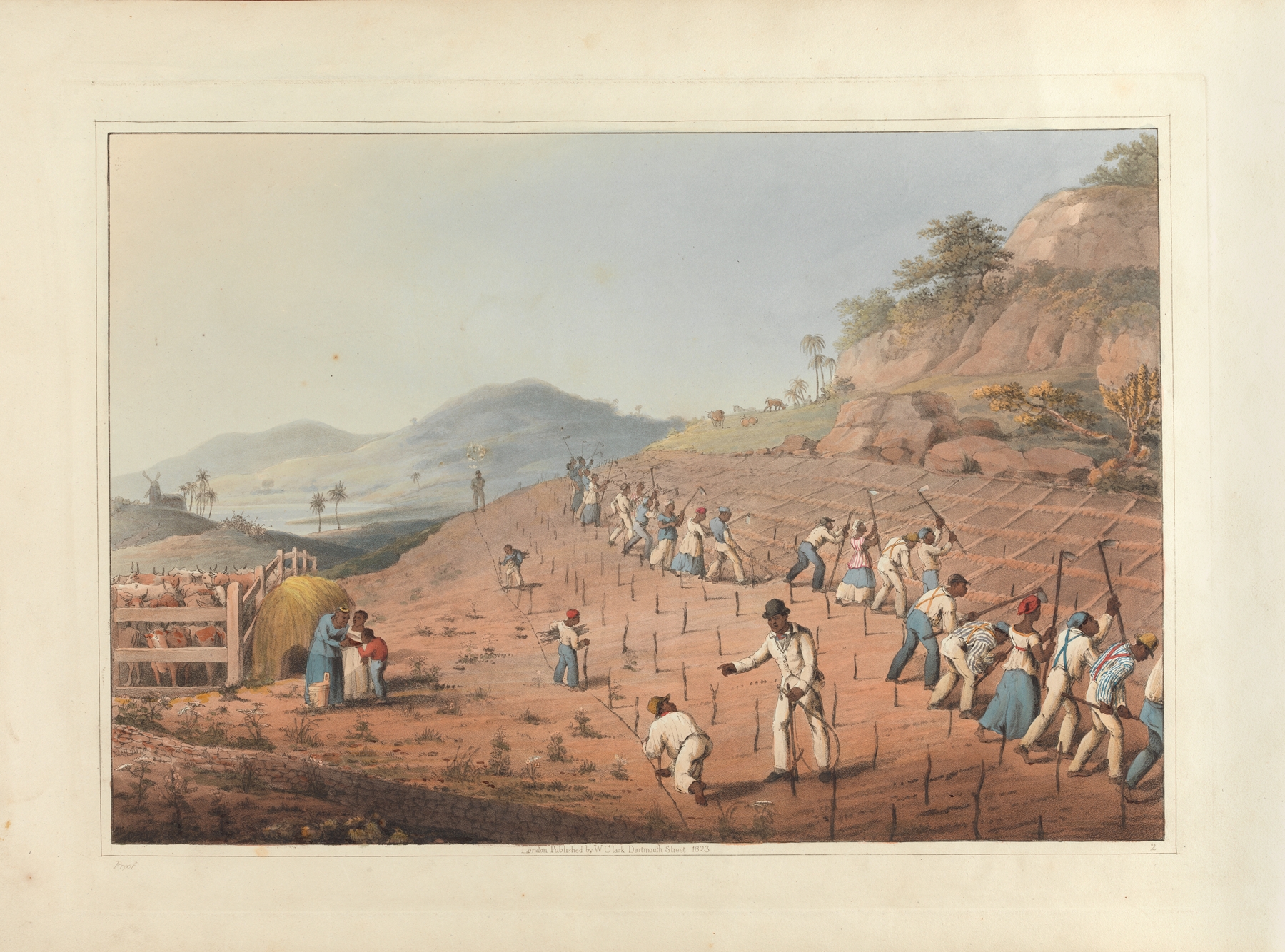
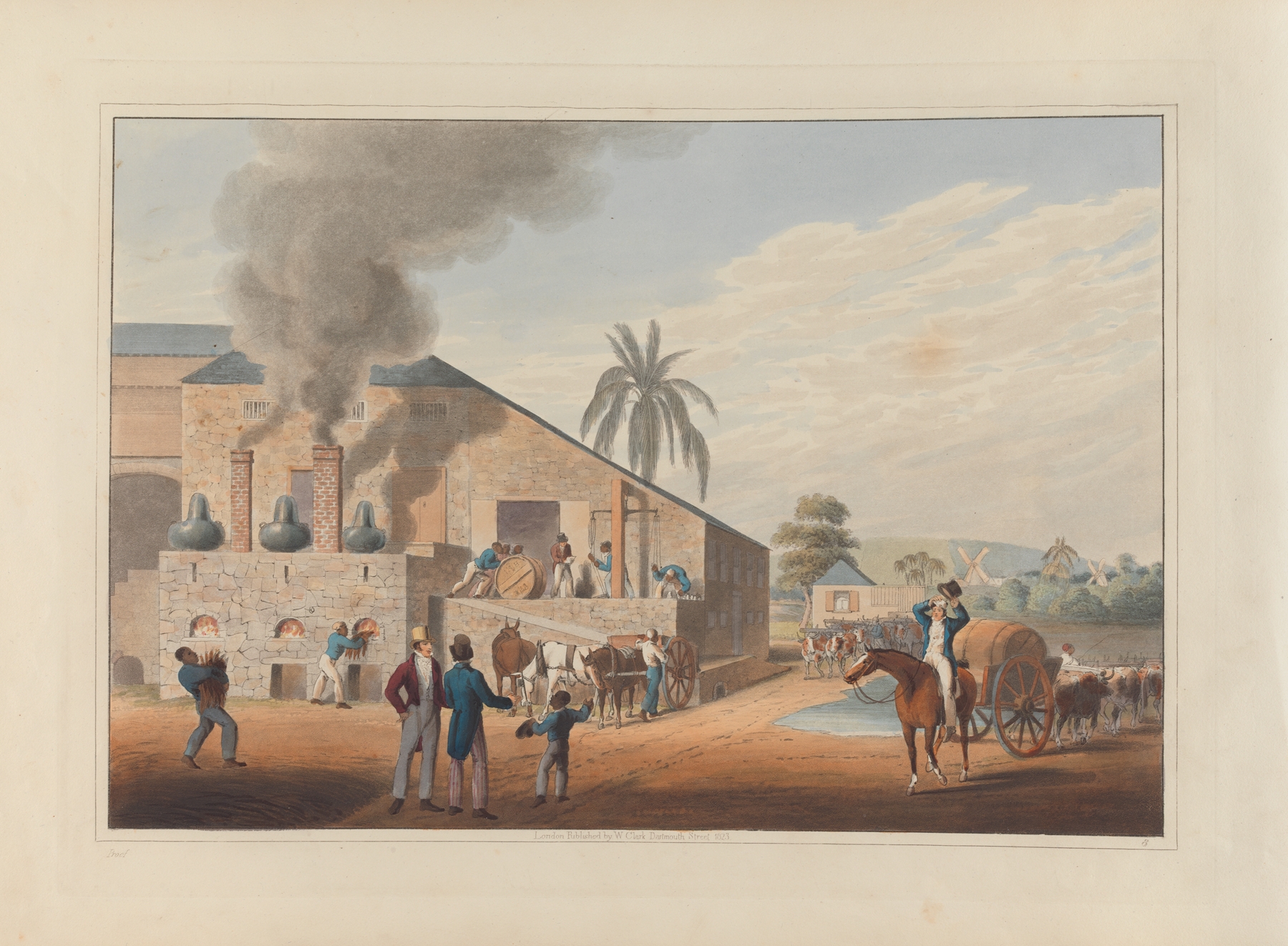
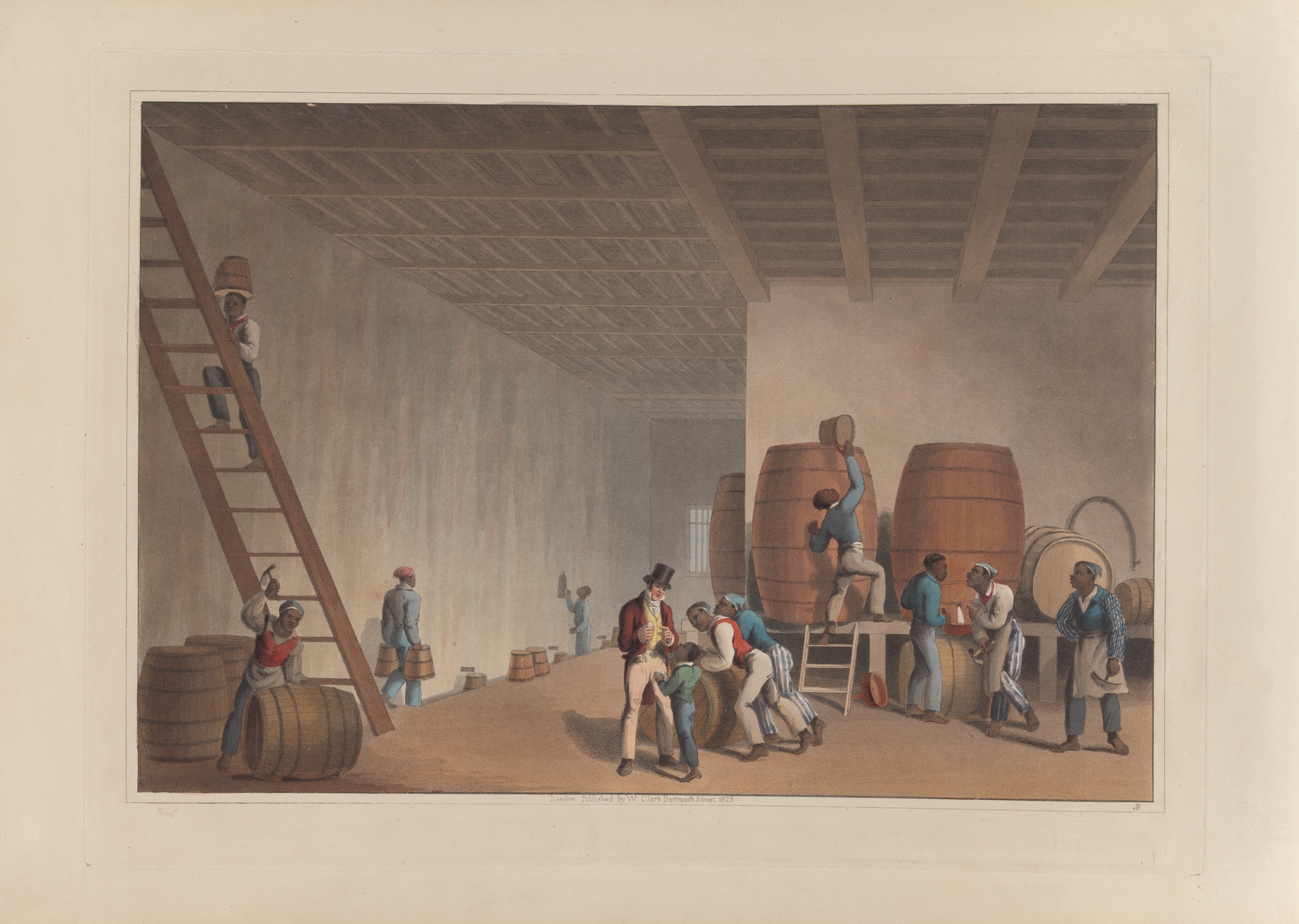
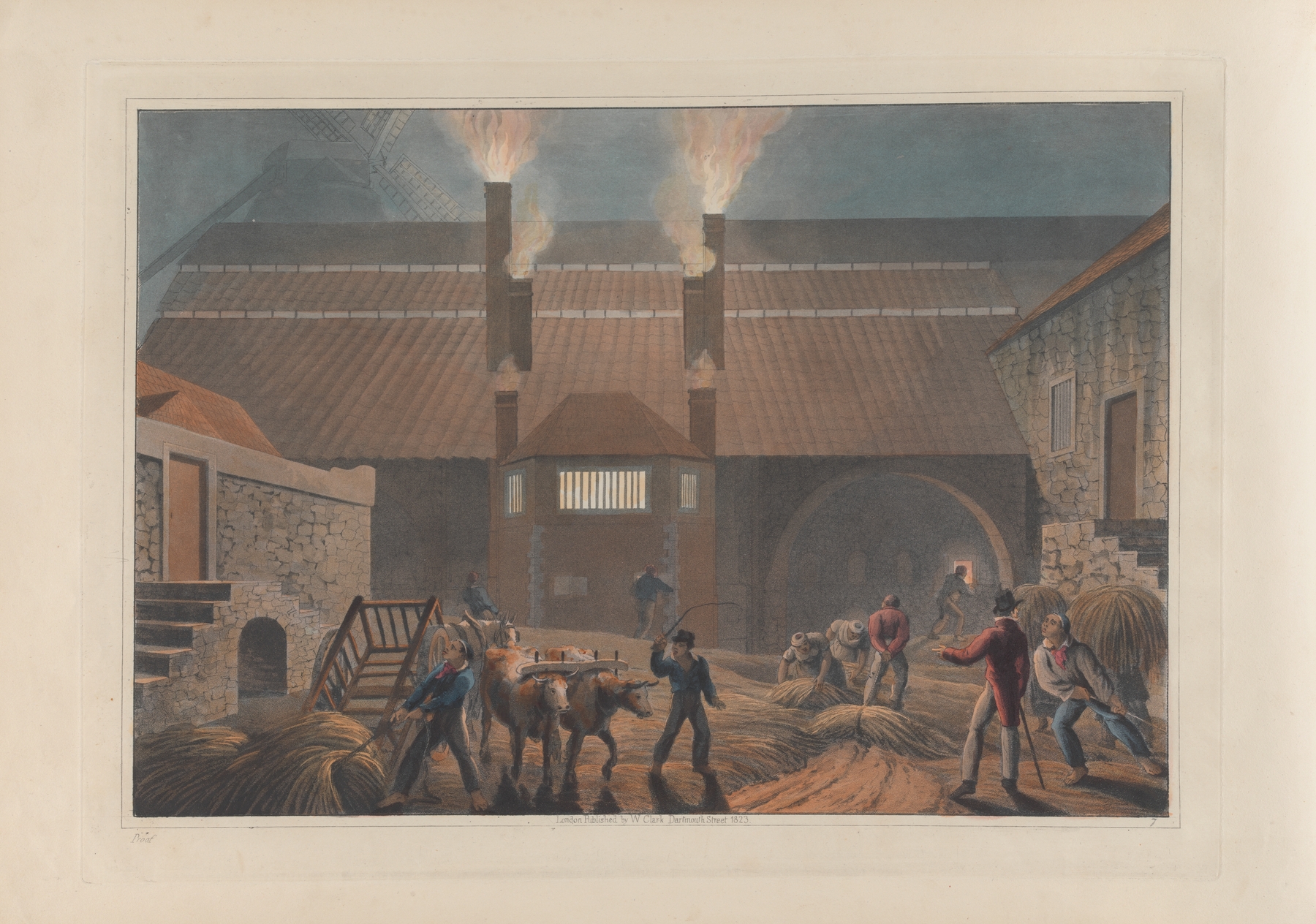
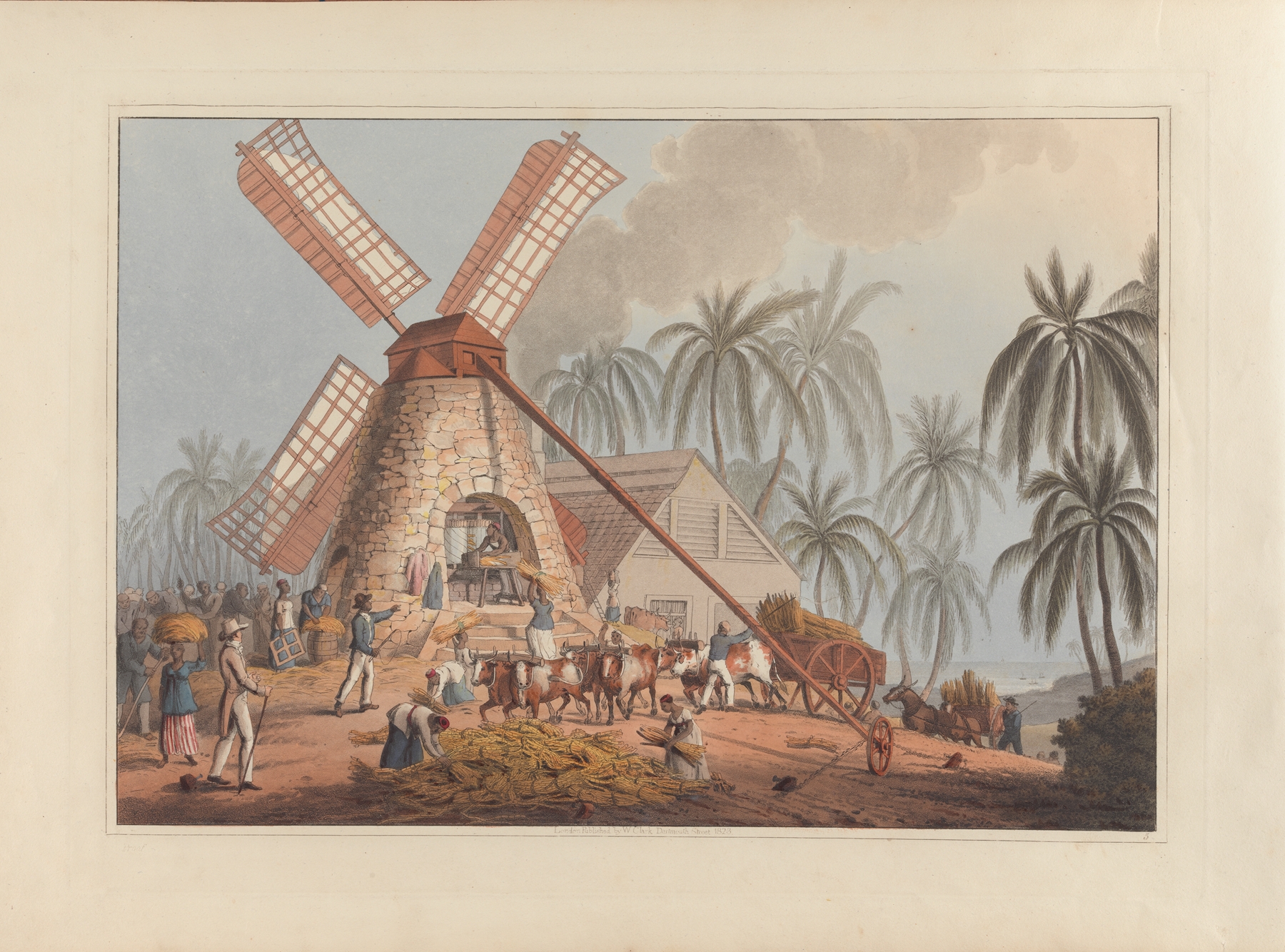
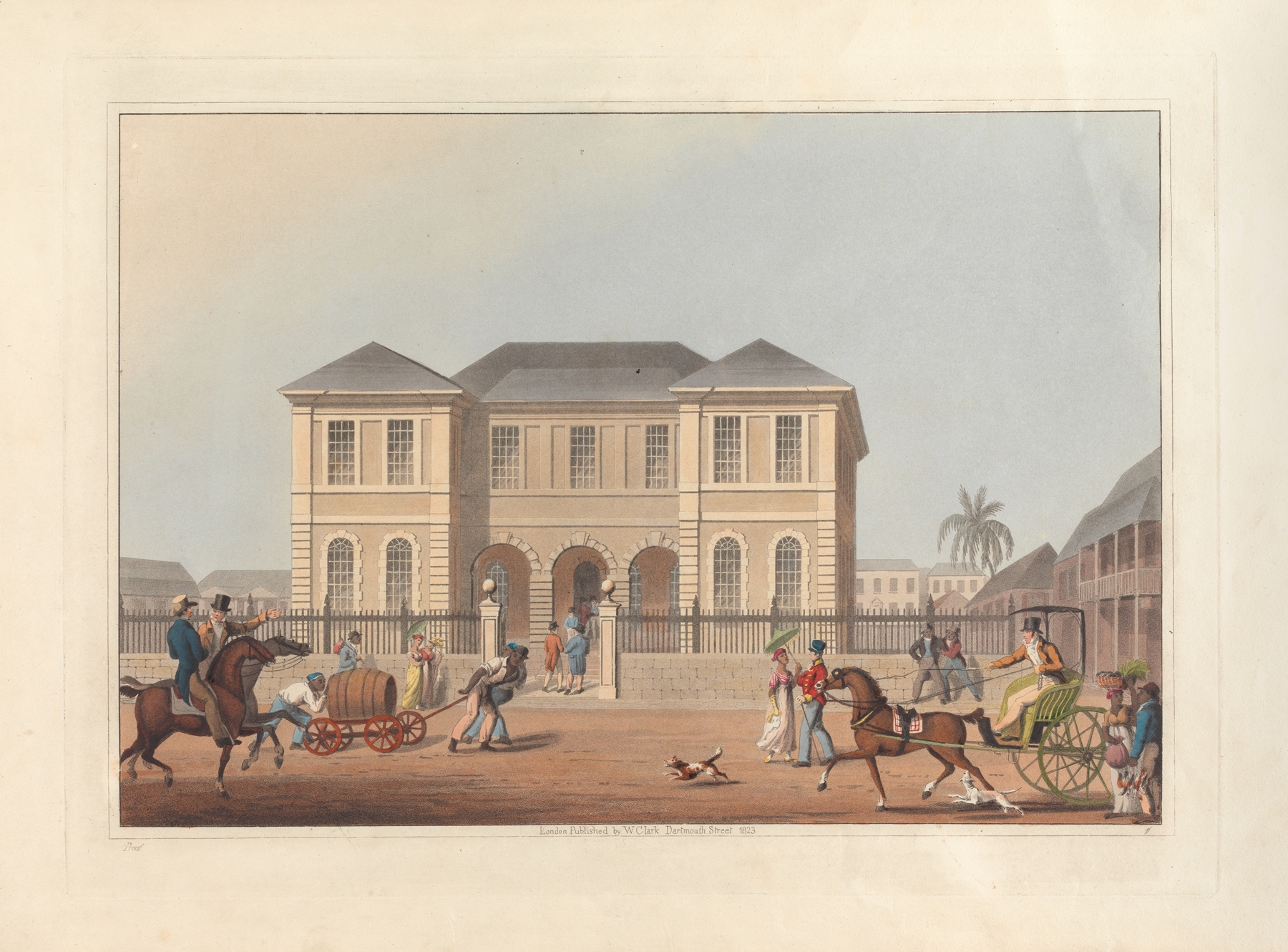
What secret hides in the quiet of the canvas? In Planting the Sugar Cane, the muted tones whisper tales of labor and longing, capturing a moment steeped in melancholy. Look to the foreground, where a group of workers bent under the weight of their toil engages in the repetitive motions of planting. The delicate interplay of earth tones and deep greens creates a tapestry of nature and labor, while dappled sunlight breaks through the canopy, casting soft shadows that dance around the figures.
Notice how the composition draws your eye along the diagonal lines formed by the rows of sugar cane, leading to a horizon that feels both inviting and oppressive. Within this serene yet laborious scene lies an emotional tension between the beauty of the landscape and the harsh reality of physical toil. The stillness of the workers’ bodies contrasts sharply with the vigorous act of planting, suggesting a deeper narrative of resilience against the passage of time. The lushness of the surrounding flora juxtaposed with the somber expressions of the figures hints at the bittersweet nature of their existence, where the promise of sugar cane lies intertwined with sacrifice.
In 1823, William A. V. Clark painted this piece during a period marked by the burgeoning sugar industry in the Caribbean, a time when colonial economies were heavily reliant on labor. Living in a world shaped by these dynamics, Clark’s work reflects not only the beauty of the landscape but also the complex human stories hidden within its embrace, making Planting the Sugar Cane an enduring testament to the intertwining of nature and human effort.