The Court House — History & Analysis
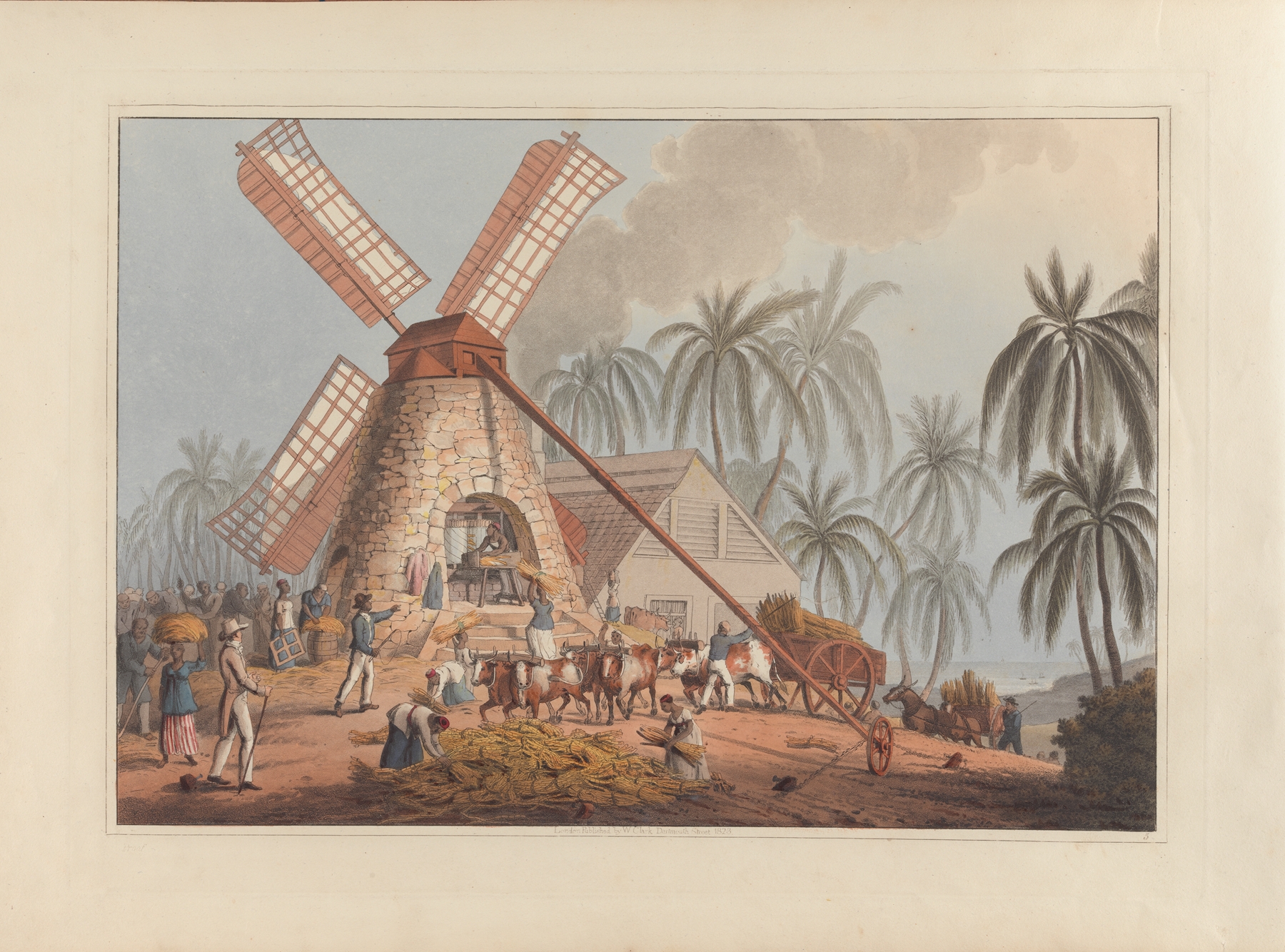
“Between color and silence, truth hides.” In the stillness of a dream, what memories linger just beyond the veil of consciousness? It is in this ethereal gap where The Court House beckons us to pause and ponder. Look to the center of the canvas, where the grand structure looms, its imposing façade both inviting and foreboding. The carefully rendered details of the architecture draw your gaze—notice the intricate columns that reach skyward, framing a façade awash in muted hues.
The soft sunlight bathes the scene in a warm glow, allowing shadows to dance playfully across the stone and revealing an interplay between light and dark that speaks to tension and resolution. As you delve deeper, you’ll find subtle contrasts woven within the landscape—lush greenery stands in stark juxtaposition to the austere, rigid lines of the courthouse. This duality reflects the ongoing battle between nature and civilization, suggesting a deeper commentary on the balance of power and justice. The figures, mere silhouettes, hint at stories untold, their presence echoing the weight of decisions made within those walls, leaving the viewer to question the morality of the institution itself.
In 1823, while painting this piece, the artist found himself at a pivotal moment in his career. Working amidst the burgeoning American artistic landscape, he grappled with the growing tensions between tradition and innovation in art. It was a period marked by societal change, mirrored in the very architecture he chose to immortalize, capturing a reflection of both the era’s aspirations and its inherent contradictions.