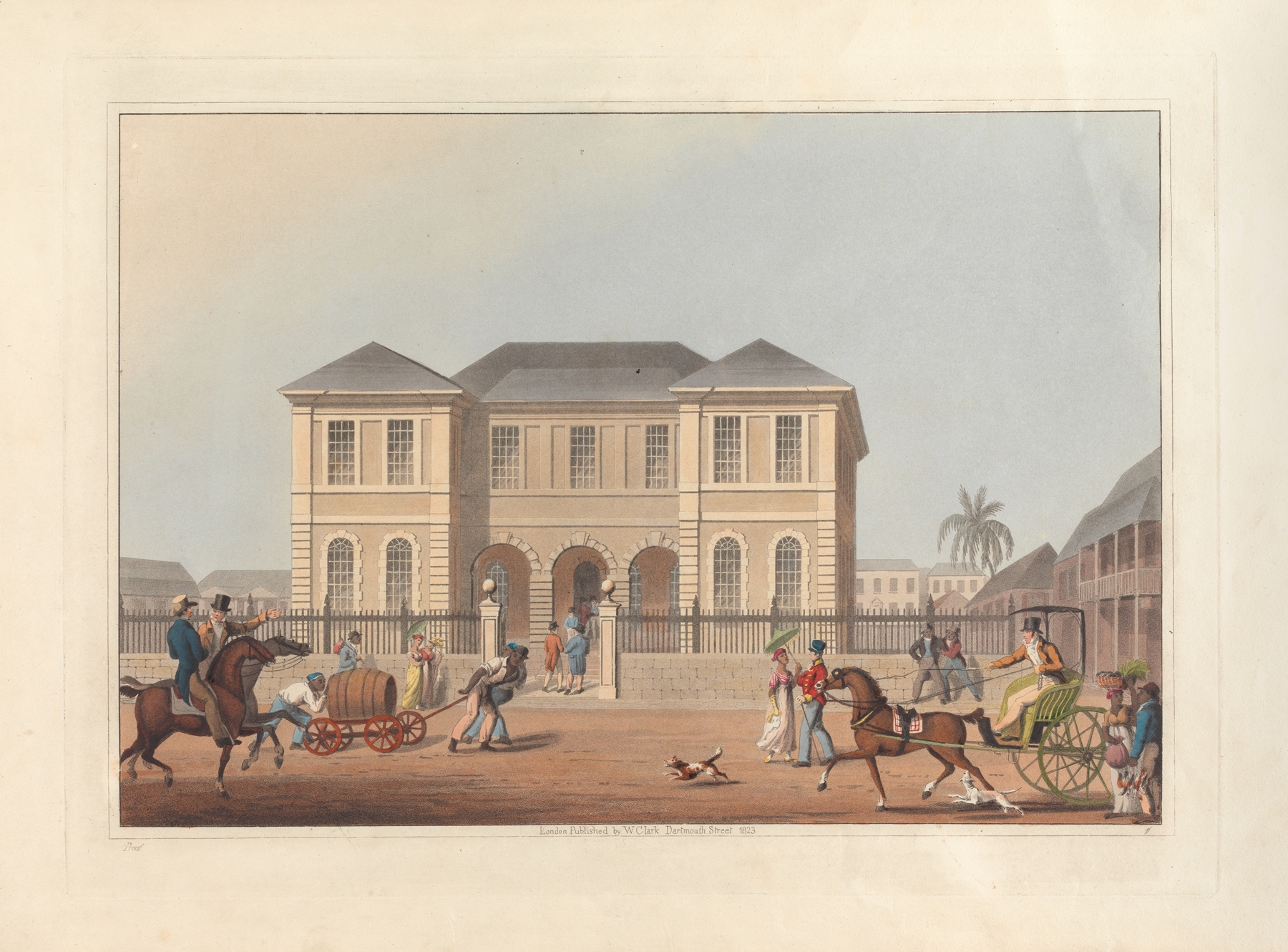
Exterior of the Boiling-House — History & Analysis
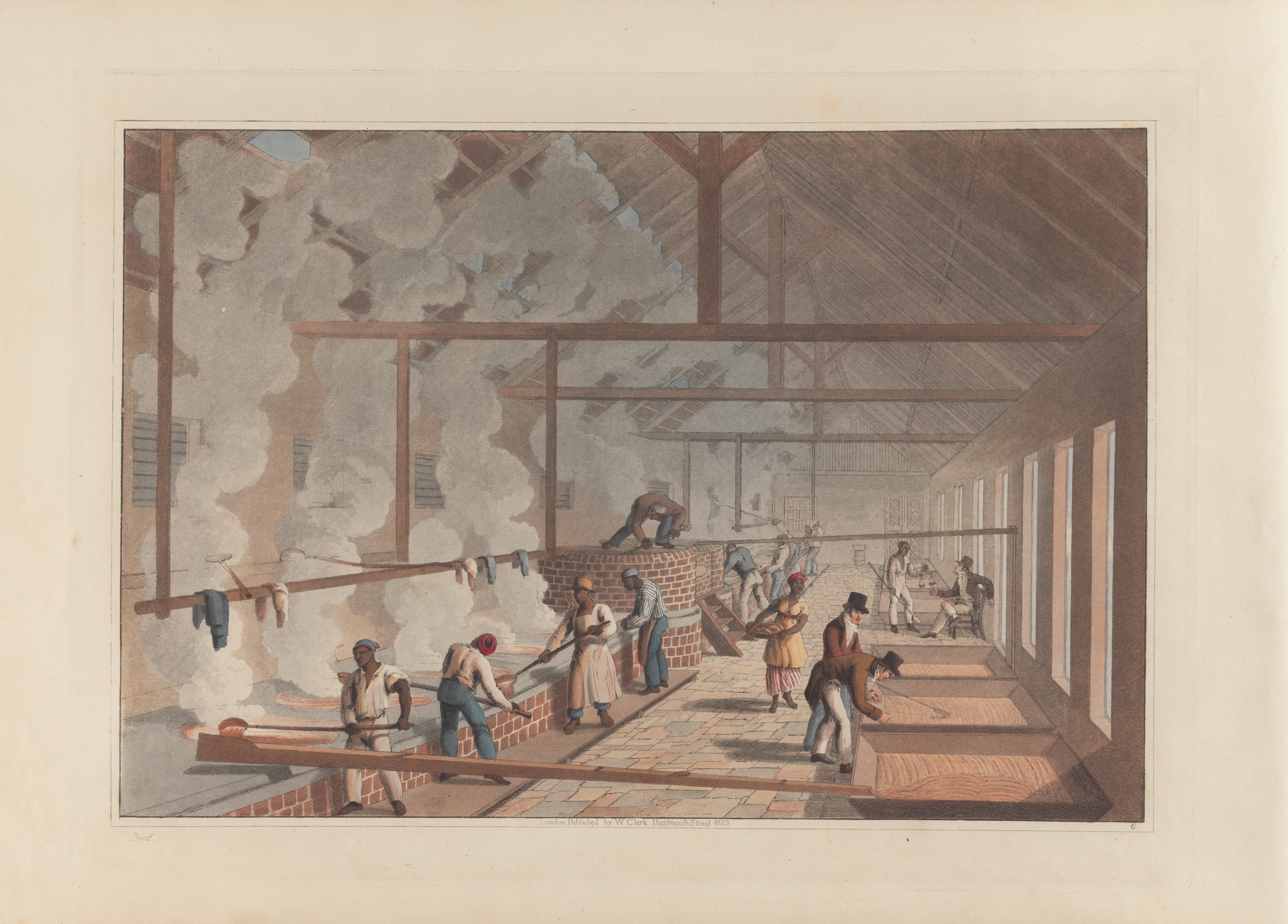
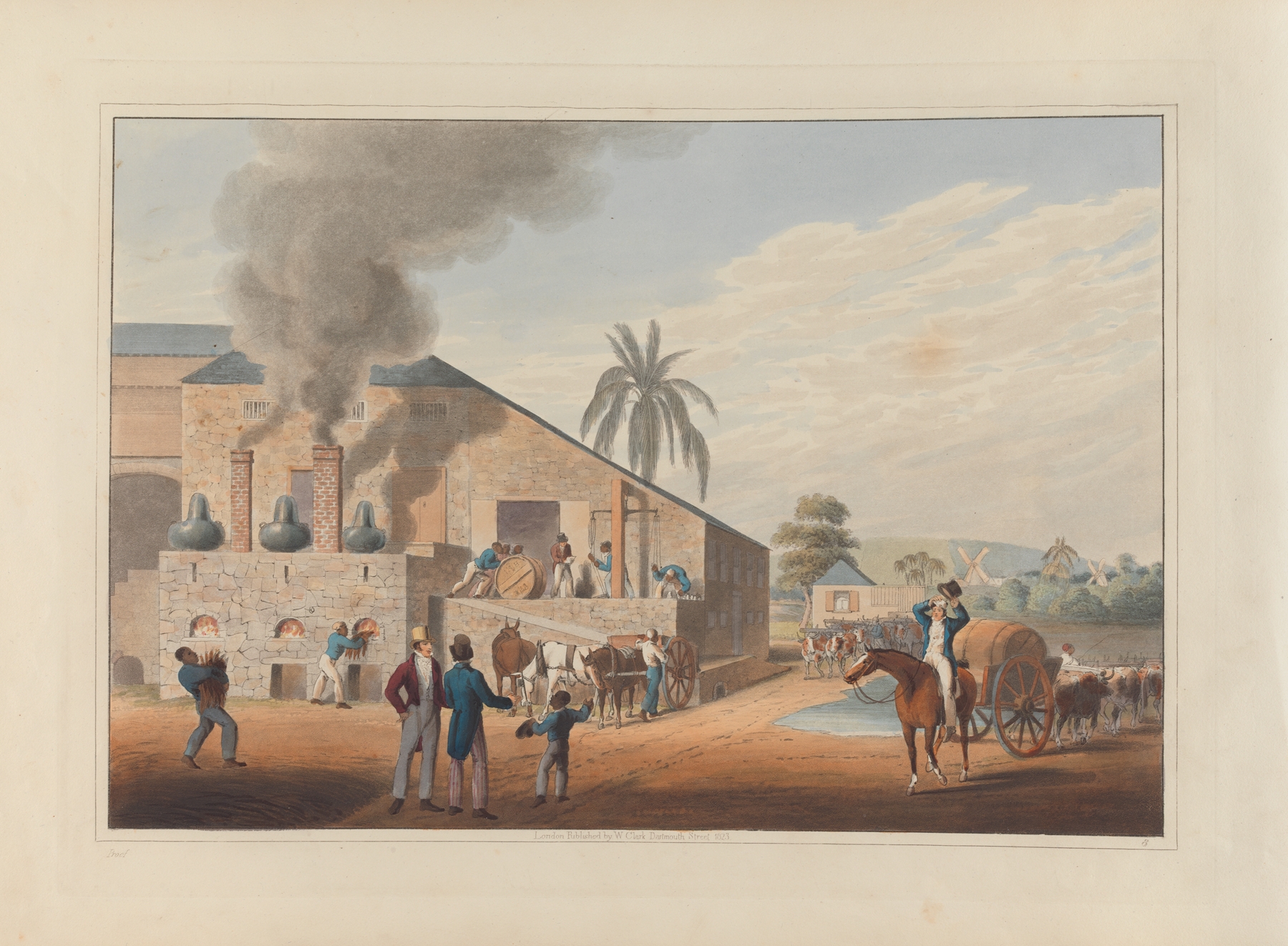
“Art reveals the soul when the world turns away.” In the quiet glow of creation, a moment of revelation arises, inviting viewers to reflect on the layers of industry and humanity intertwined in the bustling life of the 19th century. Focus your gaze on the left side of the canvas, where shadows meld with muted tones, revealing the sturdy, weather-worn structure of the Boiling-House. The artist employs a rich palette of browns and grays, capturing the essence of a working-class existence. Notice the steam rising from the chimneys, rendered in delicate brushstrokes, as it dances against the backdrop of a clear sky, evoking a sense of resilience amidst toil.
The composition is thoughtfully balanced, drawing the eye toward the central figures engaged in labor, their postures hinting at both exhaustion and purpose. Delve deeper into the intricate details—the lone figure leaning against the wall, lost in thought, suggests a momentary pause in a relentless routine. The juxtaposition of the industrial landscape with the serene atmosphere invites contemplation on the relationship between man and machine, work and rest. This moment of stillness speaks volumes, hinting at the emotional weight carried by those who labor day in and day out, revealing the quiet dignity found in their struggle.
Painted in 1823, during a time of significant industrial expansion in Britain, the artist was responding to the rapid changes affecting society. Living and working amidst these transformations, he sought to capture not just the physical environment but the human experience within it. His work stands as a testament to an era grappling with progress, and in doing so, it compels viewers to consider the oft-overlooked narratives of those who made such advancement possible.