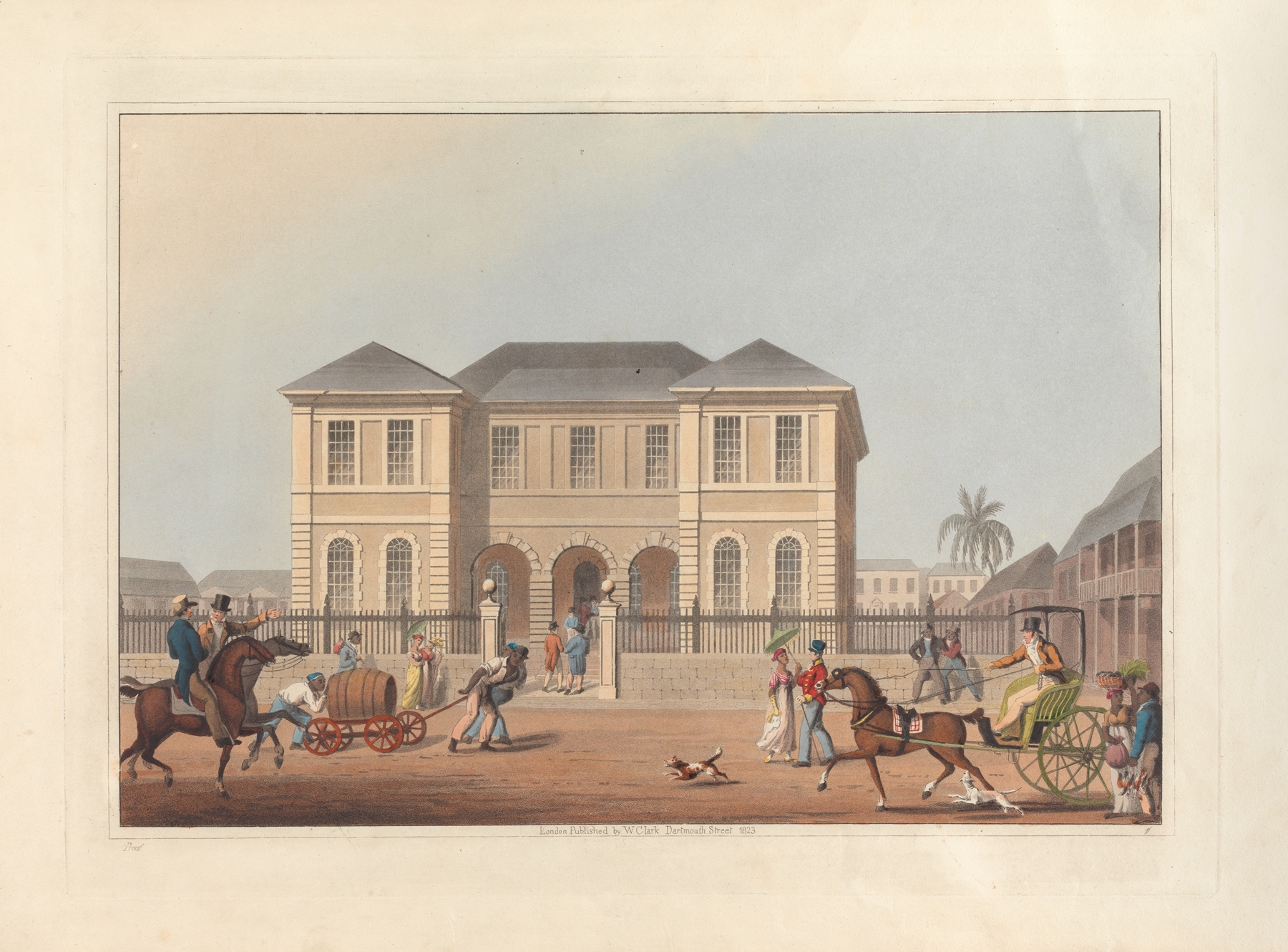
The Mill-Yard — History & Analysis
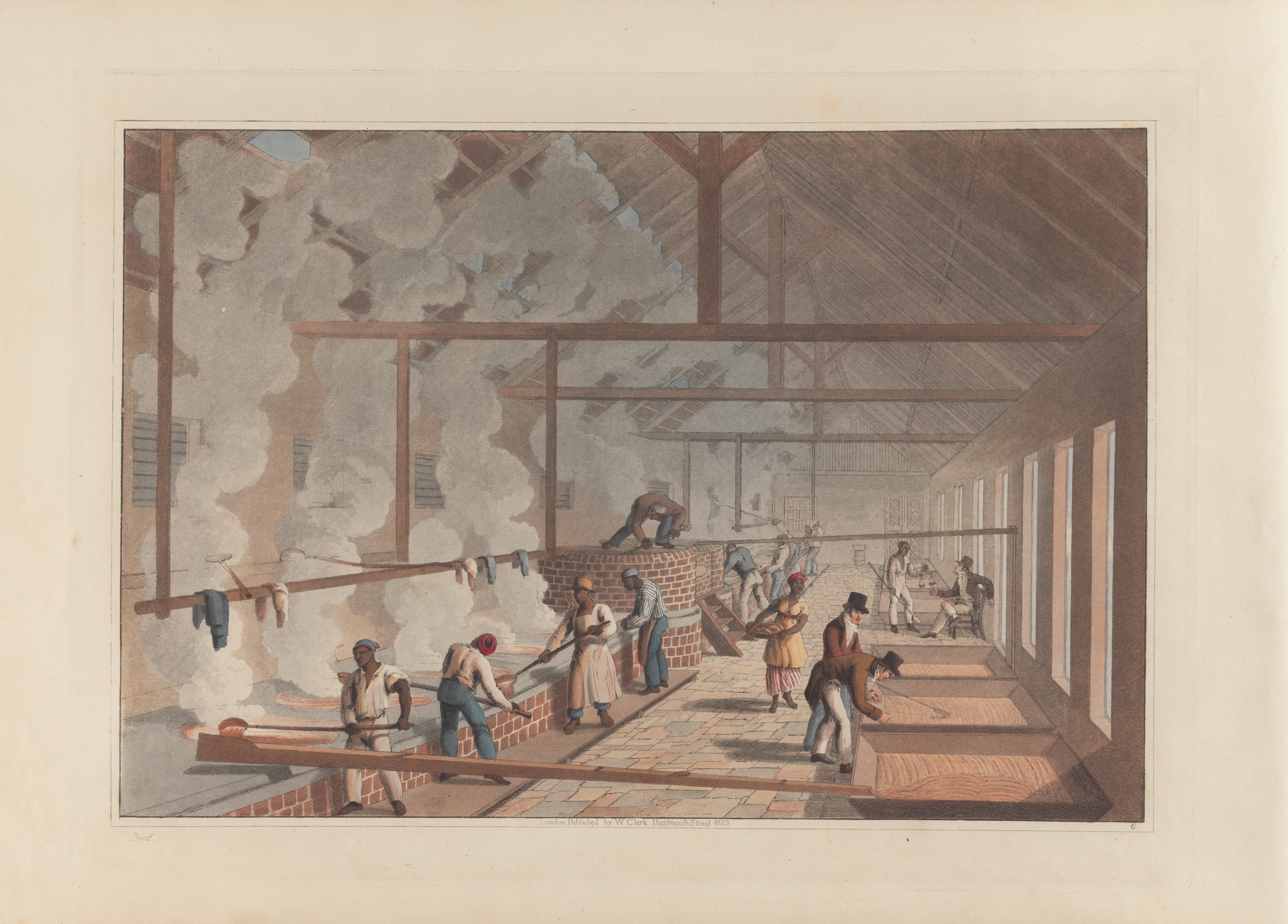
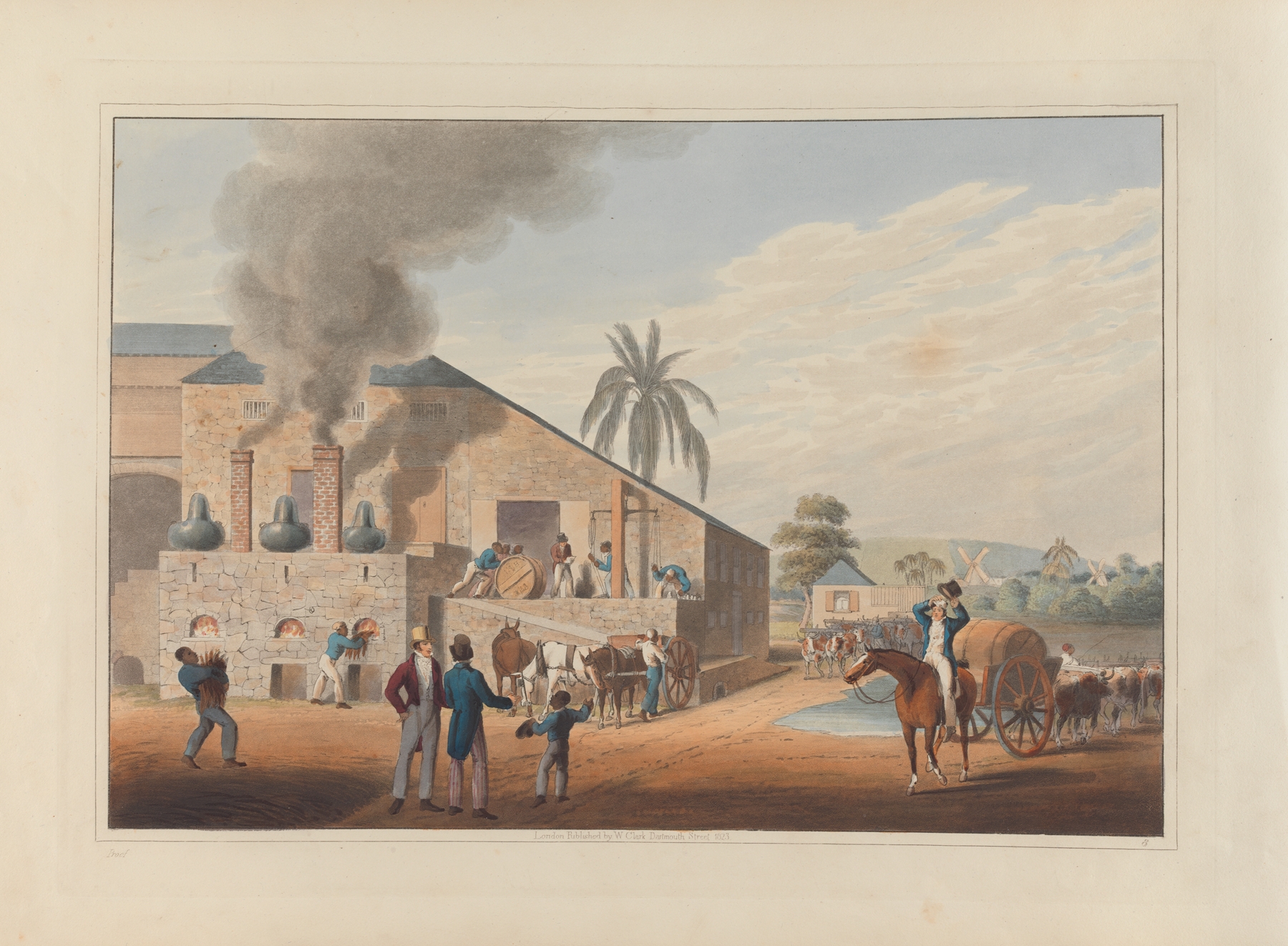
What if beauty was never meant to be finished? In the delicate layers of The Mill-Yard, we find a meditation on legacy, inviting us to reflect on the unfinished stories that linger in the shadows of hard labor. Look to the foreground, where rhythmic strokes of green and brown conjure a lush, yet industrious landscape. The eye is drawn to the mill itself, nestled amidst towering trees, its wooden structure exuding both strength and intimacy. Notice how the warm light filters through the leaves, creating dappled patterns on the ground, emphasizing the tension between nature and human endeavor.
This interplay of color and shadow reveals Clark's mastery in capturing the essence of a moment — one caught in the delicate balance between progress and preservation. Beyond the vivid imagery, the painting speaks to the passage of time and the weight of history. The crumbling stones of the mill hint at the stories of countless workers, their sweat and toil etched into the very fabric of the landscape. Observe the ripple of water in the foreground; it flows steadily, suggesting continuity even as the mill stands in gradual decay. Here, we confront the duality of creation and destruction, an echo of the inevitable cycle of life that shapes our legacies.
William A. V. Clark painted The Mill-Yard in 1823 during a period marked by the burgeoning industrial revolution in Europe. At this time, he was deeply engaged with themes of industry and nature, reflecting the social changes surrounding him. As the world transformed, he captured the subtle beauty found within the intersection of civilization and the natural world, leaving behind a poignant testament to both progress and the essence of memory.