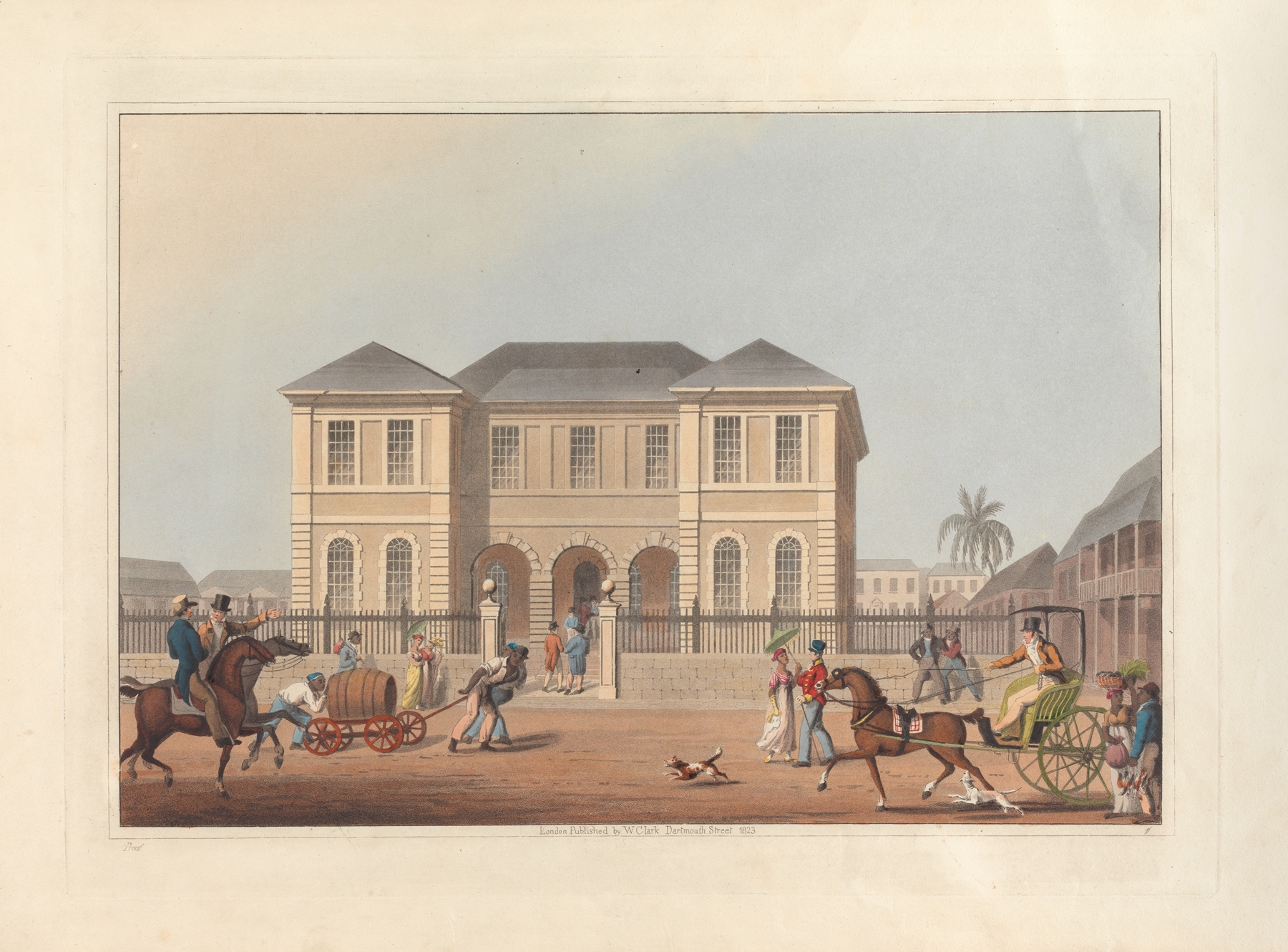
The Boiling-House — History & Analysis
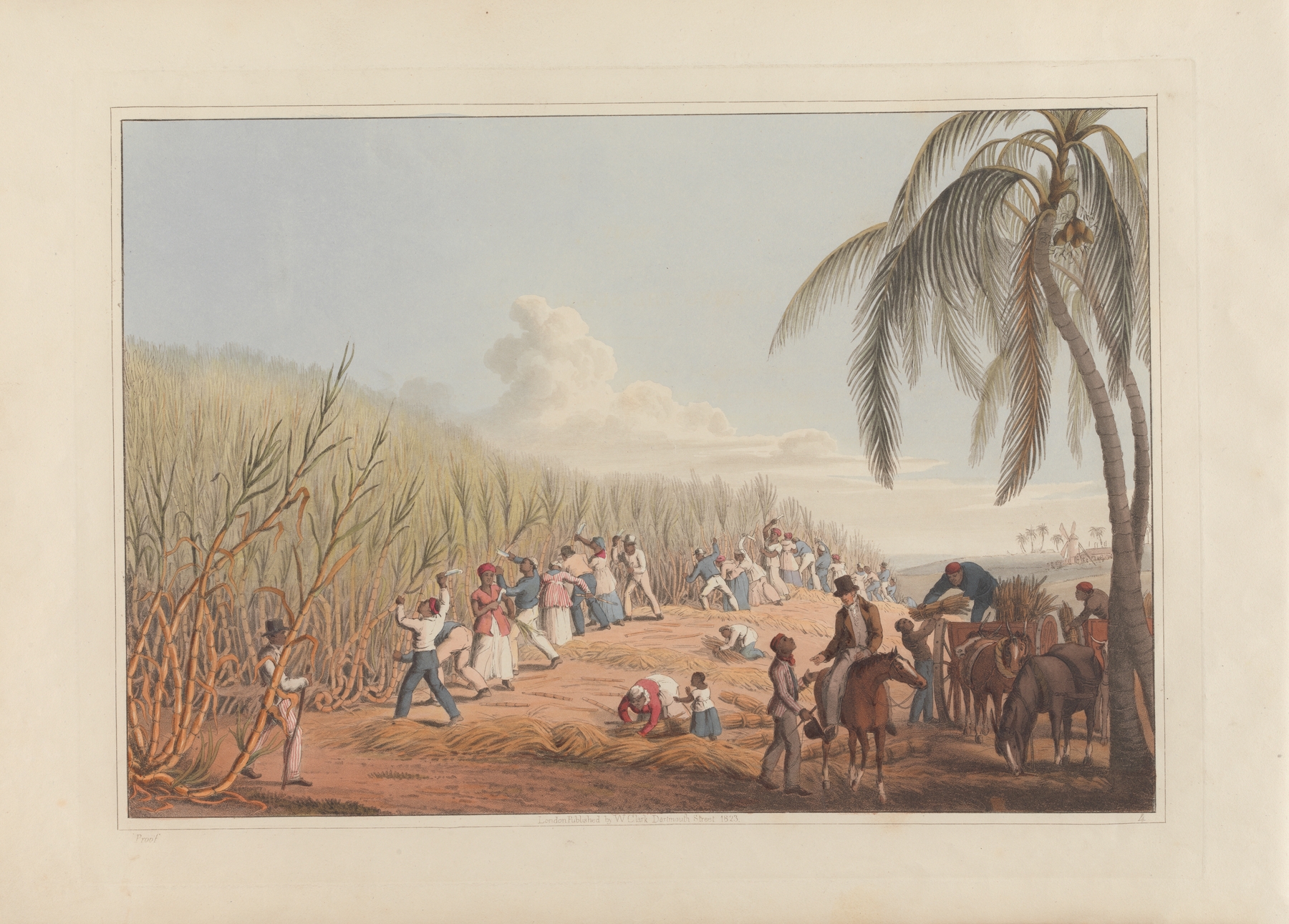
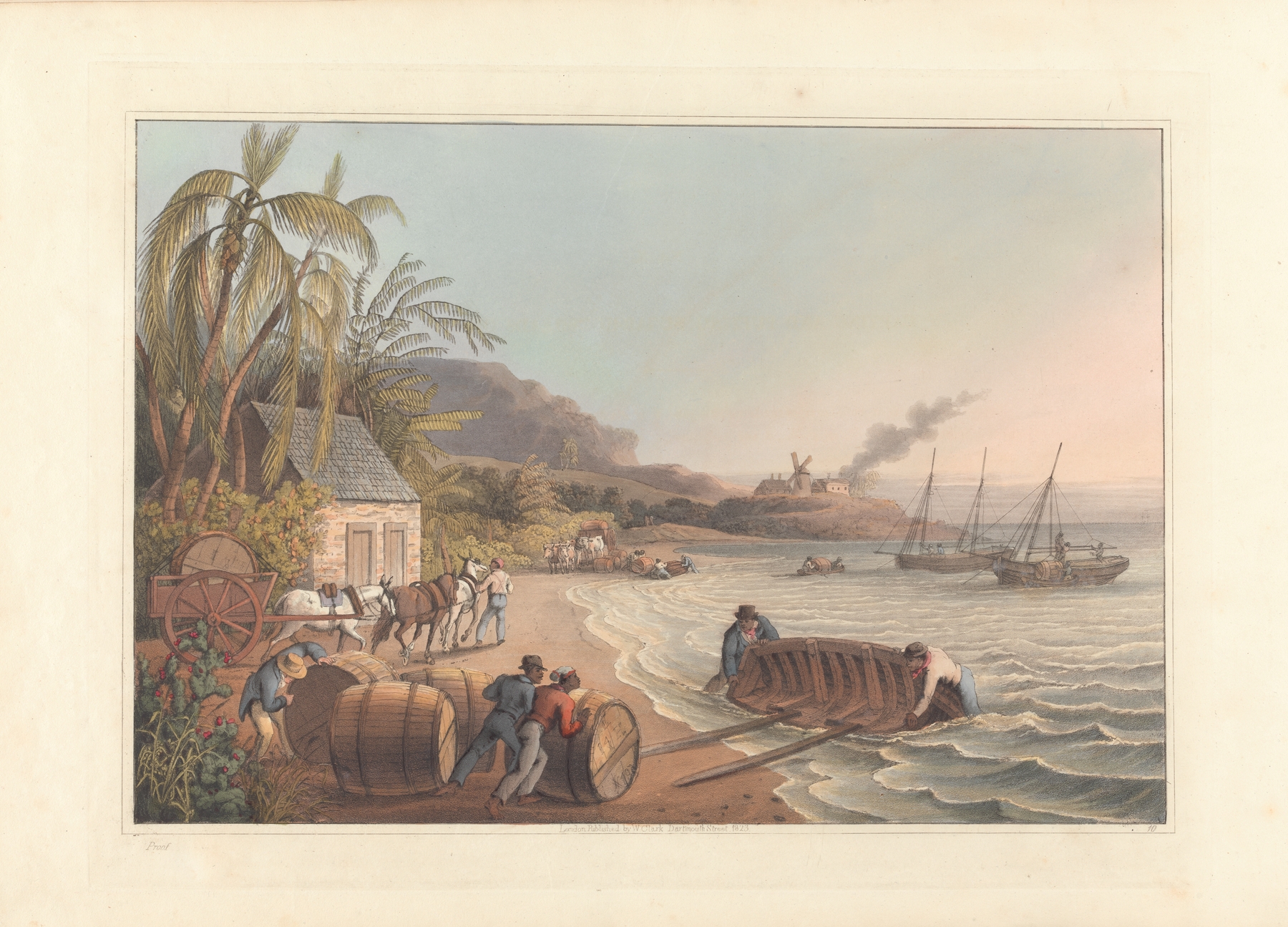
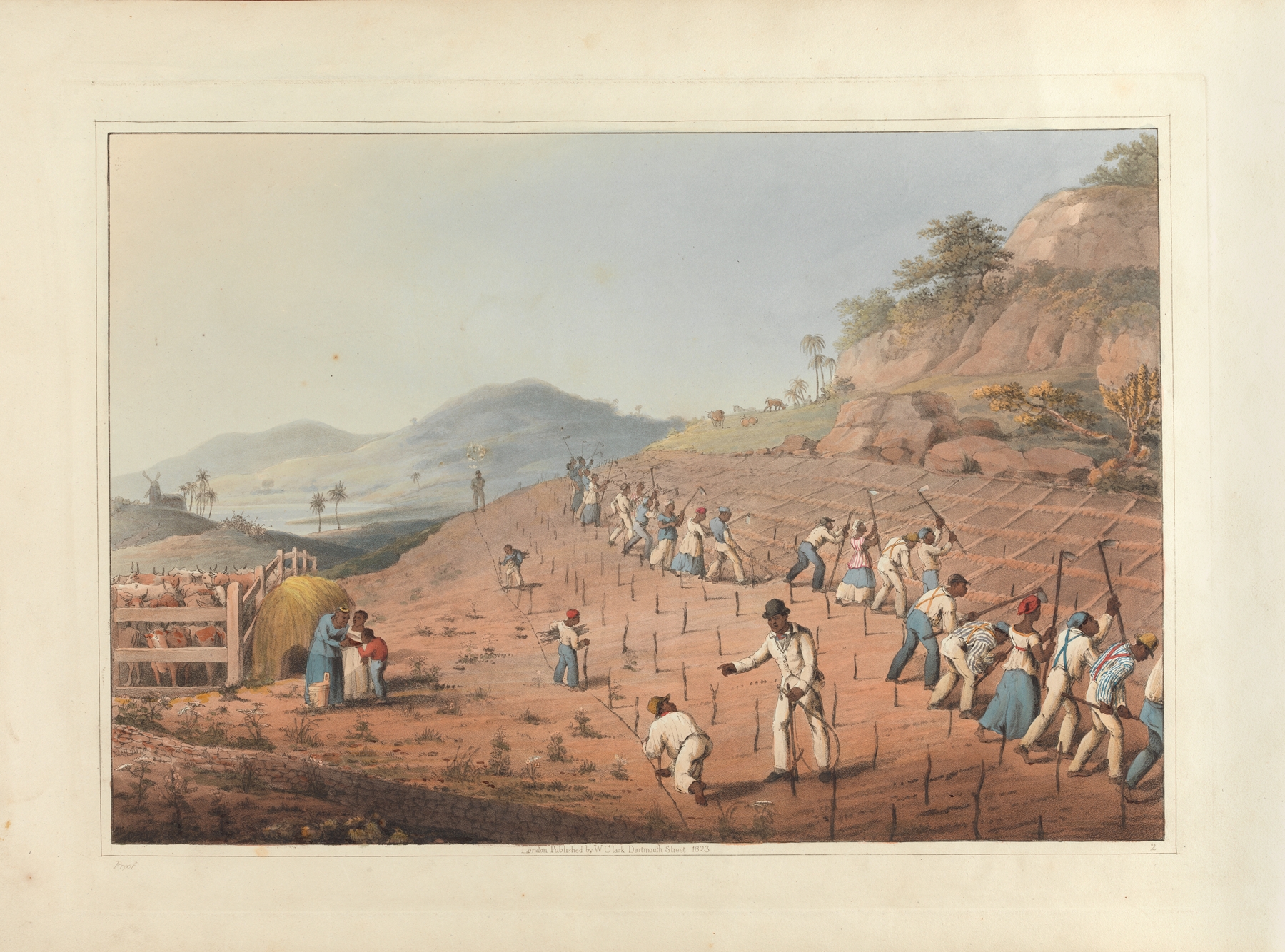
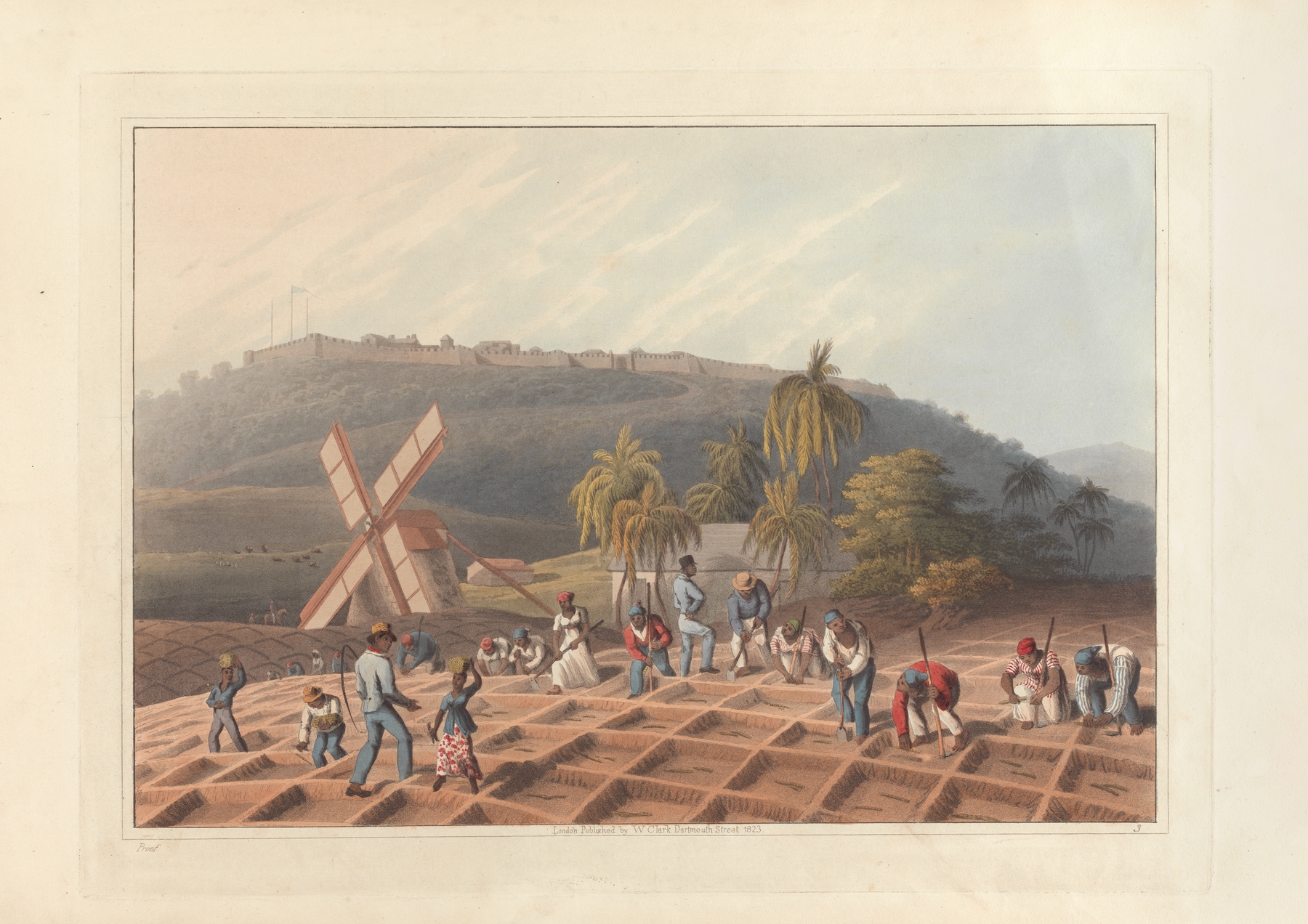
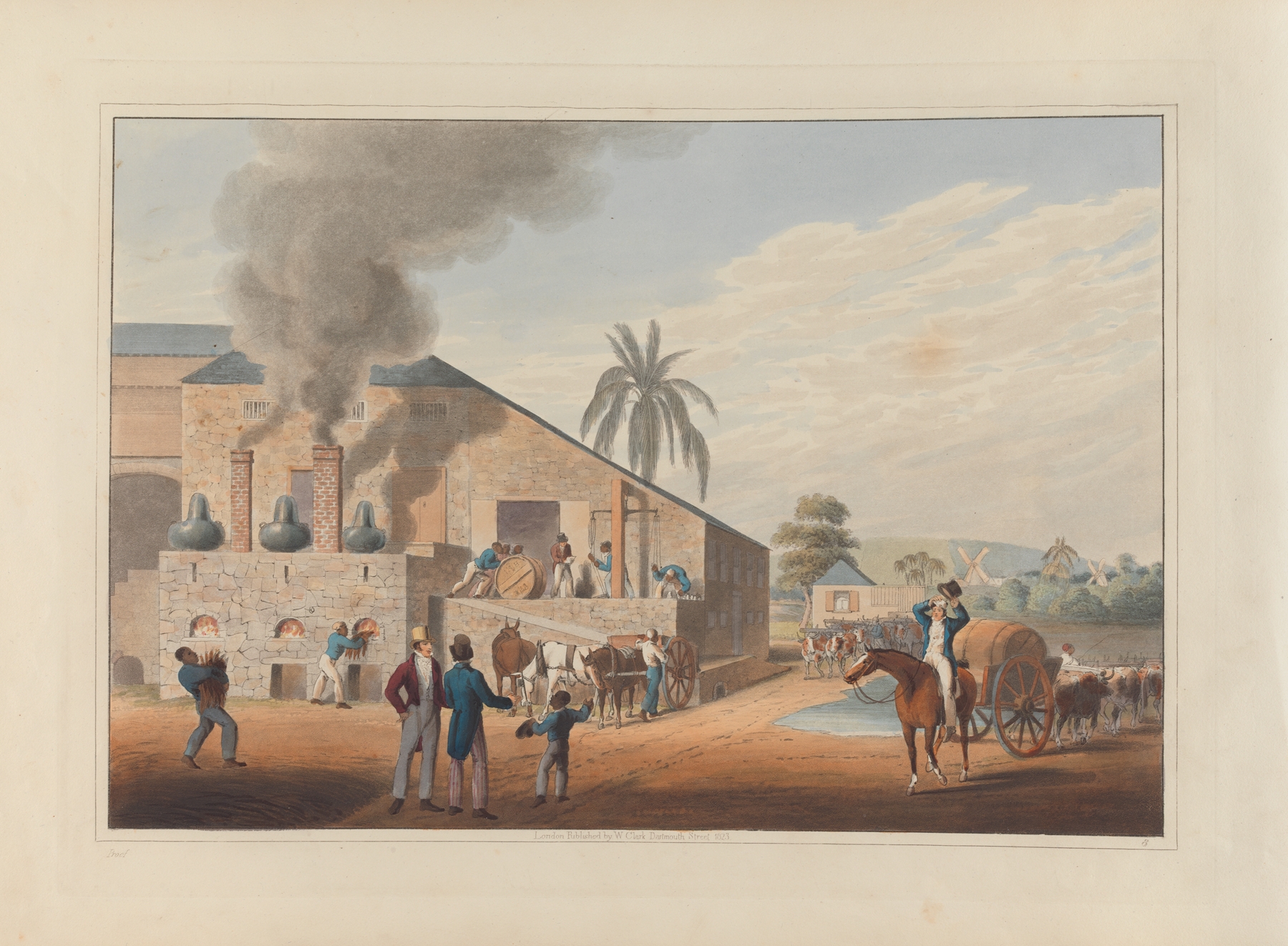
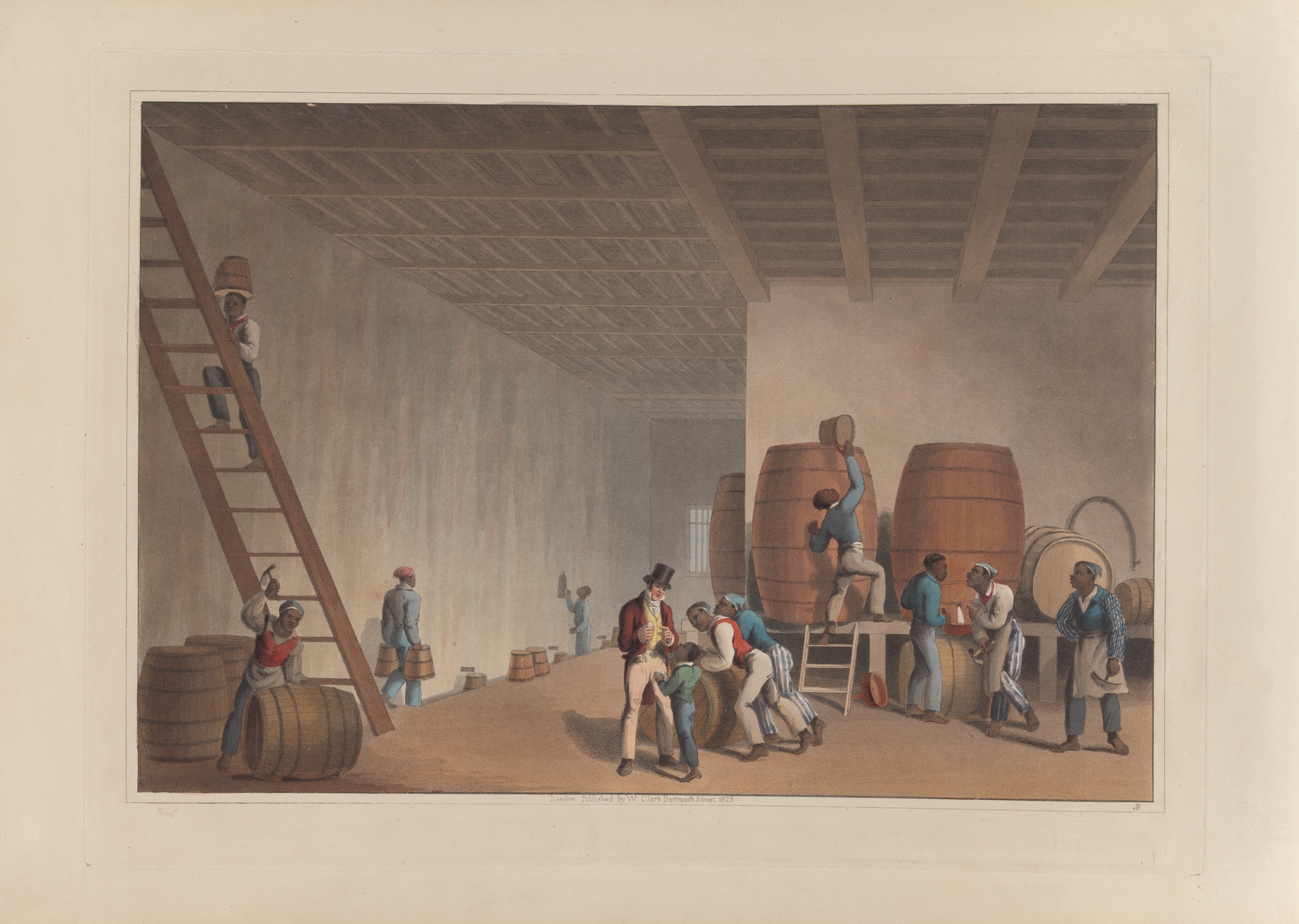
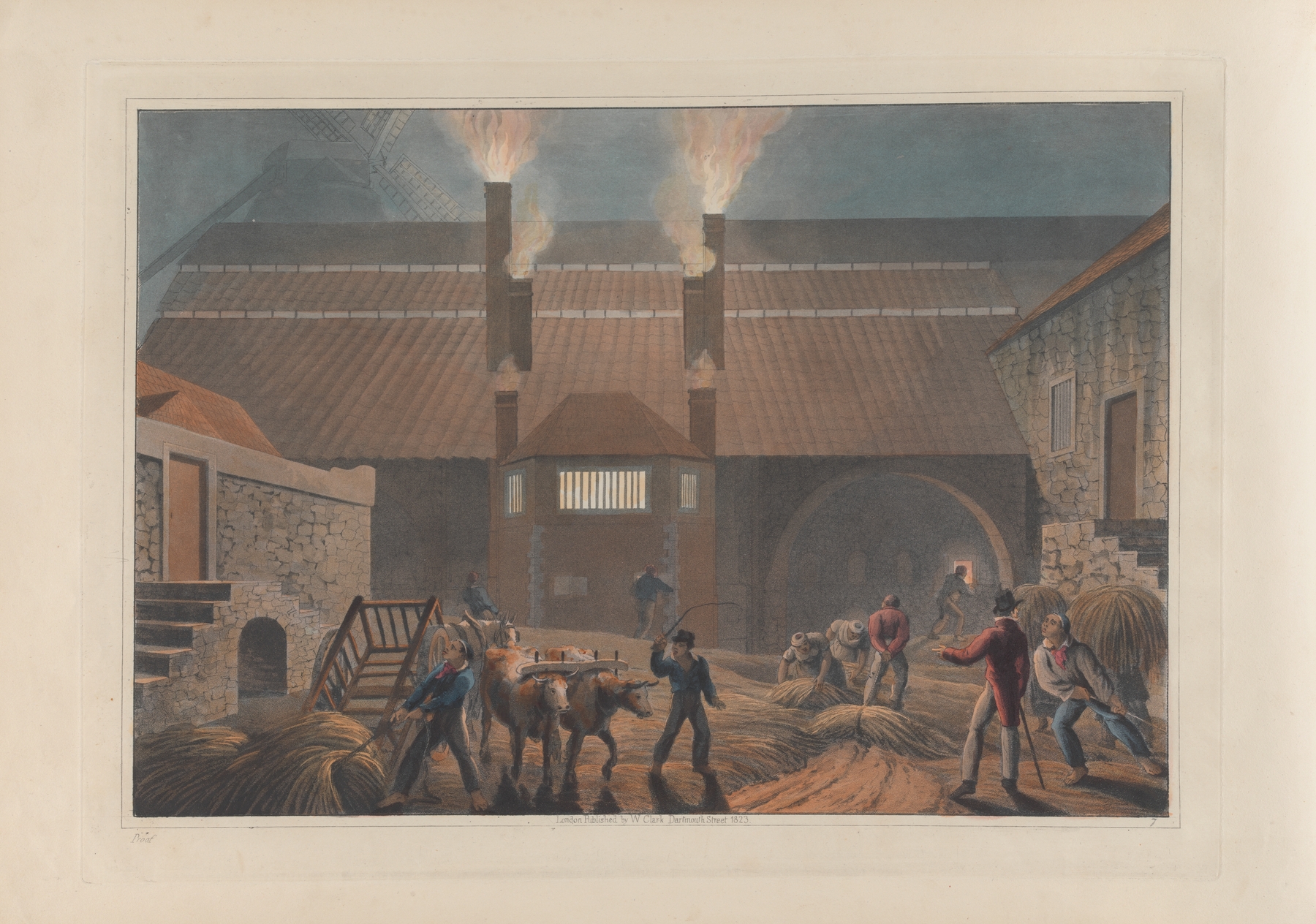
“Every brushstroke is a heartbeat remembered.” In the silence of the void, stillness hangs heavy like fog, obscuring the path to a deeper understanding. The emptiness invites contemplation, urging the viewer to dwell in the spaces between color and emotion. What has been lost in the absence of presence? Look closely at the center of the canvas, where the laborers toil amidst swirling smoke and a cacophony of iron and fire. The shadows are deep, but the flickering light reveals the contours of rugged faces, etched with lines of hardship.
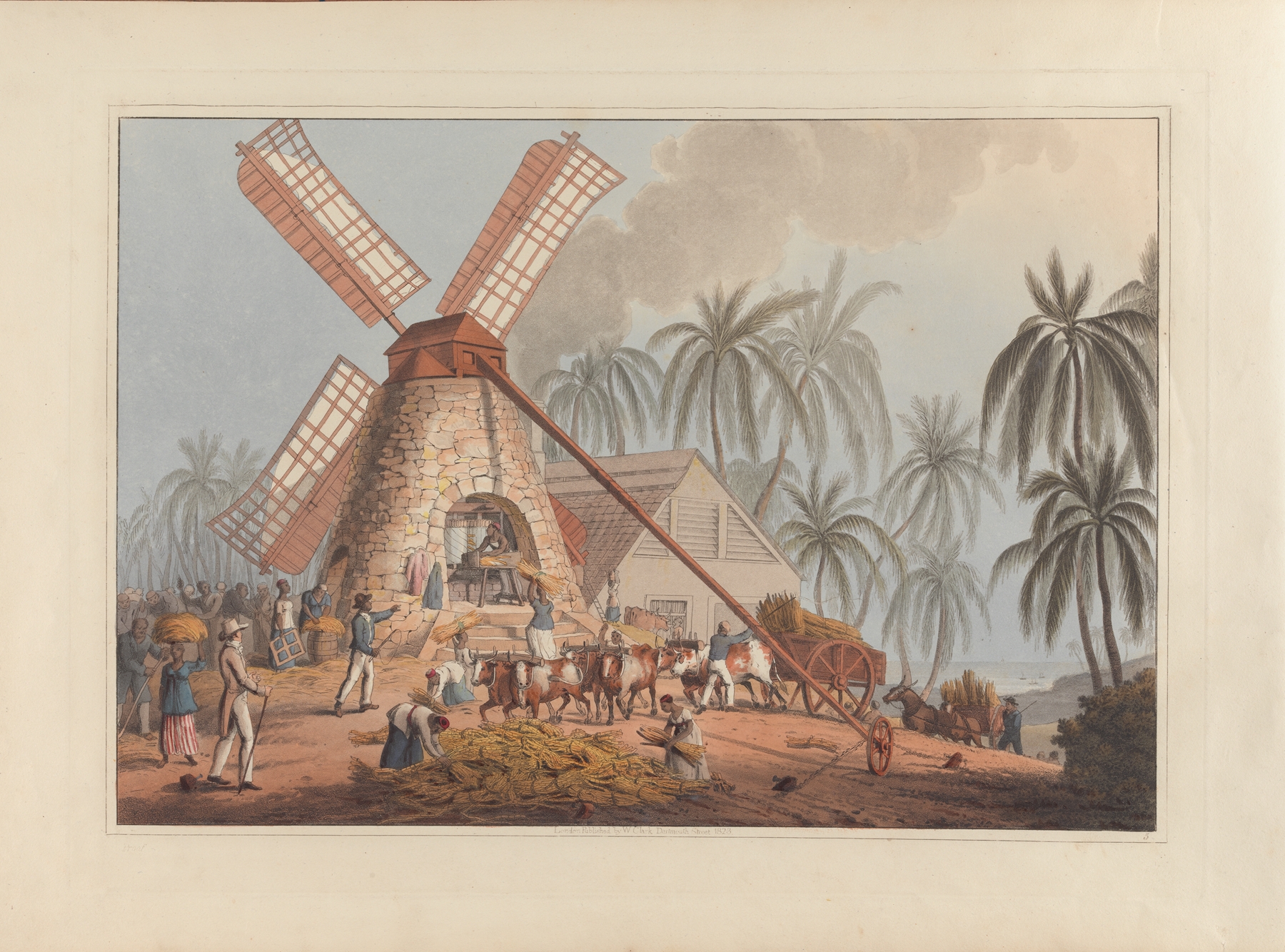
Notice how the warm tones of orange and yellow contrast with the cool blues and grays—each color choice speaks to the intensity of the moment, and the artist’s skill in capturing an atmosphere of raw effort and resilience. In this work, we feel the juxtaposition of creation and destruction, labor and void. The figures seem to be both alive and trapped within the confines of their surroundings, symbolizing the relentless cycle of industry. The way the smoke billows upward suggests aspirations that are continually out of reach, while the expressions on the laborers’ faces tell stories of both determination and despair—a poignant reminder of the human condition caught between hope and futility. Created in 1823, this piece emerged during a time when industrialization was reshaping society.
William A. V. Clark painted The Boiling-House at a moment when the arts were grappling with the impact of modernity. It reflects an era of transformation in Britain, where the clash between nature and industry was becoming increasingly pronounced—an artistic response to the complexities of a rapidly changing world.