Ceremonie der confirmatie — History & Analysis
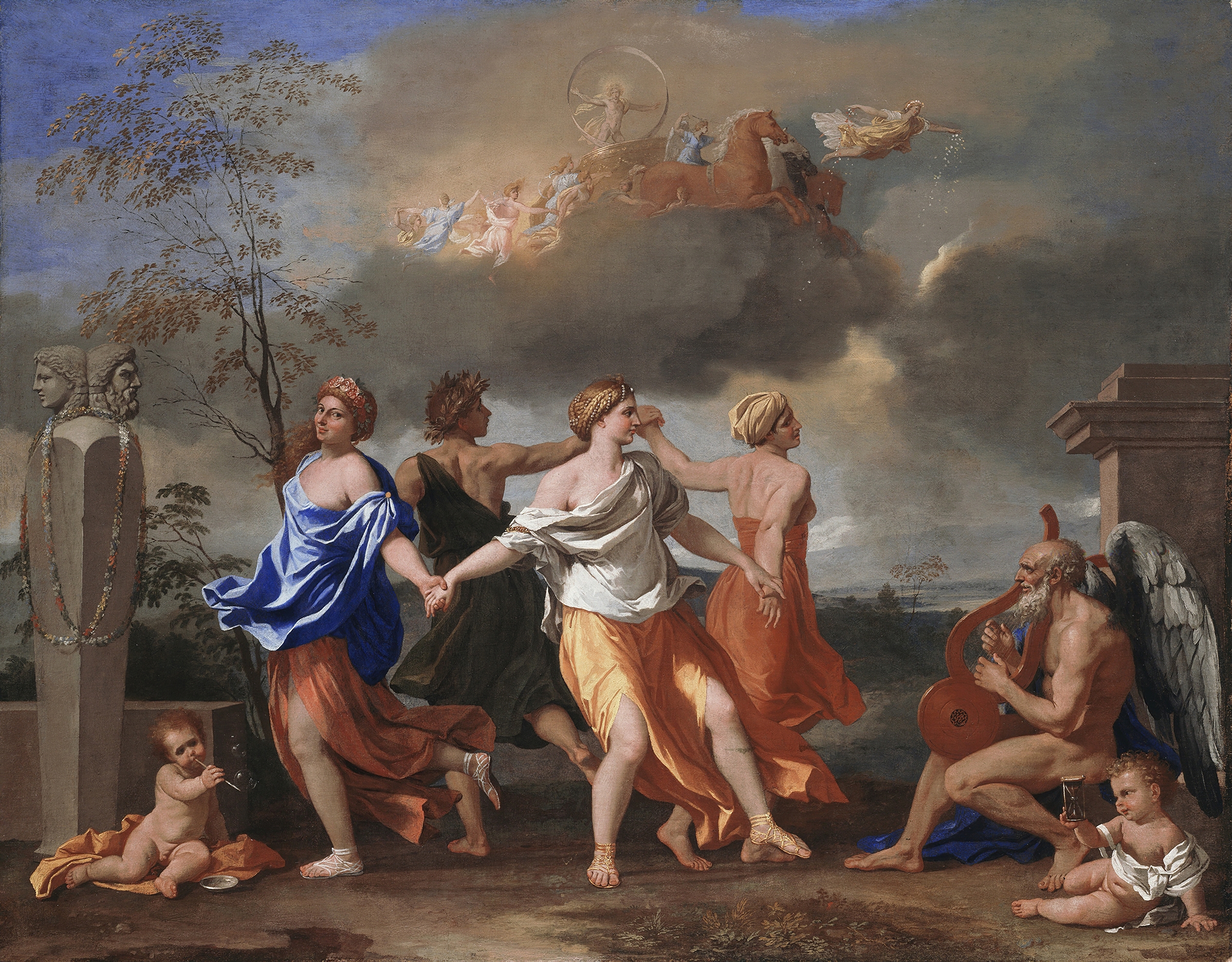
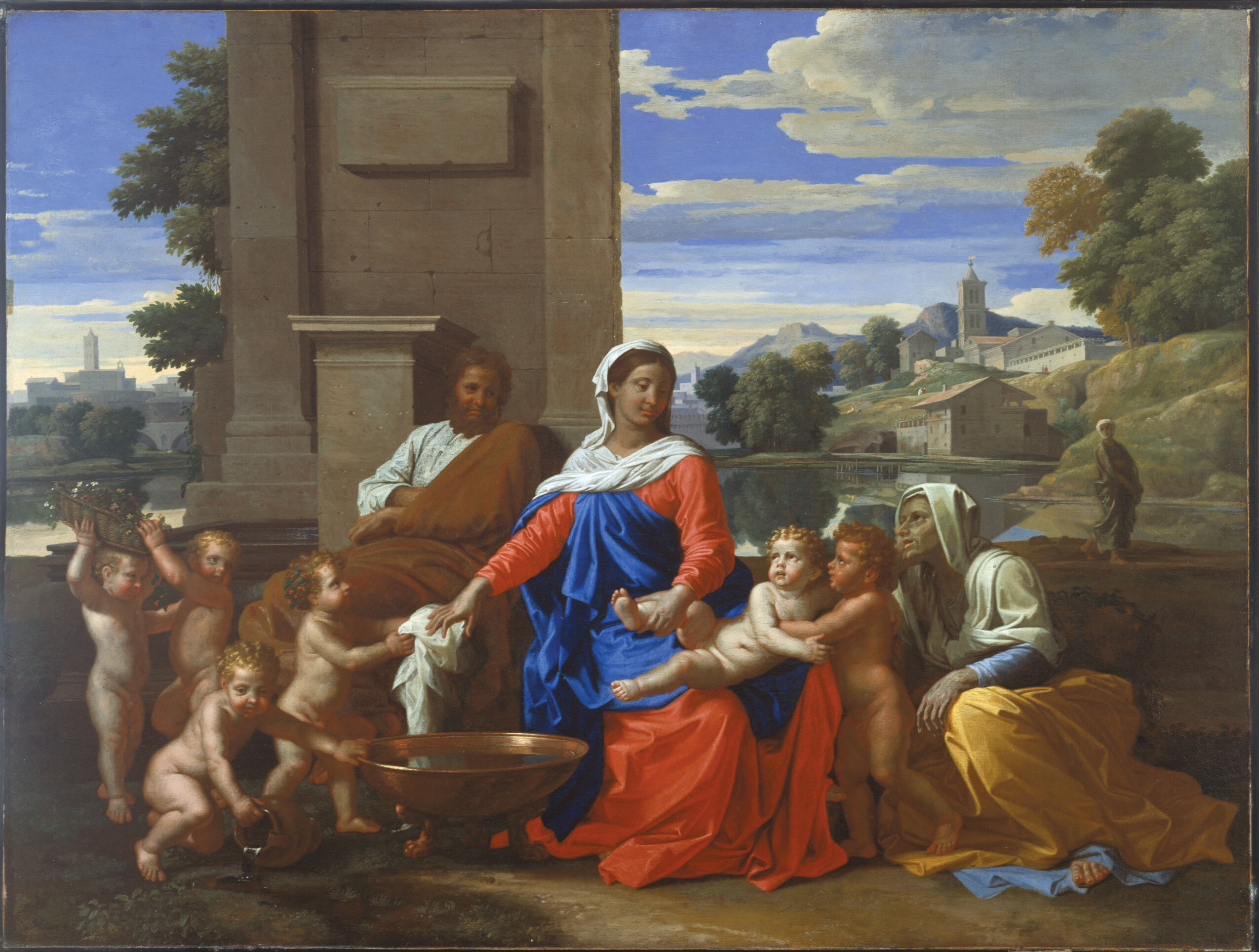
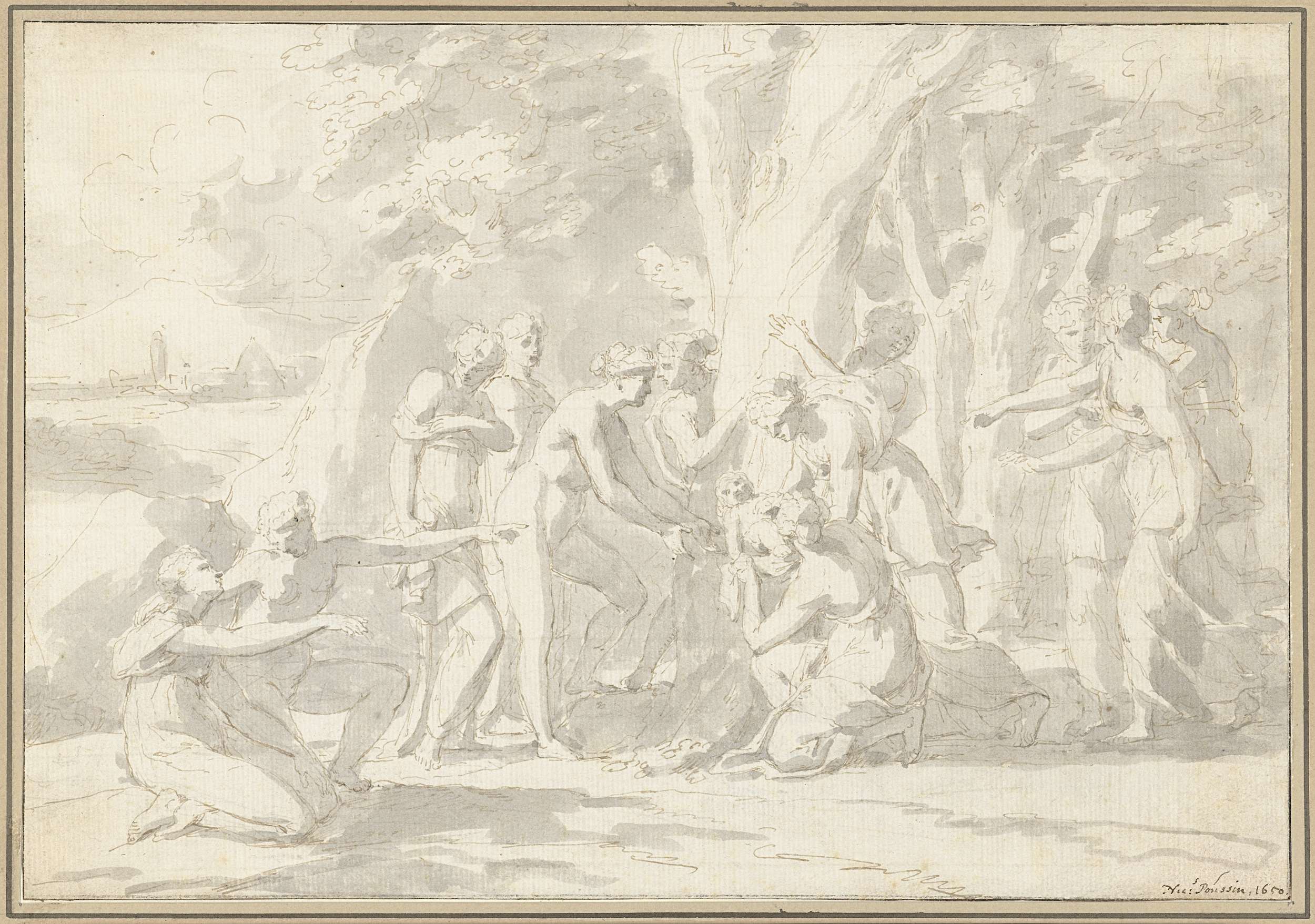
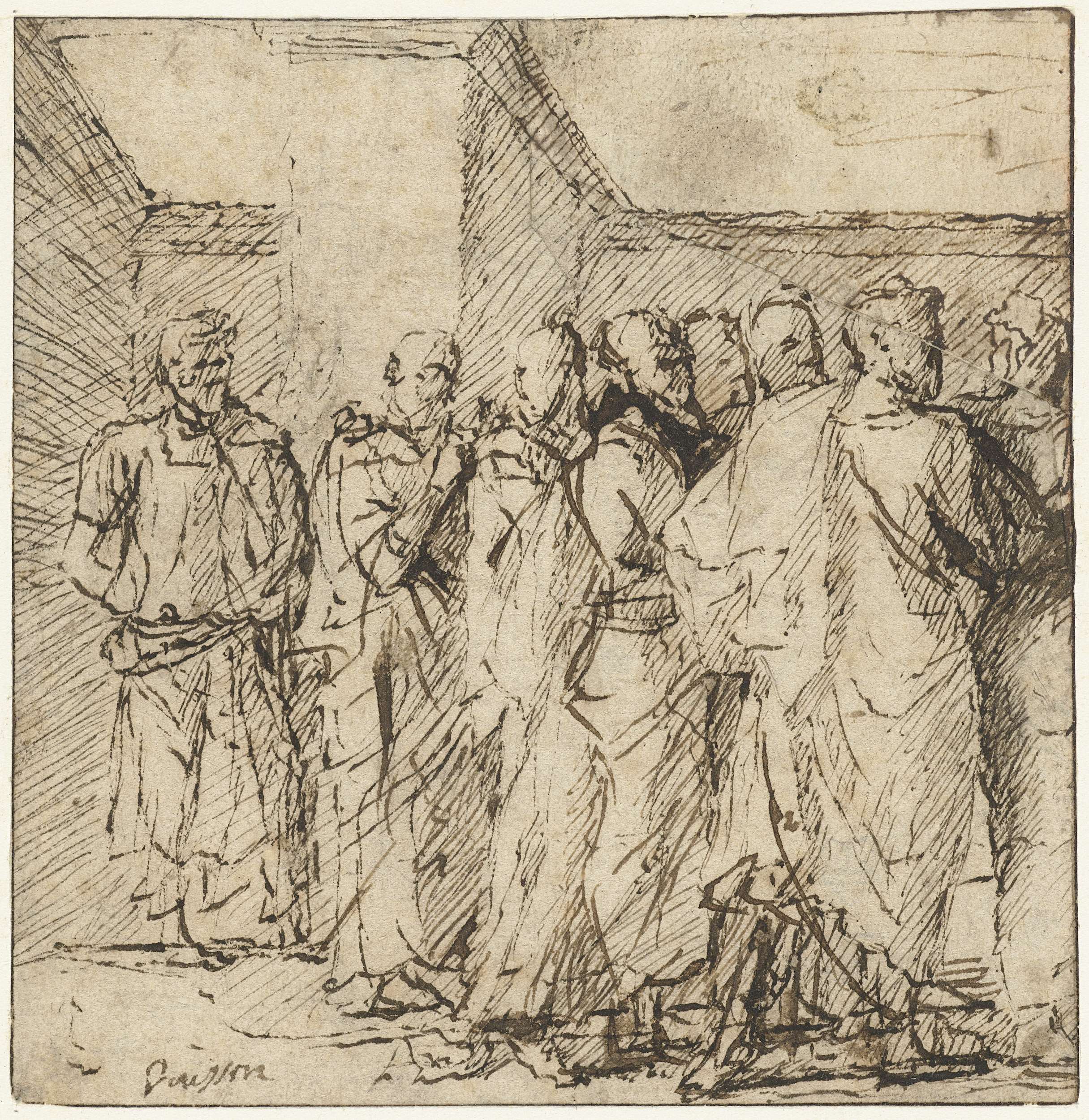
Can beauty exist without sorrow? In Ceremonie der confirmatie, the delicate interplay between reverence and fragility unfolds, inviting a contemplation of faith and youth against a backdrop of vulnerability. Look to the left at the tender gestures of the young participants, their hands raised in solemnity, embodying both hope and hesitation. The artist employs a soft palette of muted earth tones, creating an atmosphere that feels both sacred and ephemeral.
Notice how light cascades from above, illuminating faces filled with a mixture of anticipation and trepidation, while shadow envelops the edges, hinting at the uncertainties of the future. The emotional tension within the scene is palpable: the bright expressions of the children contrast sharply with the somber figures of the adults, suggesting a generational divide between innocence and experience. Subtle details, such as the slight droop of a flower in the foreground, echo the fragility of this moment—each child's confirmation both a celebration and a reminder of the impermanence of youth. This duality captures the essence of coming-of-age; beauty coexists with the unspoken sorrows of growing up.
Created during the mid-17th century in France, the artist painted this work amidst a period of profound change in both personal and artistic realms. Poussin was deeply influenced by classical themes and ideals during his time in Rome, seeking to elevate painting as a noble form of expression. The exploration of human emotion and narrative in this piece reflects his desire to intertwine poetic beauty with profound philosophical inquiry, characteristic of his wider oeuvre.