Chestnut Trees at Jas de Bouffan — History & Analysis
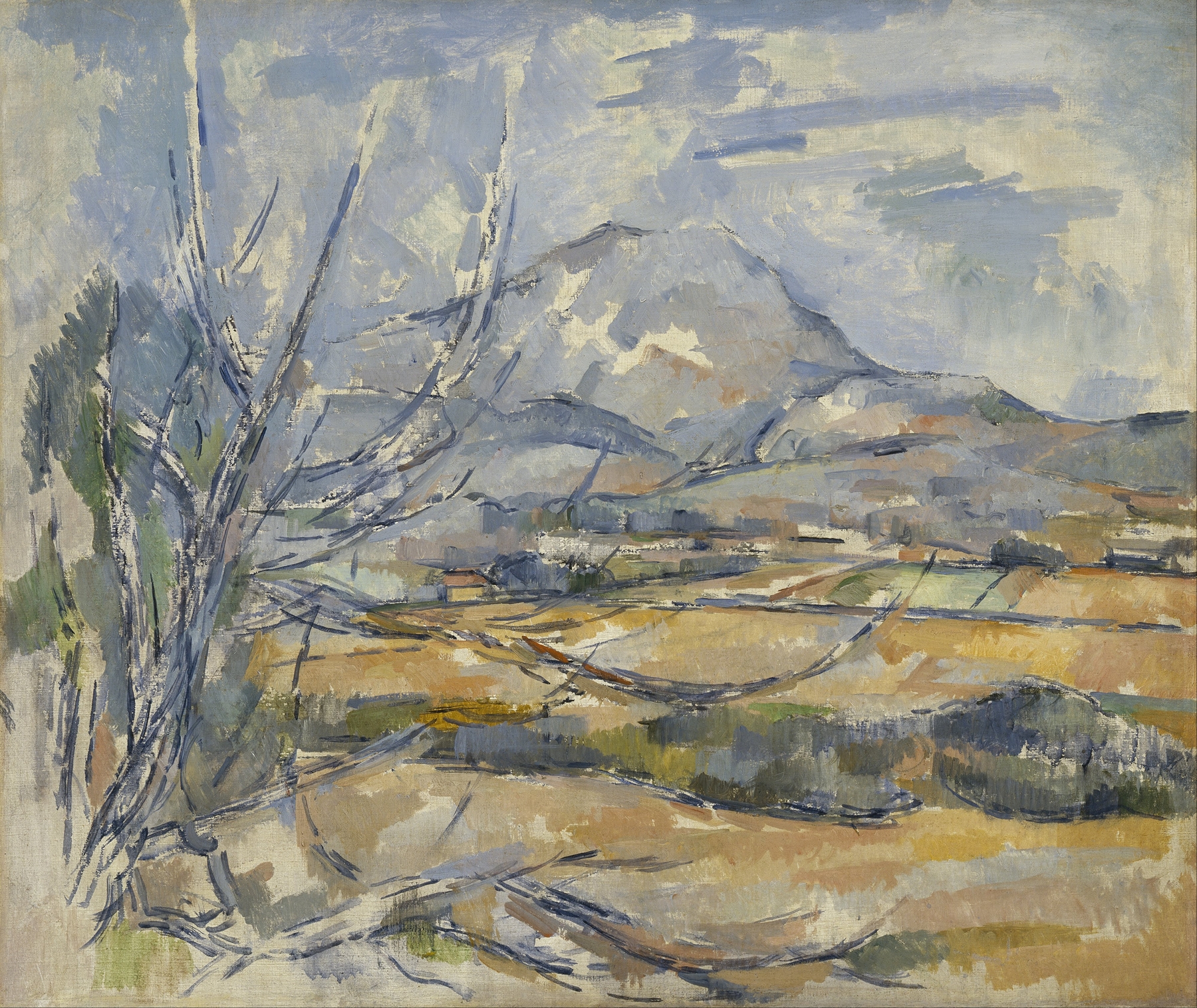
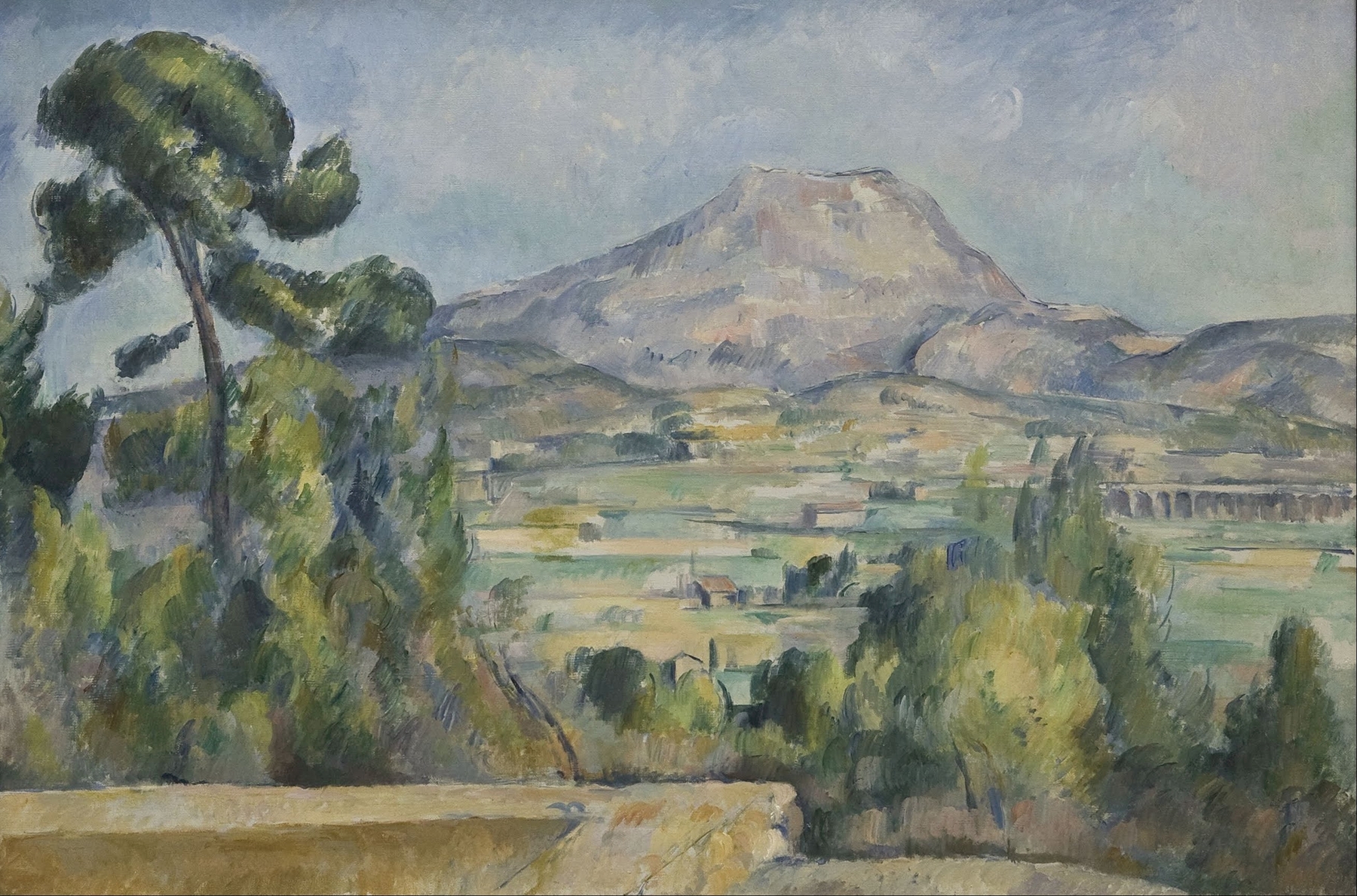
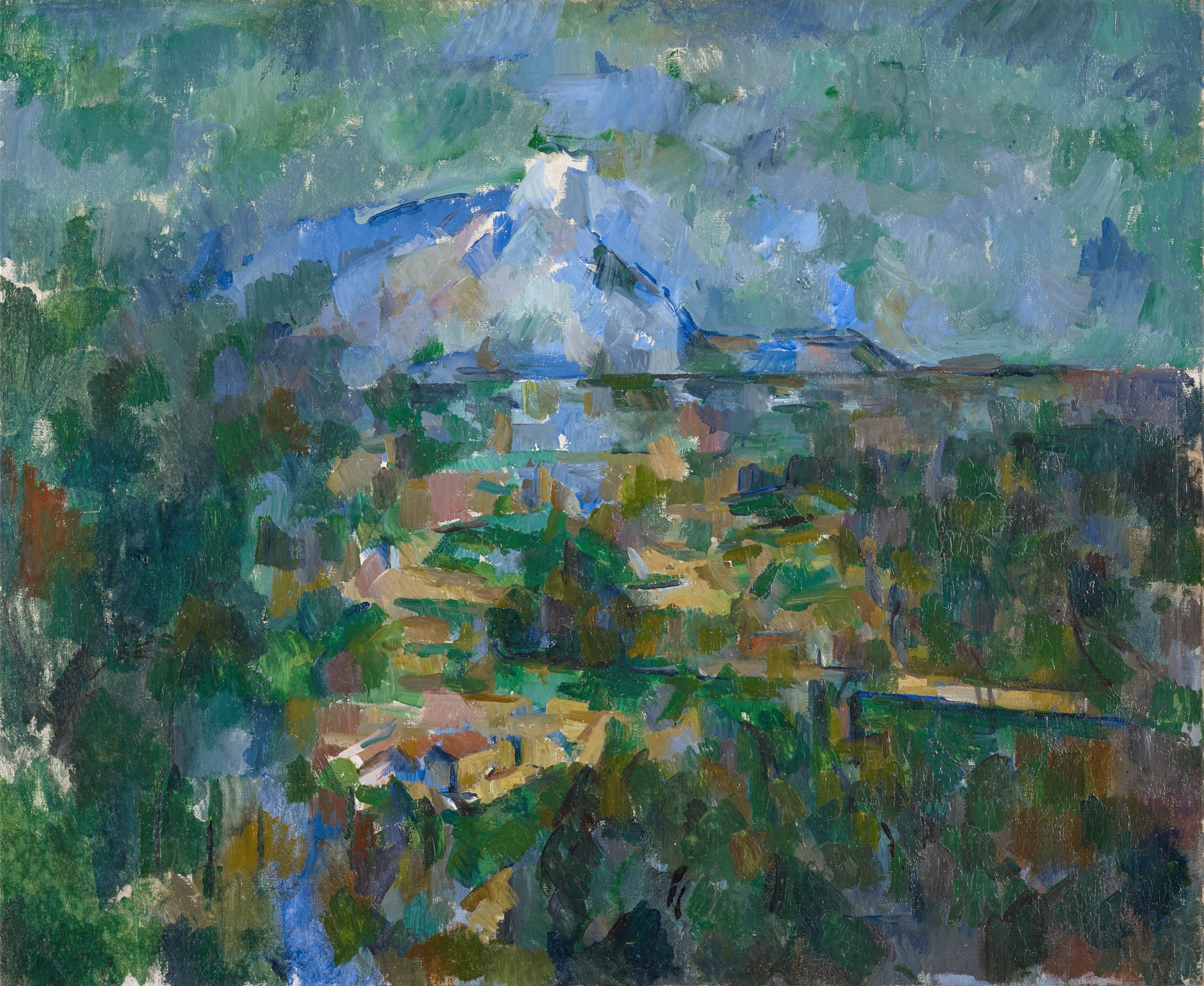
“To paint is to remember what time wants us to forget.” In Chestnut Trees at Jas de Bouffan, light becomes a vessel for memory, casting a gentle glow that draws you into the essence of nature's presence. Here, the interplay of brightness and shadow evokes not just the scene, but the very feeling of a fleeting moment captured forever. Look to the left at the robust chestnut trees, their forms alive with rich greens and earthy browns. Cézanne's brushwork, both deliberate and spontaneous, creates an intricate tapestry of texture that invites touch. Notice how the dappled sunlight filters through the foliage, illuminating patches of ground, revealing layers of color that shift with the viewer's gaze.
The composition balances the trees against the open sky, creating a harmony that feels both grounded and ethereal. Amidst the vibrant colors, a subtle tension emerges between the solid trunks and the ephemeral light. The juxtaposition of solid forms against the fleeting play of sunlight speaks to the duality of permanence and transience. Each brush stroke embodies a momentary truth, reflecting the artist's inner conflict between capturing reality and his desire to transcend it.
The rhythm of nature pulses through the canvas, blending the tangible with the intangible. In the mid-1880s, while living in Aix-en-Provence, Cézanne sought to synthesize the influences of Impressionism with his own vision of structure and form. This period marked a pivotal moment in his artistic journey as he moved towards his unique style. The world of art was beginning to embrace new interpretations of reality, and this painting stands as a testament to both his dedication and the evolving dialogue of his time.