Chestnuts — History & Analysis
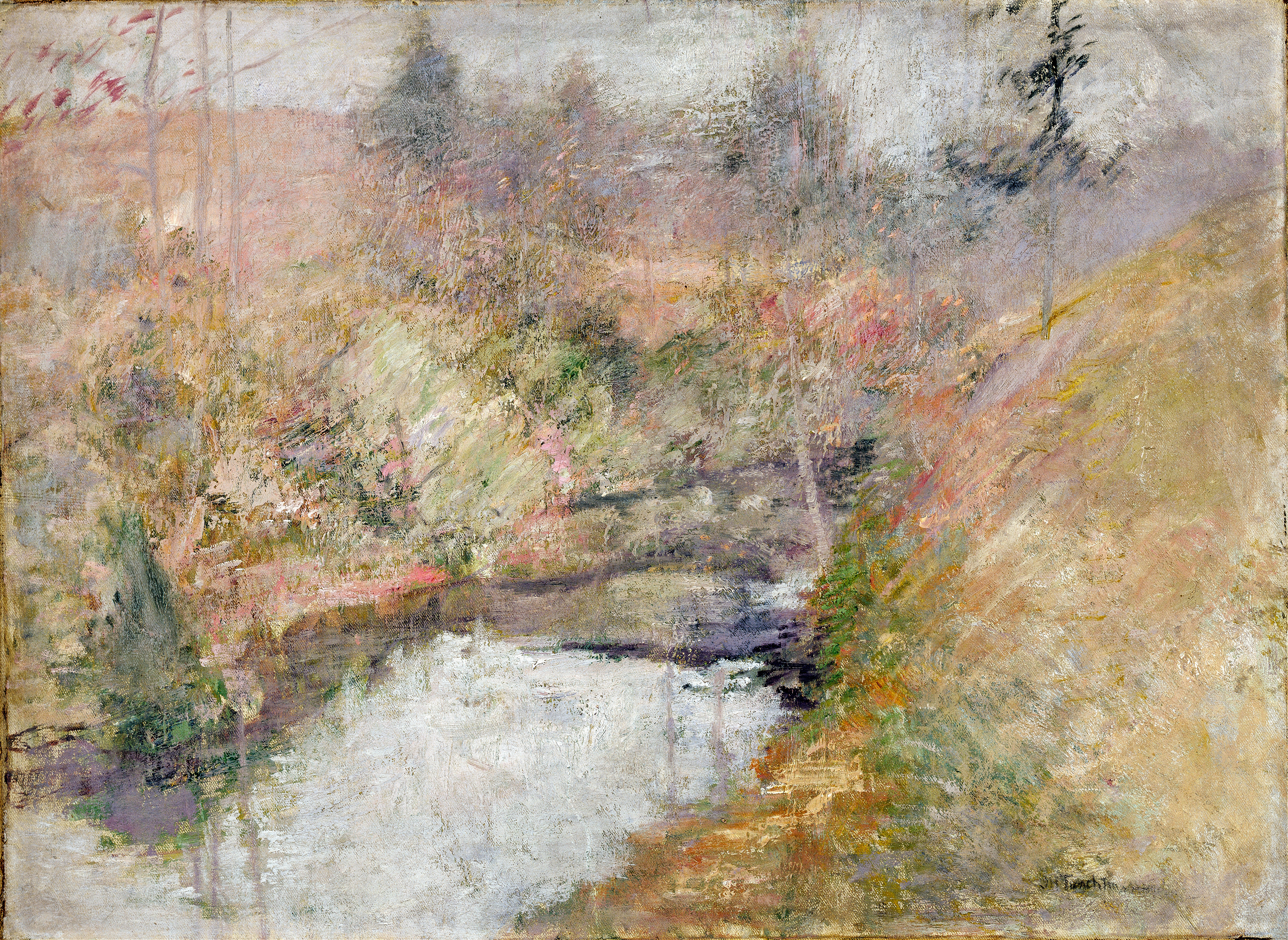
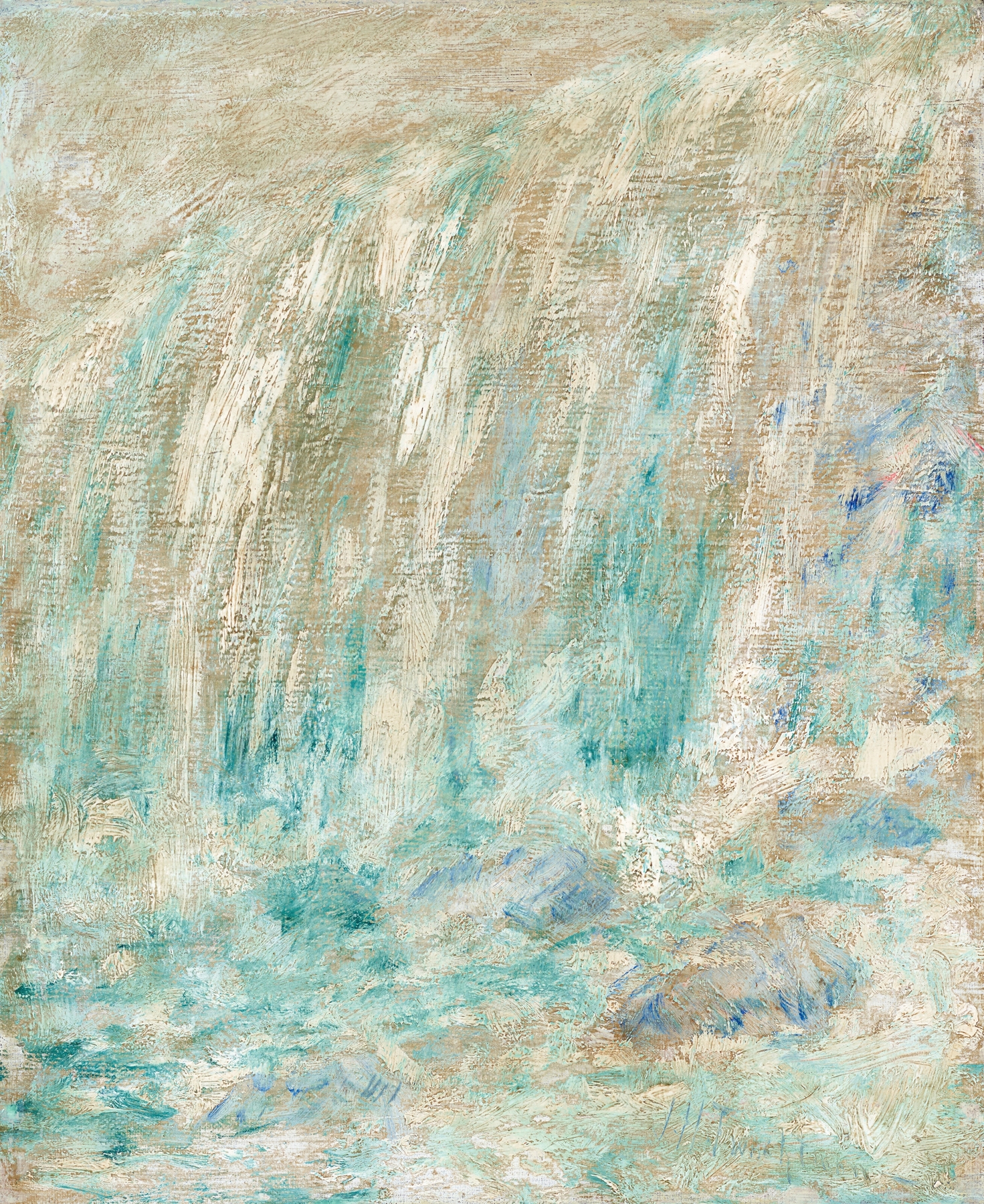
Can paint confess what words never could? In Chestnuts, a haunting silence envelops the composition, whispering an emptiness that resonates with deep emotion. Look to the foreground, where the stark, gnarled branches of the chestnut tree extend like skeletal fingers against the darkening sky. Notice the subtle play of light—how it filters through the leaves, casting a delicate shimmer on the ground below. The muted palette of earth tones and soft greys evokes a sense of stillness, inviting the viewer to ponder the life that once flourished here.
Each brushstroke feels deliberate, a testament to the artist's mastery in capturing both form and feeling. Beneath the surface, contrasting elements emerge—a tension between vitality and decay, life and solitude. The chestnuts, ripe symbols of potential, rest precariously at the tree's base, hinting at the cyclical nature of existence. The empty spaces between the branches suggest a loss or a longing, perhaps for the vibrancy of a past season.
This delicate balance of hope and despair weaves a narrative of unfulfilled dreams, engaging the viewer in a dialogue about the nature of absence. John Henry Twachtman painted Chestnuts after 1889, during a period of personal and artistic exploration. Living in a time of shifting artistic styles, Twachtman was influenced by Impressionism, which allowed him to convey the emotional resonance of natural subjects. His works often reflect a deep engagement with the environment, and this painting captures a moment of introspection amidst the changing landscape of both art and life.