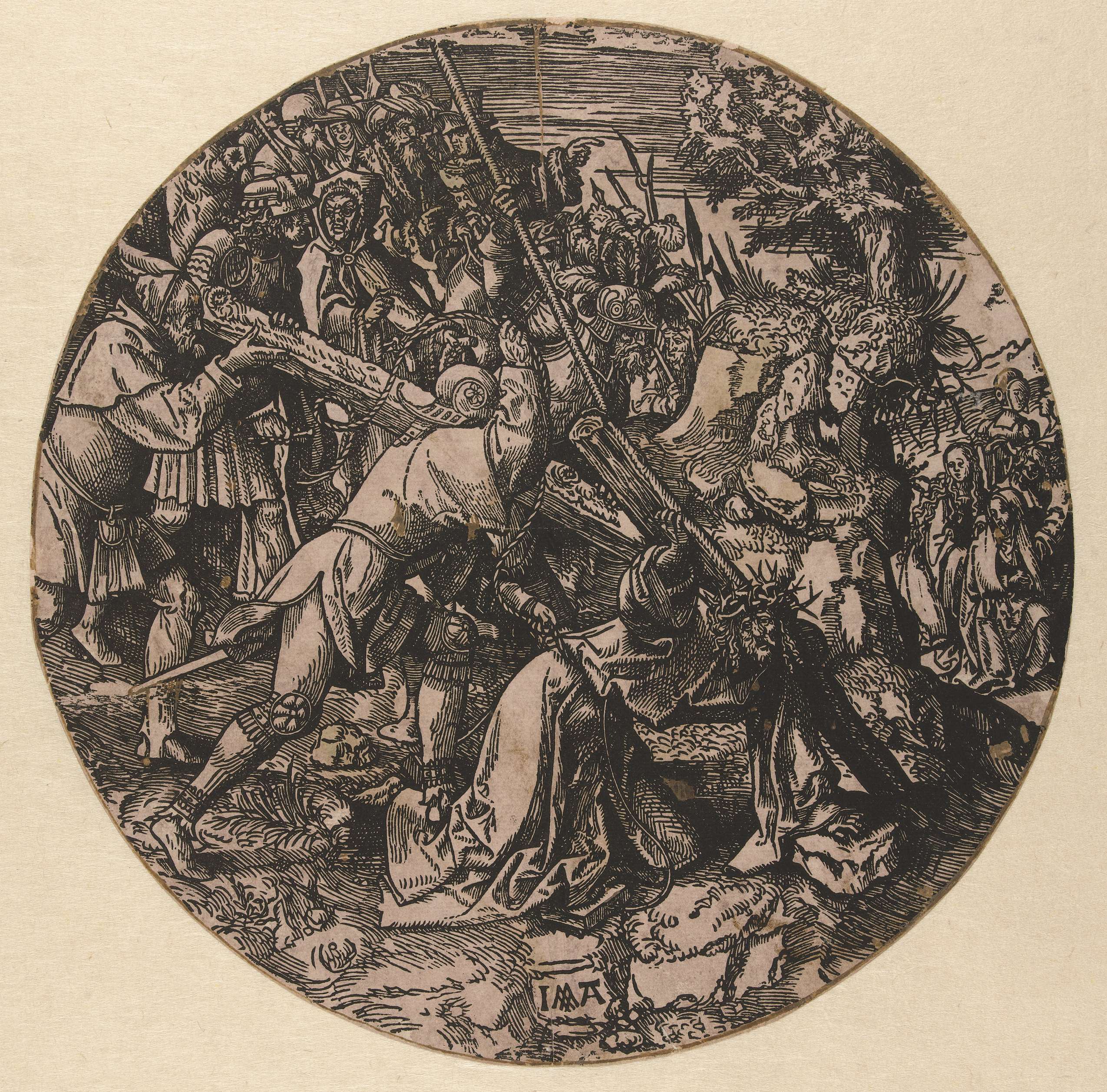
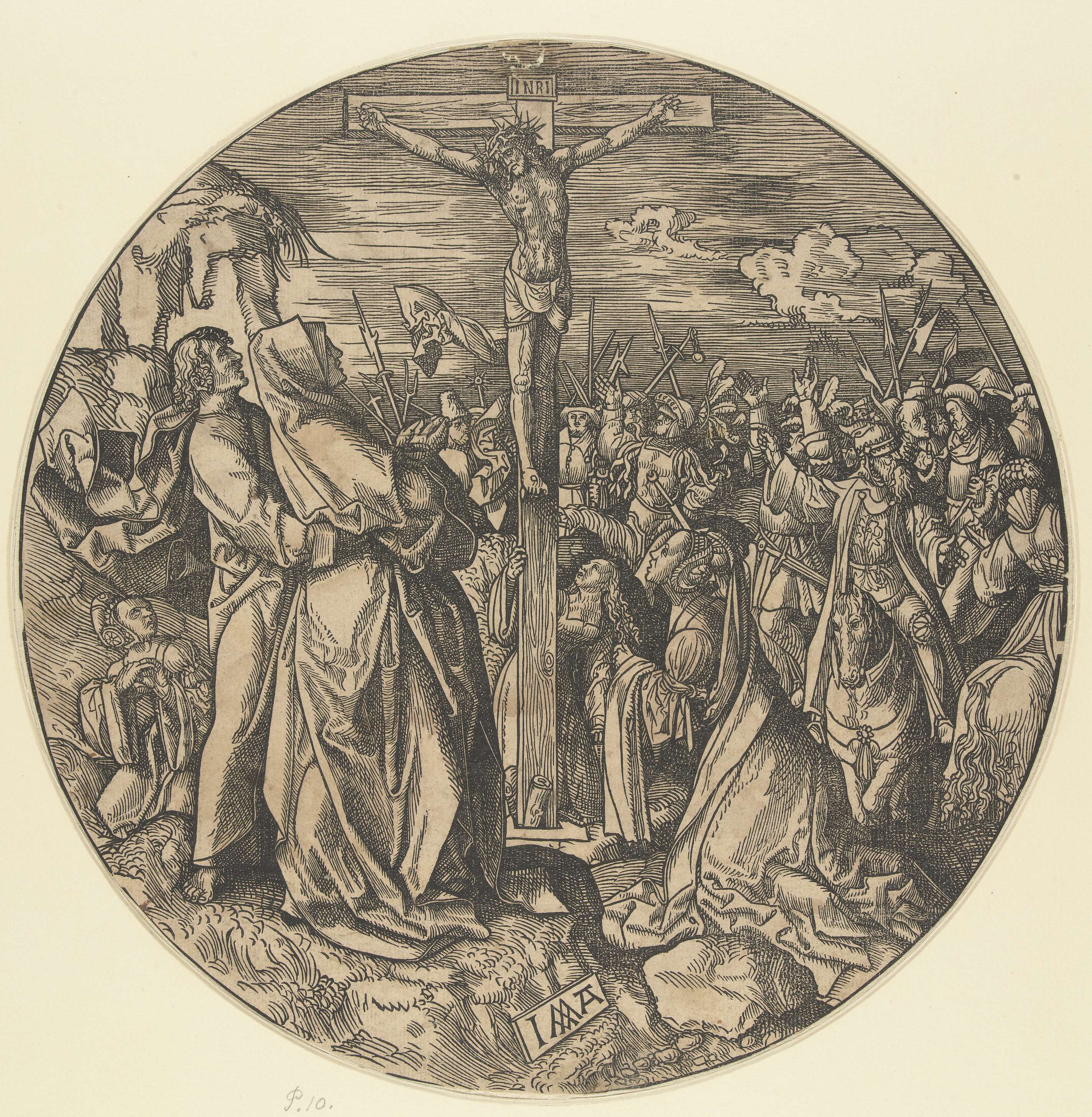
Christus op de Olijfberg, Mozes en Esther voor Ahasveros — History & Analysis
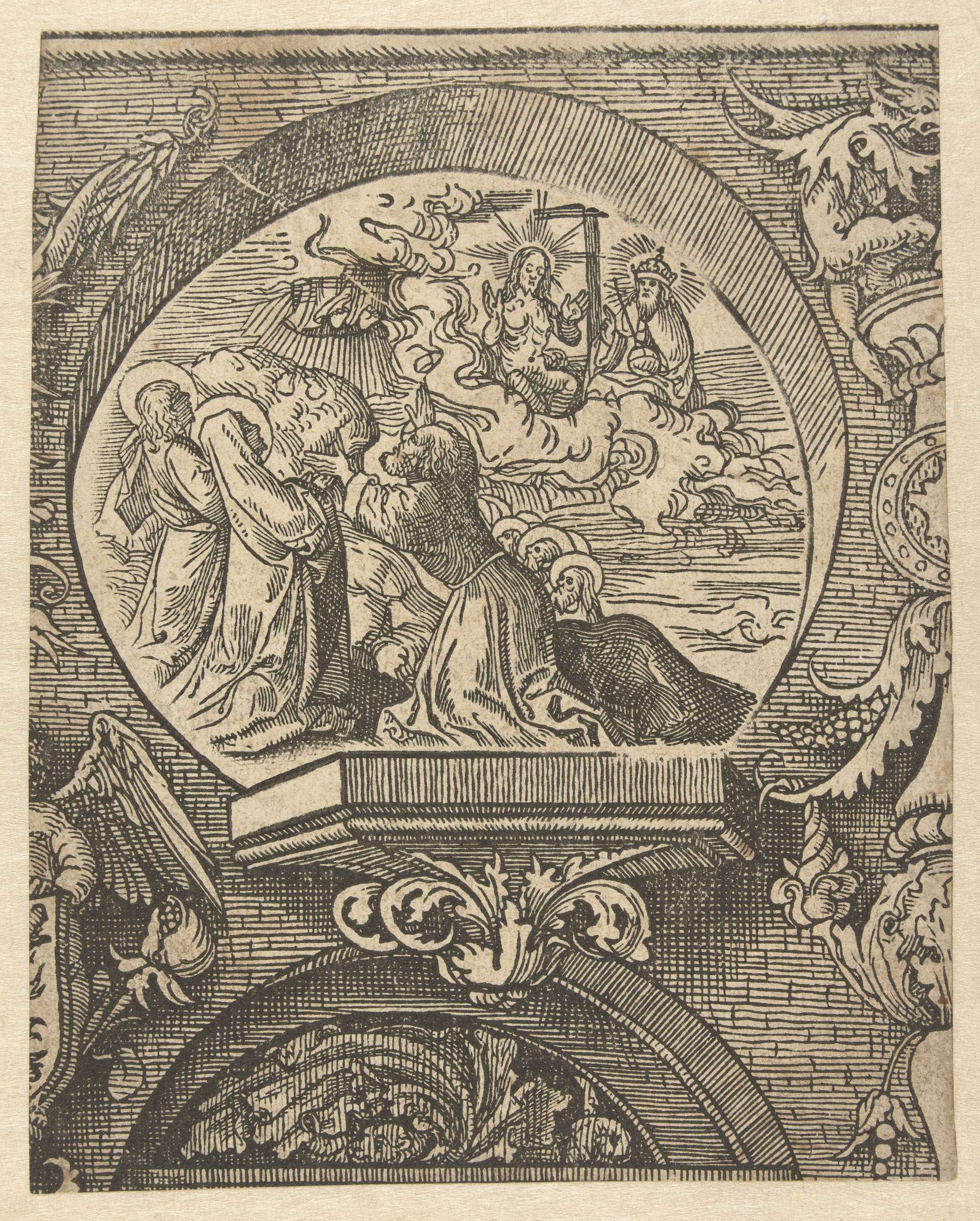
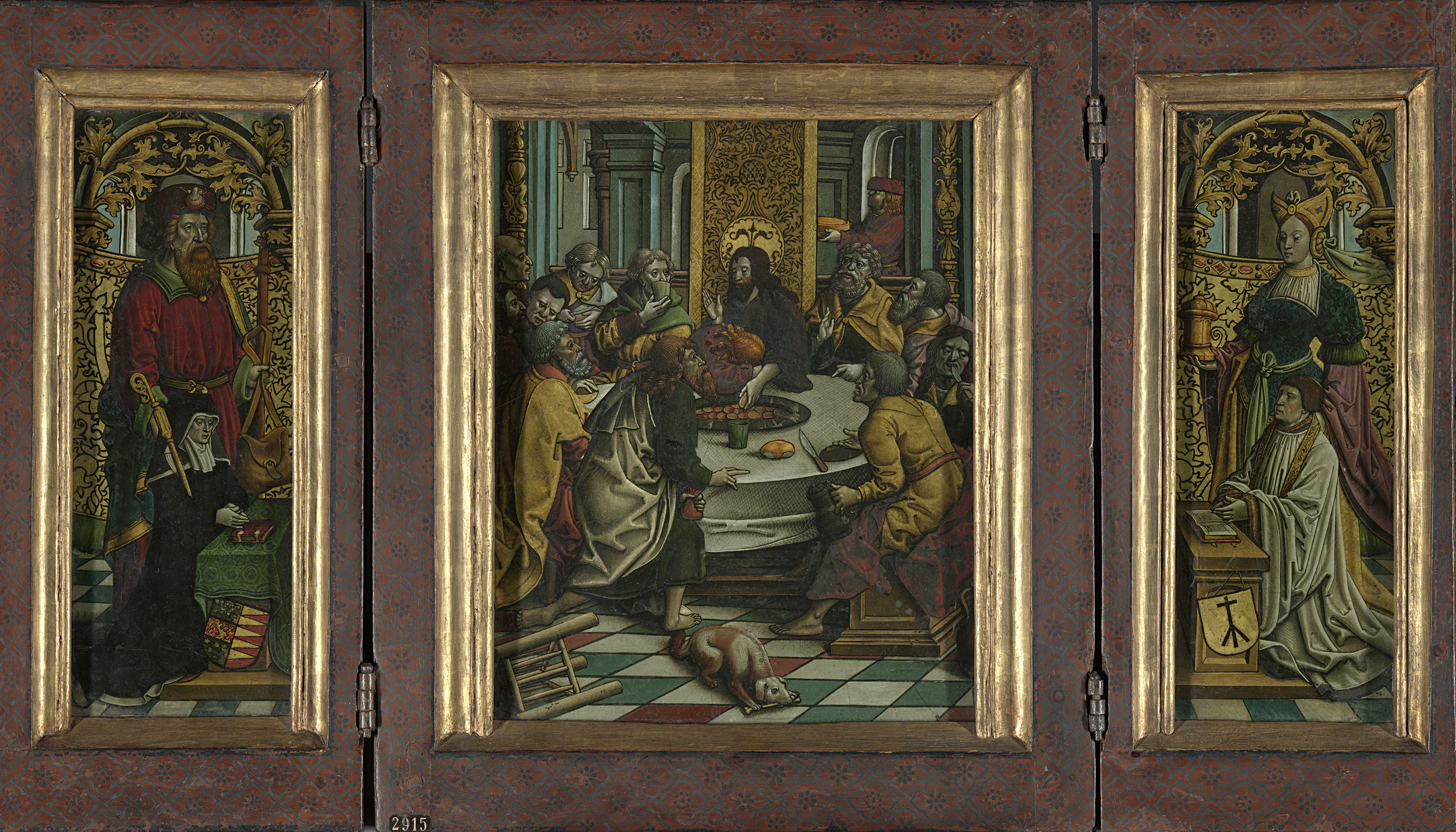
Is this a mirror — or a memory? The duality of existence, steeped in nostalgia, permeates the canvas, urging us to confront the echoes of our past. Focus on the left side, where Christ is depicted in deep contemplation, his figure draped in muted tones that contrast with the luminous halo encircling his head. The olive trees, sprawling behind him, whisper secrets of ancient times. Notice how the intricate details of his expression are enhanced by the soft light that caresses his brow, invoking a sense of profound introspection.
The artist's use of delicate brushwork invites the viewer to explore the subtleties within the shadows and highlights, crafting a moment that feels both sacred and intimate. Amidst this serene setting, the juxtaposition of divine and human creates a palpable tension. The presence of Moses and Esther introduces a dialogue across time, drawing parallels between their trials and Christ’s sacrifice. Each figure is rendered with careful attention to emotion; Esther’s poised demeanor reflects strength, while Moses’ furrowed brow hints at the burdens of leadership. This interplay of figures speaks to the universal struggle of faith and courage, inviting us to reflect on our own narratives amidst historical legacies.
Jacob Cornelisz van Oostsanen painted this work between 1525 and 1530, during a time when the Northern Renaissance was flourishing. Contextually, he was part of a movement that sought to blend traditional religious themes with emerging humanistic values. This period was marked by a growing interest in the individual and their experiences, mirroring the emotional depth found within the painting. As religious reform began to stir Europe, van Oostsanen’s work encapsulated the sense of reflection and nostalgia that defined the era.