Kruisdraging — History & Analysis
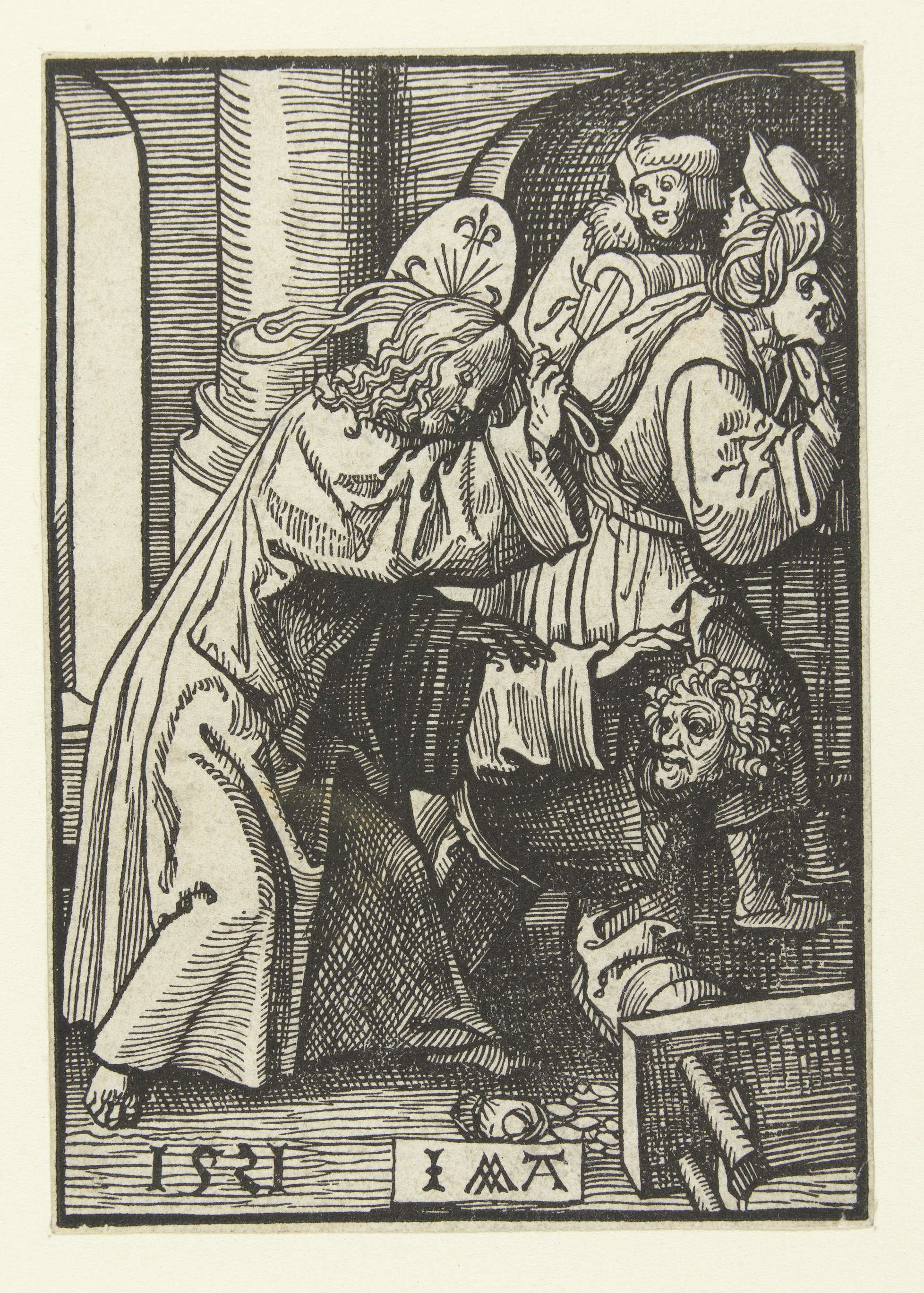
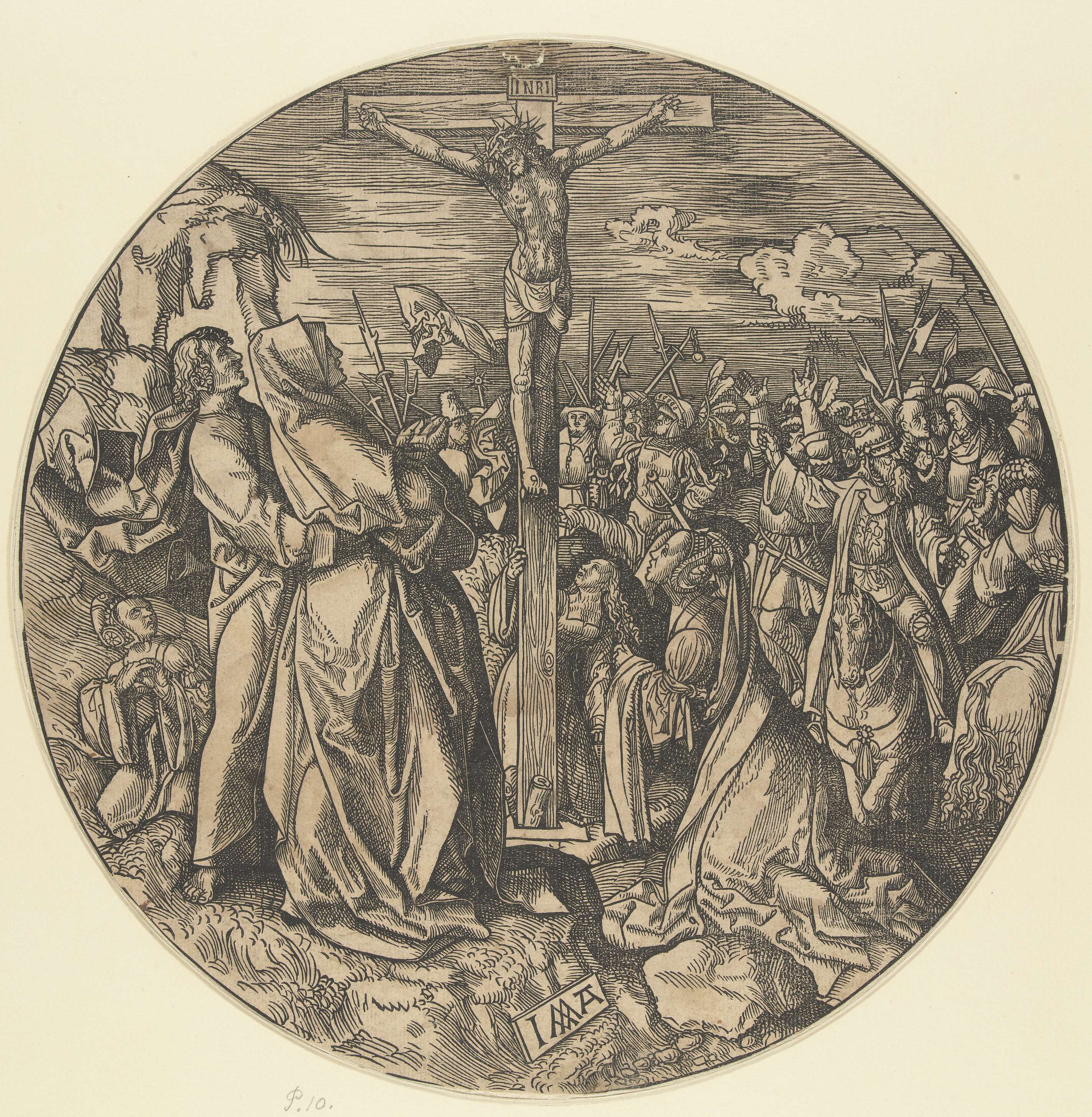
“Every brushstroke is a heartbeat remembered.” This truth resonates deeply within the canvas, where pain and devotion intertwine in a sacred narrative. Here, we are invited to confront the raw humanity behind the divine. Look to the center of the painting, where the figure of Christ, burdened by the wooden cross, draws our gaze. His body, rendered with meticulous detail, seems to resonate with an almost palpable weight, contrasting the vibrant colors of the surrounding figures. Notice the somber palette enveloping the mournful faces of the followers, their expressions a tapestry of sorrow and reverence.
The careful interplay of light and shadow not only highlights Christ's form but also serves to create a somber atmosphere, enveloping the viewer in a spiritual experience. Within the scene, layers of meaning unfold. The contrast between the vibrant reds of the onlookers’ garments and the muted tones of the suffering Christ speaks to the disparity between joy and despair intertwined in the human experience. These figures, each a silent witness, echo the themes of sacrifice and redemption, while the distant horizon hints at the hope lying beyond the immediate anguish.
The technique employed captures a moment that is both intimate and universal—each element recalls a struggle that transcends time. In the early 16th century, during his time in Amsterdam, the artist created this poignant work amid the shifting tides of the Northern Renaissance. Influenced by both religious fervor and the rise of humanism, he sought to bridge the sacred and the earthly, presenting a visual language that spoke to the hearts of his contemporaries. This painting reflects not only his personal devotion but also the broader artistic movements that sought to explore the complexities of faith.