Christus aan het kruis — History & Analysis
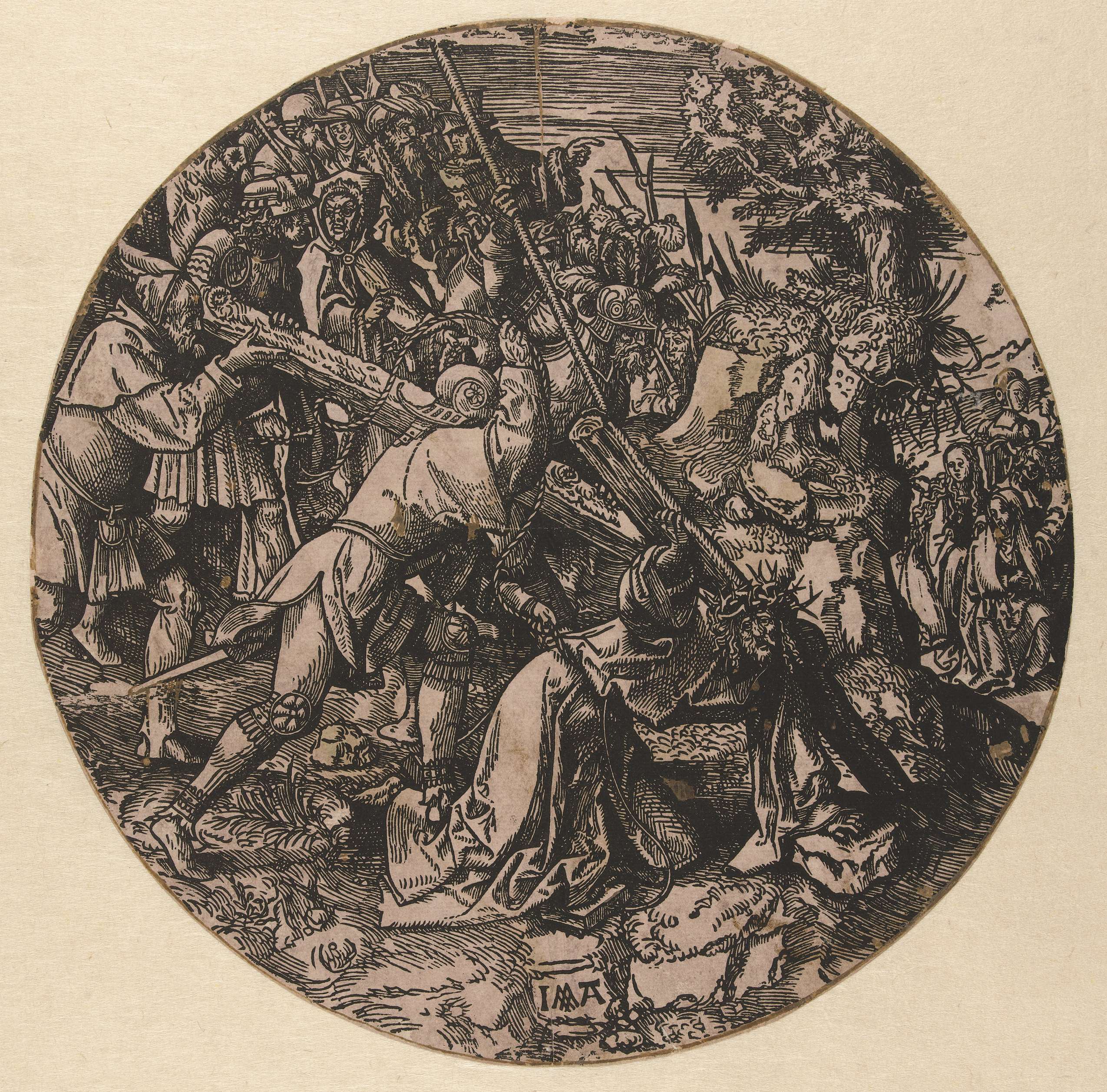
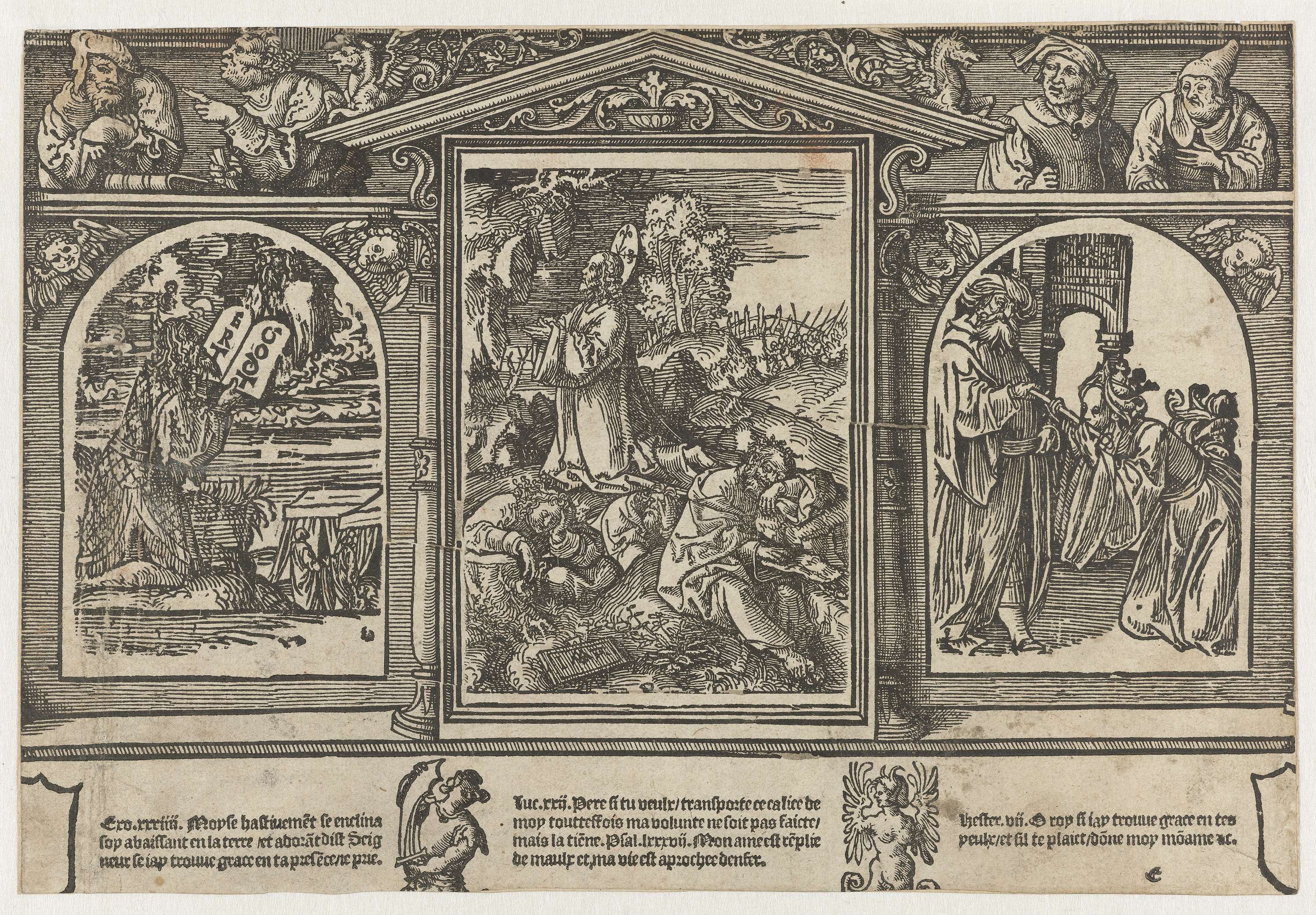
Is this a mirror — or a memory? In Christus aan het kruis, time suspends itself, inviting us to ponder the fleeting nature of existence and the eternal weight of sacrifice. Look to the center, where the figure of Christ hangs, his body illuminated in a soft, almost ethereal light. Notice how the chiaroscuro technique accentuates the contours of his form, making it appear both vulnerable and divine.
The muted palette surrounding him—earthy browns and deep reds—contrasts sharply with the luminous highlights, drawing our gaze to the poignant details: the blood trickling from his wounds and the serene expression on his face, evoking a profound sense of both suffering and peace. Hidden within the composition are echoes of humanity’s struggle with faith and mortality. The stark verticality of the cross not only emphasizes the physicality of Christ’s suffering but also serves as a haunting reminder of our own burdens. The background, rendered in shadowy hues, suggests the ephemeral nature of life, while the figures at the foot of the cross embody the anguish and despair of those left behind, creating a tension between hope and hopelessness.
Jacob Cornelisz van Oostsanen crafted this piece during a time of significant change in the early 16th century, reflecting the burgeoning influence of Northern Renaissance art. Painted in or after 1517, it coincided with the Reformation, when questions of faith and spirituality began to reshape society’s understanding of divine sacrifice and redemption. This artwork stands as a testament to both an artist navigating these turbulent waters and a viewer grappling with timeless existential queries.