De hemelvaart en Christus voor God de Vader — History & Analysis
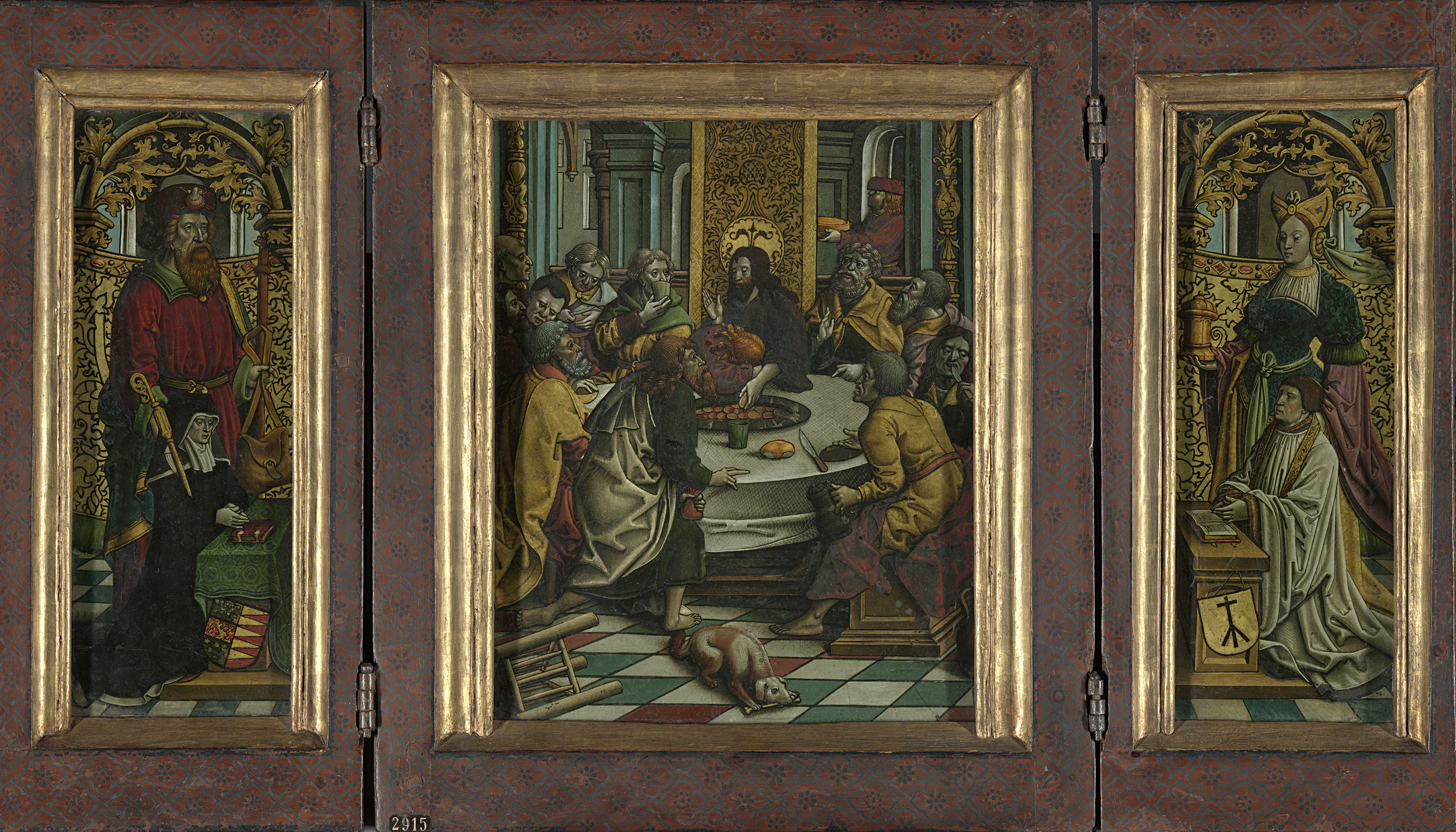
“The canvas doesn’t lie — it simply waits.” In the stillness of a forgotten dream, how do we reconcile our aspirations with the weight of our reality? Look to the upper section of the composition, where radiant light breaks through the clouds, illuminating the figure of Christ ascending towards a divine presence. The ethereal tones of gold and white contrast sharply with the somber earth tones of the figures below, inviting the viewer to experience the transcendence of the moment. Notice how the careful arrangement of figures draws the eye upward, creating a visual narrative that balances hope against gravity.
The scene encapsulates a profound emotional tension between the divine and human realms. The upward gaze of the apostles conveys longing and awe, their faces etched with a mixture of fear and reverence. This juxtaposition of earthly despair against heavenly promise underscores the complexities of faith and aspiration. The artist's meticulous attention to detail in the drapery and facial expressions further elevates the emotional gravity of the moment, revealing the inner turmoil of those left behind.
In 1520, during a burgeoning period of Reformation and artistic exploration in the Northern Renaissance, Jacob Cornelisz van Oostsanen painted this significant work in Amsterdam. At this time, the artist was deeply engaged in the shift towards humanism and the embrace of religious themes, influenced by the changing tides of art due to the impact of figures like Albrecht Dürer. The painting reflects a transitional moment, as both the artist and society grappled with the profound themes of faith and the hereafter.