Christus in het voorgeborchte — History & Analysis
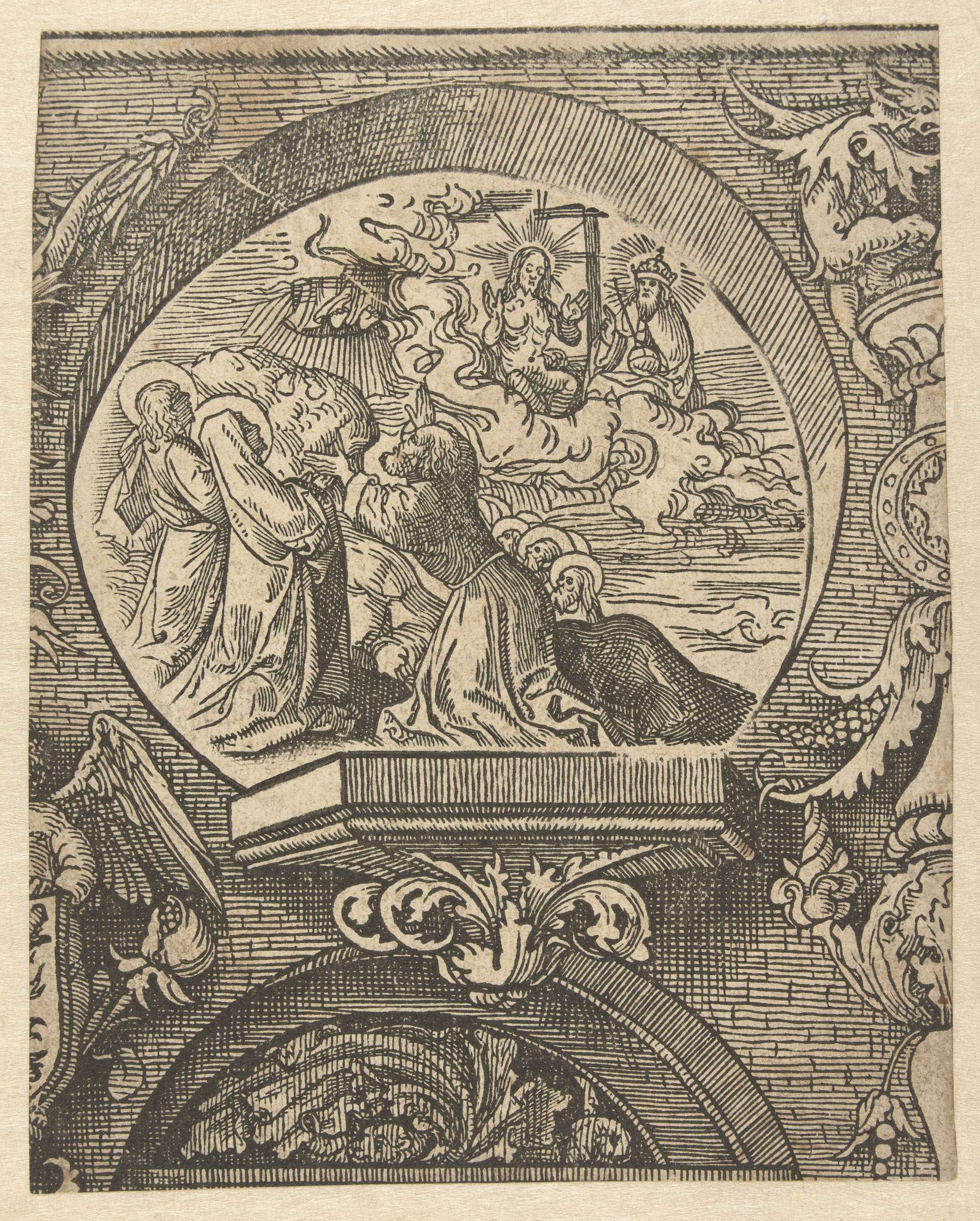
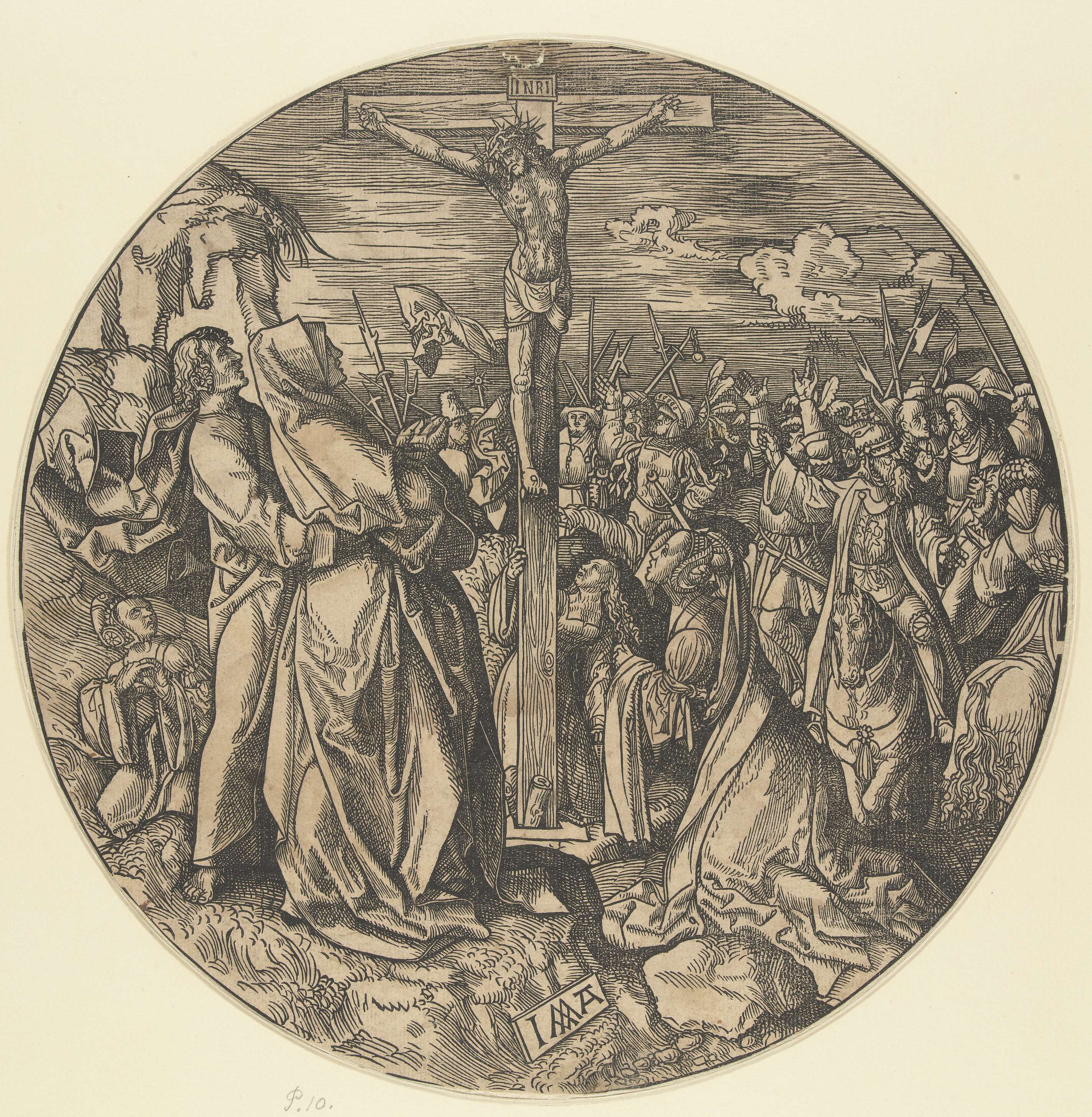
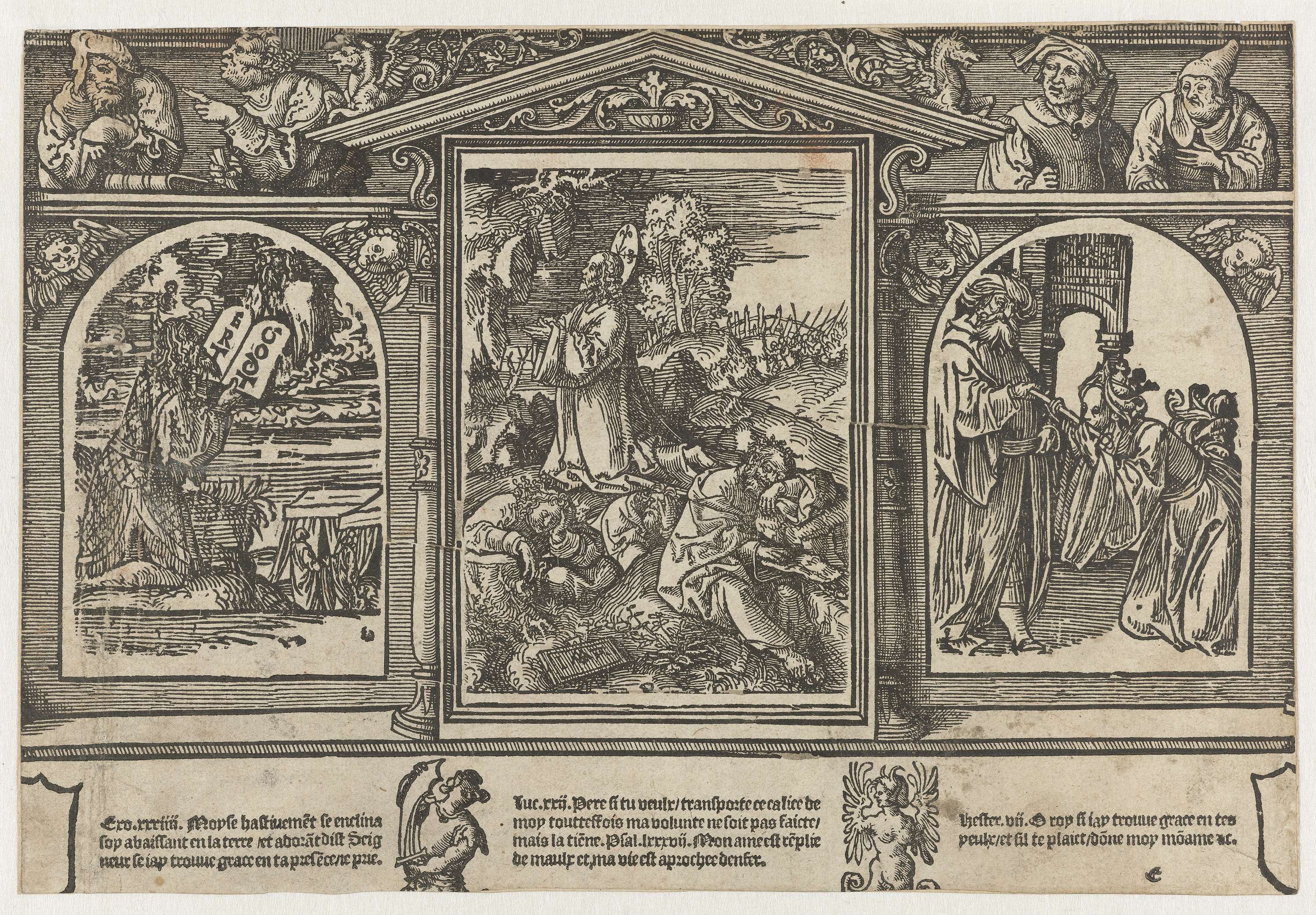
“Sometimes beauty is just pain, disguised in gold.” This notion resonates deeply within the frames of Christus in het voorgeborchte, a poignant exploration of faith and suffering that transcends time. The interplay of awe and sorrow weaves through the figures, inviting us to reflect not just on what is seen, but also on what lies beneath the surface of human experience. Look to the center, where Christ stands, embodying both grace and vulnerability as he hovers between realms. The ethereal light illuminating him contrasts starkly with the darkened background, drawing your gaze in an almost magnetic way. Pay attention to the delicate brushwork that defines the folds of his robe, capturing the tension between fabric and divine presence.
The rich gold accents throughout the artwork evoke both luxury and the heaviness of sacrifice, creating a visual harmony that is as unsettling as it is beautiful. Within this composition, the figures surrounding Christ tell their own stories of devotion and despair. Notice how their expressions oscillate between reverence and grief; this duality encapsulates the emotional stakes of spiritual devotion. The use of perspective emphasizes their proximity to the divine, while simultaneously highlighting the chasm created by suffering and loss.
Each detail, from the somber tones of their garments to the intricate patterns of their attire, reinforces the complex relationship between beauty and mortality. In the years 1520 to 1521, the artist painted this work in a period marked by significant shifts in the art world, as the Northern Renaissance flourished. Jacob Cornelisz van Oostsanen was navigating the changing tides of faith and artistic expression during the Reformation. His nuanced interpretation of biblical themes reflects the broader cultural conversations about piety, sacrifice, and the human condition, allowing viewers to engage with these timeless questions through his evocative lens.