The Adoration of the Christ Child — History & Analysis
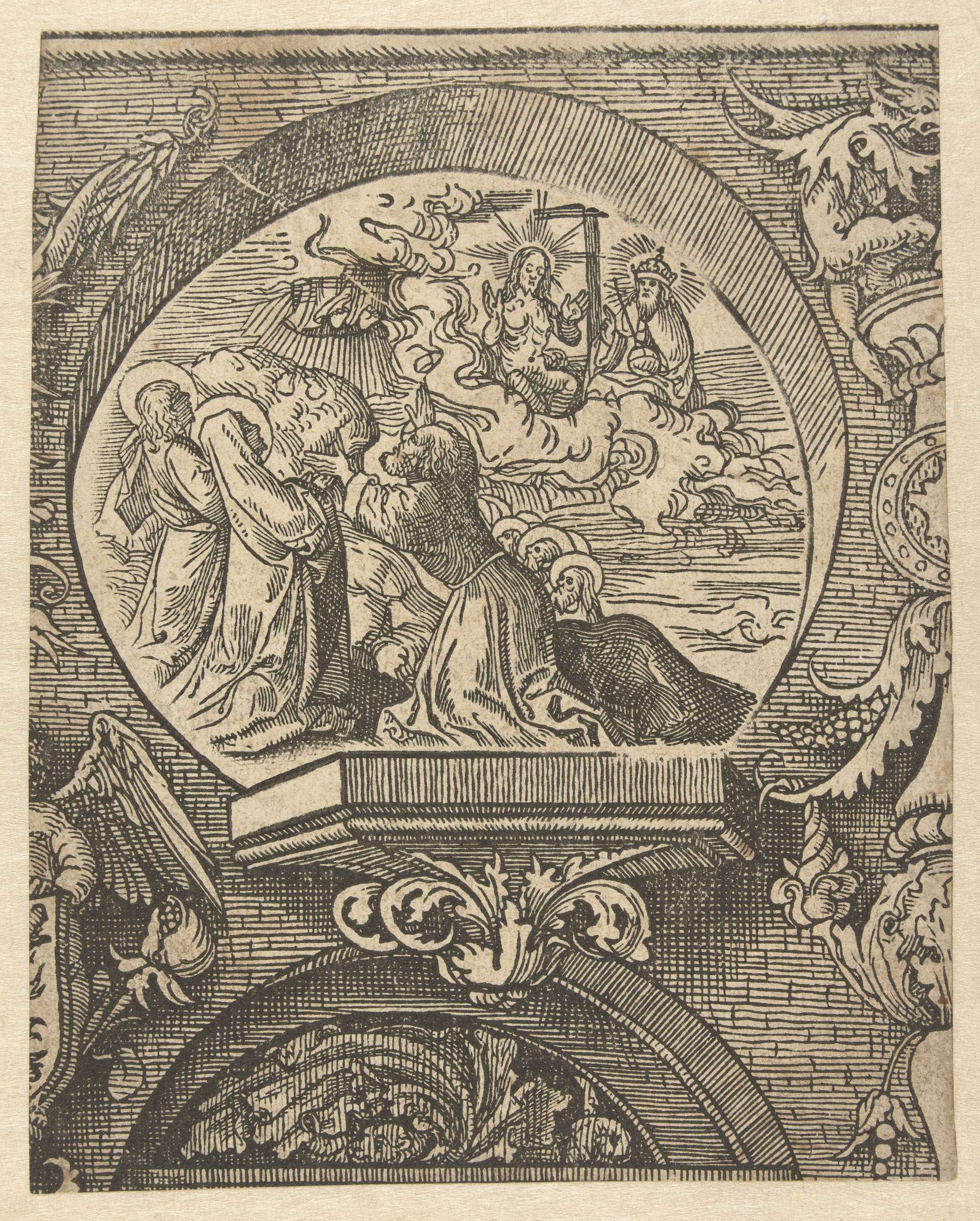
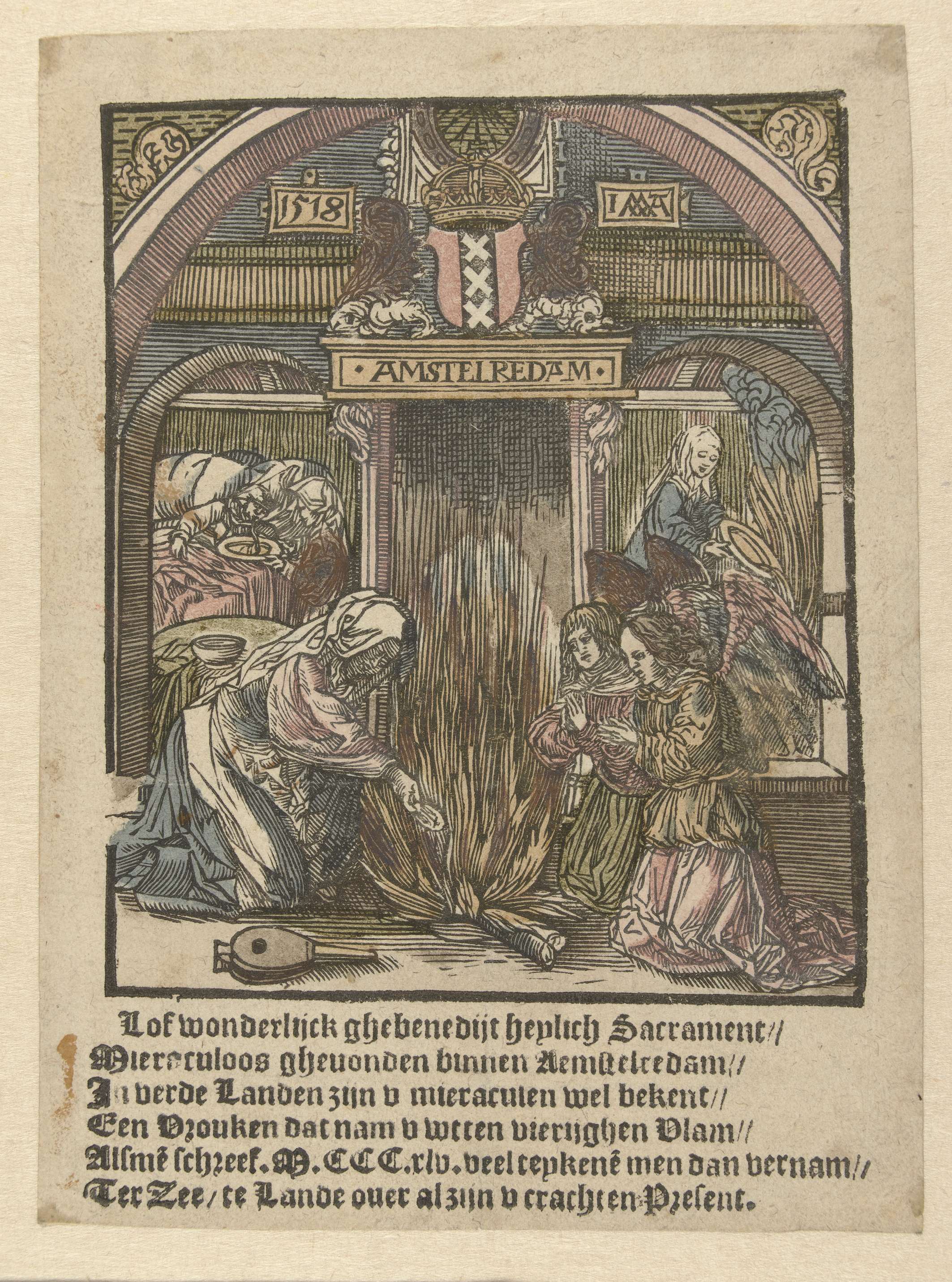
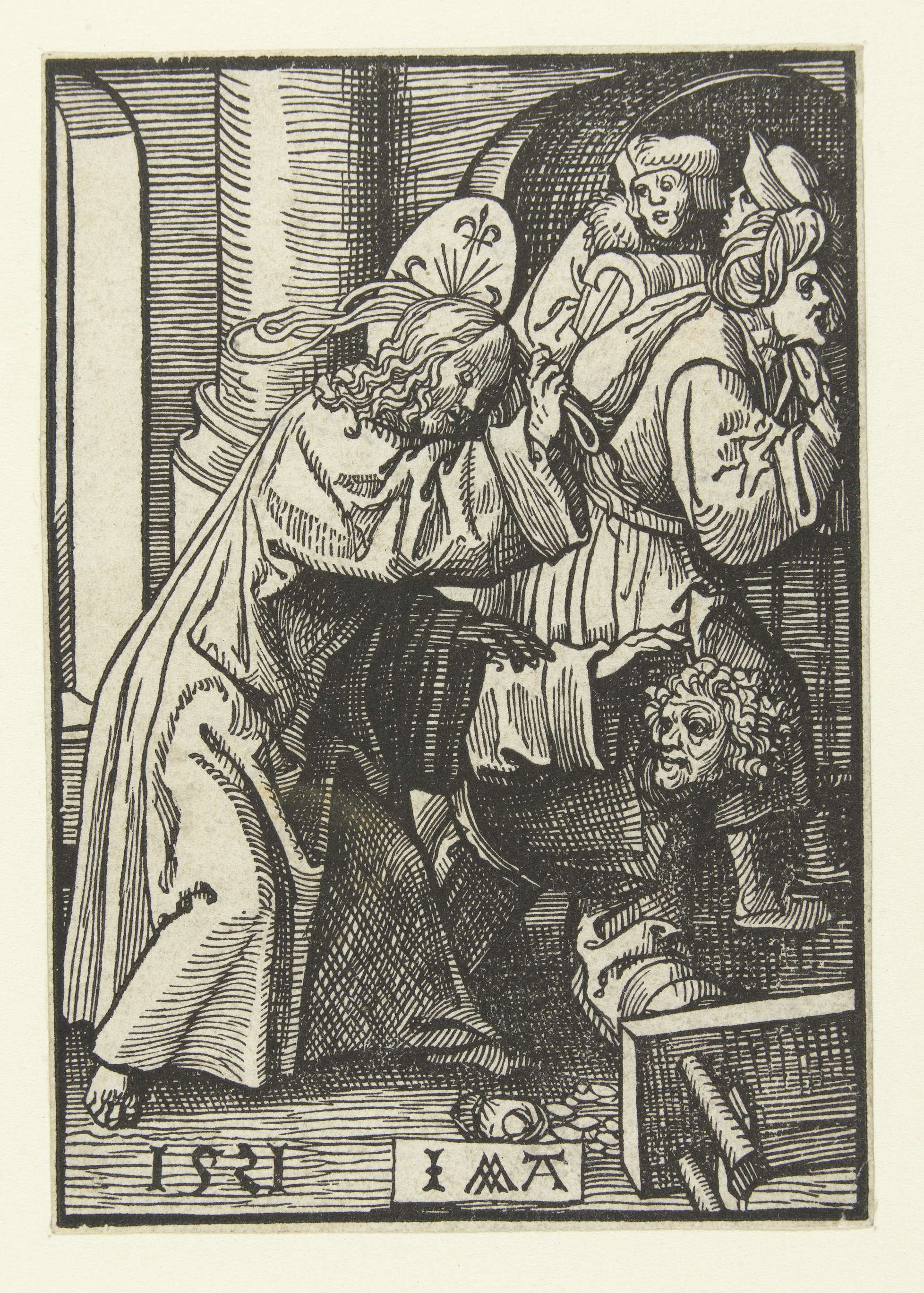
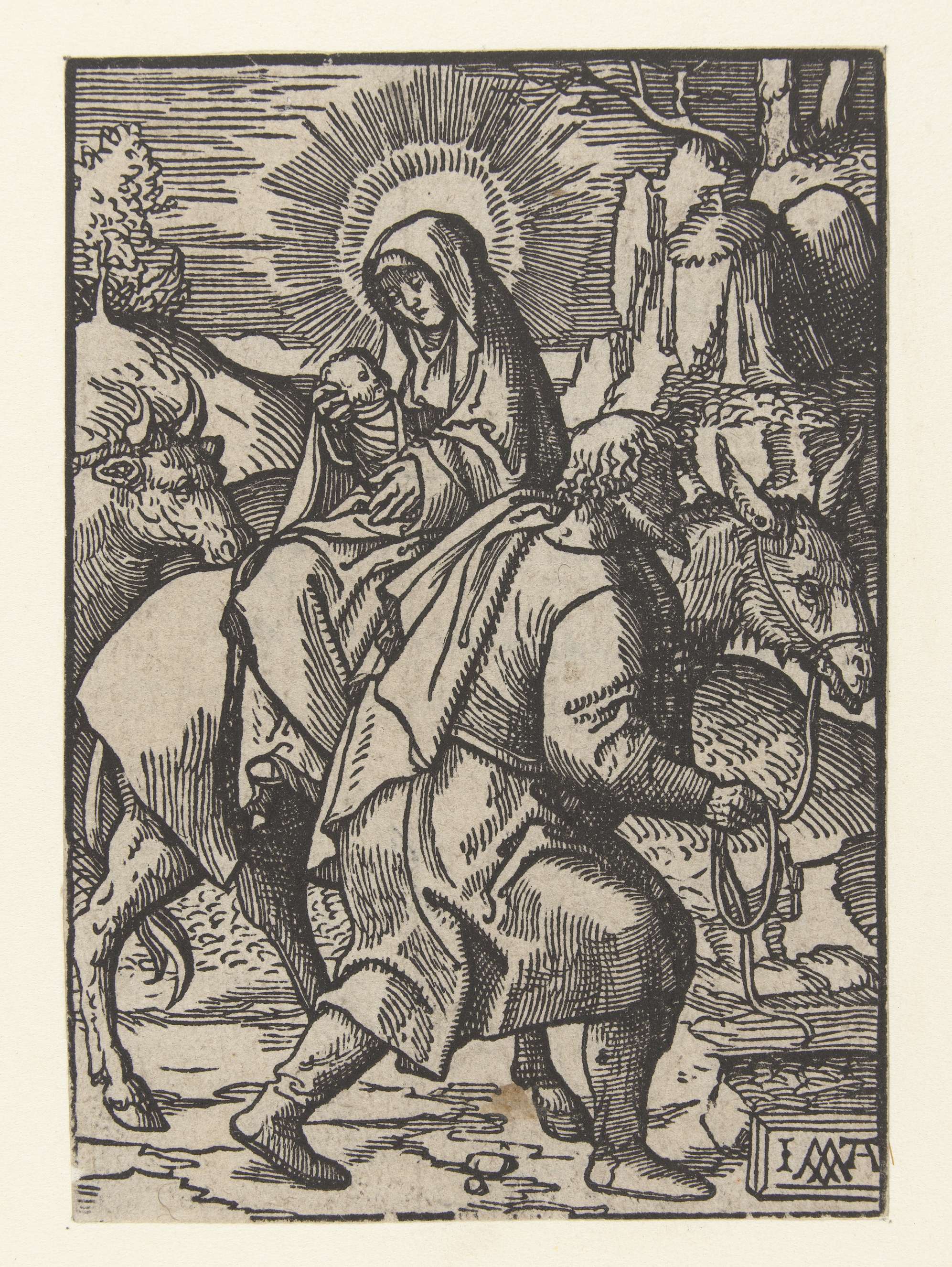
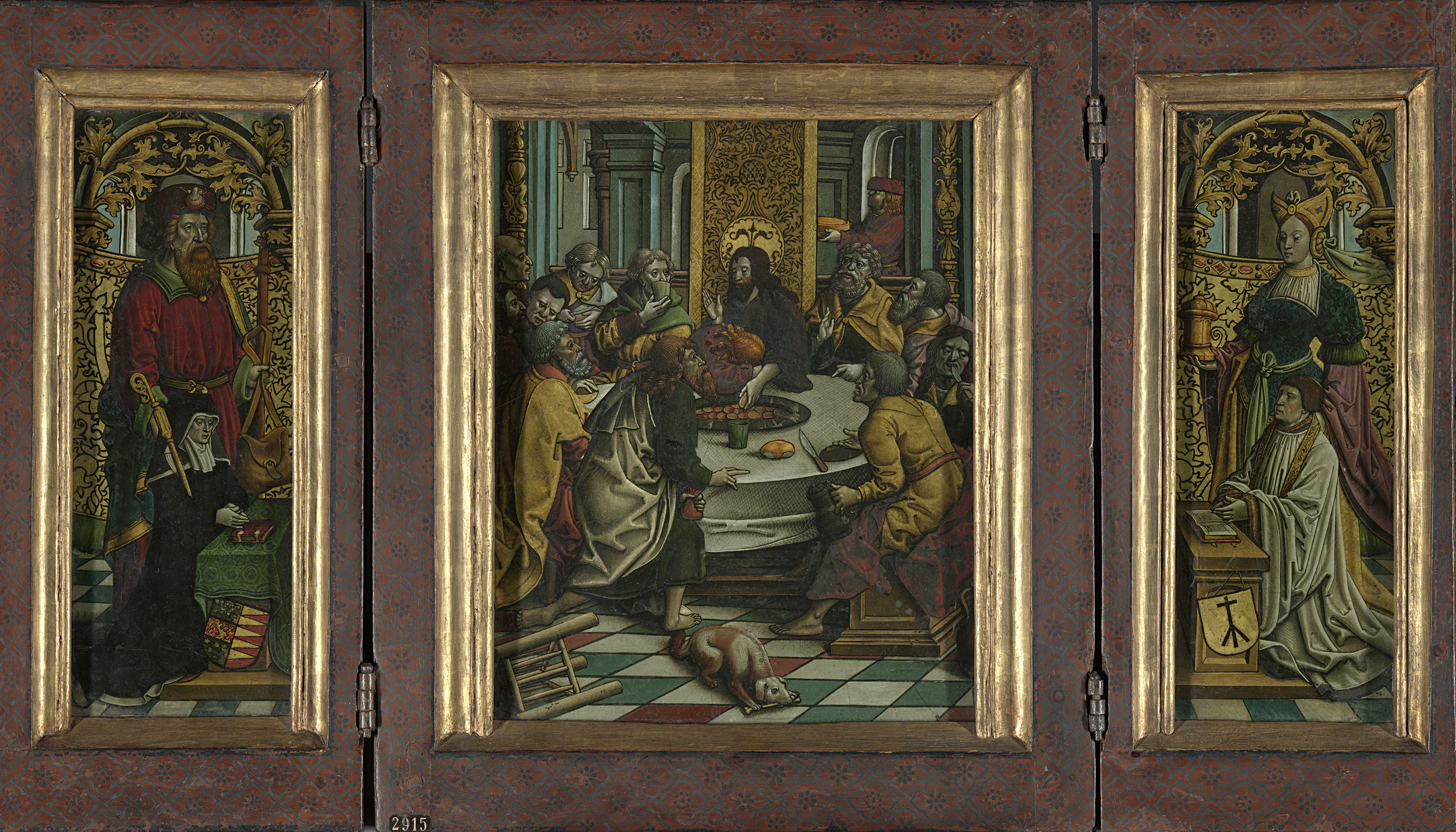
In a dimly lit stable, figures gather around the newborn Christ, their faces illuminated by a soft, ethereal light. The scene resonates with reverence as the air shimmers with devotion, each gesture slow and deliberate. A sense of hushed awe blankets the room, punctuated only by the gentle rustling of straw and the distant call of a shepherd. Shadows stretch and recede, creating a dance of light that heightens the emotional gravity of this sacred moment. Look to the center at the glowing figure of the Christ Child cradled in Mary’s arms.
The artist masterfully employs warm, golden tones that spill forth like the light of faith itself, contrasting with the deep, earthy hues surrounding the stable. Notice how the drapery of Mary’s robe flows elegantly, drawing the eye toward the infant with delicate grace. This composition, with its intimate arrangement of figures, creates a sense of unity that emphasizes the centrality of divine love. Reflect on the gestures of the surrounding figures—the wise men and humble shepherds alike—each finding their place in the sacred tableau. The juxtaposition of their expressions, from awe to adoration, reveals layers of humanity that resonate with the viewer's own experiences of hope and reverence.
The shadows cast by each figure suggest the burdens carried by these humble worshippers, hinting at the sacrifices they make to witness this miracle. In the early 16th century, Jacob Cornelisz van Oostsanen painted this work in the Netherlands, a time when Northern Renaissance artists were exploring new ways to depict religious themes with greater emotional depth. Amid a burgeoning art scene influenced by humanism, he sought to convey both the warmth of familial love and the divine light that Christ brings into the world. This piece captures a pivotal moment in the evolution of sacred art, where intimacy and spirituality intertwine.