Het hostiewonder van Amsterdam — History & Analysis
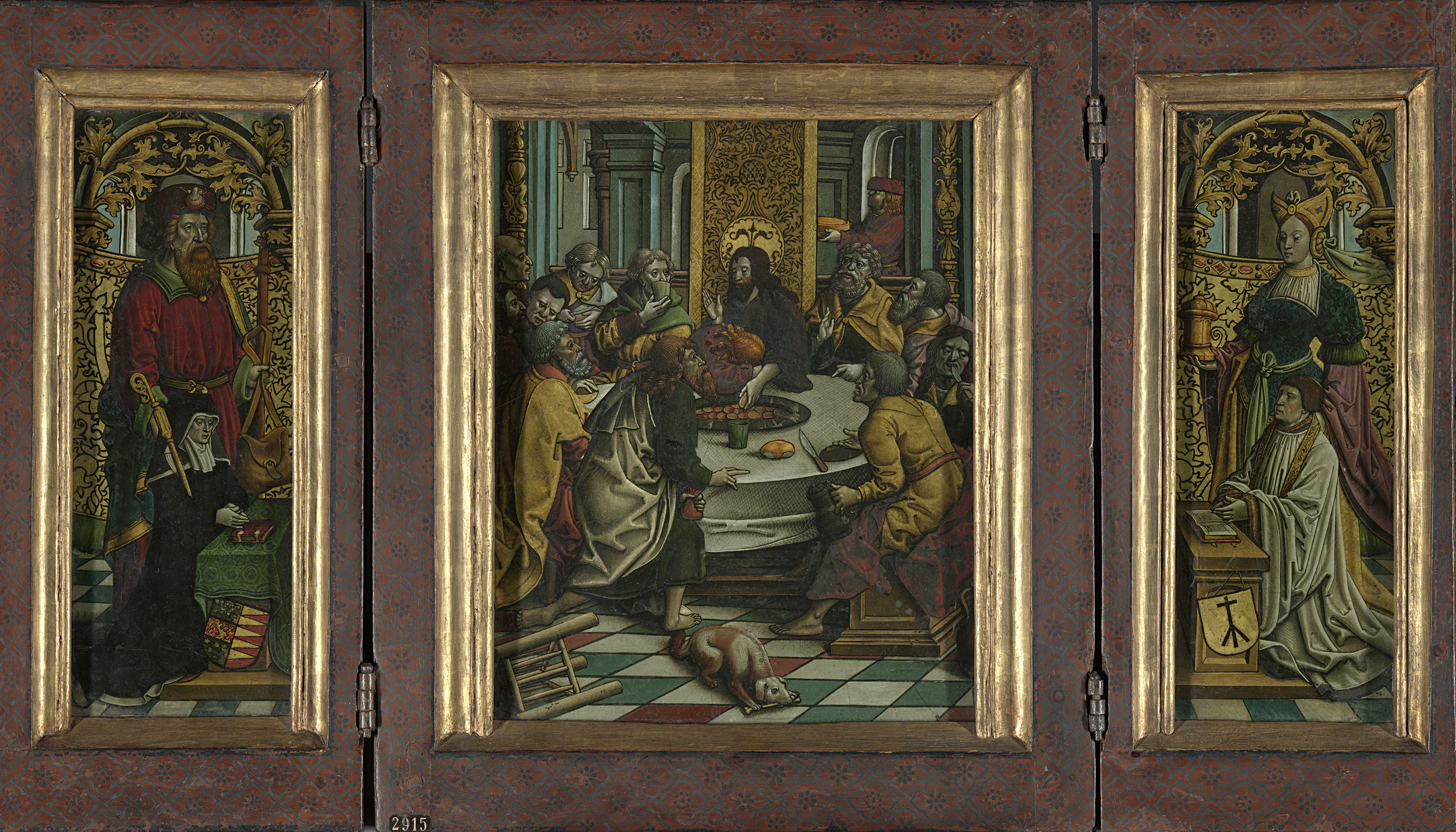
Can paint confess what words never could? In the quiet echo of history, innocence intertwines with faith, leaving behind an indelible mark on the canvas of time. Focus on the central figure, a priest in solemn garments, his hands gently cradling the host. The soft light illuminates the scene, casting delicate shadows that dance across the figures surrounding him, revealing a spectrum of emotions etched on their faces. To the left, a woman clutches her child, eyes wide with reverence and wonder, while behind them, a man grapples with disbelief, torn between faith and doubt.
The vibrant colors of the garments contrast with the muted background, drawing the viewer's gaze to the sacred moment unfolding before them. Look closely at the subtle expressions on the faces — each one tells a story. The juxtaposition of awe and skepticism embodies a broader theme of spiritual struggle, inviting reflection on the nature of belief itself. The soft strokes and meticulous details create a sense of intimacy, as if the viewer has been granted access to a private revelation.
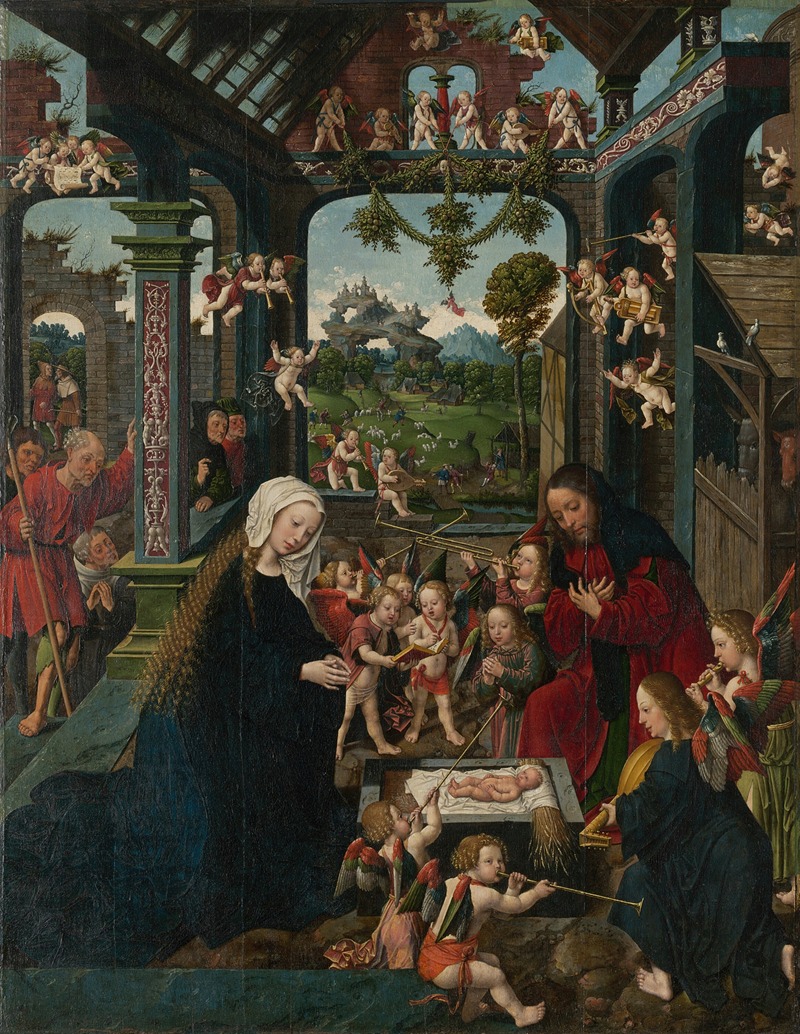
It is in these nuances that the painting speaks to the fragility of faith and the purity of childhood wonder. In 1518, during the early Renaissance in the Netherlands, Het hostiewonder van Amsterdam emerged from the hands of Jacob Cornelisz van Oostsanen, a pivotal period marked by religious transformation and artistic experimentation. The artist, already known for his intricate depictions of sacred themes, sought to capture the complexities of belief in a rapidly changing world. As the Protestant Reformation began to stir, this work reflected not only the spiritual fervor of the time but also a profound exploration of the human soul’s quest for innocence amid uncertainty.