Uitstorting van de Heilige Geest — History & Analysis
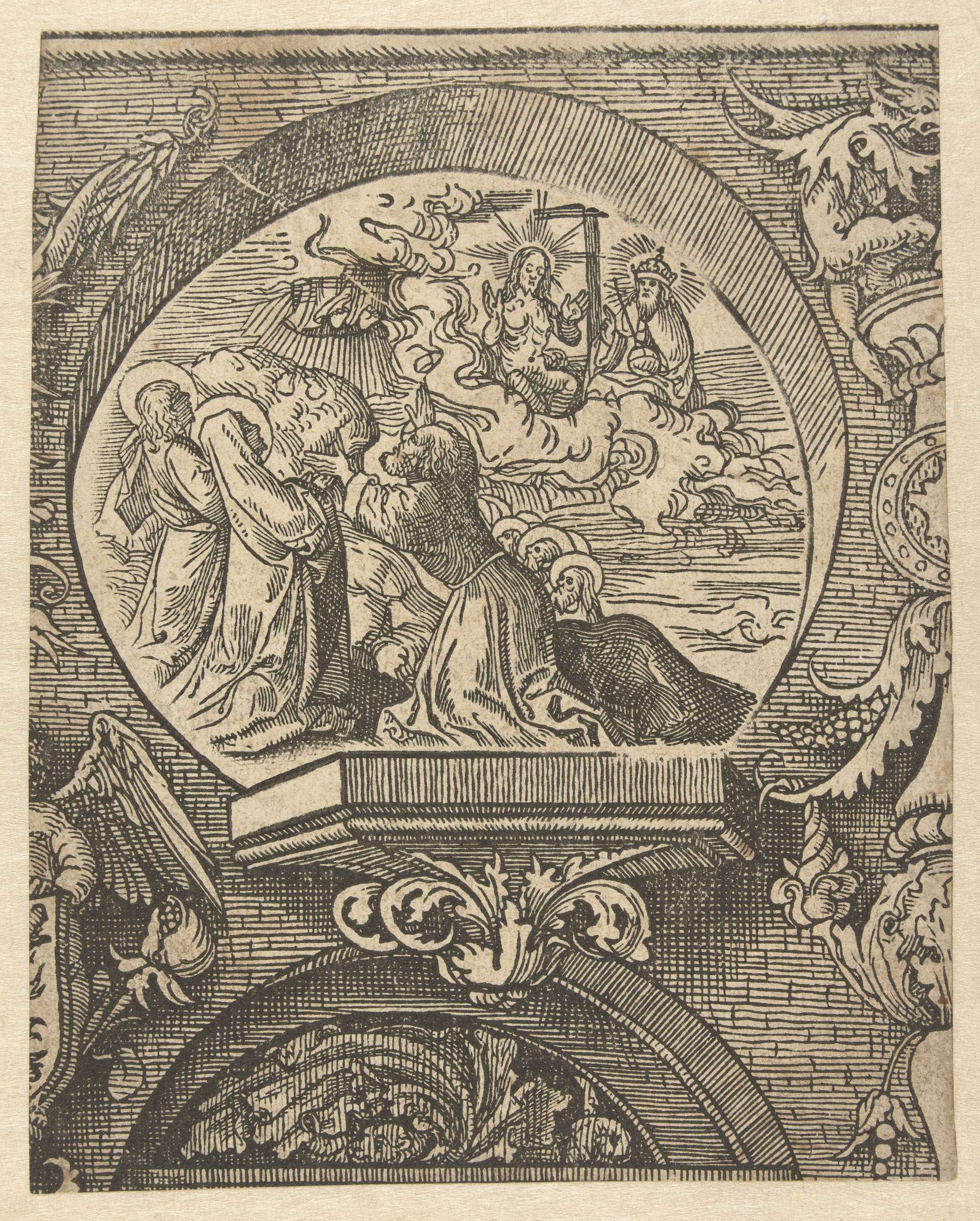
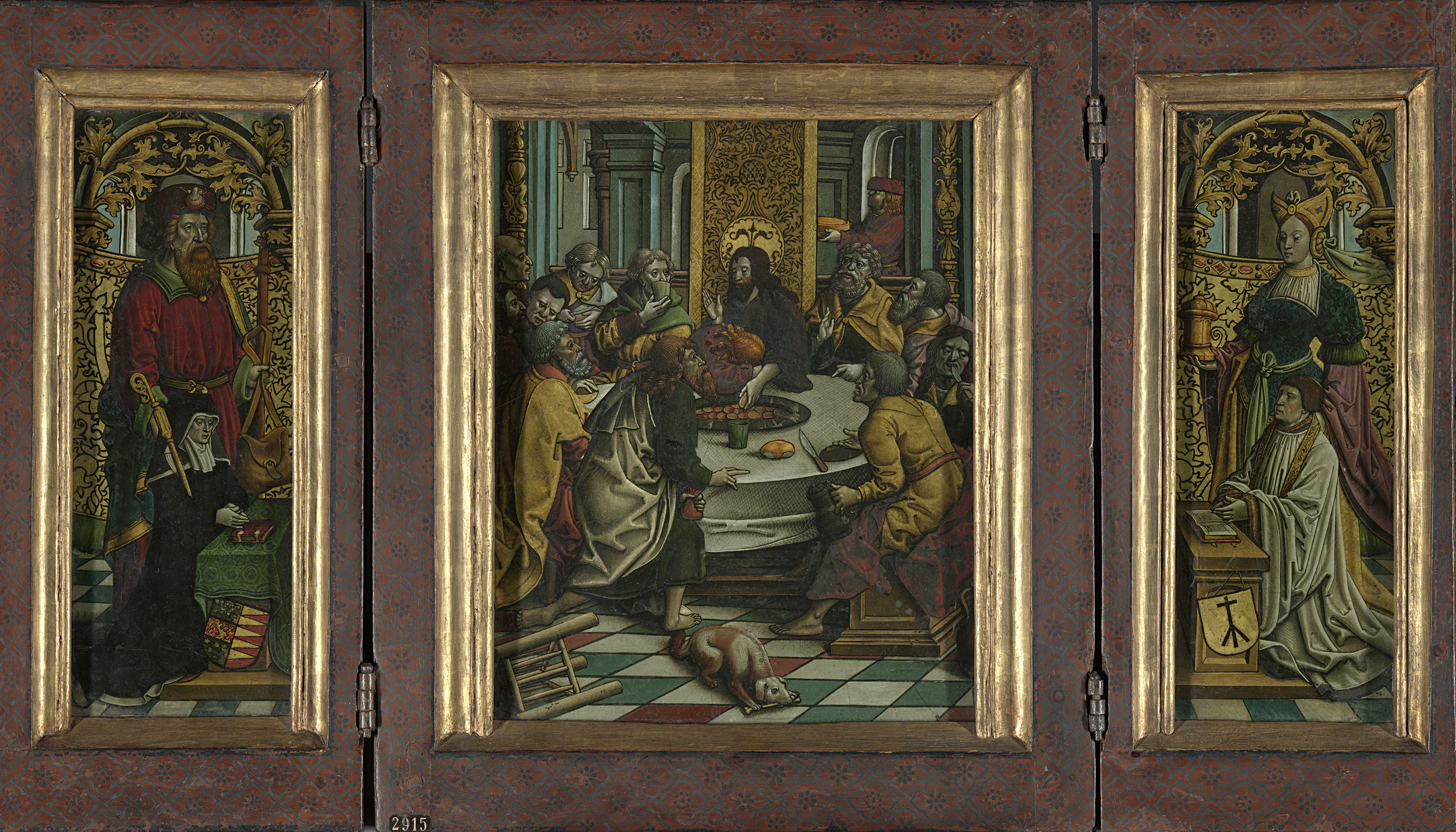
What if beauty was never meant to be finished? In Uitstorting van de Heilige Geest, a haunting melancholy permeates the air, whispering secrets of faith and humanity’s fragility. Look to the center, where figures in solemn attire surround a radiant dove descending from the heavens. The warm glow of gold and soft pastels envelops the scene, creating a contrast between the divine light and the shadowed expressions of the onlookers. Notice how the delicate brushwork captures the intricate folds of their garments, each crease a testament to their devotion and uncertainty.
The composition draws the eye to the focal point—the dove—symbolizing the Holy Spirit, as it pierces through the gloom with its celestial presence. There lies an emotional tension within the juxtaposition of the divine and the human. Each figure’s gaze is transfixed, yet the subtle shift in their postures hints at an underlying anxiety, as if they sense the weight of the moment. The interplay of light and shadow evokes a bittersweet longing, reminding us that beauty is often tinged with sorrow.
The dove’s arrival heralds hope, yet the muted expressions suggest a gnawing awareness of the trials that lie ahead. In 1507, while residing in Haarlem, the artist painted this work during a time of burgeoning humanism and religious upheaval in Europe. The Renaissance was reshaping artistic expression, allowing for more profound emotional depth in religious imagery. Amidst this evolving landscape, he crafted a piece that not only illustrated a pivotal moment in Christian doctrine but also resonated with the complex human experience of faith and doubt.