Château Noir and Mont Sainte-Victoire, c. 1890-1895 — History & Analysis
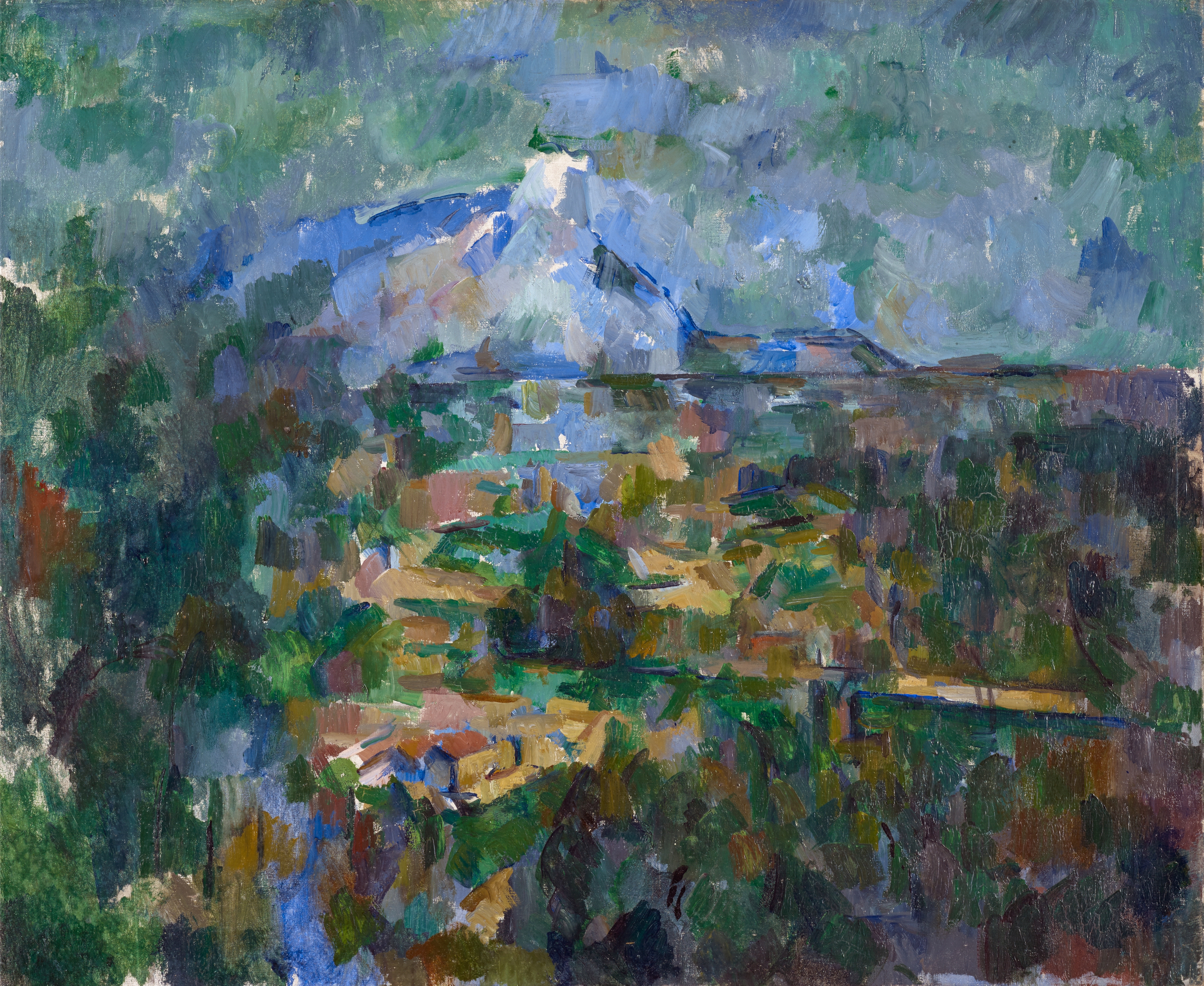
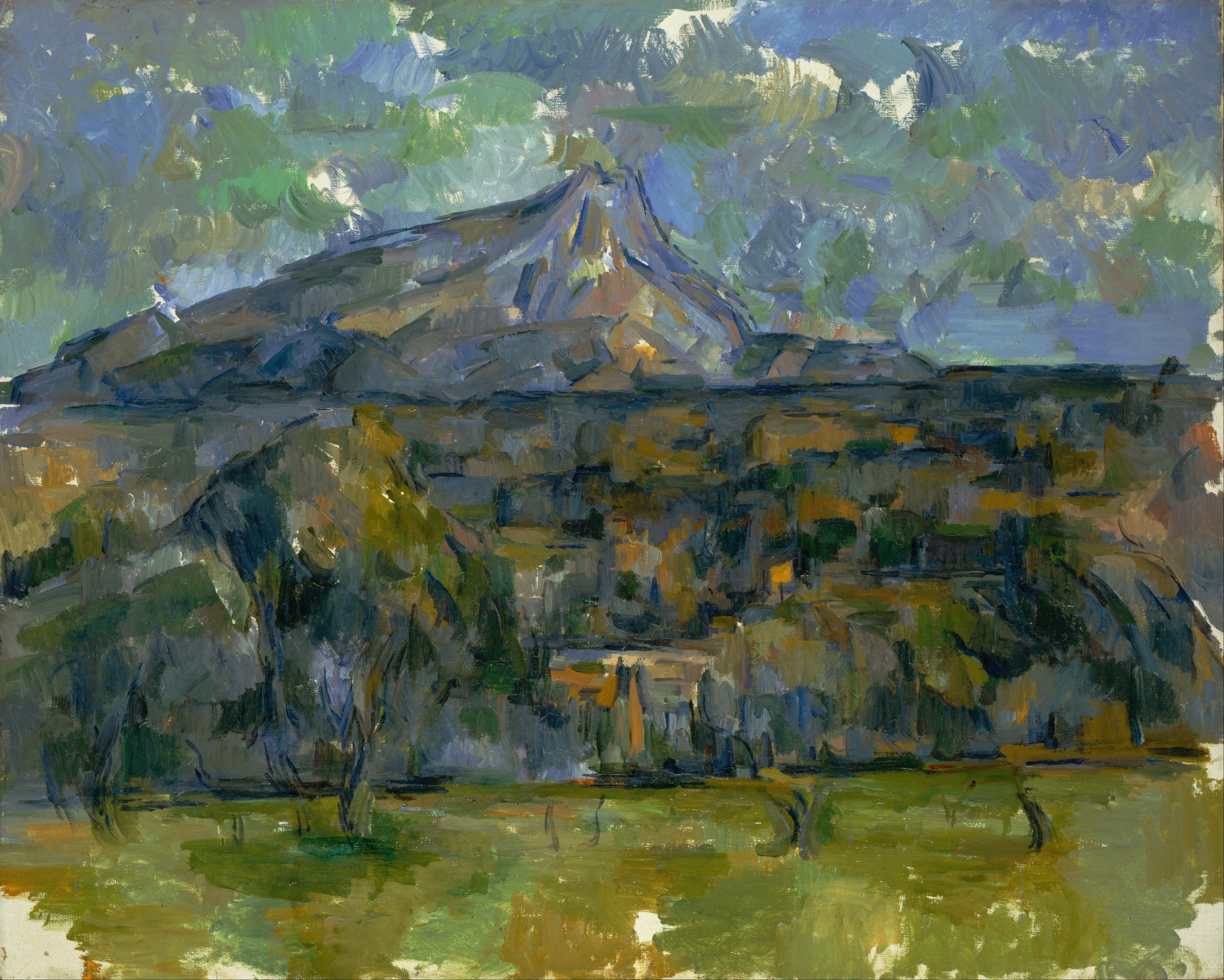
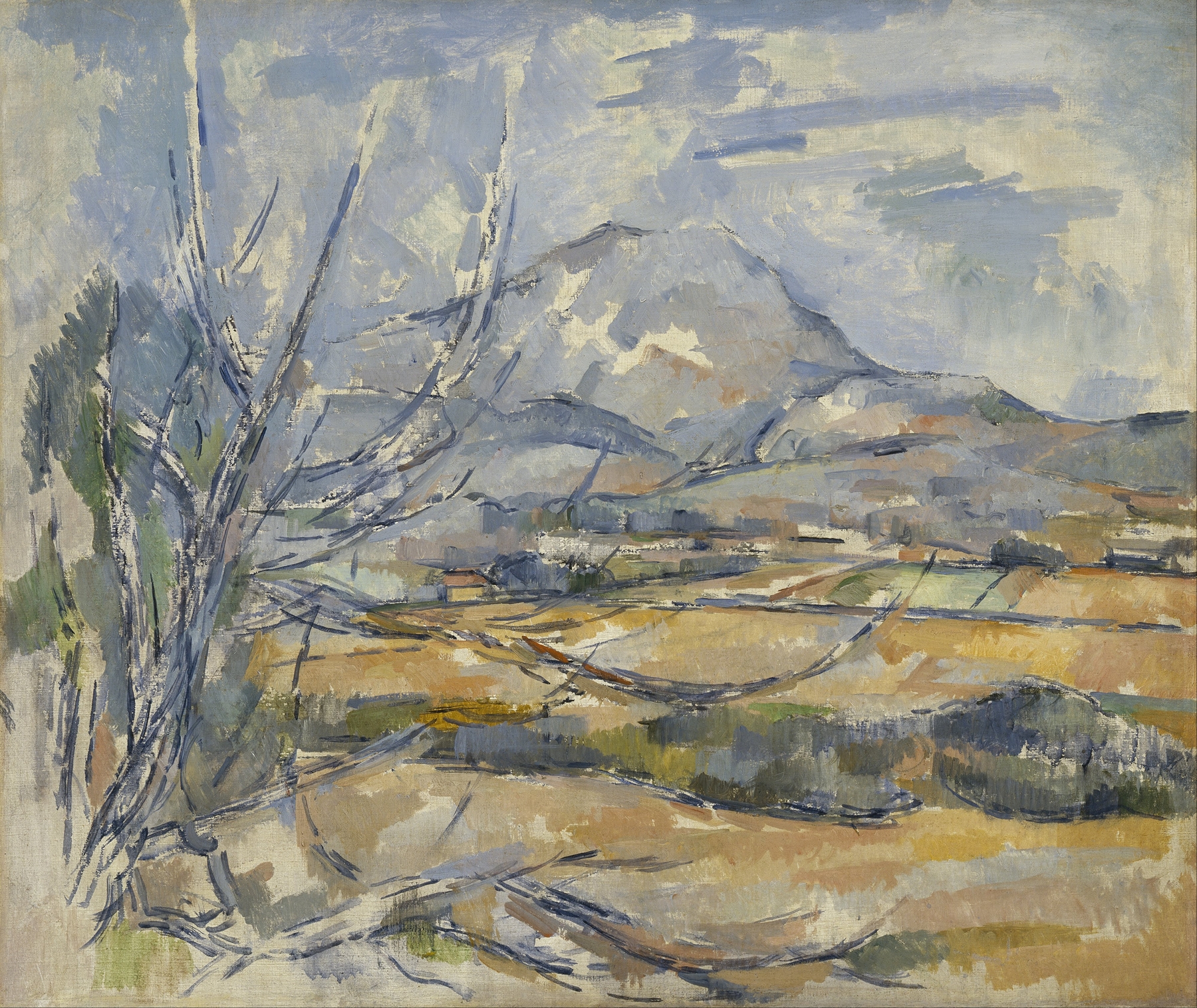
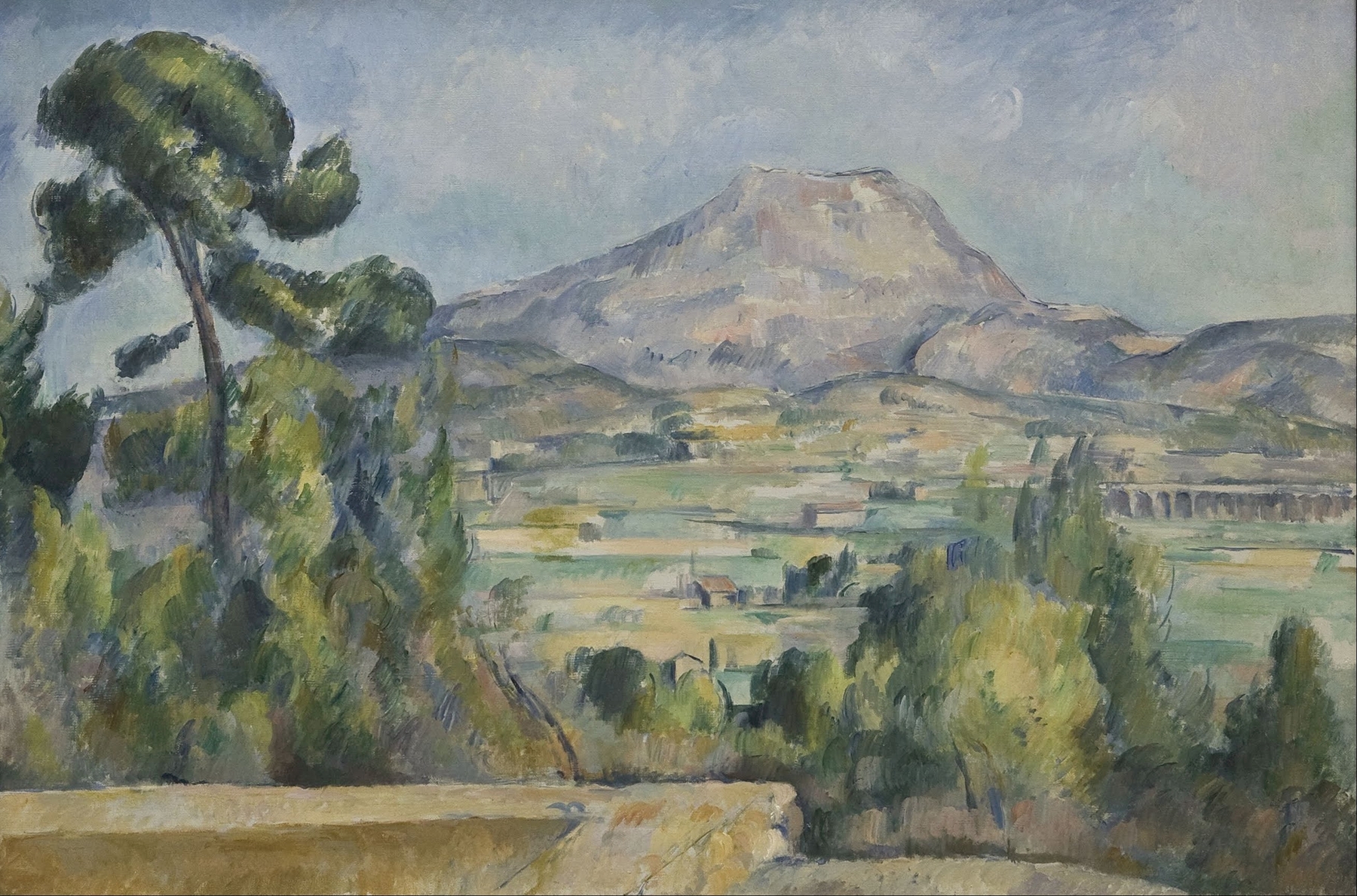
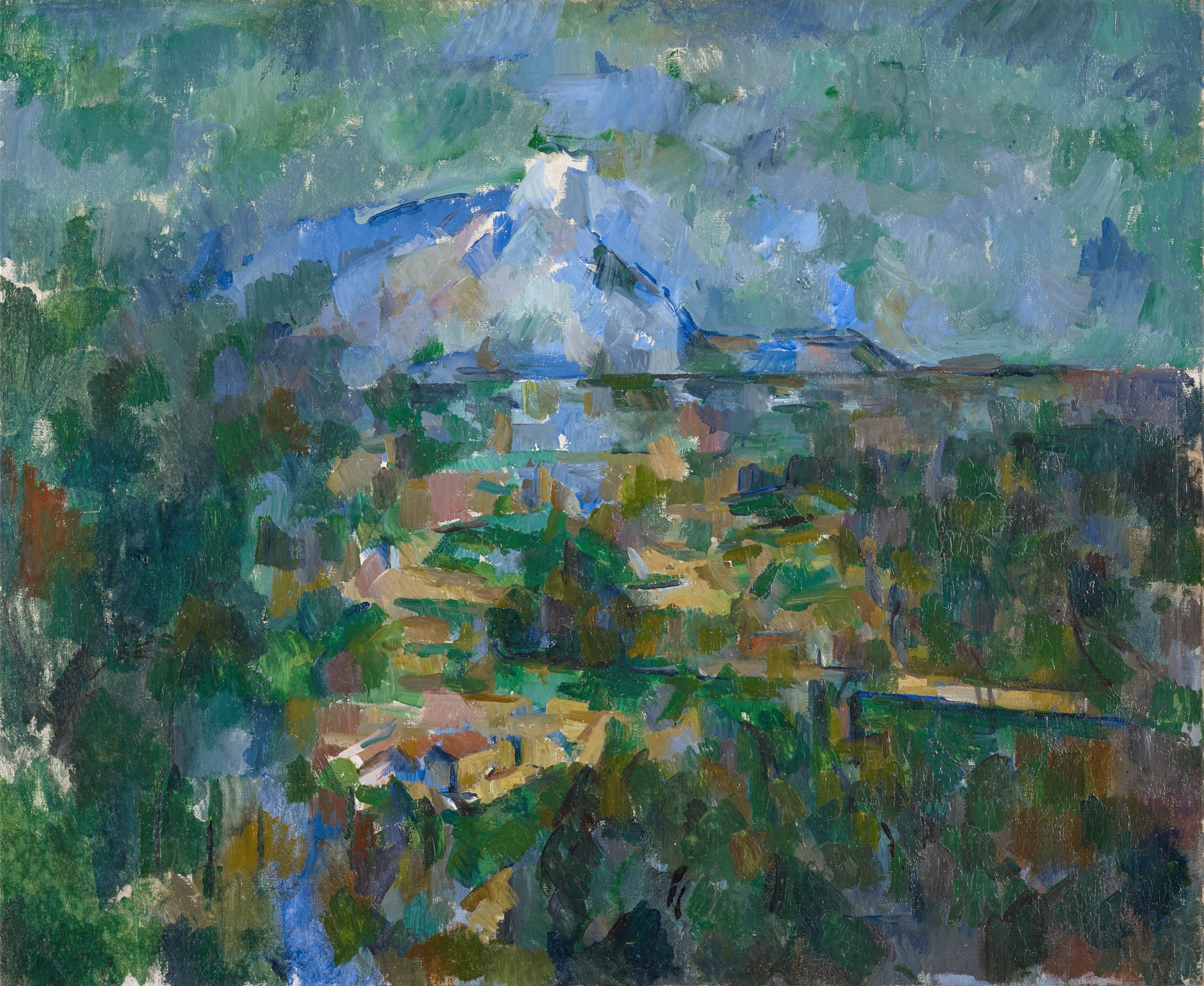
Could beauty survive in a century of chaos? Paul Cézanne's work invites viewers to ponder the fragility of innocence amidst the tumult of existence. Look to the left at the lush, verdant hills that cradle Château Noir, their rich greens vibrantly contrasting against the soft blues of a cloud-speckled sky. Notice how the brushstrokes create a palpable texture, giving life to the landscape while invoking the sense of depth that draws the eye toward the distant, looming Mont Sainte-Victoire.
The interplay of light and shadow dances across the canvas, evoking a serene yet dynamic feeling, guiding the viewer’s gaze through this layered terrain. Hidden within this tranquil scene lies an emotional tension between the solidity of the chateau and the ethereal quality of the mountains. The deliberate, structured forms of the architecture juxtapose the fluidity of nature, reflecting the overarching struggle between human creation and the wildness of the world. The palette, both muted and vibrant, encapsulates a moment of clarity and innocence, reminding us that even in the face of chaos, beauty can emerge.
During the years between 1890 and 1895, Cézanne was experimenting with form and color in Aix-en-Provence, a time marked by his quest to unify the real and the ideal in art. This period reflected his growing discontent with traditional methods, as art was on the cusp of modernism. The tension in the art world paralleled the rapid changes happening around him, yet here, he captures a moment of gentle innocence that lingers, untouched by the encroaching chaos of the century.