Church Building in Brazil — History & Analysis
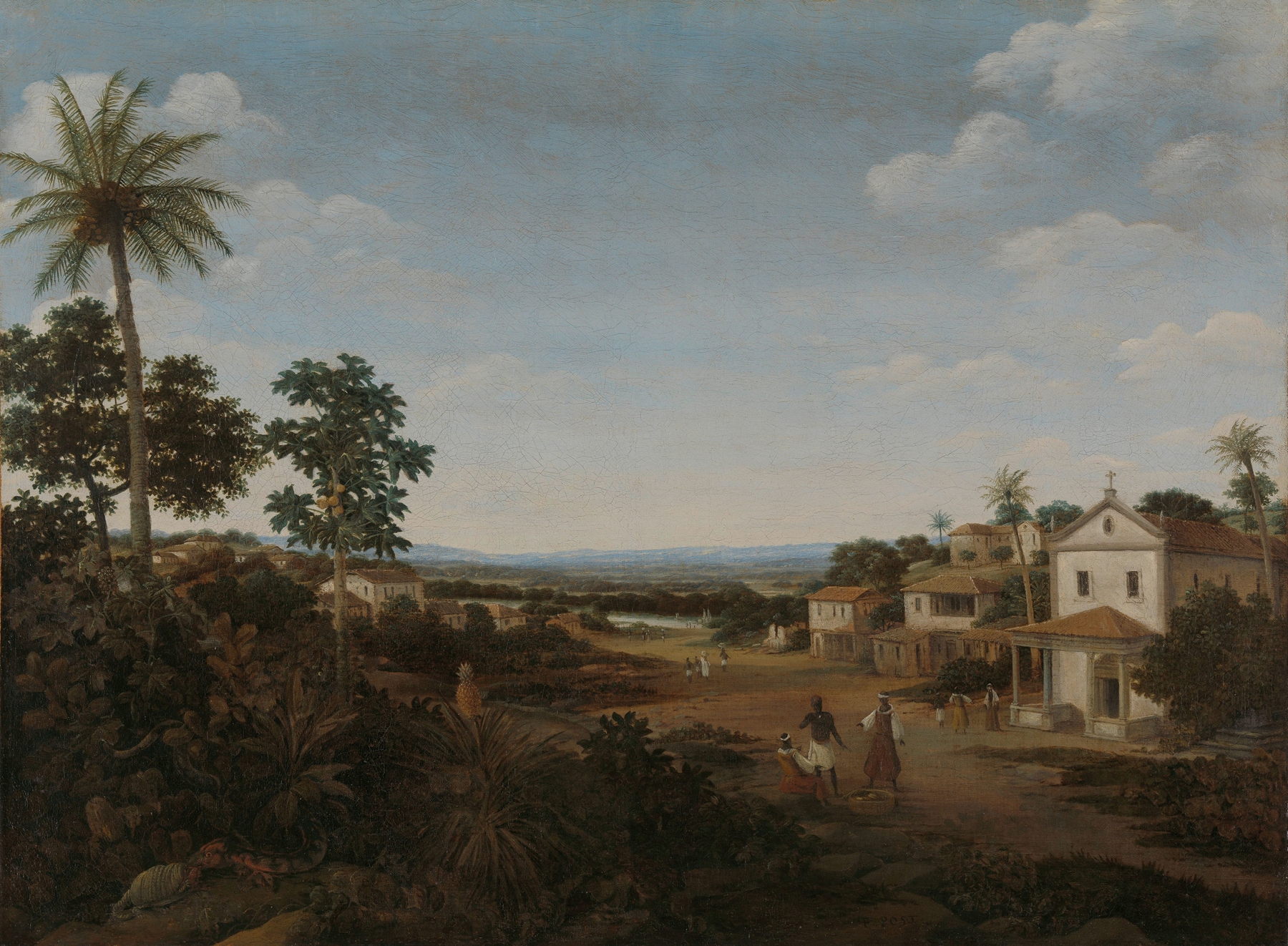
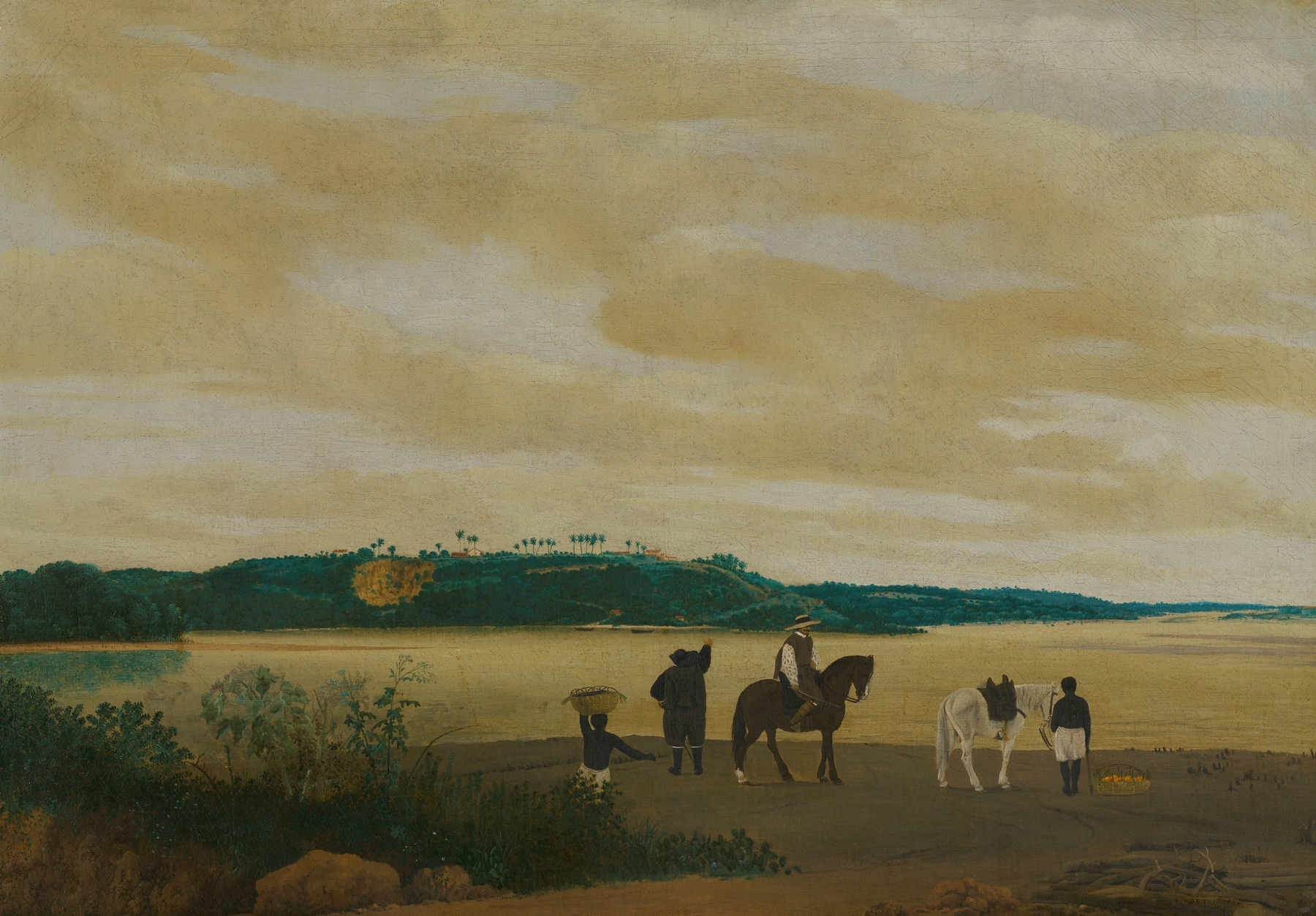
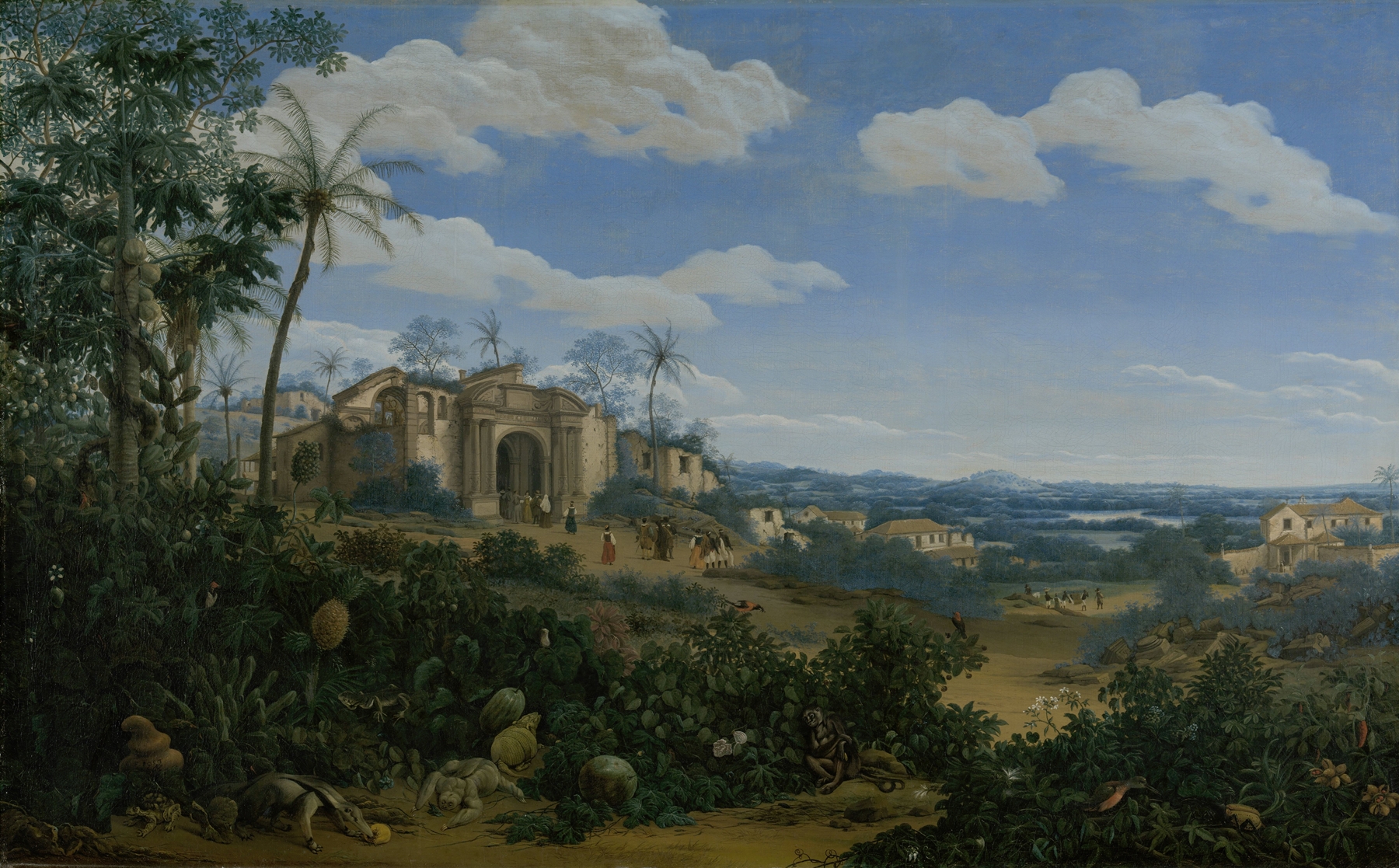
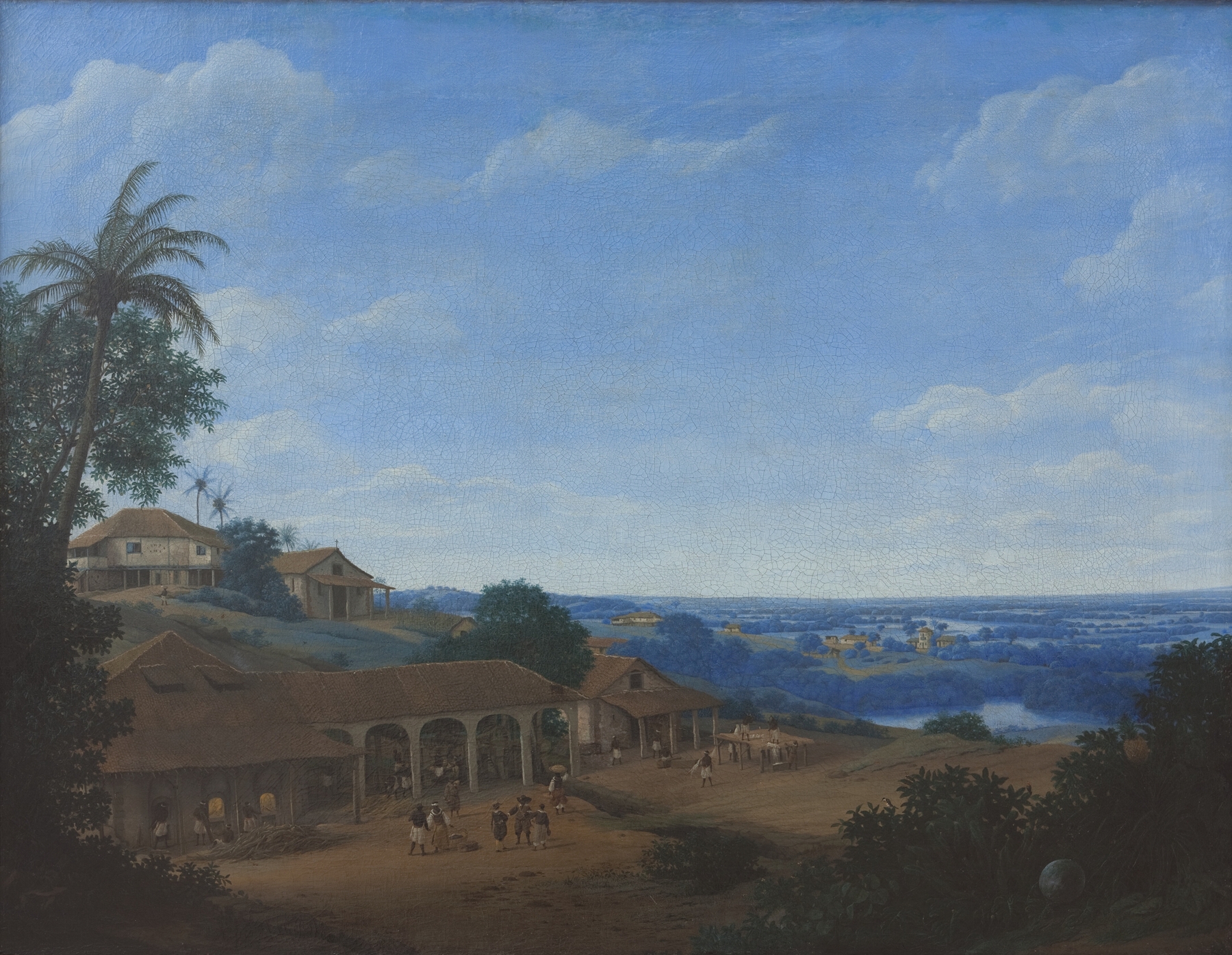
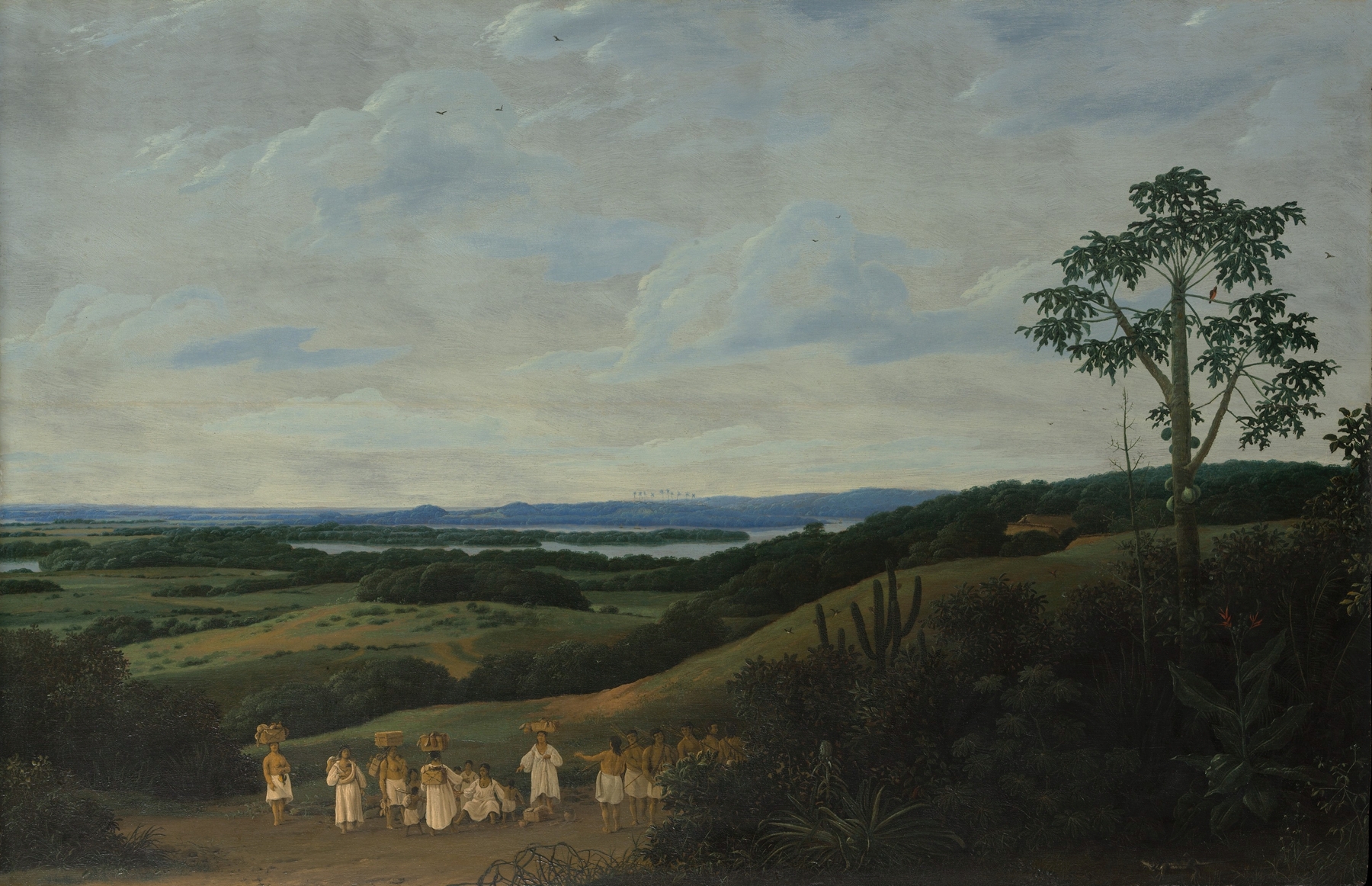
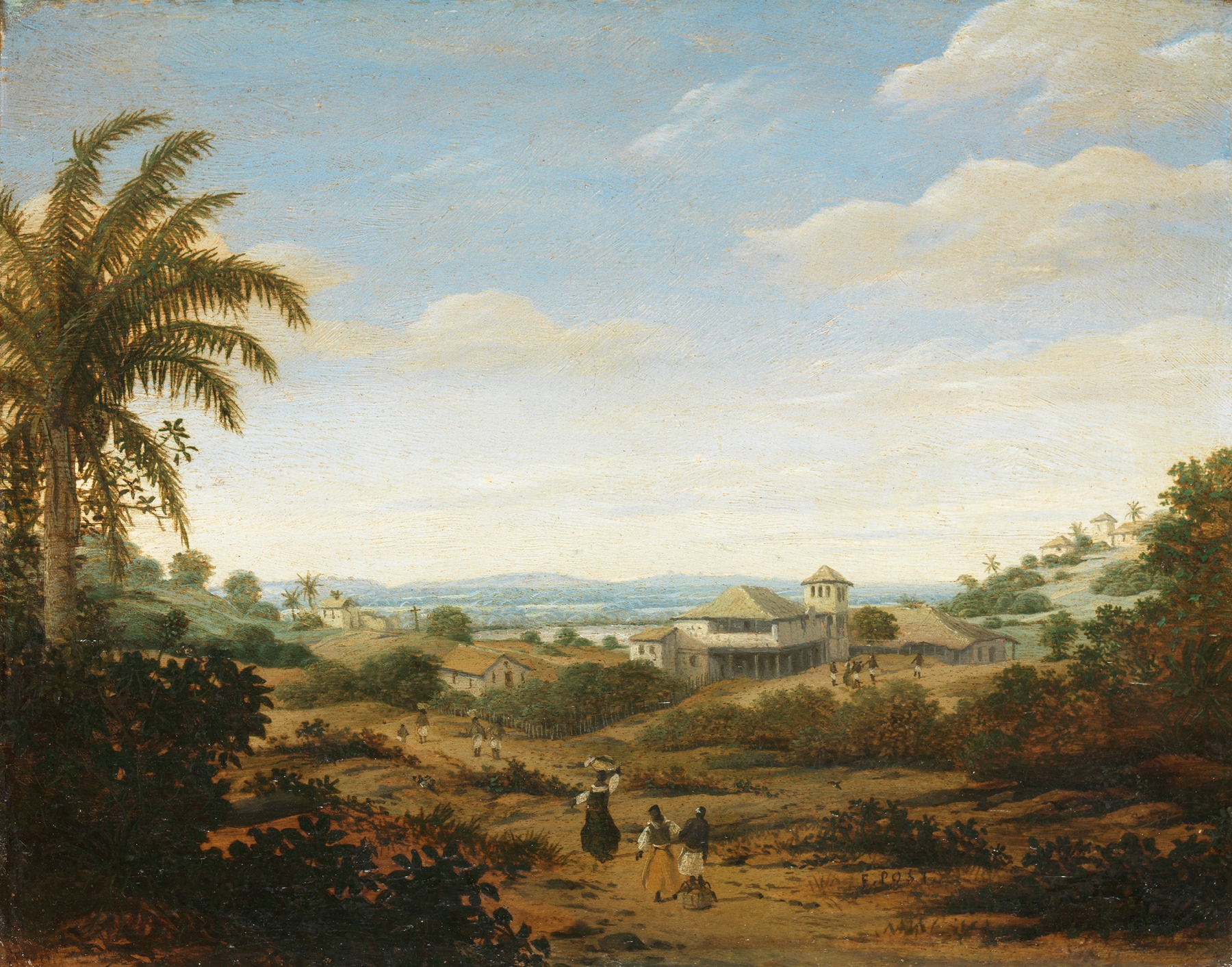
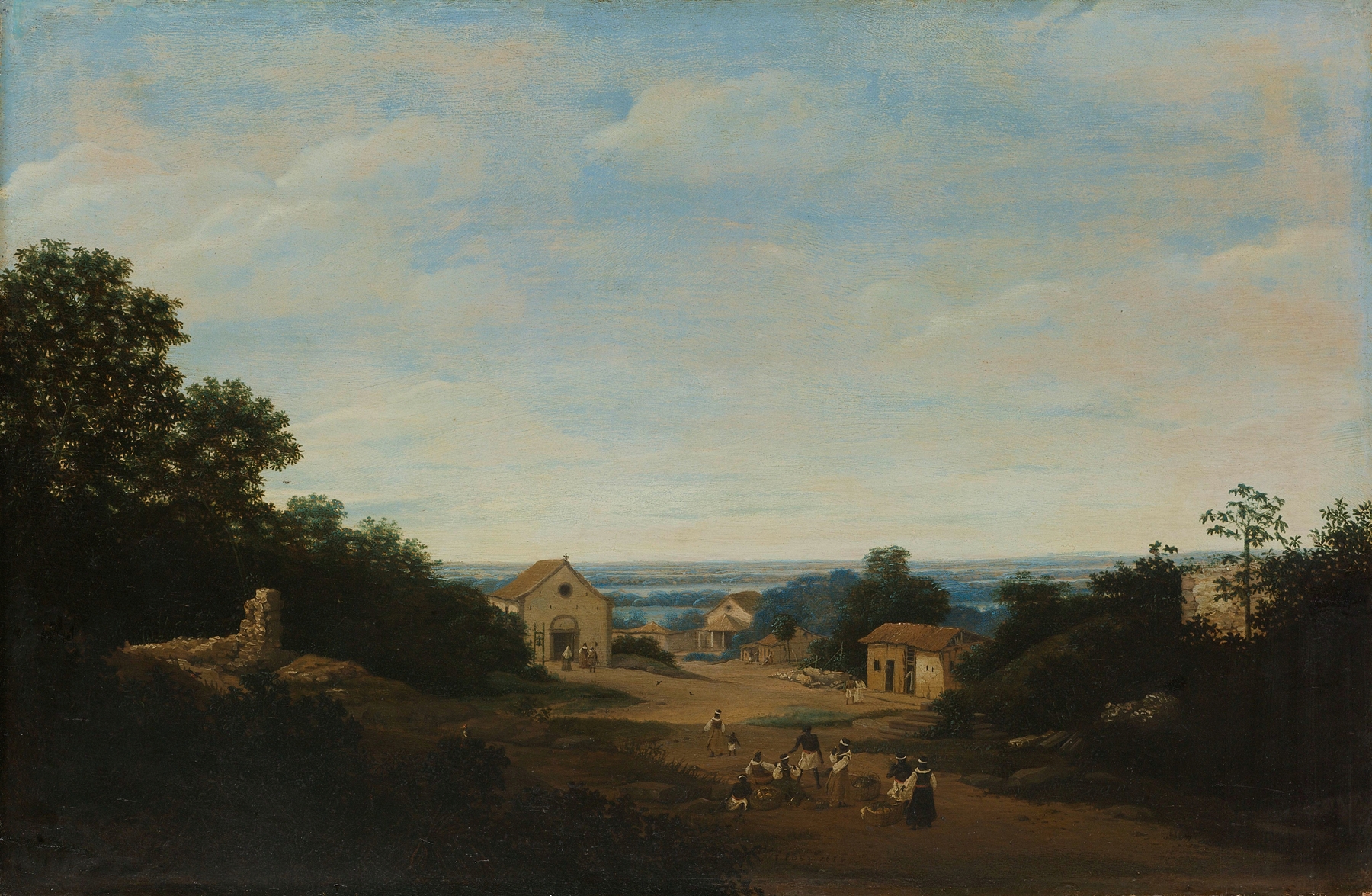
“To paint is to remember what time wants us to forget.” In a landscape where faith and progress intertwine, the act of creation serves as a bridge between the past and the present. Each stroke reverberates with the echoes of devotion and the enduring human spirit. Focus on the central structure, where the church stands resolute against the backdrop of a lush Brazilian terrain. The artist captures the building’s solid form, harmonizing it with delicate brushwork that depicts the surrounding foliage. The earthy tones of the church contrast beautifully with the vibrant greens and blues of nature, suggesting a dialogue between the sacred and the wild.
Light filters through the trees, casting dappled shadows that draw the viewer's gaze, guiding them into the heart of the painting. Hidden within this tranquil setting are layers of meaning. The church, a symbol of faith, rises amid the untamed landscape, representing the colonization of spiritual beliefs over the untamed wilderness. The careful rendering of the region’s flora hints at both the beauty and the challenges of establishing a foothold in a foreign land.
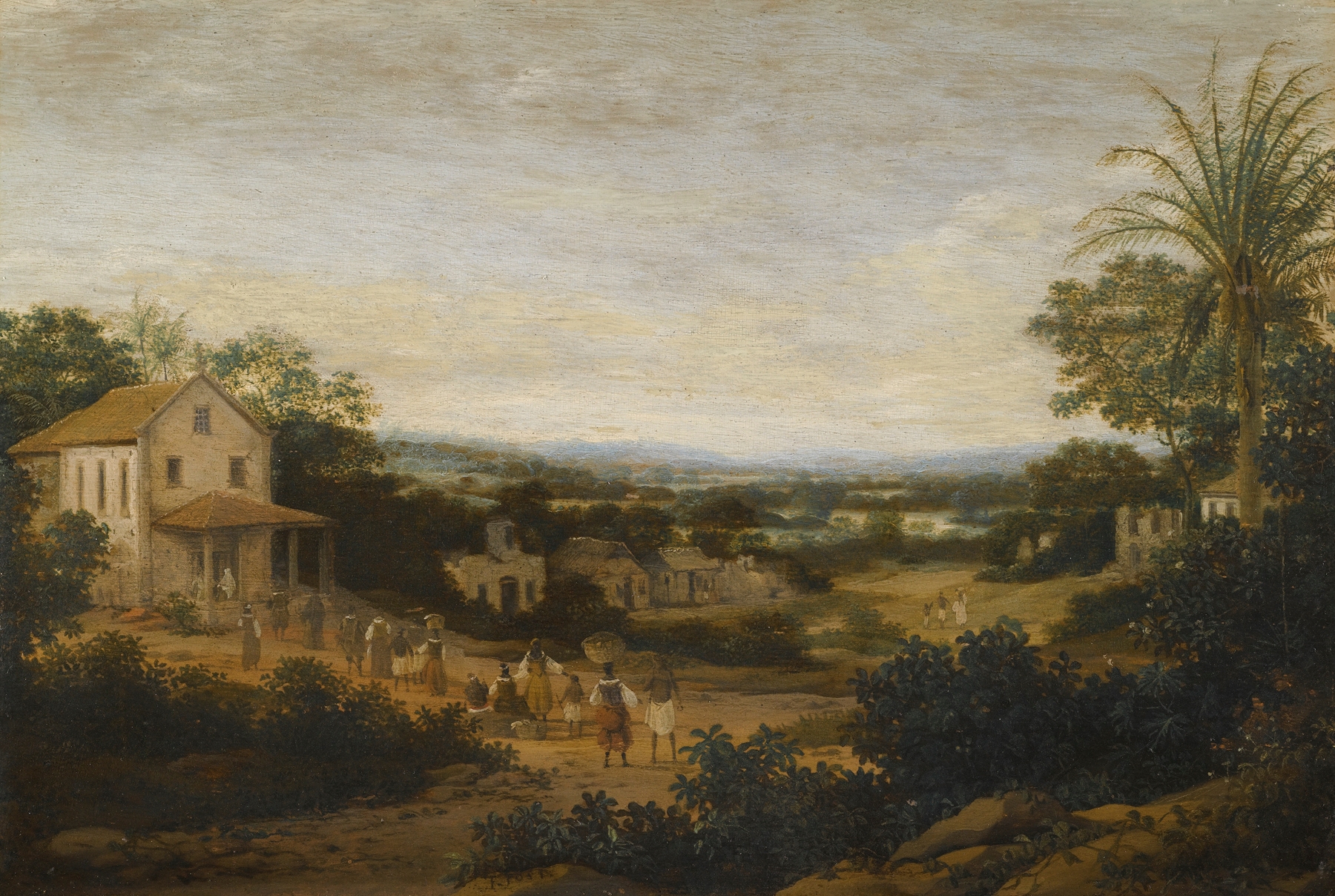
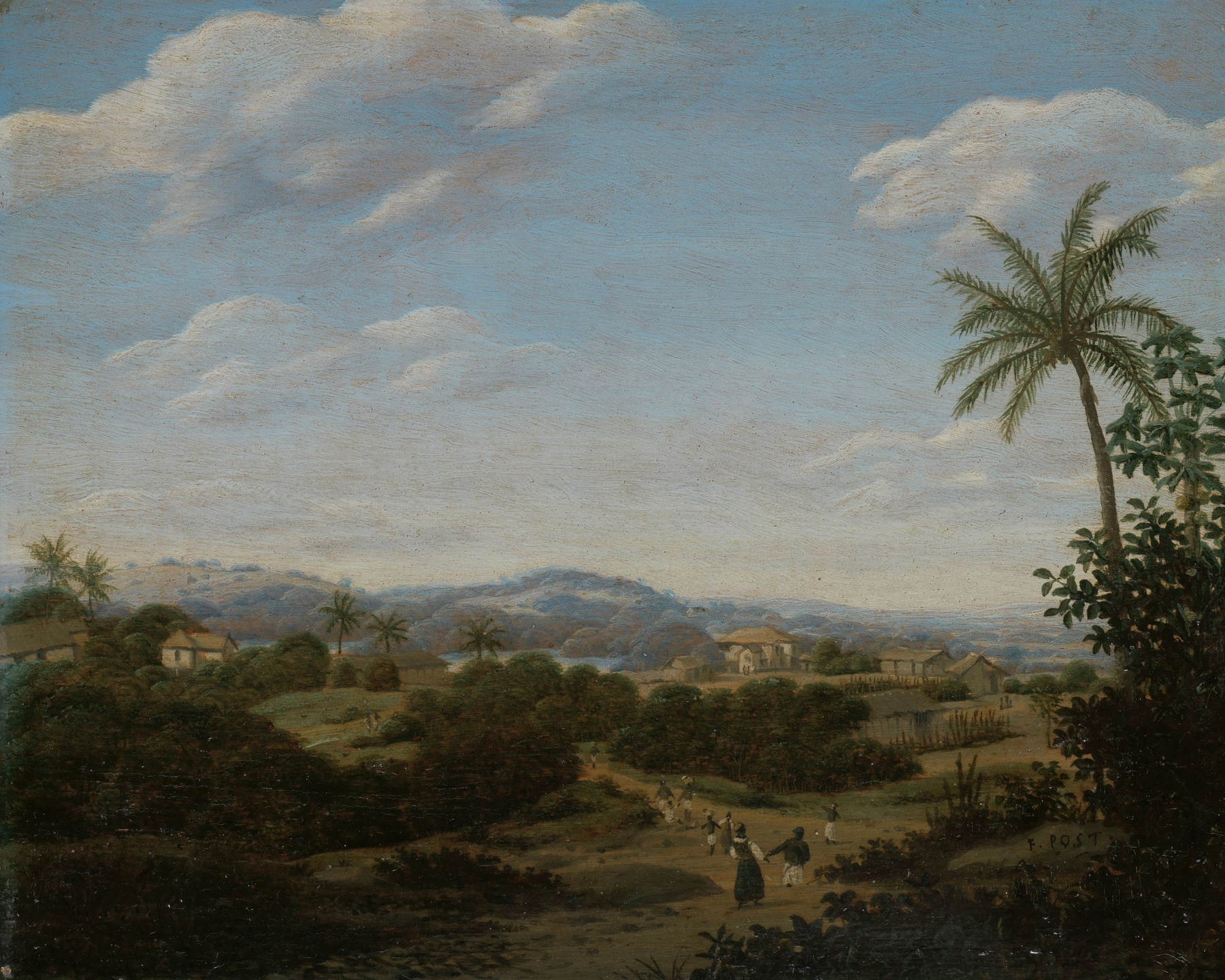
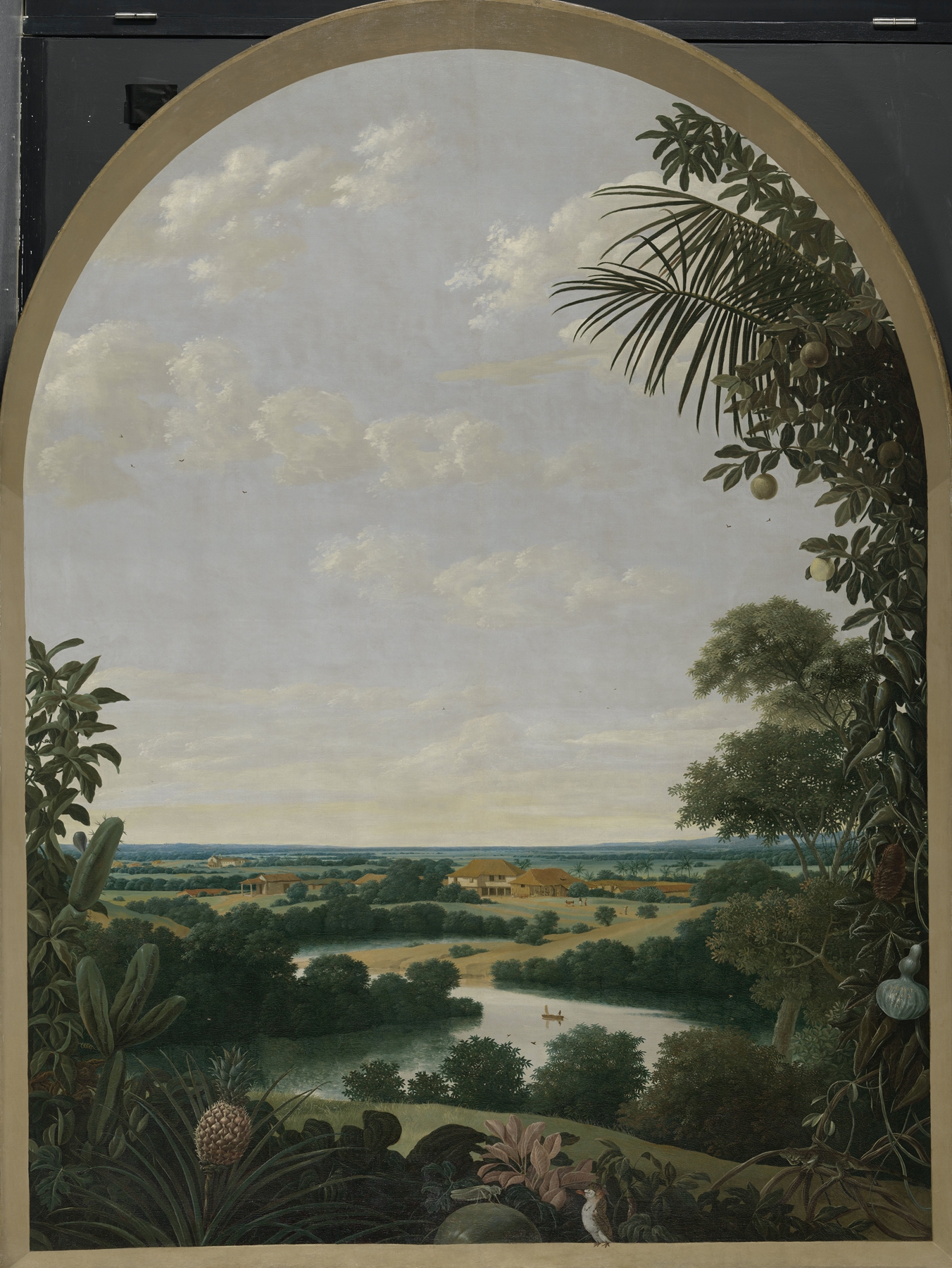
The juxtaposition of man-made and natural elements evokes a sense of tension—an exploration of faith’s role in mastering the environment while also nurturing it. In the late 17th century, Frans Post painted this work in Haarlem before traveling to Brazil, where he documented the country’s exotic landscapes as part of the burgeoning interest in the New World. This period was marked by the Dutch Empire's expansion and the complex interactions between European settlers and indigenous cultures. Post’s paintings reflect not only the beauty of the landscapes he encountered but also the intricate dynamics of faith and colonization that defined that era.